5 Ways the ‘Star Trek: The Original Series’ Aged Poorly (& 5 Ways It Aged Masterfully)

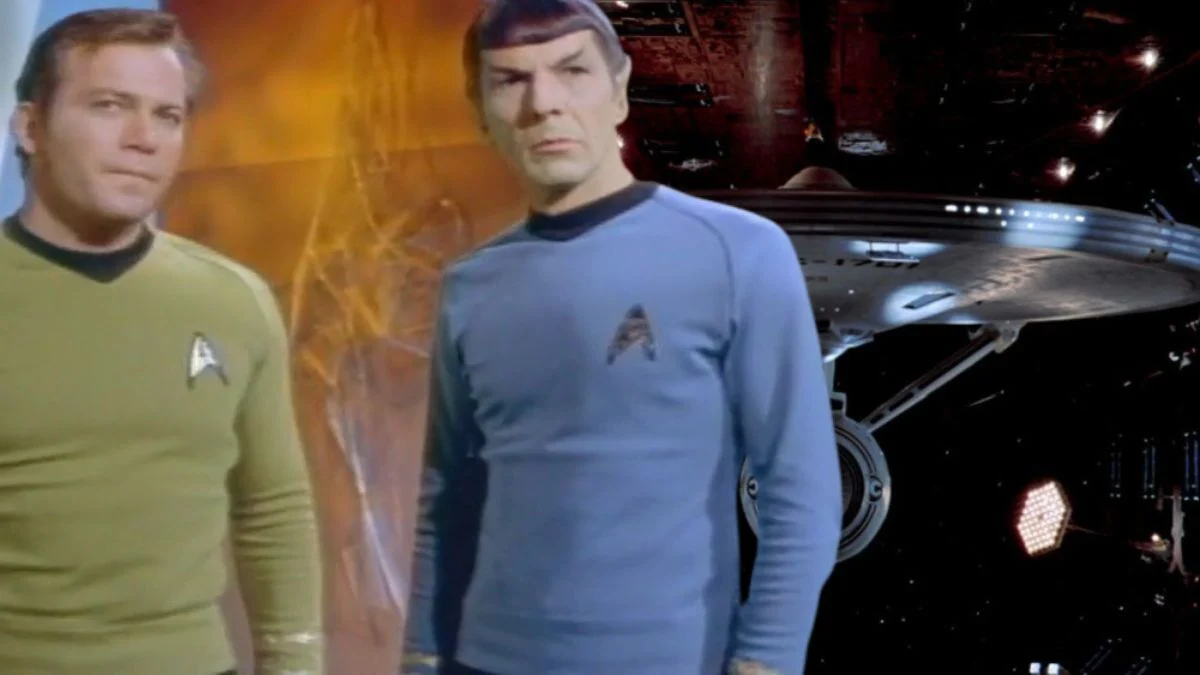

The first voyage of the Enterprise set the template for a huge science fiction universe, and it did it with a small budget and a big imagination. Viewers met a diverse bridge crew, a clear mission of exploration, and a set of ideas that shaped later entries across film and television. The show mixed space opera with science talk and moral dilemmas, and it invited audiences to think about the future in practical ways.
Time always highlights what a show did best and what now feels of its era. Some elements reflect the limits of television production and social norms of the time. Other parts still work because the concepts are strong and the characters are sharply drawn. Here are five ways the series shows its age and five ways it still shines.
Aged Poorly: Uniforms and gender roles
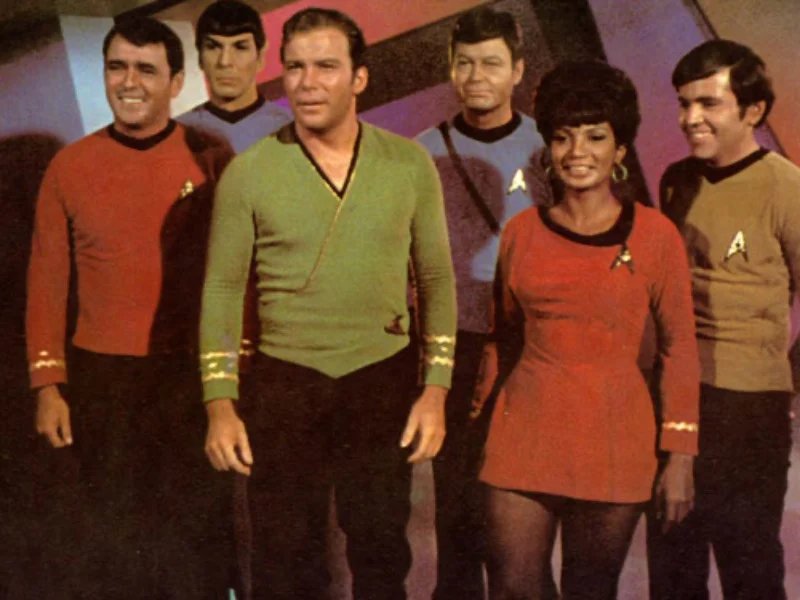
Women on the Enterprise often wore short skirts and high boots, which reflected network and wardrobe choices common in that period. Female characters held roles like yeoman and nurse more often than command positions, and they seldom led landing parties or made high level decisions on screen. Those patterns mirror casting practices from the era of production rather than the stated ideals of the setting.
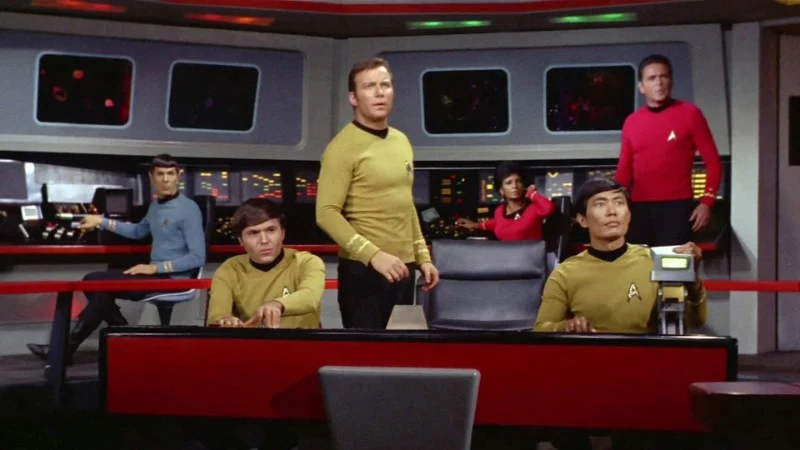
Nyota Uhura served on the bridge with an essential communications role and clear technical skill. Even so, stories rarely centered on her authority, and episodes did not often depict formal pathways for women into command. Later shows in the franchise placed more women in leadership and gave them storylines that tracked training, rank, and responsibility in more detail.
Aged Masterfully: Trailblazing on screen representation
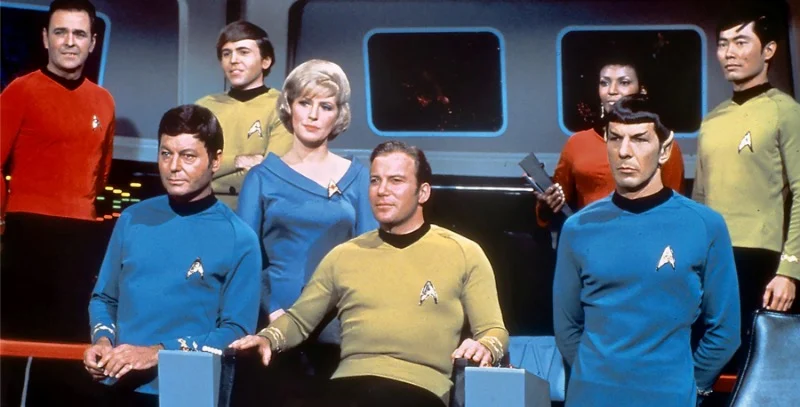
The bridge crew included characters of different backgrounds working side by side in routine scenes. Nichelle Nichols as Uhura became a visible symbol of inclusion on mainstream television, and George Takei and Walter Koenig added further representation for Asian and Eastern European identities in a prime time setting. The series also aired a widely discussed interracial kiss that marked a television milestone in the United States.
These choices reached viewers at home and also influenced people who later worked in science and media. Nichols recruited for space agency programs and met fans who said her presence encouraged their career paths. The routine framing of a diverse bridge team helped normalize the idea of a multicultural future where collaboration is standard practice.
Aged Poorly: Production design and effects constraints
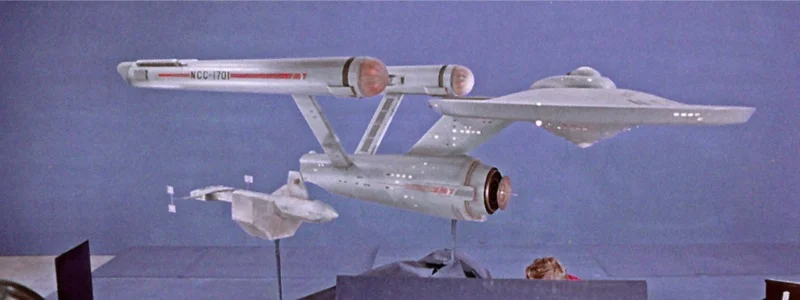
Sets often reused corridor sections and lab spaces, and planetary surfaces relied on painted backdrops and studio lighting. Hand props and creature suits showed the limits of materials and time, with visible seams and repeated elements across different episodes. Optical effects like phaser beams, transporters, and star fields relied on simple animation and compositing that reveal their methods on modern screens.
The show has since received remastered versions that replace some space shots and clean up prints. Even with those updates, the original staging, costumes, and practical gags reflect television craft from a compact production schedule. The gap between those tools and current visual standards is clear, which can pull attention away from the story for new viewers.
Aged Masterfully: Optimistic science and exploration ethos
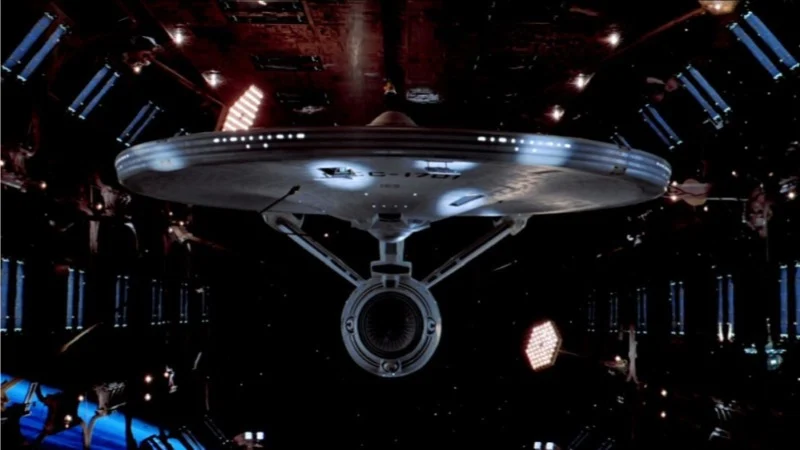
The series presents the United Federation of Planets as a cooperative project built on curiosity and shared rules. Concepts like warp drive, transporters, universal translators, and phasers are explained with consistent terminology, which gives the setting a working feel. Shipboard routines such as duty rotations, sensors, and logs teach viewers how this world operates.
That vision inspired real engineers and scientists. The space shuttle prototype received the name Enterprise after public advocacy tied to the show. Many people in aerospace and computing point to the series as a reason they pursued technical fields, since it showed a future where technology solves problems and exploration benefits everyone.
Aged Poorly: Episodic reset structure and pacing
Stories typically begin with a teaser, move through a contained problem, and end with the crew back to normal. Character changes rarely carry over, and big decisions seldom alter the ongoing situation. This approach fit syndication needs, since stations could air episodes in any order without confusing viewers.
Dialogue scenes often run long because effects shots were expensive, and action beats had to fit stage spaces. That means plots rely on conferences, deductions, and speeches to move the story forward. Later series in the franchise adopt longer arcs and show consequences across multiple episodes, which creates a different rhythm than the original approach.
Aged Masterfully: Enduring characters and worldbuilding
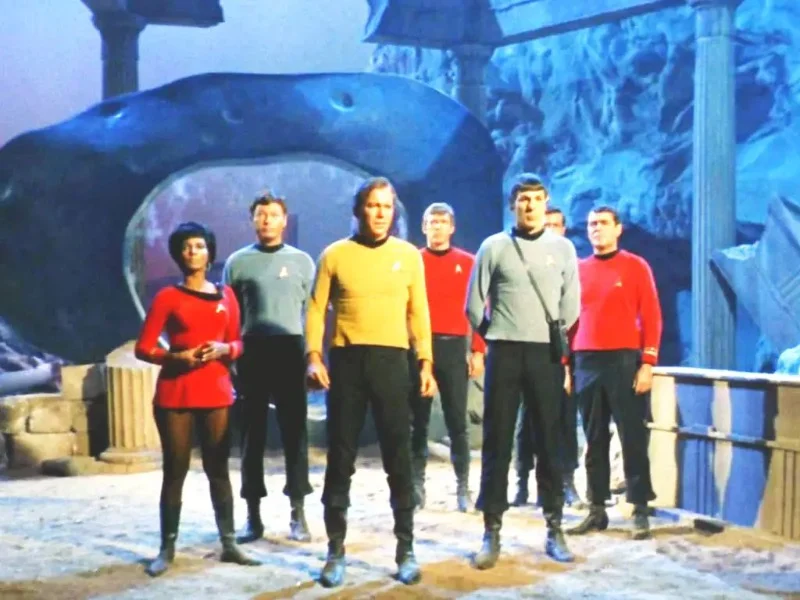
The core triad of Kirk, Spock, and McCoy creates a clear framework for decision making. Spock provides logic and analysis, McCoy speaks for human concerns, and Kirk weighs options and acts. Their exchanges define many missions and give shape to debates about risk, duty, and compassion.
Key elements of the setting start here and continue across later entries. Viewers first learn the Prime Directive, phaser settings, transporter lock issues, and the structure of Starfleet. These pieces give later shows a shared language, which allows ‘The Next Generation’, ‘Deep Space Nine’, ‘Voyager’, ‘Enterprise’, ‘Discovery’, ‘Picard’, and ‘Strange New Worlds’ to build on familiar ideas without reintroducing them.
Aged Poorly: Cultural shortcuts in allegories
Many planets mirror Earth cultures with single defining traits, which simplifies costumes and sets but compresses nuance. A society might copy gangland styles or ancient empires with little internal variety, and its citizens often speak in broad terms that map cleanly to a theme. This approach serves quick storytelling needs but reduces cultural detail within those worlds.
Some stories use parallel Earth ideas so the crew can comment on a topic with immediate recognition. That choice speeds comprehension yet can flatten complex histories into easy labels. Later series expand worldbuilding with layered politics and mixed influences, which helps avoid one note societies when a topic needs more texture.
Aged Masterfully: Social commentary through allegory
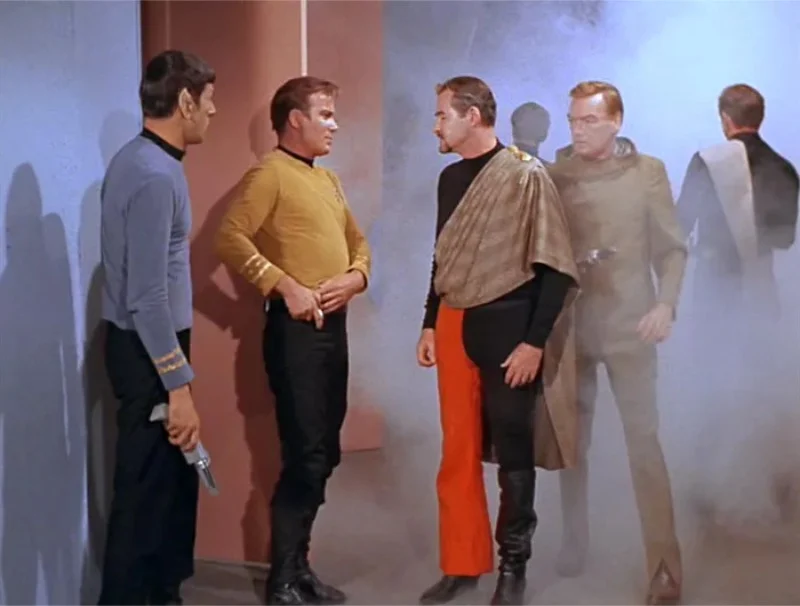
Writers tackled issues like civil rights, war, authoritarianism, and technology ethics by shifting the setting into space. Episodes weigh non interference against humanitarian need, question deterrence strategies, and examine prejudice through alien encounters. The science fiction wrapper lets the show talk about hard subjects in ways a broad audience can process.
This method gives the stories staying power because the core problems are not tied to one news cycle. As viewers revisit the show, they can apply its debates to new contexts. The scripts use ship procedures, mission logs, and first contact rules to frame each dilemma, which keeps the commentary grounded in the world the show built.
Aged Poorly: Technology and continuity inconsistencies
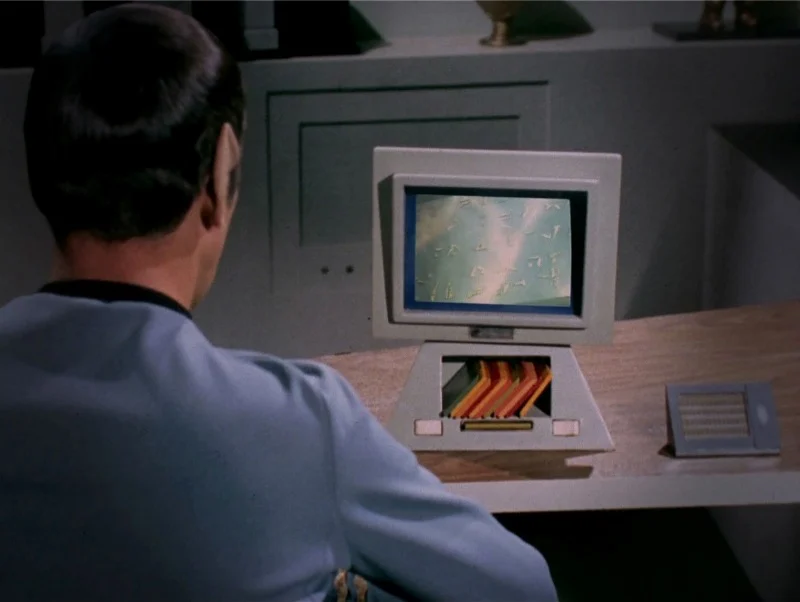
Technical details can shift between episodes. Stardates move in non linear ways, warp power and range vary, and transporter limitations change when plots need a new wrinkle. The Prime Directive appears with different interpretations, which leads to uneven choices about contact and intervention.
Visual continuity also differs from later portrayals. The look of certain species changes across the franchise, and uniform markings and ship systems do not always match later standards. These inconsistencies reflect evolving design and a writers room that adjusted details to fit weekly production demands rather than a single reference guide.
Aged Masterfully: Lasting impact and franchise legacy
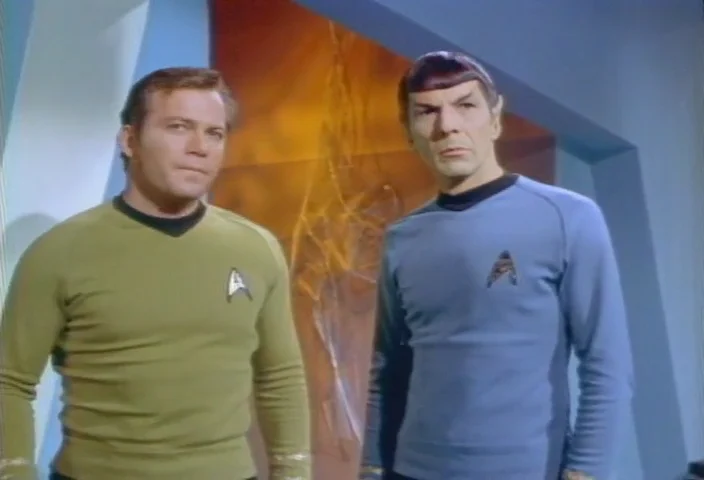
A strong fan campaign helped the series gain more time on the air, and syndication built an even larger audience. That continuing interest led to feature films and then to a return to television. The franchise expanded into ‘The Next Generation’, ‘Deep Space Nine’, ‘Voyager’, ‘Enterprise’, ‘Discovery’, ‘Picard’, and ‘Strange New Worlds’, with each show using the original blueprint in new ways.
Conventions, novels, games, and documentaries keep the conversation going, which feeds back into new productions. The original ship, crew, and mission remain the touchstone for later casts and writers. When modern entries explore first contact rules, command ethics, or the balance between logic and empathy, they use language and ideas first set by ‘Star Trek: The Original Series’.
Share your favorite examples in the comments and tell us where you think ‘Star Trek: The Original Series’ still soars or shows its age today.