


Marlon Brando’s Best Roles

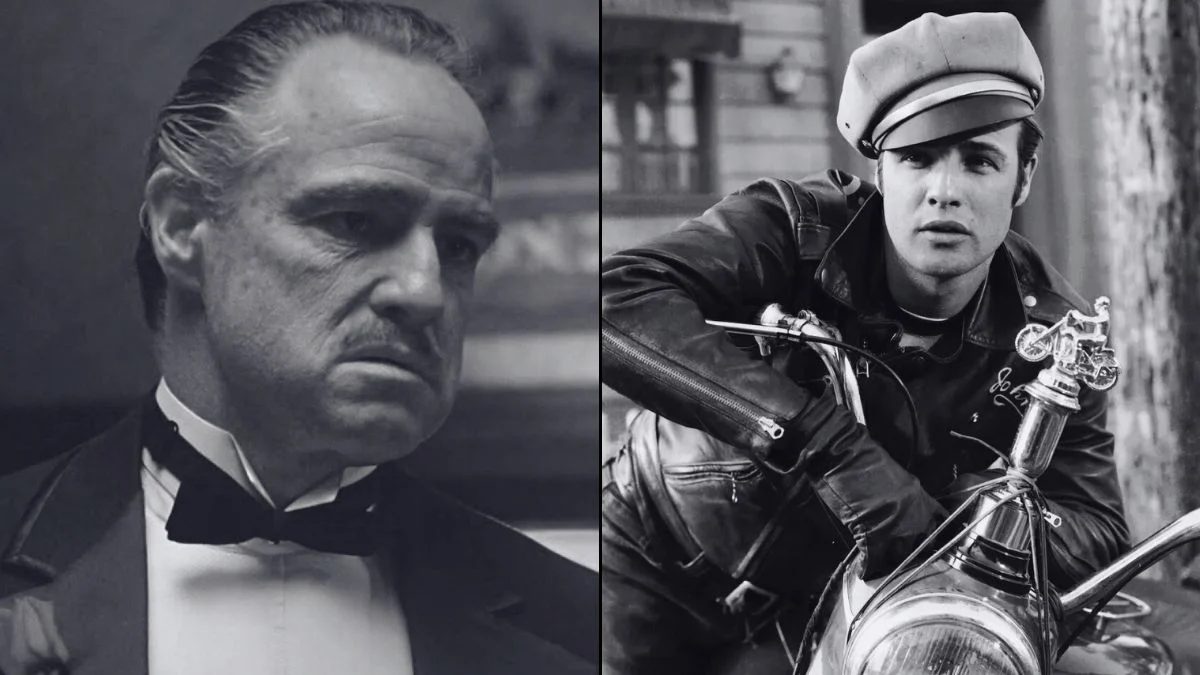


Marlon Brando is not just an actor but a towering figure who forever changed the art of screen performance. He brought a raw, emotional realism to his roles that was unlike anything audiences had seen before, making him a true pioneer of method acting in Hollywood. His career began with a series of groundbreaking performances in the 1950s that immediately established him as a cultural icon and one of the most exciting talents of his generation.
Throughout his long and often turbulent career, Brando created a gallery of unforgettable characters that have become deeply embedded in film history. From volatile anti-heroes to powerful patriarchs, his ability to fully inhabit a role was legendary. He challenged conventions, defied expectations, and left behind a legacy that continues to influence actors all over the world, solidifying his status as one of the greatest to ever grace the silver screen.
‘The Score’ (2001)
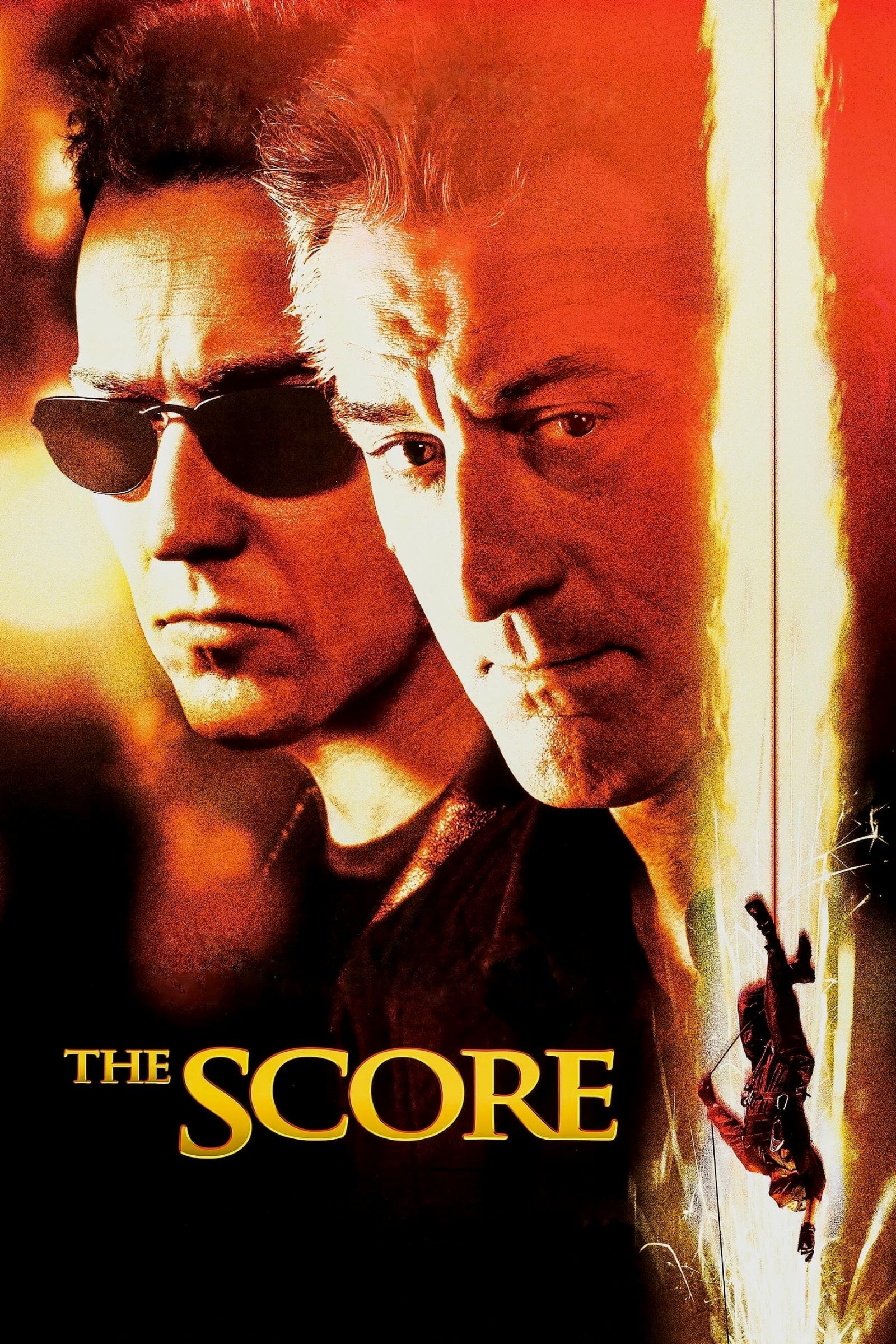
This crime thriller marked Marlon Brando’s final film appearance. He plays Max, an experienced fence and the longtime friend and business partner of a master safecracker named Nick Wells. Max is the one who coaxes Nick out of retirement for one last big heist, which involves stealing a priceless historical artifact.
Brando’s character is a charming but manipulative figure who orchestrates the complex robbery from his lavish home. He brings a younger, more aggressive thief into the plan, creating tension and mistrust among the crew. The role allowed Brando to share the screen with two other acclaimed actors from different generations in a story of betrayal and suspense.
‘Last Tango in Paris’ (1972)
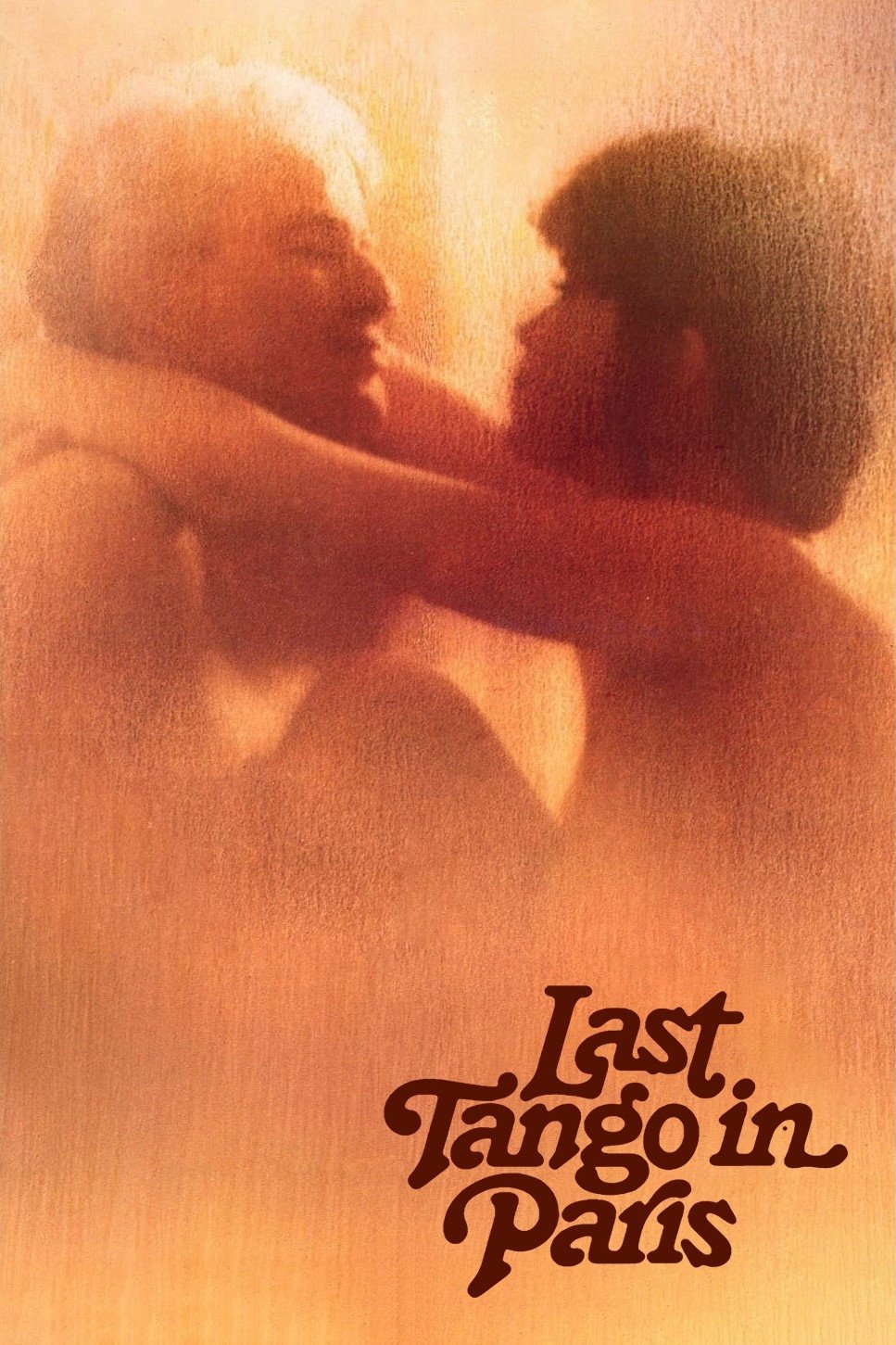
In this controversial and intense drama, Marlon Brando plays Paul, a middle-aged American man grieving the recent suicide of his wife in Paris. He wanders into an empty apartment for rent and begins a passionate but anonymous affair with a young Parisian woman who is engaged to be married.
The two strangers agree to meet at the apartment without ever revealing their names or any personal details about their lives. Brando’s performance is a raw and emotionally exposed exploration of grief, loneliness, and despair. The character uses the purely physical relationship as a way to escape from the pain of his past and the emptiness of his present.
‘Sayonara’ (1957)
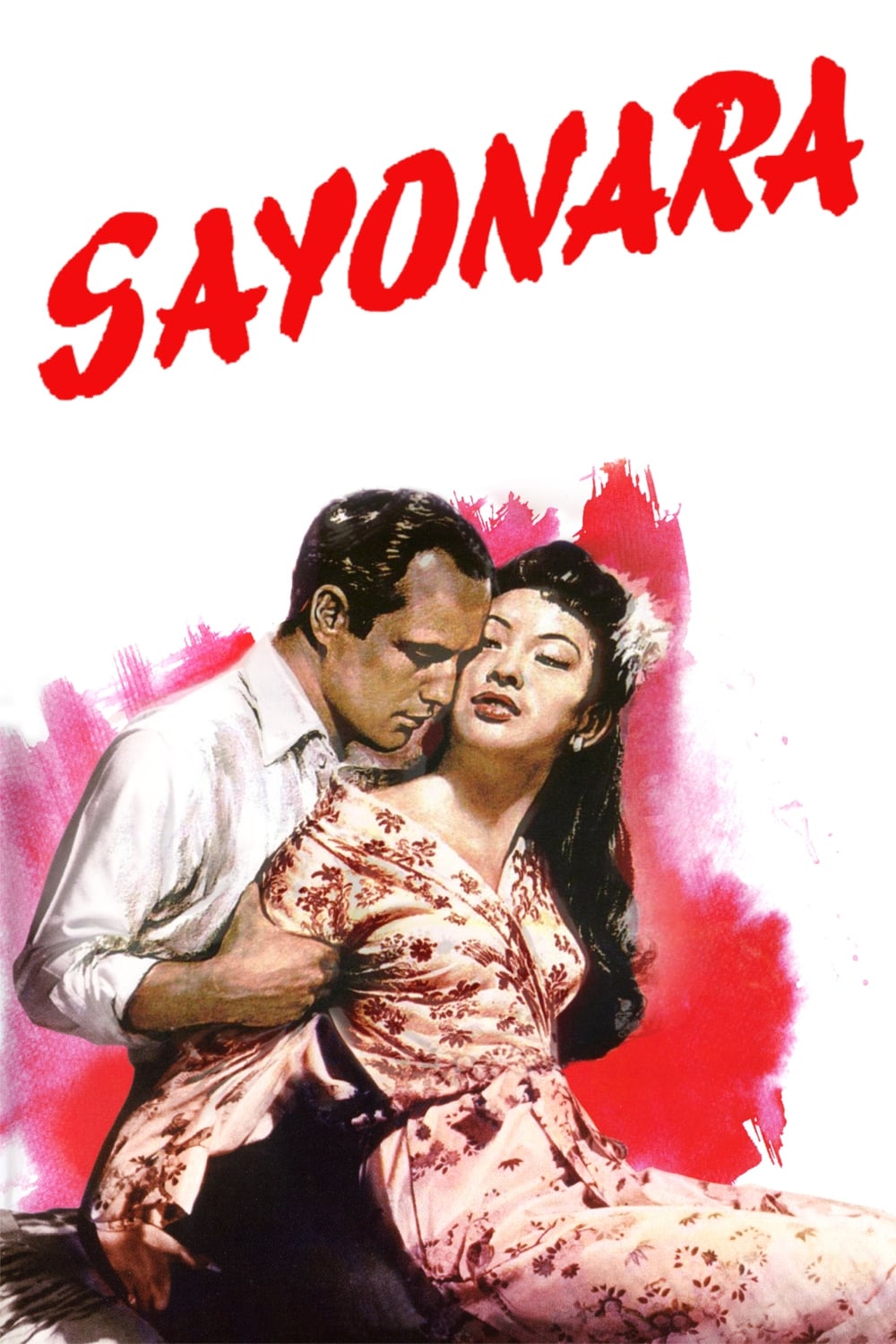
Set in Japan during the Korean War, this romantic drama features Marlon Brando as Major Lloyd Gruver, an American Air Force ace. He is a Southerner who is initially prejudiced against the idea of relationships between American servicemen and Japanese women, despite being stationed in the country.
Major Gruver’s perspective begins to change when his friend falls in love with a Japanese woman and he himself becomes captivated by a famous and beautiful Japanese performer. His role traces the character’s emotional journey from a man bound by military rules and societal prejudice to someone who defies convention for love.
‘Guys and Dolls’ (1955)
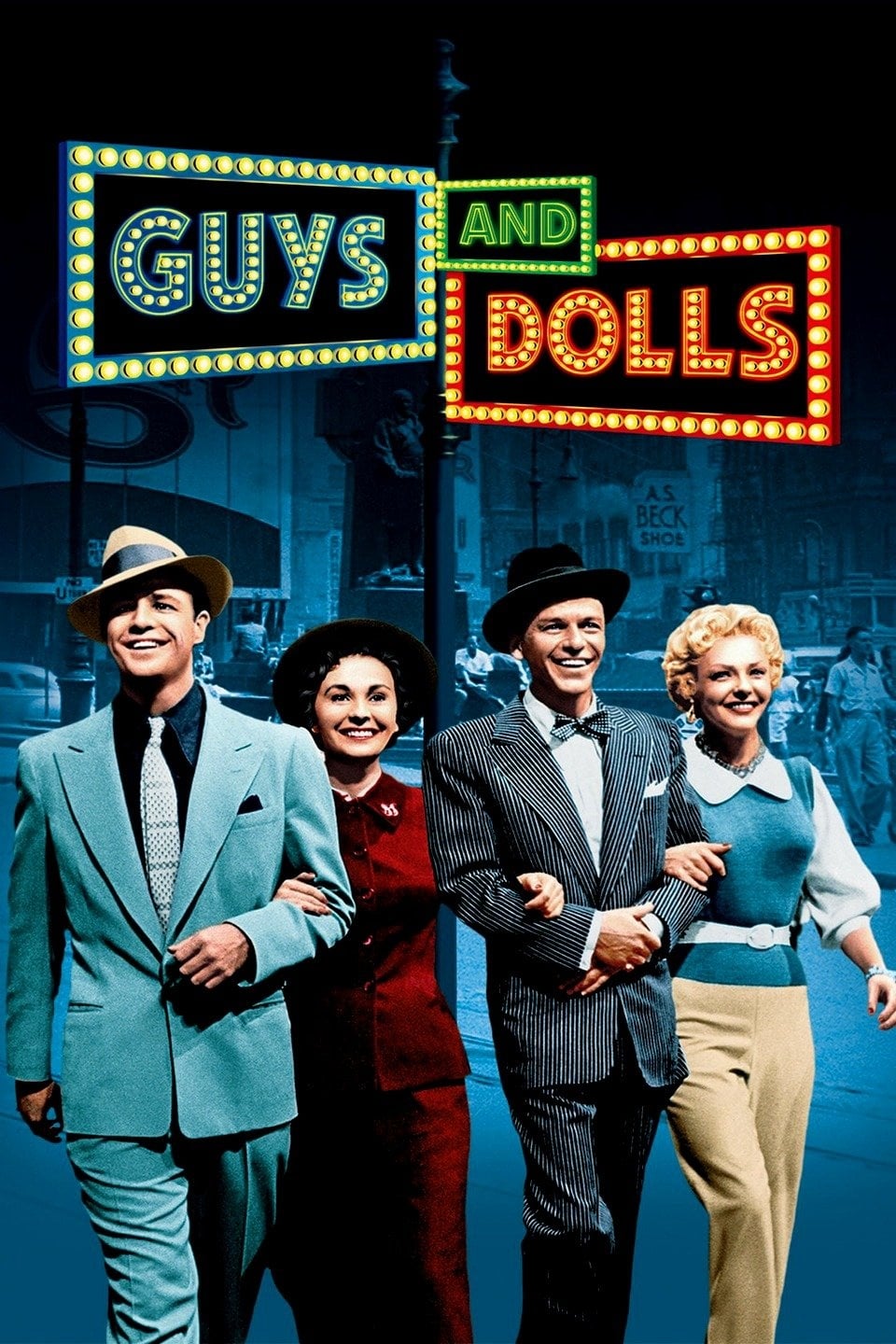
In this classic movie musical, Marlon Brando took on the surprising role of Sky Masterson, a suave and high-rolling gambler. The story follows his character as he accepts a bet that he can persuade a virtuous and upright missionary sergeant to accompany him on a trip to Havana.
Brando showcased a different side of his talents by performing his own songs in the film, including the famous number “Luck Be a Lady.” His portrayal of Sky Masterson is charismatic and confident, as the character navigates the vibrant world of New York’s underground gambling scene while unexpectedly falling for the woman he is trying to win a bet on.
‘One-Eyed Jacks’ (1961)
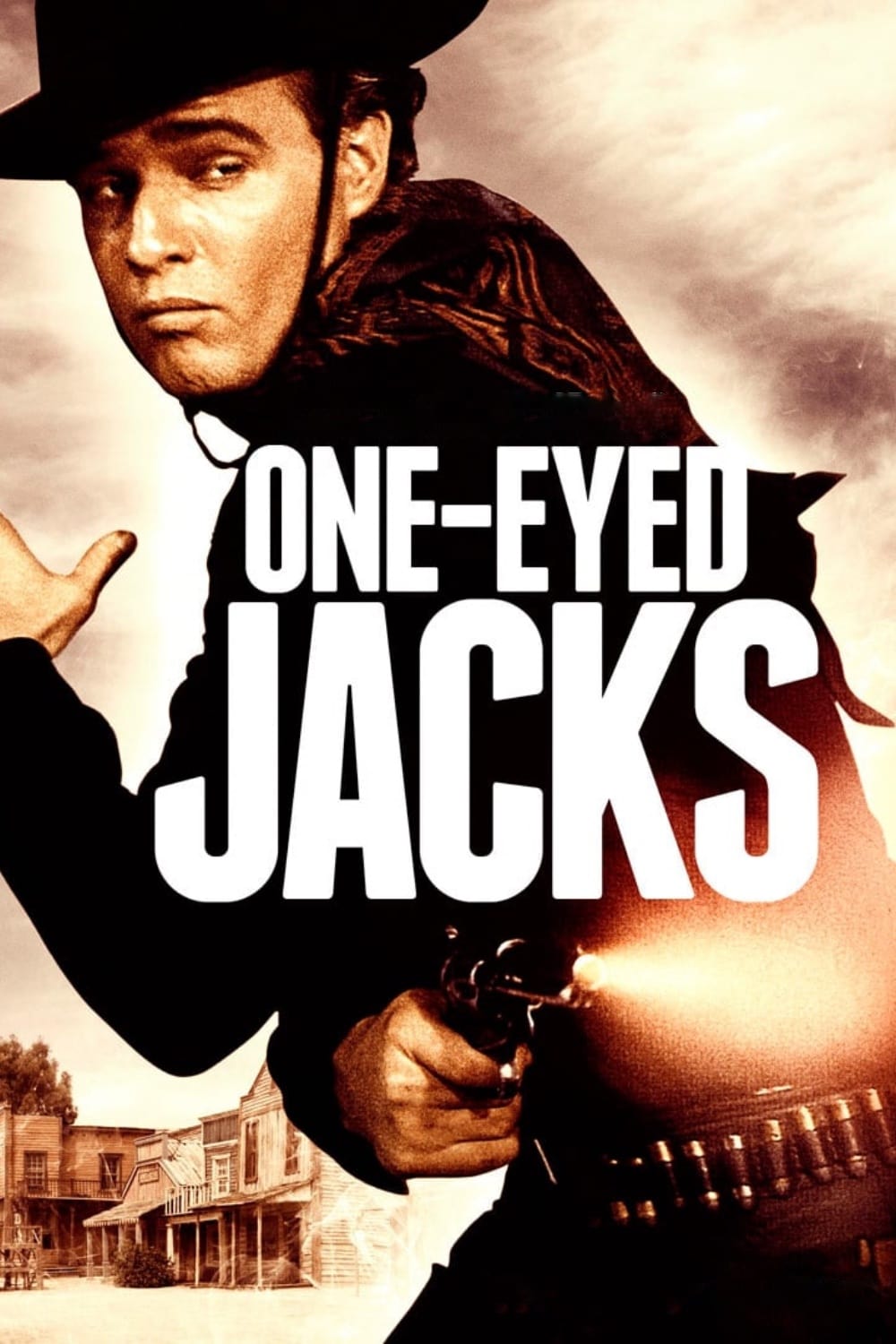
This Western is notable because it is the only film Marlon Brando ever directed. He also stars as Rio, an outlaw who is betrayed by his partner and mentor, Dad Longworth, after a bank robbery in Mexico. Rio is arrested and sent to a brutal prison, all the while plotting his revenge.
After escaping from prison years later, Rio tracks his former partner to a town in California, where Dad has become a respectable sheriff. Rio’s plan for vengeance becomes complicated when he falls in love with his old partner’s stepdaughter. The film is a story of revenge, betrayal, and a man caught between his past and a possible future.
‘Burn!’ (1969)
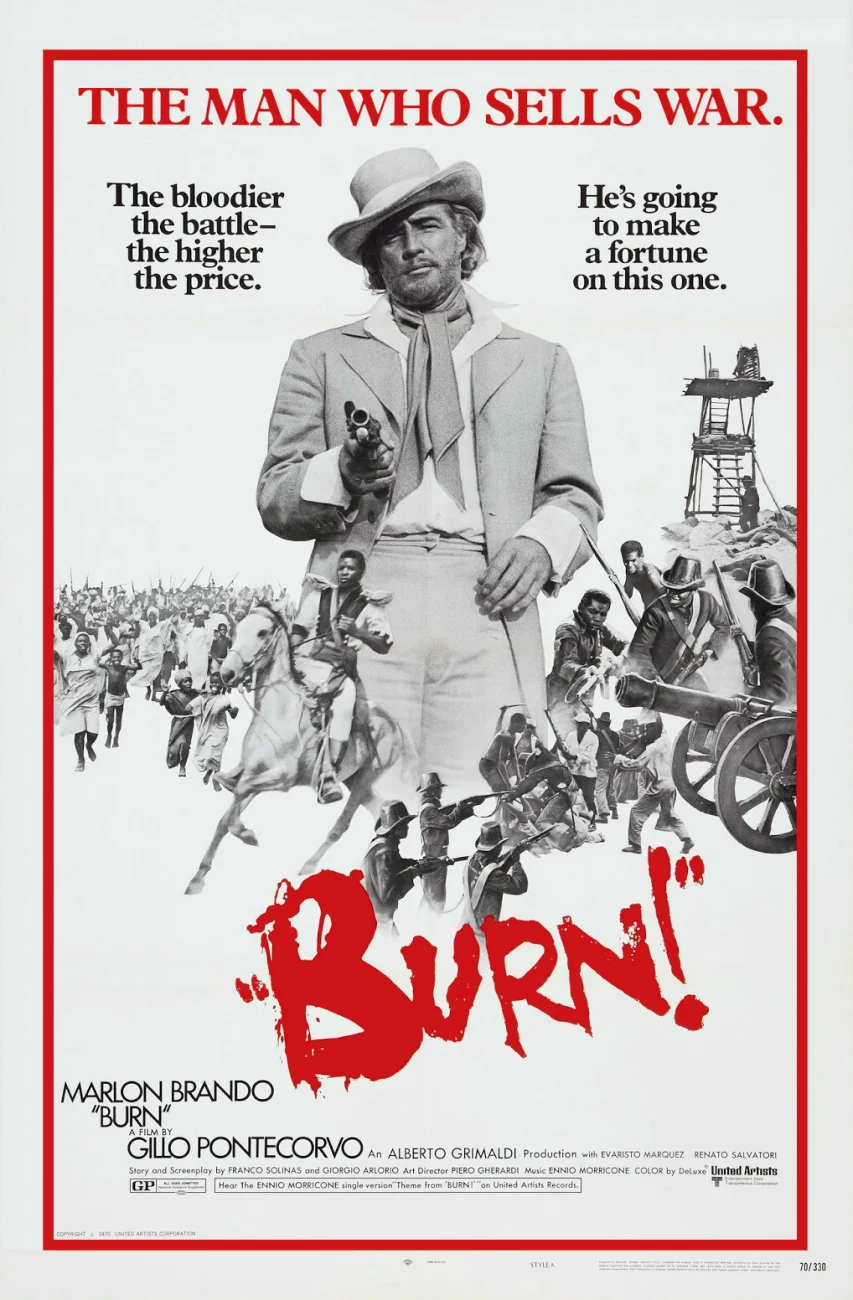
In this historical drama, Marlon Brando plays Sir William Walker, a British agent sent to a fictional Portuguese sugar-producing island in the Caribbean. His mission is to instigate a slave revolt in order to break the Portuguese sugar monopoly and open up the market for the British.
Walker successfully manipulates a local man into leading the rebellion, which achieves its goal. However, years later, he is sent back to the same island by the sugar company to crush a new rebellion led by the very man he once empowered. The film is a sharp critique of colonialism and corporate exploitation, with Brando’s character representing the cynical nature of political intervention.
‘Julius Caesar’ (1953)
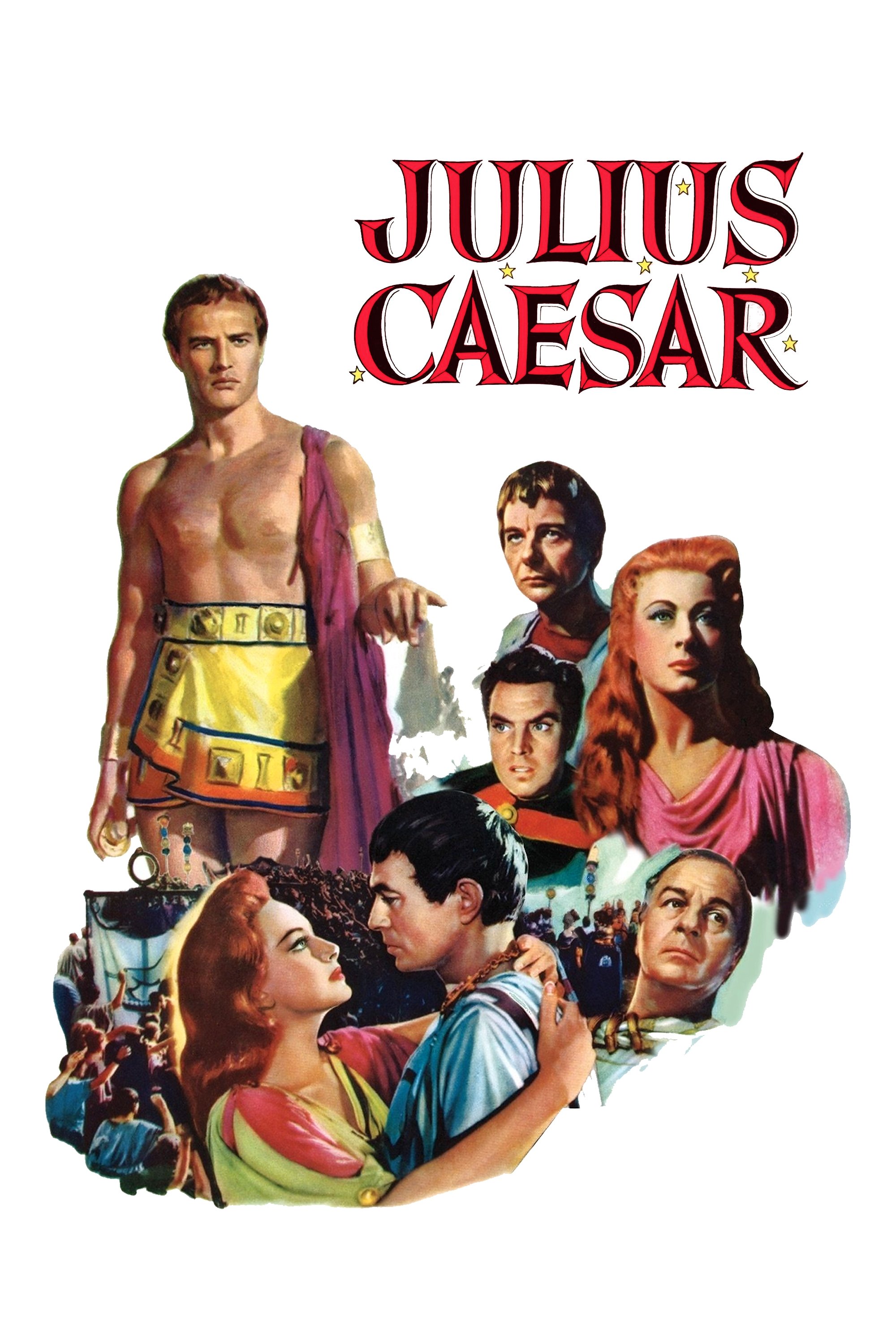
This film is a faithful adaptation of William Shakespeare’s famous play. Marlon Brando took on the challenging role of Mark Antony, the loyal and passionate friend of the Roman dictator Julius Caesar. His performance was a crucial part of the movie, especially in the scenes following Caesar’s assassination.
Brando’s portrayal is best remembered for the powerful funeral oration scene, where his character masterfully turns the Roman public against the conspirators who murdered Caesar. He delivered the classic Shakespearean dialogue with an emotional intensity that made it accessible and compelling for modern audiences, demonstrating his impressive range as an actor.
‘Mutiny on the Bounty’ (1962)
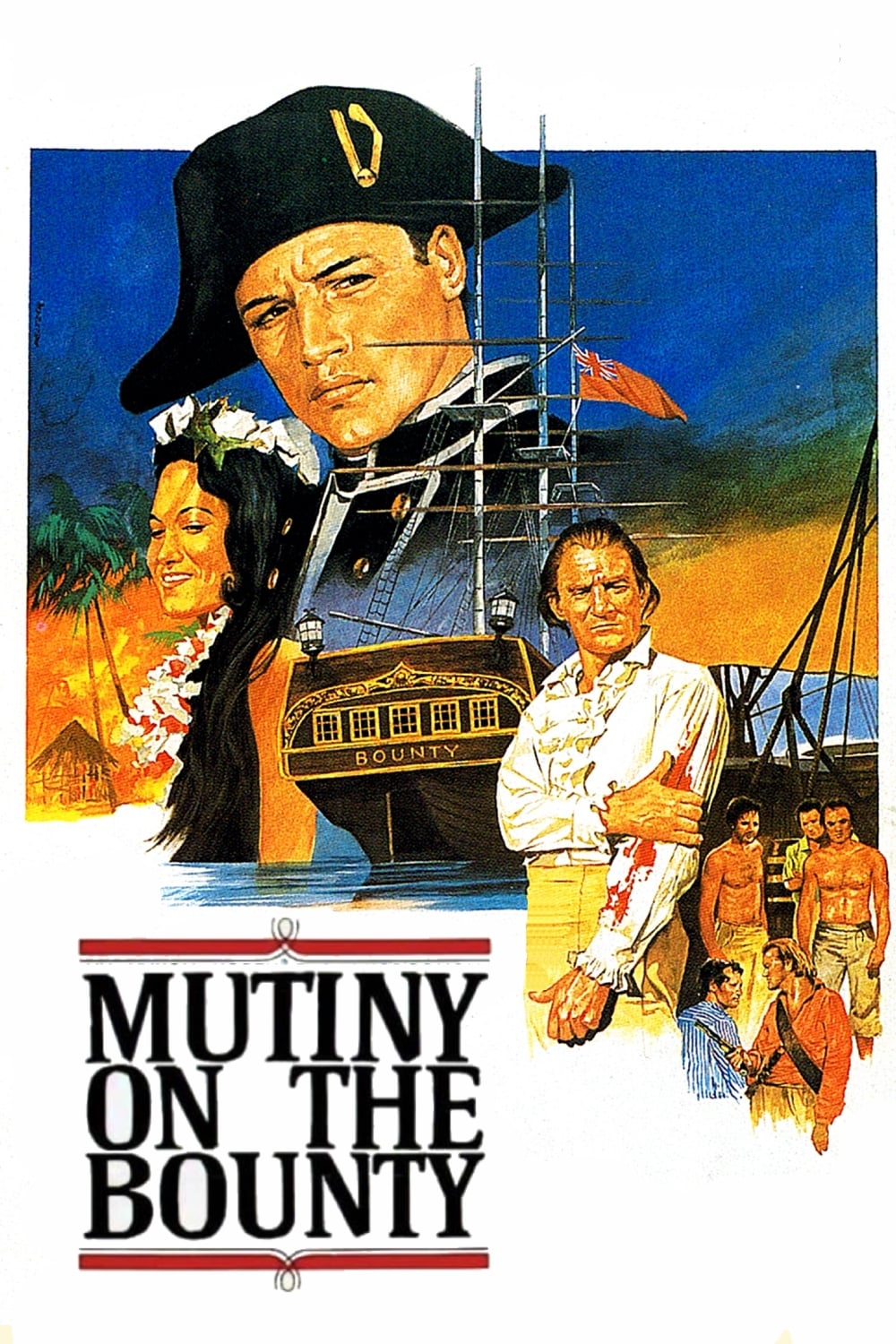
In this epic historical adventure, Marlon Brando portrays Fletcher Christian, the dashing and charismatic first mate on the British ship HMS Bounty. The story is based on the real-life mutiny that took place in 1789, led by Christian against the ship’s tyrannical and cruel commander, Captain Bligh.
Brando’s character is initially a dutiful officer, but he becomes increasingly disillusioned with Captain Bligh’s harsh treatment of the crew. His transformation into the leader of the mutiny is central to the film’s narrative. The role captures the struggle between duty and conscience, culminating in a dramatic takeover of the ship in the South Pacific.
‘Viva Zapata!’ (1952)
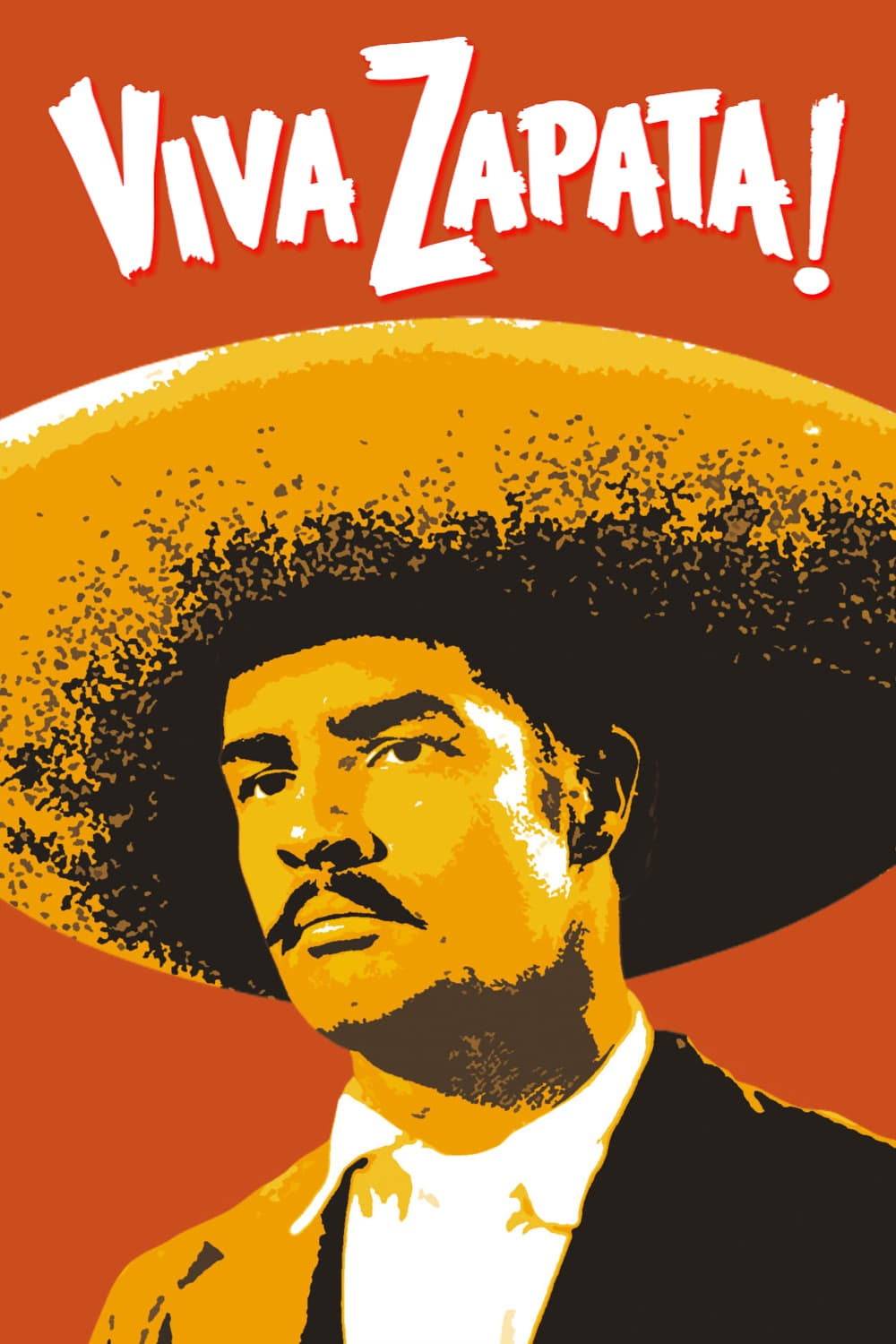
This biographical film stars Marlon Brando as Emiliano Zapata, the legendary leader of the Mexican Revolution. The story follows Zapata’s journey from a humble peasant to a powerful and influential revolutionary general who fights for land reform and the rights of his people against a corrupt government.
Brando’s performance captures the passion and conviction of the historical figure. He portrays Zapata as a reluctant leader who is more interested in justice for his village than in personal power. The film explores the complexities of leadership and the personal sacrifices required to fight for a cause, with Brando embodying the revolutionary’s unwavering spirit.
‘Superman’ (1978)
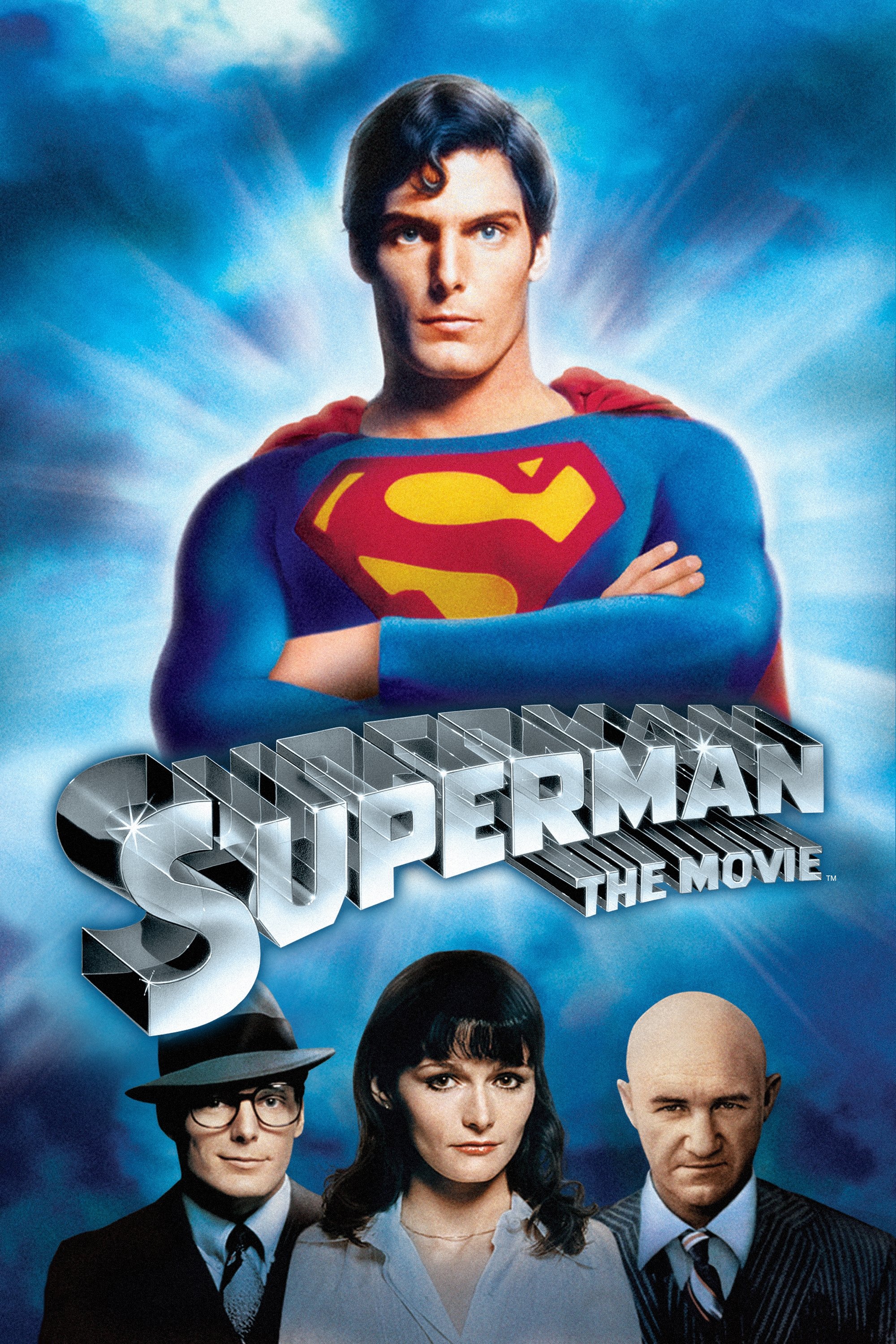
Marlon Brando made a memorable and highly publicized appearance in this iconic superhero film. He played Jor-El, the brilliant and revered scientist from the planet Krypton and the biological father of Superman. Although his screen time is brief, his role is essential to the movie’s mythology and sets the entire story in motion.
In the film’s opening sequence, Jor-El fails to convince Krypton’s leaders of their planet’s impending doom. To save his lineage and preserve a piece of his civilization, he places his infant son Kal-El in a starship and sends him to Earth. Brando’s powerful and dignified presence gave the character a sense of gravitas and historical importance.
‘The Wild One’ (1953)
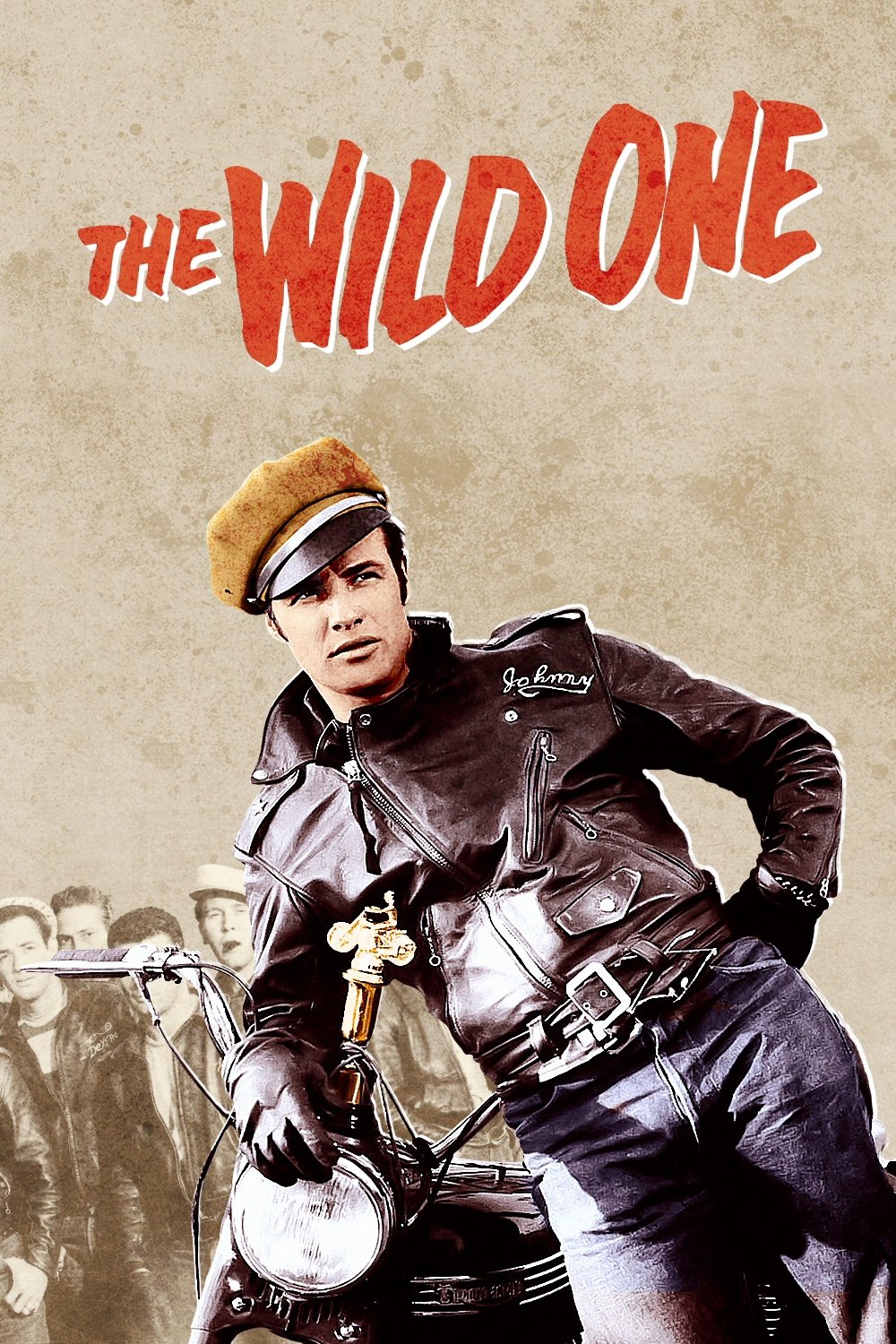
In this film, Marlon Brando created one of his most enduring cultural images as Johnny Strabler, the rebellious leader of the Black Rebels Motorcycle Club. After his gang is kicked out of a motorcycle event, they ride into a small, quiet town and begin to cause trouble, much to the dismay of the local residents and law enforcement.
Brando’s portrayal of the brooding, leather-clad biker came to symbolize a generation of restless youth in post-war America. The character’s mumbling speech and anti-authoritarian attitude made him an instant icon of cool rebellion. When asked what he’s rebelling against, his character’s famous reply, “Whaddaya got?,” became a legendary line in film history.
‘A Streetcar Named Desire’ (1951)
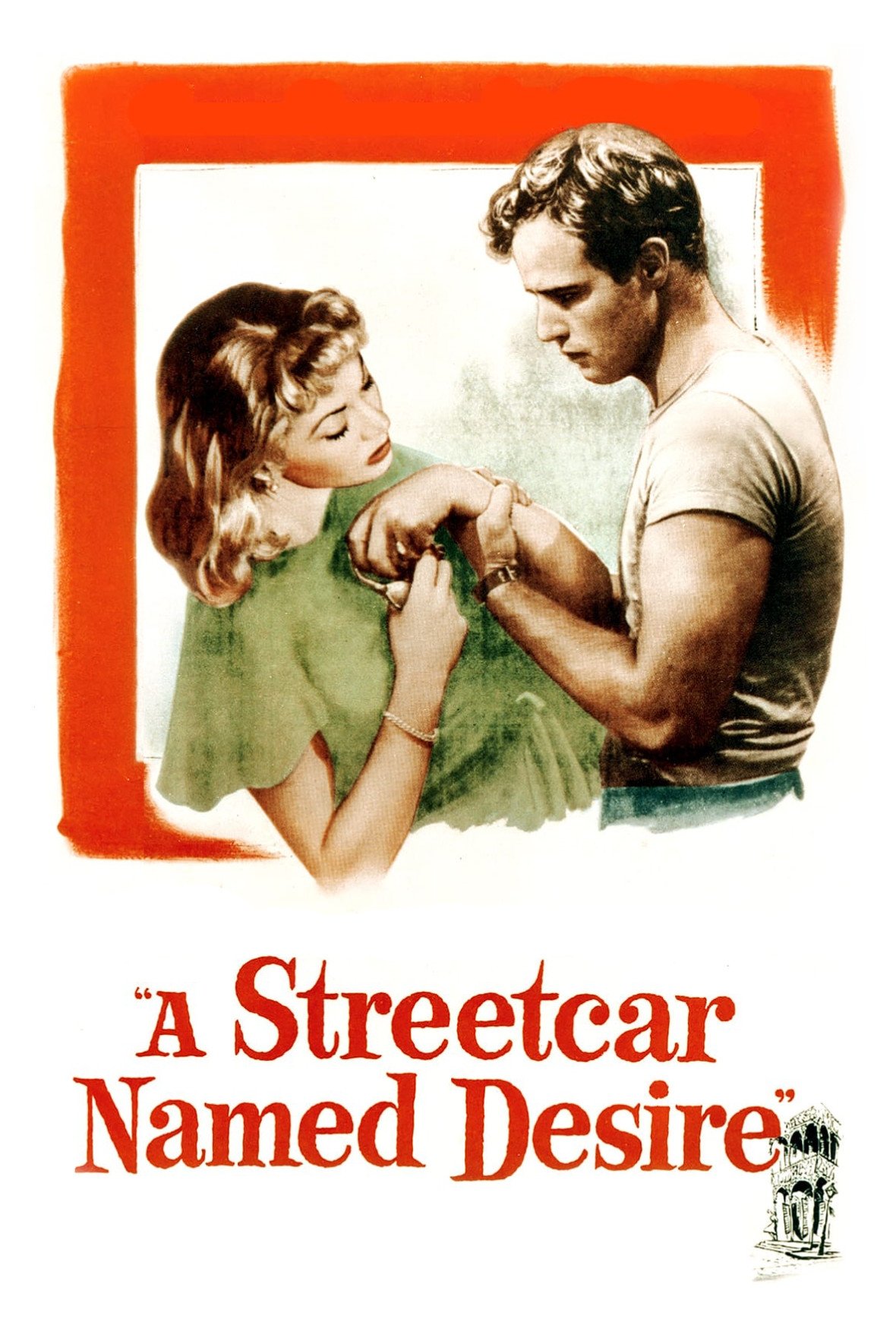
This film adaptation of Tennessee Williams’s classic play features Marlon Brando in the role that made him a superstar. He plays Stanley Kowalski, a brutish and primal factory worker living in a cramped New Orleans apartment with his wife, Stella. Their lives are disrupted by the arrival of Stella’s fragile and delusional sister, Blanche DuBois.
Brando had already played the role on Broadway, and he brought a raw, animalistic energy to the screen performance that was shocking and captivating for audiences at the time. His portrayal of Stanley is a powerful display of explosive emotion and physical presence, creating a character that is both menacing and magnetic. The role redefined screen acting and set a new standard for realism.
‘On the Waterfront’ (1954)
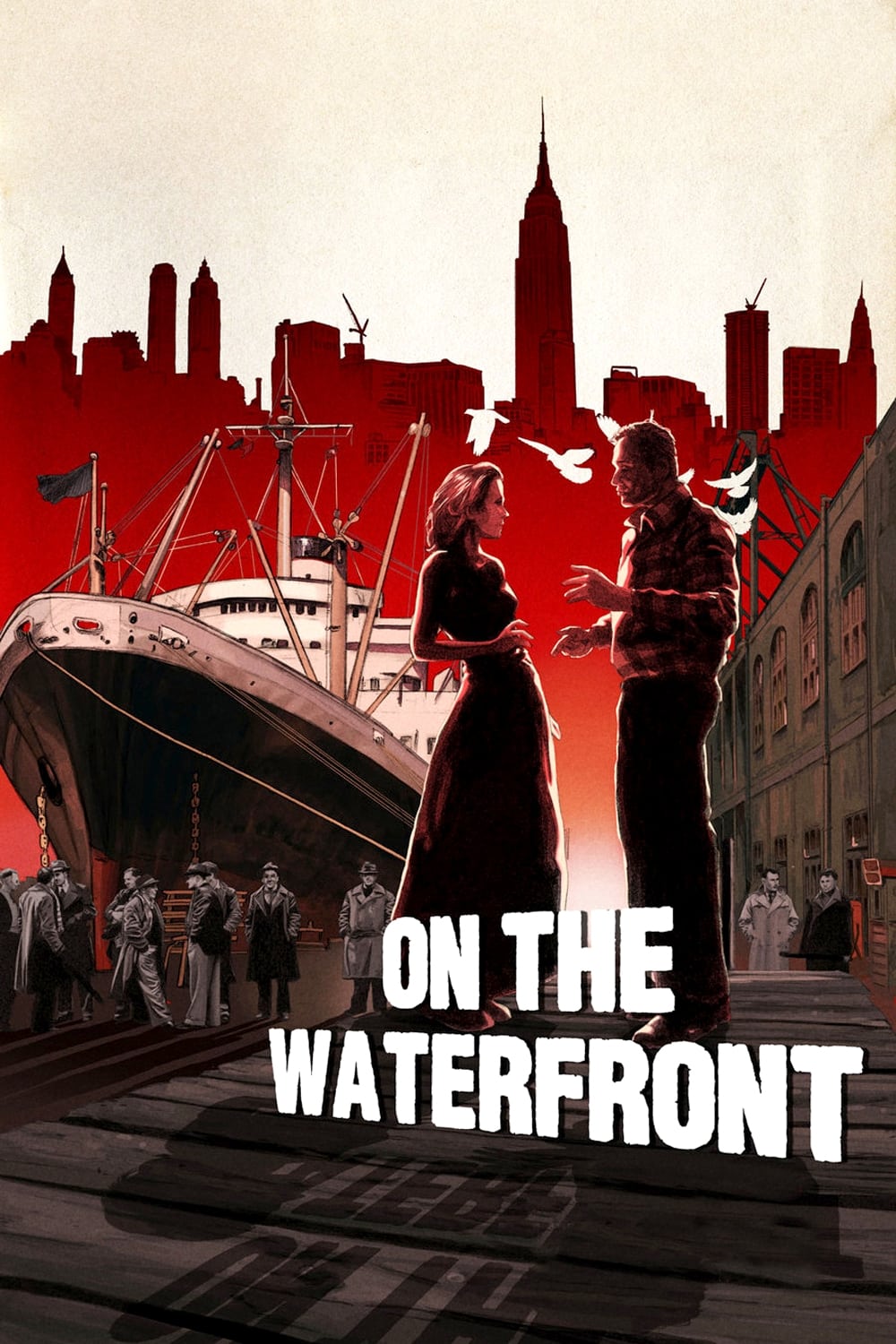
Marlon Brando delivered one of his most celebrated performances as Terry Malloy, a former prize-fighter who now works as a longshoreman on the corrupt docks of Hoboken, New Jersey. Terry is haunted by his past and finds himself caught between his loyalty to the corrupt union boss and his growing desire to do the right thing.
His character’s moral journey is the heart of the film, culminating in his famous monologue in the back of a taxi where he laments, “I coulda been a contender.” Brando’s deeply moving and nuanced portrayal of Terry’s inner conflict earned him his first Academy Award for Best Actor and created one of the most iconic characters in American cinema.
‘Apocalypse Now’ (1979)
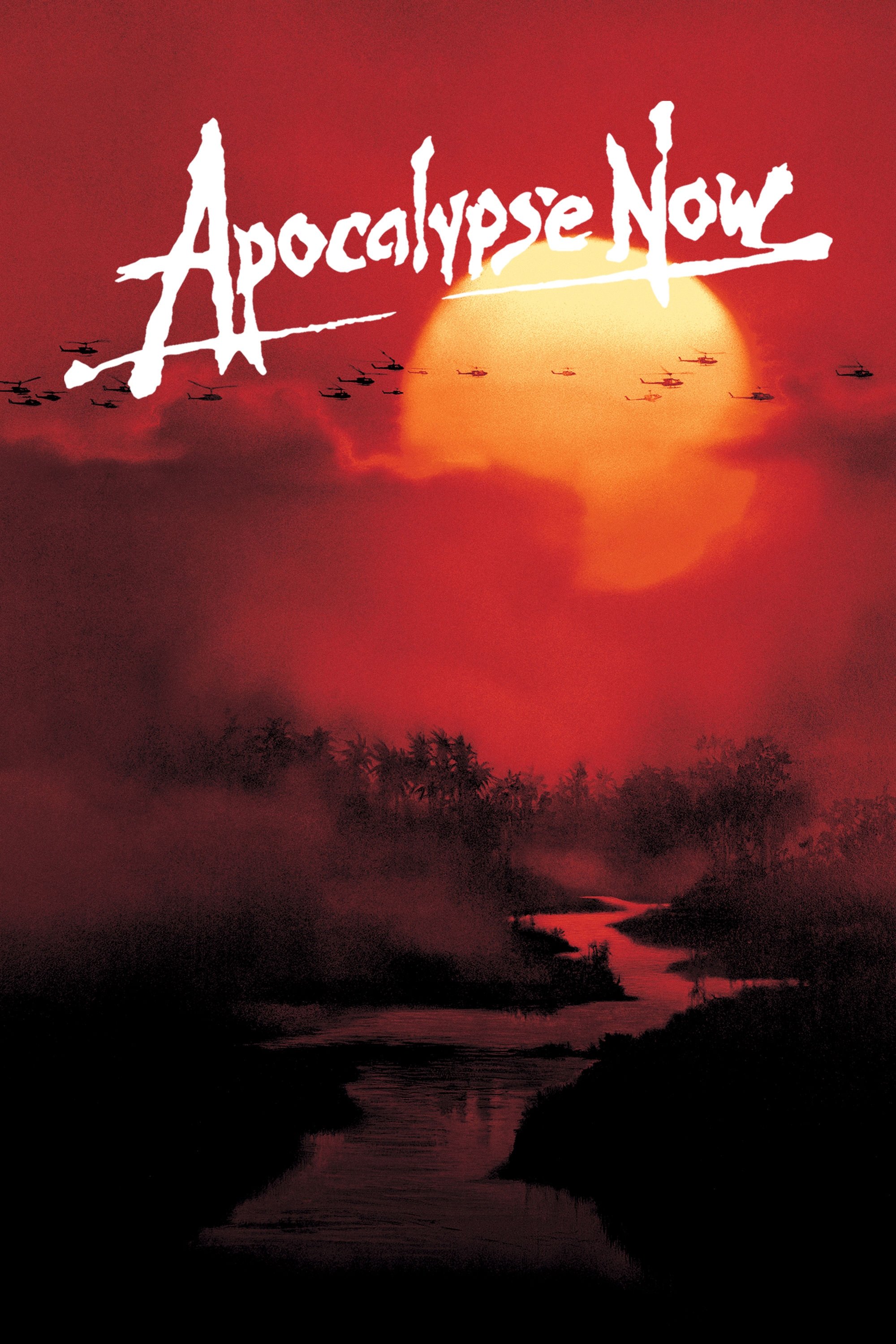
In this epic psychological war film, Marlon Brando plays the enigmatic and mysterious Colonel Walter E. Kurtz. The story follows a U.S. Army captain who is sent on a secret mission deep into the Cambodian jungle to assassinate Kurtz, a highly decorated Special Forces officer who has gone rogue and is commanding his own army of local tribesmen.
Although Brando’s character appears only in the final act of the film, his presence is felt throughout the entire story. Shrouded in darkness and speaking in philosophical monologues, his portrayal of Kurtz is mesmerizing and unsettling. He embodies the madness and moral decay of war, leaving a haunting and unforgettable impression.
‘The Godfather’ (1972)
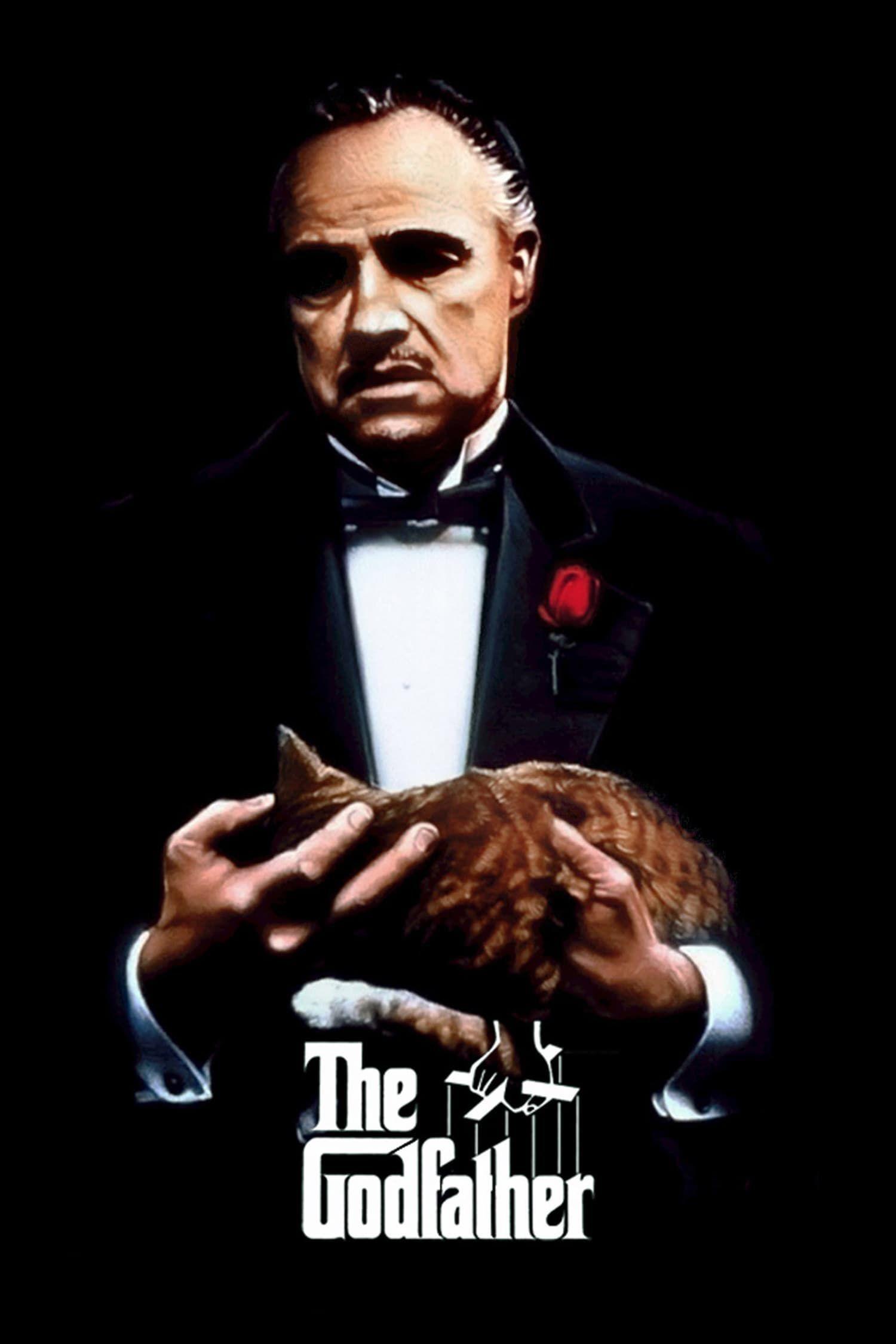
Marlon Brando gave a legendary, transformative performance as Don Vito Corleone, the aging patriarch of the powerful Corleone crime family. The film chronicles the family’s struggle to maintain its power and the transfer of that power from Don Vito to his reluctant youngest son, Michael. Brando completely disappeared into the role, creating an iconic character.
To play the part, he famously stuffed his cheeks with cotton for the audition and developed the character’s unique, raspy voice and deliberate mannerisms. His portrayal is a masterful blend of warmth and menace, a loving family man who is also a ruthless crime boss. The role revitalized his career and earned him his second Academy Award for Best Actor.
Let us know which Marlon Brando performance is your favorite in the comments below.