25 Top Navy SEAL Movies Capturing the Grit and Horror of War



Navy SEAL stories carry a reputation for unforgiving missions, difficult choices, and the heavy cost of combat. The best films in this corner of military cinema show high stakes operations and the toll those operations take on the people who carry them out. They lean on real units, recognizable gear, and tactics shaped by actual doctrine to anchor their set pieces in something that feels grounded.
This list gathers twenty five movies with SEAL units or SEAL protagonists at the center of the action. You will find dramatizations of known missions, character driven war stories, and a few under the radar titles that still put viewers on the ground with small teams moving through hostile terrain. Each entry highlights what the film covers and the elements that make it useful for anyone looking to understand how these operations unfold.
‘Lone Survivor’ (2013)
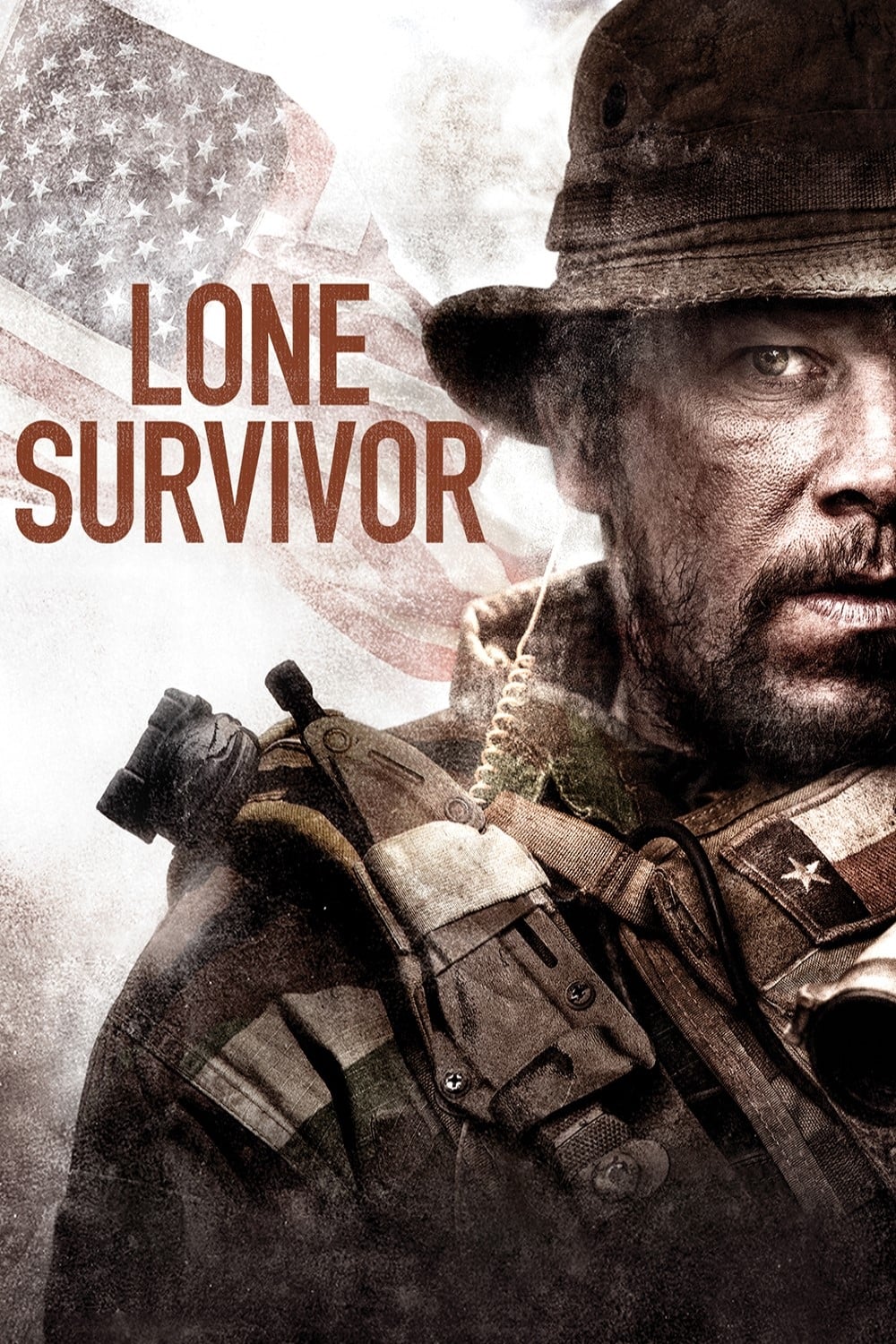
Based on Operation Red Wings, ‘Lone Survivor’ follows a four man SEAL reconnaissance team inserted into the mountains of Afghanistan to locate a Taliban leader. The mission is compromised in rugged terrain that limits communication and support, forcing the team into a running firefight against a much larger force.
The film tracks evasion, casualty care under fire, and the reliance on local villagers who shelter the surviving operator under a traditional code of protection. It shows the practical limits of air support in steep terrain and how rules of engagement and isolation can shape outcomes long before an extraction is possible.
‘Zero Dark Thirty’ (2012)

‘Zero Dark Thirty’ traces the years long hunt for Osama bin Laden and culminates with a SEAL raid on a walled compound in Abbottabad. The operation uses stealth helicopters, multiple entry points, and night vision to move room by room while controlling noise and light.
The sequence highlights how intelligence drives target packages for units like DEVGRU and how a short window of action depends on preparation that stretches over months. It also shows the problems created when airframes fail, including a crash inside the perimeter and the rapid rework of the exfiltration plan.
‘Act of Valor’ (2012)
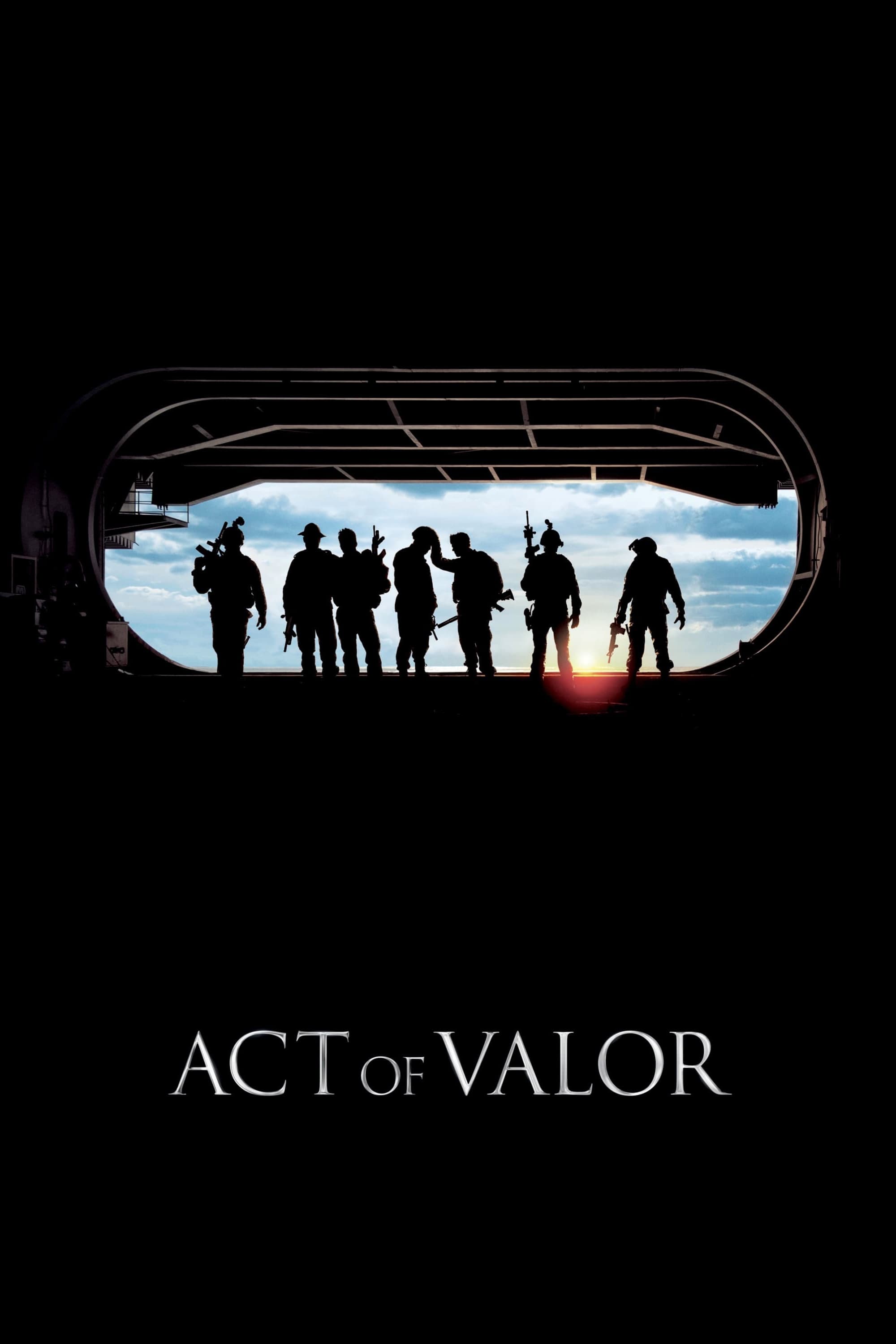
‘Act of Valor’ casts active duty SEALs and integrates standard operating procedures into a story that moves from a hostage rescue to a pursuit of a terrorist network. The production uses real platforms and kit, including fast boats, free fall inserts, and close quarters clearing.
The film spends time on how teams coordinate fire and movement with other assets like ISR and quick reaction forces. It also illustrates debrief cycles and the handoff from a short action raid to a larger interdiction effort when a threat crosses borders.
‘Tears of the Sun’ (2003)
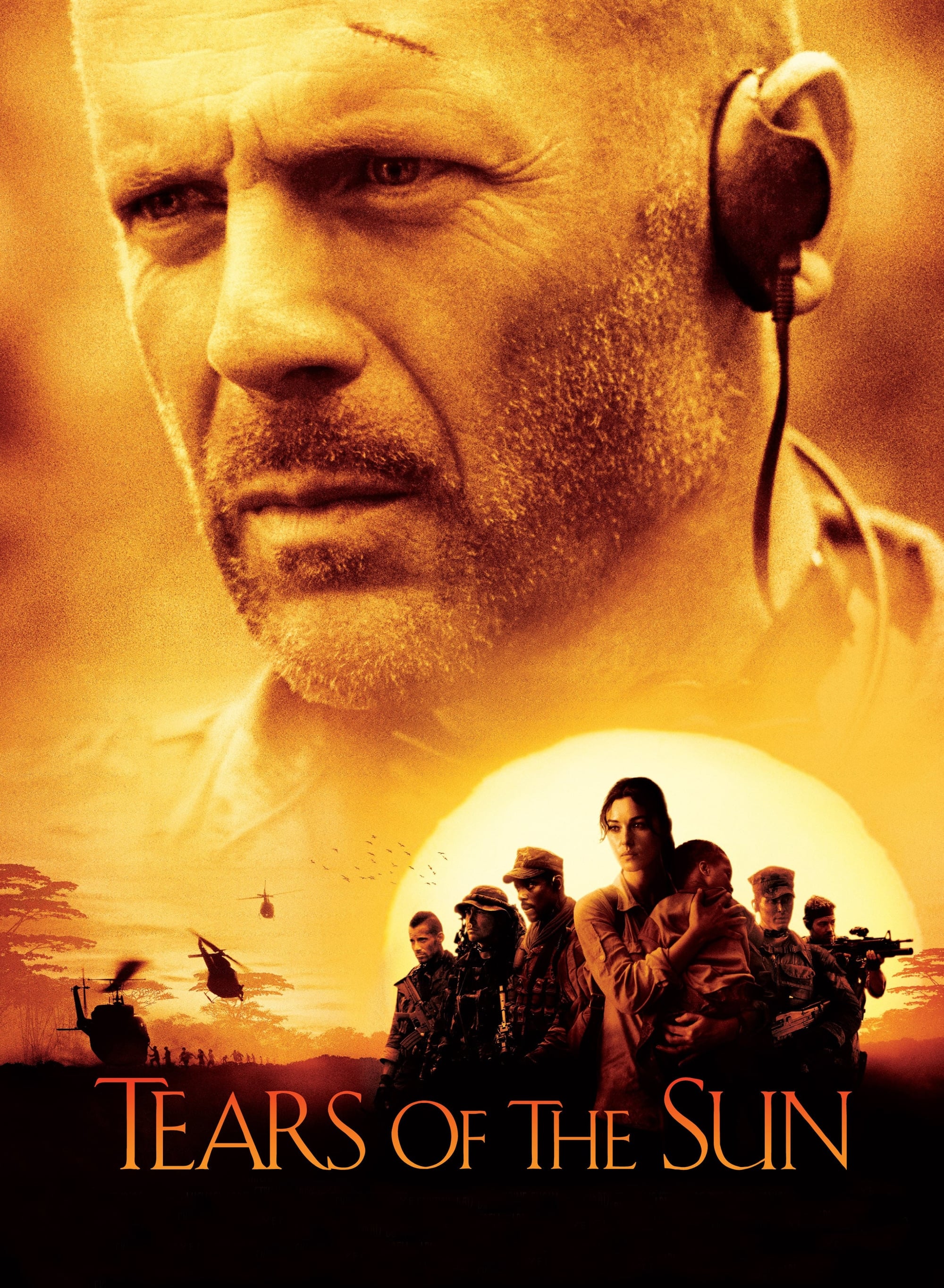
In ‘Tears of the Sun’ a SEAL platoon is tasked to extract a doctor from a mission in the Nigerian jungle. The team adapts when the doctor refuses to leave without civilians, shifting from a surgical extraction to an escorted movement through territory controlled by militia fighters.
The story focuses on route selection, pace, and noise discipline during a long foot movement with noncombatants. It shows how medical care, water, and security are balanced when a team must stay light but still protect a slow moving column under threat of pursuit.
‘American Sniper’ (2014)
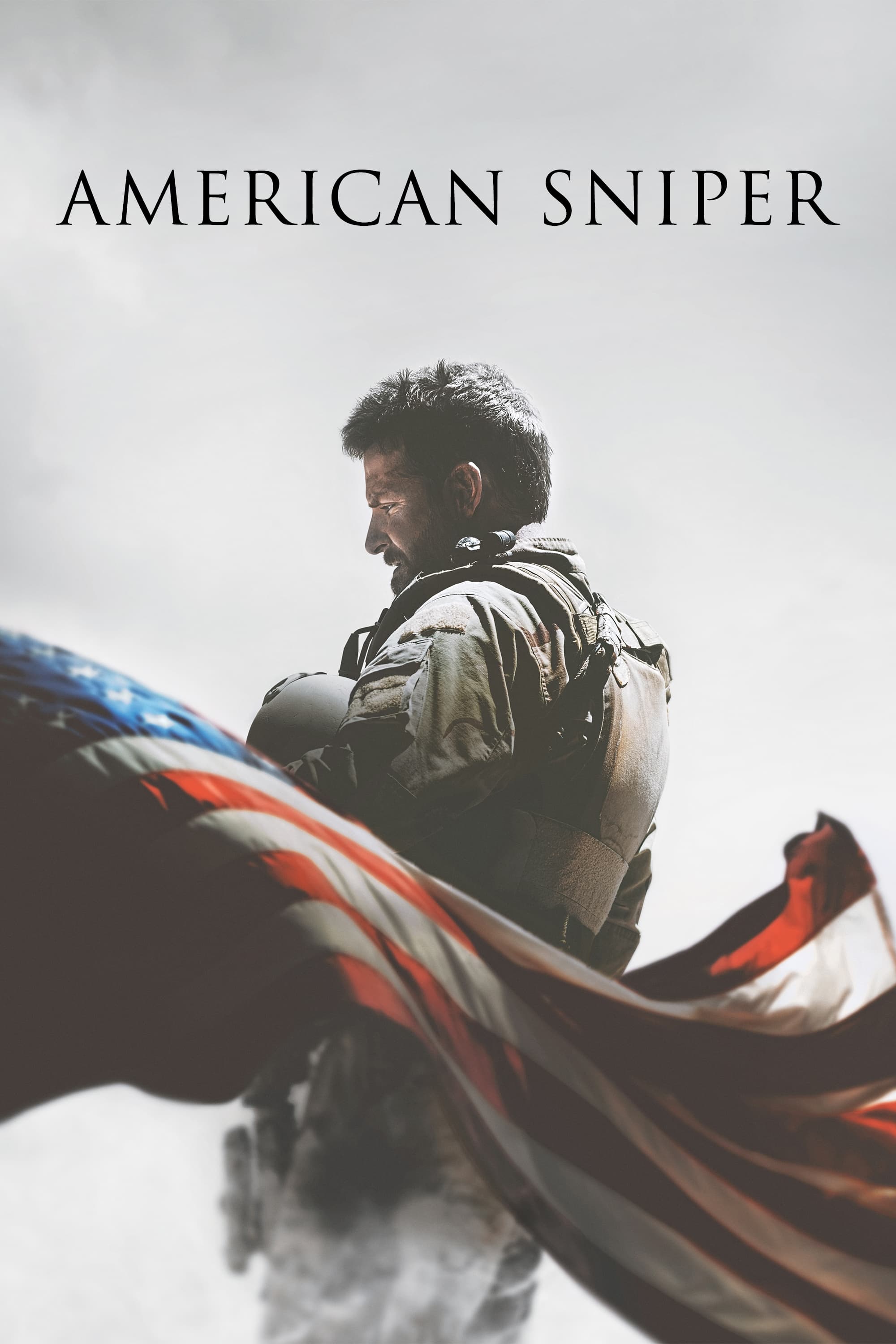
‘American Sniper’ follows Navy SEAL sniper Chris Kyle across multiple deployments in Iraq. The film presents overwatch duties in dense urban neighborhoods, coordination with Marines clearing buildings, and the process of establishing fields of fire from rooftops under constant observation.
It also examines the role of a SEAL within a larger combined arms effort and how sniper tasks shift from counter sniper work to protection of convoys and patrols. The domestic chapters track the long tail of deployments and the transition challenges that follow sustained combat rotations.
‘Captain Phillips’ (2013)
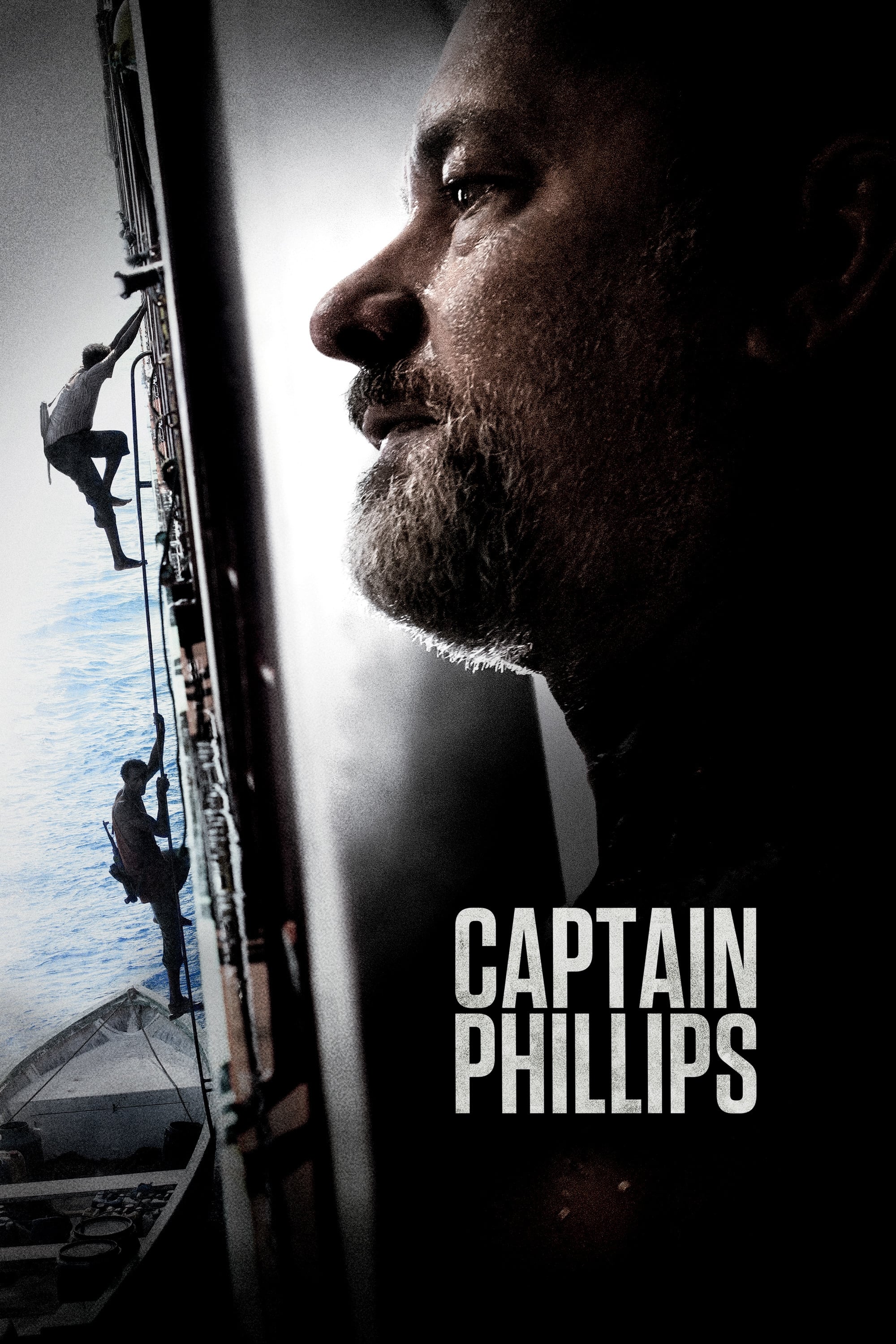
‘Captain Phillips’ dramatizes the hijacking of the Maersk Alabama by Somali pirates and the hostage standoff that follows in a lifeboat. The resolution centers on a DEVGRU sniper element staged from the USS Bainbridge and coordinated with Navy negotiators.
The film details the setup of precision shots from a pitching deck, the timing required to neutralize multiple targets at once, and the communication chain linking the shooters to the command element. It also shows how a maritime operation compresses time when a small craft is moving toward territorial waters.
‘Navy SEALS’ (1990)
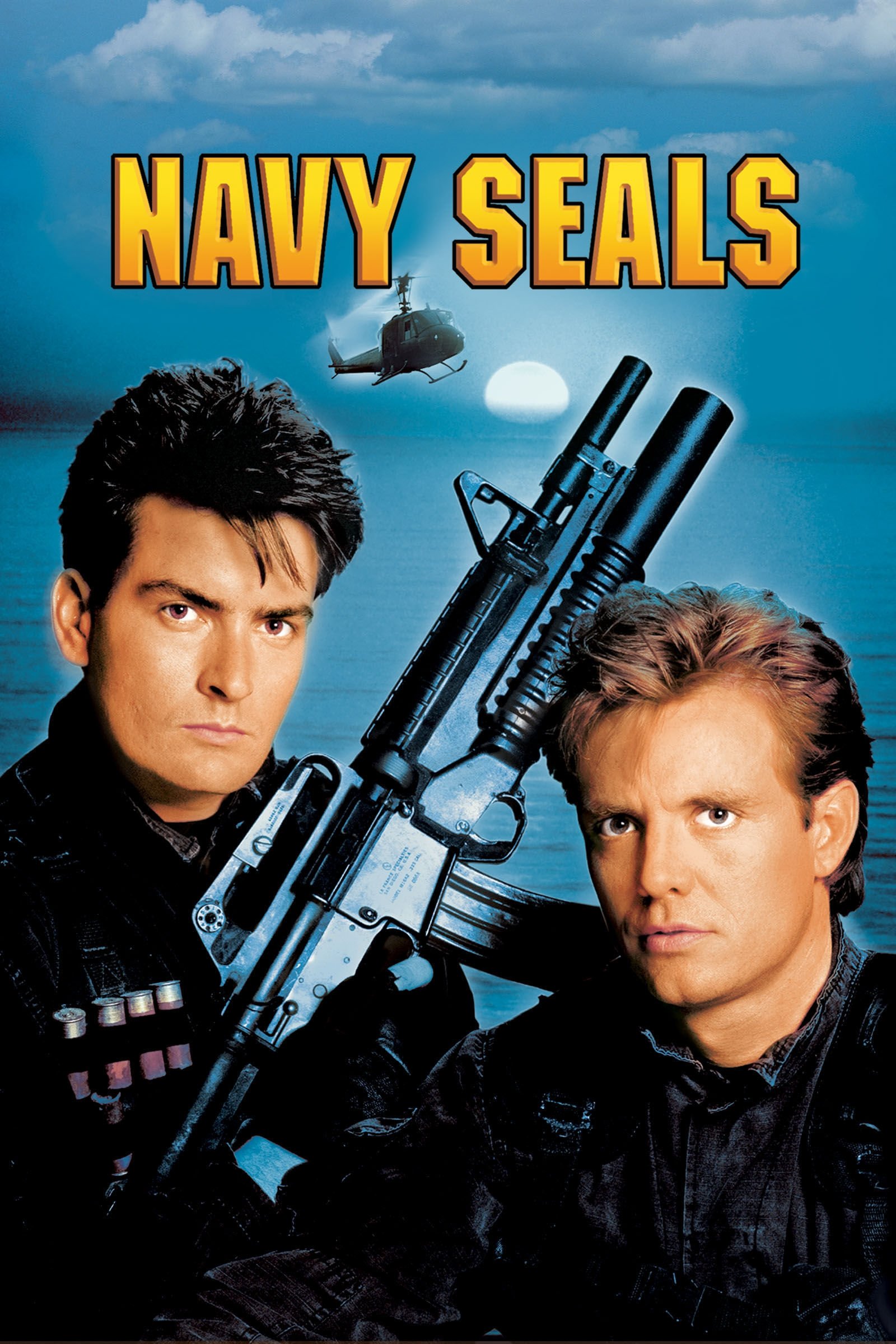
‘Navy SEALS’ pairs a team led by veteran operators with missions against a terror group holding advanced surface to air missiles. The story moves from coastal insertions to dense urban chases and emphasizes small unit movement through contested city blocks.
It showcases strong side entries, breaching, and the use of suppressors and carbines tuned for close quarters fighting. The film also touches on rules for capturing and securing sensitive weapons to prevent proliferation after contact.
‘SEAL Team Six: The Raid on Osama Bin Laden’ (2012)
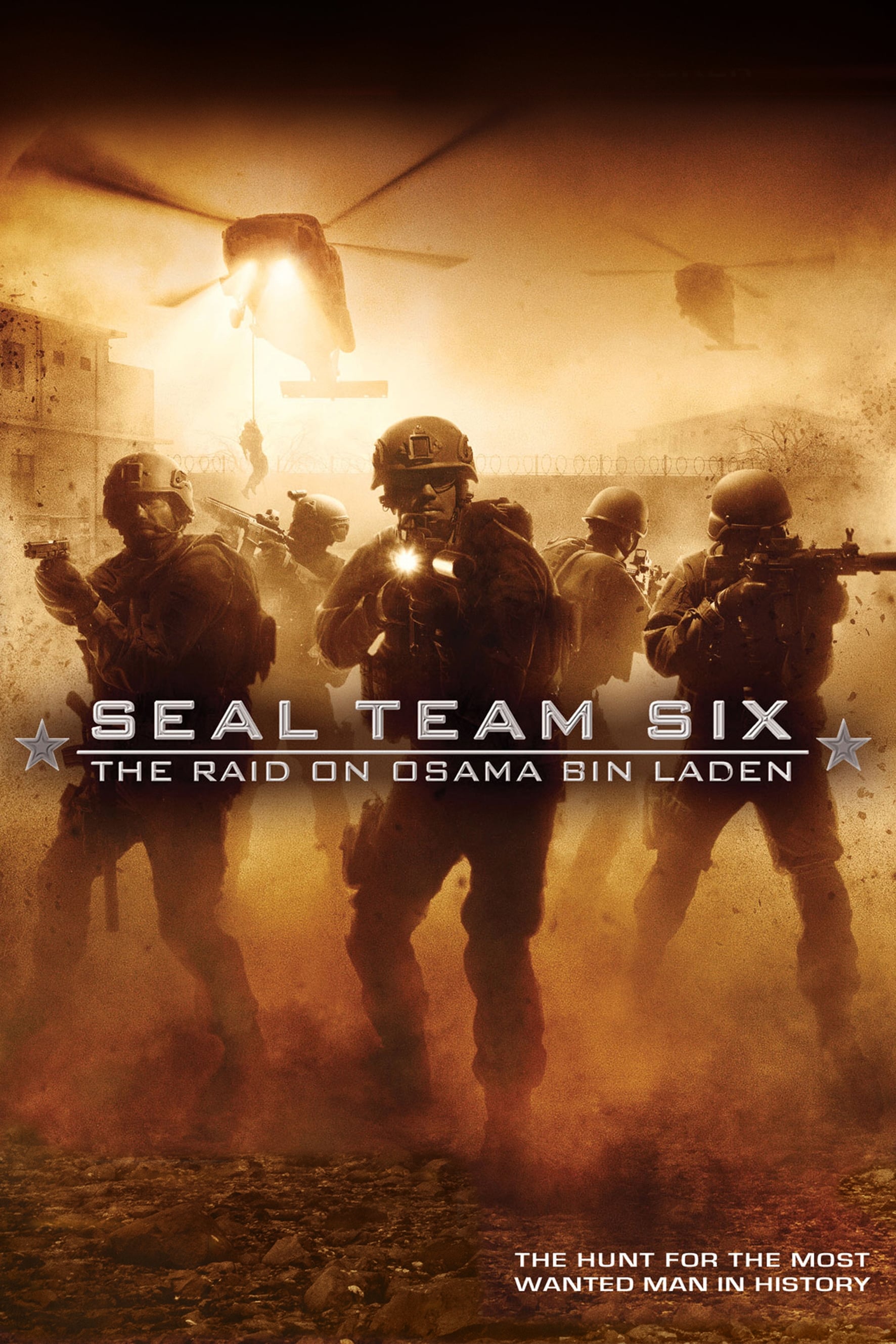
‘SEAL Team Six: The Raid on Osama Bin Laden’ focuses on the planning cycles and rehearsals that support a no fail target. The team runs mock ups, builds pattern analysis, and refines contingencies around airframes, walls, and stairwells.
The raid sequence covers callouts, target discrimination, and the deliberate pace used when noncombatants are mixed inside a structure. It reinforces how tasks are split among assaulters, security, and demolition while maintaining a timeline that avoids alerting local response.
‘Hunter Killer’ (2018)
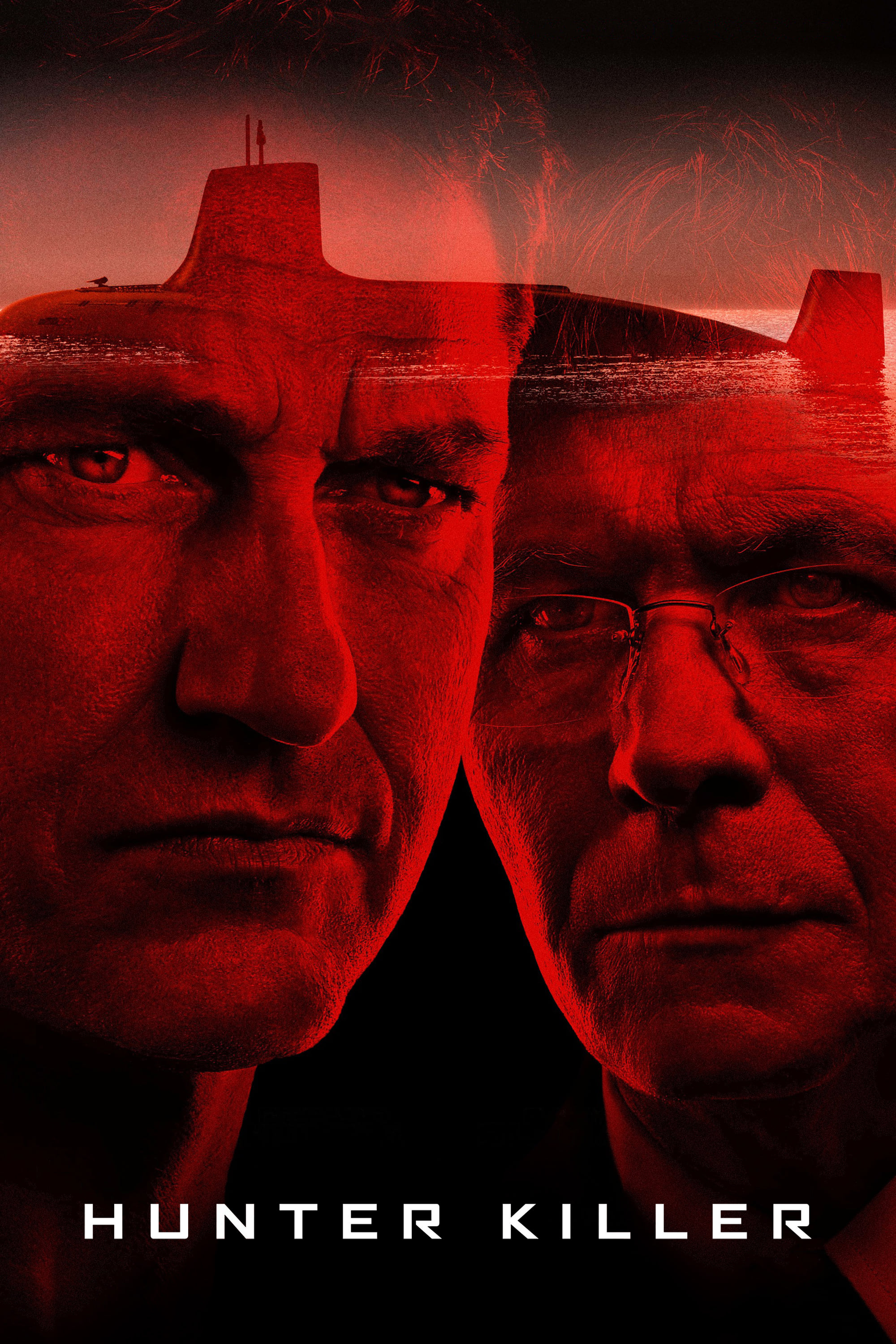
In ‘Hunter Killer’ a US submarine captain coordinates with a SEAL team on a mission inside Russian territorial waters during a coup. The team inserts near a naval base, gathers intelligence, and supports a cross border extraction under heavy surveillance.
The plot uses subsurface movement, diver deployment, and shoreline surveillance to connect undersea assets with operators on land. It shows how communications between a covert ground element and a submerged platform must account for limited bandwidth and strict emissions control.
‘G.I. Jane’ (1997)

‘G.I. Jane’ centers on a candidate selected to attend a program modeled on SEAL assessment and selection. The film spends significant time on long endurance evolutions, surf torture, drown proofing drills, and land navigation.
It gives a clear look at how attrition functions in a pipeline that filters for cold tolerance, problem solving under sleep deprivation, and team accountability. The story also demonstrates the role of instructors and the use of evolutions designed to surface leadership and stress responses.
‘The Rock’ (1996)
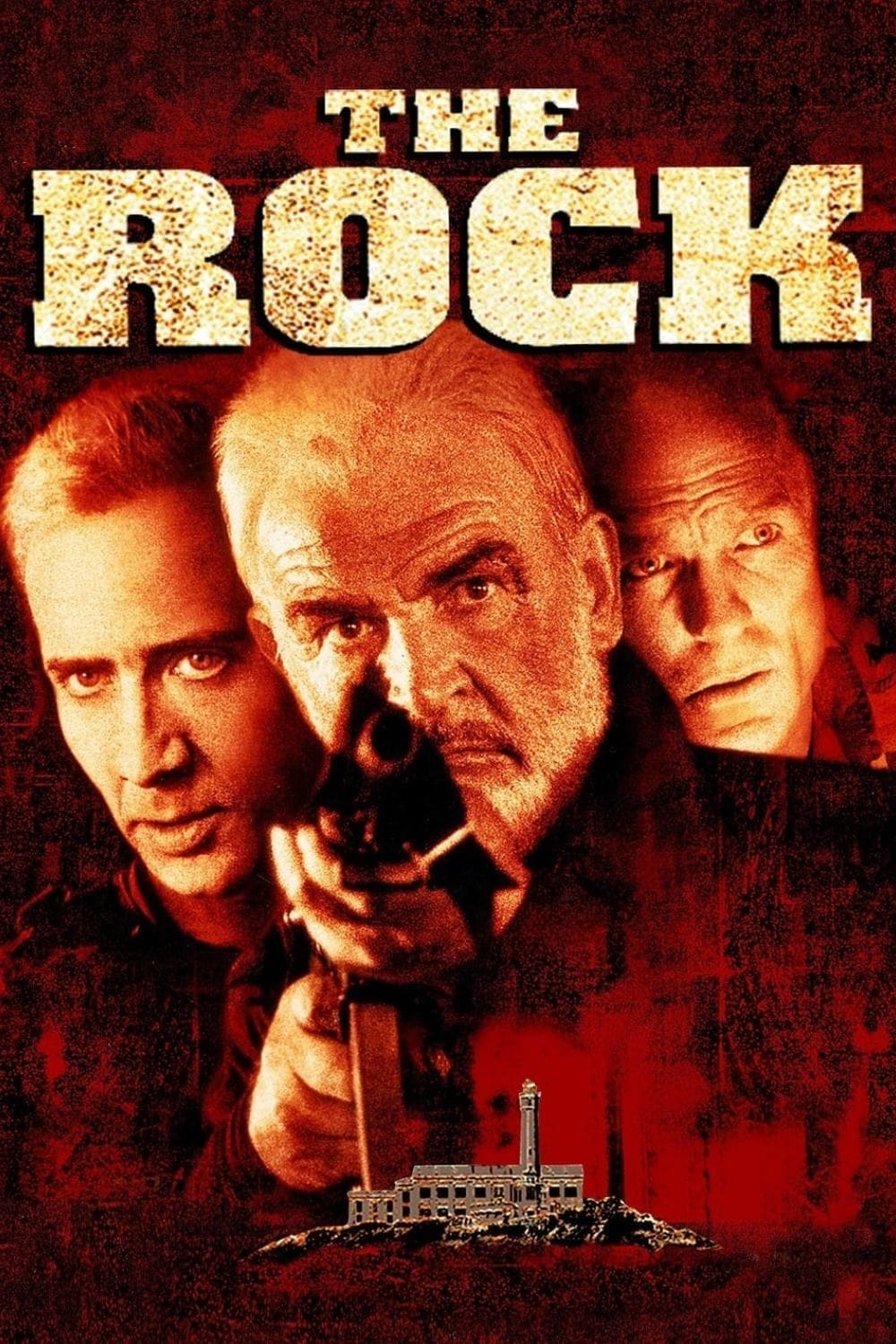
‘The Rock’ features a SEAL team tasked to penetrate Alcatraz Island after rogue Marines seize the prison and threaten a chemical attack. The initial assault shows stairwell climbs, tunnel clearance, and the risks of advancing through bottlenecks with limited cover.
The film follows how a mission can fail in the opening minutes and how surviving personnel must improvise with whatever expertise remains on site. It emphasizes comms loss, compromised routes, and the dangers of moving through unknown interior spaces.
‘Tom Clancy’s Without Remorse’ (2021)
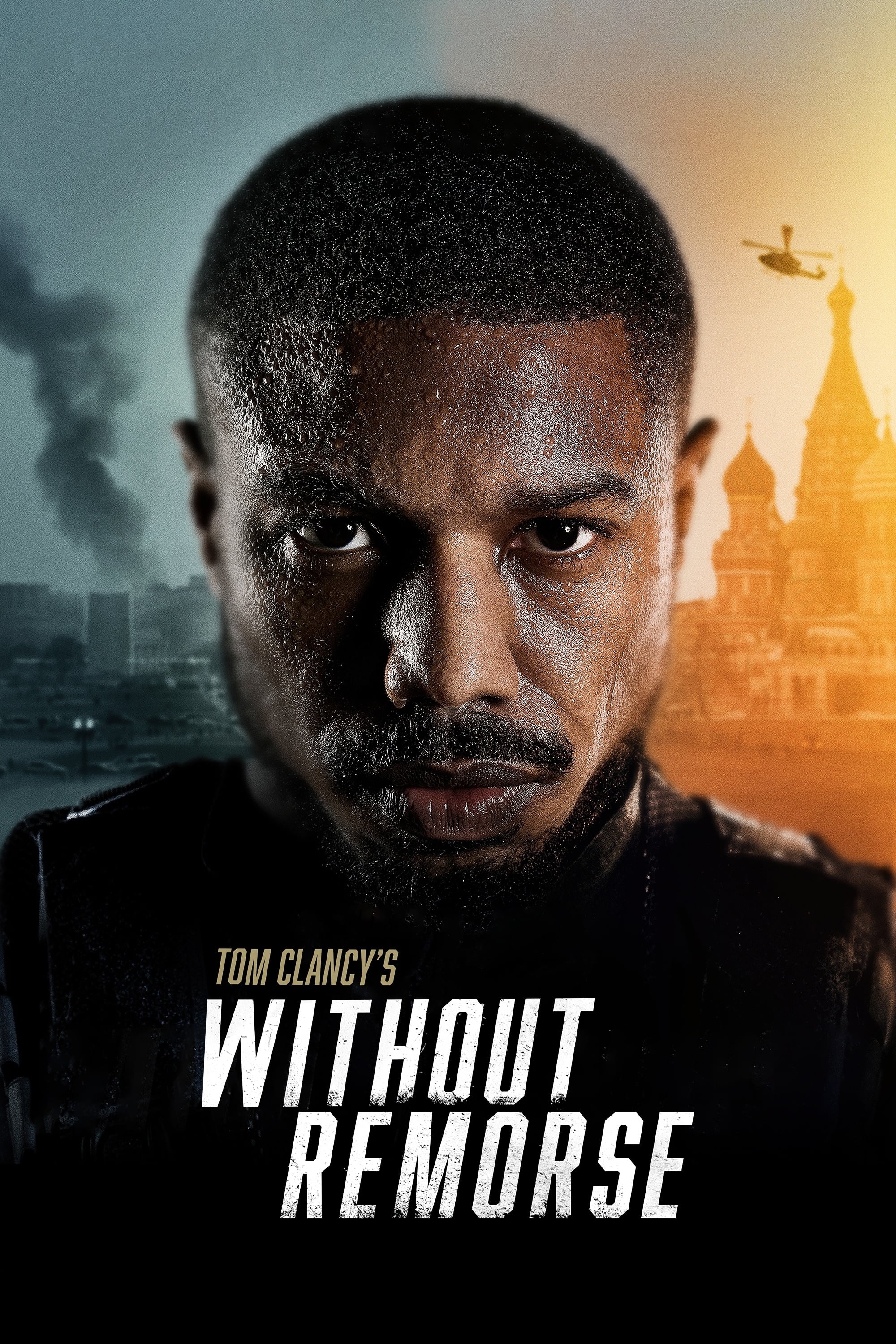
‘Tom Clancy’s Without Remorse’ introduces a Navy SEAL who gets pulled into a clandestine operation that crosses national lines. The early sequence depicts an urban breaching operation with multi story clearance and target identification under pressure.
The story examines how an operator works when normal support is stripped away and how surveillance, disguise, and limited resources replace standard kit. It also includes a water landing and underwater escape that underline amphibious skills often associated with maritime special operations.
‘Under Siege’ (1992)
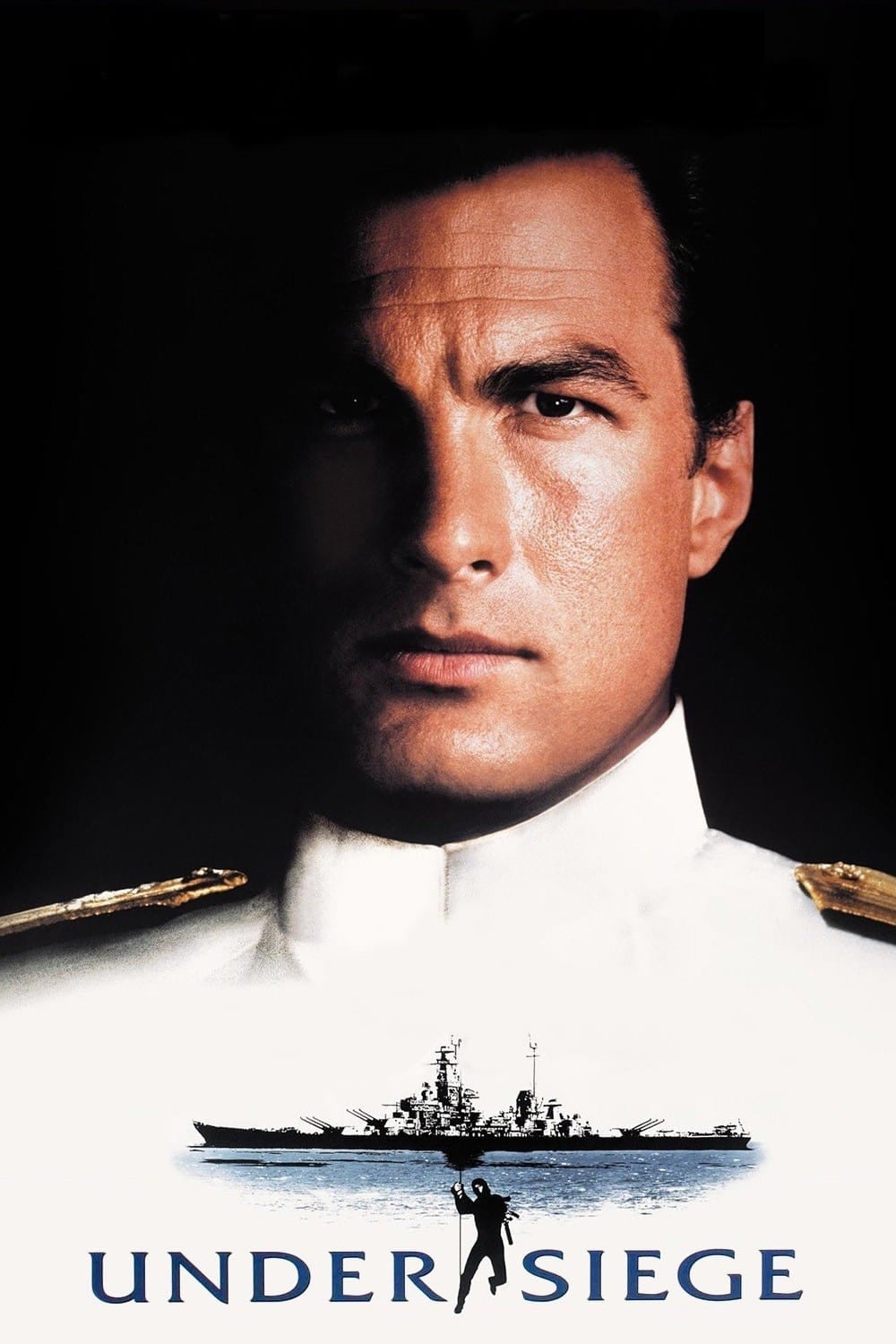
In ‘Under Siege’ a former SEAL works as a cook aboard a battleship that is seized during a weapon theft. The takeover forces him to scavenge gear, build improvised explosives, and move through compartments without triggering patrols.
The film maps the ship as a maze of choke points, magazines, and access ladders while a small group supports with comms and navigation. It highlights how a single operator uses stealth and sabotage to degrade a larger hostile force before a final confrontation.
‘Under Siege 2: Dark Territory’ (1995)
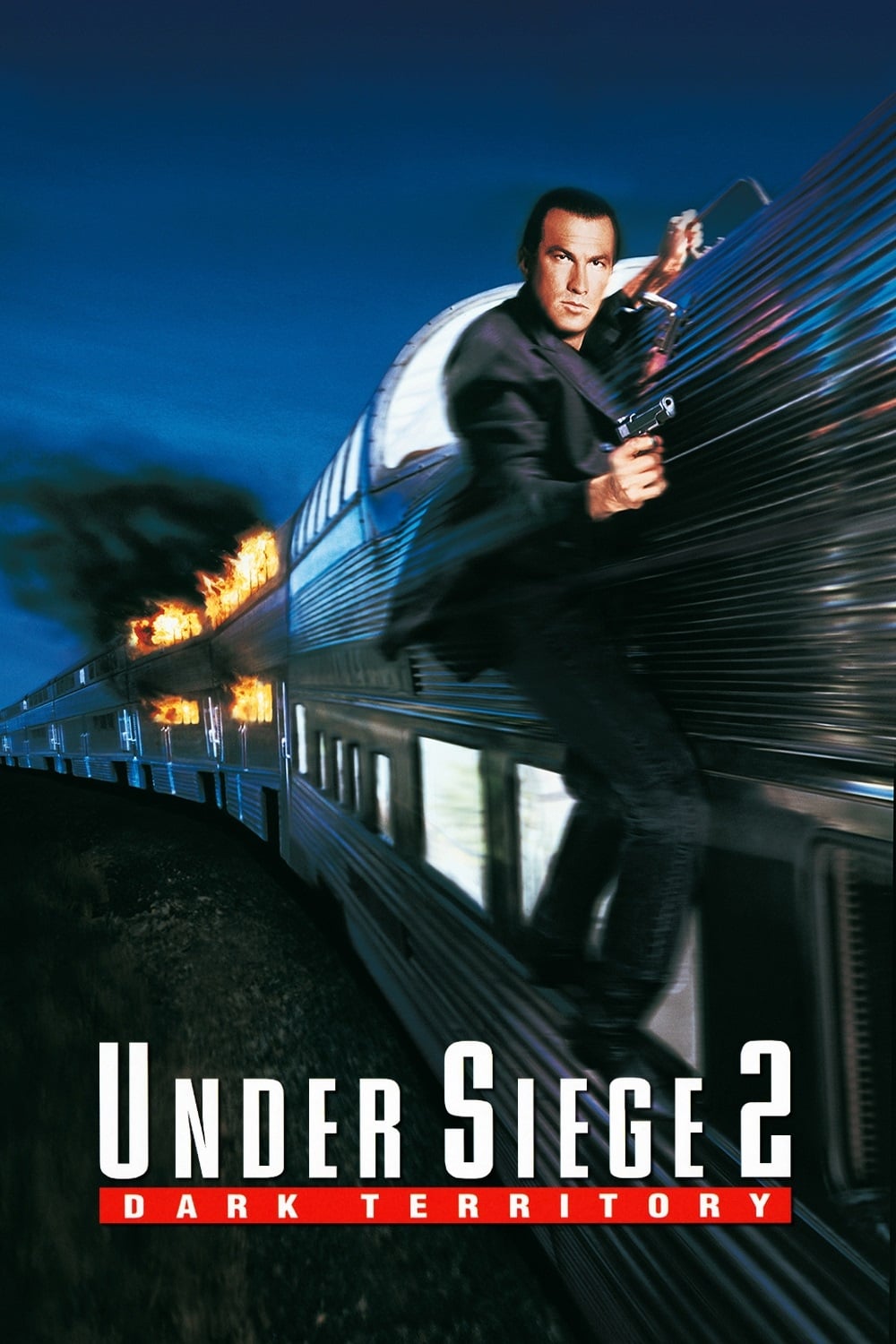
‘Under Siege 2: Dark Territory’ places the same ex SEAL on a moving train facing a crew that controls an orbiting weapon. The confined environment requires close quarters fighting, roof movement, and jumps between cars while maintaining situational awareness at speed.
The plot includes coordination with allies off the train and efforts to interrupt satellite targeting from a mobile base. It emphasizes how terrain set by rails and tunnels creates fixed timing windows for action and how that affects planning.
‘Behind Enemy Lines III: Colombia’ (2009)
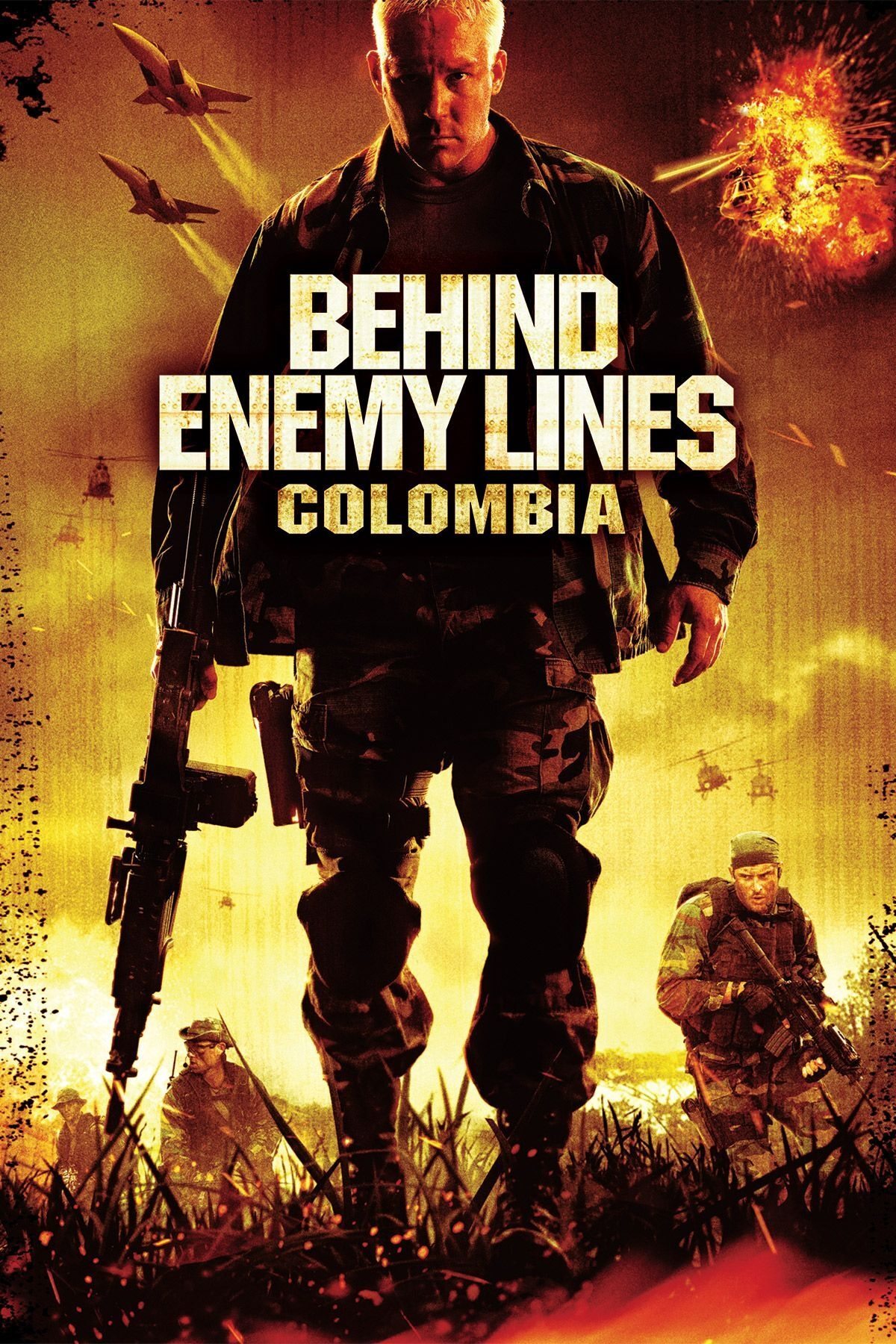
‘Behind Enemy Lines: Colombia’ follows a SEAL team inserted for a covert meeting that is upended by a surprise attack. Framed for an incident they did not cause, the operators move through jungle and village terrain while seeking proof to clear their unit.
The film uses tracking, counter tracking, and small unit tactics to evade patrols and drones while establishing a link to friendly forces. It also shows how a mission can change into a survival and evidence gathering effort when political conditions swing mid operation.
‘Seal Team Eight: Behind Enemy Lines’ (2014)
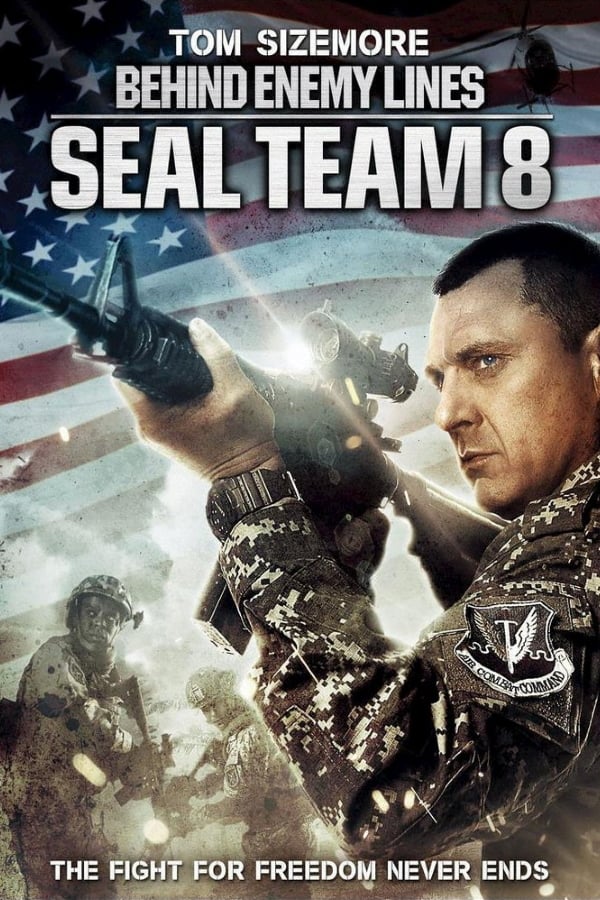
In ‘Seal Team Eight: Behind Enemy Lines’ a SEAL element moves into central Africa to locate a mining site tied to illicit uranium. The team must navigate corrupt local forces and a contractor network while racing to prevent material from leaving the country.
It presents river insertions, building entries with improvised breaching, and coordination with a remote case officer who provides limited intelligence. The tempo stresses how operations expand from a single site to a wide area pursuit as new nodes in the network are exposed.
‘Navy SEALS vs. Zombies’ (2015)
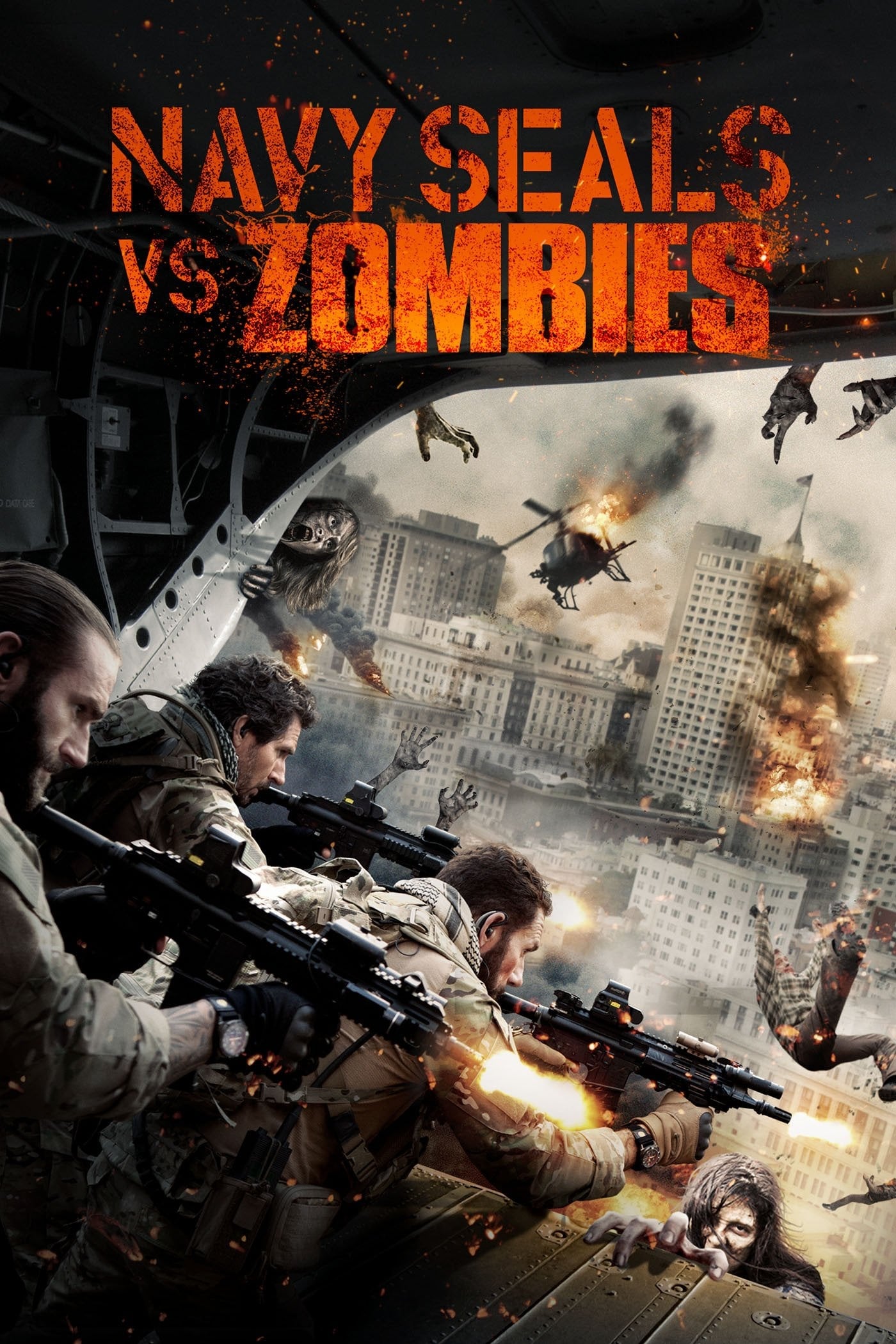
‘Navy SEALS vs. Zombies’ places a SEAL squad inside a crisis in New Orleans after an outbreak begins in the streets. The unit secures a command post, conducts rescues, and applies containment tactics while learning the rules of a new threat.
The film leans on stack movement, perimeter control, and ammunition management when evac windows are narrow and routes are clogged. It also pairs helmet cams and overwatch with on the ground decision making to keep track of separated elements in a collapsing urban grid.
‘Renegades’ (2017)
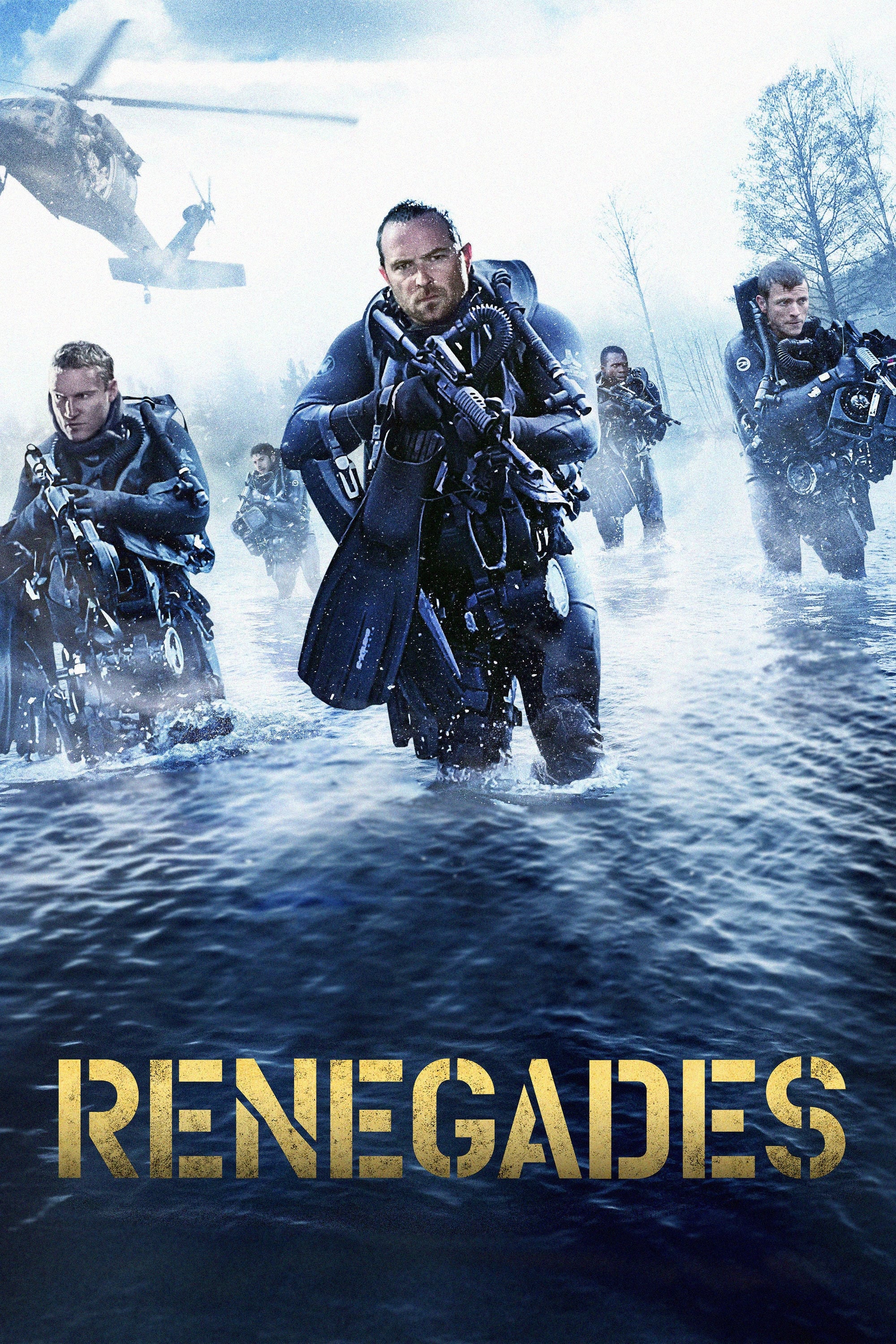
‘Renegades’ follows a SEAL team that discovers a cache of gold hidden since the war in the Balkans and attempts a recovery under the nose of local forces. The mission requires covert diving in a lake above a submerged town and careful logistics to extract heavy cargo.
The operation shifts as regional paramilitaries close in, forcing the team to blend salvage with tactical movement and deception. It illustrates the challenges of moving sensitive material through checkpoints while keeping civilians out of harm’s way.
‘The Abyss’ (1989)
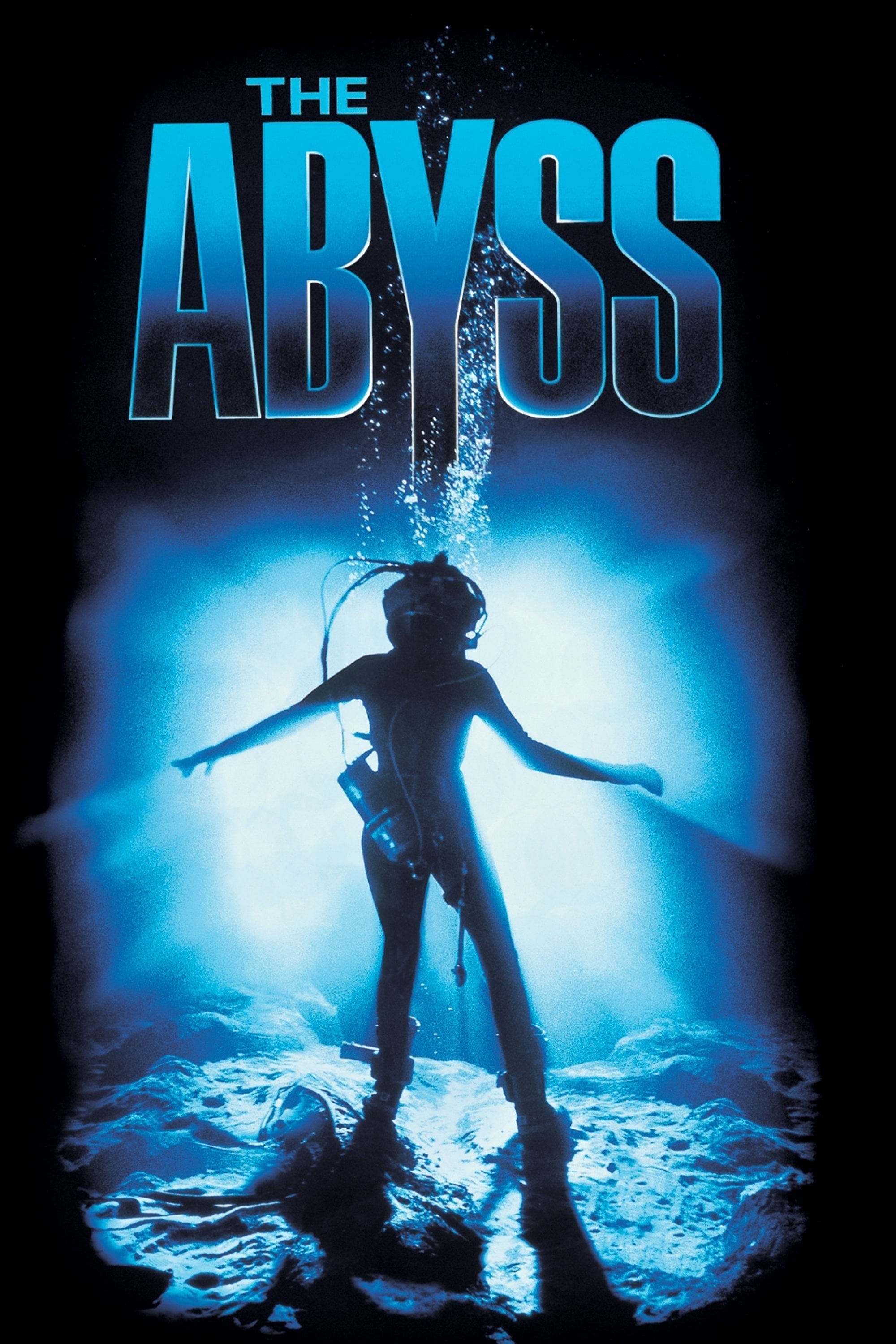
In ‘The Abyss’ a Navy SEAL detachment joins a civilian diving crew to investigate a sunken submarine at extreme depth. The unit faces equipment strain, nitrogen narcosis, and psychological stress that complicate command decisions inside a pressurized habitat.
The film details the use of ROVs, hard suits, and deep water communication while external events push the team toward riskier choices. It also shows how pressure related tremors and isolation affect judgment during a mission with limited extraction options.
‘Jarhead 2: Field of Fire’ (2014)
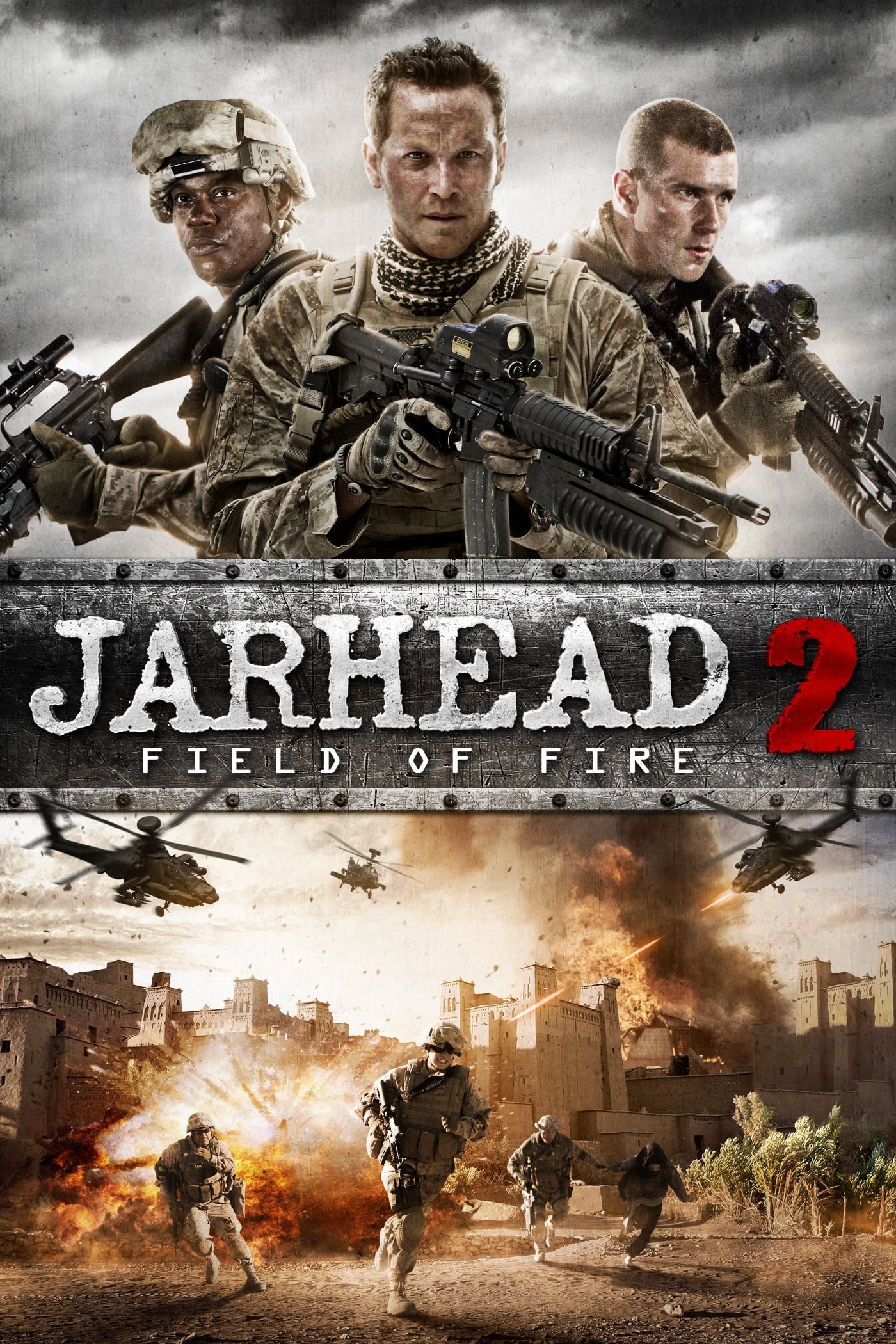
‘Jarhead 2: Field of Fire’ centers on a Marine convoy in Afghanistan that is asked by a Navy SEAL to divert and escort a woman hunted by insurgents. The presence of the SEAL changes the mission profile and introduces new threats along the planned route.
The film follows vehicle tactics, dismount drills, and the tension between orders and ground reality once a high value passenger is aboard. It demonstrates how a single request from a special operations element can ripple across a conventional unit’s schedule and fuel plan.
‘SEAL Patrol’ (2014)
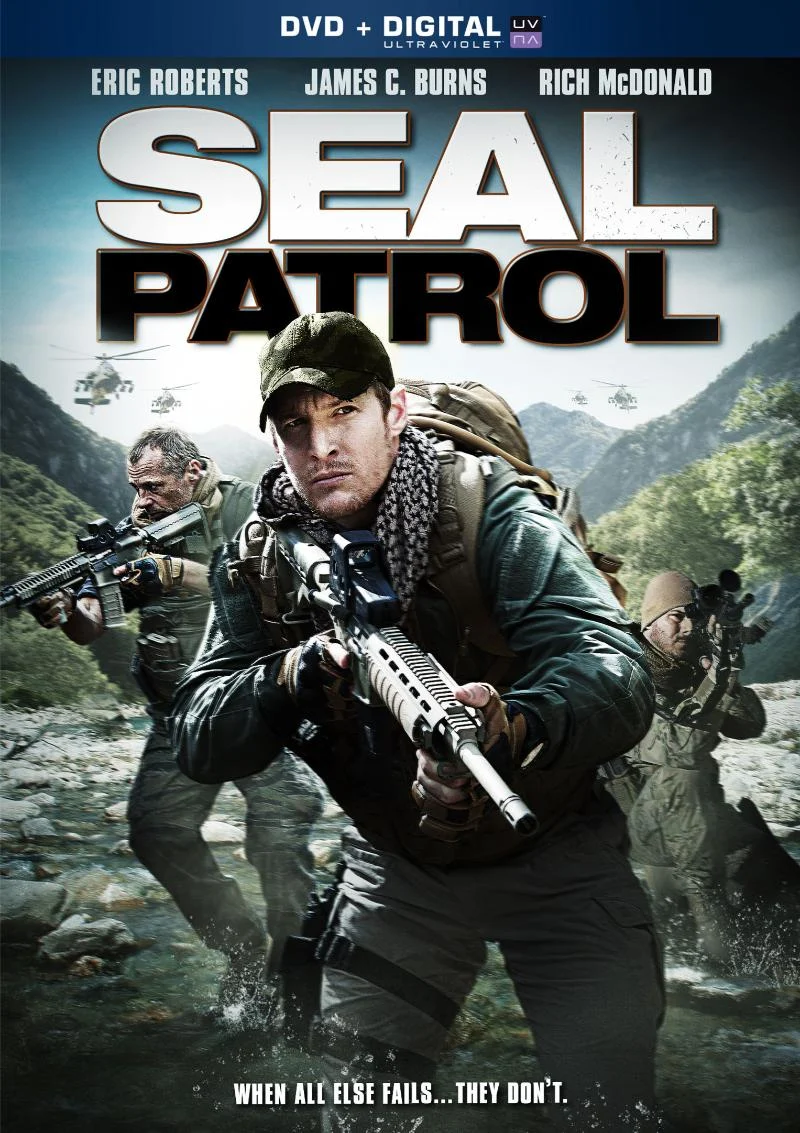
‘SEAL Patrol’ also known as ‘BlackJacks’ brings together former SEALs hired to locate a missing scientist tied to an experimental energy site. The team moves through a desert complex with security systems and hostile forces that require stealth and precise breaching.
The story uses drone scouting, corridor clearance, and containment of a compromised lab while contractors try to erase evidence. It illustrates how private teams built from veterans apply their training to industrial and research settings where hazards are not only armed personnel.
’13 Hours: The Secret Soldiers of Benghazi’ (2016)
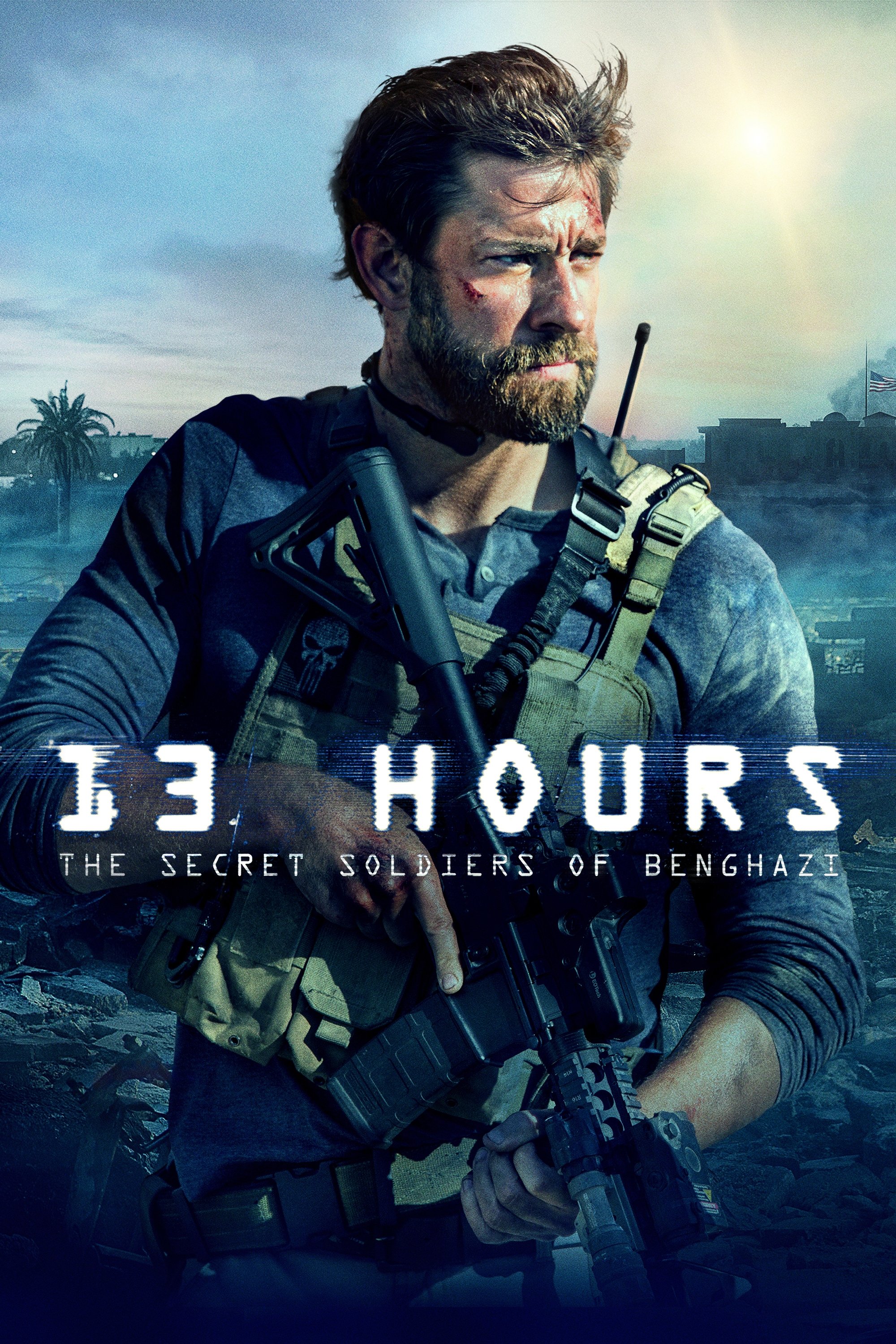
’13 Hours: The Secret Soldiers of Benghazi’ covers the defense of a US compound and a nearby annex during a coordinated attack in Libya. Members of the security team portrayed in the film include operators with Navy SEAL backgrounds who bring counter assault experience to the fight.
The action tracks movement between sites, casualty evacuation under fire, and the use of rooftops for overwatch. It also follows the challenge of organizing help across a city with shifting checkpoints, limited armor, and unclear local authority.
‘Behind Enemy Lines’ (2001)
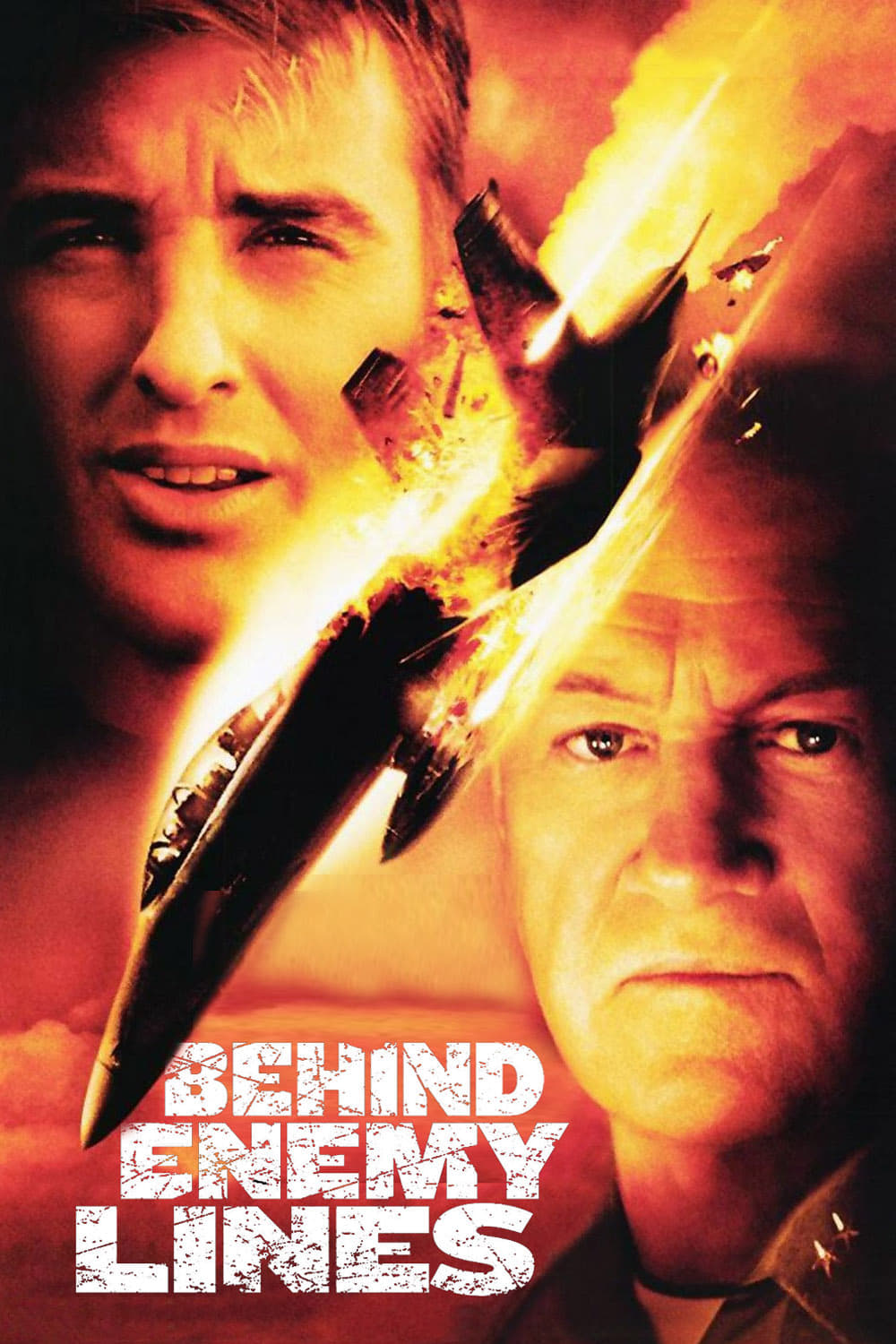
‘Behind Enemy Lines’ follows a Navy flight officer shot down over Bosnia who must evade capture while trying to reach an extraction point. The carrier group attempts to launch a rescue while political pressure constrains action.
The ground chase uses terrain masking, decoys, and timing windows to get past patrols and roadblocks. The film also shows how reconnaissance footage and a single piece of evidence can drive decisions at the flag level while a small team moves in to recover a survivor.
‘Warfighter’ (2018)
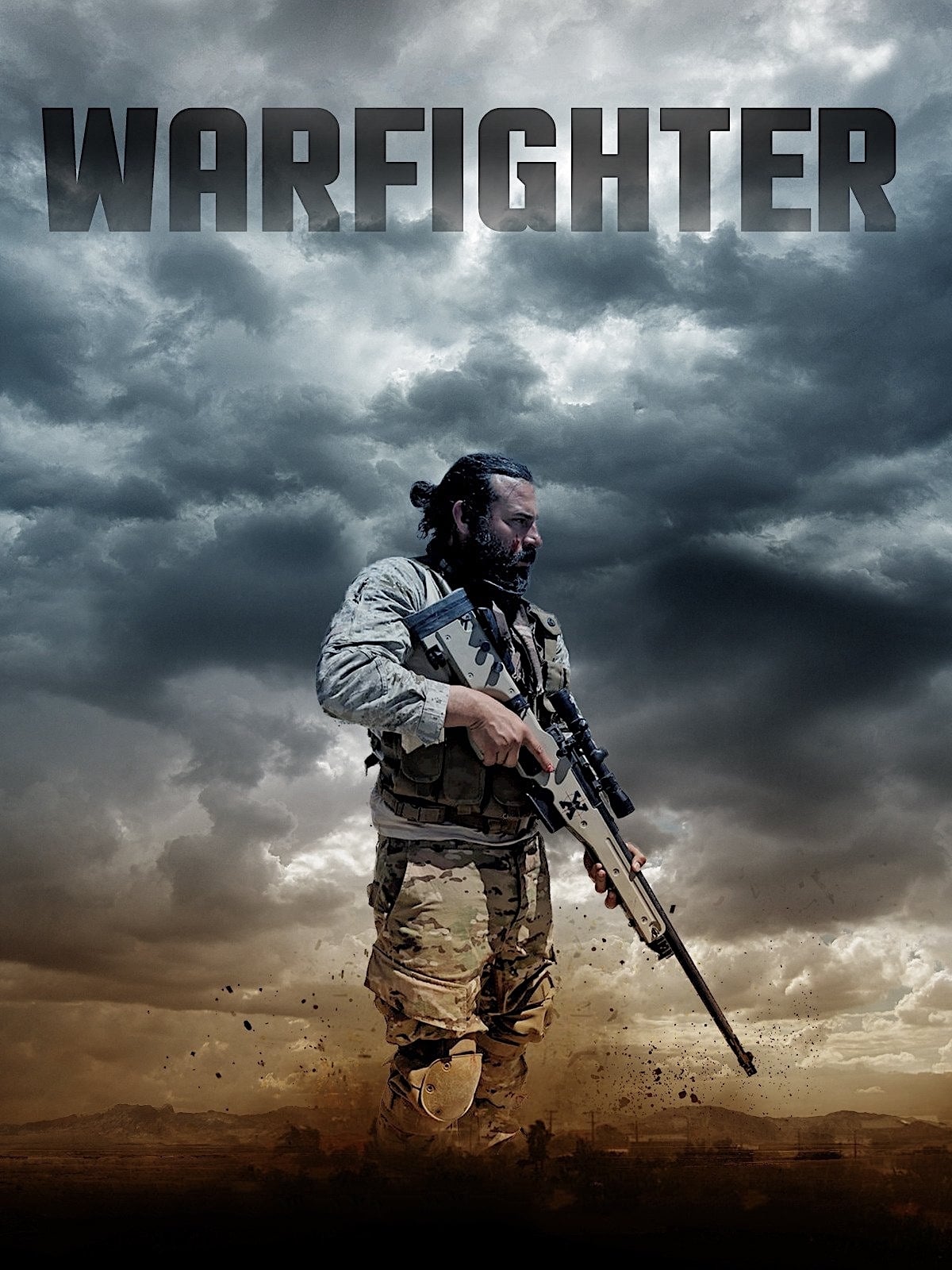
‘American Warfighter’ focuses on a Navy SEAL balancing deployments with family life while dealing with the after effects of combat. The film uses training sequences and mission flashbacks to show how skills built in selection and workups carry into contact.
It examines the signals of stress that accumulate across tours and the importance of support networks for recovery. It also notes how routine tasks at home can trigger memories of operations that demand constant vigilance and rapid response.
‘Navy SEALs: Their Untold Story’ (2014)
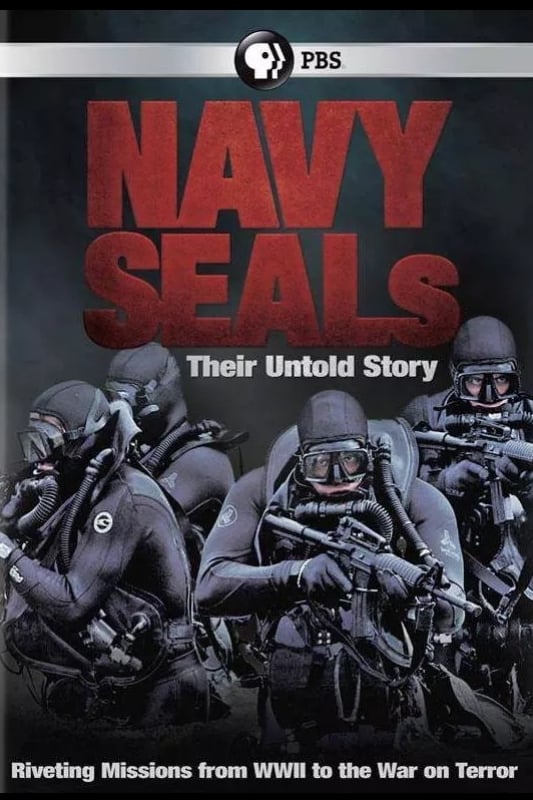
‘Navy SEALs: Their Untold Story’ is a documentary that tracks the lineage from World War II underwater demolition teams to modern day SEAL units. Archival footage and interviews cover early frogman operations, riverine missions in Vietnam, and the shift to counterterrorism.
The film lays out how equipment, training blocks, and mission sets evolved over decades to produce today’s capabilities. It gives context for tactics seen in dramatized features by showing where they started and how they were refined through real missions.
Share which SEAL film hit hardest for you in the comments and tell us which intense mission we should add next.