5 Things About ‘Deadpool & Wolverine’ That Made Zero Sense and 5 Things About It That Made Perfect Sense

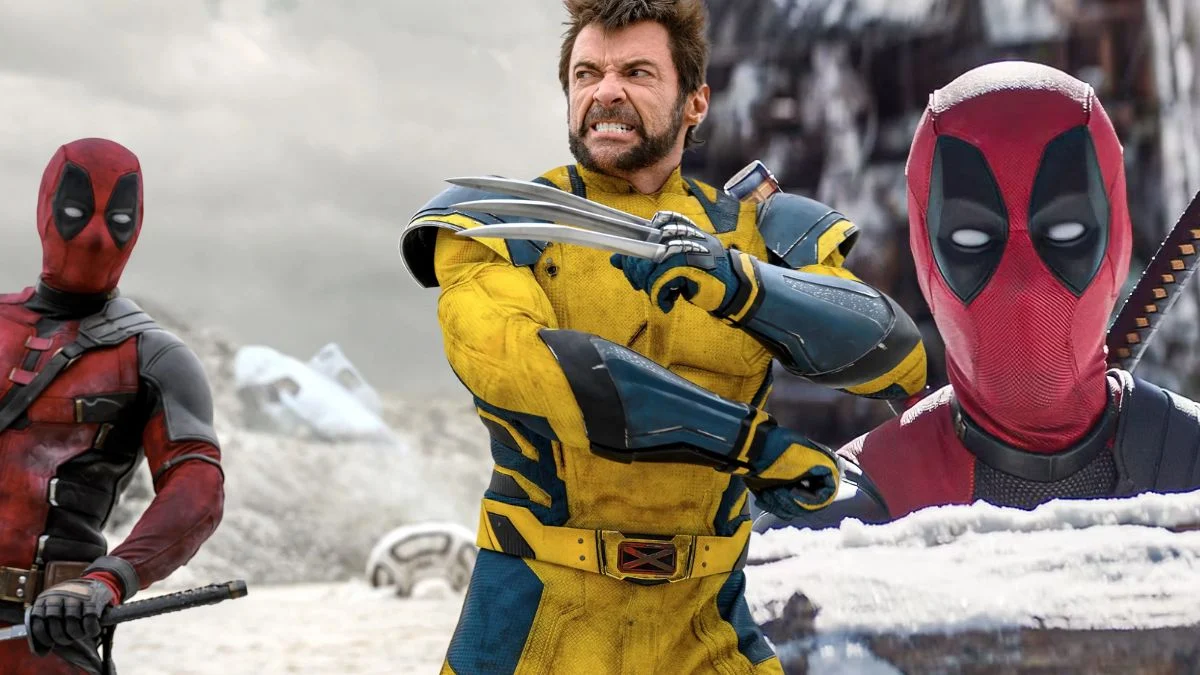

‘Deadpool & Wolverine’ drops two fan favorites into a multiverse mess that connects the old Fox era with the current MCU. The story pulls in TVA bureaucracy, reality collisions, familiar mutants, and a long awaited yellow suit, which gives viewers a lot to track across timelines and rules that have changed over several projects. That mix creates moments that seem to clash with established lore and also scenes that line up cleanly with what earlier entries already laid down.
This list breaks down where the film strains its own logic and where it fits neatly with what past movies and shows already explained. Each entry focuses on clear plot details and franchise facts so you can trace what the story shows on screen and how that stacks against canon that came before.
Zero Sense: TVA rules
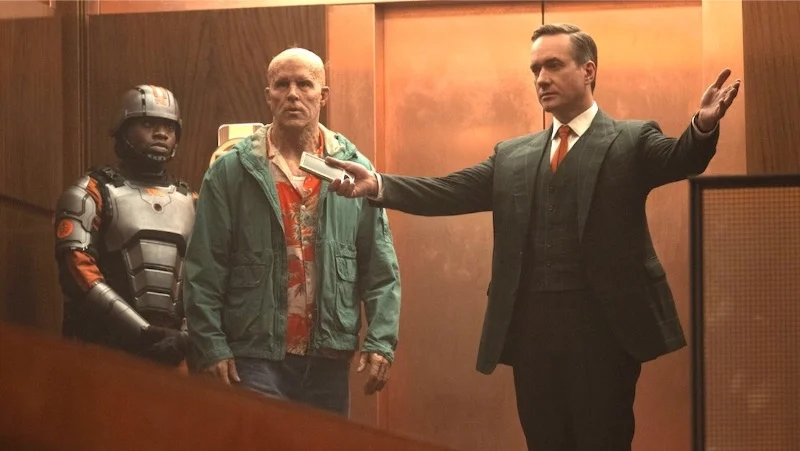
The TVA first appears in ‘Loki’ with a strict mission to control branches that threaten a central timeline, and early procedures include pruning entire realities that drift from approved paths. In ‘Deadpool & Wolverine’ the TVA engages with Wade when his world destabilizes and then sends him into another branch, which places operational involvement where earlier material framed removal and containment as the default response.
‘Deadpool 2’ shows Wade using a time device for multiple jumps that change outcomes, and ‘Loki’ explains that unauthorized hops create branch growth that draws TVA action. The film shows repeated cross branch movement around a collapsing reality with minimal enforcement, which leaves a gap between prior enforcement posture and the more permissive activity presented here.
Perfect Sense: Logan timeline
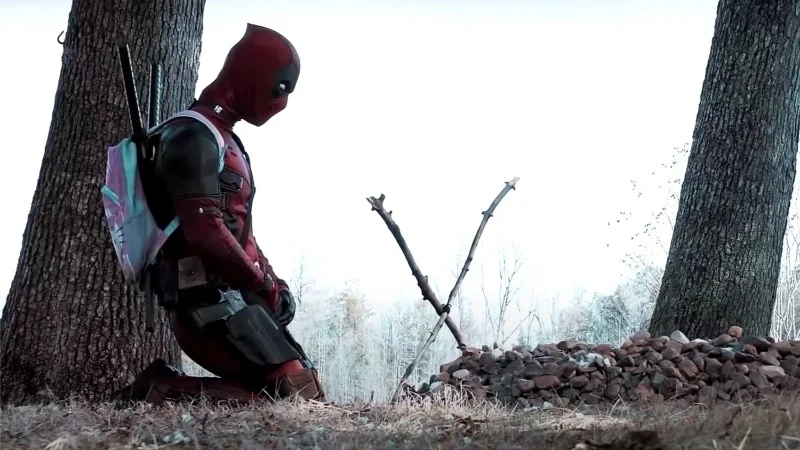
‘Logan’ closes the book on one specific version of Wolverine, and the film makes that ending final inside its own reality. ‘Deadpool & Wolverine’ identifies its Wolverine as a variant from another branch, which uses the multiverse rule that identical individuals can exist with different histories and outcomes without touching the preserved timeline from that earlier film.
The MCU already treats variants as separate persons with independent causality, and ‘Loki’ provides multiple examples of the same character with distinct pasts. By keeping the ‘Logan’ storyline in its own branch and sourcing this Wolverine elsewhere, the new film preserves the finality of that earlier ending and avoids retroactive changes to it.
Zero Sense: Fourth wall leaks

The ‘Deadpool’ films build a consistent habit where Wade addresses the audience, labels studio changes, and calls out continuity shifts. The MCU presents no in universe mechanism that records or redirects those breaches of awareness, and ‘Loki’ never catalogs fourth wall speech as a timeline event, which leaves the behavior floating outside any stated rule set.
In ‘Deadpool & Wolverine’ Wade references corporate mergers and franchise eras while moving through TVA controlled spaces. The TVA does not react to this narrative awareness in any defined way, and the film offers no framework that shows whether such statements register as anomalies or pass through as noise, which keeps the device outside the rules that other projects describe.
Perfect Sense: TVA tech match
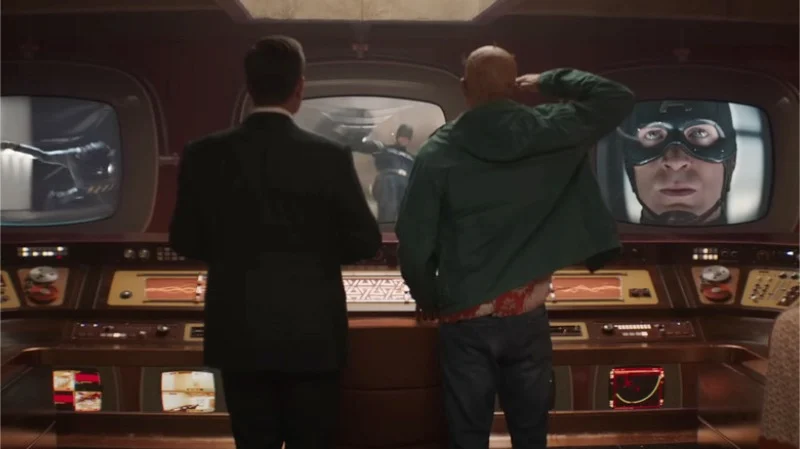
‘Deadpool & Wolverine’ uses time doors and wrist devices that open orange portals, and those match the visual and functional presentation that ‘Loki’ establishes. Characters step across thresholds that place them in separate branches, and the jump feels instantaneous to travelers while time in the origin branch continues without pause, which is how TVA traversal already works elsewhere.
The film also depicts administrative files and mission briefings that align with TVA casework seen before. Requests, clearances, and field authorizations flow through agents who trigger doors and track branch coordinates, and that mirrors earlier workflows that log movements by device signature and branch designation.
Zero Sense: Power levels
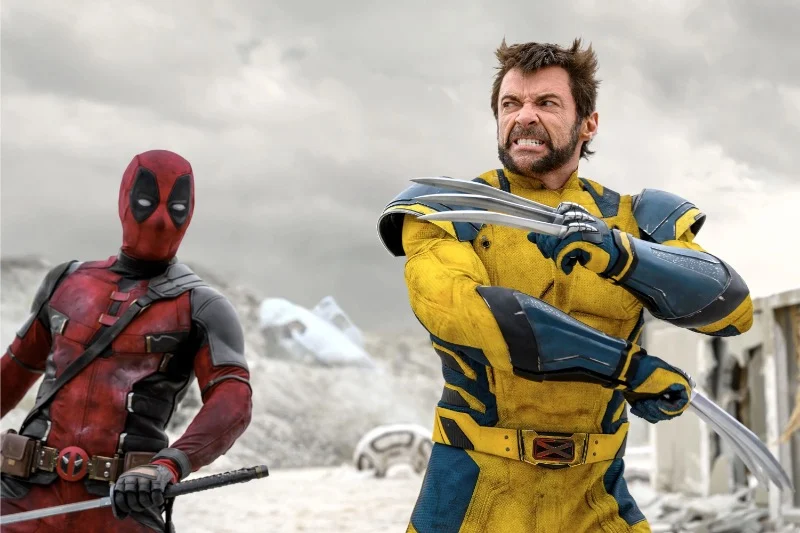
Across the Fox era, mutants like Lady Deathstrike and Sabretooth show specific combat traits that push Wolverine to adapt, and telepaths can disable targets at range. ‘Deadpool & Wolverine’ sets fights where durable enforcers and gifted opponents engage Wade and Logan without always using full ability sets on screen, which reduces visible counters that prior appearances made routine.
Earlier films show Deadpool using firearms, explosives, and sword work to handle groups only when he creates space or removes lines of fire. The new film places him in clusters of armored foes where escape paths close quickly, yet he advances without the tactical delays that older entries tied to reloading, recoil, or crowd pressure, which lowers the sense of constraint created by those earlier details.
Perfect Sense: Healing factor logic
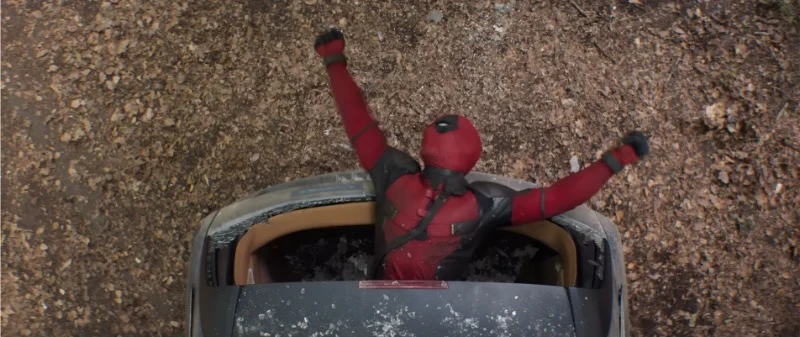
The film uses two healing factors to stage extreme damage and quick recovery, which lines up with multiple showings across the franchise. Wolverine has an adamantium reinforced skeleton that prevents limb severing under most conditions, and his tissue regrows around that frame after burns and stabs. Deadpool regrows tissue and even entire limbs after trauma as long as vital matter remains to seed repair.
‘Deadpool 2’ and several ‘X-Men’ entries already present full body trauma with recovery that ramps with the scale of the injury. ‘Deadpool & Wolverine’ repeats the pattern where small wounds close almost instantly and full body rebuilds take longer while still completing within a single scene, which is consistent with how regeneration has been shown before.
Zero Sense: Cameo placements
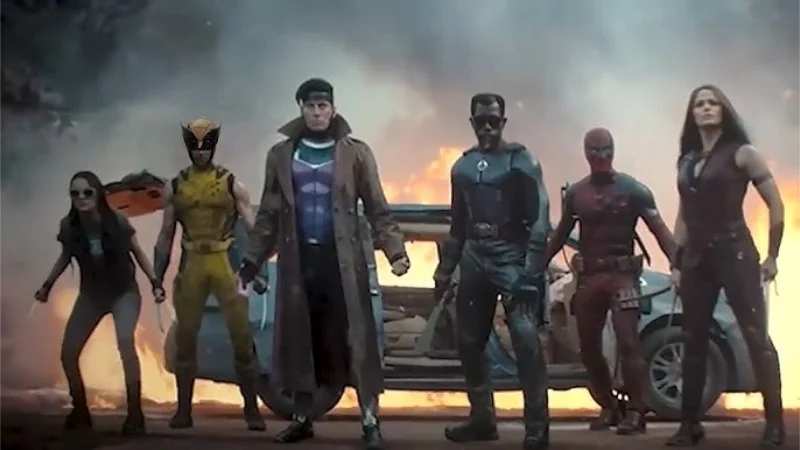
The film features characters from the Fox catalog whose last known appearances ended with capture, disappearance, or death. Their presence together in a single wasteland style location arrives without a clear collection method that maps to past outcomes, which leaves the viewer tracking who survived in their original films and how each appears here.
The multiverse frame can bring in variants, yet the staging mixes designs and costumes that echo exact earlier versions. That choice makes it hard to tell which arrivals are new branches and which are direct pulls, since the film does not label branch identifiers or acquisition points that would distinguish a variant from a relocated original.
Perfect Sense: Incursion stakes
‘Doctor Strange in the Multiverse of Madness’ defines an incursion as a collision between realities that can destroy one or both universes. ‘Deadpool & Wolverine’ shows a reality in collapse and ties its urgency to that same phenomenon, which places the danger within an established rule that branches can fail when boundaries weaken.
The MCU also connects incursions to actions that stress reality walls through repeated cross branch contact. The film presents travel patterns and interference that mount pressure on one timeline, and the visible breakdown matches prior signs of structural failure that appear when incursions approach critical points in other stories.
Zero Sense: Adamantium damage
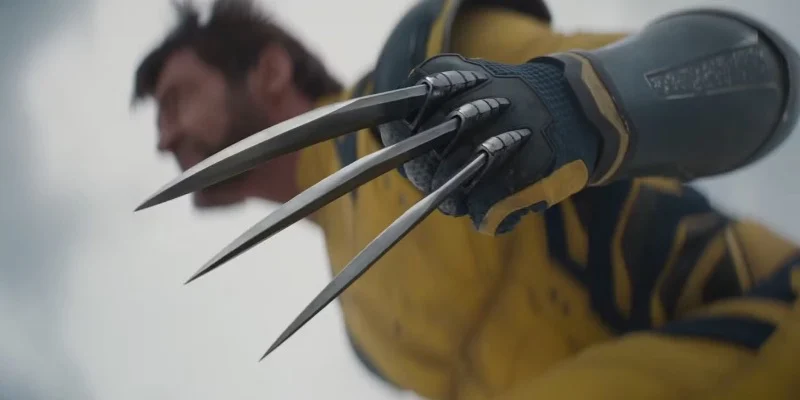
Across past films adamantium is presented as virtually unbreakable under conventional heat and impact. Certain sequences in ‘Deadpool & Wolverine’ depict heavy blasts and crushing forces that appear to bend or deform structures near Wolverine without marking his claws or frame, yet adjacent adamantium like debris shows wear that seems inconsistent with that property.
Other scenes show edged weapons and high energy hits that pierce reinforced targets while leaving Wolverine mostly intact beyond tissue loss. That outcome fits his skeleton yet raises questions about collateral metal that should resist damage at similar levels, since the film does not always show why one alloyed object fails while another holds.
Perfect Sense: Suit and icon cues
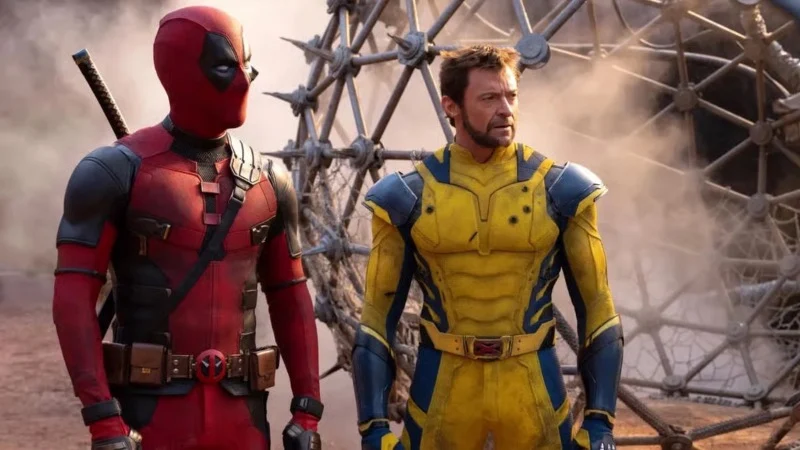
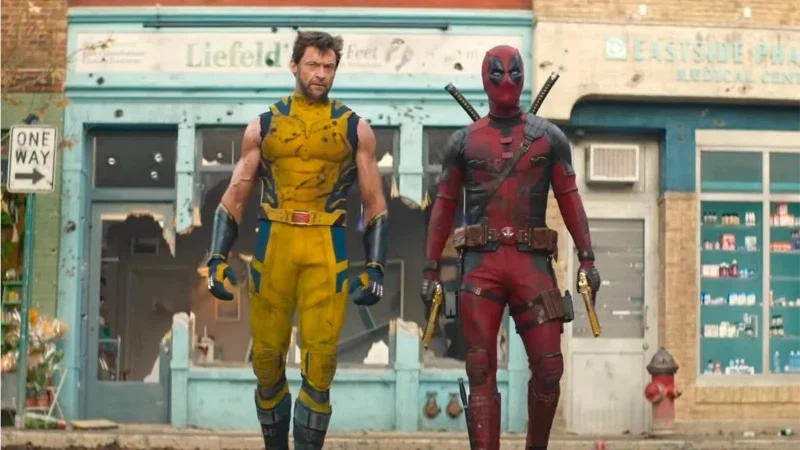
Wolverine wears a yellow and blue suit with a cowl and shoulder markings that mirror classic comic layouts, and the screen design keeps the claw housing clear so strikes read cleanly. The material moves with the fighter without blocking elbow or knee flexion, which explains how he can switch from groundwork to sprinting and maintain full range of motion.
Deadpool retains twin katanas, a sidearm setup, and a suit that allows quick draw and sheath access across the back. The mask uses large eye panes that amplify expression while preserving full head movement, and the utility layout places ammo and tools along the belt and chest for short reach during close quarter fights, which clarifies how he maintains flow in crowded action.
Share your favorite head scratching moment or most satisfying payoff from ‘Deadpool & Wolverine’ in the comments so we can compare notes.