5 Ways the ‘The X-Files’ Aged Poorly (& 5 Ways It Aged Masterfully)

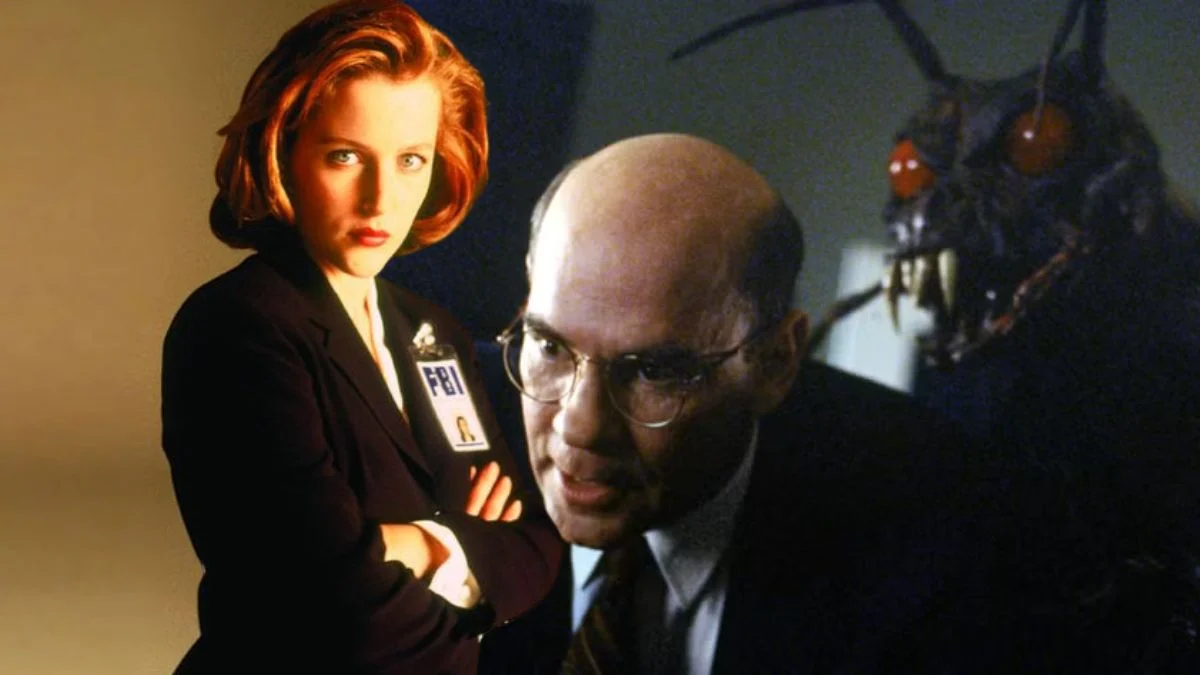

‘The X-Files’ blended paranormal mystery with FBI procedure and turned two federal agents into household names. The series mixed standalones with a sprawling conspiracy arc and used a moody visual style that many viewers associate with flashlights cutting through fog. Its influence spread through genre TV, film, and even real world interest in science and law enforcement work.
Time has highlighted where the show reflects its era and where it still feels sharp. Production choices, storytelling structure, and technical formats all leave clear fingerprints. The result is a show that can look and feel like a period piece in some ways while still operating with craft that many later series studied closely.
Aged Poorly: Early visual effects limitations show up in HD
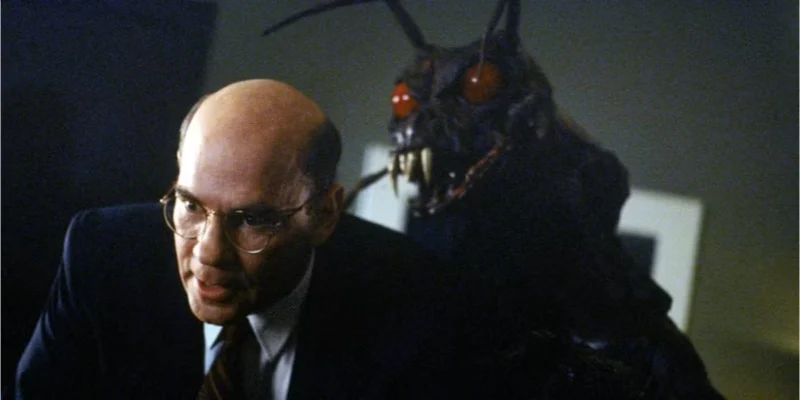
The production relied on practical makeup, creature suits, miniature work, pyro gags, and optical or early computer composites. Those tools matched the broadcast standards of the time and were designed for standard definition television screens. Many effects shots used darkness, smoke, and quick cutting to hide seams that would have been invisible on first airing.
Modern high definition remastering reveals edges that the original team never expected viewers to scrutinize. Rubber appliances, wire rigs, and matte lines can be easier to spot, and some composite shots look flatter than current workflows achieve. None of this reflects a lack of skill so much as the available tools and the target display of the era.
Aged Masterfully: The case of the week format remains a strong engine
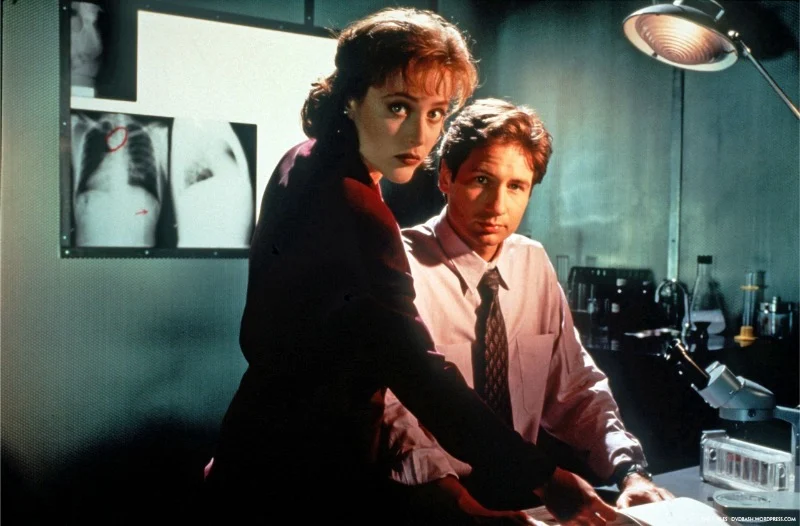
The show established a dependable rhythm where agents investigate an unexplained event, gather field evidence, run lab work, and file reports, while the larger arc advances in select installments. This structure makes the series easy to follow in any order and helps stations package reruns without confusing new viewers. It also gives writers room to blend horror, science fiction, and crime without breaking continuity.
That template became a reference point for later genre procedurals. The balance of standalones with occasional mythology chapters shows a durable way to sustain long runs without exhausting a single premise. It also keeps the investigative toolkit front and center, from interviews and scene diagrams to autopsies and chain of custody procedures.
Aged Poorly: Period technology anchors many plots
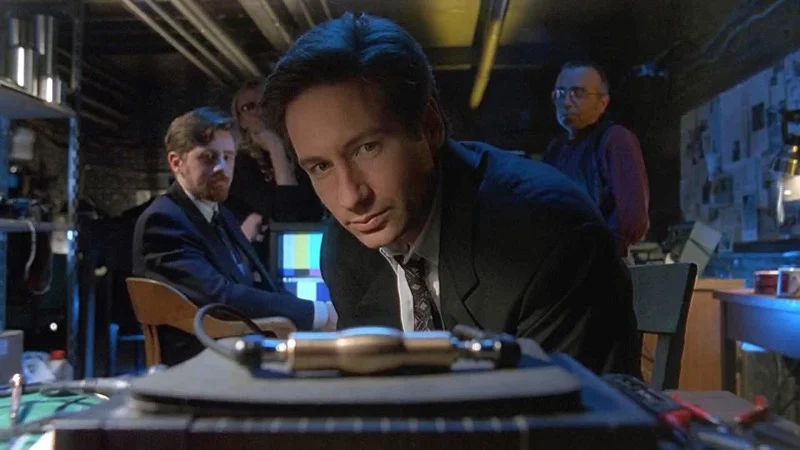
Characters rely on payphones, pagers, fax machines, floppy disks, and paper case files. Field work often hinges on analog video, microfiche, and databases that require on site terminals. Suspects can evade tracking because consumer GPS, smartphones, and widespread security cameras are not part of daily life.
Forensic capabilities also reflect the tools available to labs at the time. Rapid DNA matching, ubiquitous surveillance footage, and digital forensics are mostly absent, which changes how evidence is found and verified. Many plot turns that were plausible then would resolve very differently with current devices and networks.
Aged Masterfully: Dana Scully broadened STEM representation on TV
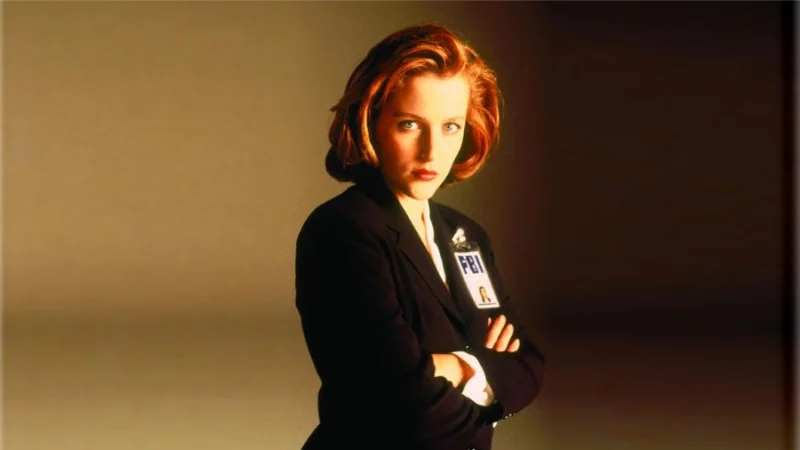
Dana Scully is presented as a medical doctor and an FBI agent who conducts autopsies, orders lab panels, and cites peer reviewed research in case discussions. The character demonstrates how scientific method, documentation, and differential diagnosis apply to field investigations. That routine exposure to technical work put clinical detail on prime time in a way that viewers could follow.
The response from audiences included a real world effect often called the Scully Effect. Surveys and outreach programs credited the character with inspiring interest in science and medicine among students who watched the show. That influence continues to be referenced in discussions about representation and career pathways.
Aged Poorly: The mythology became dense and difficult to track
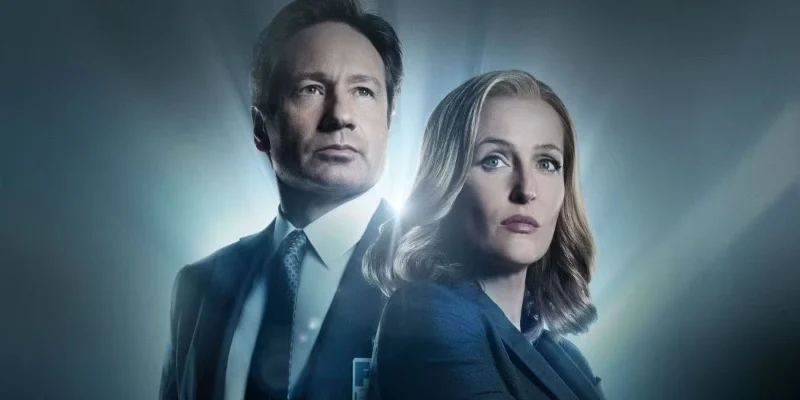
The series builds a long arc involving a shadowy Syndicate, an alien virus, shape changing operatives, and plans for colonization linked to the number 2012 within the story world. Key elements include black oil transmissions, bees as delivery vectors, and cover ups that span multiple agencies. The puzzle pieces arrive across scattered episodes and require careful recall to assemble.
Later seasons and the revival years reworked major premises and introduced super soldier storylines that altered earlier implications. Viewers who favor clear timelines and stable canon will find overlapping explanations for the same events as new information surfaces. The result is an intricate narrative map that can be hard to navigate without guides or recaps.
Aged Masterfully: Cinematography and atmosphere still set a standard
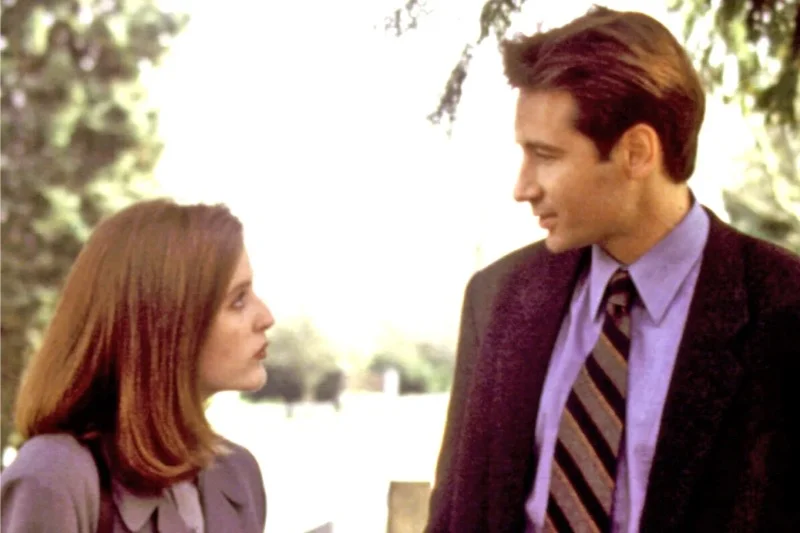
The show made heavy use of low key lighting, practical flashlights, smoke, and rain to build texture. Location work in forests, small towns, and industrial sites created a grounded backdrop for uncanny events. The visual language emphasized careful framing, slow push ins, and strong silhouette work to guide attention.
A move from one production base to another changed light quality and color palette, yet the team kept the same emphasis on mood and composition. Directors and cinematographers carried these techniques into other projects, and many later series emulate the same toolkit for tension and reveal shots. The images remain a recognizable signature of the brand.
Aged Poorly: Widescreen conversions introduced framing compromises
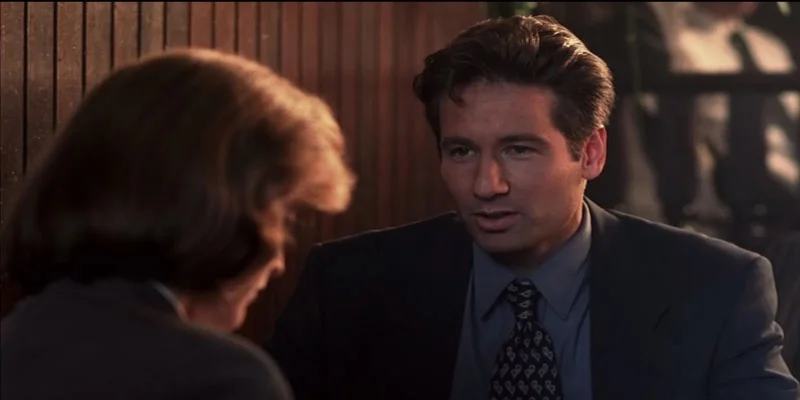
Episodes were originally composed for a 4:3 frame, which guided blocking, prop placement, and visual gags. High definition releases present the image in 16:9 by opening the negative and cropping vertically on some shots. That change can shift eyelines and reveal areas the crew did not expect to be visible.
Certain composites and opticals were finalized for the old frame, so the wider image occasionally exposes edges or soft regions. In a few scenes the reframing removes deliberate empty space that once set up scares or jokes. These are technical side effects of bringing a catalog title to modern displays.
Aged Masterfully: The believer and skeptic partnership remains instructive
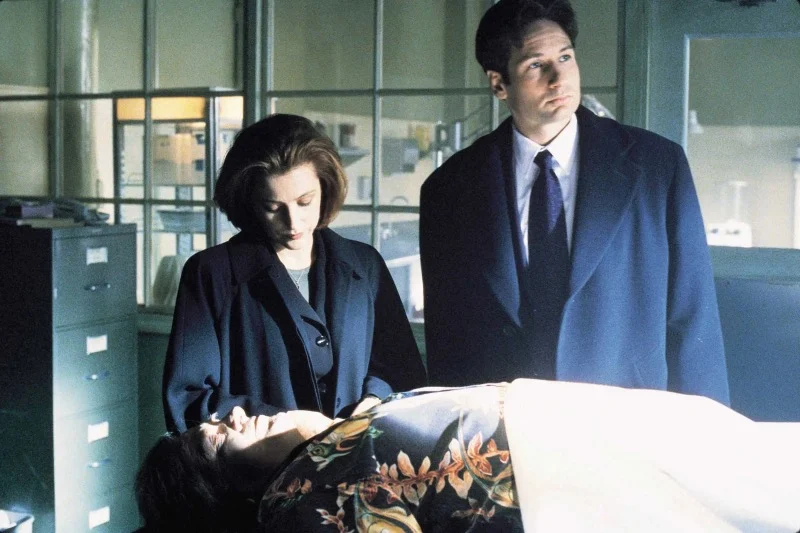
The series formalizes a two track approach to evidence. One agent proposes unconventional hypotheses and pursues leads that others overlook, while the other applies medical knowledge, chain of custody, and peer reviewed sources to test each claim. Field notes, lab results, and witness interviews are weighed side by side until a workable account emerges.
That division of roles trains the viewer to compare extraordinary explanations with measurable data. It also models professional disagreement that still progresses toward an operational plan. Many investigative shows continue to use this pairing because it organizes scenes around testable steps.
Aged Poorly: Network standards shaped content in ways that date the show

Run times target a commercial hour, so most episodes deliver about forty four minutes of story. Acts break on cliffhangers to accommodate ad slots, which steers pacing toward frequent check ins and end of act stings. Language restrictions and broadcast rules mean dialogue and violence stay within narrow bands, leading to cutaways and implied imagery.
Story patterns also reflect what networks permitted and promoted at the time. Serial killer cases and sensational crimes recur, with a notable number of female victims in early acts to establish threat. Those patterns mirror scheduling strategies and content practices from the period rather than current norms.
Aged Masterfully: Iconography and reach kept the franchise alive
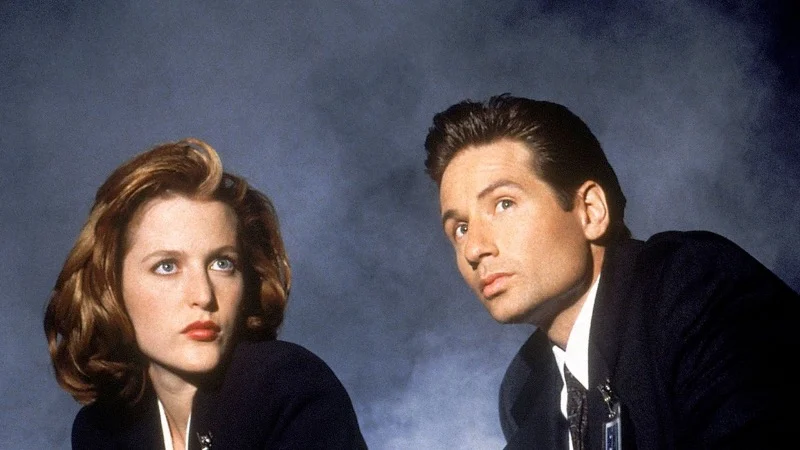
The opening credits stamp phrases that became part of pop culture, including The truth is out there and Trust no one. A poster reading I want to believe appears in offices and homes across seasons and remains the most recognizable single image from the brand. These elements function as shorthand for the show’s themes and appear on licensed products and in parodies.
The franchise expanded beyond television with two features, ‘The X-Files: Fight the Future’ and ‘The X-Files: I Want to Believe’, and later seasons that reunited the leads for new investigations. The catalog totals 218 episodes across the original run and the revival period, supported by soundtracks, books, comics, and convention circuits. That scale keeps the property visible to new viewers who discover it on streaming platforms.
Tell us where you think ‘The X-Files’ shines or stumbles today in the comments.