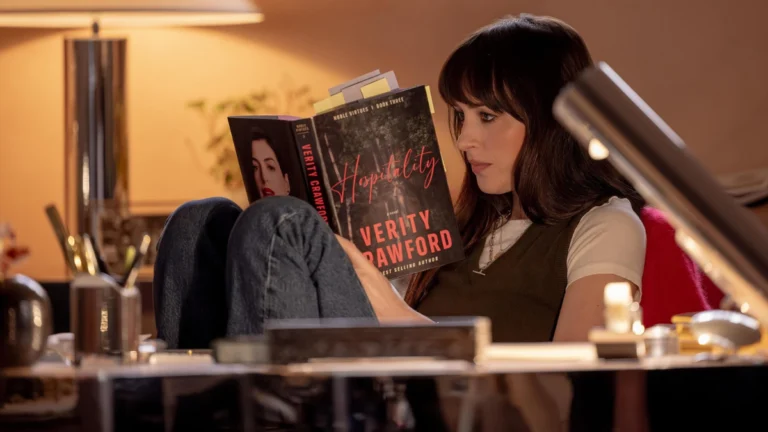
5 Things About ‘The Flash’ That Made Zero Sense and 5 Things About It That Made Perfect Sense

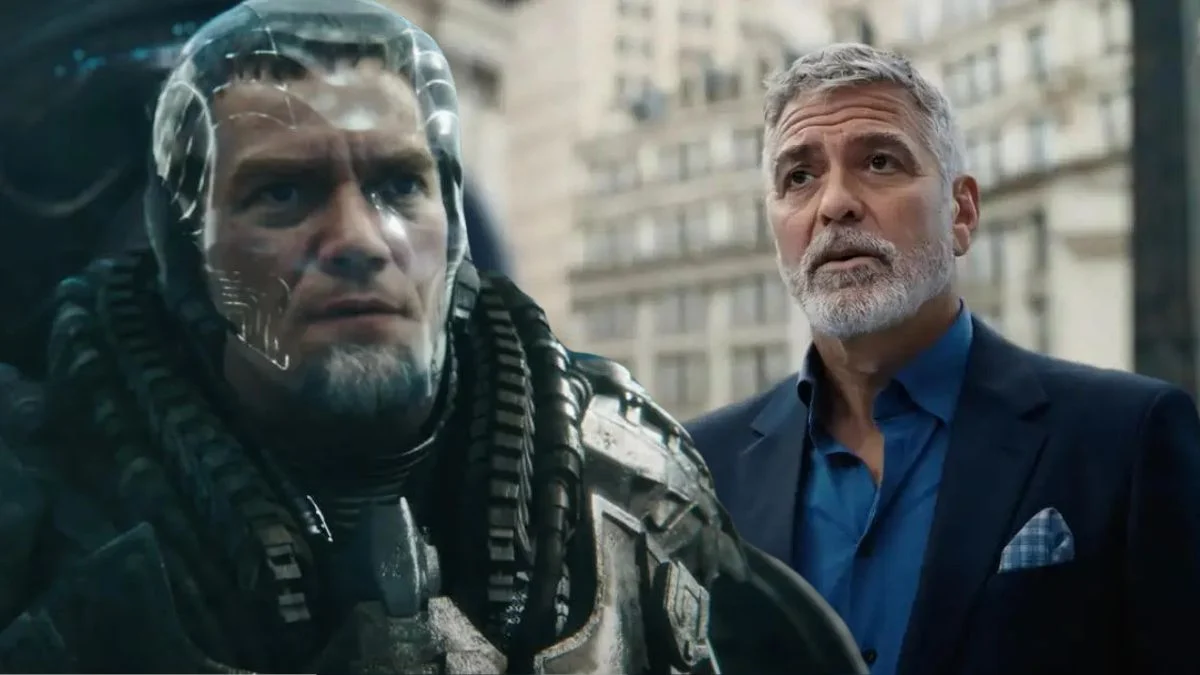

‘The Flash’ races through timelines, revisits familiar faces, and rearranges key moments across the DC universe. It blends a personal family mystery with world ending stakes, then layers in alternate realities that pull in different versions of heroes and threats. The result is a story that packs a lot of moving parts into one run, from courtroom evidence to Kryptonian science.
This list breaks down ten specific choices the film makes, five that clash with rules the series already showed and five that track cleanly with what the story sets up. Each point sticks to what the movie presents on screen and what earlier entries already established, so you can see where the details line up and where they do not.
Zero Sense: Clashing time rules
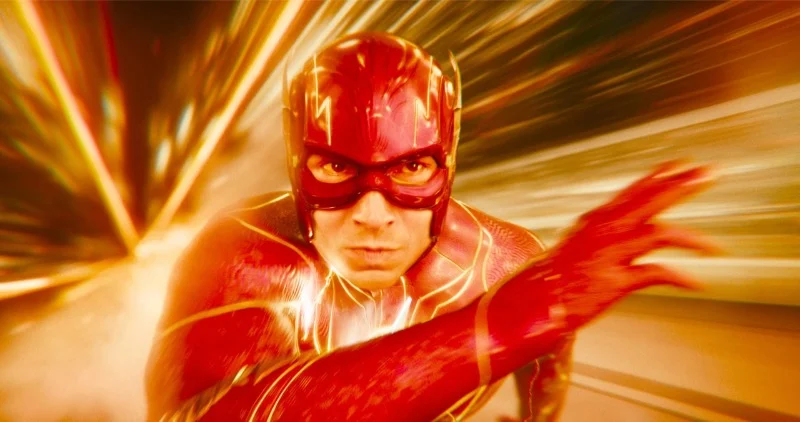
The movie explains time travel with a spaghetti model that says changes create a new strand that also bends the past, not just the future. It shows the Chronobowl as a place where moments stack in spheres and where actions echo backward, which is why a small grocery change shifts events years earlier. Earlier entries showed Barry running back to reverse a specific event without bending unrelated history, which puts two models side by side.
‘Zack Snyder’s Justice League’ shows Barry rewinding a catastrophic moment to restore destroyed bodies and tech, with no split universe or legacy collisions. In ‘The Flash’, a limited change in a kitchen alters who is on Earth, which Kryptonian arrives, and which Batman exists, and the film does not reconcile those new effects with the earlier direct rewind that left the wider world intact.
Perfect Sense: Nora Allen drives the plot

The case file, the kitchen scene with the knife, and the missing store camera angle give Barry a concrete problem to solve. The movie uses one household errand and one blind spot in a security feed to explain why a murder stayed unsolved, which is why Barry targets the grocery run rather than confronting the attacker.
This setup matches the core of ‘Flashpoint’ from the comics, where his mother’s death is the reason he tests the limits of speed and time. The film swaps comic details for DCEU specifics, but it keeps the same cause and effect chain, a son who finds a single change point and pushes it, then watches the consequences spread outward.
Zero Sense: Losing and regaining powers logistics
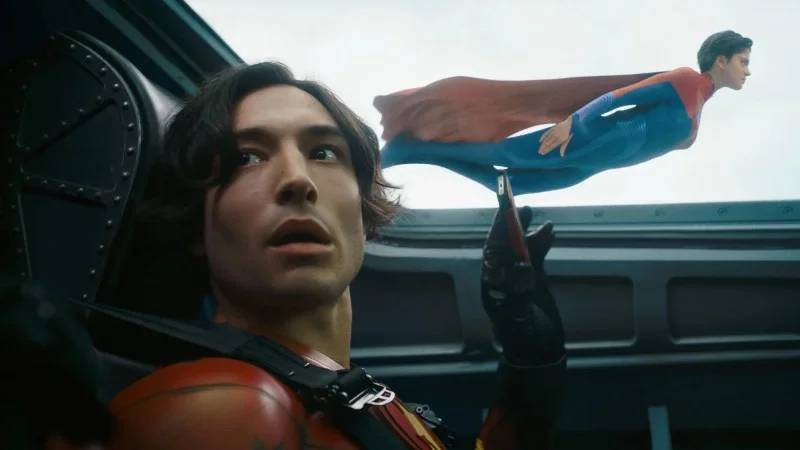
After the change, Barry loses his speed and conductivity, then tries to recreate the accident with chemicals and lightning on a rooftop rig. The first attempt burns him, the second works when Kara carries him into a storm so a strike hits him directly, and the movie moves from failure to full restoration with the same ingredients arranged a little differently.
In prior versions across comics and ‘The CW’s The Flash’, recreations rely on controlled energy output, specific particle conditions, or tailored lab equipment. The film shows stolen lab fluids, a metal chair, and a lightning rod as enough to toggle the Speed Force connection off and on, which shifts complex replication into a quick field experiment without explaining what variable made the difference.
Perfect Sense: Two Barrys show ripple effects
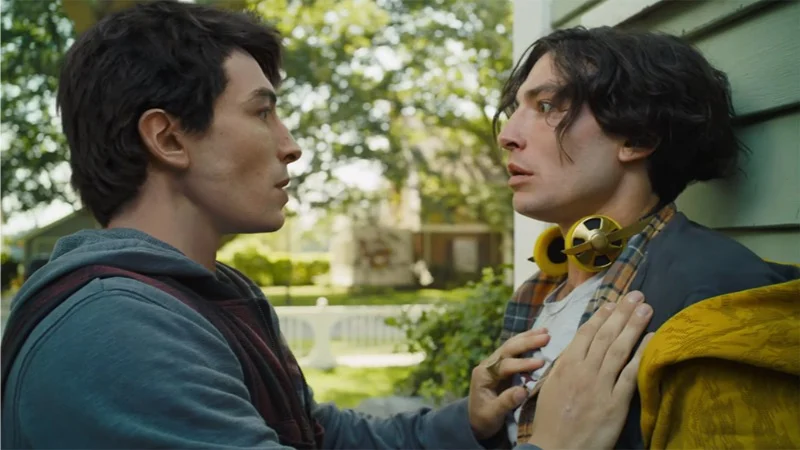
The younger Barry grows up without the same trauma, which gives him power without caution, and the film uses that difference to show how small choices compound. The older Barry watches his younger self keep trying to fix the same day, collecting shards of debris with each pass, which the Chronobowl visualizes as damage that keeps returning.
This mirrors how time travel stories often demonstrate accumulation rather than one big break. The movie uses two versions of the same person so viewers can track the chain, one who knows the cost and one who only sees the next chance, and the Chronobowl gives a literal picture of the buildup that blocks any simple reset.
Zero Sense: Zod timing and codex contradictions
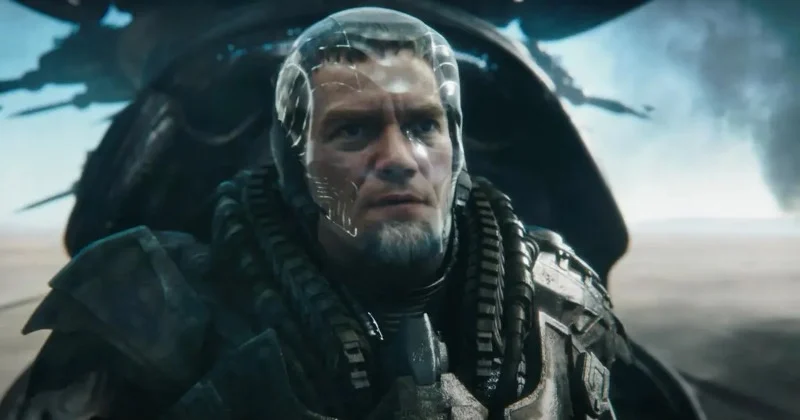
The altered 2013 brings General Zod to Earth without Clark, and the military responds without a known Kryptonian ally. The film states that Zod is hunting a lost codex and that the infant who carried it died, while also showing that Kara never reached sunlight and never made public contact before the invasion.
In ‘Man of Steel’, Earth learns about Kryptonians through Clark and through Zod’s broadcast, and the codex sits inside Clark’s cells. In the altered run, Zod still reaches Earth at the same general moment, the codex no longer resides in Clark, and Kara’s craft was intercepted long before, yet the invasion hits the same place with the same plan, and the film leaves the changed codex trail under explained.
Perfect Sense: Kara’s imprisonment and solar biology
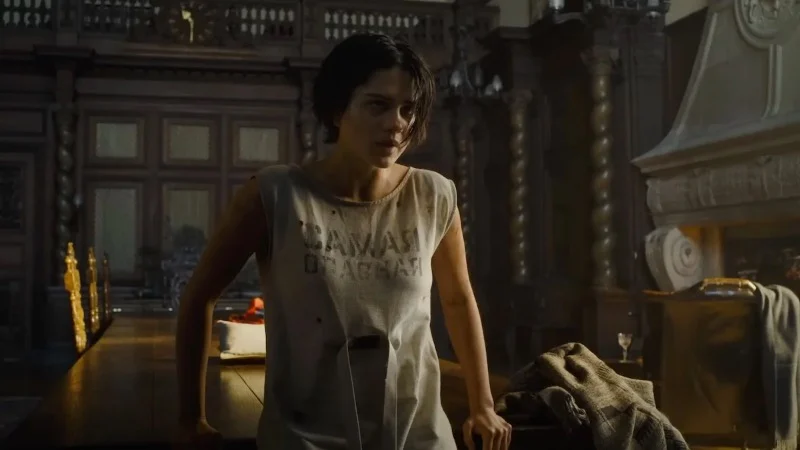
Kara is held in a Siberian facility that simulates a red sun spectrum, which keeps her weak and underweight. Once she exits and stands under direct sunlight, her cells charge, her wounds close, and she gains flight and heat vision, all of which the film stages within minutes of exposure.
Kryptonian physiology in the DCEU has always tied power gain to yellow sun radiation, and the movie follows that rule precisely. The red light containment explains why she could be captured and studied, while the instant boost in the open sky explains how she can go from frail to battle ready without a long training or recovery sequence.
Zero Sense: Cameo spheres without a clear link
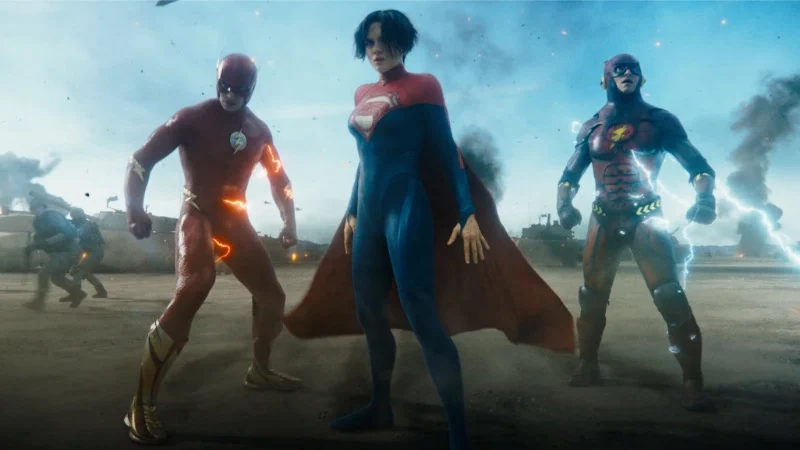
The collapsing multiverse displays separate spheres where different versions of heroes look in, including George Reeves and Christopher Reeve as Superman, Adam West as Batman, and Nicolas Cage as Superman fighting a giant spider. The spheres approach each other visually and then collide as the instability grows, and the film ties the event to Barry’s repeated attempts to fix one battle.
The movie does not show a mechanism that connects those specific worlds to Barry’s timeline beyond the visual overlap. None of those characters exchange information or act across worlds, and the sequence functions as a display rather than an interaction, so the on screen cause is Barry’s persistence while the selection of which universes appear is left unspecified.
Perfect Sense: Keaton’s Batman tactics
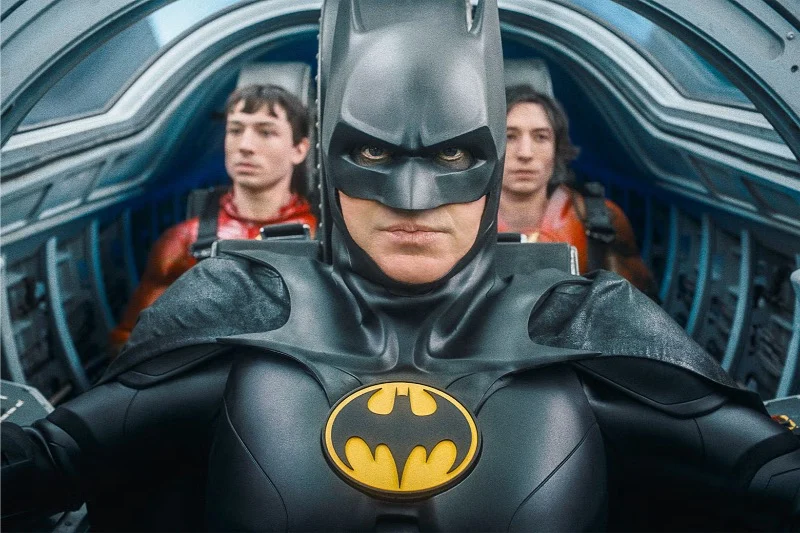
Michael Keaton’s Bruce explains that Gotham crime dropped, which is why he retired, and he still maintains the Batcave, the computers, and the aircraft. He studies the spaghetti model with Barry, then builds a plan that uses stealth, elevation, and encrypted access to break into the Siberian site without setting off a full scale alert.
In the desert fight, he adapts to Kryptonians using grapnels, explosives, and the Batwing to create openings rather than trading blows. The movie keeps his approach consistent with a human strategist who uses terrain and tech, which is why he can contribute against enemies who outclass him physically while working as part of a small team.
Zero Sense: A tiny grocery change swaps Bruce Wayne
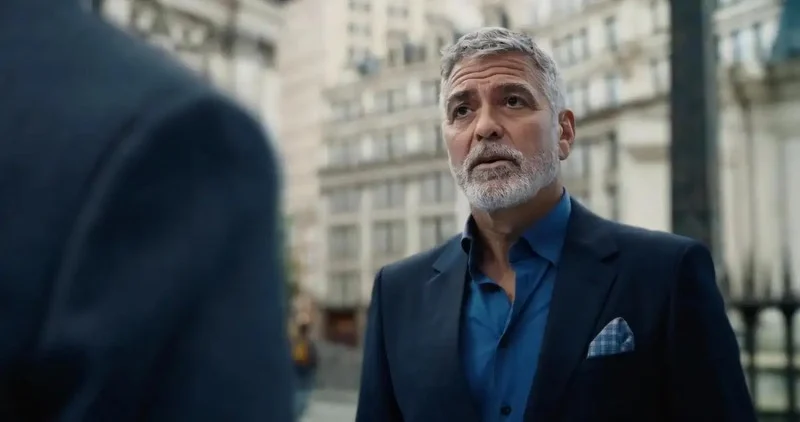
Barry moves the tomato cans to the top shelf so his father has to look up, which places Henry’s face in the store camera frame during the alibi run. The court accepts the video, Henry is freed, and Barry returns to a world where Bruce Wayne arrives at the courthouse with a different face.
Earlier, the film says small changes bend both past and future, but the grocery shelf edit is targeted to one man’s habit on one day. The outcome replaces a lifelong identity for Gotham’s most famous billionaire while preserving most of Barry’s immediate circle, which the movie presents as the new normal without detailing which additional strands also moved.
Perfect Sense: The shelf fix clears Henry Allen
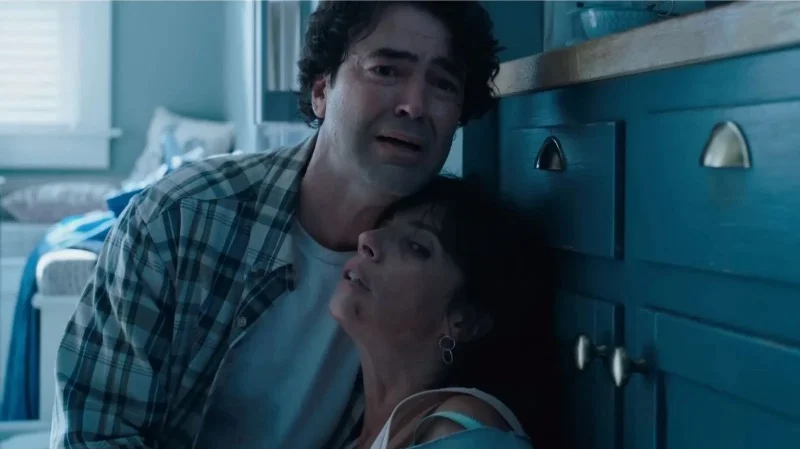
The security camera in the original timeline cannot see Henry’s face because he never looks up while grabbing tomatoes. By moving the cans to a higher shelf, Barry ensures that the same errand puts Henry’s eyes in the frame, which gives the court a direct visual confirmation that covers the window of the murder.
The film ties the solution to evidence procedure and to a specific rule about what counts as proof, so the change delivers a legally relevant artifact rather than a confession or a suspect confrontation. It also honors the constraint Barry accepts, which is that saving Nora breaks too much, while correcting the single missing piece that kept an innocent person in prison.
Share your take in the comments and tell us which plot choices you think worked best and which ones you would change.