Daniel Day-Lewis’ Best Roles

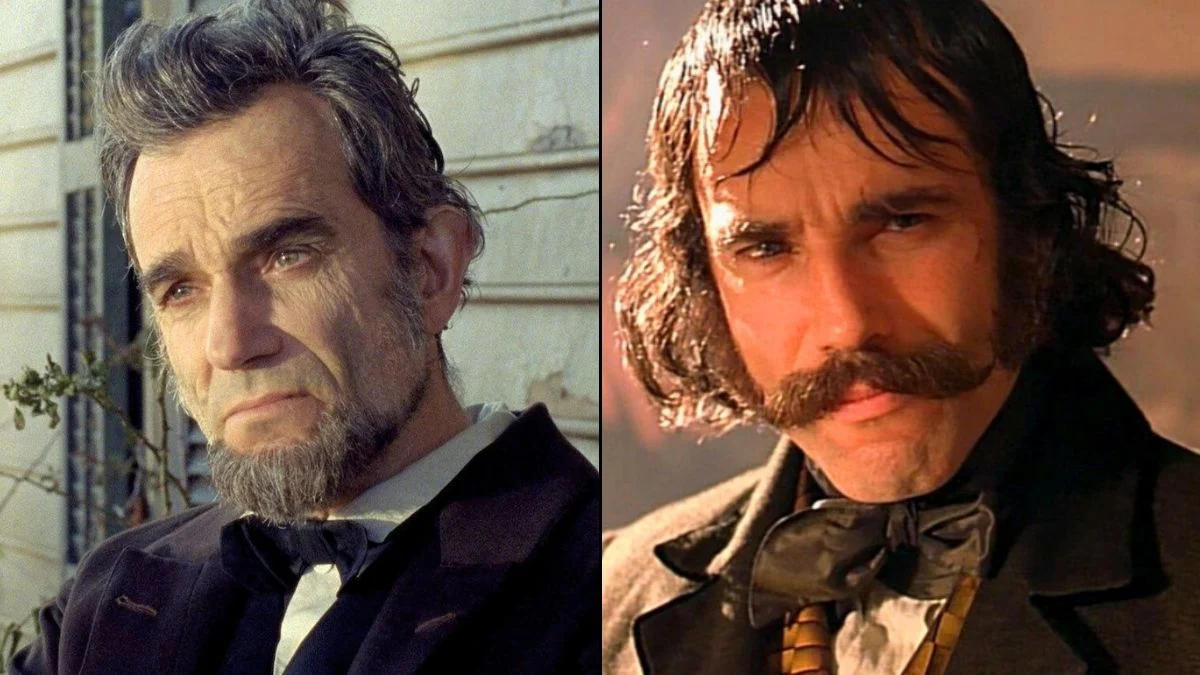

Daniel Day-Lewis is widely regarded as one of the greatest actors of his generation, known for his intense dedication to his roles. His selectiveness with projects meant that each performance was an event, showcasing a level of commitment that few could match. He famously immersed himself completely in his characters, often staying in character for the entire duration of a film’s production, a practice that became his signature. This method acting approach resulted in some of the most memorable and transformative performances in cinematic history.
Throughout his celebrated career, he took on a wide array of characters, from historical figures to complex fictional personalities. His ability to physically and emotionally embody these roles earned him numerous accolades, including three Academy Awards for Best Actor, a record for any male performer. His retirement from acting marked the end of an era, leaving behind a powerful and concise filmography. Each role stands as a testament to his unparalleled skill and his profound respect for the craft of acting.
‘Nine’ (2009)
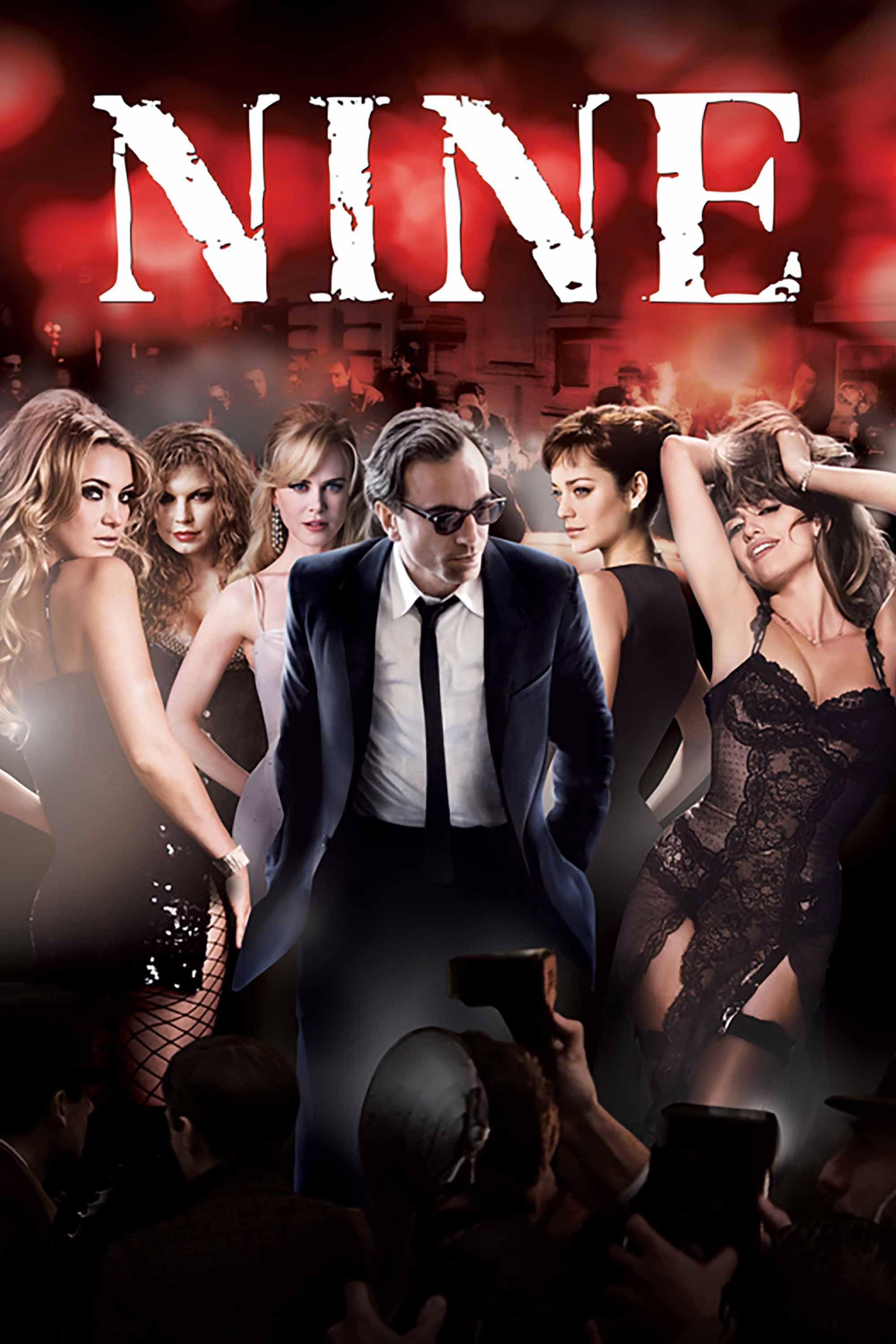
Daniel Day-Lewis plays Guido Contini, a famous Italian film director struggling with a creative and personal crisis. The character is trying to balance the numerous women in his life, including his wife, his mistress, his muse, his mother, and his costume designer. The film is a musical adaptation of a Broadway show, which itself was based on an autobiographical film by Federico Fellini. Day-Lewis took on the role after the original actor dropped out, learning Italian for the part.
To prepare for the musical numbers, he worked extensively with a vocal coach to develop his singing voice. The role required him to not only act but also to sing and dance, showcasing a different side of his performance abilities. The film features a large ensemble cast of acclaimed actresses playing the various women who influence his character’s life and work. His portrayal of the troubled artist explores themes of infidelity, creative block, and the pressures of fame.
‘The Ballad of Jack and Rose’ (2005)
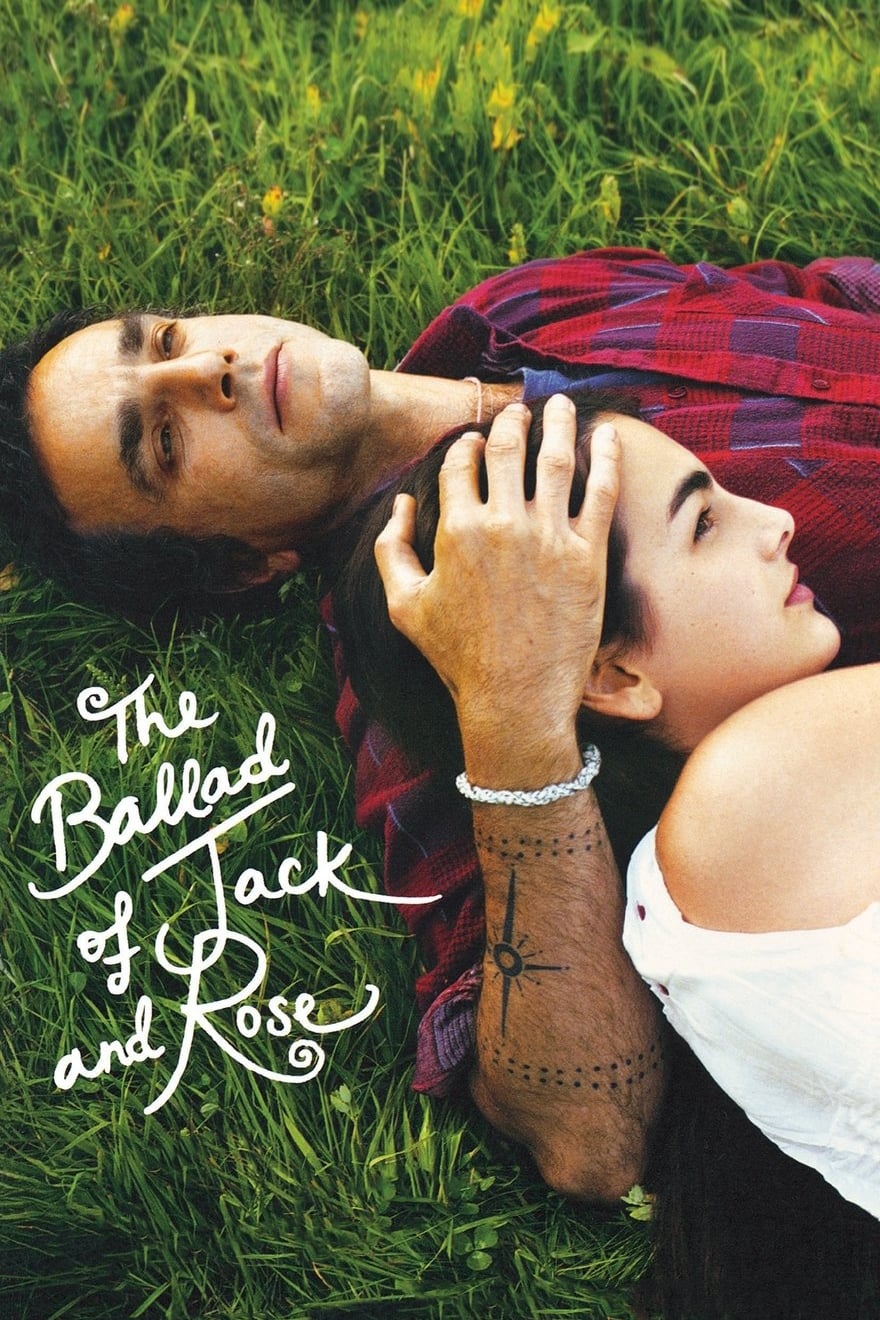
In this film, Daniel Day-Lewis portrays Jack Slavin, a man living on a remote island with his teenage daughter Rose. Jack is an environmentalist with a serious heart condition who has raised his daughter in isolation, protecting her from the influences of the outside world. The story was written and directed by his wife, Rebecca Miller, who had conceived of the idea years earlier. The film explores the complicated relationship between a father and daughter as their secluded world is disrupted.
The actor lived separately from his wife during the production to better get into the mindset of his character’s isolation. Jack’s fierce idealism and declining health create a tense and emotional dynamic when he invites his girlfriend and her two sons to live with them. This decision forces his daughter to confront the world she has been shielded from. The performance captures the character’s internal conflict as a loving father whose controlling nature leads to dramatic consequences.
‘My Beautiful Laundrette’ (1985)
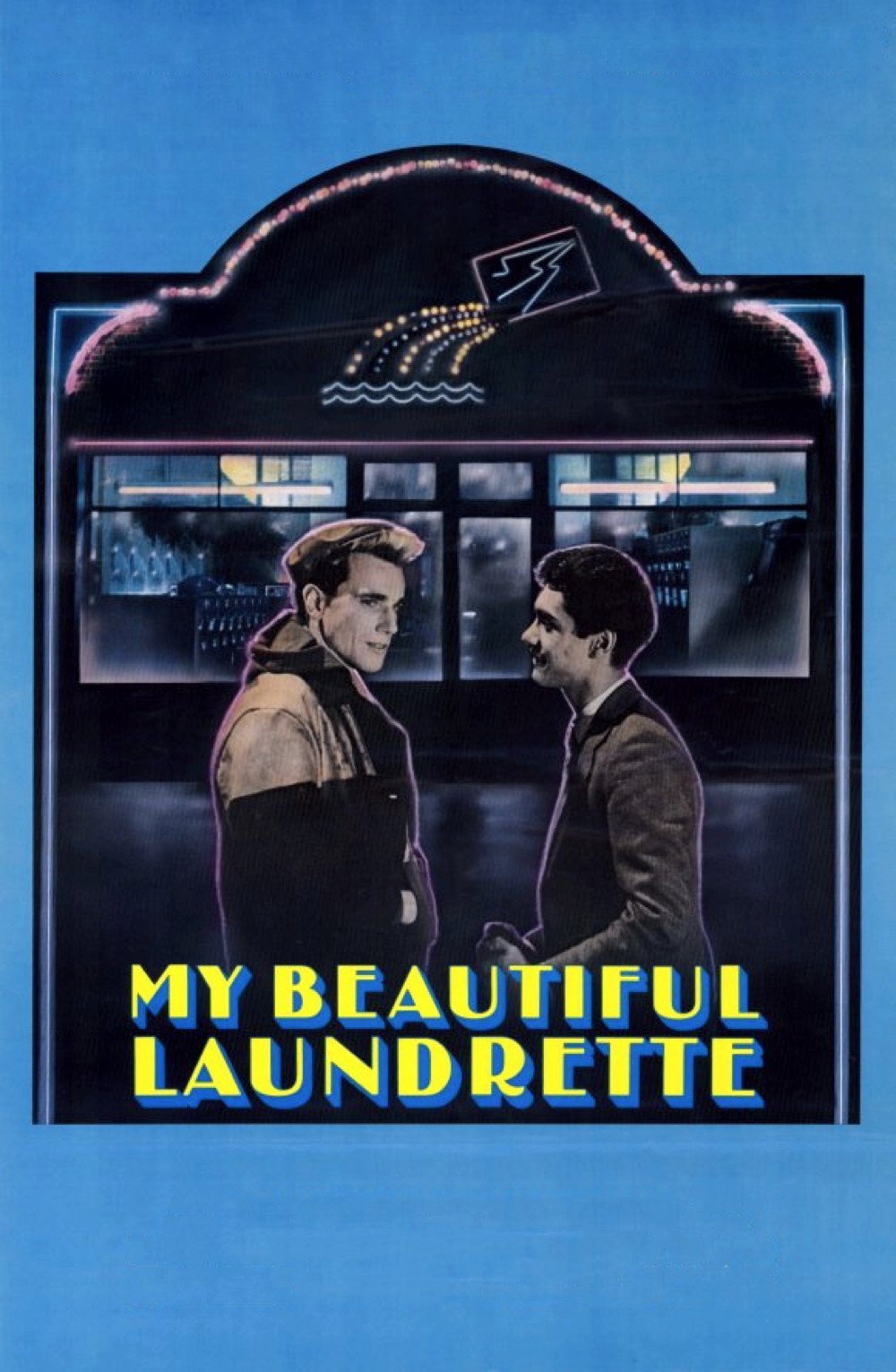
This film features Daniel Day-Lewis in a breakout role as Johnny Burfoot, a working-class ex-National Front punk in London. The story centers on his complex romantic relationship with his old friend Omar, a young British-Pakistani man who is tasked with managing his uncle’s laundrette. The movie tackles themes of race, class, sexuality, and politics in Thatcher-era Britain. It was originally made for television but received a theatrical release due to its critical acclaim.
Day-Lewis’s character represents a shift from his past prejudiced views as he and Omar build a life and a business together. To fully inhabit the role of Johnny, the actor adopted a specific regional accent and immersed himself in the culture the character came from. His performance was praised for its authenticity and for bringing a sensitive and nuanced portrayal to a character who could have easily been a one-dimensional stereotype. The film became a significant work of British cinema.
‘The Crucible’ (1996)
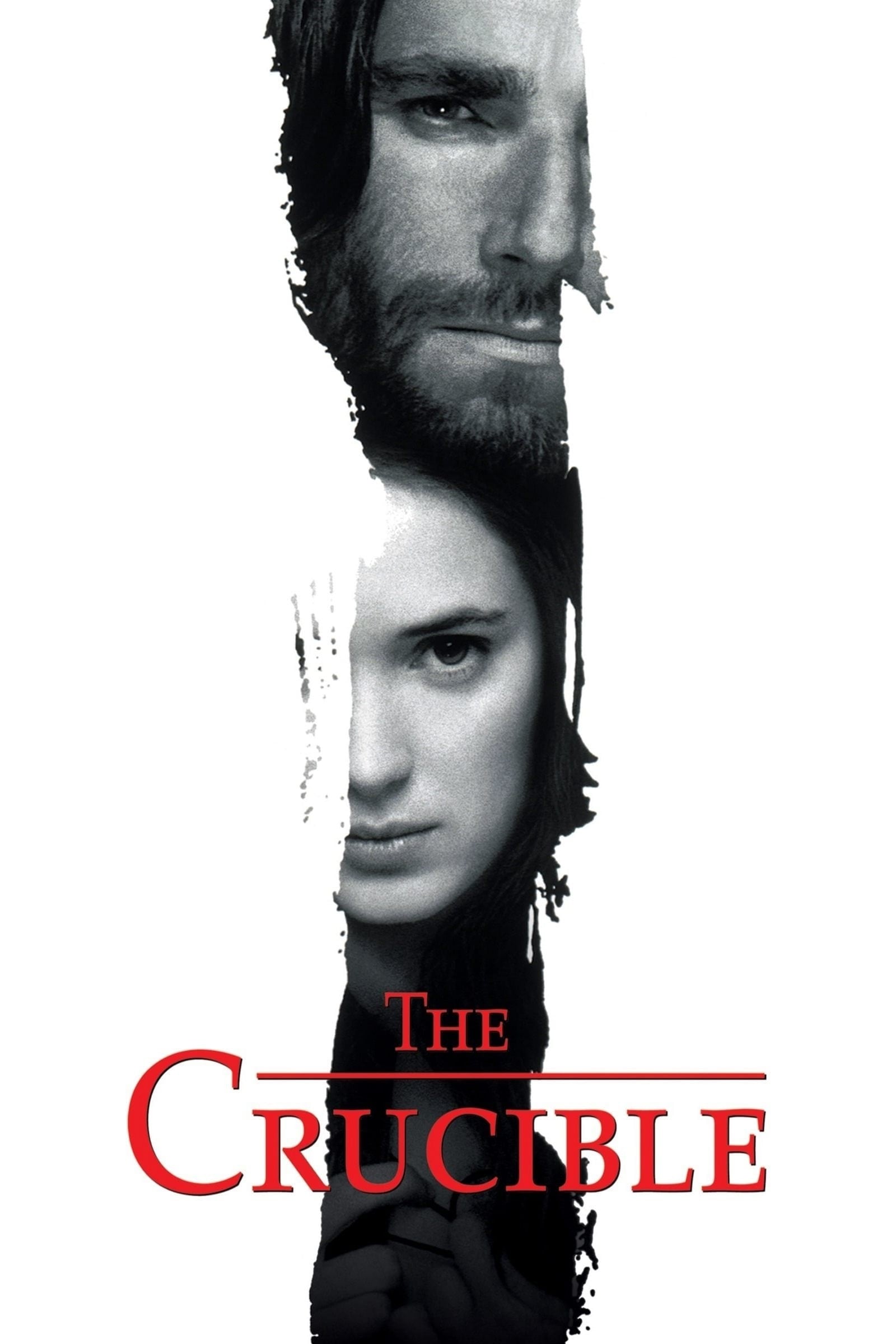
Daniel Day-Lewis plays John Proctor in this adaptation of Arthur Miller’s classic play about the Salem witch trials. Proctor is a respected farmer who has a hidden past with the young woman, Abigail Williams, who becomes the primary accuser in the town’s witchcraft hysteria. The film was adapted for the screen by Arthur Miller himself, who was on set during much of the production. Day-Lewis met his future wife, Rebecca Miller, the playwright’s daughter, during the making of the film.
In preparation for the role, he lived for a time in a replica of the 17th-century village that was built for the set, without electricity or running water. He also learned to build colonial-era houses using the tools of the period to understand his character’s life as a farmer. His portrayal captures John Proctor’s moral struggle as he must choose between protecting his reputation and telling the truth to stop the deadly madness that has gripped his community.
‘The Boxer’ (1997)
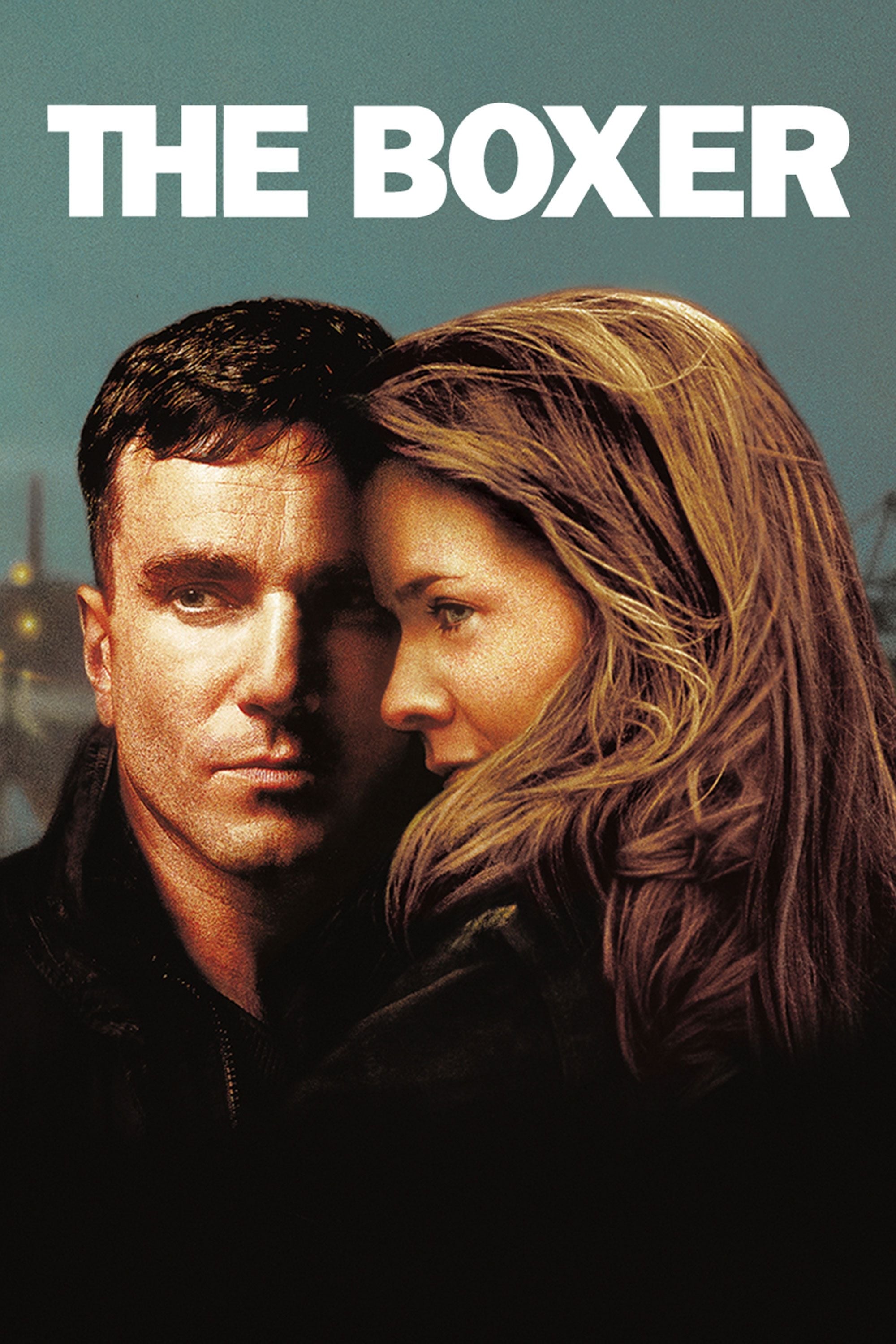
In this movie, Daniel Day-Lewis stars as Danny Flynn, a former IRA member and boxer who is released from prison after 14 years. He returns to his old Belfast neighborhood determined to live a peaceful life and reopen a non-sectarian boxing gym for local boys. The film reunites him with director Jim Sheridan, with whom he had previously worked on two other films. His character’s attempt at a new life is complicated by his past and his enduring love for his former girlfriend, who is now married to his imprisoned best friend.
To prepare for the role of a professional boxer, Day-Lewis trained for nearly three years with former world featherweight champion Barry McGuigan. He achieved a remarkable physical transformation and developed the skills of a genuine boxer, reportedly becoming proficient enough to have competed professionally. This intense training allowed him to perform all the boxing scenes himself, lending an incredible authenticity to his character’s journey both inside and outside the ring.
‘A Room with a View’ (1985)
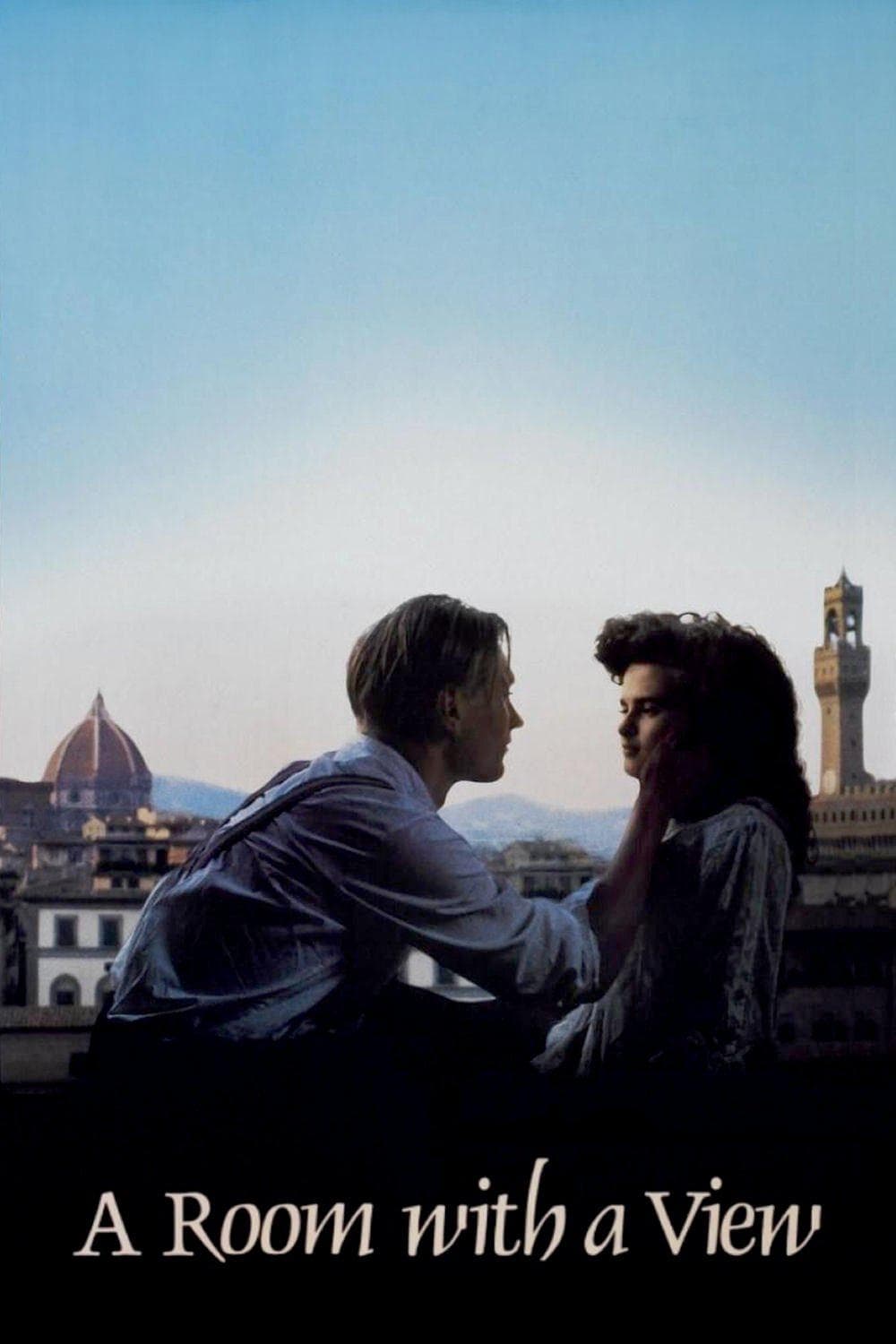
Daniel Day-Lewis portrays Cecil Vyse, the snobbish and intellectually pretentious fiancé of the main character, Lucy Honeychurch. The film is a romantic drama based on E. M. Forster’s novel of the same name, set in England and Italy during the Edwardian era. Cecil represents the repressed and rigid social conventions that Lucy finds herself struggling against. His character is a stark contrast to the free-spirited George Emerson, who offers her a life of passion and honesty.
Even though it is a supporting role, Day-Lewis’s performance is memorable for its comedic and precise portrayal of the character’s awkward and condescending nature. He completely embodies the mannerisms and speech of an upper-class Edwardian man, making Cecil both unlikable and pitiable. The role demonstrated his versatility as an actor early in his career, appearing in the same year as his completely different character in ‘My Beautiful Laundrette’.
‘The Age of Innocence’ (1993)
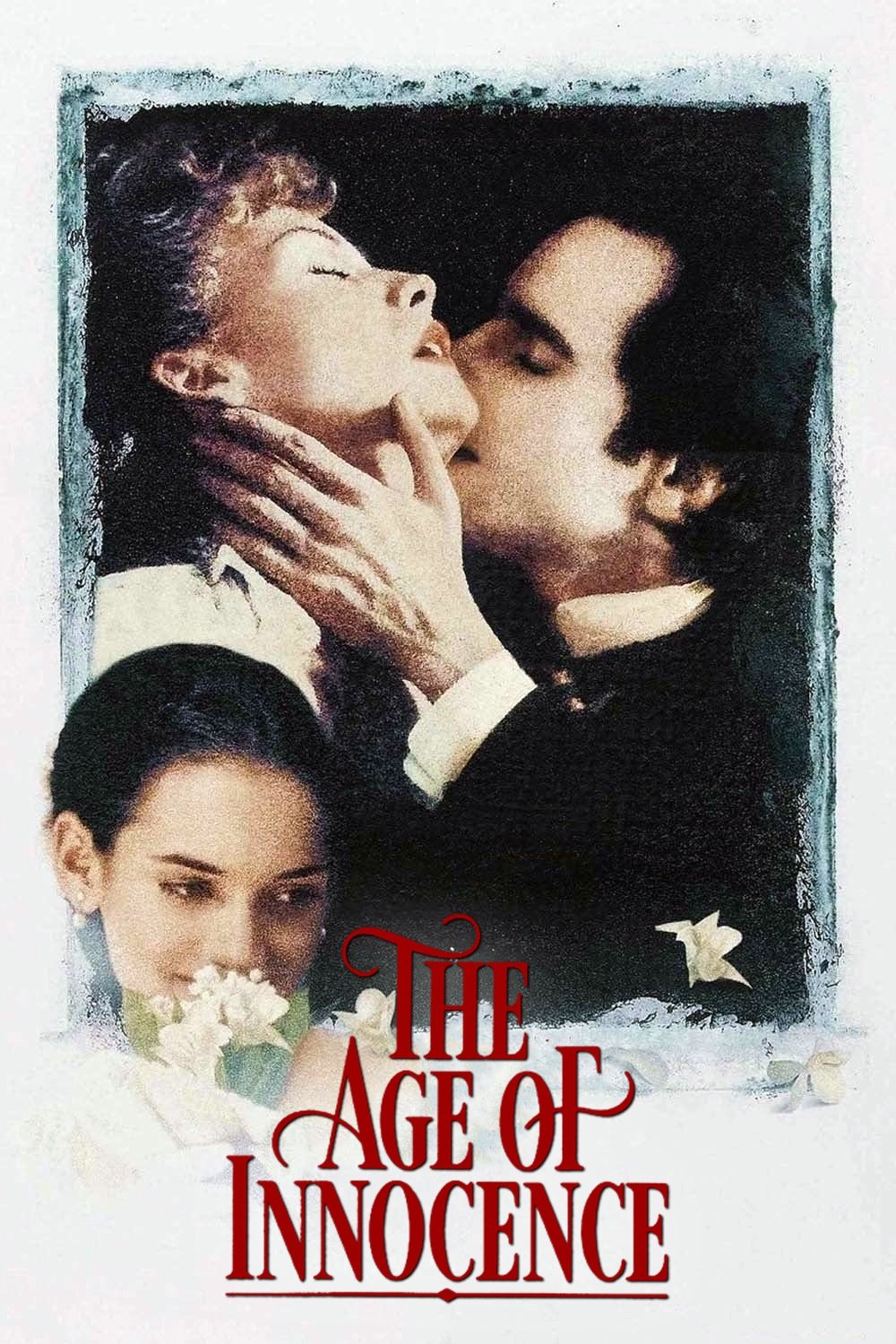
In this film, Daniel Day-Lewis plays Newland Archer, a wealthy and proper lawyer in 1870s New York high society. Archer is engaged to the conventional May Welland but finds himself falling in love with her unconventional cousin, Countess Ellen Olenska. The movie, directed by Martin Scorsese, is an adaptation of Edith Wharton’s Pulitzer Prize-winning novel. It meticulously recreates the opulent and restrictive world of the Gilded Age elite.
Day-Lewis prepared for the role by immersing himself in the etiquette and customs of the period, reportedly wearing 19th-century clothing, including a top hat and cape, around New York City for two months. His performance captures the character’s profound internal conflict between societal duty and personal desire. He conveys Archer’s longing and despair through subtle expressions and restrained emotion, perfectly reflecting the repressive nature of his environment.
‘The Unbearable Lightness of Being’ (1988)
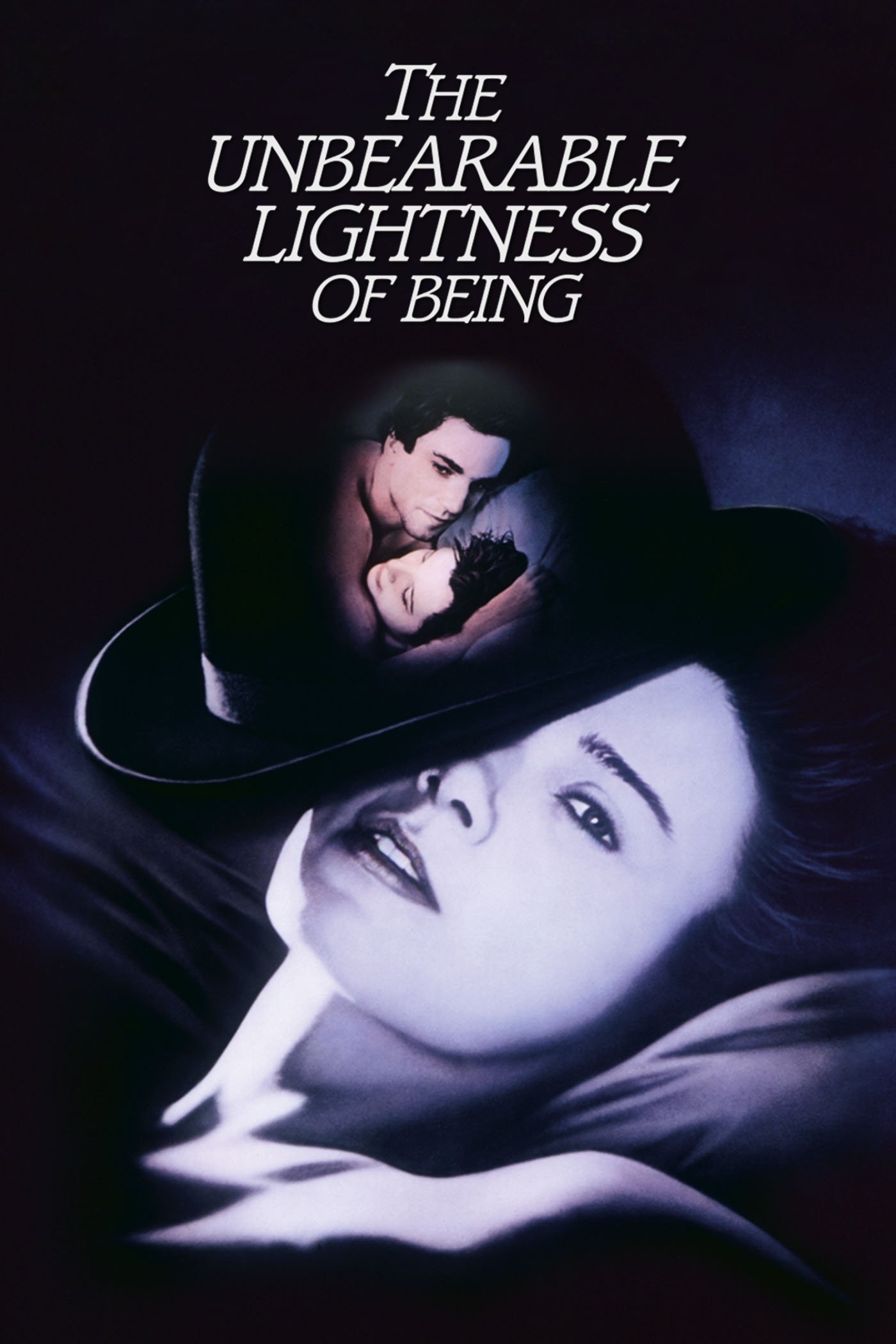
Daniel Day-Lewis stars as Tomas, a successful Czech surgeon and womanizer living in Prague during the 1968 Prague Spring. The story, based on the novel by Milan Kundera, explores themes of love, politics, and freedom through Tomas’s relationships with his devoted wife Tereza and his free-spirited mistress Sabina. The film navigates the personal and political turmoil of the era, culminating in the Soviet invasion of Czechoslovakia.
For this role, Day-Lewis learned to speak Czech and stayed in character throughout the eight-month shoot, refusing to break from his accent and persona. His portrayal captures the complexity of a man who struggles with the concepts of commitment and emotional weight, living what he calls a “light” existence. The performance delves into the philosophical ideas of the source material while grounding them in a compelling human story of a man caught between his desires and the forces of history.
‘Lincoln’ (2012)
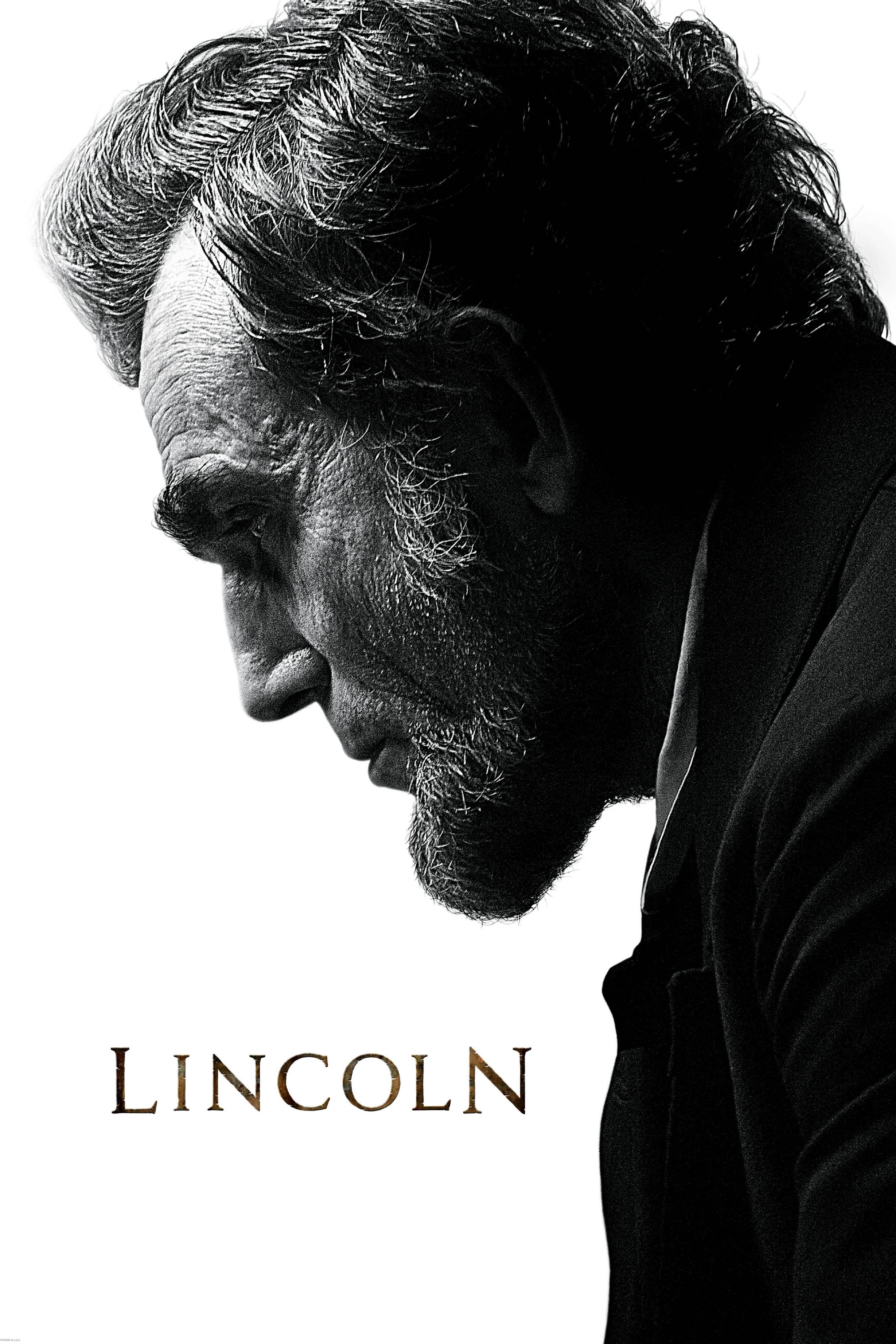
Daniel Day-Lewis delivers a transformative performance as Abraham Lincoln, the 16th President of the United States. The film focuses on the final months of Lincoln’s life as he endeavors to pass the Thirteenth Amendment to the Constitution, which would formally abolish slavery. Directed by Steven Spielberg, the movie provides an intimate look at the political maneuvering and personal conviction required to achieve this historic goal during the final stages of the Civil War.
To become Lincoln, Day-Lewis spent a year researching the president, reading over 100 books and studying his photographs and correspondence. He worked with a dialect coach to develop a high-pitched, reedy voice believed to be historically accurate for Lincoln. He remained completely in character on set, with cast and crew members referring to him as “Mr. President.” His dedication resulted in a portrayal that was universally praised for its depth and authenticity, earning him his third Academy Award.
‘Phantom Thread’ (2017)
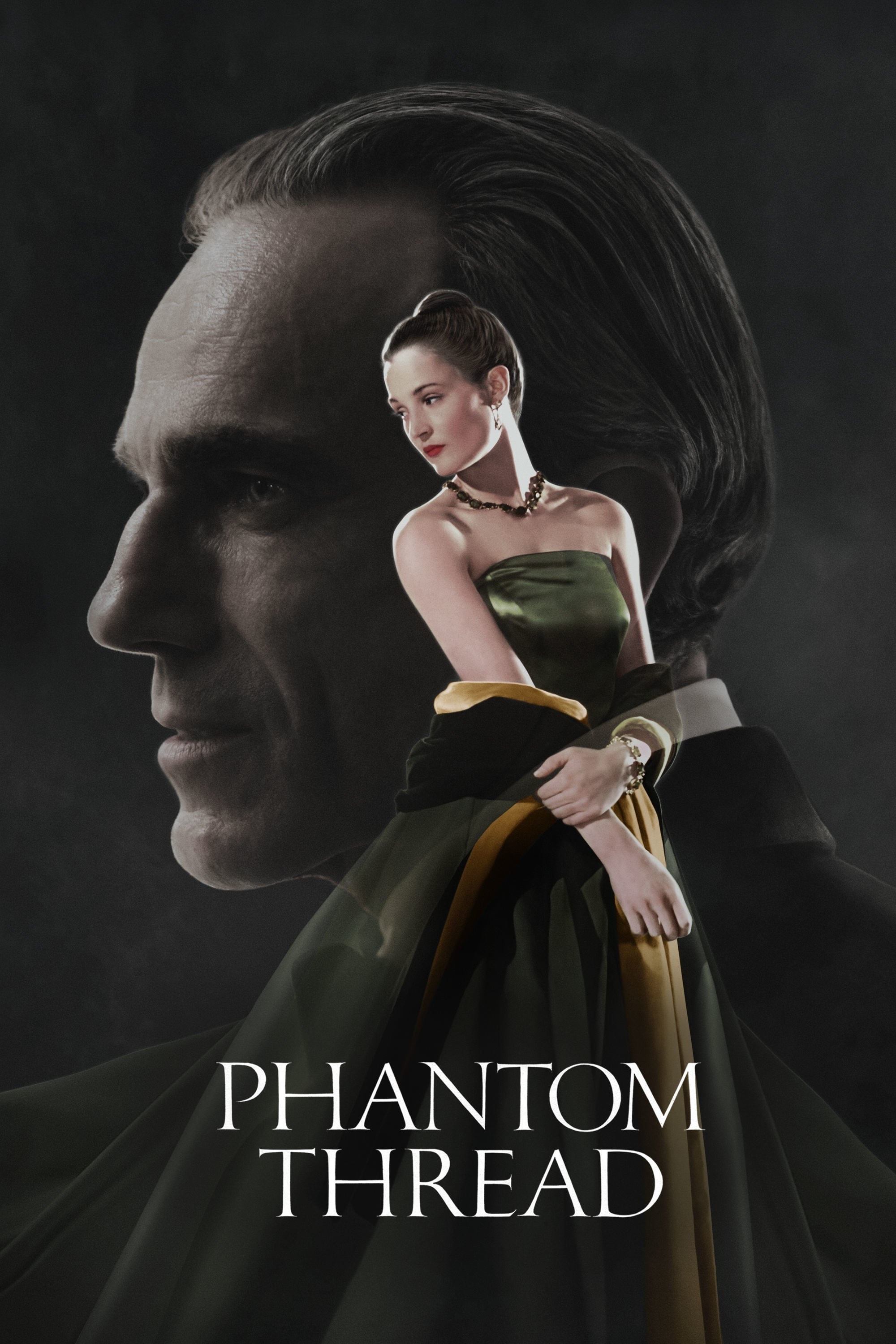
In what he has stated is his final film role before retirement, Daniel Day-Lewis plays Reynolds Woodcock. The character is a renowned and obsessive couturier in 1950s London whose carefully controlled life is disrupted when he meets a young, strong-willed woman named Alma, who becomes his muse and lover. The film explores the creative process and the complex, often volatile, dynamics of their relationship. It was directed by Paul Thomas Anderson, marking their second collaboration.
Day-Lewis undertook extensive preparation to portray the fashion designer, learning the art of dressmaking from scratch. He apprenticed under the head of the costume department at the New York City Ballet and even recreated a Balenciaga dress himself. His performance captures the meticulous and controlling nature of a genius artist, as well as the vulnerability that is exposed through his relationship with Alma. The role is a deep dive into the mind of a man whose life is inseparable from his art.
‘Gangs of New York’ (2002)
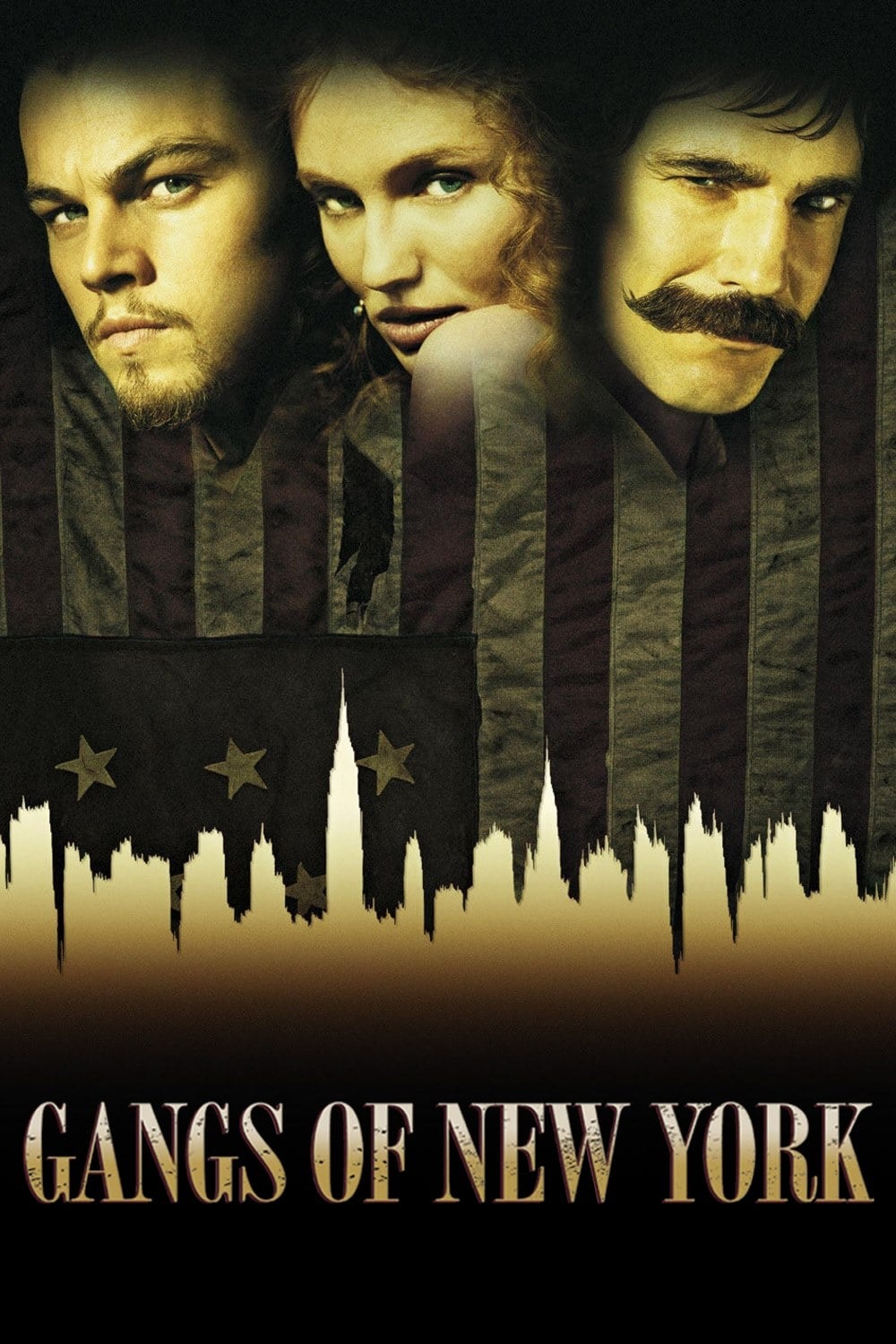
Daniel Day-Lewis plays William “Bill the Butcher” Cutting, the powerful and charismatic leader of a nativist gang in the Five Points district of 1860s New York City. Bill the Butcher is the main antagonist of the film, a formidable figure who rules the neighborhood with an iron fist. The story follows a young Irish immigrant who seeks revenge against Bill for the death of his father. This was his first film collaboration with director Martin Scorsese.
To prepare for the role, Day-Lewis trained as a butcher and a knife thrower, reportedly catching pneumonia at one point because he refused to wear a modern coat, believing it was not in keeping with the period. He maintained his character’s menacing persona and thick New York accent throughout the production, both on and off camera. His portrayal of the complex villain is both terrifying and captivating, creating one of the most memorable antagonists in modern cinema.
‘The Last of the Mohicans’ (1992)
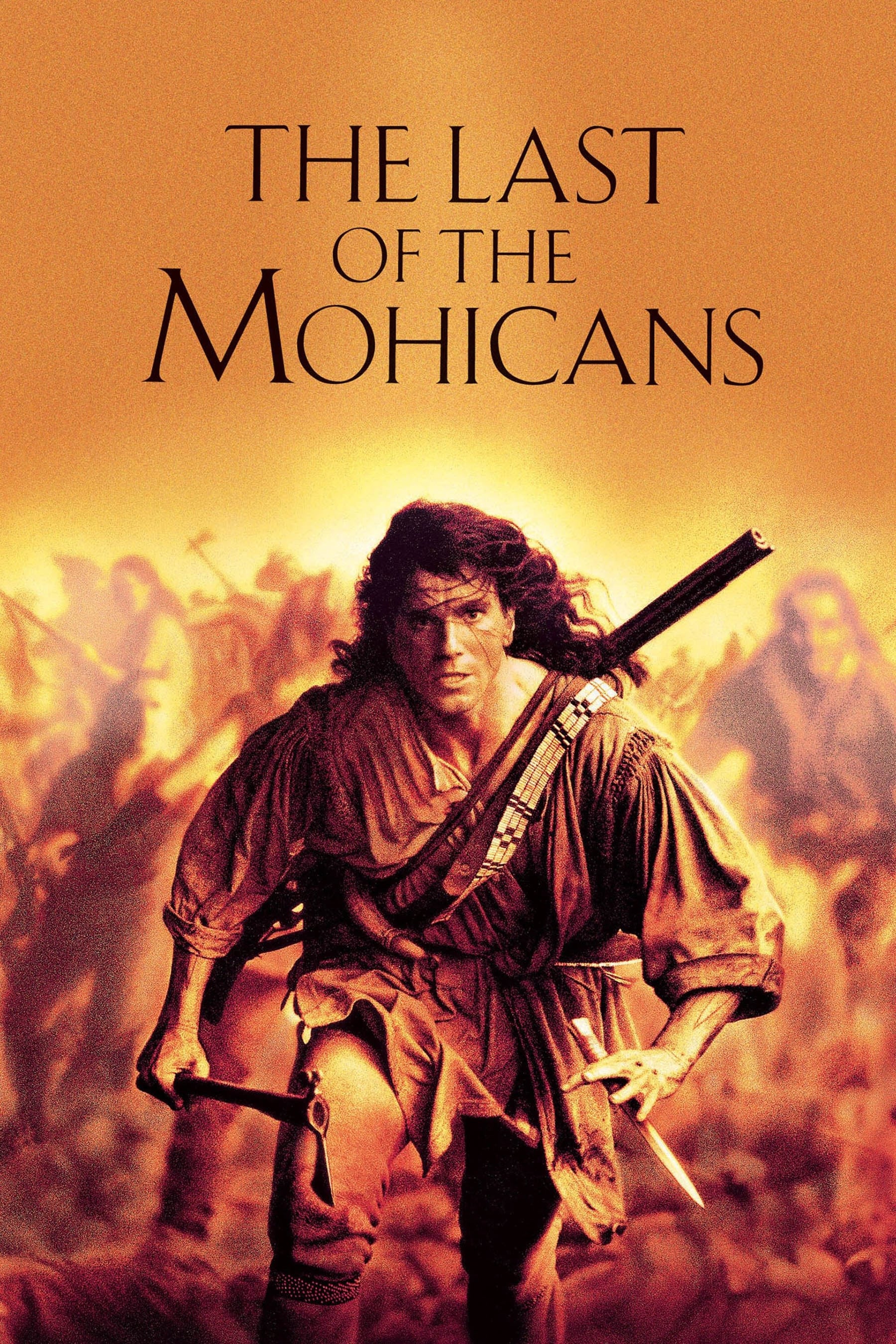
In this historical epic, Daniel Day-Lewis stars as Hawkeye, the adopted son of a Mohican chief living in colonial America during the French and Indian War. The character, whose birth name is Nathaniel Poe, is a skilled frontiersman caught between the worlds of the European settlers and the Native American tribes. He becomes the protector of two British sisters as they journey through the dangerous wilderness. The film is a loose adaptation of the novel by James Fenimore Cooper.
Day-Lewis underwent extreme physical preparation for the role, living in the wilderness for months to learn the skills of his character. He learned to track and skin animals, build canoes, fight with tomahawks, and use a 12-pound flintlock rifle, which he reportedly carried with him at all times during filming. His commitment to authenticity resulted in a rugged and heroic performance that helped redefine the image of a leading man in action films.
‘My Left Foot: The Story of Christy Brown’ (1989)
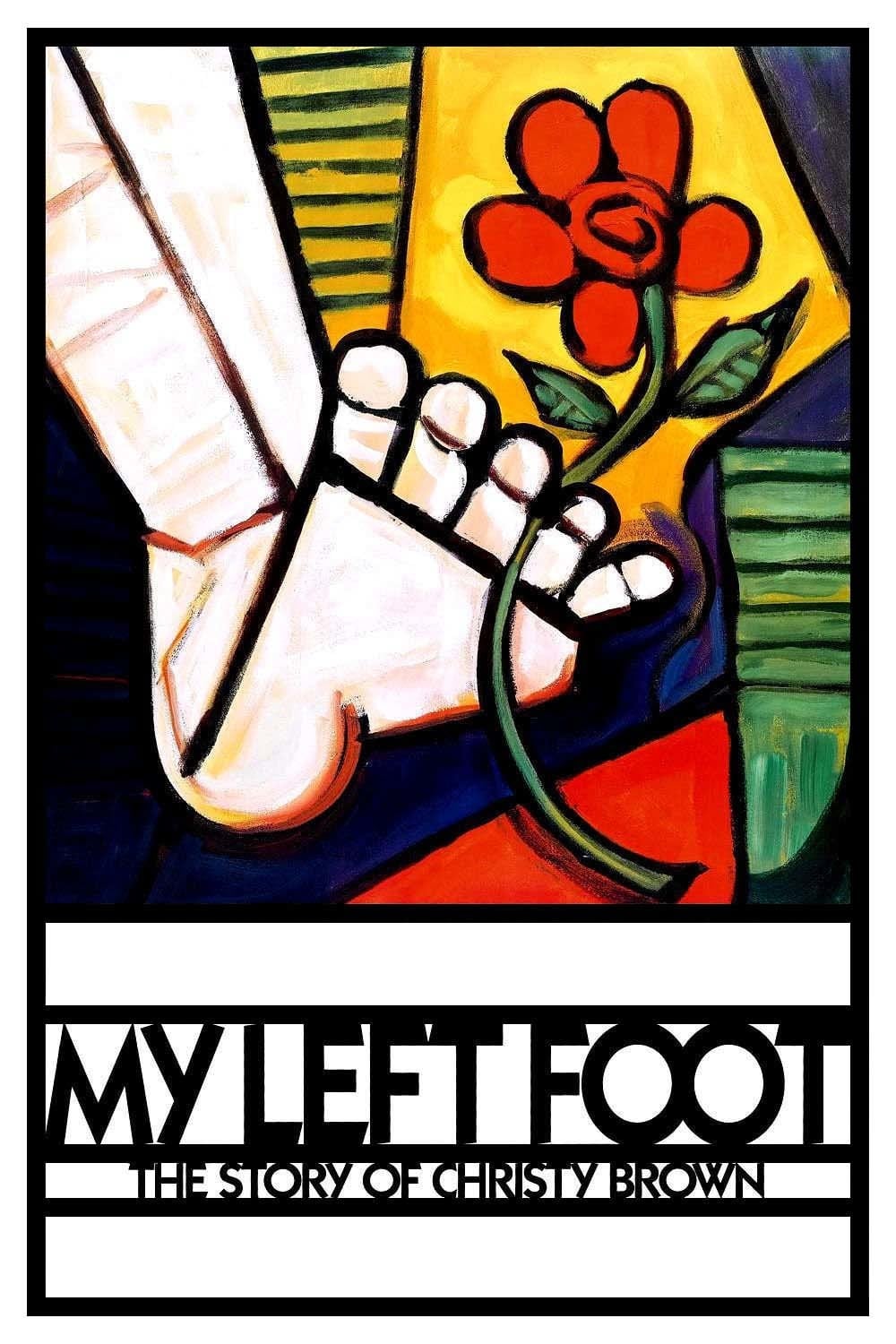
Daniel Day-Lewis portrays Christy Brown, an Irish writer and painter who was born with cerebral palsy and could only control his left foot. The film is based on Brown’s autobiography of the same name and follows his life from childhood to adulthood as he overcomes immense physical challenges to become a celebrated artist. The role was physically and emotionally demanding, requiring a complete transformation. This film marked his first collaboration with director Jim Sheridan.
During the production, Day-Lewis famously remained in a wheelchair and insisted on being spoon-fed by the crew to fully understand the physical limitations of his character. He also spent considerable time at a clinic for people with disabilities to research the role and learned to write and paint with his left foot. His deeply immersive performance was critically acclaimed and earned him his first Academy Award for Best Actor, establishing him as a major force in acting.
‘In the Name of the Father’ (1993)
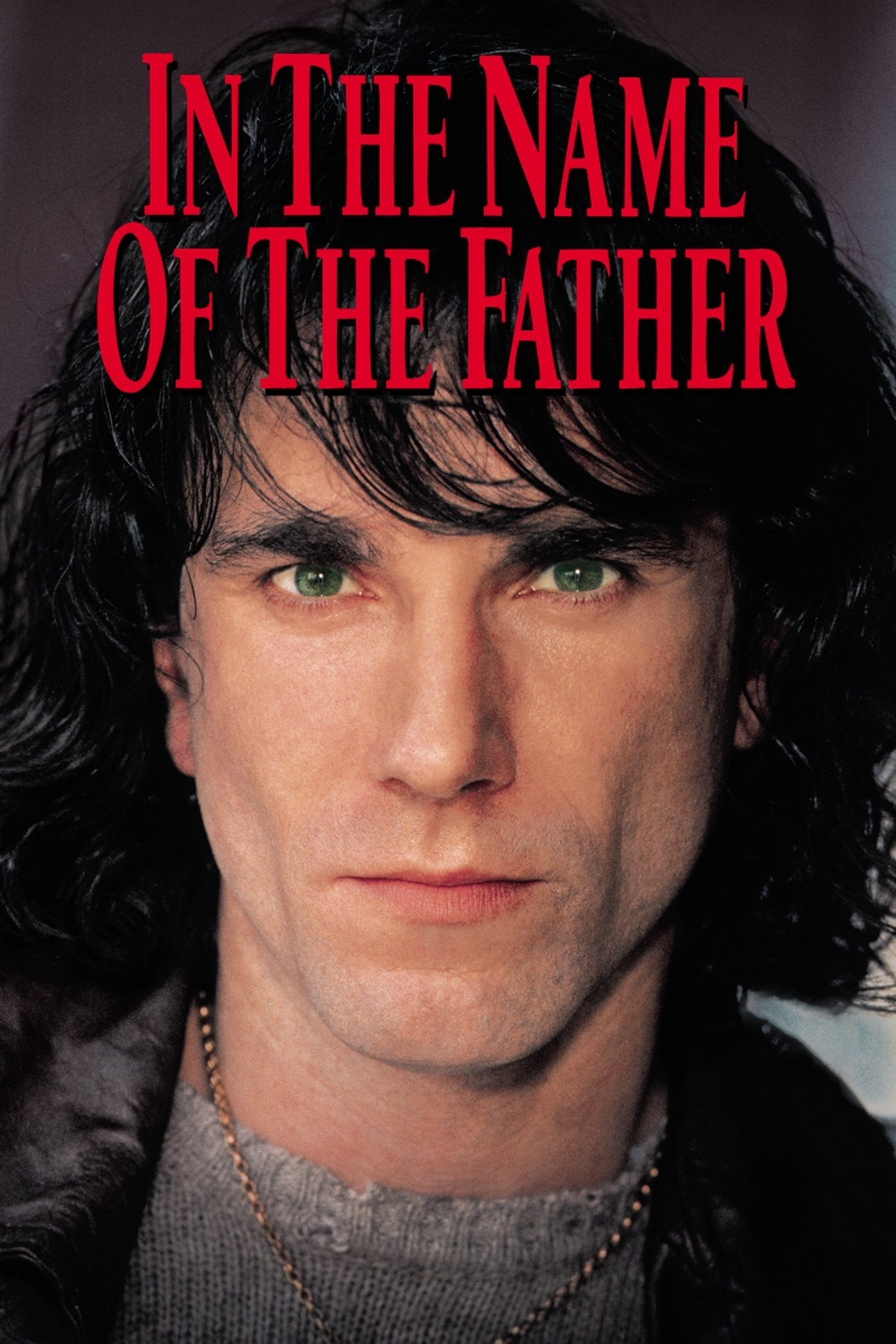
Daniel Day-Lewis plays Gerry Conlon, a young man from Belfast who is wrongfully convicted of being an IRA bomber in the 1970s. The film is a biographical drama based on the true story of the Guildford Four, who were forced into false confessions and imprisoned for a crime they did not commit. The story follows Conlon’s 15-year fight for justice, a struggle he shares with his father, who is also wrongly imprisoned alongside him.
For this role, Day-Lewis adopted a Belfast accent and spent significant time in a prison cell to understand his character’s experience of solitary confinement. He also reportedly had crew members throw cold water and verbally abuse him to get into Conlon’s mindset during the intense interrogation scenes. His performance is a powerful portrayal of a man’s transformation from a petty thief into a determined activist fighting to clear his family’s name.
‘There Will Be Blood’ (2007)
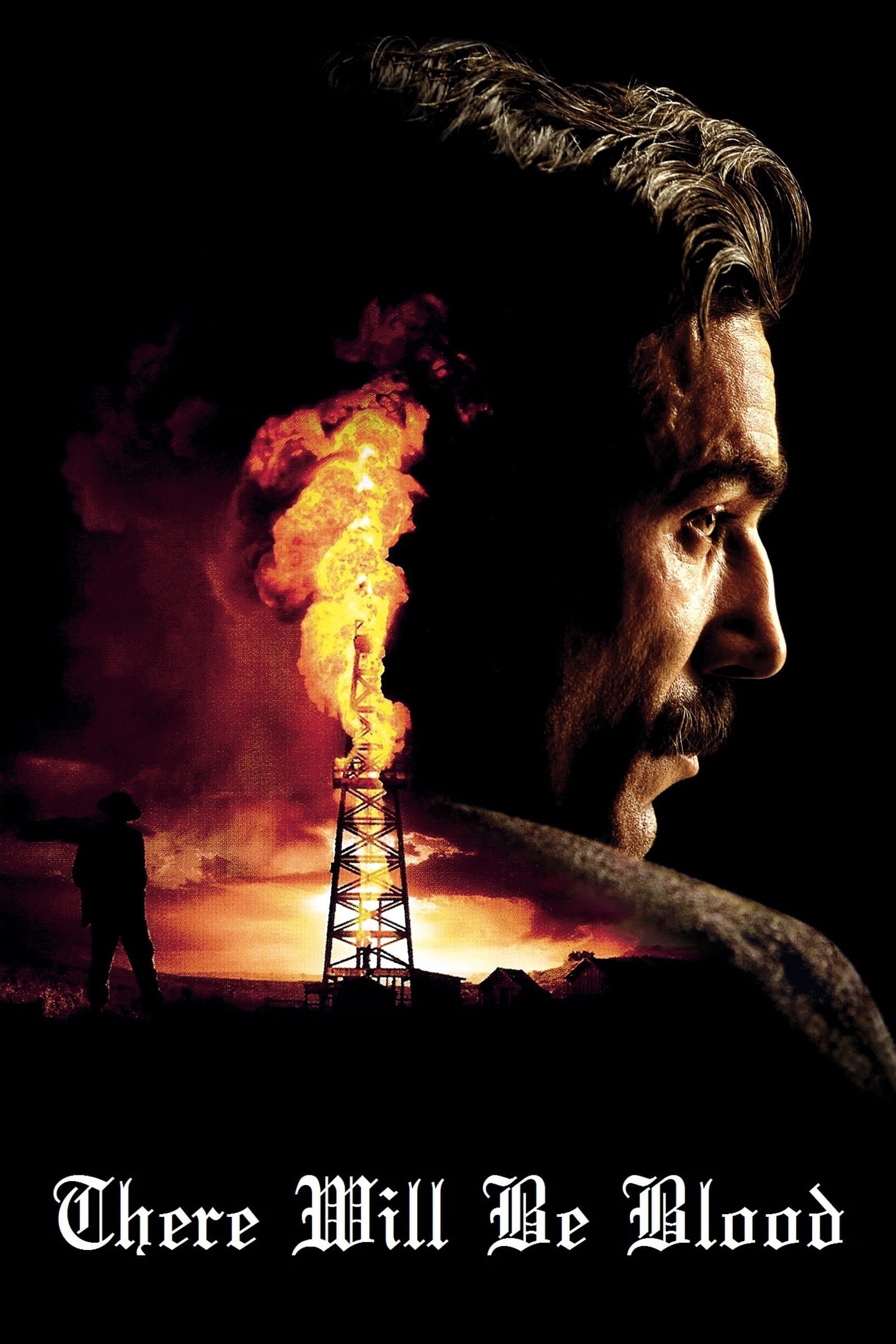
Daniel Day-Lewis delivers an iconic performance as Daniel Plainview, a ruthless and ambitious oil prospector at the turn of the 20th century. The film chronicles his relentless pursuit of wealth and power in Southern California, which leads to his moral and spiritual downfall. Plainview is a complex character driven by greed, misanthropy, and a deep-seated need for competition. This was his second film directed by Paul Thomas Anderson.
The actor meticulously developed Plainview’s distinctive voice, drawing inspiration from historical recordings of the era, including that of director John Huston. His complete embodiment of the character is considered one of the greatest acting performances of all time. He captures the character’s descent into madness with terrifying intensity, creating a portrait of ambition that is both monstrous and profoundly human. The role earned him his second Academy Award for Best Actor.
Let us know your favorite Daniel Day-Lewis performance in the comments below.