5 Ways the ‘Boardwalk Empire’ Aged Poorly (& 5 Ways It Aged Masterfully)

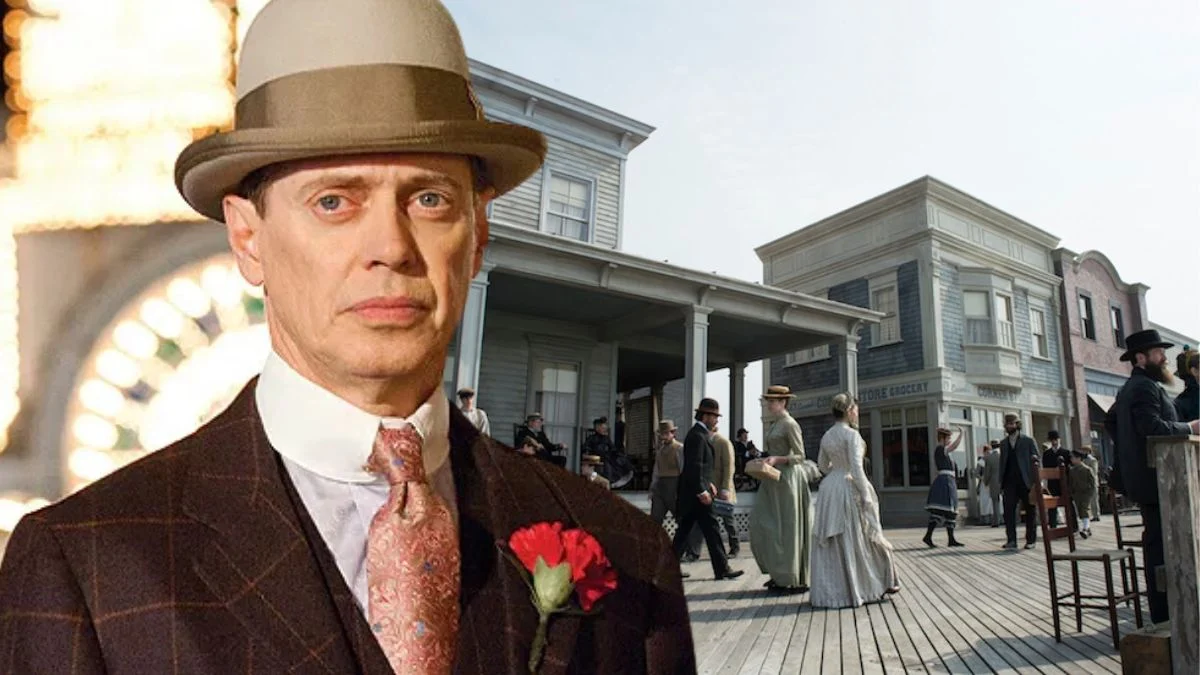

‘Boardwalk Empire’ charts the rise and reshaping of organized crime through Atlantic City during Prohibition, following treasurer and power broker Enoch “Nucky” Thompson. Across five seasons it threads political machines, federal crackdowns, and underworld rivalries with real figures like Al Capone and Lucky Luciano as they move from regional players to national forces.
The series built its world with ambitious sets, careful costuming, and a web of alliances and betrayals that track with historical turning points. Some parts feel locked to the television habits and production tools of its era, while other choices keep the show sturdy and surprisingly current in how it presents power, crime, and government.
Aged Poorly: Early seasons give limited agency to key women
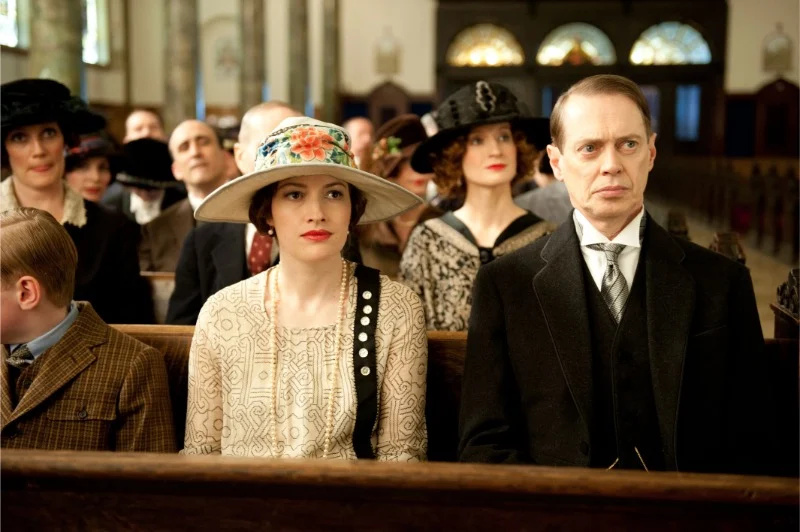
Margaret Schroeder begins as a crucial point of entry into the political and criminal world yet her influence often narrows when major plots pivot to backroom deals among men. Gillian Darmody and Lucy Danziger receive significant screen time yet their paths frequently circle back to the fallout of decisions made by male bosses and fixers rather than sustained control over outcomes.
Later storylines add professional responsibilities and social causes for Margaret and develop Gillian’s backstory in detail, but the core machine still runs on the choices of ward heelers, enforcers, and bootleggers. Compared with how modern series distribute leverage across characters, much of the practical decision making on the show remains concentrated in male networks that control liquor routes, cash, and political favors.
Aged Masterfully: Real and fictional figures are woven into one timeline
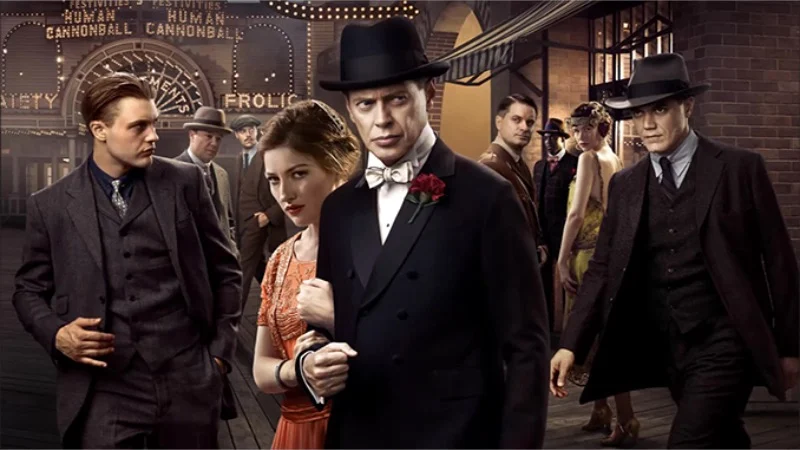
The show tracks how figures like Al Capone, Meyer Lansky, and Lucky Luciano start with local rackets and grow through alliances and conflicts that cross state lines. Fictional characters intersect with these arcs in ways that map to known events such as territorial disputes, tax cases, and syndicate building, which helps viewers follow how street operations connect to national markets.
By staging political conventions, municipal deals, and federal investigations alongside speakeasy raids and smuggling runs, the series lays out how crime thrived through cooperation with officials. This approach turns history into a working model on screen, where every racket sits inside a chain of suppliers, ward bosses, and bankers who enable distribution and protection.
Aged Poorly: Some digital effects and composites show their era
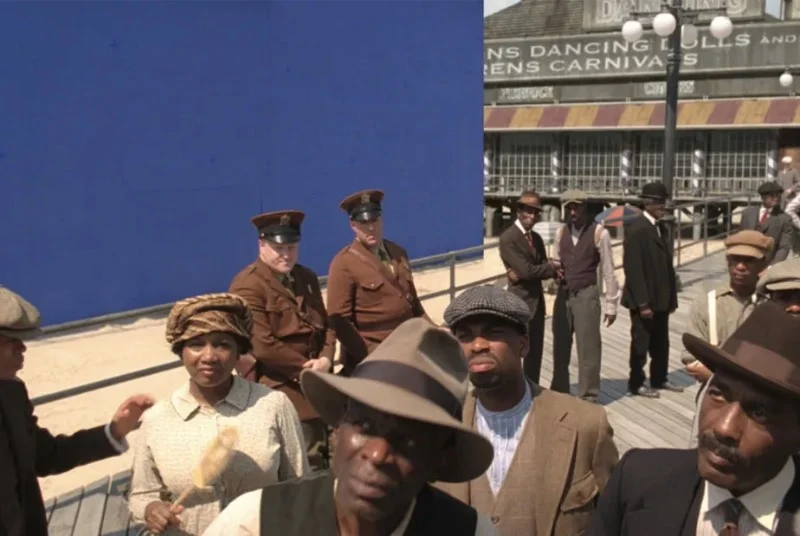
Set extensions and digital blood were used to expand the boardwalk and stage shootouts, and certain shots reveal edges that are easier to spot on today’s larger screens. Water, smoke, and crowd replication appear in sequences that rely on compositing, and in a few moments the interaction between foreground actors and extended backgrounds lacks depth cues that newer techniques handle more smoothly.
Gunfire impacts and rapid effects work in night scenes can also flatten under modern displays that sharpen contrast and detail. Practical sets and props carry most scenes, but when the show leans on quick digital assists the seams are more visible than they would be with current rendering and integration methods.
Aged Masterfully: Production design builds a lived in Atlantic City
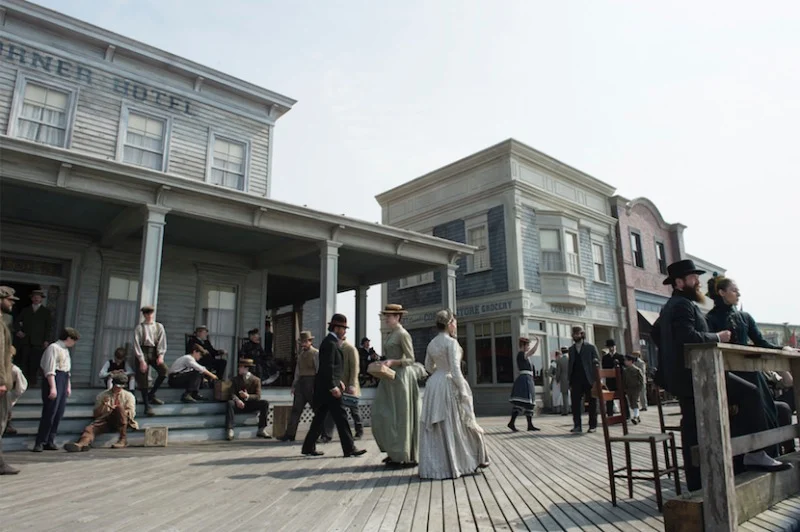
The series constructed a large boardwalk environment and matched it with interiors that show everything from city hall offices to gambling rooms fitted with period fixtures. Costuming places politicians, laborers, and gang members in clothing that signals role and status, while signage, storefronts, and transportation details explain how tourism and graft supported each other.
Beyond Atlantic City, the show sets up Chicago, New York, and rural routes to demonstrate how liquor moved and how enforcement tried to intercept it. Locations are arranged to show the link from warehouses to shore landings and on to distribution hubs, so the geography of crime and politics reads clearly without the need for exposition.
Aged Poorly: Slow burn structure can feel heavy in marathon viewing
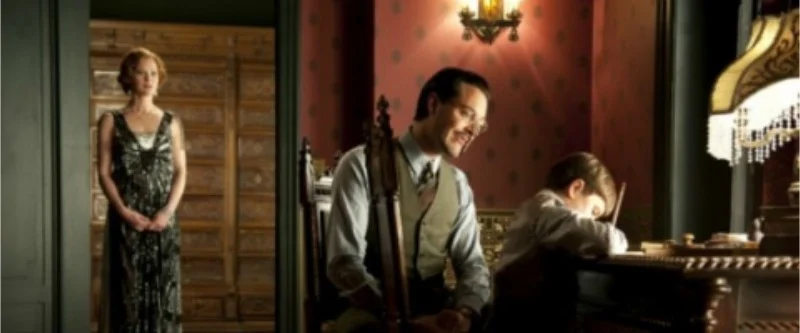
Episodes often close on quiet repositioning rather than cliffhanger turns, which fits weekly release habits where viewers sat with shifting loyalties between installments. Long stretches invest in municipal maneuvering, ward meetings, court filings, and election math, and those rhythms can feel deliberate when watched back to back.
The show also spreads its cast across multiple cities, and it sometimes holds key confrontations for later arcs after extended setup. That approach rewards attention to small moves inside budgets, ballots, and supply chains, but it can feel like a lot of homework when consumed in long sessions rather than with space between chapters.
Aged Masterfully: It doubles as a clear primer on Prohibition economics
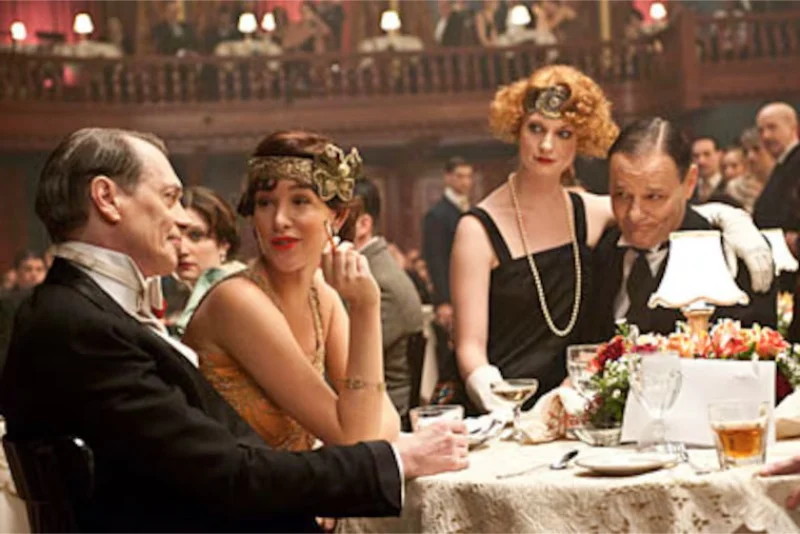
By showing how bans created price premiums and how smugglers reacted to enforcement patterns, the series explains why liquor moved through specific ports and rail lines. Episodes outline how bribes, protection payments, and political endorsements stabilized routes, turning local outfits into parts of a larger market.
Federal agents face resource limits and jurisdiction puzzles, which the show translates into on the ground tactics like targeted raids and pressure on accountants. Viewers come away with a working sense of how policy shaped incentives and how entrepreneurs, criminals, and officials adjusted their strategies as conditions changed.
Aged Poorly: LGBTQ visibility is narrow and often constrained by the setting
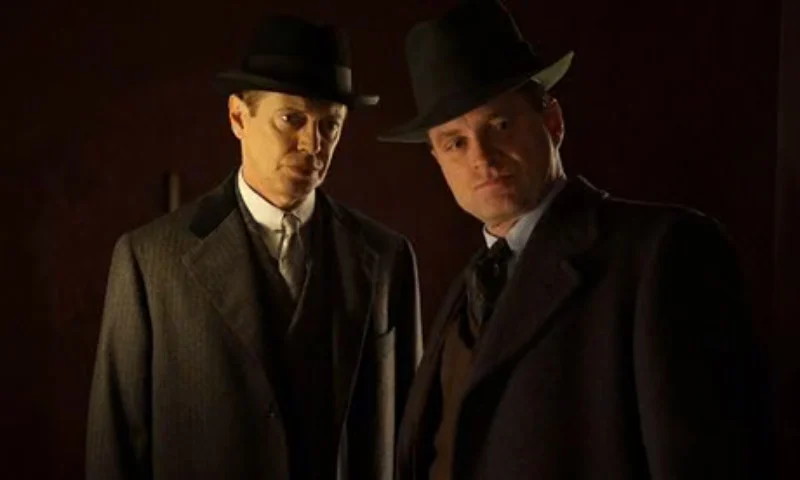
Angela Darmody’s relationships and aspirations highlight artistic communities that offered some privacy, yet secrecy and risk frame much of her story. Public exposure carries real danger, and the show often places same sex relationships at the edges of scenes where discovery threatens safety and livelihood.
The series reflects period realities in which law and custom restricted expression, but it rarely grants sustained narrative space to these characters beyond the threats they face. As a result, representation tends to appear in storylines shaped by concealment, which limits the breadth of lives shown on screen.
Aged Masterfully: The pilot sets a visual blueprint that stays consistent
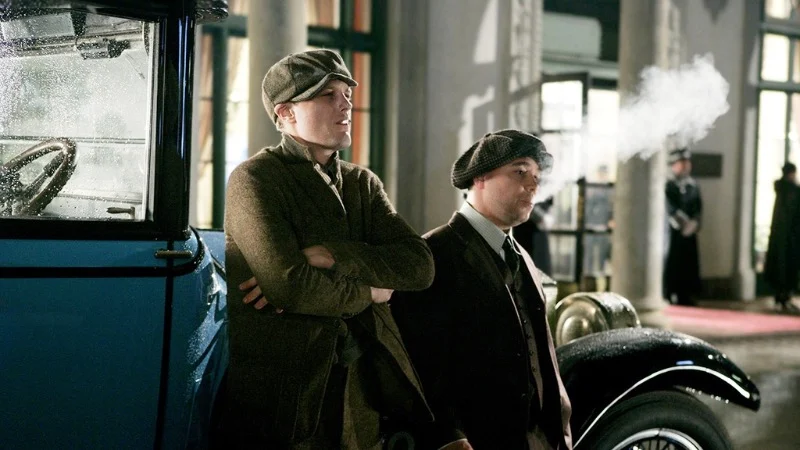
Martin Scorsese’s pilot establishes camera movement, period framing, and the balance between intimate rooms and wide civic spaces, and later directors keep that language intact. The show’s look builds trust that audiences will notice signals in set dressing and blocking, which lets plot points unfold through what the camera chooses to show rather than through constant dialogue.
Lighting and composition differentiate political offices, hotel suites, and working class neighborhoods so viewers can track power without verbal reminders. That continuity across seasons helps the series keep complex alliances legible even as new territories and crews enter the story.
Aged Poorly: Availability is mostly in HD rather than current premium formats

Many viewers encounter the series in high definition without broader support for formats like HDR or wide color that are now common for prestige reissues. That means night scenes and low light interiors rely on the original grade, which lands differently on modern displays compared with shows that have received recent remasters.
Physical editions exist but may not match the expanded feature sets and format options that newer releases now include. For collectors who look for updated encodes, broader dynamic range, or new archival extras, the options are more limited than with contemporary restorations.
Aged Masterfully: The endgame aligns character fates with the collapse of a business model
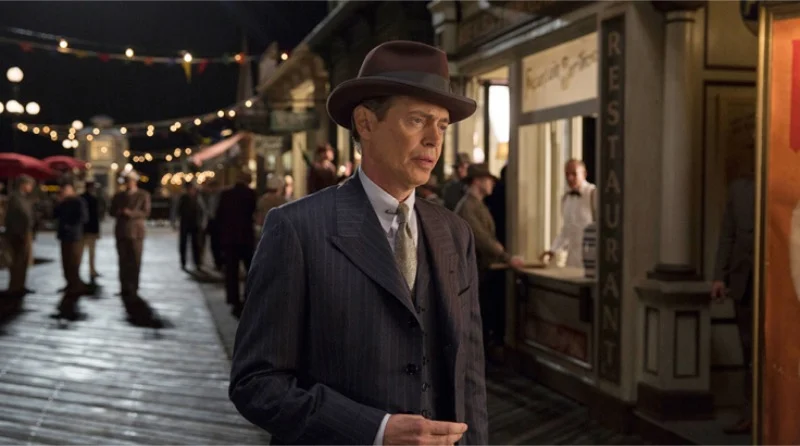
As crackdowns intensify and national players consolidate control, the series maps personal outcomes to shifts in supply chains and political cover. Characters who once profited from local leverage run into forces that reward scale, secrecy, and centralized management, which changes the balance of power across cities.
Time jumps and closing arcs place betrayals and reconciliations inside this wider transition so endings feel connected to structural change rather than isolated twists. By tying individual choices to the waning returns of bootlegging, the show closes with a picture of how entire networks rise and fade when the rules of the market move on.
Tell us which parts of ‘Boardwalk Empire’ hold up best for you and where you think it shows its age in the comments.