5 Things About ‘Superman’ That Made Zero Sense and 5 Things About It That Made Perfect Sense

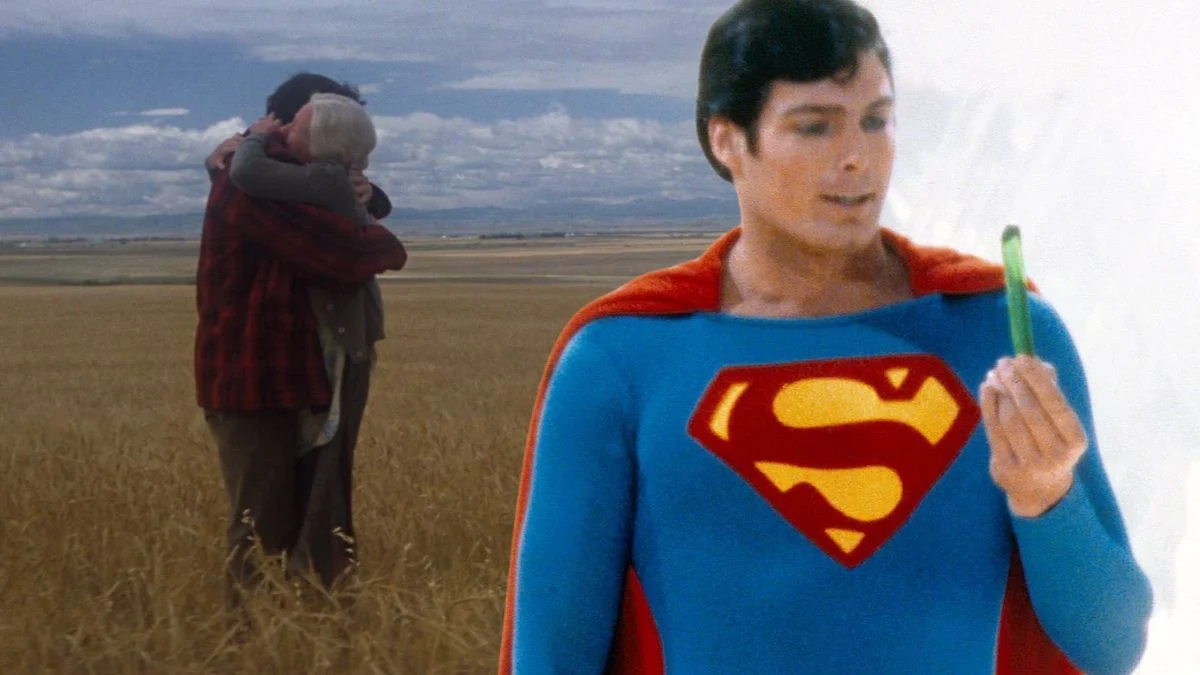

Richard Donner’s ‘Superman’ introduced a big screen version of the character that shaped how audiences saw the hero for years. It mixed science fiction, romance, and a classic origin story with a tone that aimed for awe and sincerity. Viewers met Clark Kent in Kansas, watched him discover who he was, and then followed his first days in Metropolis as he tried to balance work, secrecy, and saving people.
Along the way the film delivered moments that felt perfectly lined up with long standing lore, and it also offered choices that raised questions. Here are five parts that do not add up next to five that fit the character and the story world. Each item sticks to what the film shows on screen and what the canon around the character already explains.
Zero Sense: Reversing time by spinning Earth

The film shows Superman circling Earth at high speed and the planet appears to rotate in the opposite direction while events run in reverse and a fatal outcome is undone. This places the camera on global effects that include rivers flowing backward and cracks in the ground closing as if the clock itself had been rewound. The scene treats planetary rotation as a switch that controls time across every location.
Nothing else in the film sets up time as a force he can manipulate through flight. Earlier scenes define powers like flight, strength, invulnerability, and senses with clear boundaries, and none of those involve altering causality. The sequence also presents a single action resetting multiple independent events in separate places without any in story mechanism for selective changes.
Perfect Sense: The Fortress and crystal based Kryptonian tech
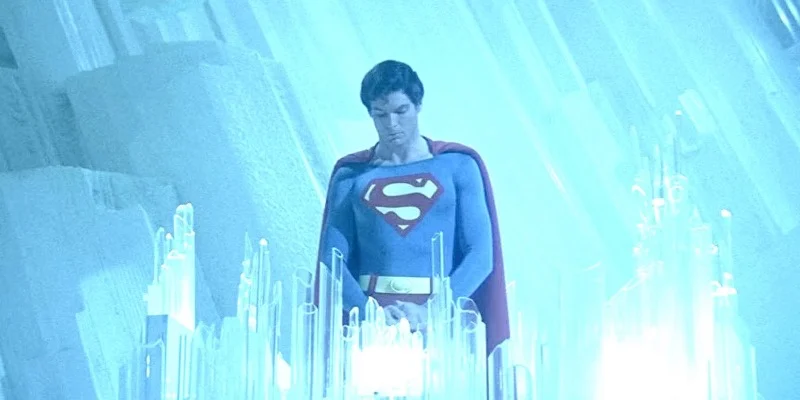
Superman uses a small crystal from his spacecraft to grow an ice bound Fortress of Solitude and activate a knowledge archive from Jor El. The structure forms through energy emitted by the crystal and becomes a training and guidance center with recorded lessons that cover culture, science, and ethics from Krypton. The film keeps this technology consistent through the way the crystal stores both information and power.
Kryptonian artifacts in the film share a unified look and function, which allows the Fortress to explain how Clark learns to use his powers responsibly and why he understands Earth languages and history so quickly. The same approach also sets up a clear source for the S emblem, the suit, and even the way he knows where to go when he begins his life as Superman, since the lessons and coordinates come from the same crystal system.
Zero Sense: Missile hijack logistics and safeguards
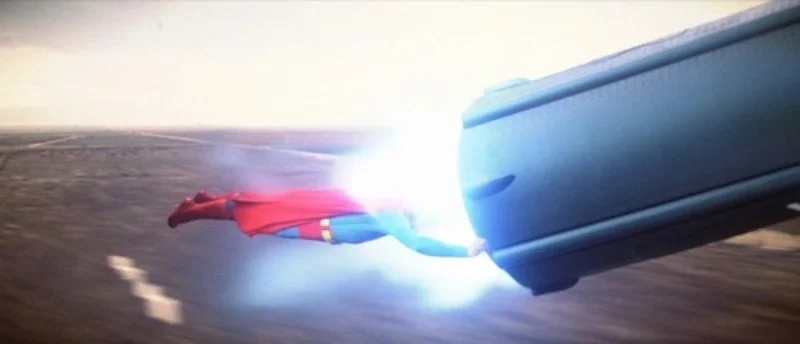
Lex Luthor’s plan hinges on reprogramming two military missiles after simple access steps and minimal on site interference. The script presents the change of target coordinates as a quick field tweak that defeats complex command protocols. It also treats decoys and diversions as enough to move live nuclear hardware into private hands without durable tracking.
The film does not show any redundant confirmations, split authority, or failsafe interlocks on the missiles, though it shows government and media systems working quickly in other scenes. It skips over how the missiles are fueled, transported, and verified after tampering, which leaves the reprogramming and retargeting process without the layers of control that appear elsewhere in the story world.
Perfect Sense: Kansas upbringing shaping the hero

Smallville scenes focus on Jonathan and Martha Kent teaching work, restraint, and humility. The film places a key turning point with Jonathan’s sudden death, which leaves Clark with a lesson about limits and purpose that he carries into adulthood. The move to the Arctic follows as a quiet search for identity rather than a leap into celebrity.
This background gives a clear reason for the mild mannered posture at the Daily Planet and the way Superman prioritizes people during large scale crises. It also explains why he chooses truth telling work at a newspaper rather than a role that spotlights power, since the home values point him toward service and accountability.
Zero Sense: Coast to coast rescue timing
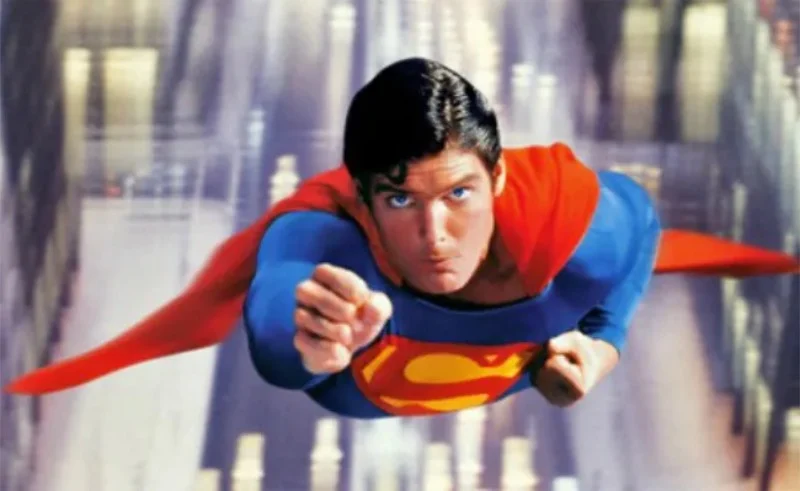
The disaster sequence asks Superman to respond to a missile headed toward the West Coast while also handling emergencies near Metropolis. The film shows him racing between distant locations in quick succession while aftershocks and floods unfold in one region and urban incidents unfold in another. The cuts imply near simultaneous coverage of events that span thousands of kilometers.
The same sequence shows him addressing localized emergencies in order, such as repairing a fault line, saving a bus, and catching a train, without visible gaps that would match the travel and recovery time between regions. The timeline compresses cause and effect so tightly that the chain of rescues leaves no room for the distances involved, even though earlier scenes take care to establish travel time during Clark’s years away from home.
Perfect Sense: Clear rules for Kryptonite and lead
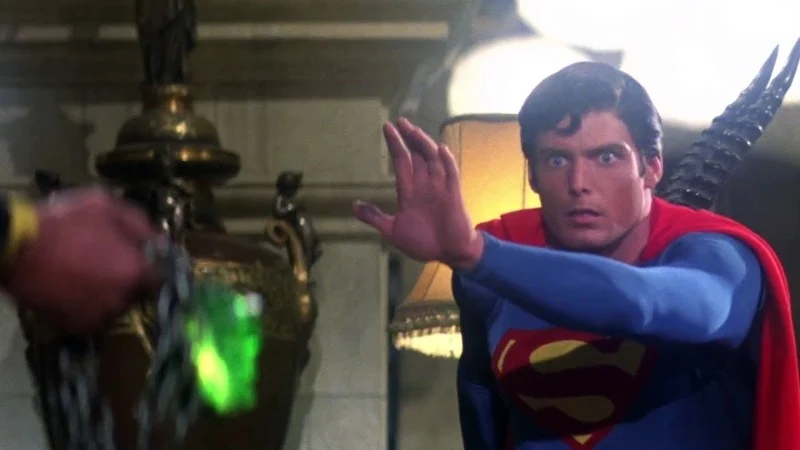
The film establishes that Kryptonite weakens Superman and that he cannot see through lead. Lex uses a lead lined container to hide the mineral, then exposes it to neutralize Superman during their confrontation. The weakness appears immediately and grows worse with proximity, and removal of the source restores his ability to act.
These rules do not change across scenes, which lets the story build tension around objects and settings rather than surprise twists. The clarity also creates fair limitations that other characters can use, such as Miss Teschmacher taking advantage of the moment when Lex is distracted by the setup he created with the lead container and the mineral.
Zero Sense: Luthor infers Kryptonite lethality from minimal data
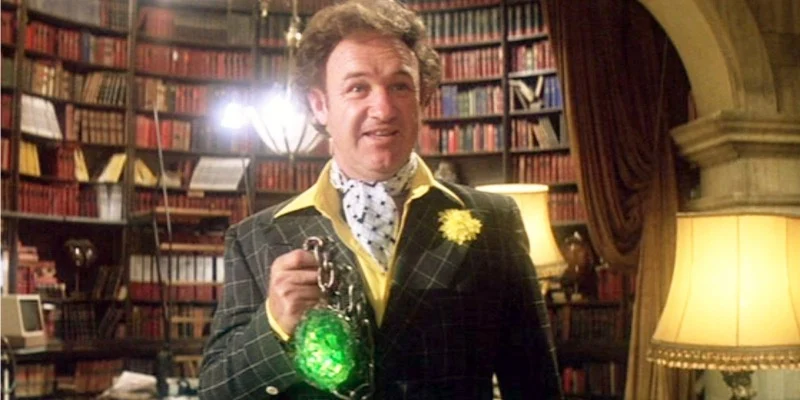
Lex studies meteorite data and a news photo of a green rock and jumps straight to the conclusion that it will harm Superman. The film presents this as a desk side epiphany before he ever tests the mineral on Superman or any Kryptonian materials. He then acquires the rock and builds a trap with full confidence in the outcome.
No prior scene in the film gives Lex access to Kryptonian biology, radiation spectra, or any sample based research that would validate the effect. The plan depends on a perfect first try with a stone he has not measured or simulated, which creates a gap between the limited information he gathers and the certainty he displays when he executes the ambush.
Perfect Sense: The Daily Planet as a narrative engine
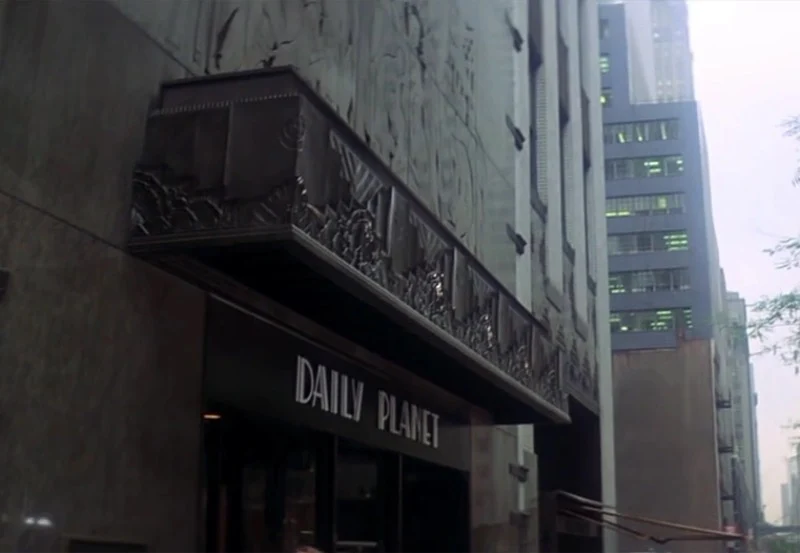
Clark’s job at the Daily Planet positions him near breaking news without forcing coincidences every time an emergency happens. The newsroom supplies leads, locations, and reasons to leave the office that match what a reporter would do, which keeps Superman within range of incidents in the city. It also gives Lois Lane a constant stream of assignments that intersect with the threats in the plot.
The Planet’s staff structure creates natural conflicts and teamwork that move scenes forward. Perry White sets stakes with deadlines and assignments, Lois chases the biggest story in the city, and Clark covers the same ground in his quiet way, which keeps the film’s action anchored to a place that explains why characters meet the crises they face.
Zero Sense: Fault line destruction scale and the dam sequence
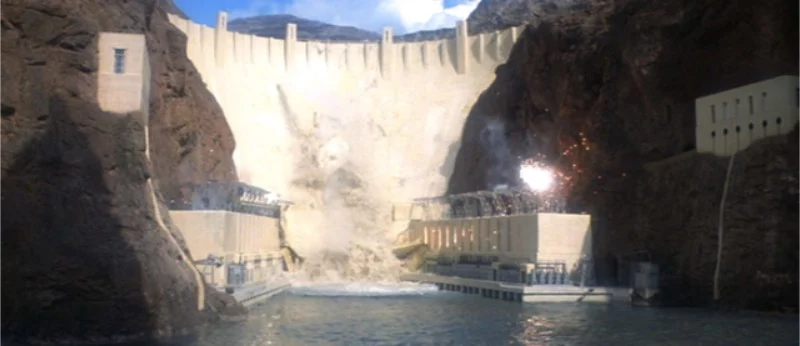
The earthquake chain reaction includes a rapid series of breaks along the San Andreas and a catastrophic failure at a major dam that releases a wall of water minutes after the shock. The film treats the ruptures and the collapse as directly linked steps, with immediate surface effects across a wide area and little interval for inspections or staged responses. The rush of water reaches towns and highways within moments of the initial break.
The movie then shows Superman fixing the fault and rebuilding critical infrastructure in a sequence that resolves multiple regional failures in quick order. It does not present any secondary failures at other dams or power stations in the same system, even though the flood and aftershocks would place those at risk. The depiction trims the complexity of a networked set of structures and makes the entire chain behave like a single switch.
Perfect Sense: The S emblem and suit as a Kryptonian family crest
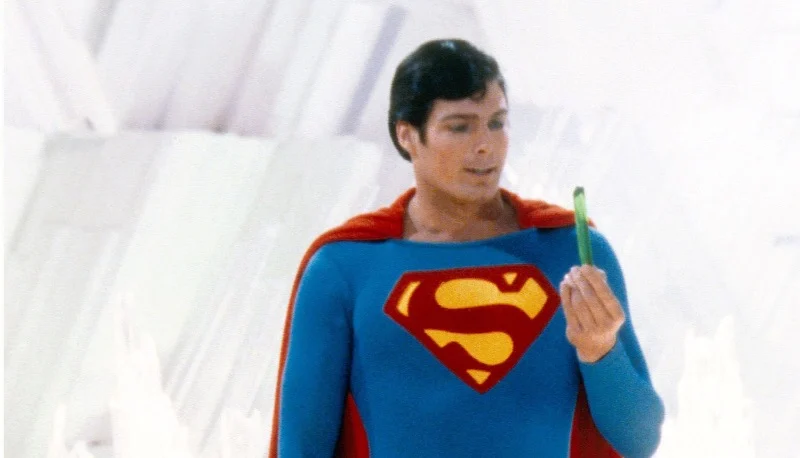
The design of the suit and the S emblem comes from Krypton through Jor El’s guidance rather than a costume built on Earth. The film ties the symbol to family identity and heritage, which links the look of the hero to the technology and teachings that arrive in the Fortress. The emblem appears on Kryptonian clothing and objects before Clark ever wears it in Metropolis.
This choice lets later scenes connect Superman’s public identity to his origin in a way that the audience can recognize instantly. It also allows continuity into later adventures such as ‘Superman II’, since the crest and styling already belong to a culture that predates his life on Earth and can be matched by other Kryptonians when they appear.
Share which moments in ‘Superman’ felt puzzling to you and which ones worked for you in the comments.