5 Ways ‘Prison Break’ Aged Poorly (& 5 Ways It Aged Masterfully)

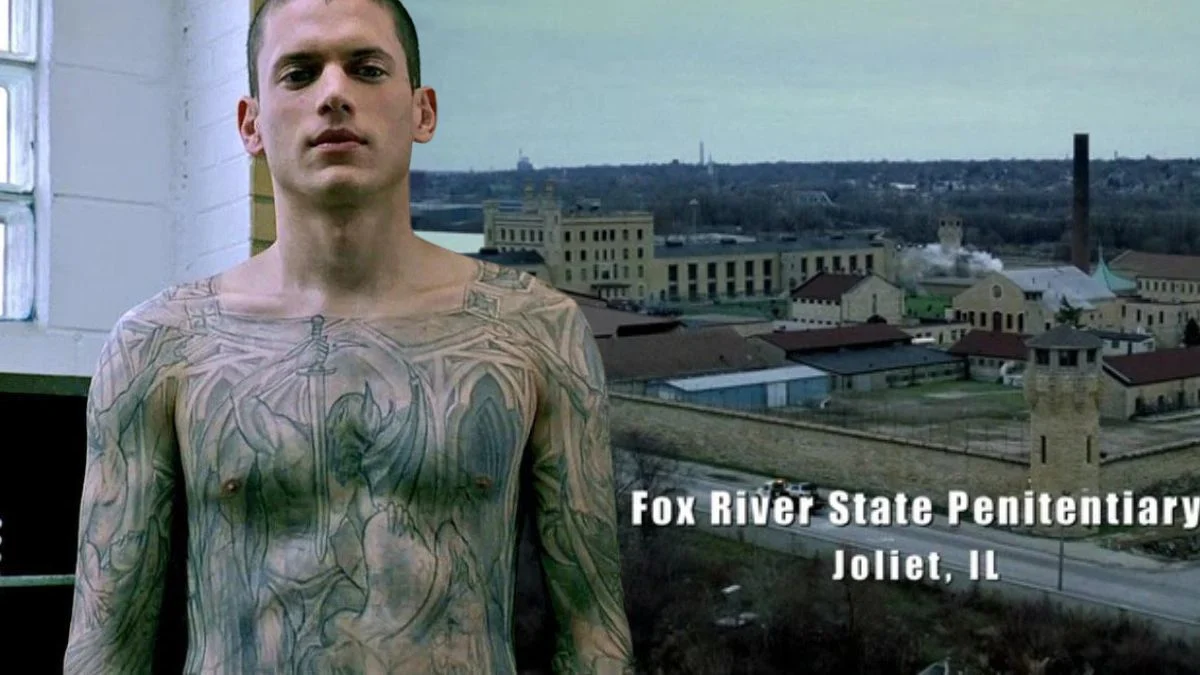

‘Prison Break’ arrived in 2005 with a sharp hook and a detailed escape plan that ran on clockwork precision. The series jumped from a single facility to a cross country chase and later to a global conspiracy, then returned in 2017 for a limited revival that revisited familiar faces and new terrain. Across those years it picked up a devoted audience, a memorable gallery of characters, and a reputation for big episode ending twists.
Looking back now, certain choices lock the show to its mid 2000s moment while others keep it easy to revisit. The production mixed real locations with large built sets, leaned into serialized puzzles, and shifted formats as network television changed. Here are ten concrete ways the show has either dated or held up, with the details that explain why.
Aged Poorly: Early 2000s tech and procedures lock the story in its era
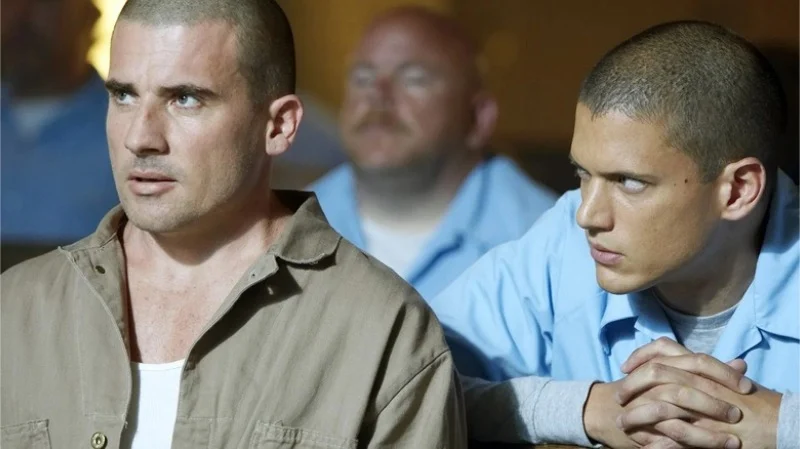
The series relies on flip phones, payphones, paper blueprints, and analog record keeping inside and outside the prison system. Surveillance is shown with standard definition cameras and limited data sharing across agencies that reflect mid 2000s capabilities rather than later networked platforms.
Escape sequences and investigations are planned around these tools, including timing calls through payphones and hiding information on printed forms. Modern prisons moved toward higher resolution video, broader digital access controls, and more centralized databases, which places many tactics seen on the show in a specific technological window.
Aged Masterfully: Real prison locations and practical set design
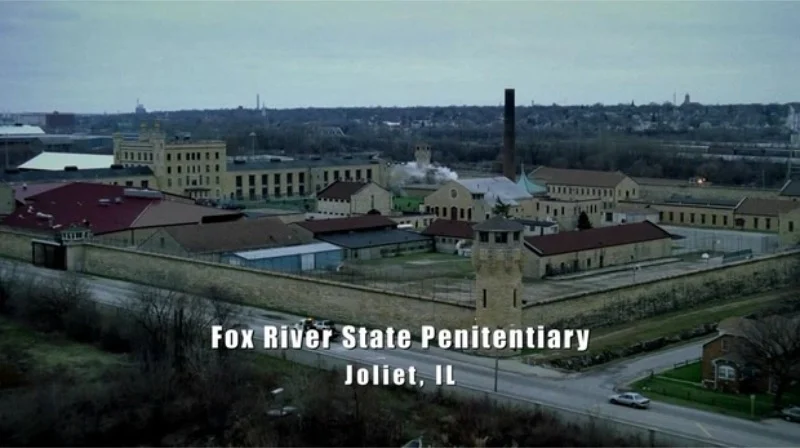
Season one filmed extensively at the decommissioned Joliet Correctional Center to portray Fox River State Penitentiary. Production used real cell blocks, corridors, and yards, which supplied consistent spatial geography for the escape plan and allowed scenes to track precise routes from cell to infirmary to yard.
Departments built working spaces for vents, tunnels, and service areas so actors and cameras could move through the same pathways the characters used. The combination of an actual facility with functional sets gave the escape logistics measurable distances, recognizable checkpoints, and repeatable patterns from episode to episode.
Aged Poorly: Network length seasons stretch key arcs
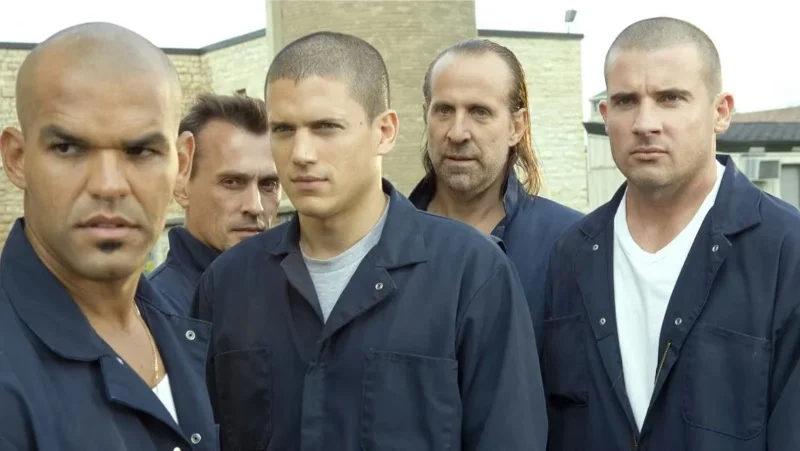
The first two seasons run for 22 episodes each, which was the common order for broadcast dramas at the time. That format introduces midseason detours such as extended road stops and side schemes that exist to fill a long calendar rather than a compact arc.
Later installments shift to shorter runs, including a 13 episode third season and a nine episode revival. The contrast highlights how much early story planning was shaped by weekly network scheduling, with additional characters and subplots introduced to manage the longer count.
Aged Masterfully: The tattoo blueprint puzzle and forensic detail
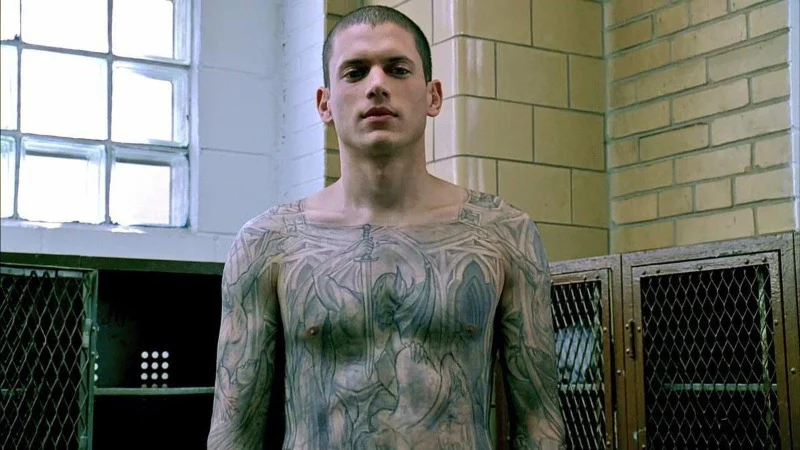
Michael Scofield’s full torso tattoo encodes corridors, timing, and contingency routes as numbers and motifs woven into artwork. Episodes unpack specific elements such as disguised measurements, names that double as cues, and images that map to key mechanical parts like pipes and grates.
Scenes repeatedly show process steps that match the tattoo’s information, including counting paces between posts, marking guard rotations, and staging tools inside walls. The puzzle serves as a durable organizing device because it ties visual design directly to episode level tasks, procedural checklists, and the eventual run to the yard.
Aged Poorly: Conspiracy sprawl and retcons complicate continuity
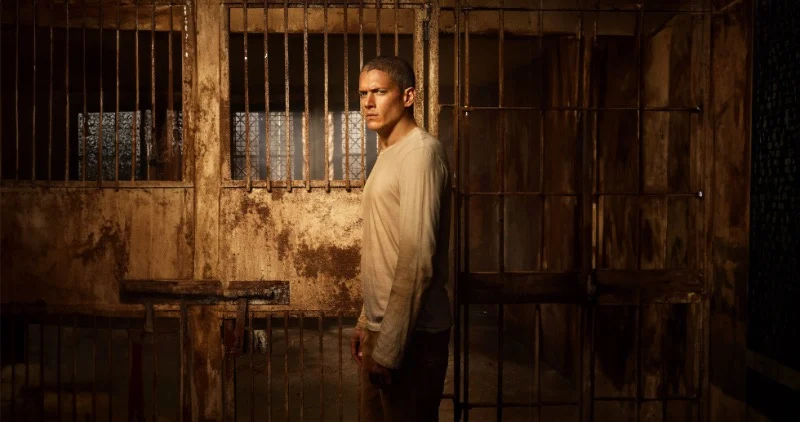
The narrative expands from a single prison breakout to a multinational organization known as The Company that manipulates events across seasons. Characters move between prison stories and corporate espionage, and the mythology introduces devices such as multi part data caches and deep cover identities.
Major reversals adjust past events, including the presumed death and later return of Sara Tancredi and the revelation that Michael survived after the 2009 finale to reappear under the alias Kaniel Outis. These changes add layers that require viewers to reconcile earlier outcomes with later explanations across different releases.
Aged Masterfully: The Michael Scofield and Alex Mahone chess match

Season two introduces FBI Special Agent Alexander Mahone, who reconstructs the escape plan by analyzing clues, timelines, and behavior patterns. Episodes alternate between fugitives executing steps and Mahone deducing their next move using crime scene notes, travel records, and known associates.
The pursuit framework adds a procedural spine to the post prison storyline. It anchors locations and encounters to documented leads, from motel registries and vehicle rentals to phone traces and border checks, which gives the chase a trackable paper trail across states.
Aged Poorly: Season three shortened order and Sona depiction
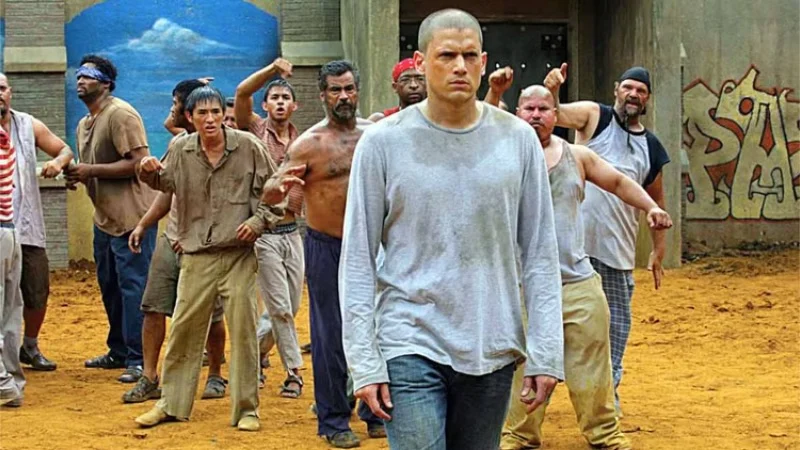
The third season runs shorter due to industry wide production disruptions, which compresses story beats and narrows the setting to Sona, a Panamanian prison portrayed with self governing inmate hierarchies and minimal formal control. The shift reduces time for several established characters while introducing new figures tied to the new facility.
Sona’s conditions are staged with outdoor yards, improvised living areas, and a separate ring for illicit fights, all built on sets rather than in a repurposed real prison. The change from an actual location to constructed environments and the abbreviated episode count produce a distinct texture that differs from the first season’s grounded layout.
Aged Masterfully: International scope and on location production in the revival

After the Illinois centered first season, the show tracks escapes and pursuits through multiple states and into Mexico and Panama, using highway towns, warehouses, and border crossings as recurring spaces. This road structure lets episodes tie plans to specific mile markers, checkpoints, and safe houses.
The 2017 limited series sets the story in Yemen with filming staged in Morocco to represent city streets, markets, and the Ogygia prison exterior. Production uses local extras, signage, and environmental conditions to frame prison interiors and city routes, keeping the visual world broad even as the episode count becomes compact.
Aged Poorly: Yemen storylines rely on fictionalized elements and compressed timelines

The revival places Michael in Ogygia during the Yemeni conflict using fictional factions, stand ins for real groups, and a timeline that condenses travel, prison transfers, and escapes into a short window. The script uses coded messages, aliases, and quick border movements that prioritize plot turns over granular regional procedures.
Filming in Morocco supplies practical alternatives for streets and compounds but also leads to composite geography where distant locations appear adjacent. Characters cross zones and borders in hours rather than days, and administrative steps such as document checks are often abbreviated to keep momentum within nine episodes.
Aged Masterfully: Enduring ensemble presence and multi format finish
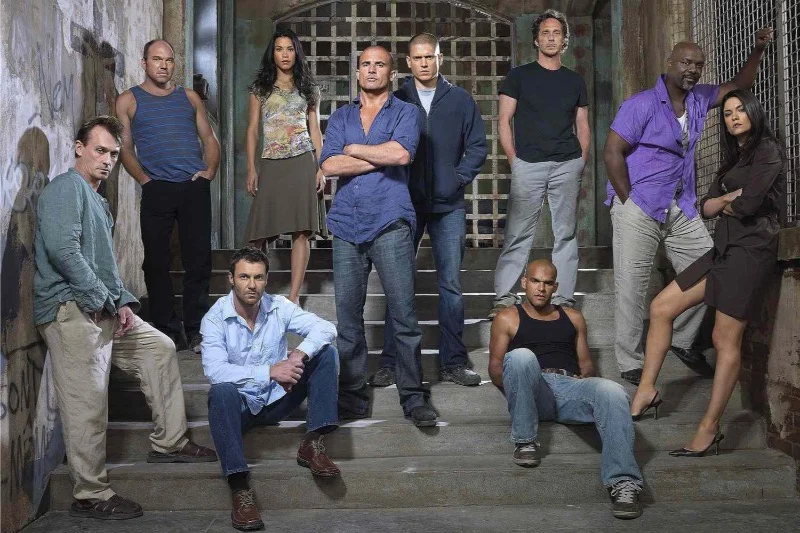
The core ensemble remains a constant reference point across changing formats, including Lincoln Burrows, Sara Tancredi, Fernando Sucre, Theodore Bagwell, and Benjamin Franklin Franklin C Note. Their histories supply clear motivations that carry from one facility and city to another, which helps new arcs pick up established threads without reintroducing basics.
The franchise closes its original run with a two part release titled ‘The Final Break’ in 2009 that covers a separate escape built around a women’s prison setting and later returns in 2017 with a limited series continuation. That multi format path keeps the narrative available as a four season arc with a coda and a later nine episode addendum, which makes the viewing order straightforward for new audiences.
Share which elements you think still work best and which ones feel most dated in the comments.