Paul Newman’s Best Roles

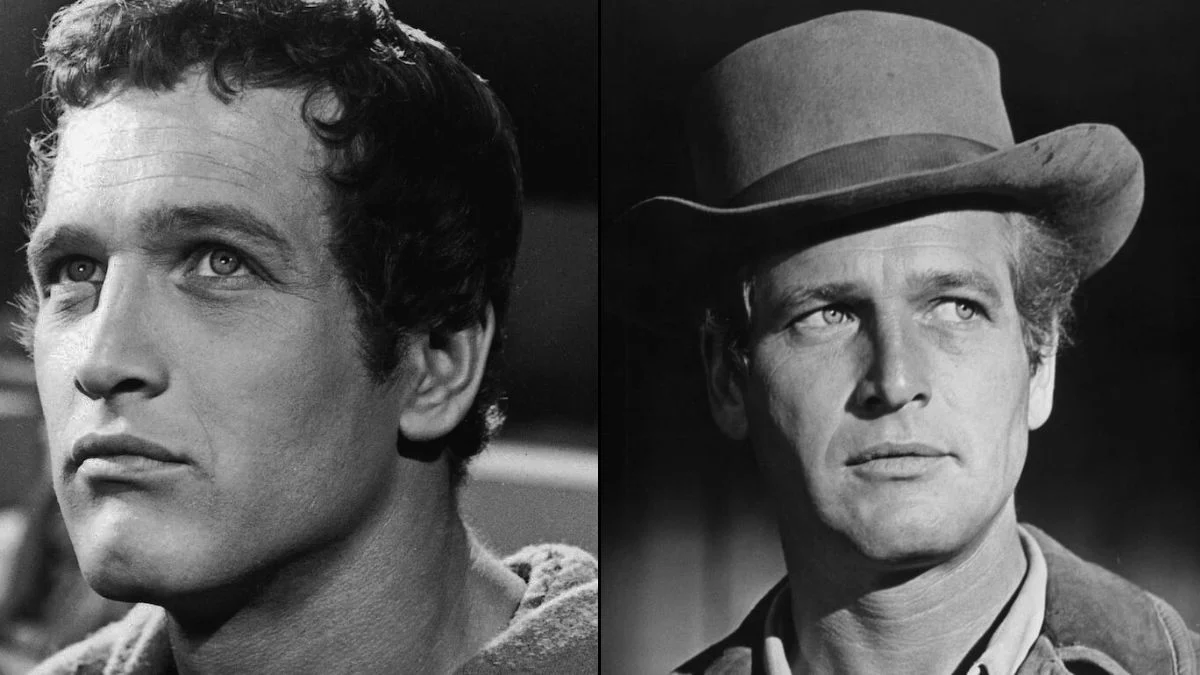

Paul Newman was more than just an actor with famously blue eyes, he was a true Hollywood legend whose career spanned over fifty years. From his early days as a promising theater actor to becoming one of the most iconic movie stars of all time, he consistently delivered performances that were both powerful and relatable. He had a unique ability to play complex characters, whether they were charming anti-heroes, flawed protagonists, or grizzled veterans, always bringing a sense of authenticity to the screen.
His incredible range allowed him to move seamlessly between different genres, leaving his mark on everything from westerns and crime dramas to sports comedies and intimate character studies. Newman’s work not only earned him numerous awards and nominations but also created a legacy of unforgettable characters that continue to resonate with audiences today. He was a master of his craft, and his filmography is a testament to a talent that defined a generation of American cinema and continues to inspire actors and filmmakers alike.
‘Absence of Malice’ (1981)
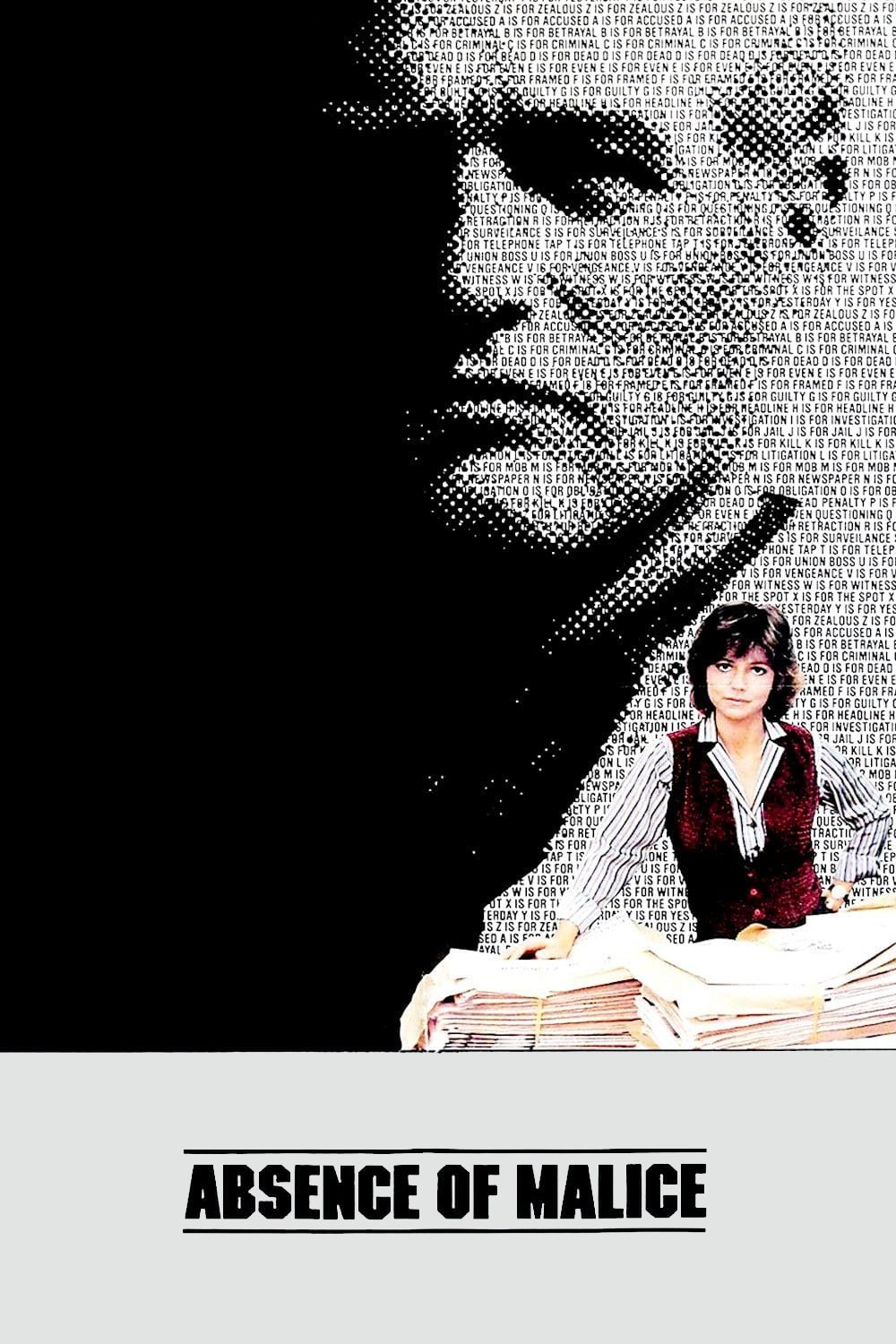
In this gripping drama, Paul Newman plays Michael Gallagher, the son of a deceased mobster who finds his life turned upside down. His character is a legitimate liquor wholesaler who is suddenly implicated in the disappearance of a union leader. A determined newspaper reporter, played by Sally Field, publishes a story suggesting his involvement, causing immense damage to his reputation and business without any solid proof.
The film explores the immense power of the press and the potential for journalistic irresponsibility. Gallagher is forced to fight back against the allegations and clear his name, using clever tactics to expose the unethical methods used against him. The story becomes a compelling look at how easily a person’s life can be ruined by unsubstantiated claims and the difficult path to reclaiming one’s integrity in the face of public scrutiny.
‘The Color of Money’ (1986)
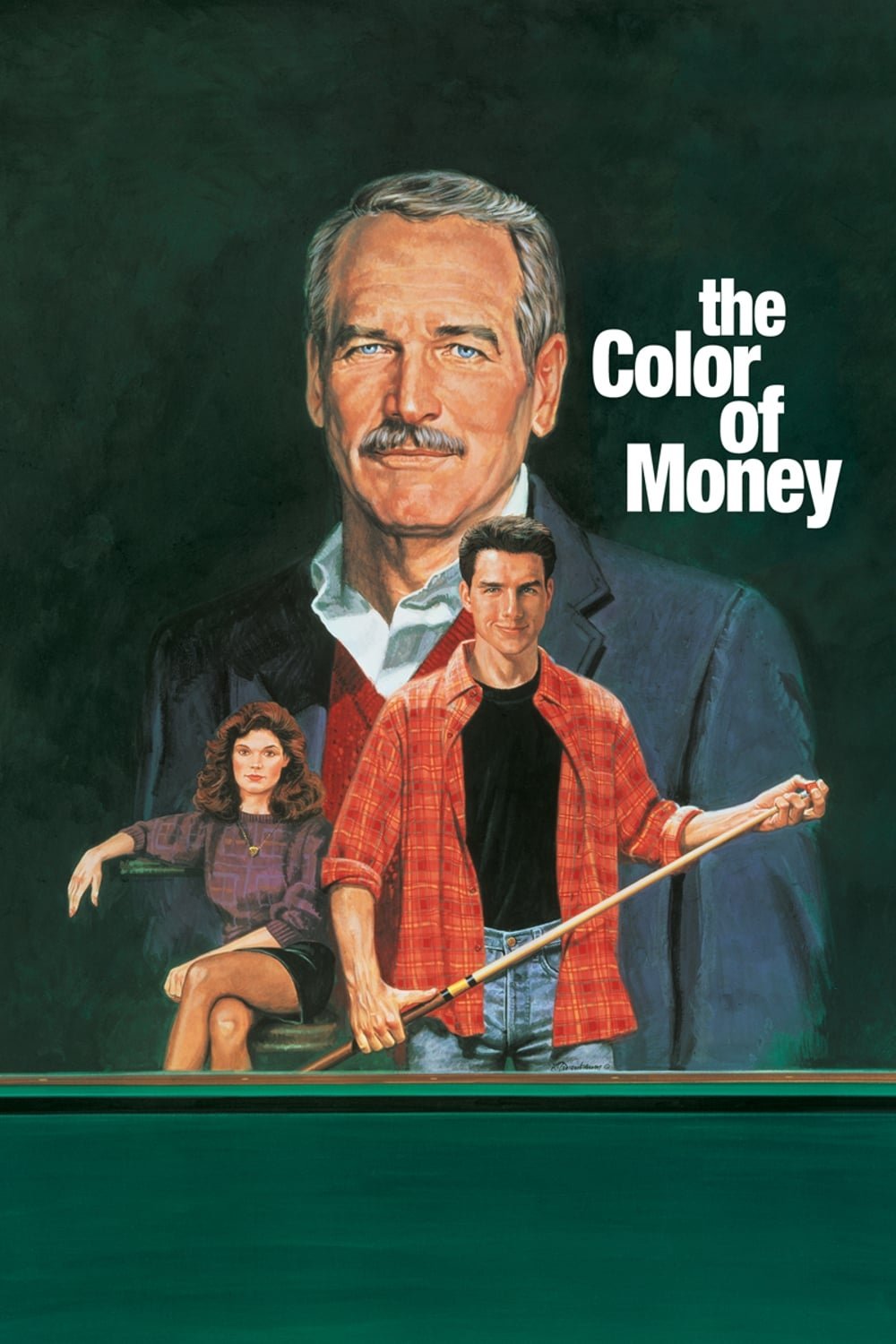
Newman returns to one of his most famous roles as an older and wiser “Fast” Eddie Felson, the pool hustler he first played decades earlier. In this story, Eddie has long since retired from the high-stakes world of professional pool and now works as a successful liquor salesman. His quiet life is disrupted when he discovers a young, incredibly talented, and arrogant pool player named Vincent, portrayed by Tom Cruise.
Seeing a reflection of his younger self in Vincent, Eddie decides to take the prodigy under his wing and teach him the art of the hustle. He guides Vincent through the gritty world of pool halls and big-money games, but soon his own competitive fire is reignited. This journey pushes Eddie to confront his past and pick up a cue stick once again, proving that his passion for the game never truly faded.
‘The Life and Times of Judge Roy Bean’ (1972)

Paul Newman takes on the role of the legendary Judge Roy Bean, an outlaw who appoints himself the law west of the Pecos River. After being left for dead, his character establishes a makeshift town and courthouse in a saloon, dispensing his own unique and often harsh brand of justice. He becomes obsessed with the actress Lillie Langtry, building a community that reflects his eccentric and larger-than-life personality.
The film is a quirky and comedic western that loosely follows the historical figure’s adventures. Bean and his marshals enforce the law with a heavy hand, leading to a series of humorous and bizarre situations. Newman’s performance captures the character’s transition from a brutal outlaw to a self-proclaimed pillar of justice, all while maintaining a deep reverence for the distant actress he idolizes.
‘Nobody’s Fool’ (1994)
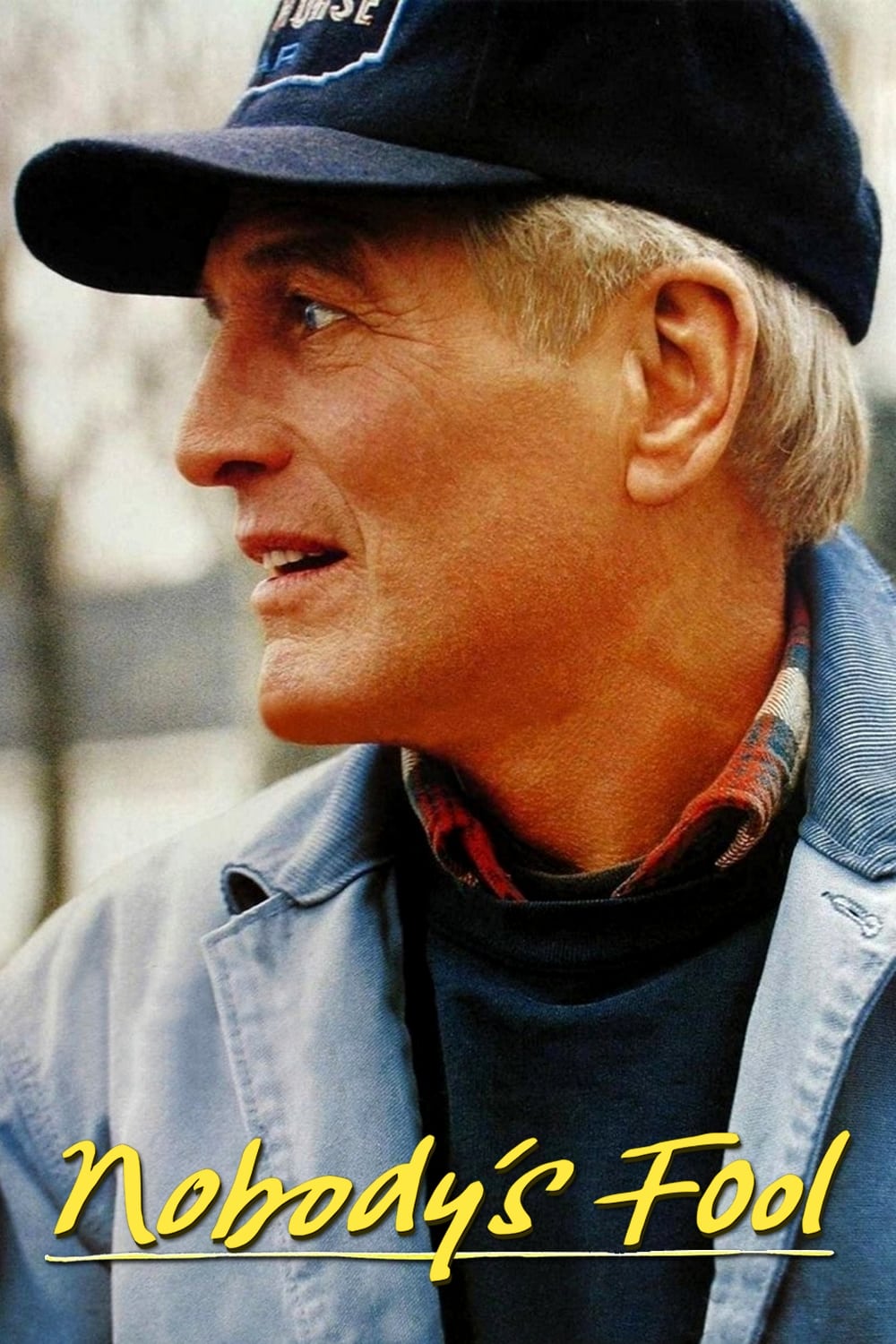
Here, Newman plays Donald “Sully” Sullivan, a stubborn and witty 60-year-old handyman living in a small, snowy town in upstate New York. Sully spends his days doing odd jobs, avoiding his old boss, and sharing conversations with his landlady. He is a man who has spent most of his life avoiding responsibility, particularly when it comes to his estranged family.
His predictable routine is shaken up when his adult son shows up with his own child, Sully’s grandson. This unexpected family reunion forces Sully to confront his past failures as a father and gives him a chance to form a connection he never thought he would have. The story is a touching and often funny exploration of second chances, family, and finding purpose later in life.
‘Slap Shot’ (1977)
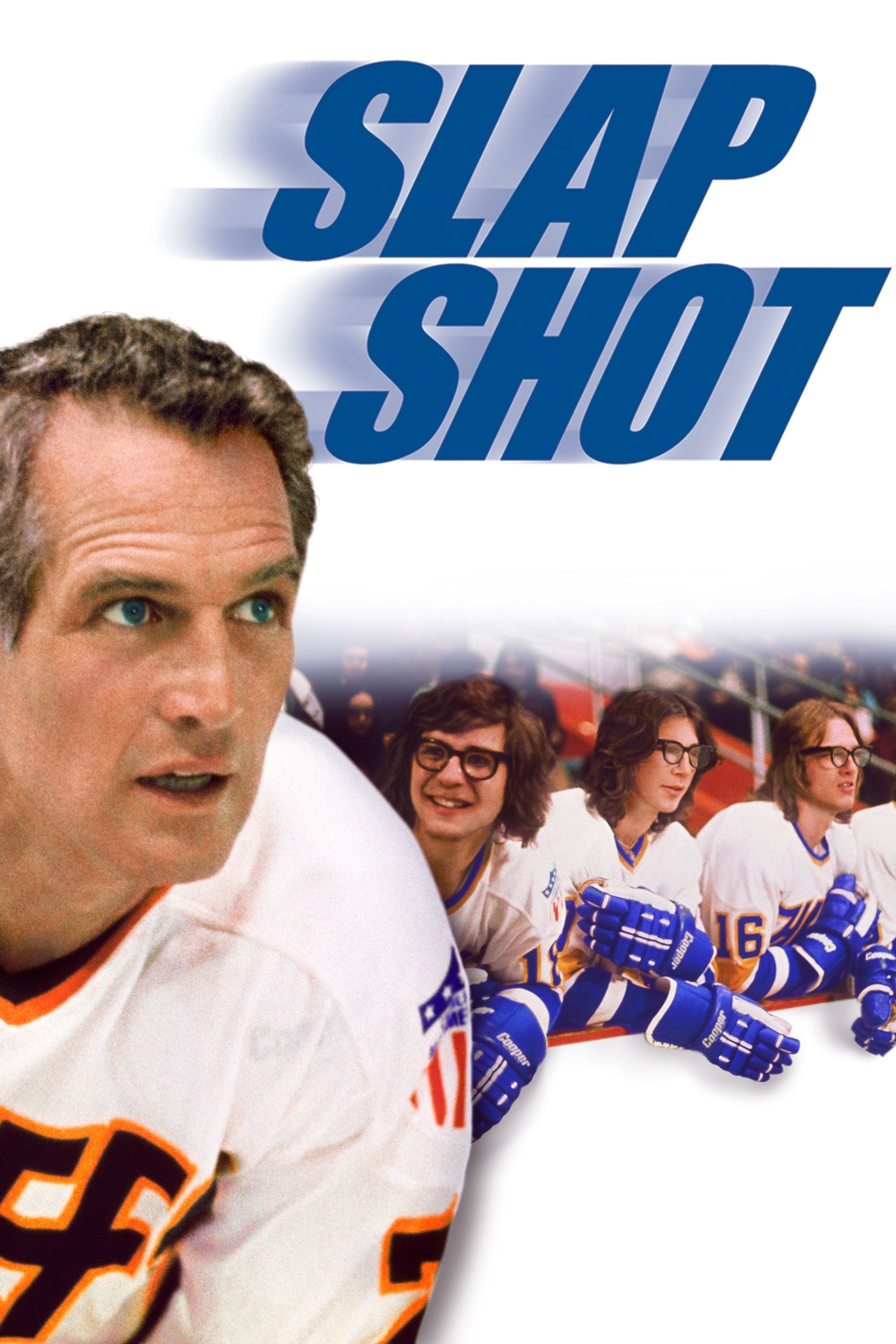
In this classic sports comedy, Newman portrays Reggie “Reg” Dunlop, the aging player-coach for the Charlestown Chiefs, a struggling minor league hockey team. With the local mill threatening to close and the team on the verge of being disbanded, Reg becomes desperate to increase attendance and save his job. He realizes that violence and fighting on the ice get the crowd excited.
To capitalize on this, he encourages his team, especially the newly acquired and thuggish Hanson Brothers, to play as aggressively as possible. Their on-ice brawling turns the losing team into local celebrities, but it also pushes the boundaries of the sport. The film is a hilarious and profane look at the world of minor league hockey and one man’s unconventional strategy to achieve success.
‘Hombre’ (1967)
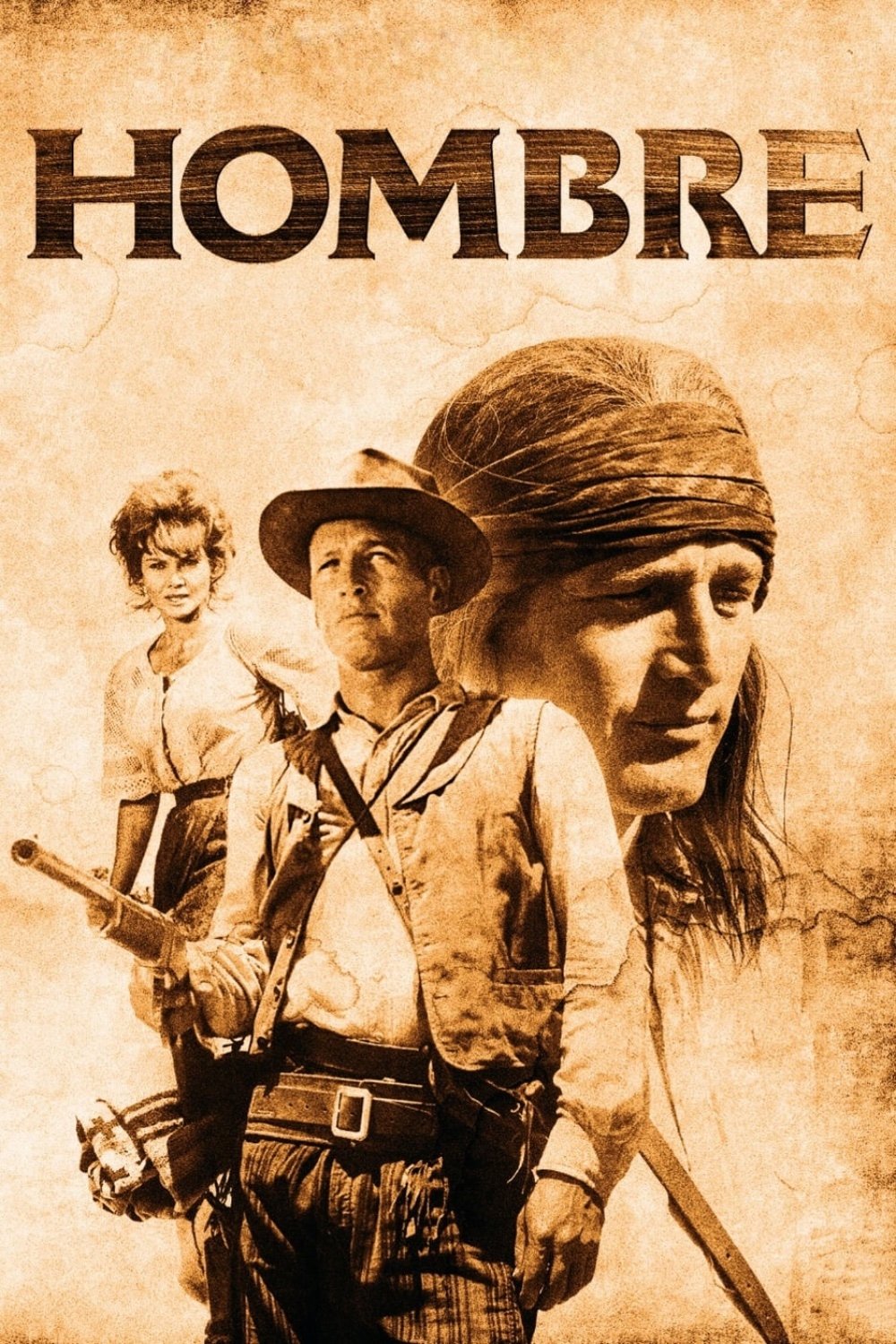
Paul Newman stars as John Russell, a white man who was captured as a child and raised by an Apache tribe. He lives as one of them until he inherits property and is forced to return to the white world he left behind. Because of his upbringing, he faces prejudice from the passengers on a stagecoach he boards to claim his inheritance.
When the stagecoach is robbed by outlaws, the very same passengers who scorned him must turn to Russell for survival in the harsh wilderness. His knowledge of the land and his Apache skills become their only hope against the ruthless criminals. The film becomes a tense story of survival that also examines themes of prejudice and cultural identity in the Old West.
‘The Long, Hot Summer’ (1958)
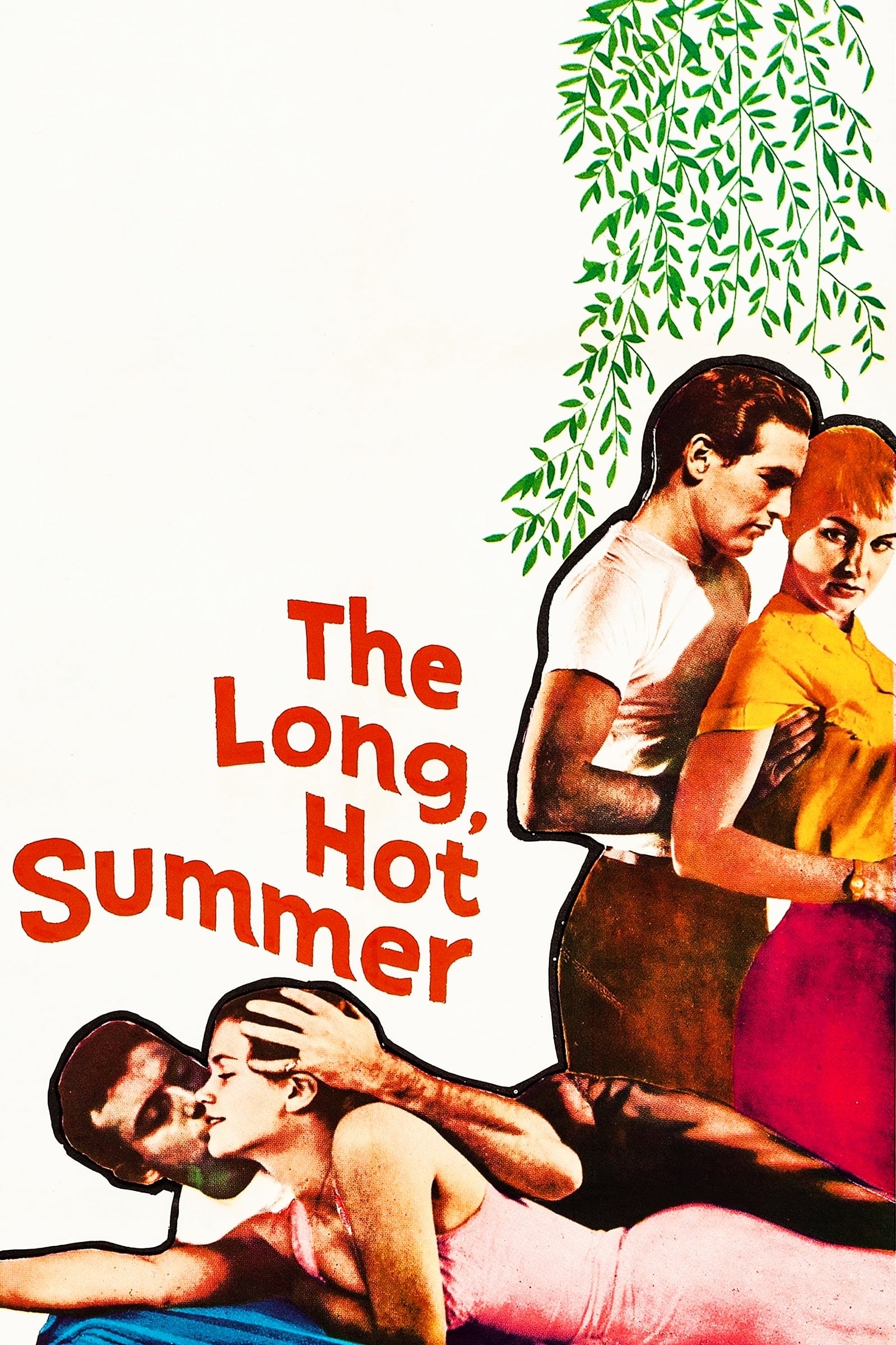
Newman plays Ben Quick, a confident and charming drifter with a reputation as a barn burner who arrives in a small Mississippi town. He soon gets a job working for the area’s wealthiest and most powerful man, Will Varner. Varner is impressed by Quick’s ambition and sees him as a better potential heir than his own timid son.
This dynamic creates tension within the Varner family, particularly with Will’s strong-willed daughter, Clara, played by Joanne Woodward. A powerful attraction develops between Ben and Clara, leading to a smoldering romance set against the backdrop of southern family drama. The story is filled with sharp dialogue and explores themes of ambition, reputation, and love.
‘The Verdict’ (1982)
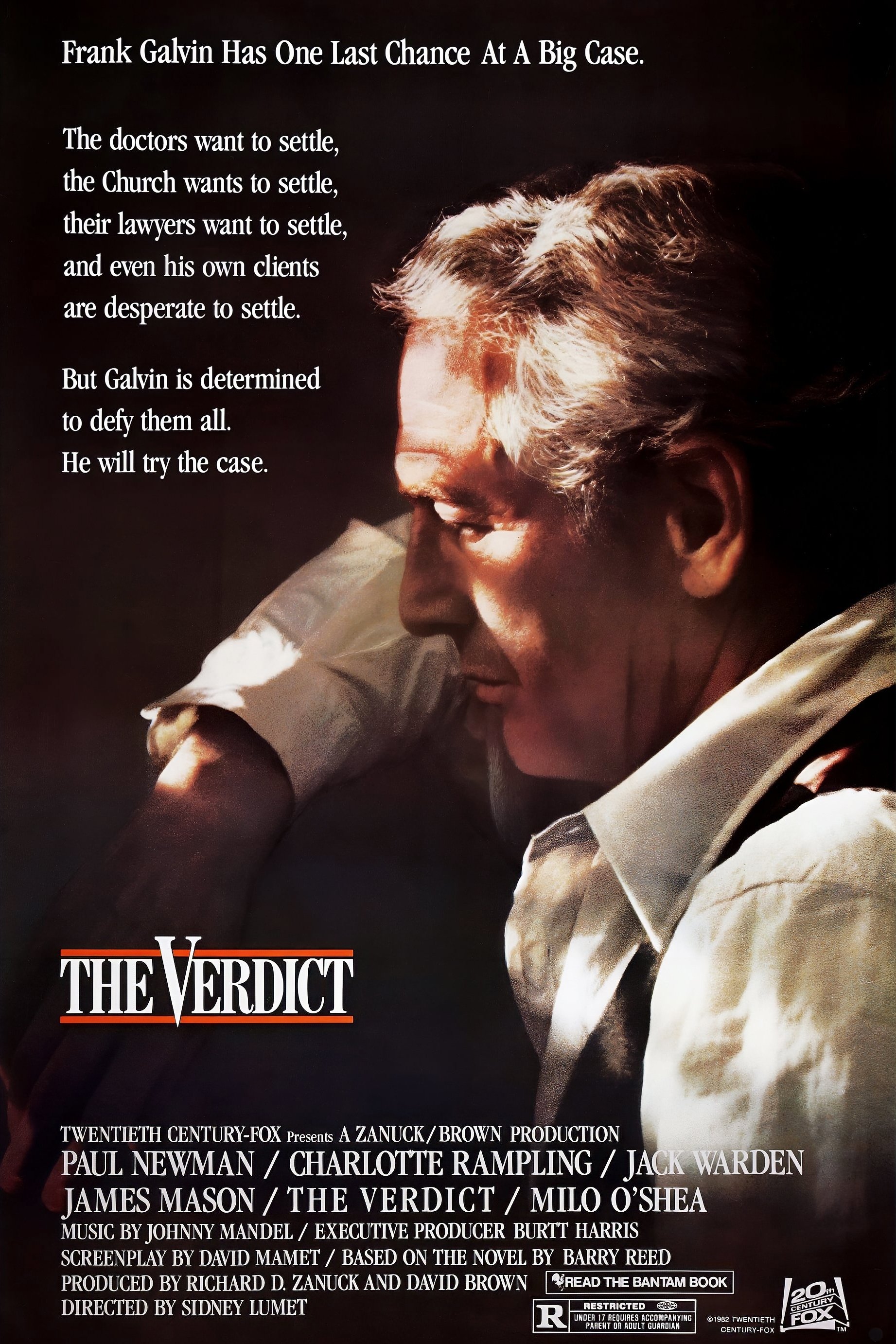
In this powerful legal drama, Newman gives a compelling performance as Frank Galvin, an alcoholic and washed-up lawyer. He spends his days chasing ambulances and faking injuries for small settlements. His friend and former mentor hands him a seemingly straightforward medical malpractice case, which he initially plans to settle quickly for a cash payment.
However, after meeting with the victim’s family, Galvin has a change of heart and decides to take the case to trial, viewing it as his last chance for personal and professional redemption. He finds himself up against a powerful hospital, its high-priced legal team, and a biased judge. The film follows his difficult and inspiring fight for justice against overwhelming odds.
‘Road to Perdition’ (2002)
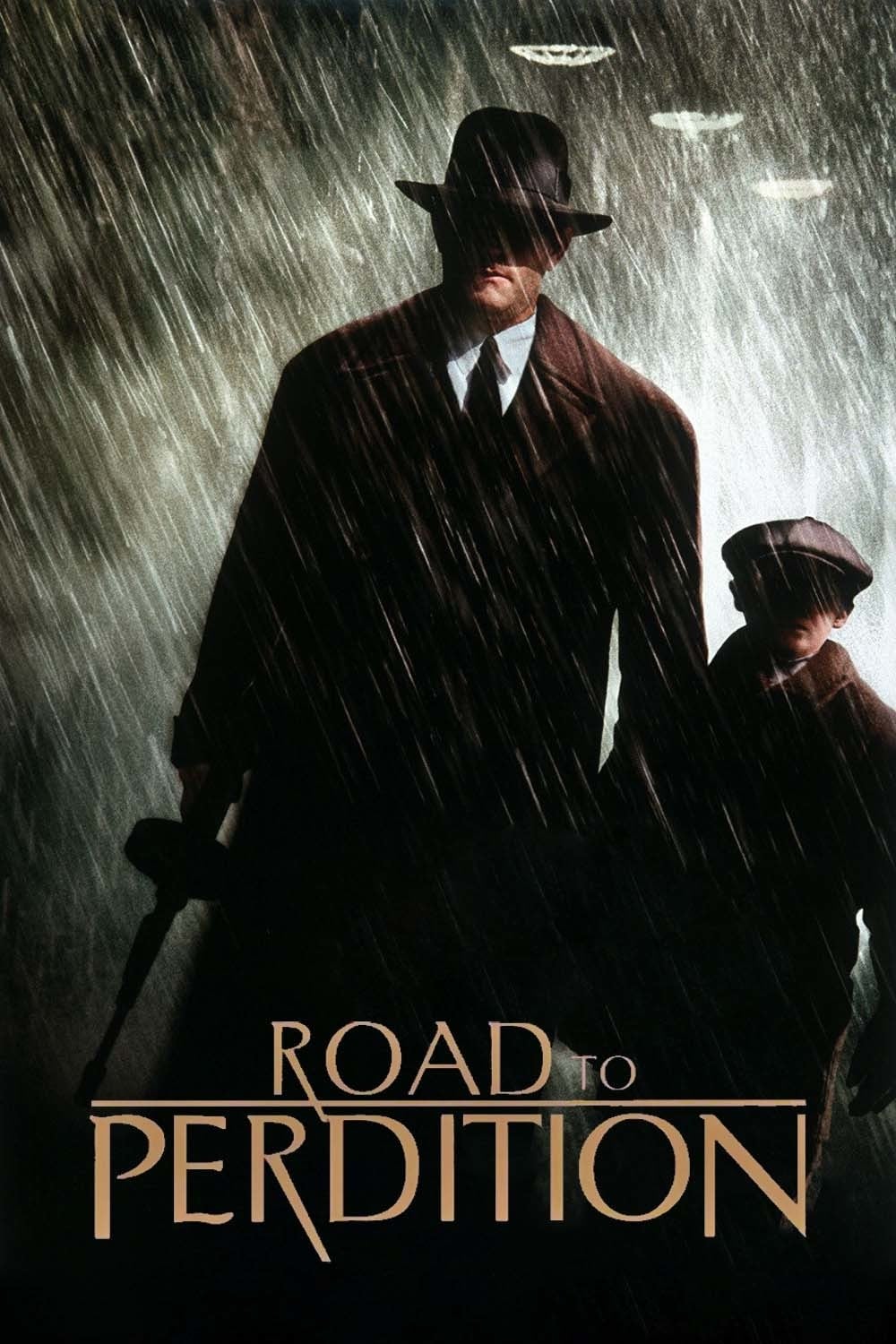
In one of his final film roles, Paul Newman portrays John Rooney, a powerful Irish mob boss in the 1930s. Rooney rules his territory with a firm hand but has a deep, fatherly affection for his top enforcer, Michael Sullivan, played by Tom Hanks. This bond is even stronger than the one he shares with his own reckless and unpredictable son, Connor.
When Connor’s jealousy leads him to betray Michael, it sets off a tragic chain of events that pits Rooney against the man he loved like a son. Rooney is forced into an impossible position, torn between his biological son and his loyal surrogate son. Newman’s performance captures the quiet authority and profound sadness of a man whose criminal empire begins to crumble due to family conflict.
‘Hud’ (1963)
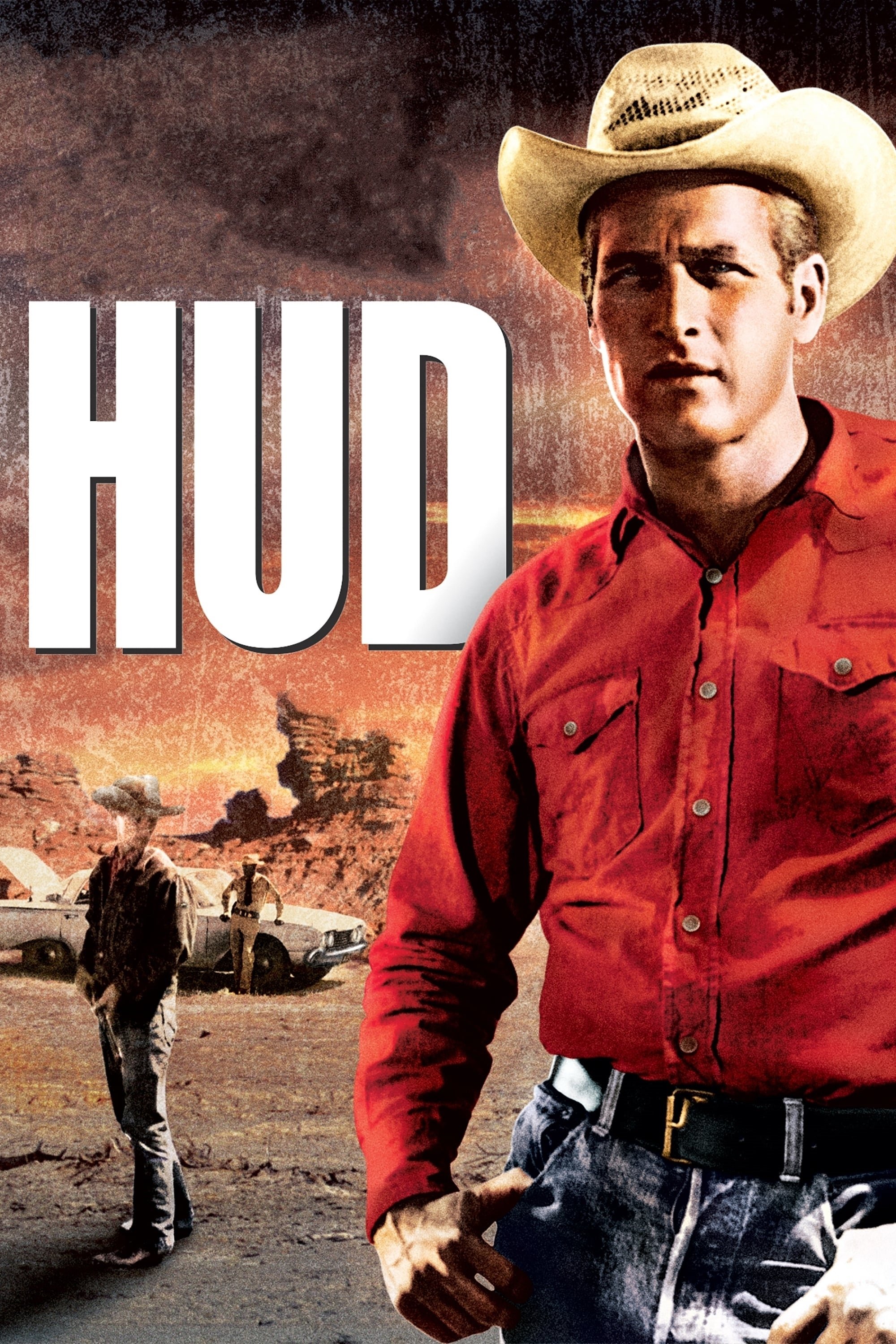
Newman plays the title character, Hud Bannon, a charismatic but deeply selfish and amoral man living on his family’s Texas cattle ranch. He constantly clashes with his aging father, Homer, a man of strong principles who is deeply disappointed in his son’s reckless lifestyle. Their conflicting values create a tense atmosphere on the ranch they share.
The family’s livelihood is threatened when their herd is exposed to foot-and-mouth disease, forcing a difficult quarantine and potential financial ruin. As the crisis unfolds, Hud’s true character is revealed, as he sees the potential disaster as an opportunity for personal gain, regardless of the consequences for his family. His actions highlight a generational clash between integrity and cynicism.
‘Cat on a Hot Tin Roof’ (1958)
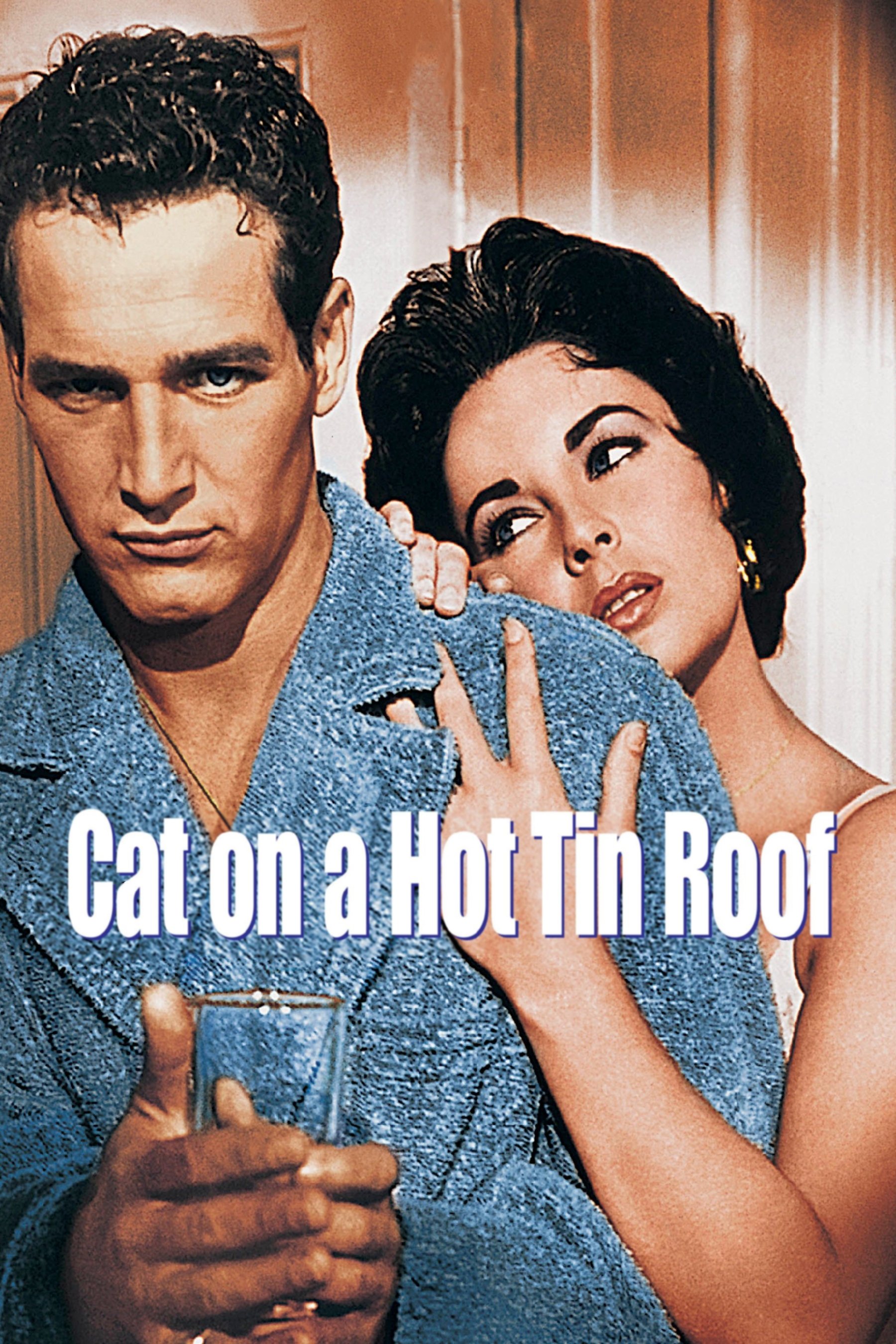
Paul Newman delivers a memorable performance as Brick Pollitt, a former football star who has turned to alcohol to cope with a deep personal tragedy. He is emotionally distant from his passionate wife, Maggie, played by Elizabeth Taylor, which has put a severe strain on their marriage. The couple travels to his family’s Mississippi plantation to celebrate his father’s birthday.
The family gathering becomes a pressure cooker of long-simmering tensions, secrets, and resentments. Brick is forced to confront his alcoholism, his troubled relationship with his father, and the unresolved issues in his marriage. The film is an intense adaptation of a famous play, showcasing powerful performances that explore themes of deceit, grief, and family dysfunction.
‘The Hustler’ (1961)
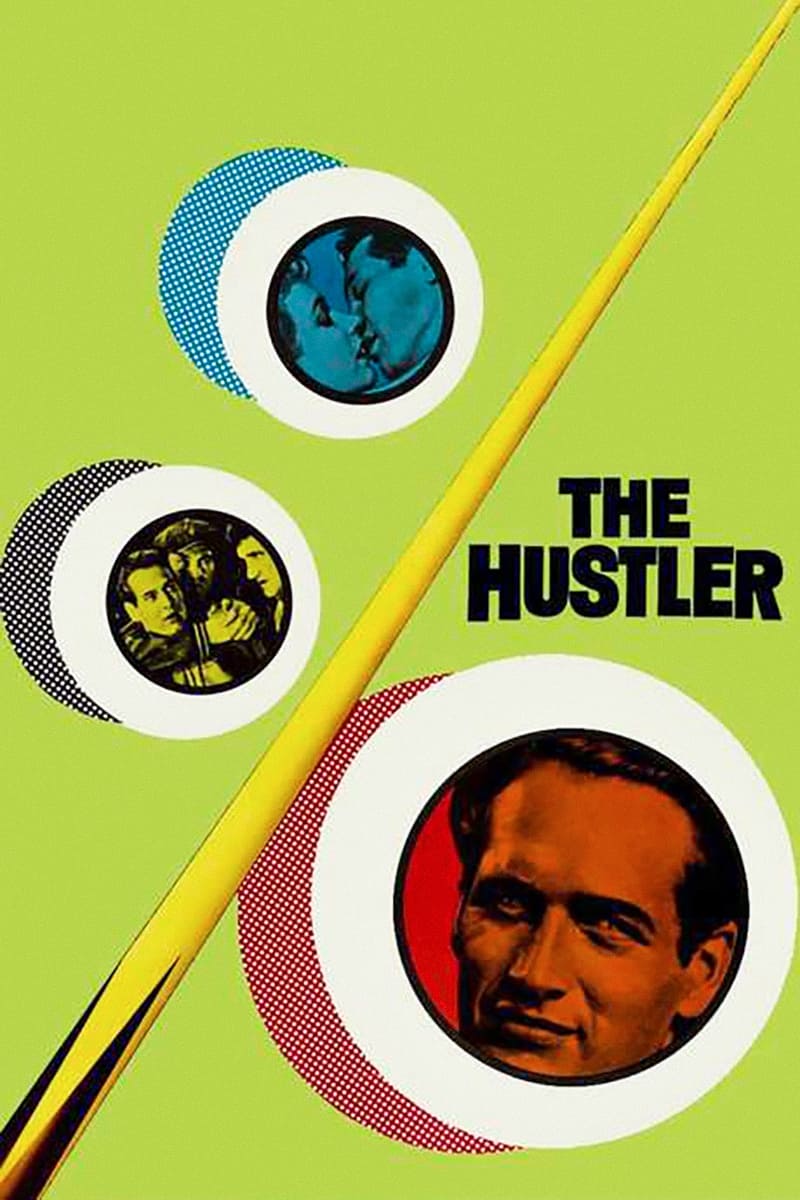
Newman embodies the role of “Fast” Eddie Felson, a small-time but exceptionally skilled pool shark with immense ambition. He is determined to prove he is the best player in the country by challenging the reigning champion, the legendary Minnesota Fats. Eddie’s raw talent is undeniable, but his arrogance and lack of discipline are his greatest weaknesses.
After a devastating loss to Minnesota Fats, Eddie is forced to reevaluate his approach to the game and to life. He partners with a cold and calculating manager who teaches him the psychological side of hustling, but the lessons come at a great personal cost. The film is a gritty character study about the price of greatness and the difference between having talent and having character.
‘Butch Cassidy and the Sundance Kid’ (1969)

In this iconic western, Paul Newman plays Butch Cassidy, the charming and clever leader of the Hole-in-the-Wall Gang. He is the brains of the operation, while his partner, the Sundance Kid, played by Robert Redford, is the expert gunman. The film follows their adventures as they rob banks and trains throughout the American West.
As the law closes in on them in the form of a relentless posse, the duo decides to flee the country with Sundance’s girlfriend, Etta Place. They escape to Bolivia in hopes of continuing their criminal careers in a new land. The film is celebrated for the incredible chemistry between its two leads and its blend of action, comedy, and drama.
‘Cool Hand Luke’ (1967)
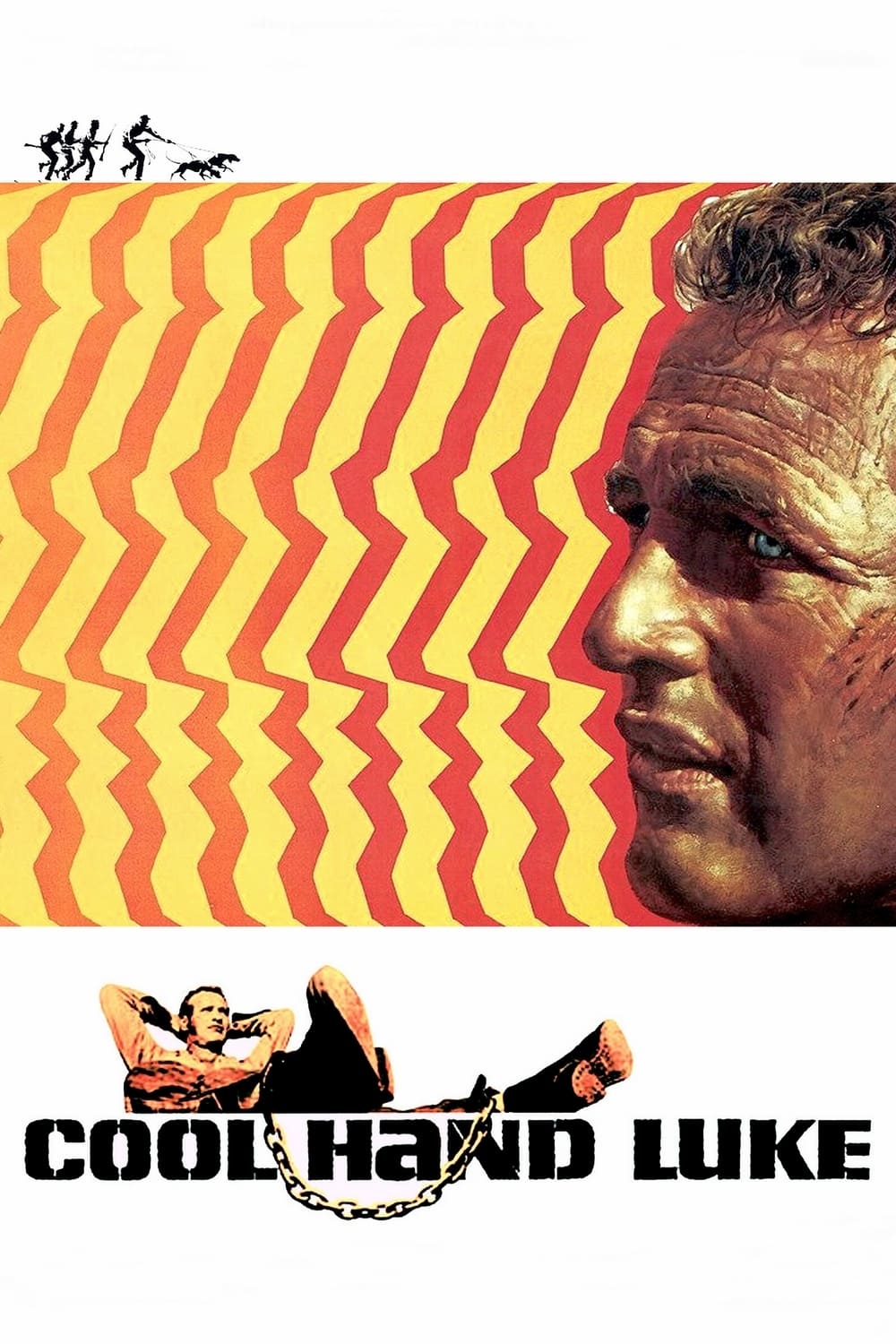
Newman stars as Luke Jackson, a decorated war veteran who gets sentenced to two years on a rural Florida chain gang for cutting the heads off of parking meters. His defiant and anti-authoritarian nature immediately puts him at odds with the camp’s sadistic warden, known as the Captain. Despite the harsh conditions, Luke’s unbreakable spirit refuses to be crushed.
His relentless determination and refusal to conform earn him the respect and admiration of his fellow inmates, who see him as a symbol of hope. Luke’s repeated escape attempts and his famous line, “What we’ve got here is failure to communicate,” have cemented his status as one of cinema’s most enduring rebels. The story is a powerful tale of individualism against an oppressive system.
‘The Sting’ (1973)
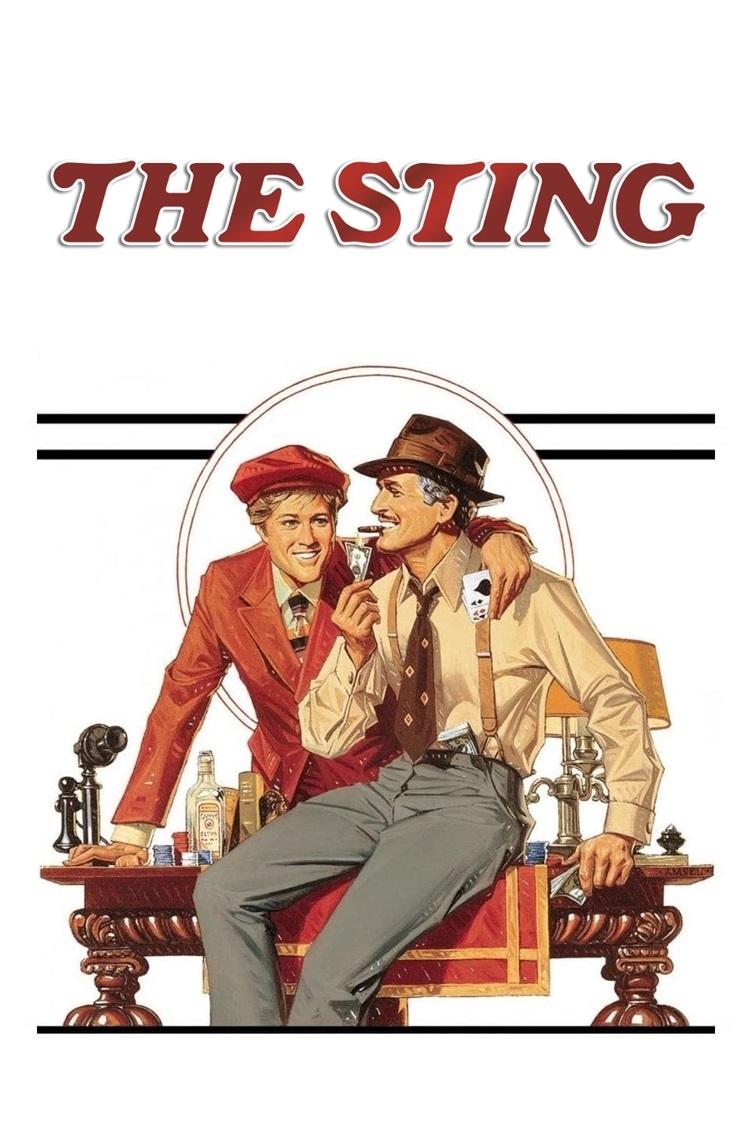
This film reunites Paul Newman with Robert Redford in a clever and stylish crime caper set in 1930s Chicago. Newman plays Henry Gondorff, a seasoned and legendary con man who is drawn out of retirement. He teams up with a young, aspiring grifter named Johnny Hooker to seek revenge on a ruthless and powerful mob boss who wronged Hooker’s mentor.
Together, they assemble a large team of con artists to execute an elaborate and highly complex scheme known as “the wire.” The plan involves creating a fake off-track betting parlor to swindle the crime boss out of a huge sum of money. The film is famous for its intricate plot, witty dialogue, and a series of brilliant twists and turns that keep the audience guessing until the very end.
Which of Paul Newman’s many incredible roles is your all-time favorite?