5 Things About ‘Dexter’ That Made Zero Sense and 5 Things About It That Made Perfect Sense

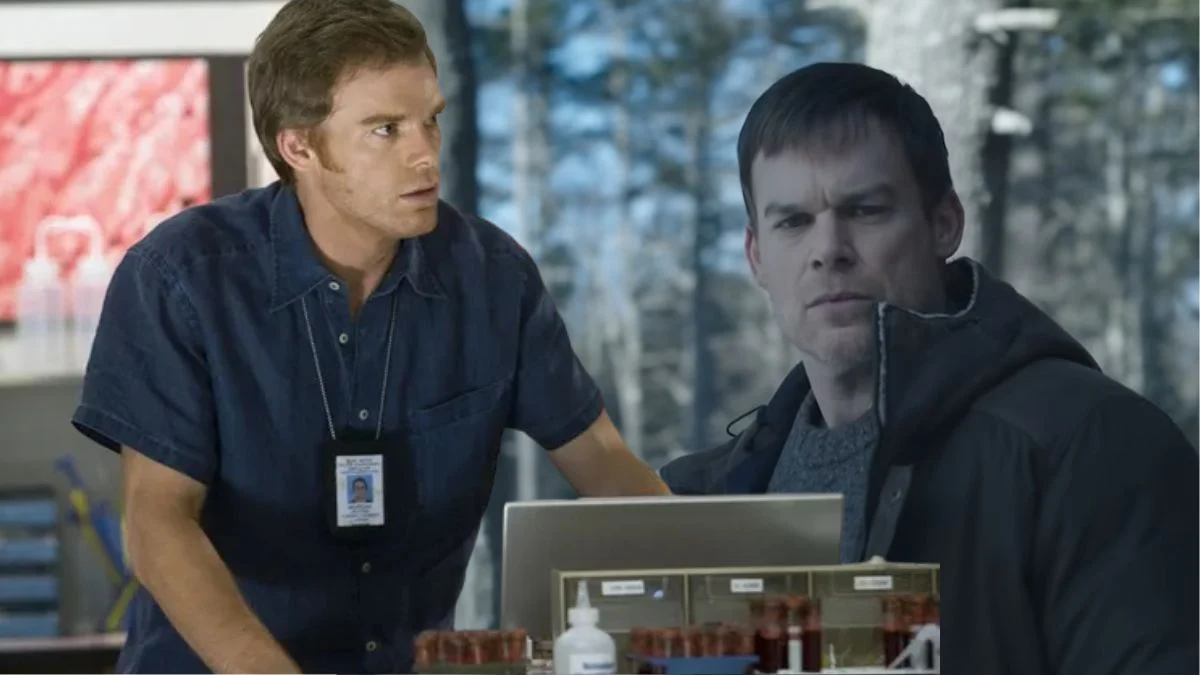

For years, ‘Dexter’ followed a meticulous blood spatter analyst who moonlighted as a serial killer while working inside Miami Metro. The series blended police procedure with a strict personal code and a steady stream of high profile investigations. It created a detailed world of labs, case files, witness interviews, and late night hunts that often crossed paths in risky ways.
This list looks at moments where the world of ‘Dexter’ strains practical logic and moments where the show grounds itself with credible methods and procedures. Each entry focuses on specific details like evidence handling, investigative steps, and operational habits that either hold up under scrutiny or fall apart when you look closely.
Zero Sense: Same Job, Same City, Still Invisible
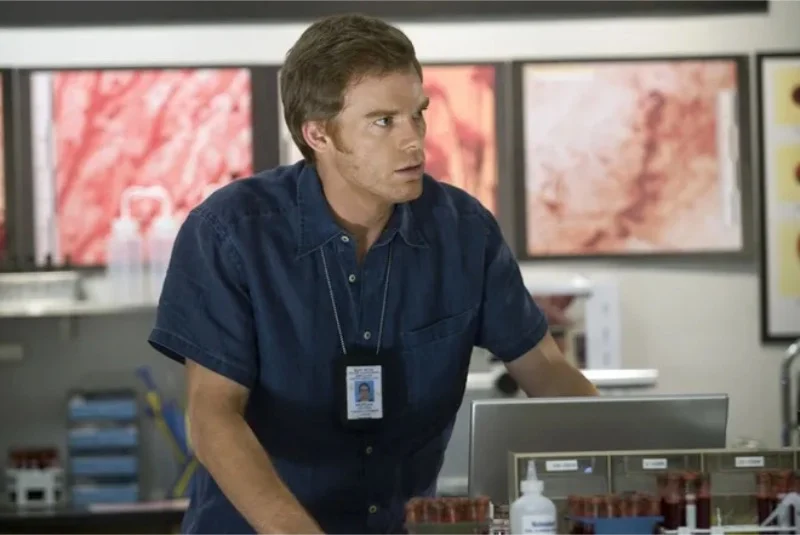
Dexter carried out killings for years inside the same jurisdiction where he processed blood evidence every day. A consistent offender with a distinctive disposal method operating near his workplace should have triggered geographic profiling alerts and resource tasking that narrowed suspects to people with specialized knowledge. Routine internal audits of lab access, equipment checkout, and overtime patterns could have highlighted irregular behavior tied to nights when bodies or evidence disappeared.
The sheer overlap between his cases and his private activity invited linkage analysis. Analysts compare victim types, disposal sites, and timelines to detect patterns across investigations. A recurring cluster of related homicides concentrated near a single agency often pushes departments to bring in outside reviewers who map labs, personnel, and marina access. That step alone would have put a microscope on Miami Metro insiders with unusual hours and boating habits.
Perfect Sense: The Code Of Harry As Target Vetting

Dexter selected targets only after confirming prior violent crimes or imminent risk through arrest records, forensic traces, and corroborating material. This mirrors a real investigative approach where multiple independent indicators are used to avoid misidentification. Verifying signatures such as tool marks, injury patterns, and victim selection criteria reduces false positives when deciding whether a subject matches a specific offender profile.
The code also required practical thresholds before action. He gathered confessions, trophies, or hidden sites that established a direct link between the subject and the crimes. This gathering of admissible style proof would satisfy an intelligence gate in a covert operation, where acting without firm criteria creates operational and ethical failure.
Zero Sense: The Bay Harbor Butcher Case Gaps
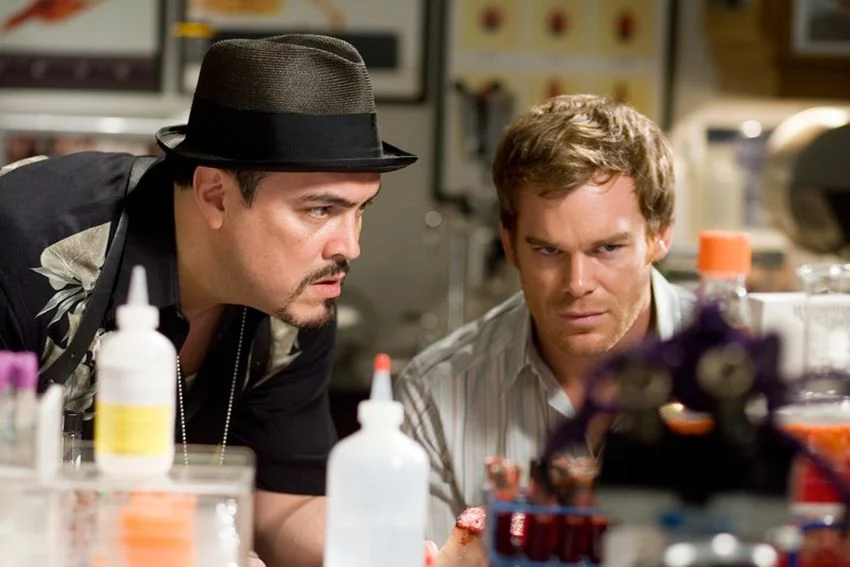
When divers discovered bags of remains, the response should have locked every marina with rigorous entry logs and dock CCTV review. A canvass of fuel receipts, slip assignments, and night time boat movements can isolate regular late departures that align with dump windows. Cross referencing those time frames with employee schedules narrows suspects who were repeatedly free to sail during disposal nights.
Inside the lab, chain of custody and reagent usage audits can flag outlier activity. If an analyst consistently booked late bench time or used specific cleaning supplies out of proportion to assigned cases, supervisors would see a pattern. The combination of ocean dump sites, a boat owner with odd hours, and unusual lab habits is the kind of trifecta that usually accelerates an internal investigation.
Perfect Sense: Kill Room Workflow And Contamination Control
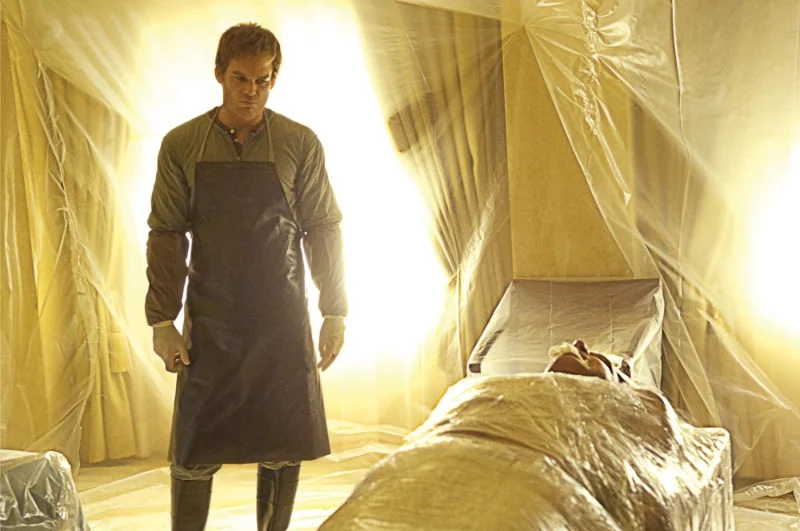
Dexter’s ritualized setup limited trace transfer. He isolated the space, controlled air movement by keeping areas sealed, and reduced surfaces with plastic sheeting that could be removed and destroyed. That approach lowers shedding and contact opportunities that typically trap offenders through fibers, skin cells, or blood microspatter caught in porous materials.
His cleanup followed a logical sequence used in biohazard remediation. He removed gross contamination first, contained waste, and prioritized high contact routes like door handles and drains. By transporting sealed packages directly to a controlled disposal location, he reduced the chance that secondary scenes like vehicles or hallways accumulated latent evidence.
Zero Sense: Doakes Framed And The Investigation Wrap

The case that pinned the murders on Sergeant Doakes did not fully reconcile timelines, travel records, or scene access. Cellular site analysis, duty rosters, and witness positioning can invalidate presence at key hours. A suspect who was under observation or in custody during certain murders should have forced investigators to reopen the attribution and treat planted evidence as part of the offender’s misdirection.
Explosive events tied to a third party should have triggered a separate inquiry into accessory involvement. Any link between a sudden death of an associate and the main case merits forensic review of devices, vehicles, and residences. A multi scene offender who frames a colleague typically leaves digital planning artifacts such as searches, maps, or supply purchases that do not match the framed officer’s patterns.
Perfect Sense: Tracking The Trinity Killer With Behavior Cycles

The Trinity arc mapped a clear kill cycle with repeatable rituals, victim types, and cooling periods. Behaviorally consistent series enable calendar based forecasting, which helps investigators stage surveillance and alerts near anticipated dates and locations. Dexter’s focus on ritual details like staging and trauma patterns reflects how profilers and analysts narrow unknown subjects to people who have the skill, tools, and private time to repeat complex acts.
Link analysis of family life, charity roles, and travel aligned with how offenders compartmentalize. Volunteers and community leaders often have legitimate reasons to move around, but expense records, vehicle mileage, and tool storage can expose the infrastructure needed to sustain a hidden series. The show’s step by step tailing and verification matched how investigators pressure test a suspect’s routine for hidden gaps.
Zero Sense: LaGuerta’s Death And The Thin Cover Story

The fatal confrontation in a shipping container left questions about scene reconstruction. Ballistics comparison, stippling, and trajectory analysis can reconstruct who fired from which position and when. When two service weapons are involved, departmental labs typically run immediate function tests, blood swabs, and trigger pull measurements that can contradict a staged account.
Traffic cameras and automatic license plate readers can place vehicles near industrial zones at specific times. Access gates, delivery logs, and nearby businesses often supply additional video. A cluster of digital pings, car passages, and phone silences around the event window can unravel a story that claims a chance encounter rather than a planned meeting.
Perfect Sense: Forensic Skills That Spot Staged Scenes
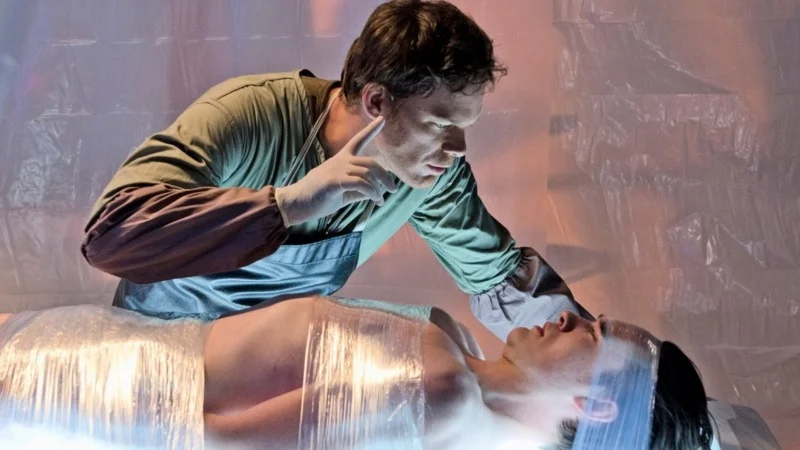
Dexter’s professional assessments frequently identified staged elements such as backward cast off, wiped surfaces that left swirl artifacts, or blood volume inconsistent with a reported injury. These are real red flags. Cleaners who do not understand capillary action or drying fronts often create patterns that betray wiping, and mismatched spatter directionality exposes false narratives about struggle or movement.
He also recognized when object removal created voids with crisp borders. Matching a void to a missing tool or trophy helps confirm offender handling. In practice, analysts compare droplet size distributions, edge serration, and satellite spatter to reconstruct force and distance. The show’s attention to those mechanics aligns with standard scene work.
Zero Sense: Vanishing In A Hurricane Then Reappearing In ‘Dexter: New Blood’

Surviving a major storm while faking death raises practical hurdles that normally trigger interagency follow up. Death declarations require documentation, and insurance, banking, and beneficiary actions create a paper trail that draws scrutiny when a body is never recovered. Establishing a stable new identity demands more than a name and a job, since background checks verify education, tax history, and references.
In a small town setting, a newcomer with no verifiable past stands out. Routine purchases, vehicle registration, and medical records link to national systems that flag mismatches. When unrelated homicides later surface near that person, standard practice pulls prior fingerprints, employment forms, and DMV data to confirm identity, which makes a long term alias difficult to maintain.
Perfect Sense: Using Lab Access To Corroborate Targets
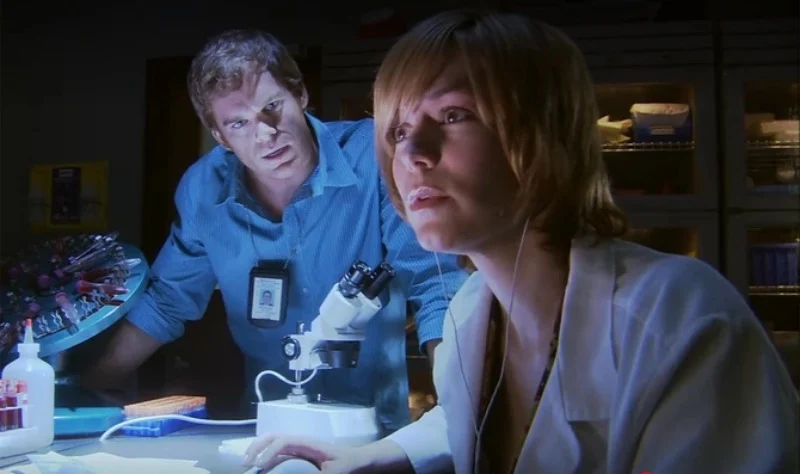
His position granted access to databases that catalog ballistics hits, latent print matches, and DNA associations. Cross checking a suspect’s known associates, prior arrests, and property records against open case evidence is exactly how analysts build confidence in a linkage. Leveraging those systems to verify that a target’s movements align with dump windows or crime scene geographies reflects real investigative layering.
He also knew evidence handling steps well enough to avoid accidental cross contamination. Staying clear of submission pipelines on nights tied to personal activity reduced the chance that innocent samples carried trace back to him. Keeping clean clothing, separate tools, and sealed transport mirrors contamination control protocols that labs expect from scene personnel.
Share your take in the comments and tell us which parts of ‘Dexter’ worked for you and which twists still leave you scratching your head.