5 Things About ‘Seinfeld’ That Made Zero Sense and 5 Things About It That Made Perfect Sense


For nine seasons ‘Seinfeld’ followed four New Yorkers through everyday problems that spiraled into elaborate misunderstandings. The series kept stories tight and fast, which meant the show often skipped past logistics in favor of punchy scenes and quick payoffs. That choice created moments that left viewers wondering how the basics of money, time, and place actually worked for this group.
At the same time the show built a remarkably consistent world. It treated tiny social rules like they were laws of physics, mapped them onto familiar city routines, and brought back minor characters to keep consequences alive. That balance is why the show still plays cleanly in reruns and feels specific to New York while staying relatable anywhere.
Zero Sense: Manhattan apartments and money
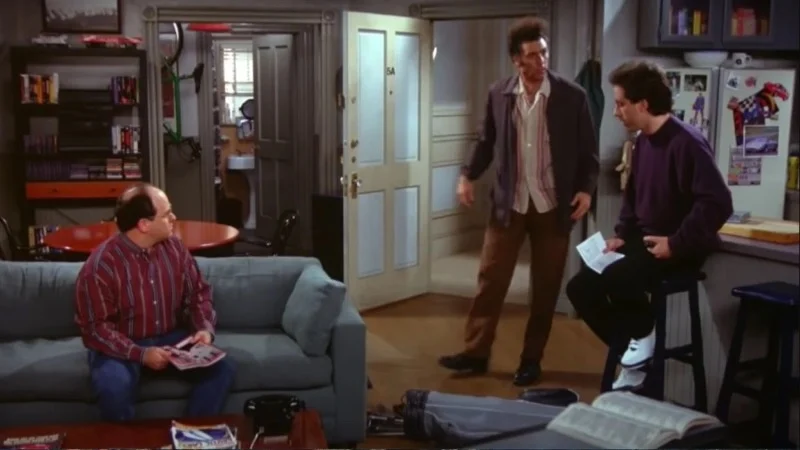
Jerry lives in a spacious Upper West Side one bedroom with a separate kitchen and a large living room, and Kramer keeps an equally large place across the hall despite having no reliable job for long stretches. Elaine moves through publishing roles and then to a catalog job while holding onto city living that would normally require steady high pay over many years. The show rarely explains rent amounts or long term savings and it does not show lease renewals or deposit issues that would anchor the costs on screen.
Kramer is shown returning to a bagel job after a long labor dispute, pitching odd inventions, and dipping into quick cash schemes, yet none of that tracks to predictable income that would maintain that apartment. Jerry tours and headlines clubs and colleges, which would cover his lifestyle, but the episodes glide past the paperwork and scheduling that would normally appear when someone keeps a fixed city home while traveling for work.
Perfect Sense: Everyday minutiae as plots
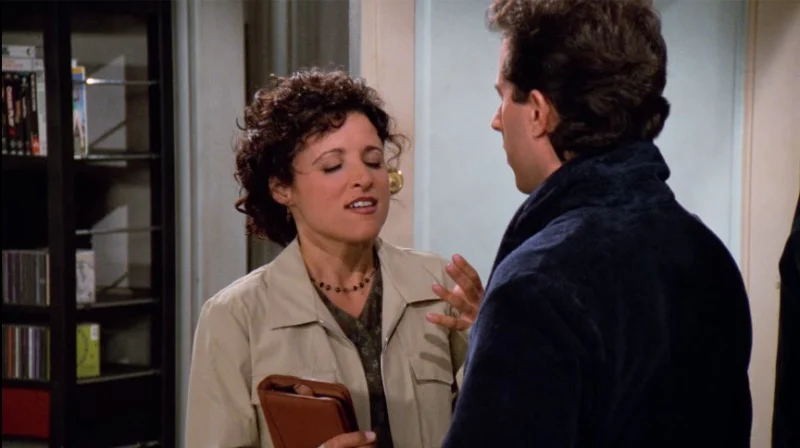
‘Seinfeld’ turns tiny social frictions into full stories. Waiting for a table becomes a chain of snubs and mixed signals. A mislabeled item of clothing spins into confusion about ownership and responsibility. The writers build rules around these moments so characters can break them and trigger conflict that feels grounded in daily life.
The show also uses routine city tasks as story engines. Parking, dry cleaning, and mail delivery introduce deadlines and props that drive scenes forward. Because the stakes sit inside ordinary chores, the consequences land without needing big twists, which keeps the world believable even when events pile up.
Zero Sense: Unlocked door and building security
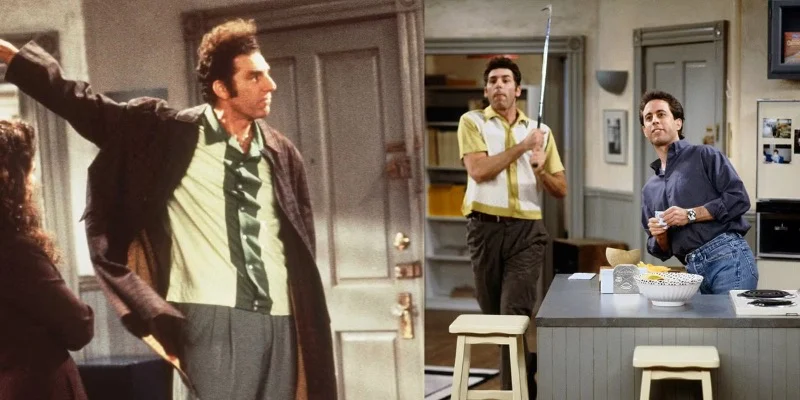
Kramer and other neighbors enter Jerry’s apartment without knocking in many episodes, and the door is often left unlocked. The building rarely shows a doorman, buzz-in system, or mailboxes inside a locked lobby, which are basic features in many Manhattan walk ups and elevator buildings. Visitors move through the hall like it is an open corridor rather than private residential space.
This free access lets side characters appear exactly when a conversation needs a turn, but it creates a building where privacy and security protocols never show up. Packages, food deliveries, and maintenance visits happen on cue with no sign of scheduling, super approval, or key handoffs that would usually govern those interactions.
Perfect Sense: Side characters with clear motives

Recurring characters return with aims that never waver. Newman protects his mail route and exploits loopholes when it benefits him. Puddy cares about comfort, car work, and easy decisions that move scenes along. Kenny Bania rides the success of a single routine to angle for free meals and stage time. Because these motives stay constant, viewers always know what will push each character into action.
The show also uses workplace figures who fit the same pattern. Publishing executives chase deadlines and catalog bosses chase copy that sells, which sets clean targets for Elaine. Baseball ownership chases image and ticket sales, which sets clean targets for George. With clear motives on both sides, conflicts escalate quickly without needing extra explanation.
Zero Sense: Finale trial logistics
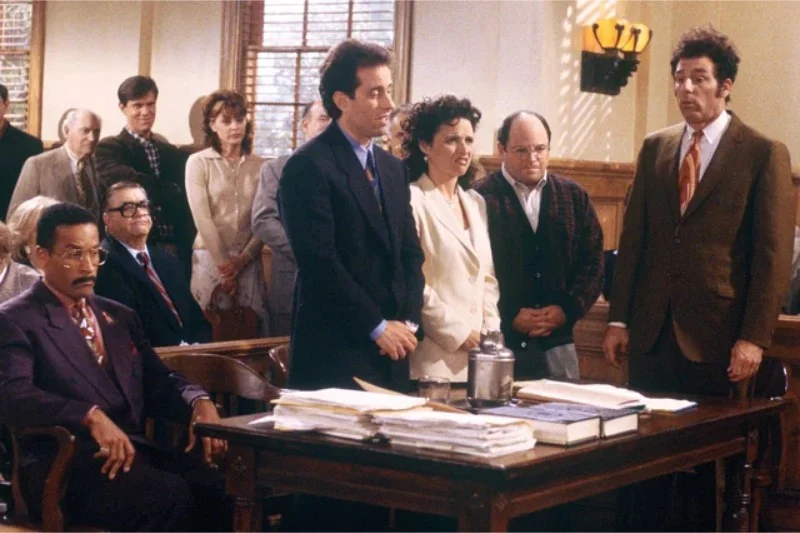
The group is arrested in a small Massachusetts town under a local bystander law after watching a carjacking, and they are put on trial almost immediately. The courtroom fills with witnesses from years of prior events who arrive in perfect sequence to testify, even though travel time and subpoenas would take planning that the episode never shows. The case moves from arrest to verdict so fast that normal pretrial steps do not appear.
The episode uses this structure to revisit a long list of past characters and to recap choices that defined the main four. That design creates a clip show inside a trial, but it leaves out custody hearings, motions, and evidence rules that would normally slow the process. The speed and witness coordination serve the recap purpose rather than tracking real procedure.
Perfect Sense: New York specific details
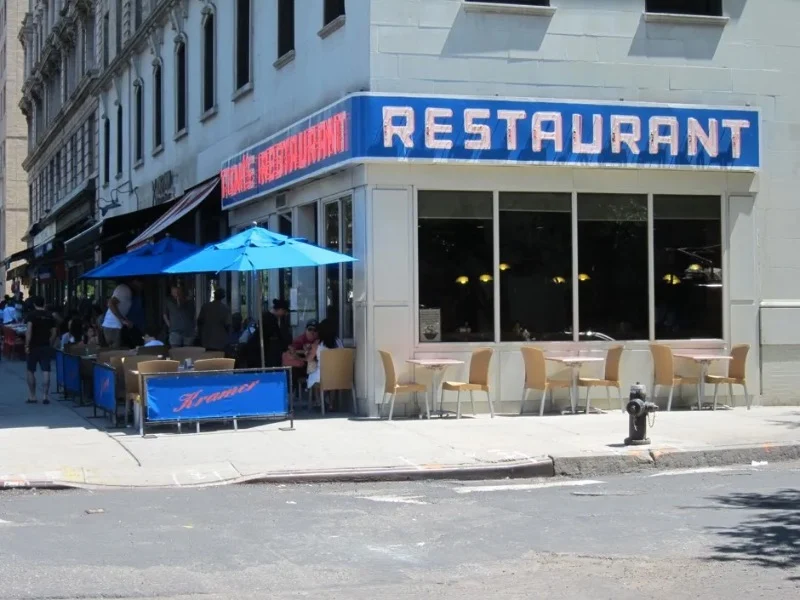
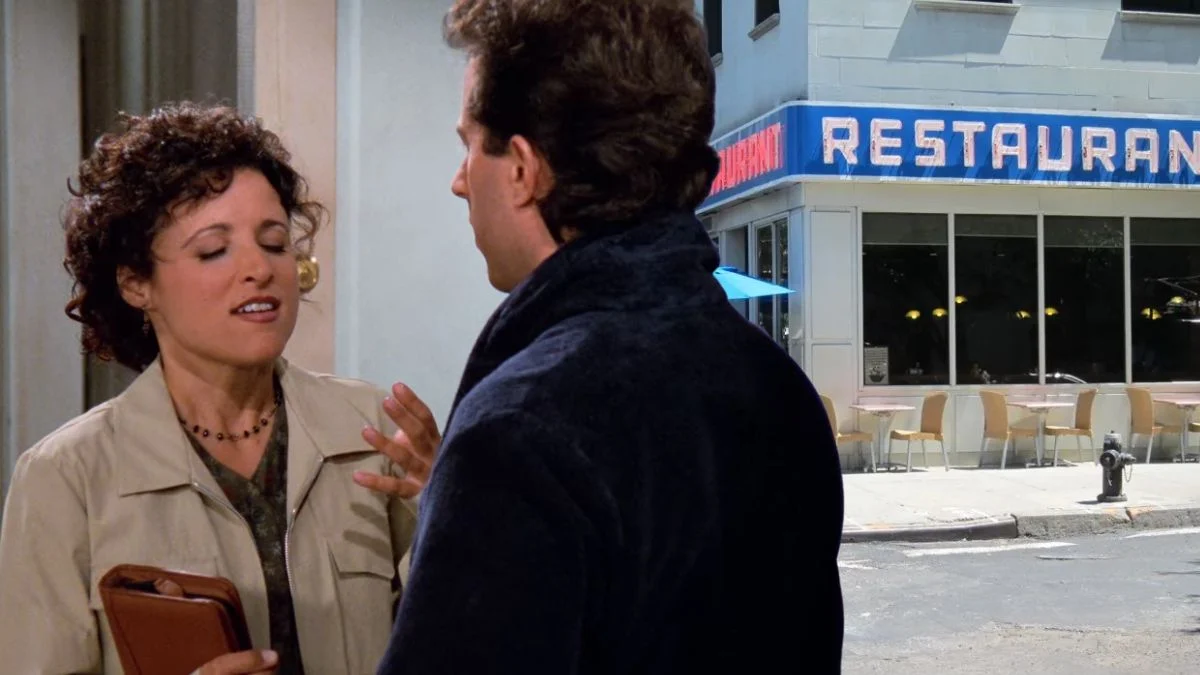
The series anchors itself in the Upper West Side with a regular coffee shop that functions as neutral ground for the main four. Street exteriors, block corners, and storefronts match the rhythms of that neighborhood, and the show keeps subway references, crosstown directions, and cab habits consistent with city living. This gives the characters a reliable map that viewers recognize from episode to episode.
Real brands and offices further tie stories to the city. A catalog office, a bagel shop, a hot chicken chain, and a ballclub front office give the group places to work and argue that feel like real parts of New York life. These anchors help the show bounce between apartments, diners, and workplaces without losing the sense of place.
Zero Sense: George and Yankees access
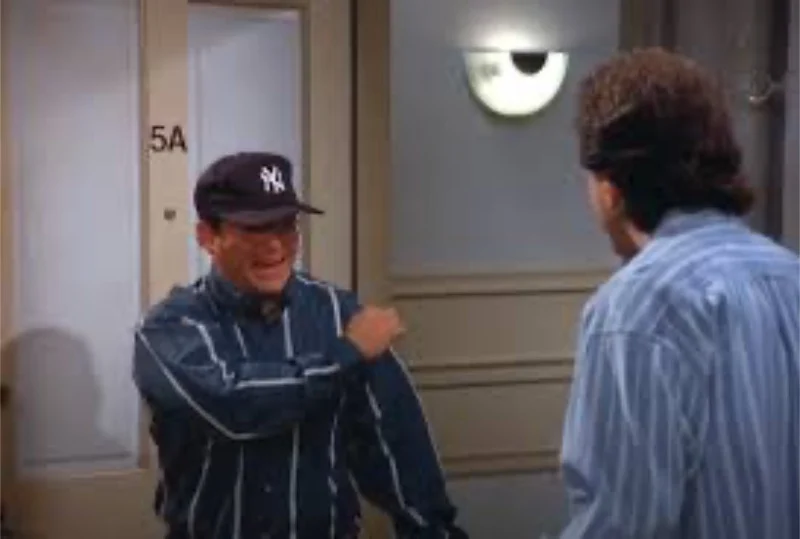
George enters a role with the Yankees that grants frequent face time with ownership and a freedom to pitch personal ideas directly to the top. In practice a midlevel employee would filter work through layers of managers and departments, and day to day access to the owner would be limited and planned. The show presents major decisions and press sensitive matters as hallway chats.
This setup allows the series to stage fast baseball industry jokes and to move George into new scrapes each week. It does not depict long meetings, contract reviews, or human resources processes that would normally structure a large sports organization, which makes the access look more like a sketch premise than a corporate workflow.
Perfect Sense: Interlocking A and B stories
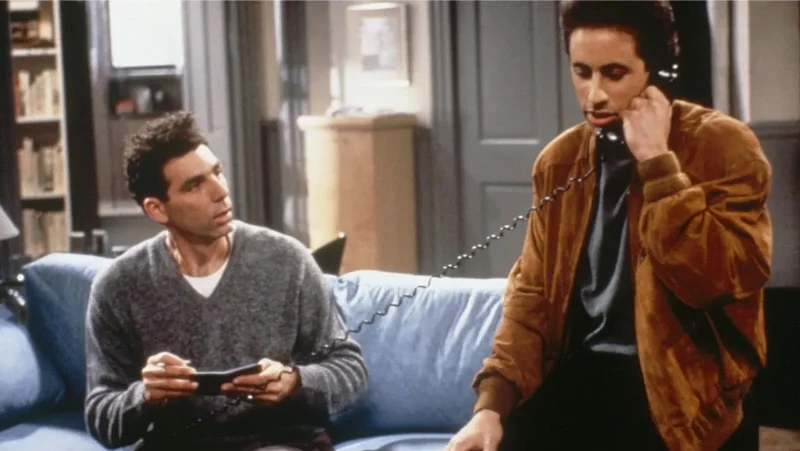
Episodes routinely start separate threads that converge in the final minutes. A scheduling change in one plot blocks a delivery in another, and a misunderstanding in a third plot brings the characters to the same location. When the strands meet, the resolution feels earned because earlier scenes planted each step clearly.
This structure rewards attention. A minor detail in an early scene, such as a reservation, a ticket, or a borrowed item, becomes the hinge that flips the ending. Viewers can track these objects and promises across scenes, which gives the final collision a neat click without extra commentary.
Zero Sense: Convenient coincidences in a huge city
The same clerks, servers, and acquaintances cross paths with the main four across months and even years despite the size of New York. The show treats certain shops and offices as one stop networks where everyone remembers every interaction. This makes it easy to reignite old conflicts on short notice.
The city rarely works that way in practice. Staff turnover, shift changes, and the sheer number of businesses would make repeat run ins much less common. The series keeps the circle small so that consequences can return quickly, which trims chance out of the equation and turns the metropolis into a compact stage.
Perfect Sense: Episodic reset design

‘Seinfeld’ keeps character traits steady and avoids end of episode lessons. That design lets stories wrap cleanly and start fresh in the next airing. Viewers can jump into any episode without prior context because the show restores the starting lineup and resets the board after each complication.
This approach also favors reruns. Stations can shuffle episodes without worrying about long arcs, and audiences can enjoy a single half hour without homework. By keeping change minimal and patterns familiar, the series builds a library that stays accessible for new viewers while still rewarding longtime fans with call backs.
Share your favorite head scratchers and most spot on moments from ‘Seinfeld’ in the comments.