The Vatican Named the 45 Best Movies of All Time

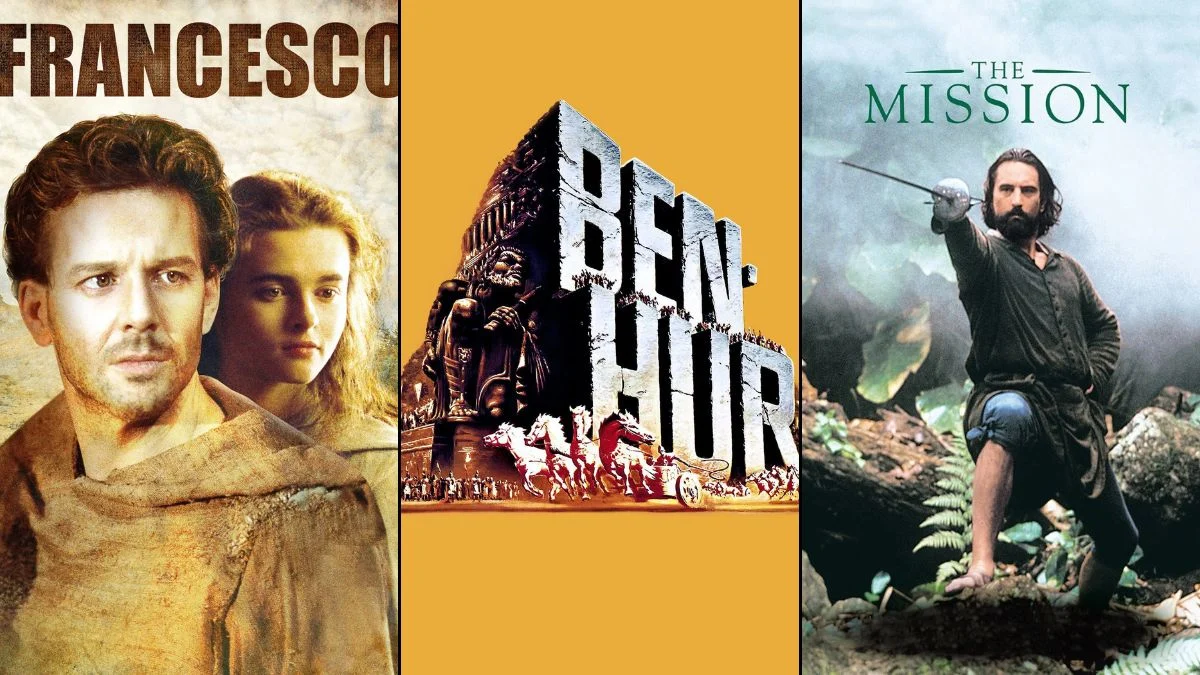

The Vatican assembled a curated list of films that it considers especially significant for culture and conscience. The selections are grouped into three themes called Religion, Values, and Art, which helps show why each title matters from a spiritual, ethical, or aesthetic angle.
The list spans silent cinema through modern classics and crosses languages and countries, reflecting a global view of filmmaking history.
‘Andrei Rublev’ (1966)
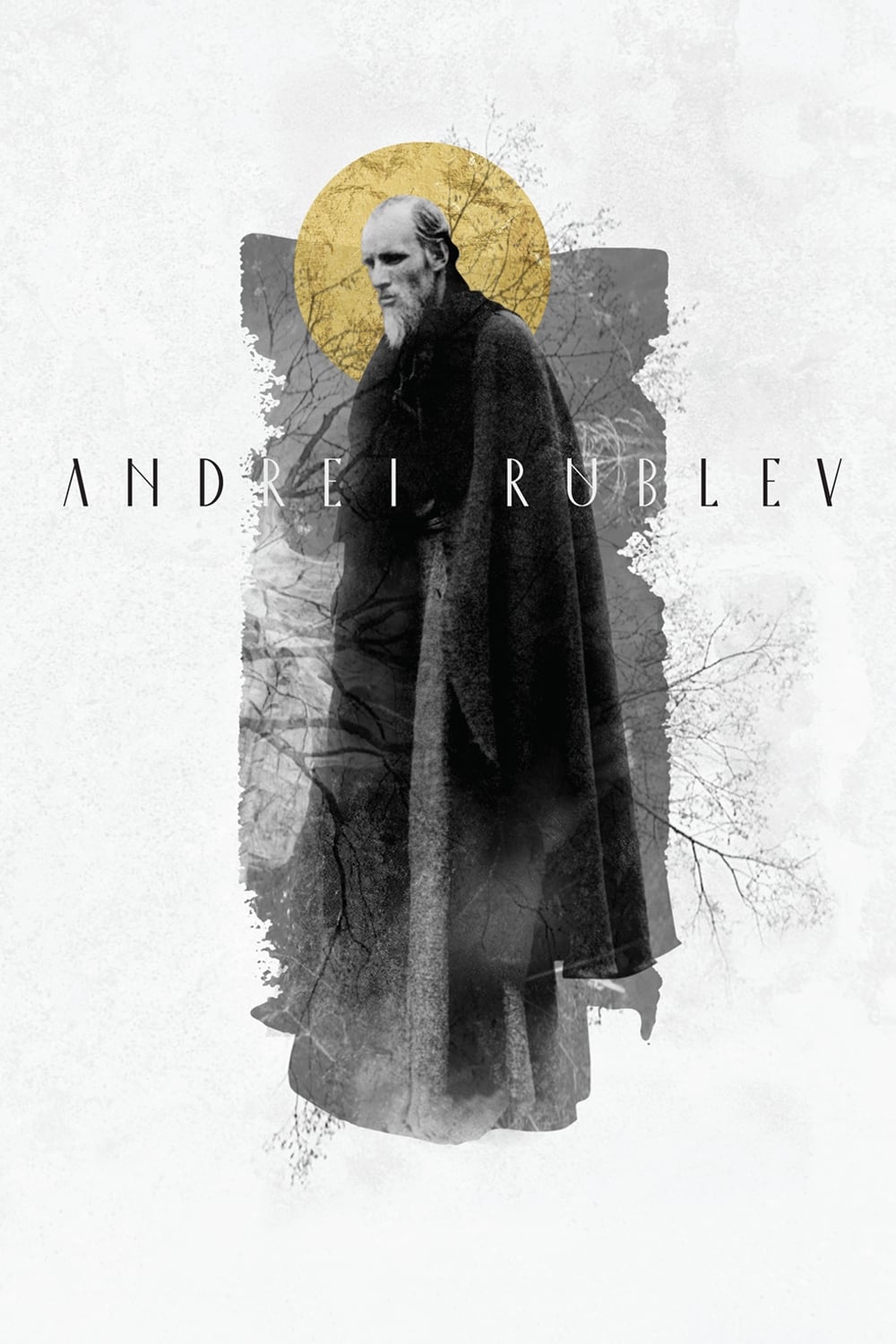
Andrei Tarkovsky follows the life of the medieval icon painter through episodes set in different regions of Russia with location work around Suzdal and Vladimir. The production uses extended takes, nonprofessional performers in several roles, and careful staging of liturgical art making.
The narrative examines monastic life, patronage, and the toll of violence on artists and clergy. Different versions were released due to censorship and later restorations circulated widely on home video and in retrospectives.
‘Babette’s Feast’ (1987)
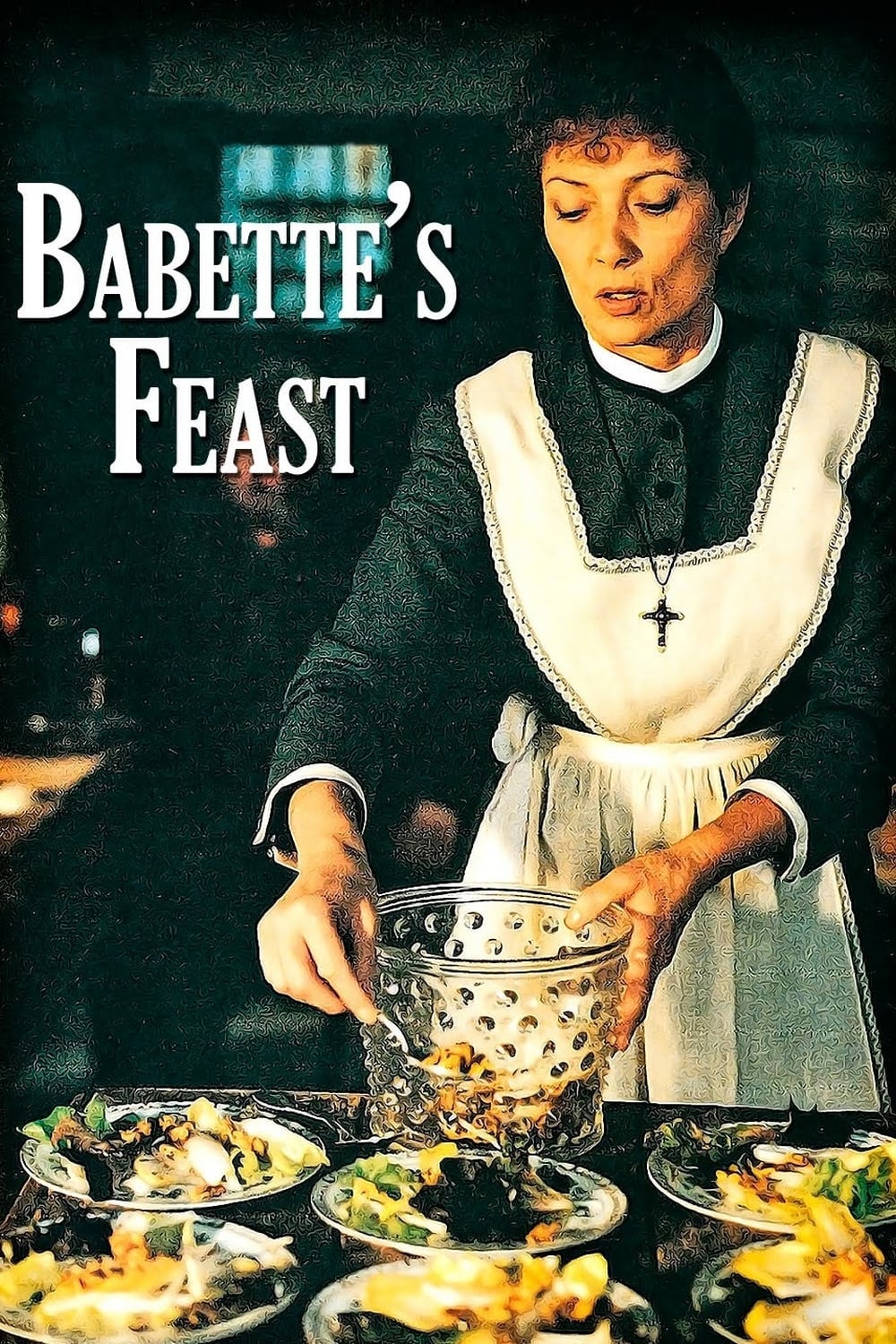
Gabriel Axel adapts Isak Dinesen’s story about a French refugee who becomes a cook for two Danish sisters in a coastal village. The culinary centerpiece was staged with a full kitchen brigade and authentic period tableware to show the labor behind each course.
The film details Protestant piety, charitable hospitality, and the meaning of sacrifice through food and community. It received the Academy Award for Best Foreign Language Film and has been used in faith and culture courses across many countries.
‘Ben-Hur’ (1959)
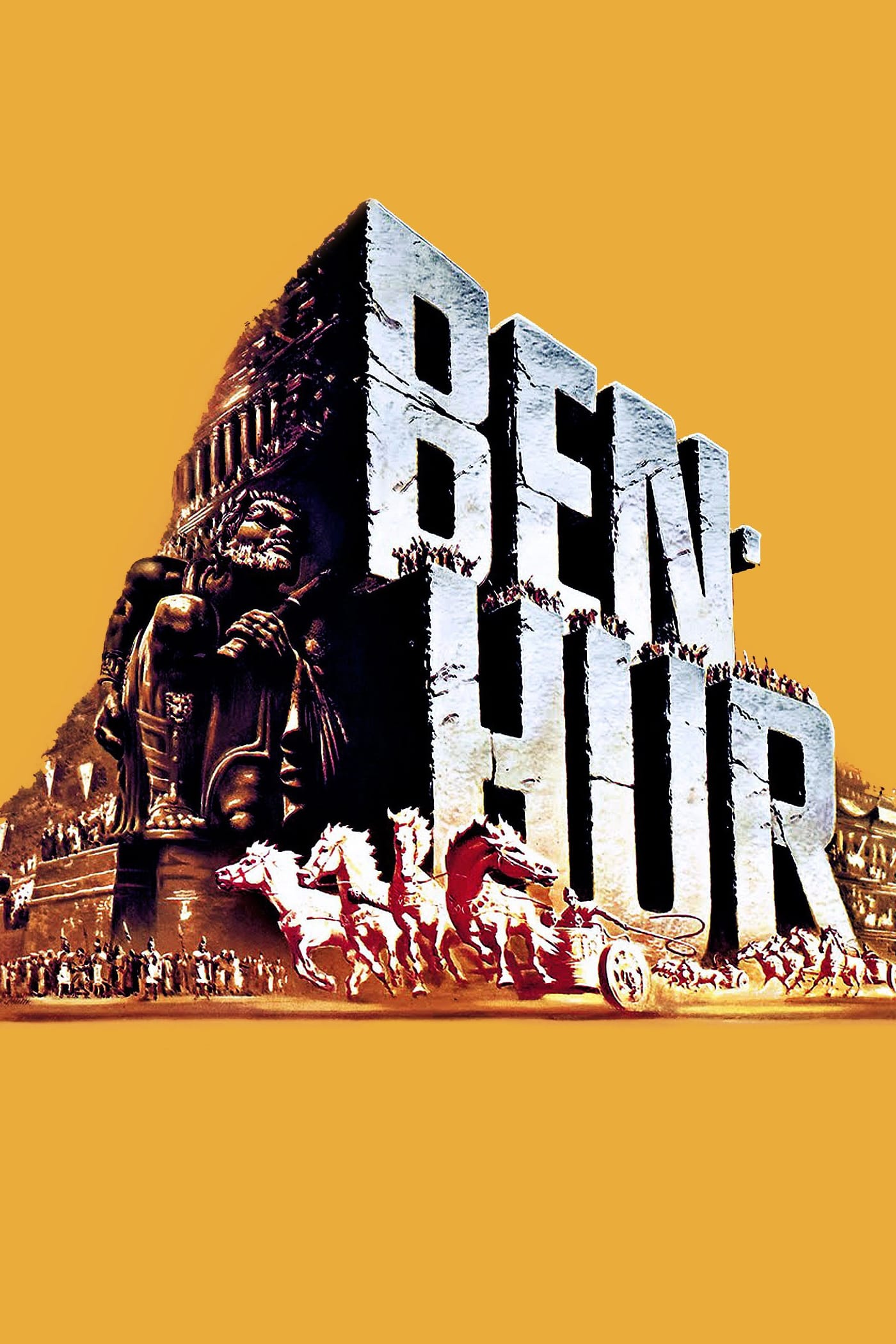
William Wyler’s historical drama was produced on large sets at Cinecittà with thousands of extras and an extensive chariot race engineered with safety rigs and custom camera mounts. Miklós Rózsa composed a symphonic score recorded with a large orchestra.
The story follows Jewish and Roman characters whose lives intersect with events from the Gospels. The film won a record number of Academy Awards and influenced later biblical epics in staging and design.
‘The Flowers of St. Francis’ (1950)
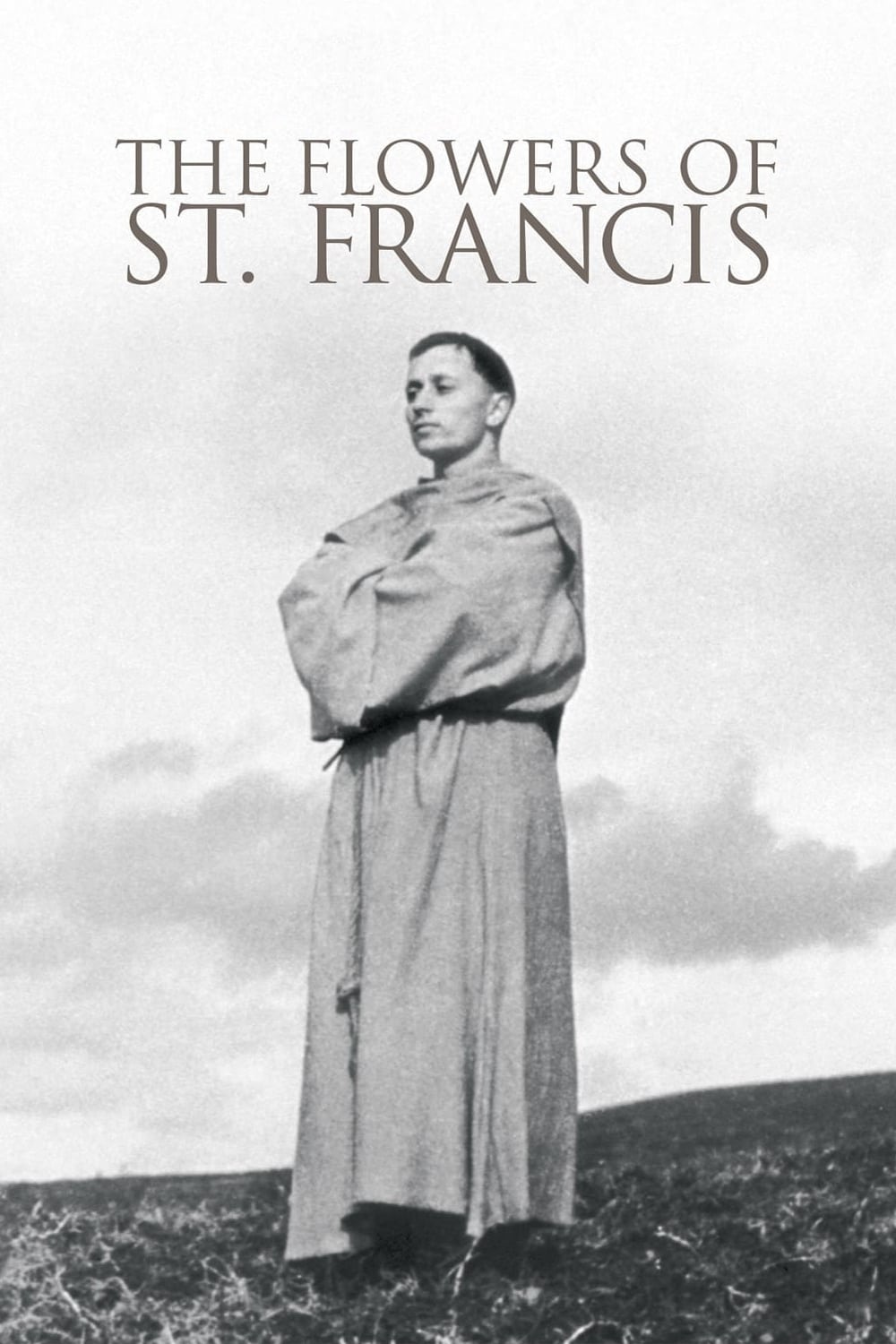
Roberto Rossellini recounts episodes from the life of Francis of Assisi using friars from the Nocera Inferiore monastery as performers. The production favors natural light, simple sets, and rural locations around Lazio and Umbria.
The film presents short parables of humility, manual work, and fraternity. Its approach draws on neorealist methods, and it has been shown in religious education settings for its clear depiction of Franciscan practices.
‘Francesco’ (1989)
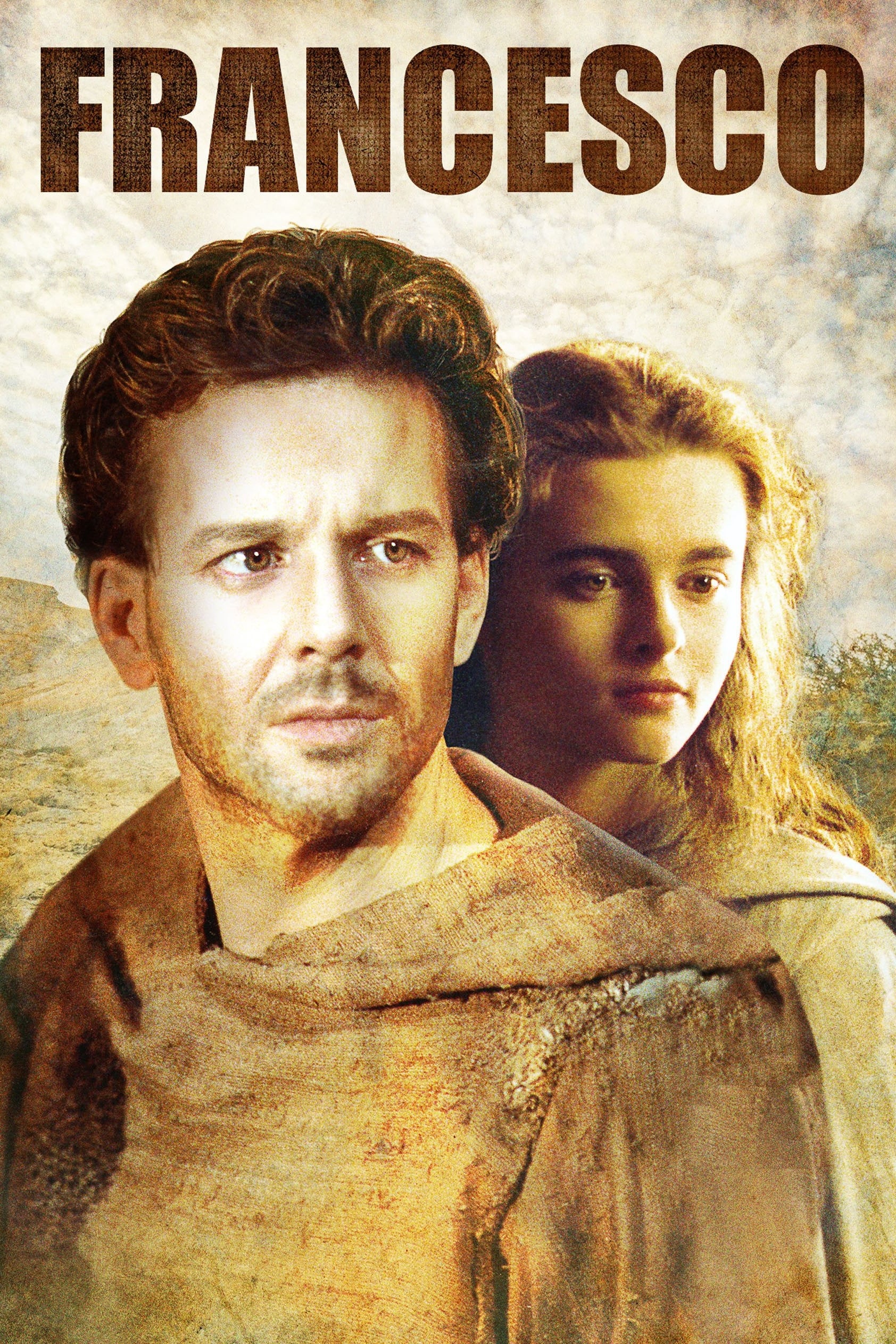
Liliana Cavani portrays the life of Francis of Assisi from youth to leadership of a movement within the church. The film stars Mickey Rourke and Helena Bonham Carter and was shot in Italian locations including Assisi and Viterbo.
It explores vows, poverty, and tensions with ecclesial authorities along with the formation of new communities. Multiple language versions were prepared for international distribution and it screened at major European festivals.
‘The Gospel According to St. Matthew’ (1966)
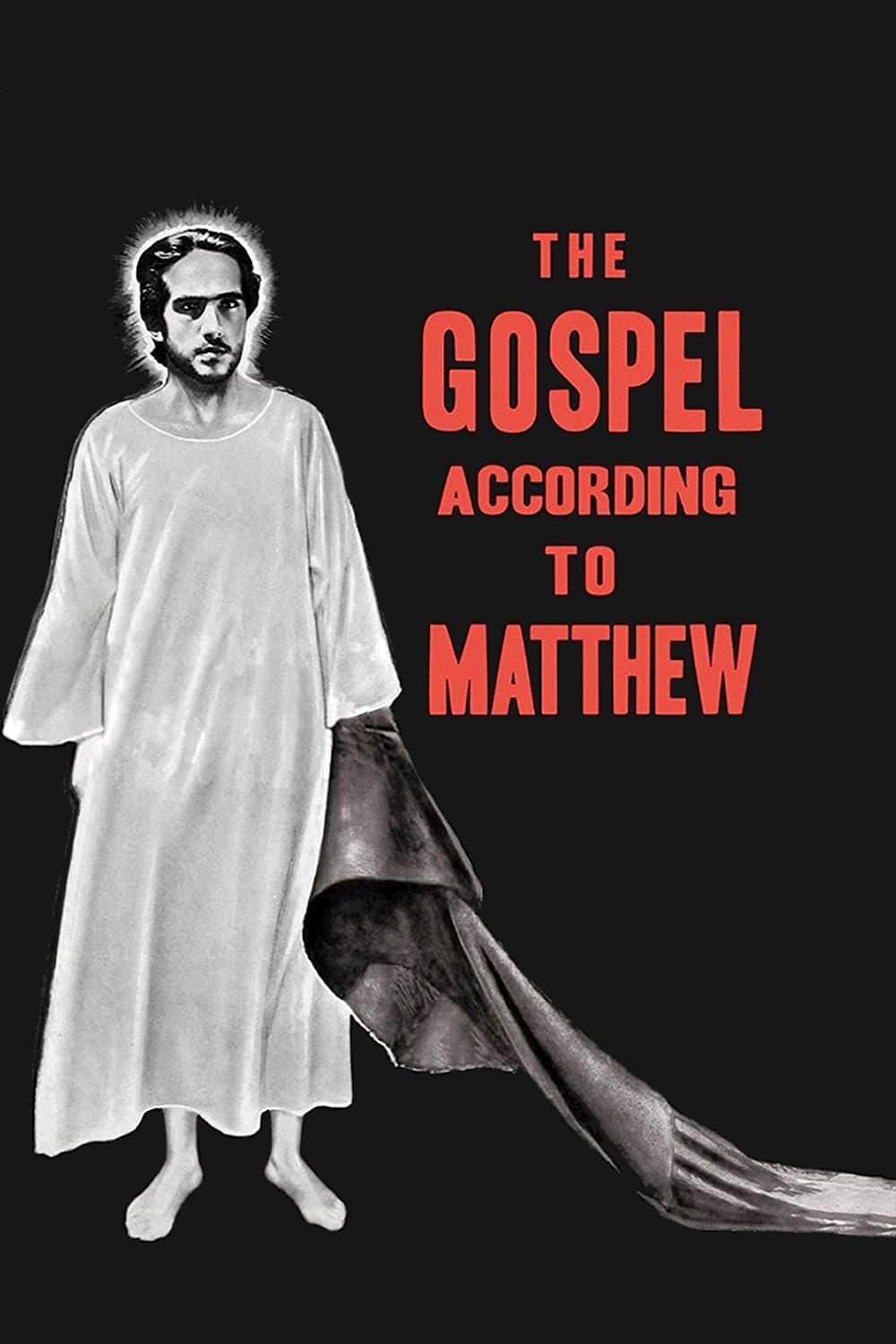
Pier Paolo Pasolini stages the Gospel text with nonprofessional actors, handheld camerawork, and locations in southern Italy that stand in for Judea and Galilee. The soundtrack mixes sacred music and folk elements to reflect the director’s documentary approach.
The film presents the text with minimal additions and subtitles for clarity across languages. It has been screened by seminaries and universities and is frequently discussed for its blend of scripture, realism, and visual austerity.
‘La Passion de Notre Seigneur Jesus-Christ (1903)
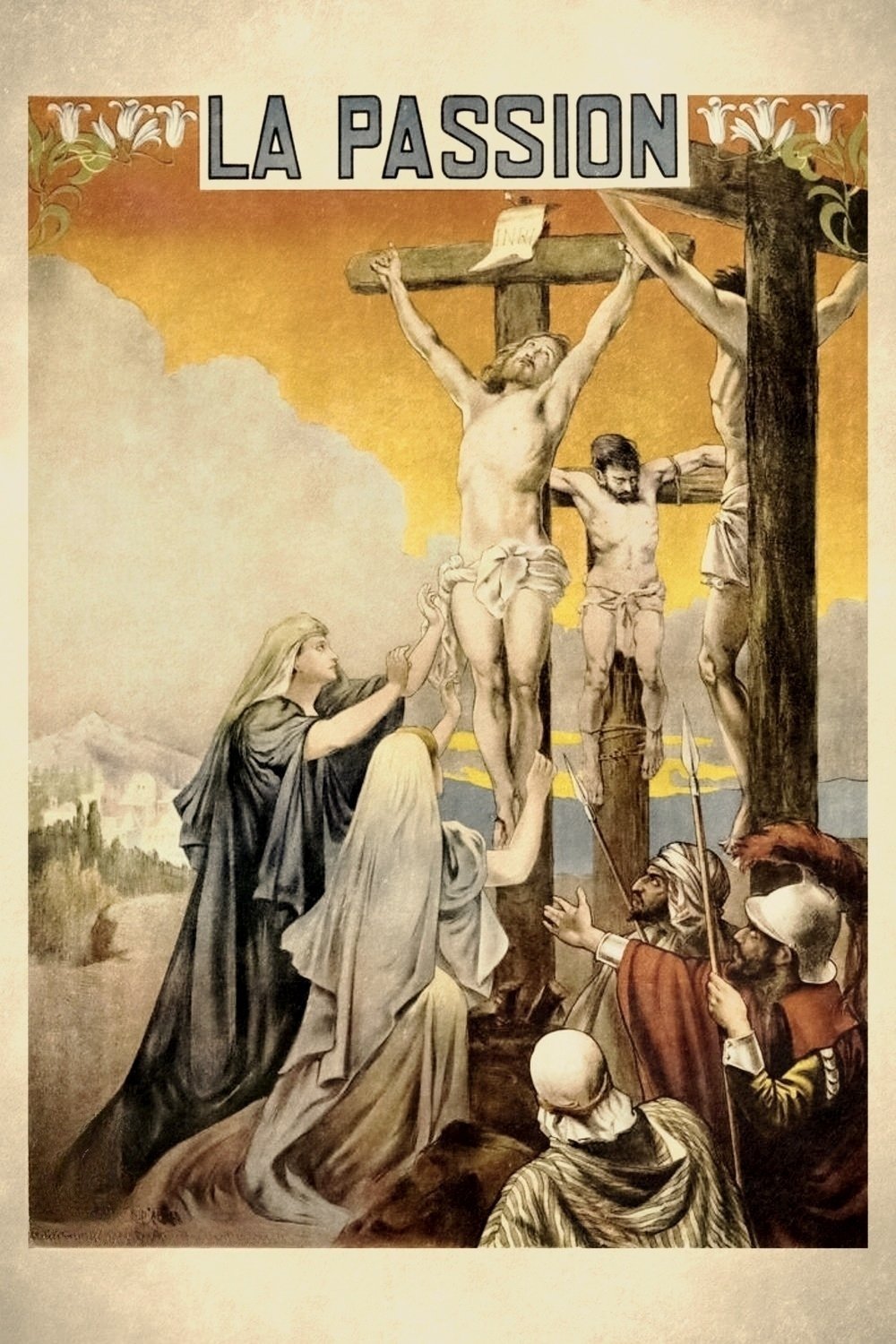
This early Pathé production dramatizes the Passion with elaborate painted sets and hand stenciled color. Direction and staging are credited to Ferdinand Zecca and Lucien Nonguet and the film circulated widely in traveling exhibitions.
It shows key episodes from the Gospels in a sequence of tableaux. Surviving prints appear in archives and restorations, offering evidence of early color processes and devotional cinema practices.
‘A Man for All Seasons’ (1966)

Fred Zinnemann adapts Robert Bolt’s play about Thomas More and the English court with Paul Scofield in the lead. Interiors were filmed at Shepperton with exteriors at historic sites, and the production features period costumes by Elizabeth Haffenden.
The drama centers on conscience, sworn oaths, and legal procedure. It earned multiple Academy Awards including Best Picture and has been used in courses on law, ethics, and church history.
‘The Mission’ (1986)
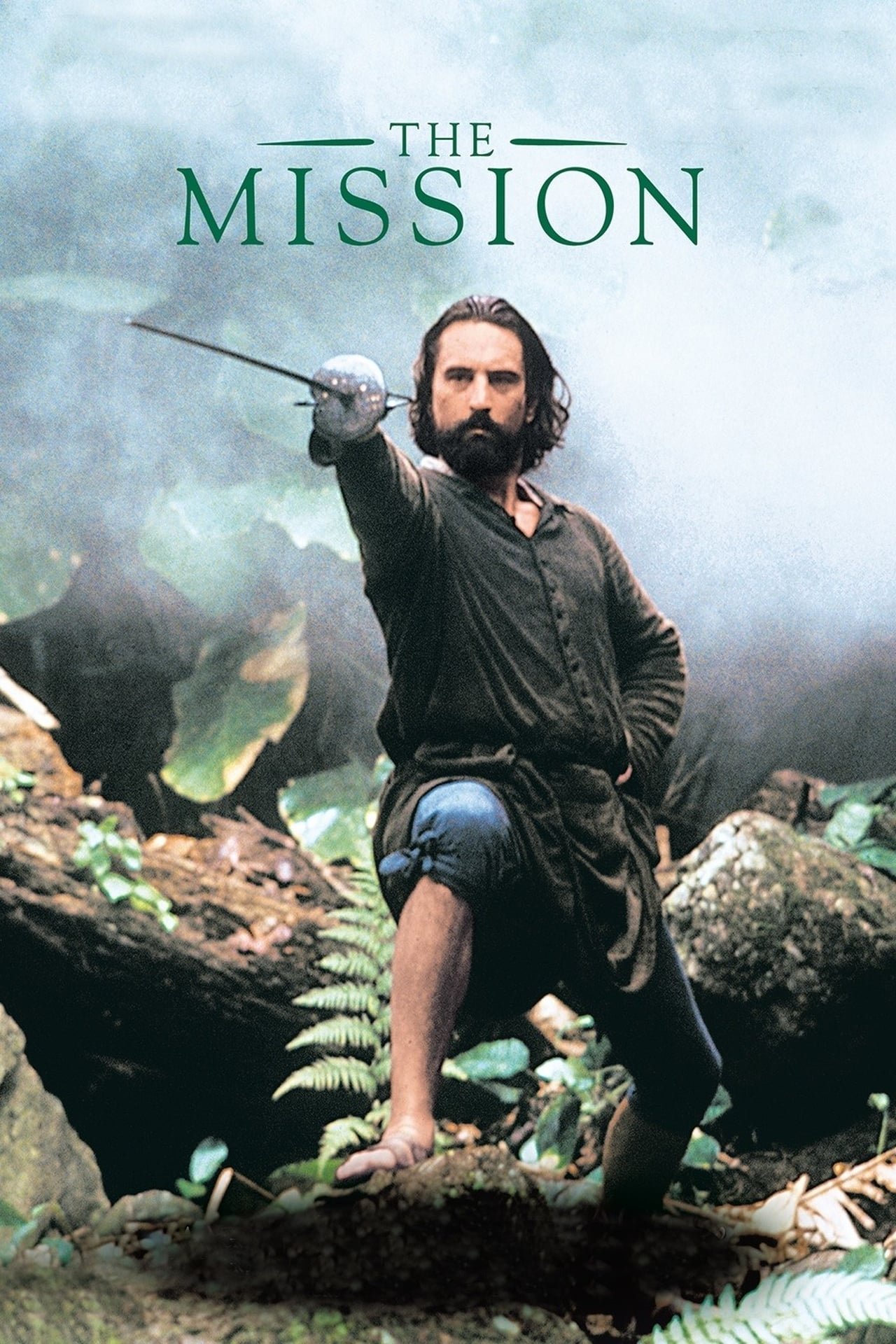
Roland Joffé tells the story of Jesuit missionaries and Guaraní communities in South America with location photography in the Iguazú region. Ennio Morricone’s score combines choral writing and indigenous instruments, recorded with large ensembles.
The film depicts debates over colonial policy, evangelization, and indigenous rights. It won the top prize at Cannes and has been discussed in human rights and theology programs.
‘Monsieur Vincent’ (1947)
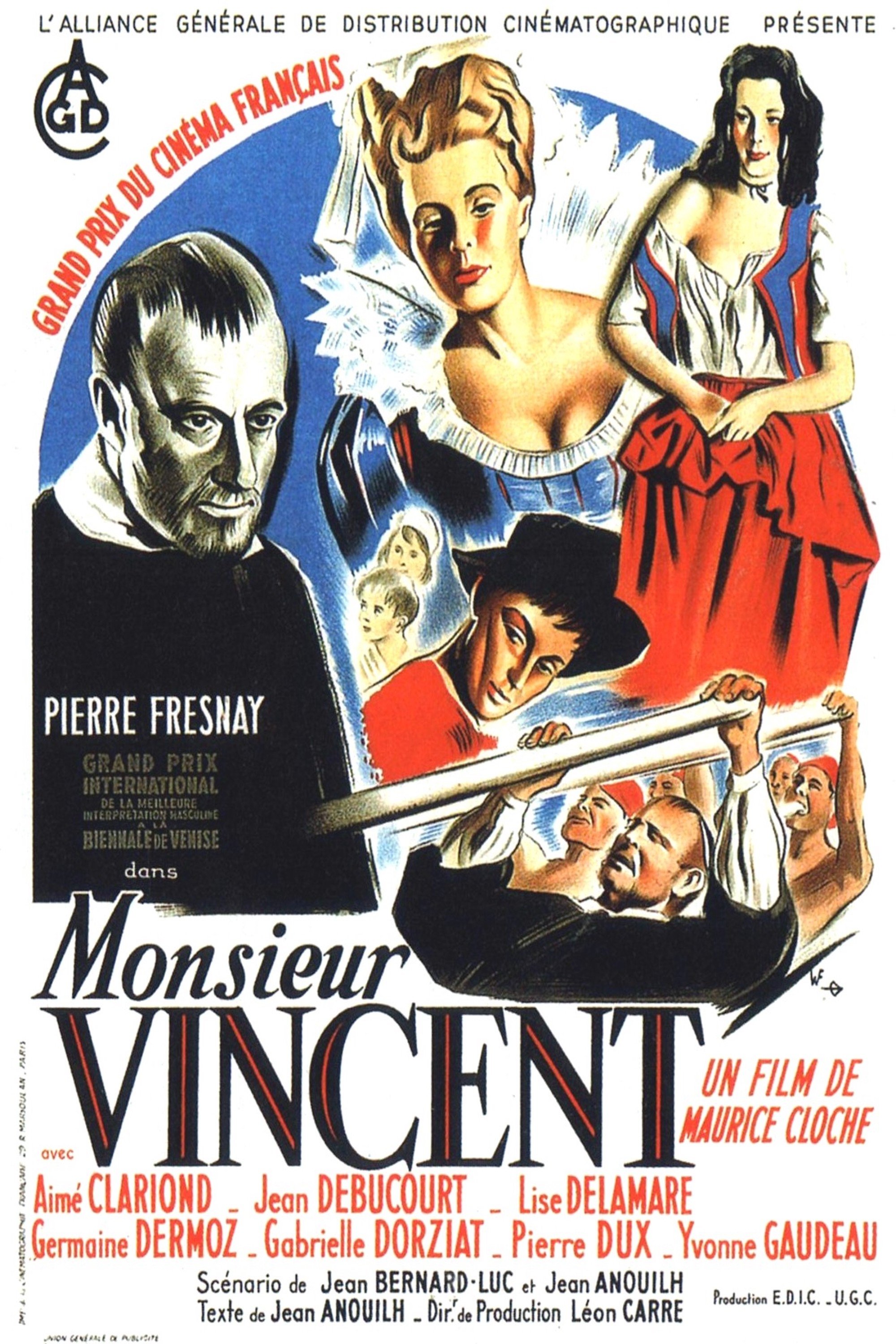
Maurice Cloche’s biographical film follows Vincent de Paul as he organizes charitable work in seventeenth century France. Pierre Fresnay plays the title role and the production relies on studio sets and location inserts for Parisian streets.
It documents the formation of the Daughters of Charity and the outreach to the poor and sick. The film received recognition from French institutions and remains a reference in portrayals of Catholic social action.
‘Nazarin’ (1958)

Luis Buñuel adapts Benito Pérez Galdós’s novel about a priest who lives among the poor in Mexico. The production uses Spanish and Mexican crews and a restrained visual style that follows the protagonist through rural roads and small towns.
The narrative examines charity, scandal, and the limits of personal ideals when confronted with social disorder. It won a prize at Cannes and appears in retrospectives of the director’s work from both Spain and Mexico.
‘Ordet’ (1955)
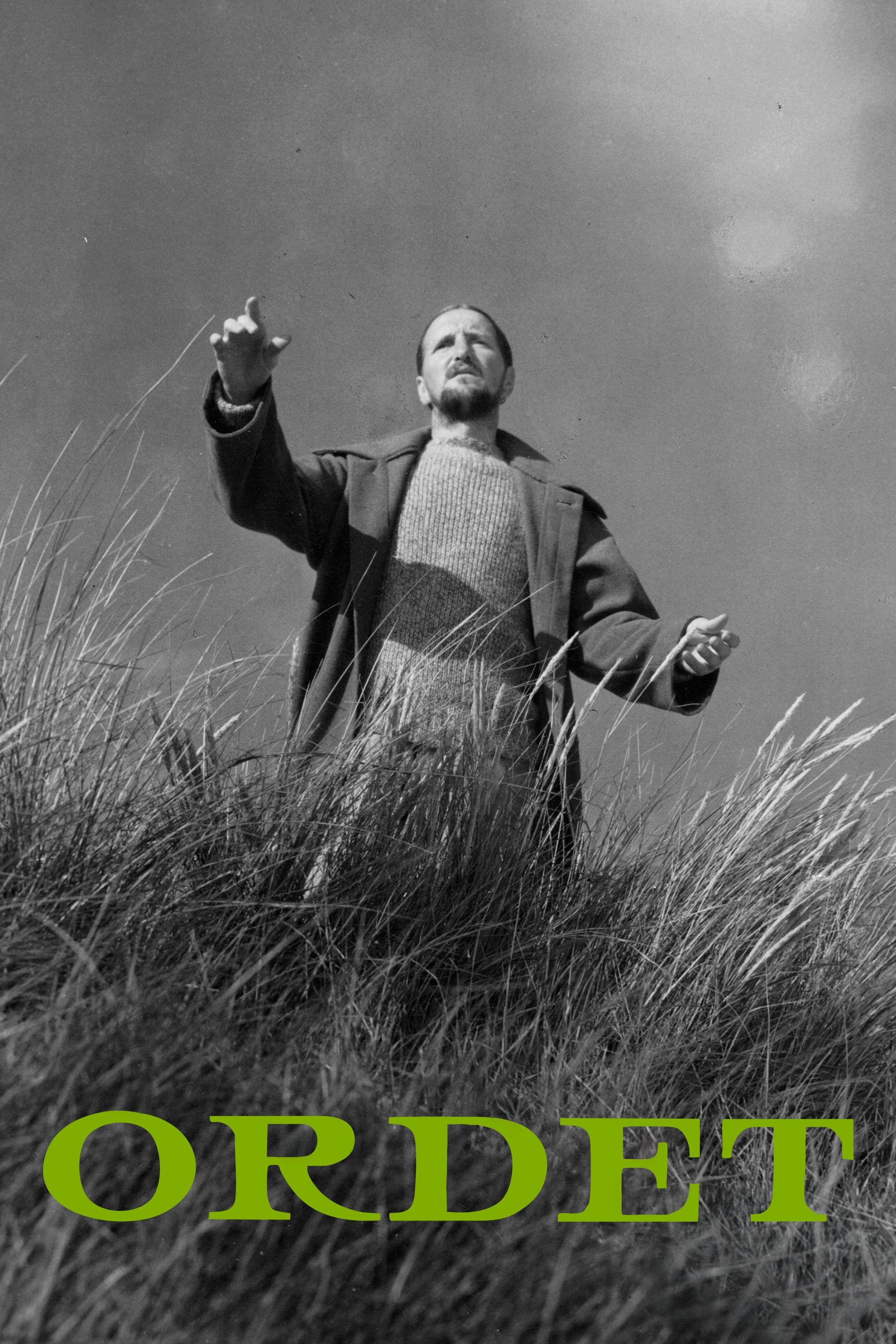
Carl Theodor Dreyer adapts a play by Kaj Munk with long takes and careful blocking in farmhouse interiors. The cast includes Henrik Malberg and Preben Lerdorff Rye and the cinematography by Henning Bendtsen favors soft light and measured camera movement.
The film addresses faith, illness, and prayer within a family. It received the top prize at Venice and is frequently studied for performance style and theological themes.
‘The Passion of Joan of Arc’ (1928)
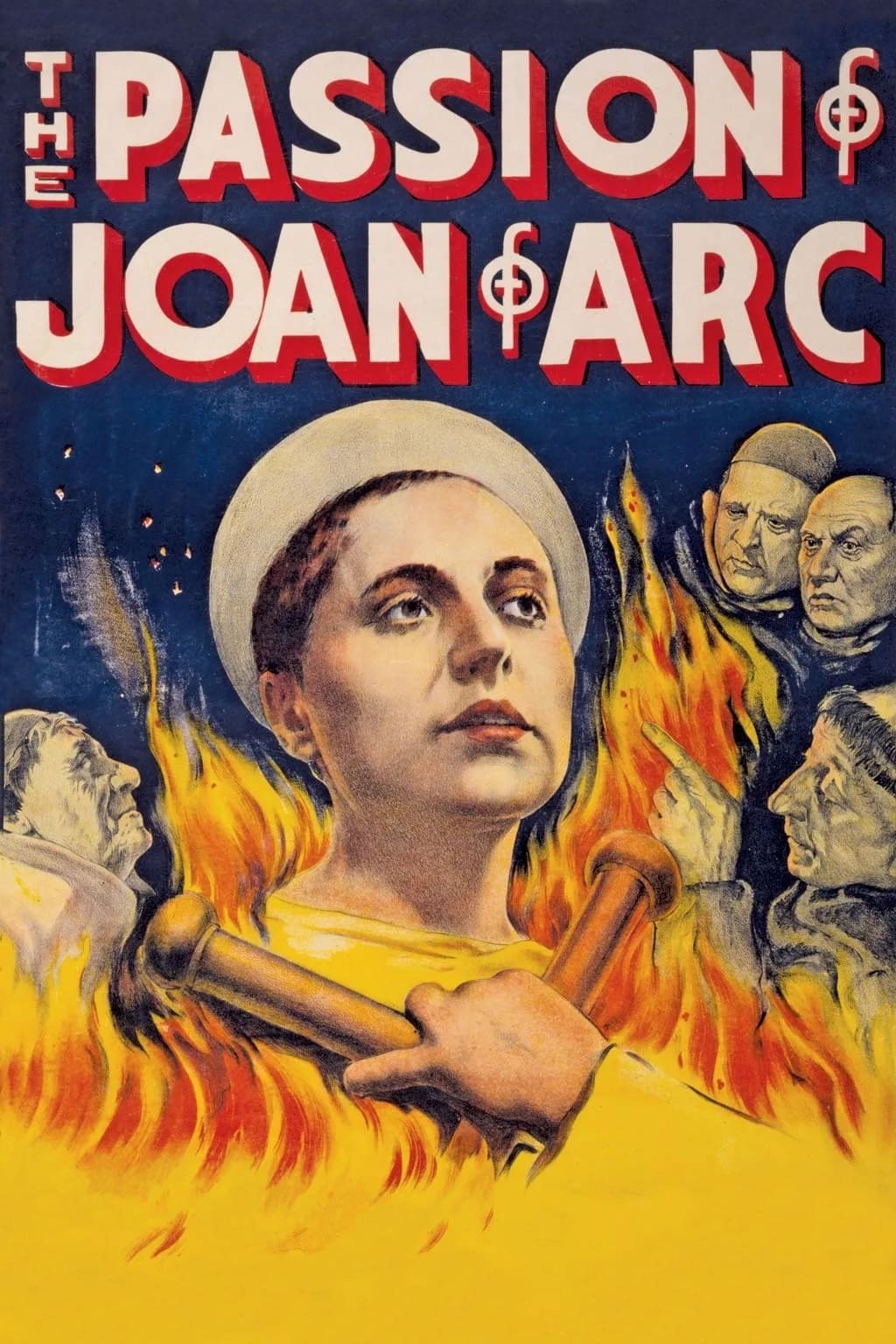
Carl Theodor Dreyer reconstructs trial records with close framing and minimal sets. Renée Jeanne Falconetti’s performance is filmed with natural light and a mix of intertitles and expressive makeup.
Archival history shows multiple cuts and rediscovery of a print in a Norwegian facility that enabled later restorations. The film is used in courses on silent cinema, acting, and medieval history.
‘The Sacrifice’ (1986)

Andrei Tarkovsky shot the film in Sweden with cinematographer Sven Nykvist, using long takes and a coastal location on the island of Gotland. The production includes a single take house fire executed with special effects and a rebuilt set.
It explores promises, prayer, and family bonds under the shadow of global conflict. The film won prizes at Cannes and is included in studies of late style in European cinema.
‘Thérèse’ (1986)
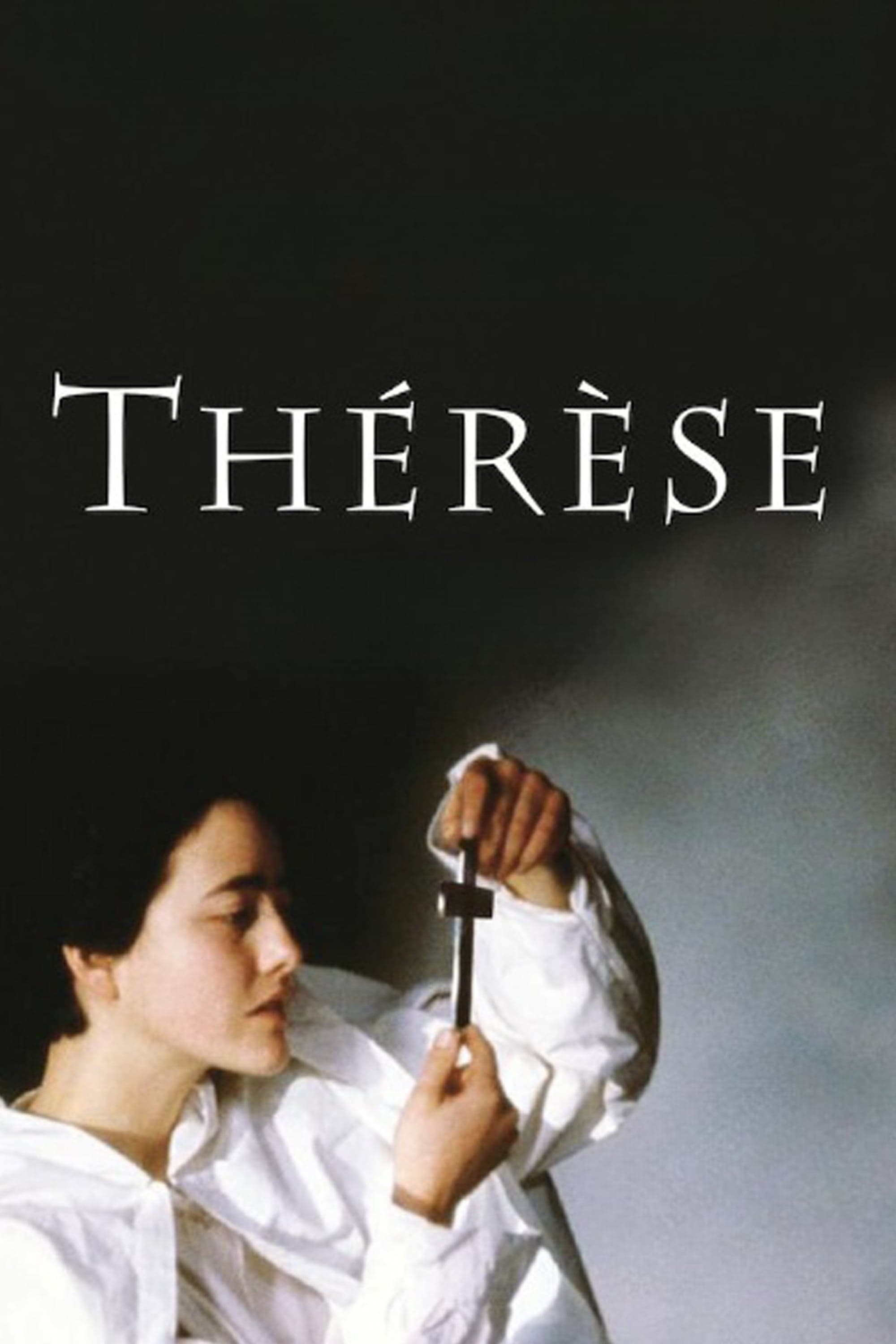
Alain Cavalier presents the life of Thérèse of Lisieux on minimalist sets with careful use of light and close framing. The film focuses on small objects, written lines, and convent routines performed by a young cast.
It concentrates on prayer, illness, and community life within Carmel. The film received awards in France and has been screened by religious communities for discussion of contemplative practice.
‘Au Revoir les Enfants’ (1988)
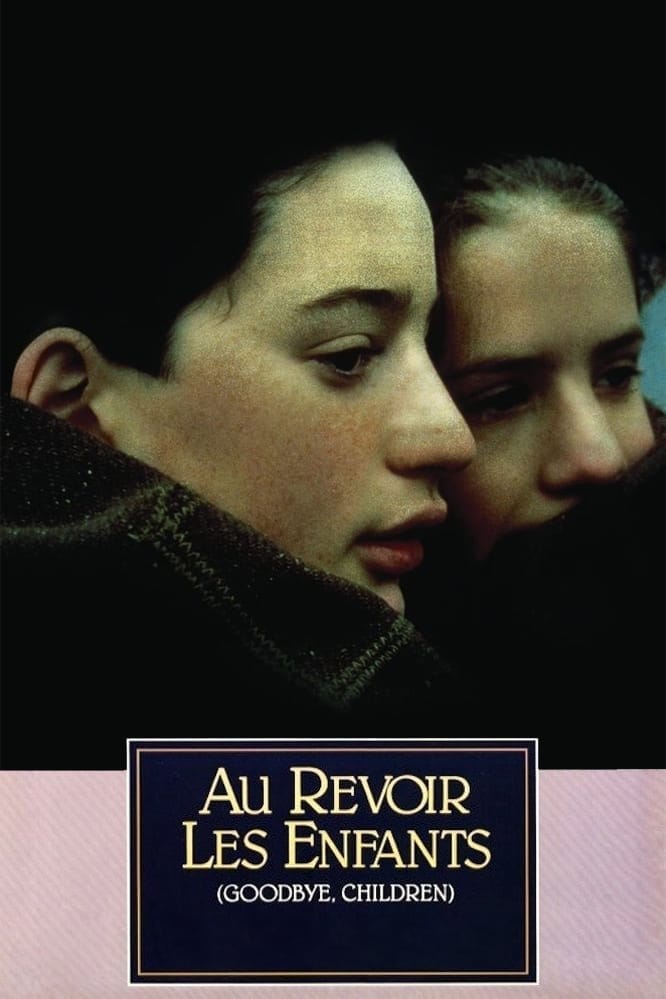
Louis Malle draws on personal experience at a boarding school in occupied France. The production filmed at a real lycée and uses child actors alongside seasoned performers for faculty roles.
The story documents hidden identities, classroom rituals, and the reach of wartime authority. It won top honors at French ceremonies and a major prize at Venice and is widely taught in history and film programs.
‘Bicycle Thieves’ (1949)
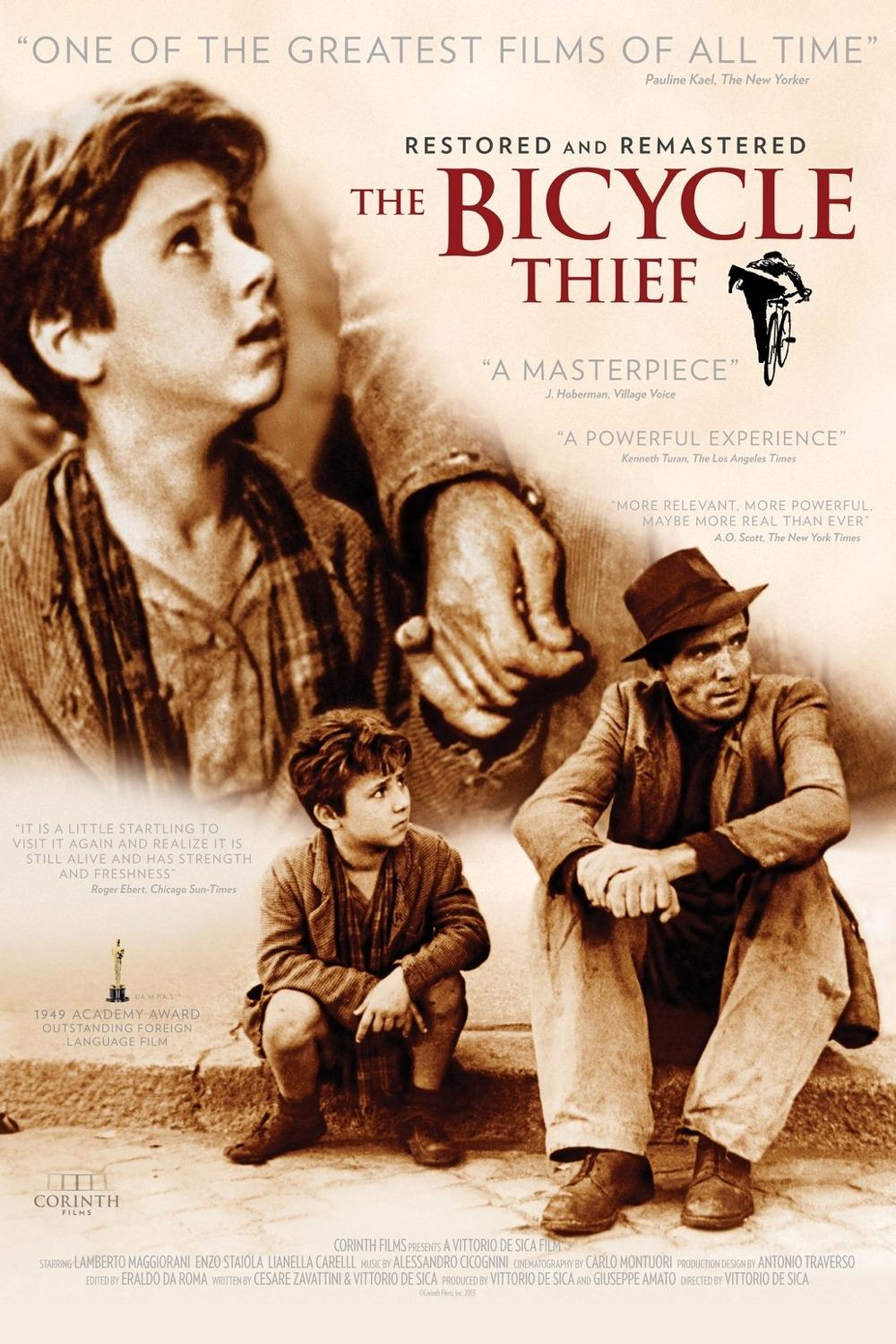
Vittorio De Sica shot on Rome streets with many nonprofessional actors and natural light. The camera follows a father and son through markets, pawn shops, and working class neighborhoods.
The film records postwar labor conditions, family economies, and civic institutions such as police stations and unions. It influenced international neorealist movements and appears on numerous academic syllabi.
‘The Burmese Harp’ (1956)
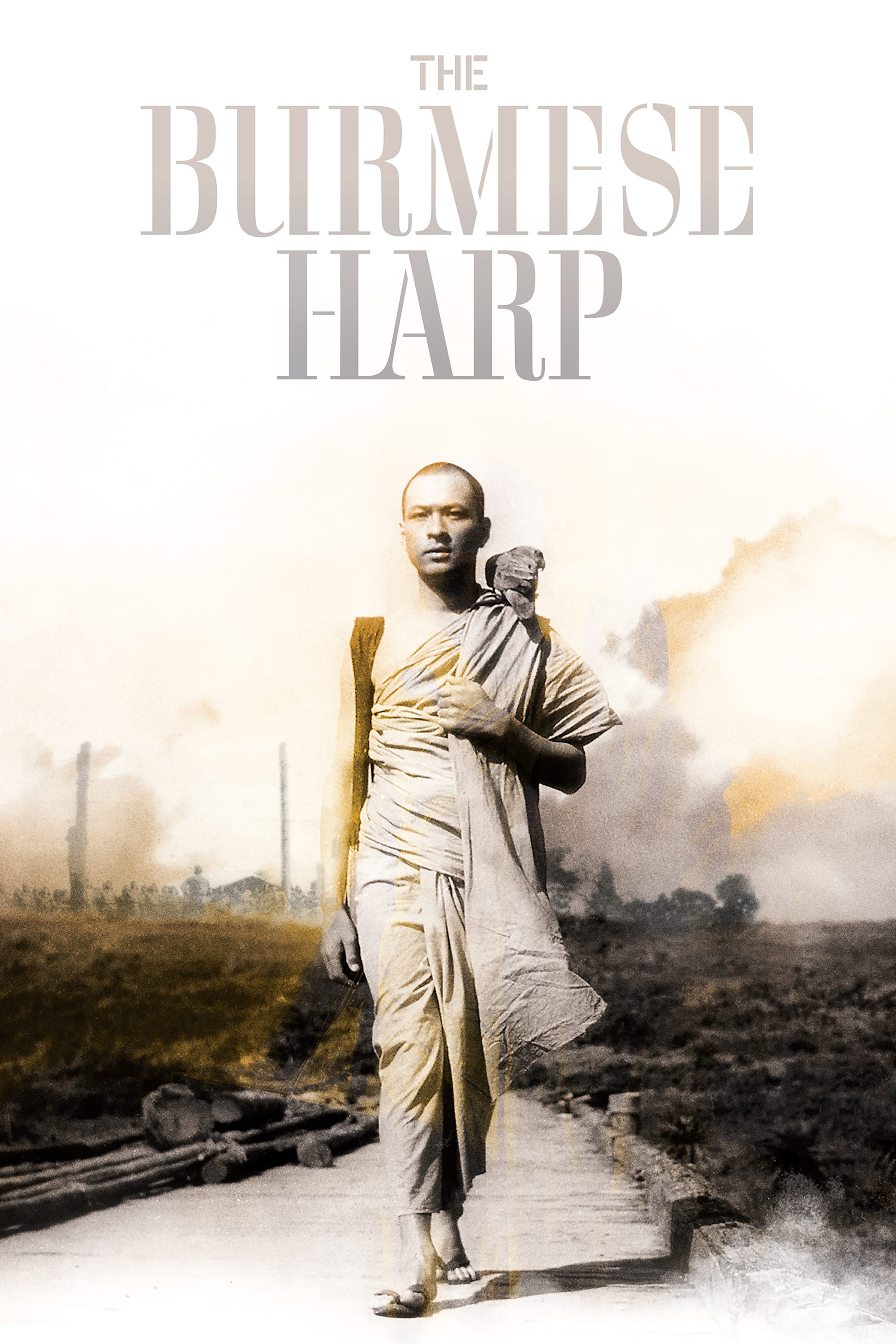
Kon Ichikawa adapts a Japanese novel about a soldier who learns the harp and travels across Burma. The film was shot on location and in studios with attention to musical coaching and local geography.
It examines ritual, memory, and the aftermath of conflict through music and pilgrimage. The film received recognition at Venice and helped start broader circulation of the director’s work outside Japan.
‘Chariots of Fire’ (1981)
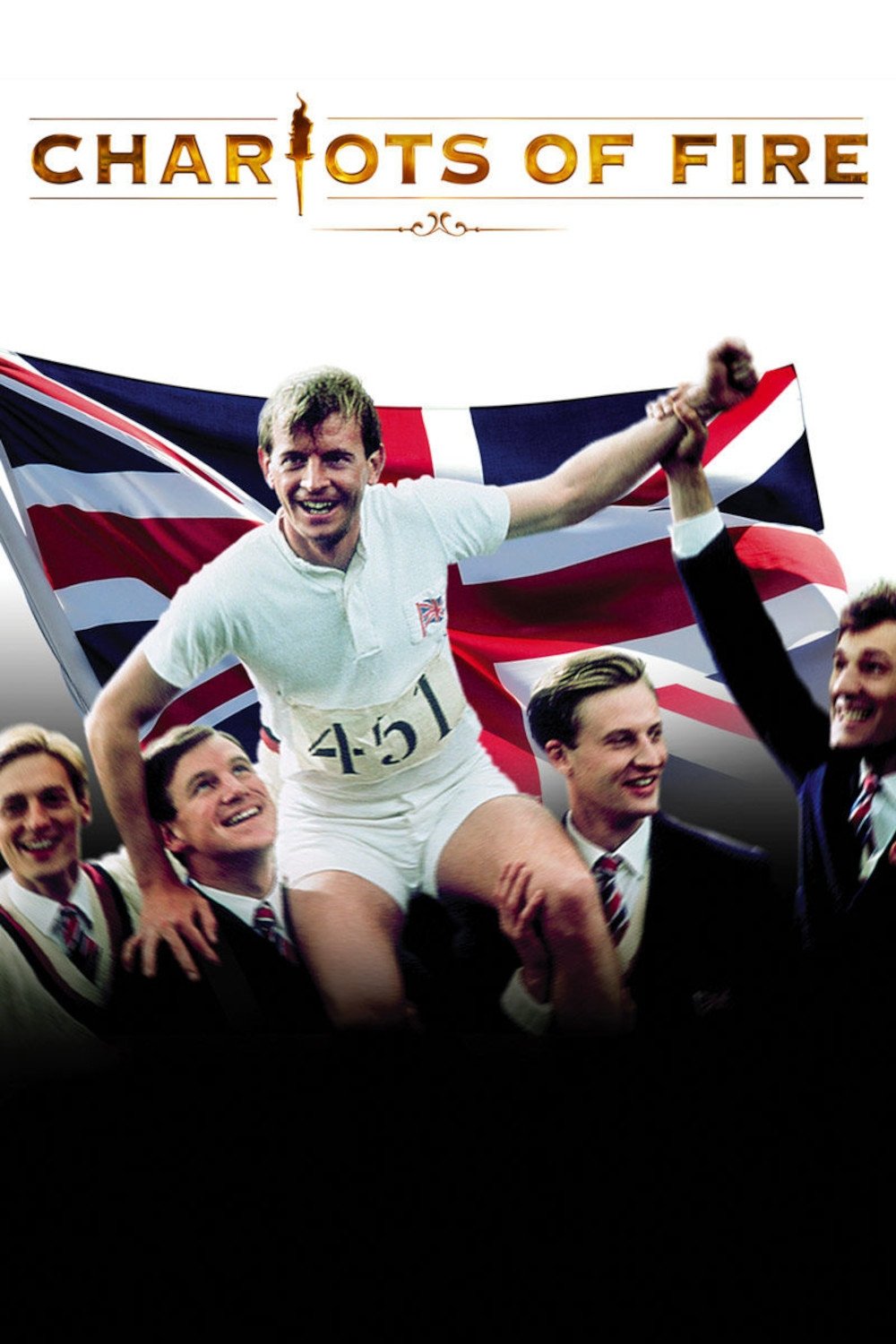
Hugh Hudson’s drama follows British athletes preparing for international competition with training scenes staged on university grounds and coastal beaches. Vangelis composed an electronic score recorded with multitrack techniques.
Production design recreates academic, social, and sporting settings with period uniforms and equipment. The film won Best Picture at the Academy Awards and remains part of sports and music studies for its distinctive themes.
‘Dekalog’ (1988)

Krzysztof Kieślowski created ten hour long episodes for Polish television with different casts and cinematographers. All stories are set in a Warsaw housing complex with recurring locations and minor character links.
The project examines moral choices in everyday life through contemporary situations. Two segments were expanded into theatrical versions and the complete series has been restored and released on disc and streaming platforms.
‘Dersu Uzala’ (1975)
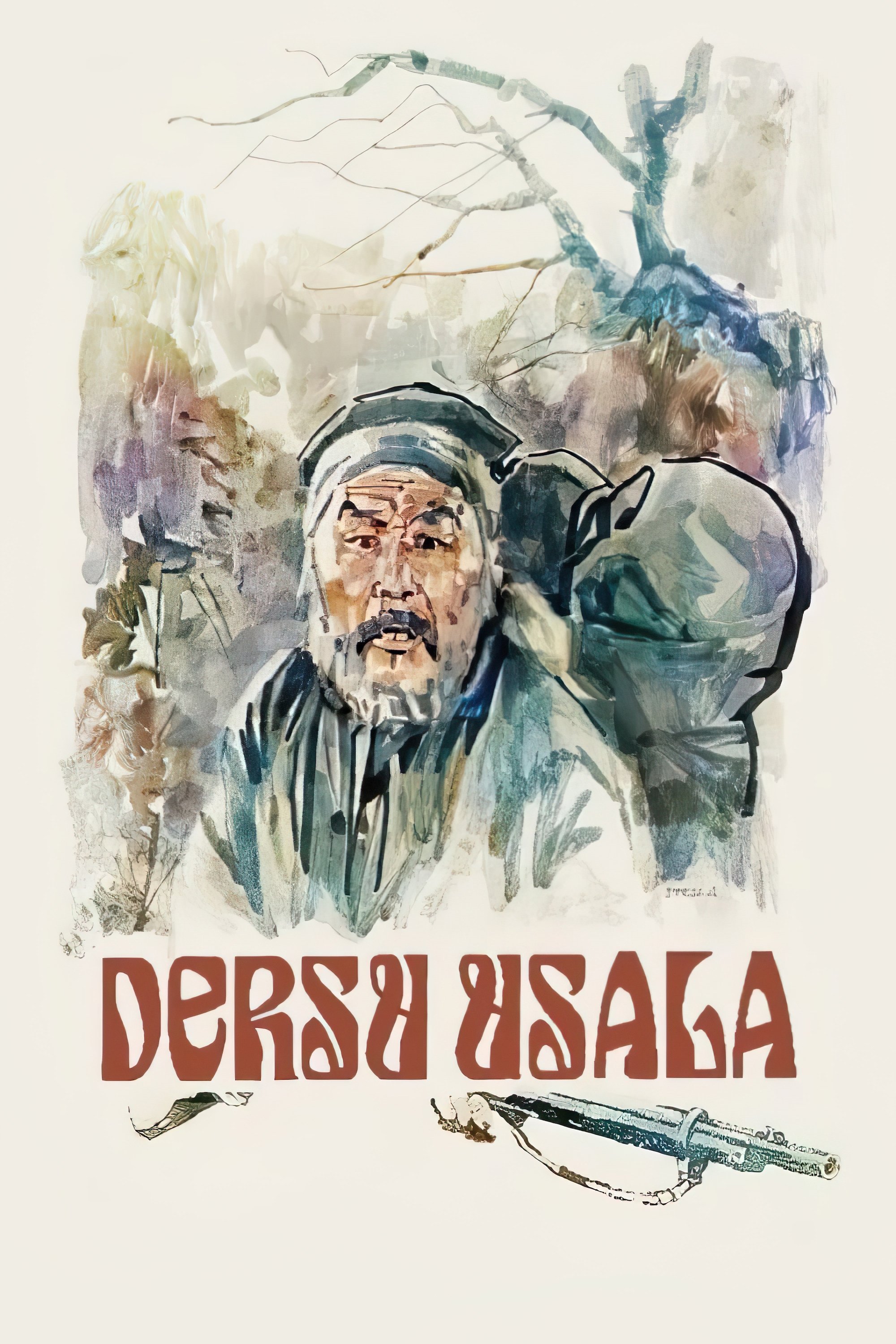
Akira Kurosawa filmed a Russian language adventure in cooperation with Mosfilm, using Siberian locations across multiple seasons. The production team documented taiga weather and wildlife with long telephoto shots and careful sound recording.
The story follows an explorer and a hunter whose friendship develops through travel and survival skills. It won the Academy Award for Best Foreign Language Film and renewed the director’s international profile.
‘Gandhi’ (1982)
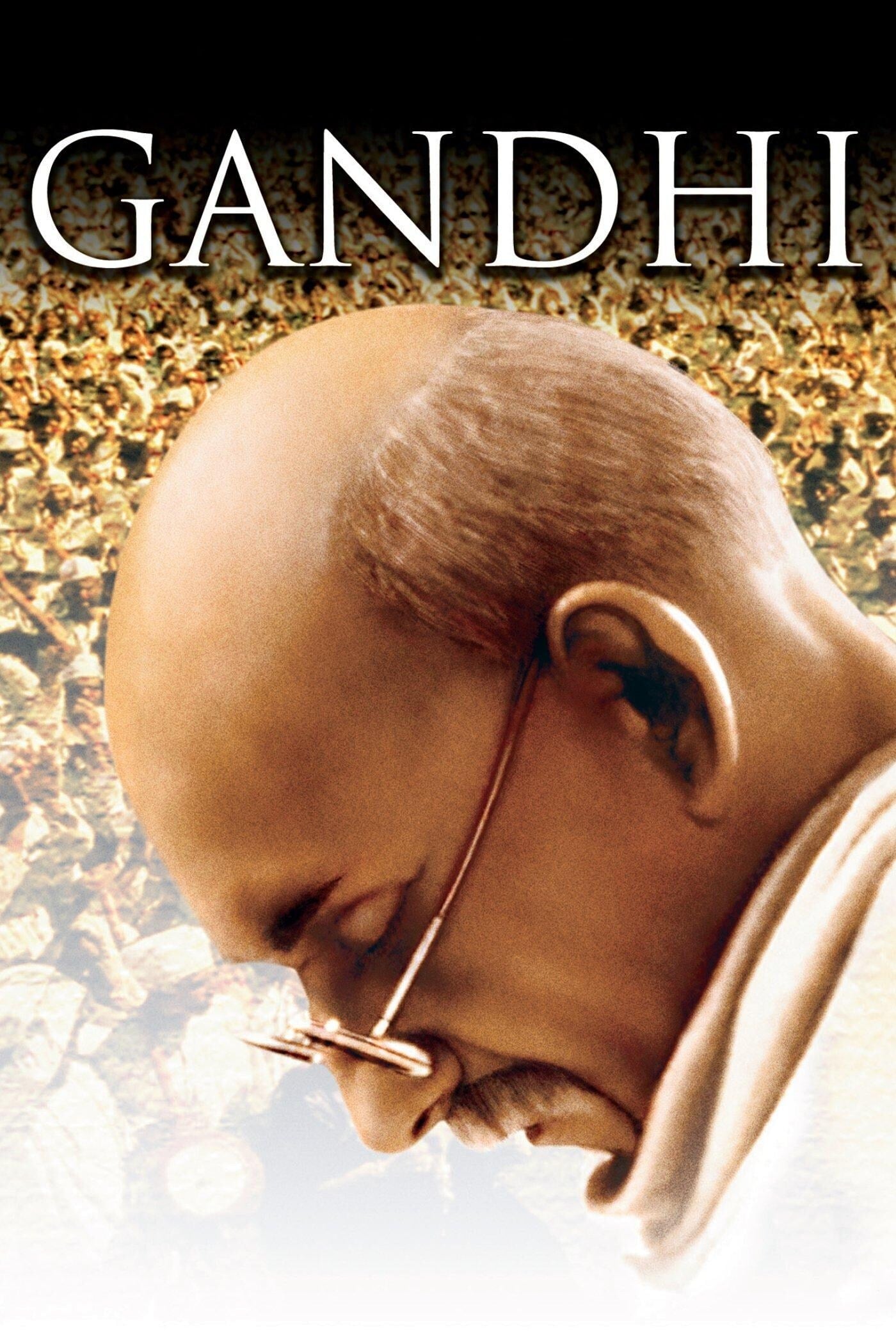
Richard Attenborough staged large scale crowd scenes in India with thousands of extras and logistical support from local authorities. Ben Kingsley prepared for the role with language coaching and extended location shooting.
The film covers political organizing, nonviolent strategy, and negotiations with colonial and national leaders. It received multiple Academy Awards including Best Picture and was distributed worldwide in several language versions.
‘Intolerance: Love’s Struggle Throughout the Ages’ (1916)
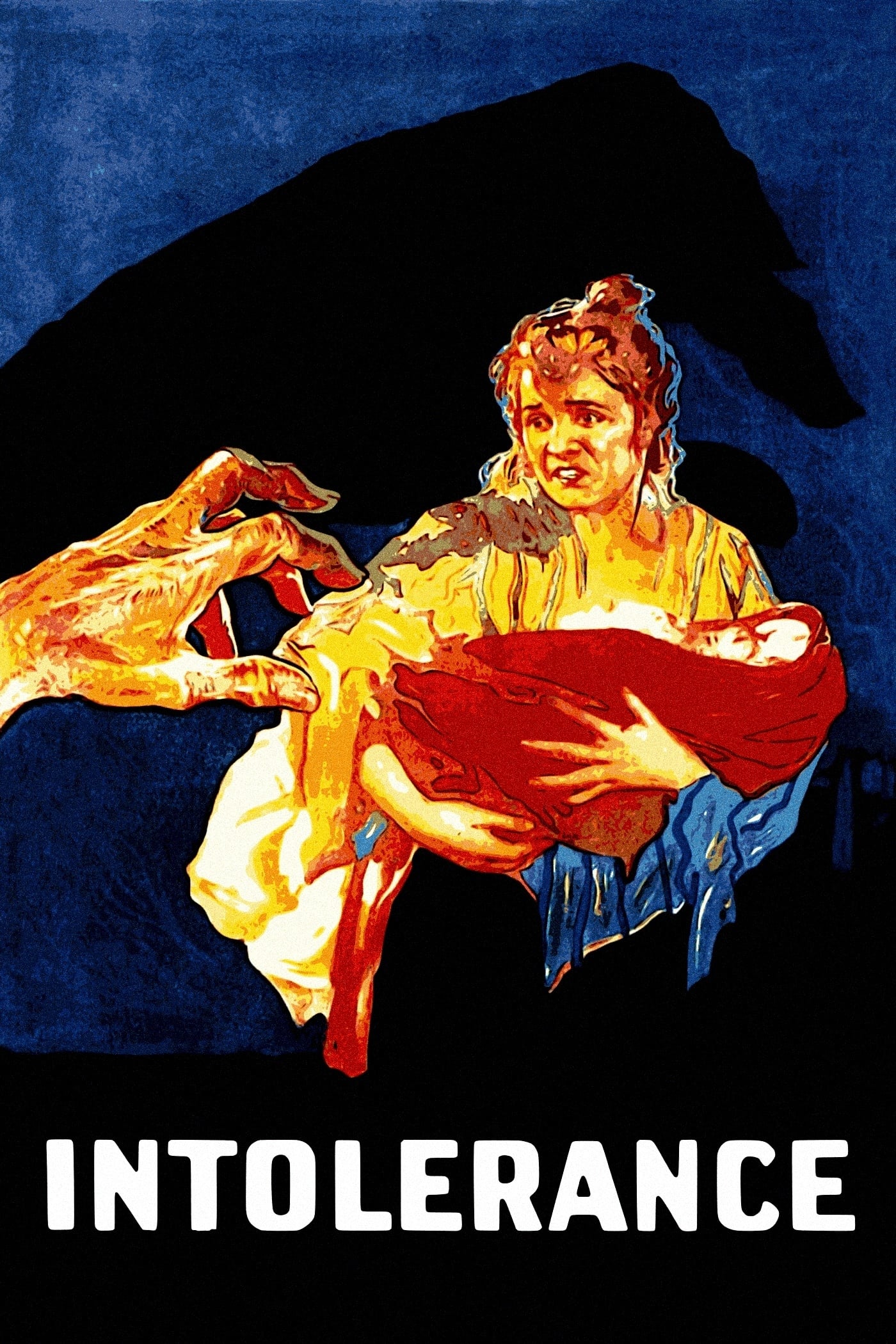
D. W. Griffith intercuts four stories from different eras with massive sets and suspended camera rigs. The production built the Babylon sequence on a scale that influenced later epics and developed new editing rhythms.
It addresses persecution and social conflict through parallel action. Surviving prints show variant edits and music, and restorations have included tinting and orchestral scores for modern screenings.
‘It’s a Wonderful Life’ (1946)
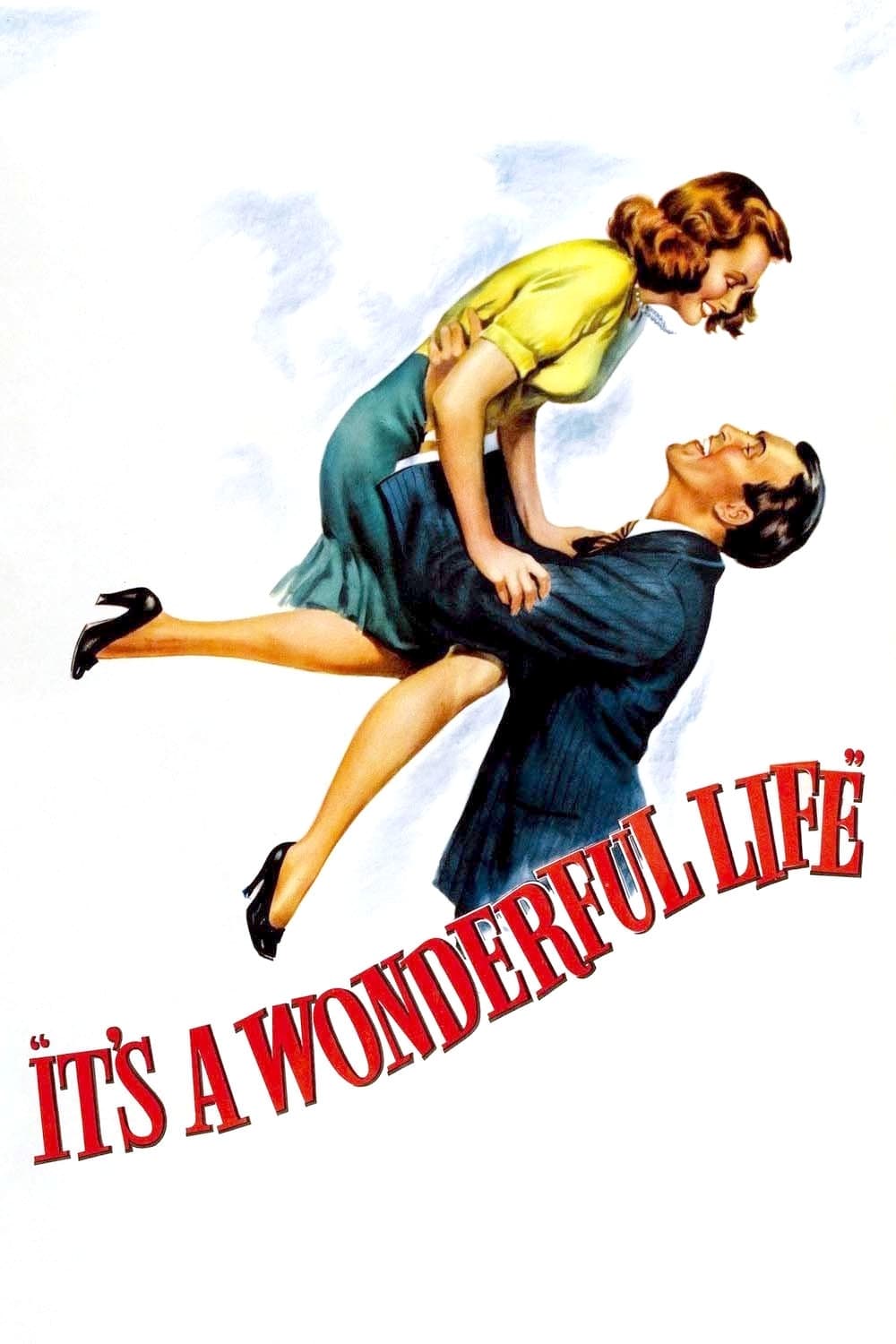
Frank Capra produced the film at RKO and shot winter scenes using a new snow mixture that allowed quiet recording of dialogue. James Stewart and Donna Reed lead an ensemble that portrays small town institutions and businesses.
The story examines mutual aid, banking practices, and community networks through one family’s crisis. Television broadcasts and public domain issues later expanded its audience and home video releases have included restorations.
‘On the Waterfront’ (1954)
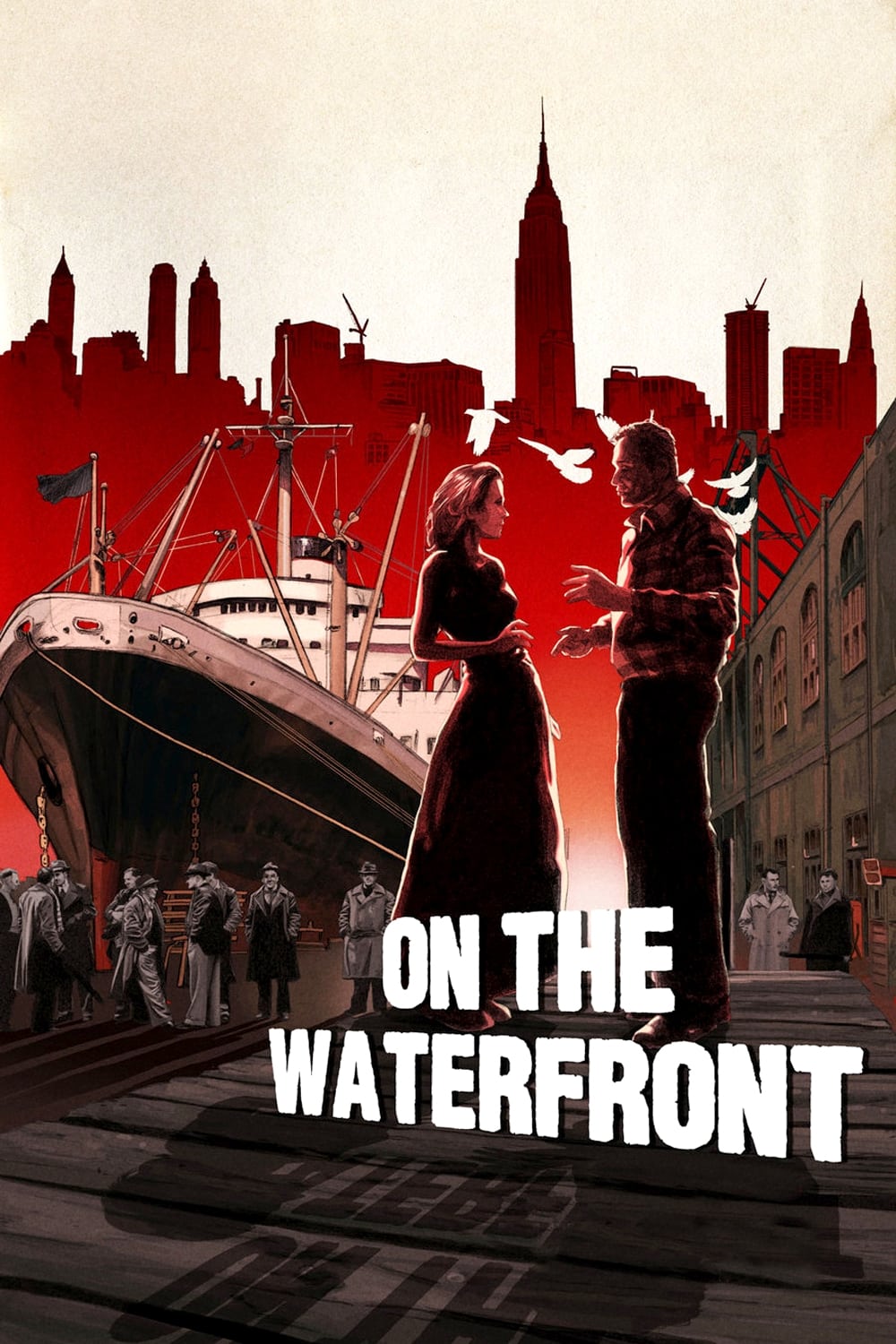
Elia Kazan filmed on New Jersey docks with handheld cameras and naturalistic sound. Marlon Brando leads a cast that includes Eva Marie Saint and Karl Malden with real longshoremen appearing in several scenes.
The film depicts union politics, corruption inquiries, and church involvement in labor advocacy. It won multiple Academy Awards and appears in legal and ethics coursework for its depiction of testimony and witness.
‘Rome, Open City’ (1945)
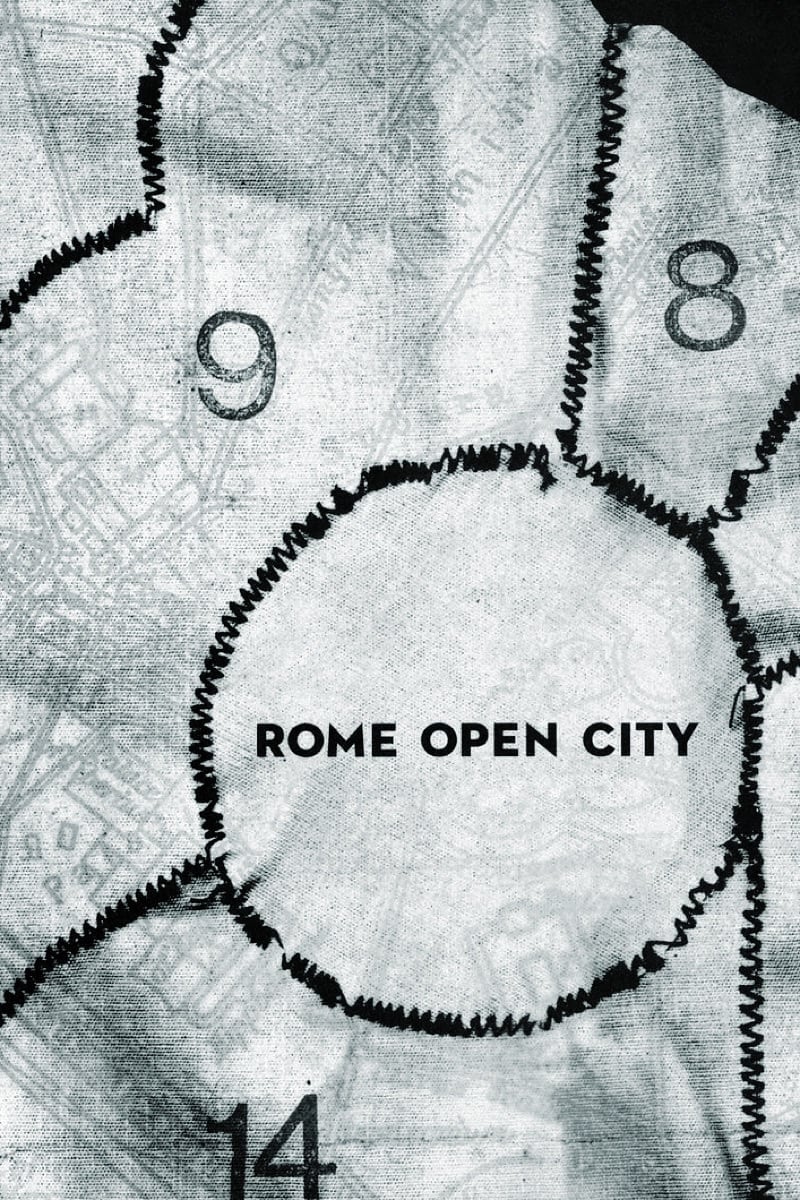
Roberto Rossellini shot shortly after the liberation of Rome using raw stock from varied sources and a mix of studio and location setups. Anna Magnani and Aldo Fabrizi anchor a story drawn from recent events.
The film records resistance activity, clerical shelter, and occupation policing. It helped define neorealism and was honored at major festivals, shaping international interest in postwar Italian cinema.
‘Schindler’s List’ (1993)
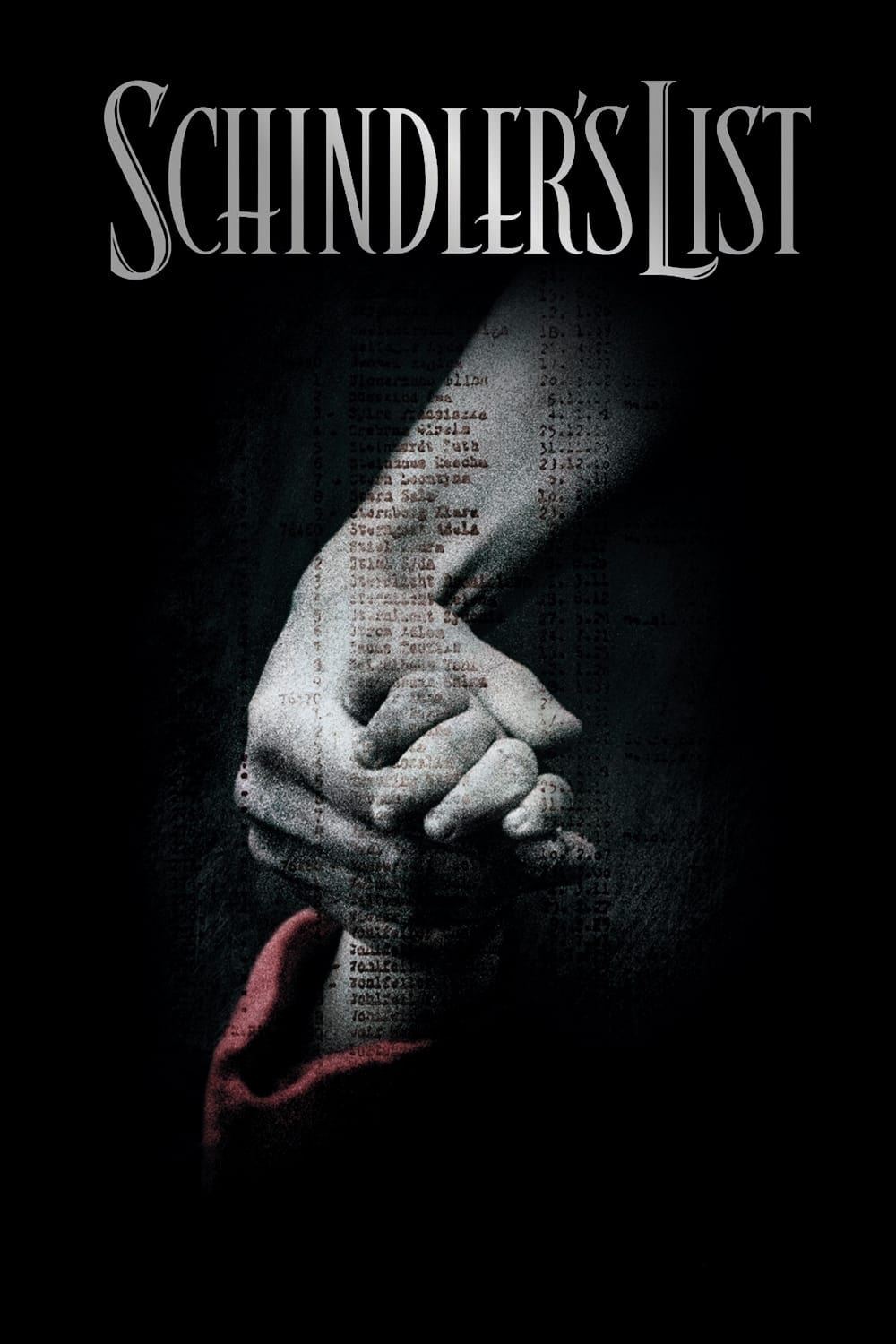
Steven Spielberg filmed in Poland with black and white cinematography and handheld camera work. The production used thousands of extras and consulted historical archives for costumes and props.
The narrative follows factory management, documentation, and rescue operations under extreme conditions. It received multiple Academy Awards including Best Picture and established educational partnerships for classroom use.
‘The Seventh Seal’ (1957)
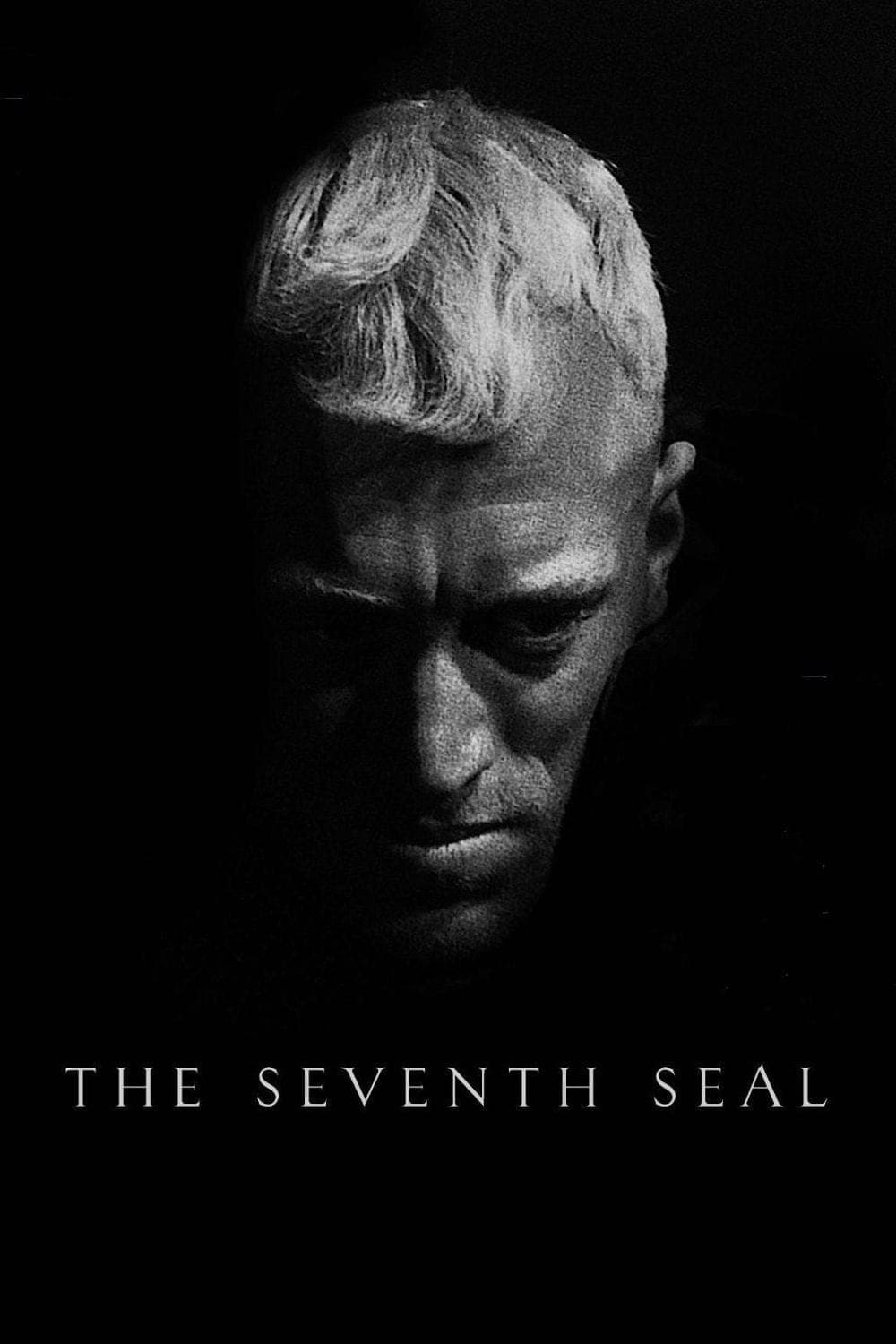
Ingmar Bergman stages a medieval journey with location shooting on the coast of Sweden and studio interiors at Filmstaden. Gunnar Fischer’s cinematography uses high contrast lighting and carefully composed frames.
The film presents plague, confession, and performance troupes within a spiritual search. It won a special jury prize at Cannes and remains central to discussions of philosophy and religion in cinema.
‘The Tree of Wooden Clogs’ (1978)
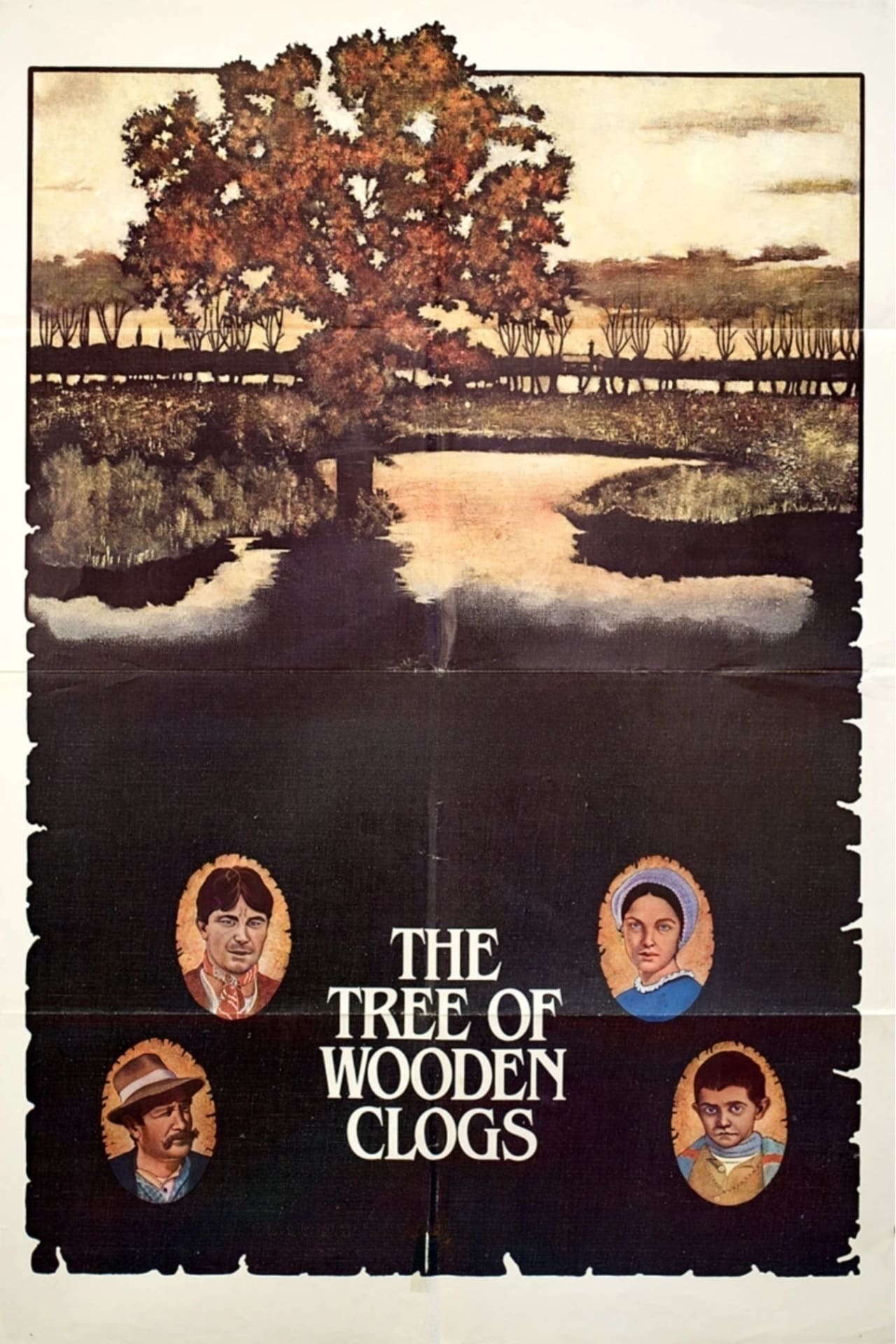
Ermanno Olmi cast nonprofessional actors from Lombardy and filmed in rural farmhouses and fields. The production documents agricultural tools, schooling, and parish life in a tenant system.
It portrays family economies, seasonal rituals, and community governance. The film won the top prize at Cannes and became a milestone in ethnographic approaches to narrative cinema.
‘Wild Strawberries’ (1957)
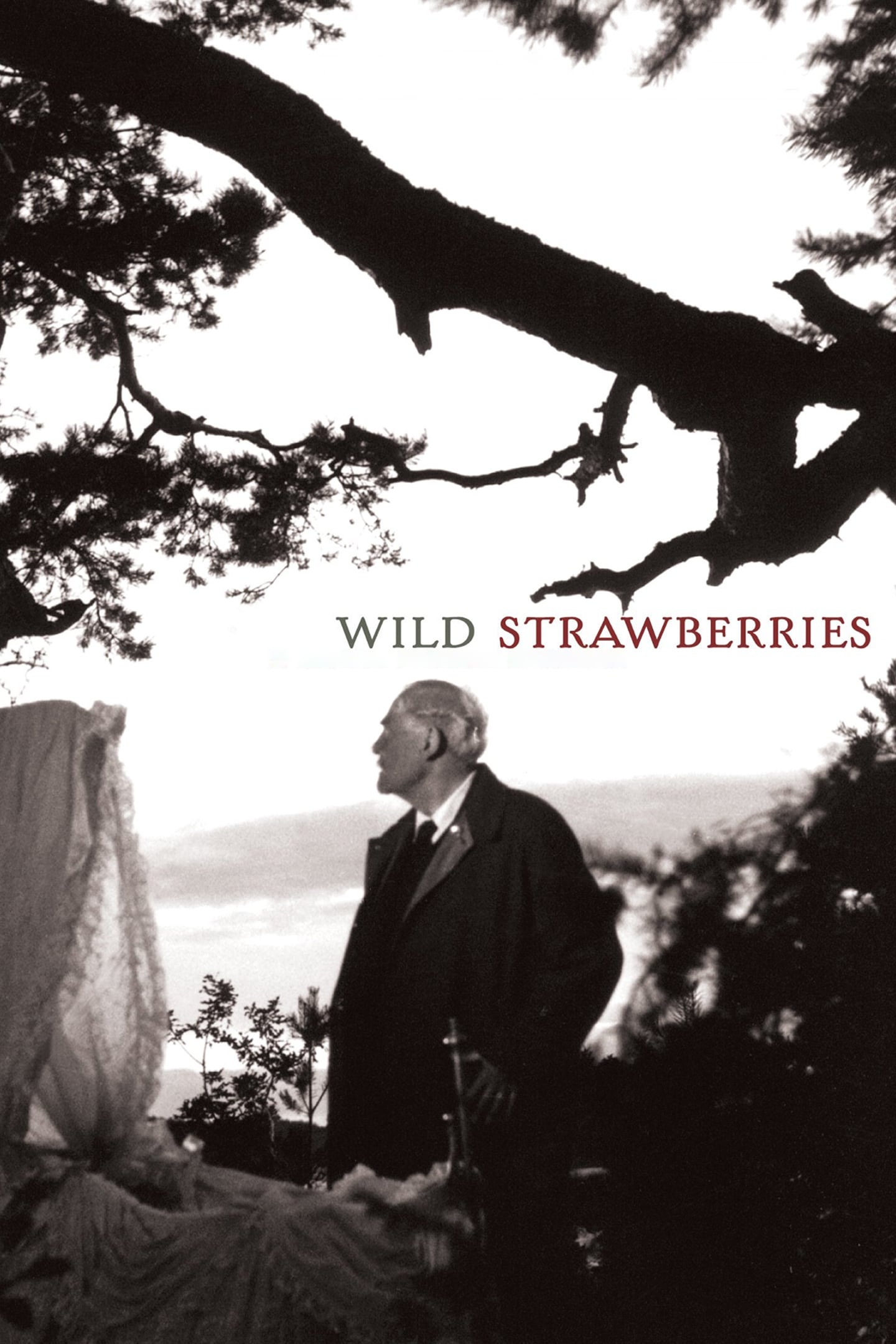
Ingmar Bergman follows an elderly professor on a road trip with stops that trigger dreams and memories. The cast includes Victor Sjöström and Bibi Andersson and the production blends studio work with location driving.
It studies academic life, family relations, and personal reflection. The film received awards at Berlin and has been discussed in psychology and literature courses for its use of dream sequences.
‘Citizen Kane’ (1941)
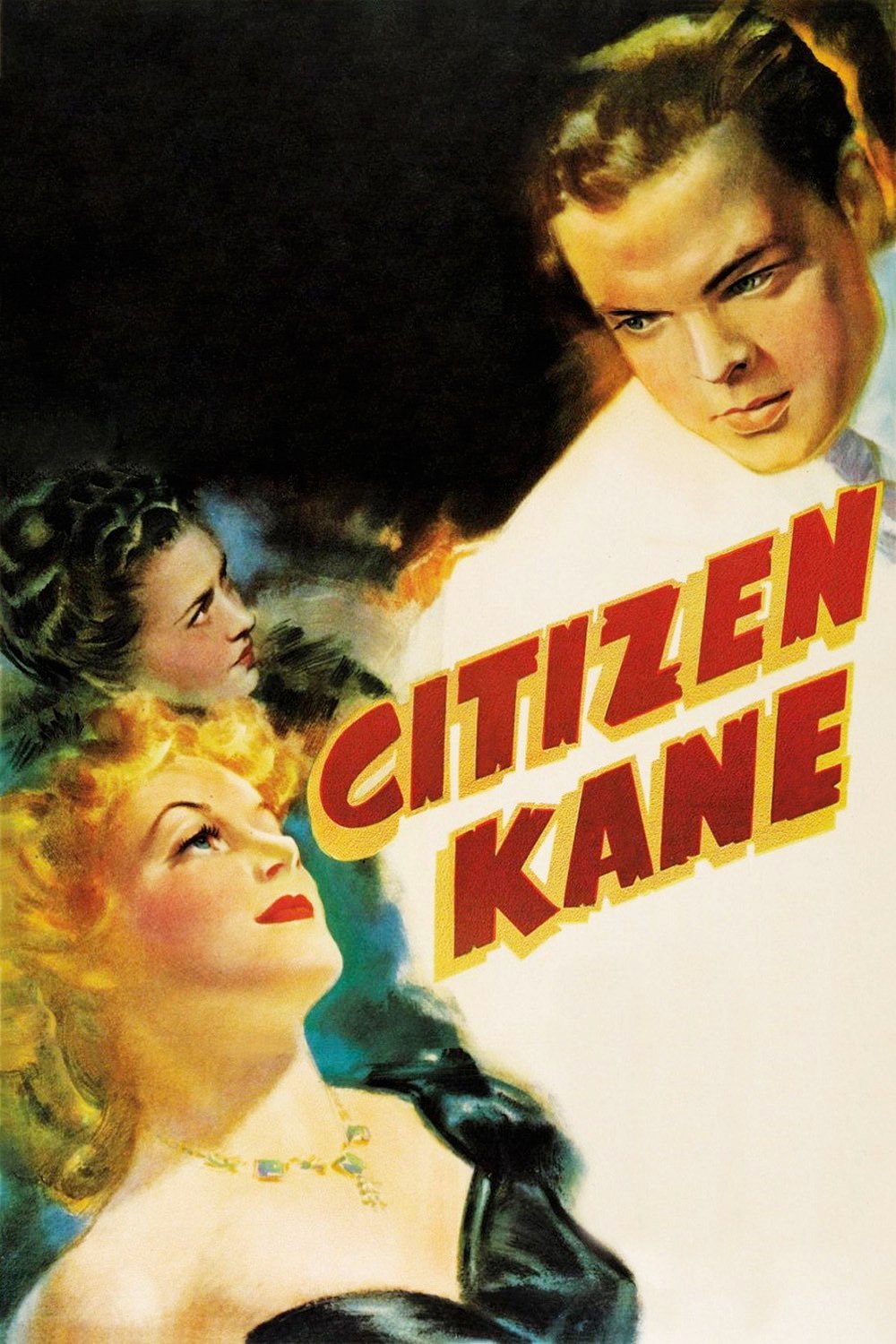
Orson Welles and Gregg Toland used deep focus photography, ceilings on sets, and layered sound. The script credits Herman J. Mankiewicz and Orson Welles and the production includes newsreel pastiche and multiple narrators.
The film traces media ownership, political campaigning, and estate management. It regularly appears at the top of critics polls and is preserved by archives with restored versions screened worldwide.
‘8½’ (1963)
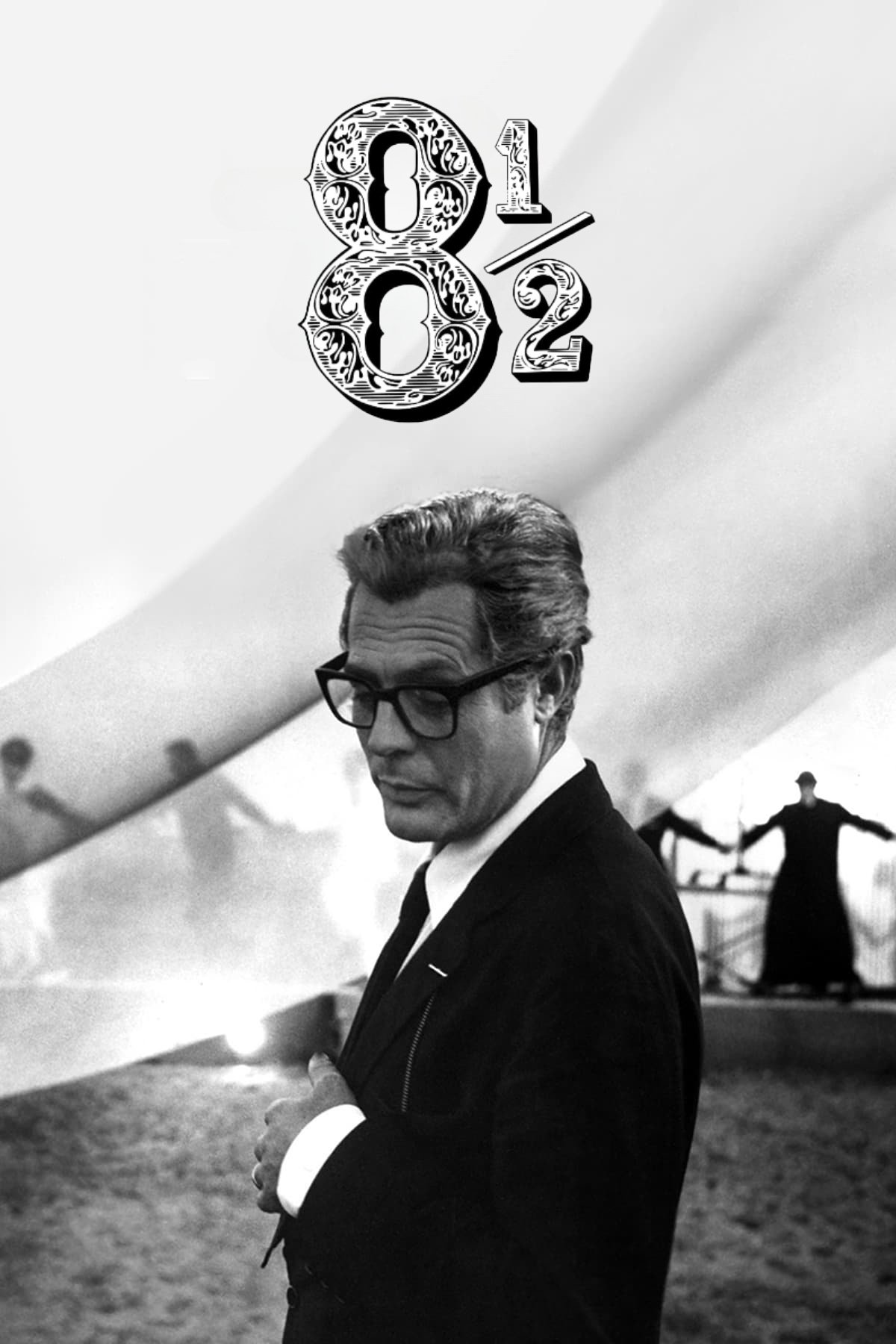
Federico Fellini assembled a cast led by Marcello Mastroianni and filmed at Cinecittà with large set pieces including a floating hotel corridor and a launchpad. Nino Rota composed the music and Piero Gherardi handled costumes and design.
The story charts a director’s stalled production with rehearsals, fittings, and press events. It won Academy Awards for costume and foreign language film and influenced later films about filmmaking.
‘Fantasia’ (1940)
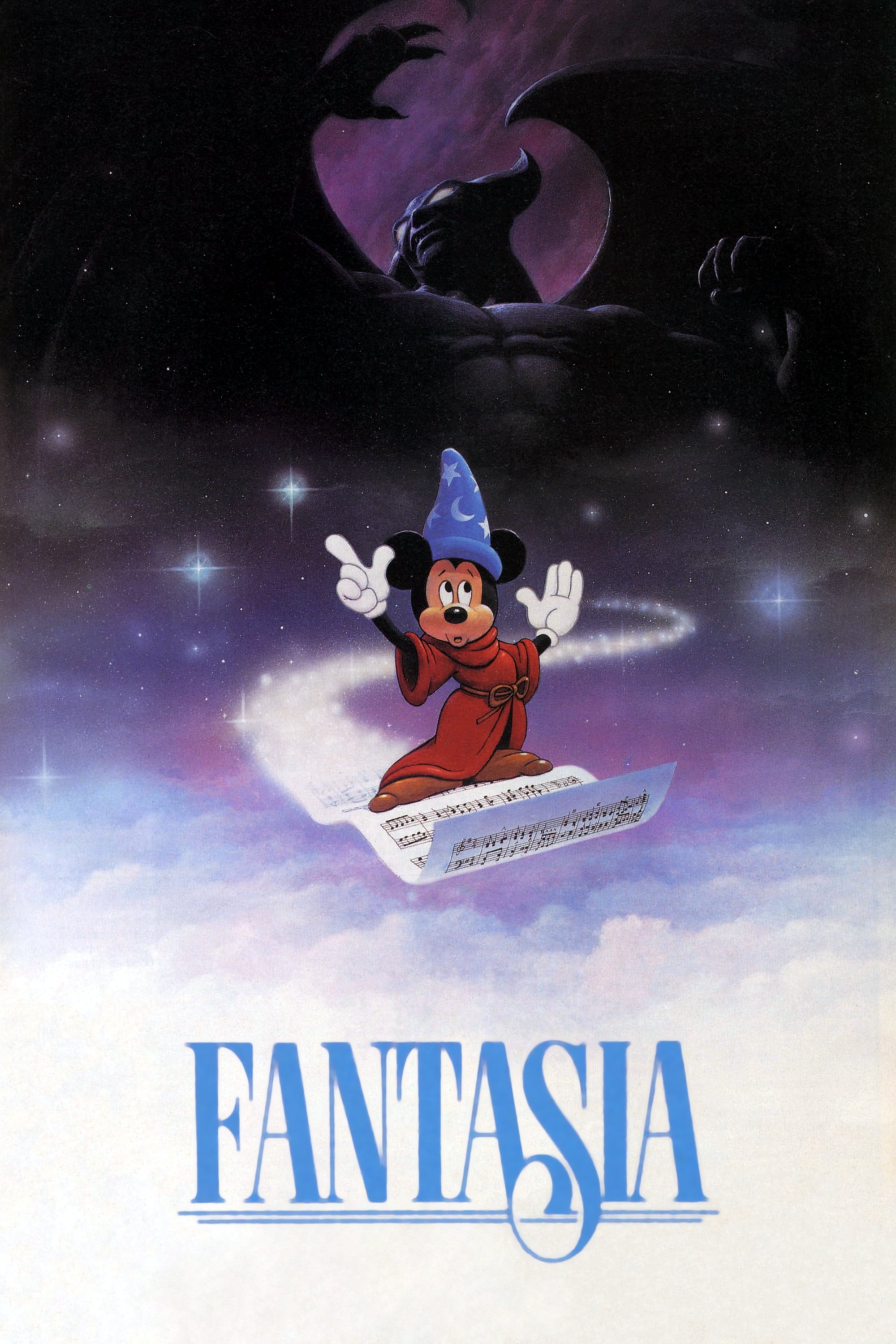
Walt Disney’s team created animated segments synchronized to concert recordings under the oversight of conductor Leopold Stokowski. The production introduced a multi channel playback system known as Fantasound in select theaters.
The program features orchestral works paired with abstract and narrative imagery. Reissues adjusted segments and sound mixes and the film received preservation and restoration work for modern releases.
‘Grand Illusion’ (1937)
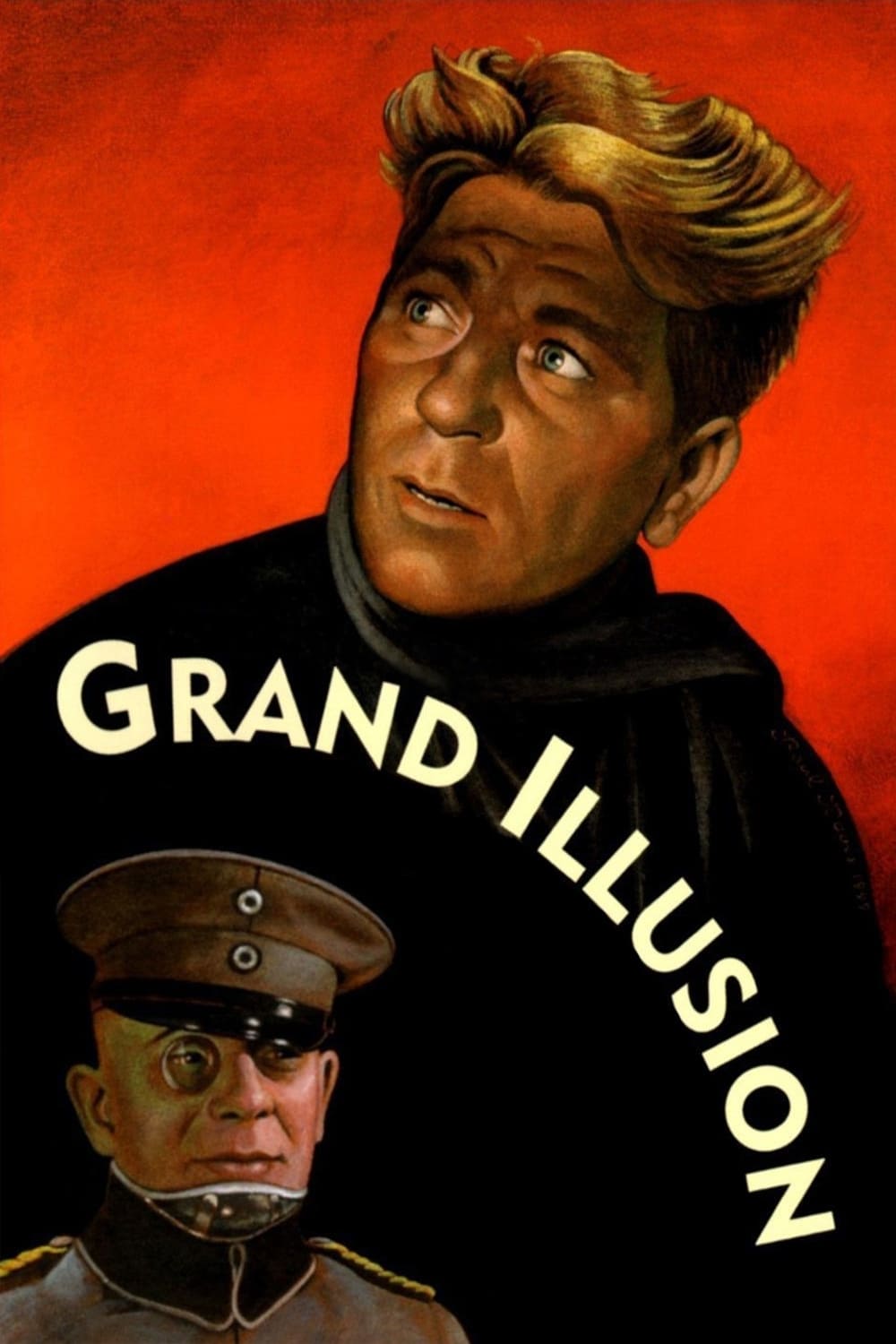
Jean Renoir’s drama about prisoners of war was filmed with studio sets and outdoor locations in France. The cast includes Jean Gabin, Pierre Fresnay, and Erich von Stroheim.
It follows escape plans, class relations among officers, and encounters across borders. The film won a prize at Venice and has restored prints that travel in retrospectives on antiwar cinema.
‘La Strada’ (1954)
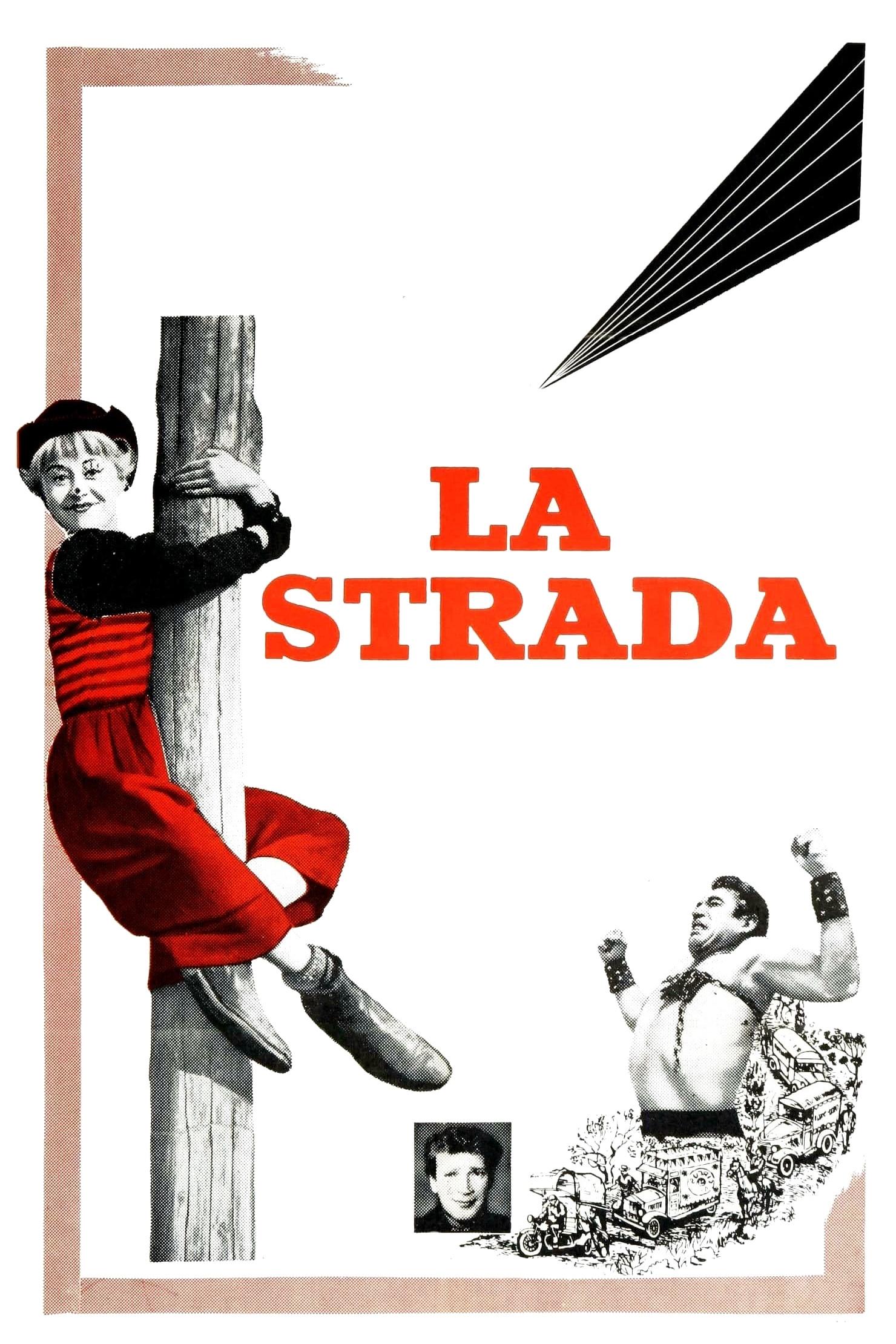
Federico Fellini directed a road story with Giulietta Masina and Anthony Quinn and music by Nino Rota. The production filmed along Italian coasts and inland roads with a small crew.
It covers itinerant performers, church festivals, and rural lodging. The film won the first Academy Award for Best Foreign Language Film and remains a key work in the director’s career.
‘The Lavender Hill Mob’ (1951)

Charles Crichton’s Ealing comedy stars Alec Guinness and Stanley Holloway as mint employees planning a bullion theft. Location work includes central London streets and a finale connected to a tourist industry setting.
The film details manufacturing processes, customs controls, and police pursuit. It won a screenwriting Oscar for T. E. B. Clarke and became a touchstone for British studio comedies.
‘The Leopard’ (1963)
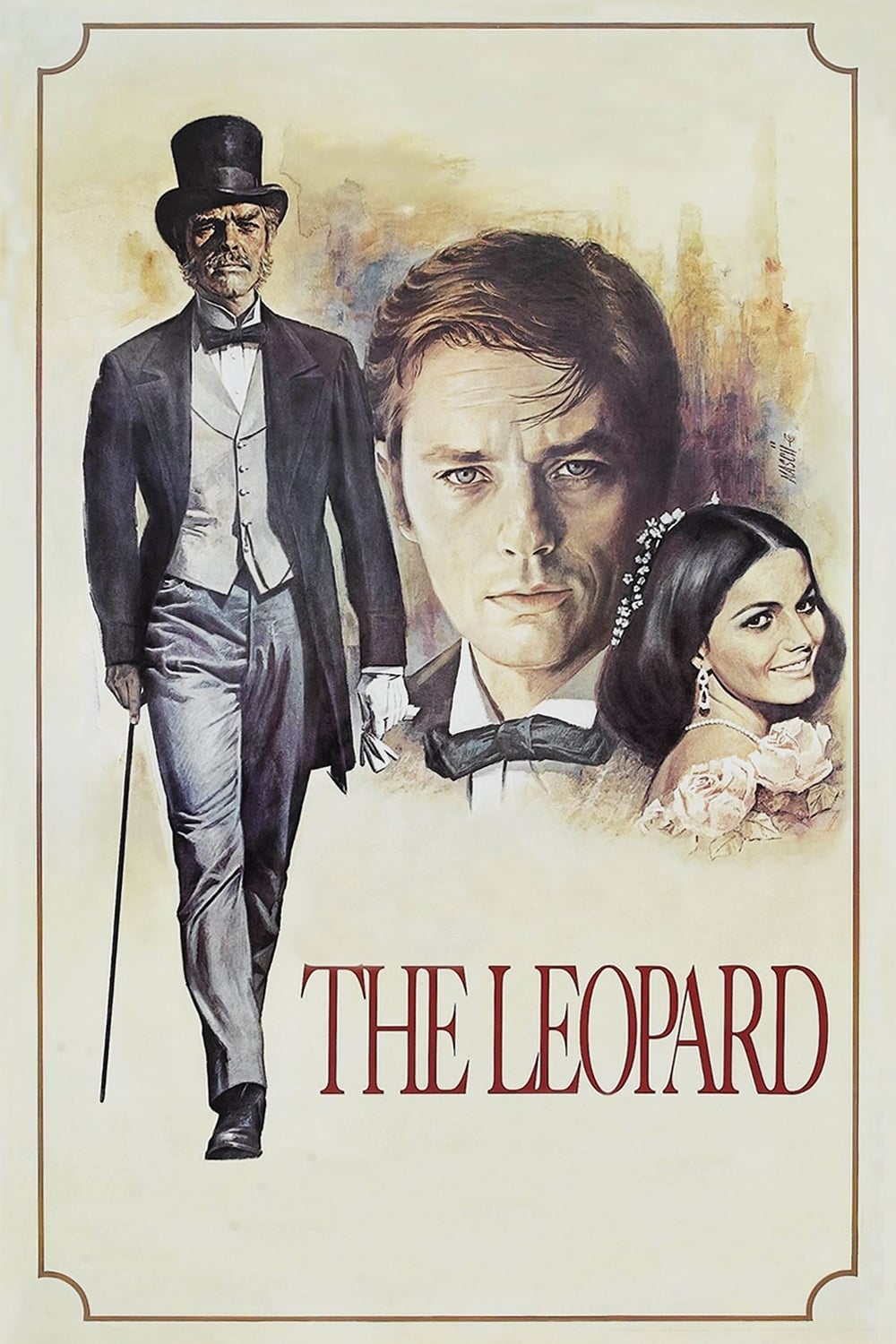
Luchino Visconti adapted the novel by Giuseppe Tomasi di Lampedusa with Burt Lancaster, Alain Delon, and Claudia Cardinale. The ballroom sequence required extensive extras, live music, and elaborate lighting.
The film follows aristocratic estates, political reorganization, and social customs in Sicily. Different cuts circulate for various markets and restorations have presented high resolution transfers in theaters.
‘Little Women’ (1933)
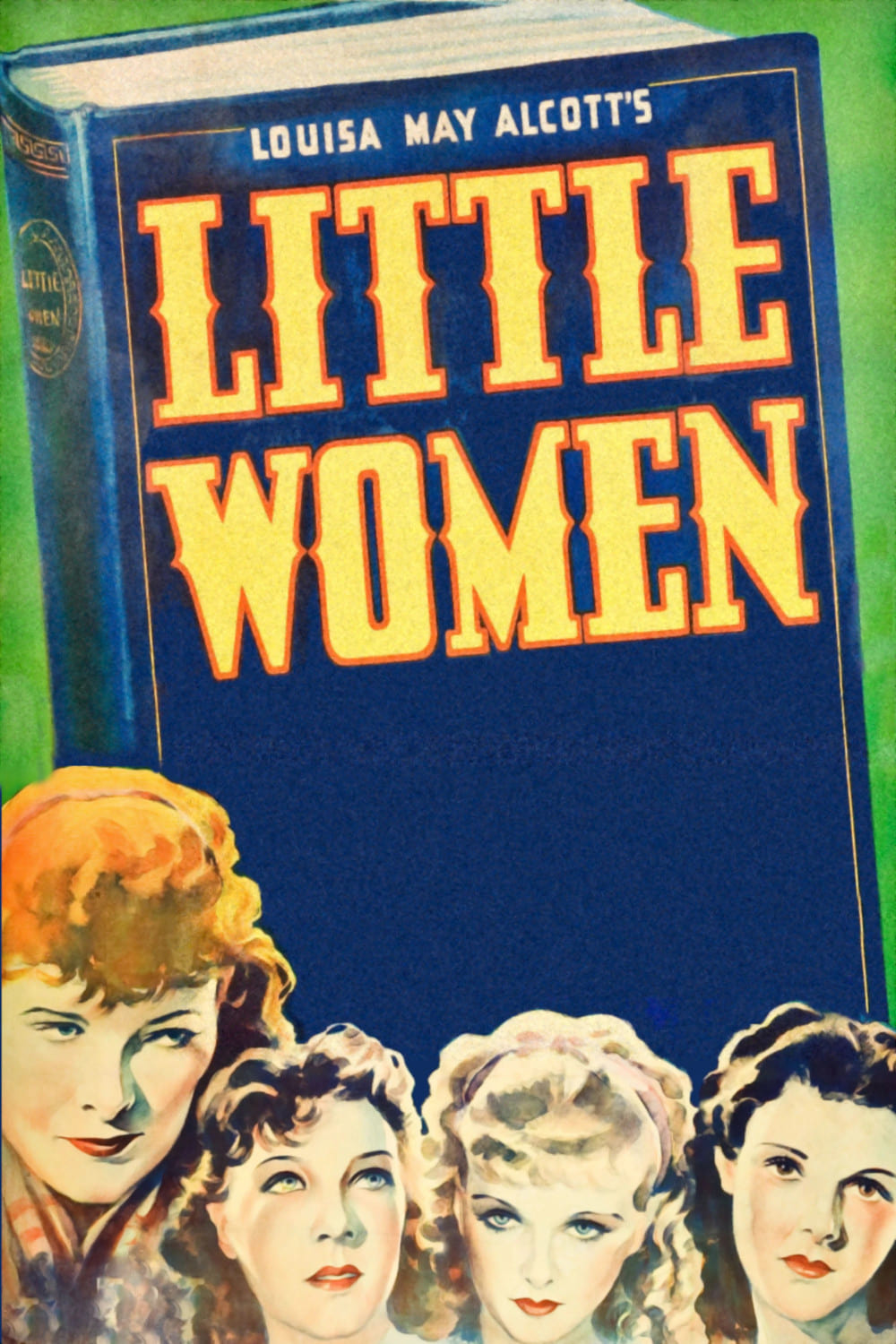
George Cukor directed this adaptation of Louisa May Alcott’s novel with Katharine Hepburn as Jo March. Sets replicate New England interiors with attention to household objects and seasonal decor.
The film traces publication, schooling, and family finances across several years. It established casting and design choices that influenced later versions on screen and television.
‘Metropolis’ (1927)
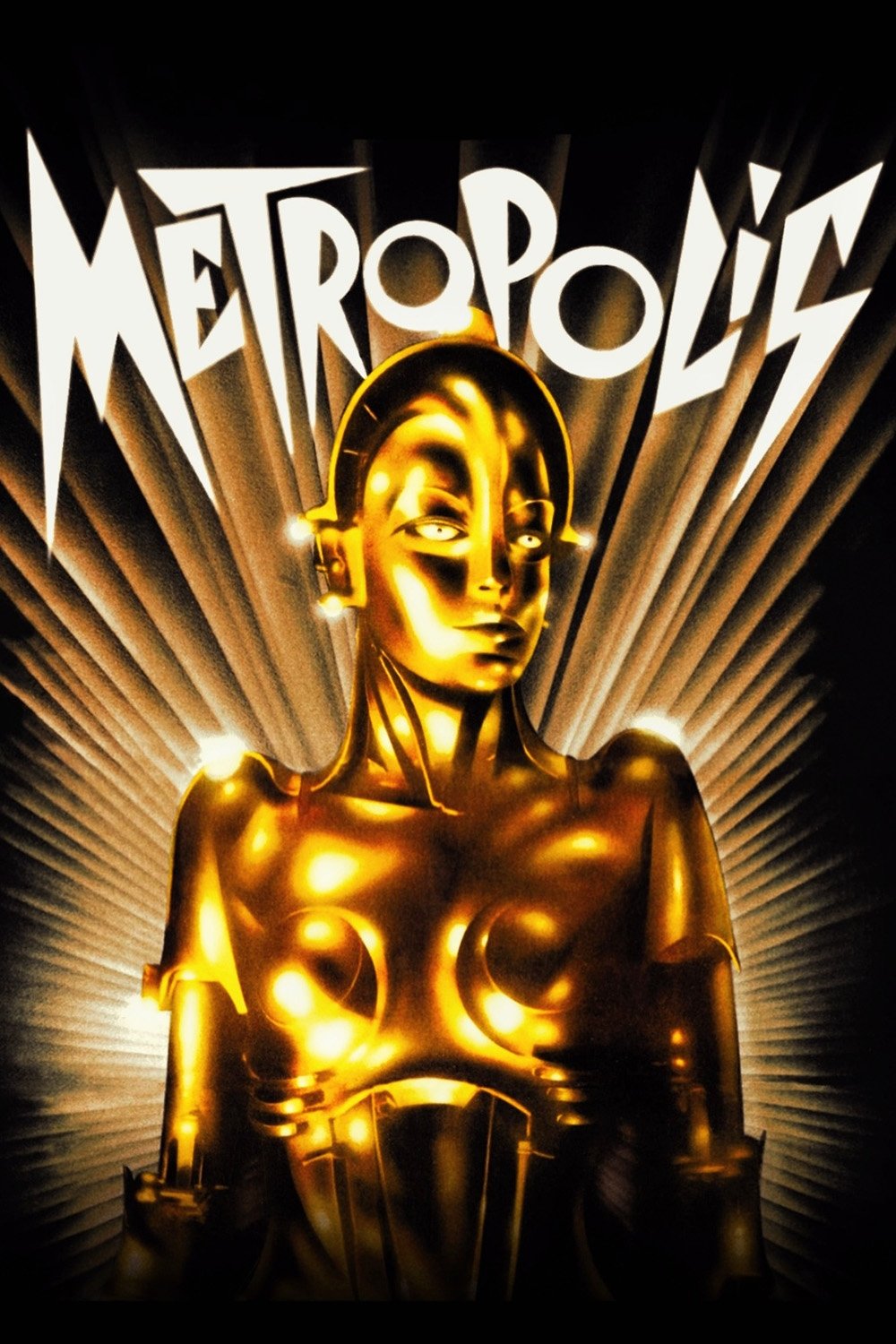
Fritz Lang built large scale miniatures and full sets with extensive special effects by Eugen Schüfftan. Hundreds of extras populated crowd scenes and the shoot required long working days and precise choreography.
The film presents class divisions in a future city and the mediation between workers and planners. Lost footage reappeared in an Argentine archive and restorations now present a near complete version.
‘Modern Times’ (1936)
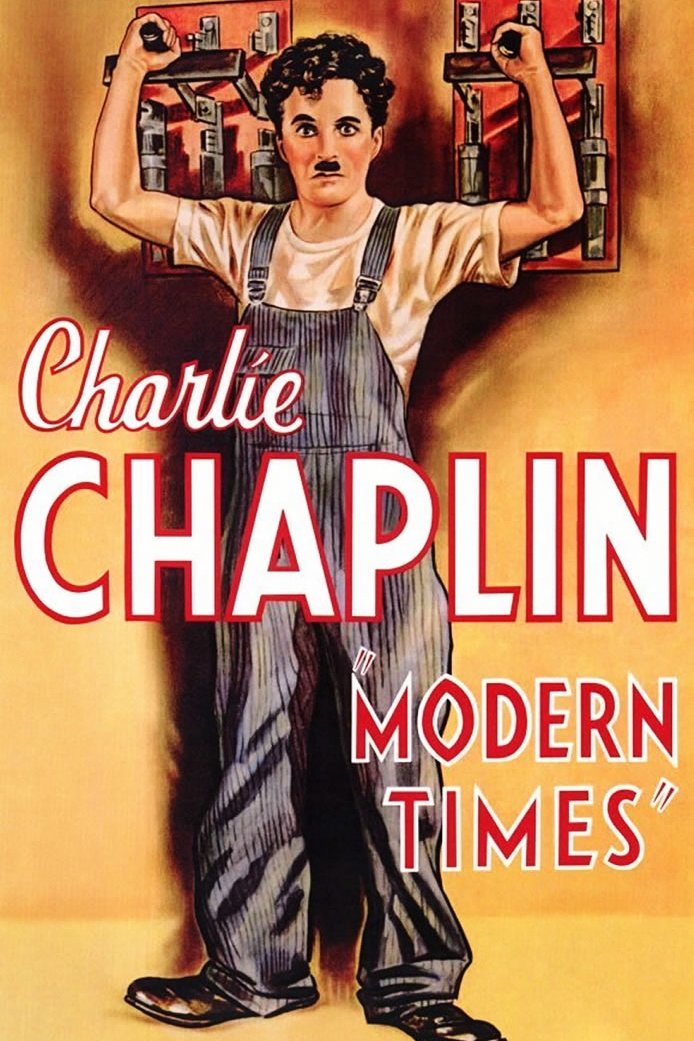
Charlie Chaplin wrote, directed, and starred in a story about industrial labor. The production used mechanical props, conveyor belts, and a sound design that mixes effects and occasional speech.
It depicts factory routines, unemployment lines, and urban policing. The film marks a transition in the artist’s use of sound and is preserved in major archives with frequent theatrical revivals.
‘Napoleon’ (1927)
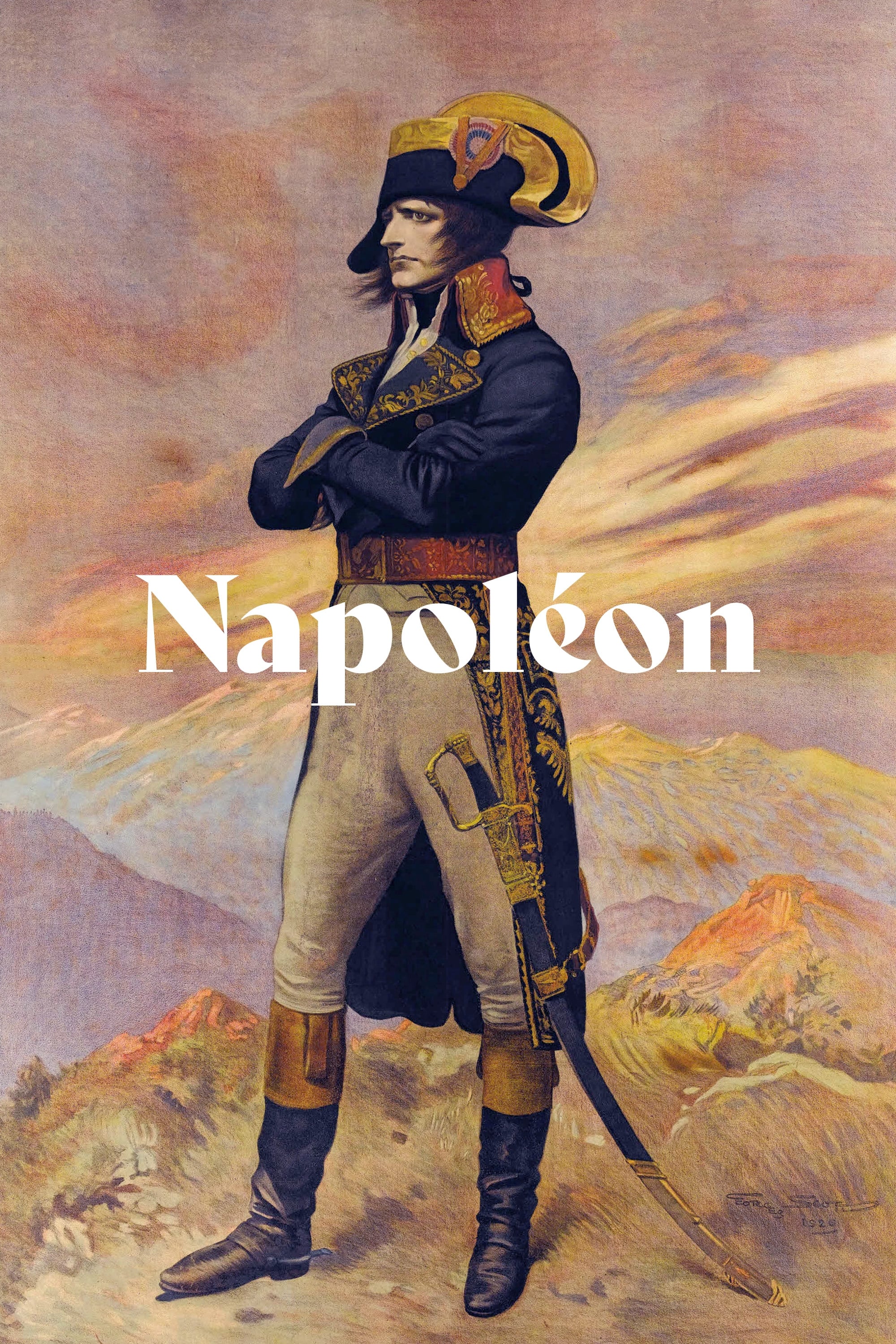
Abel Gance employed rapid montage, handheld shots, and a three screen Polyvision finale. The production used large sets and location footage across French coasts and Corsican landscapes.
The film covers military schooling, revolutionary events, and early campaigns. Multiple restorations with live orchestral accompaniment have toured internationally and new versions continue to appear.
‘Nosferatu’ (1922)
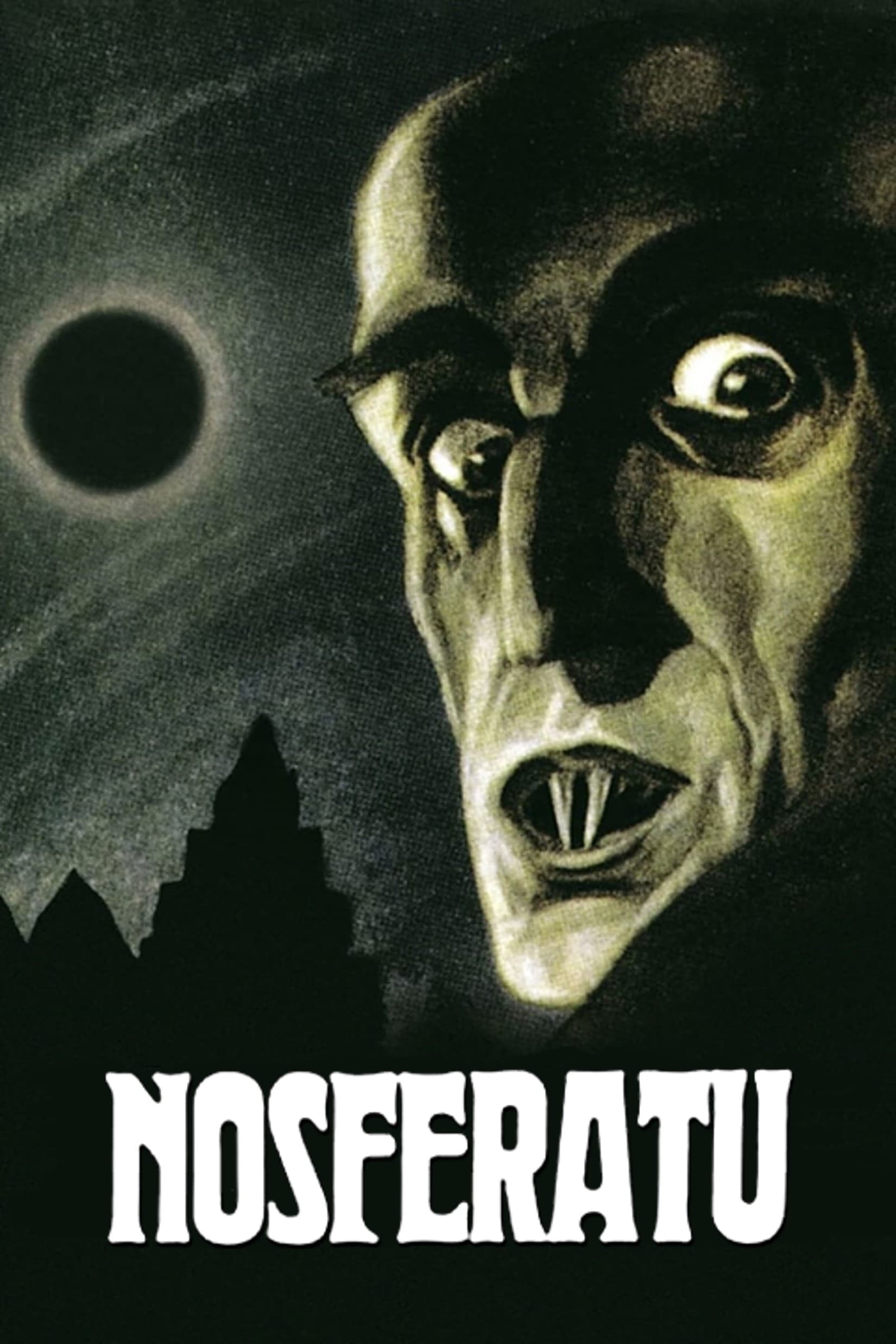
F. W. Murnau created an unauthorized adaptation of the Dracula story with location work in Germany and the Balkans. Cinematography emphasizes natural settings and expressive makeup for Max Schreck.
Legal actions led to orders for destruction of prints, yet copies survived in private and archive collections. Restored editions circulate on disc and at festivals devoted to silent cinema.
‘Stagecoach’ (1939)

John Ford shot in Monument Valley and on studio sets with John Wayne in a breakout role. Yakima Canutt designed and performed stunts that influenced later action sequences.
The narrative tracks a group of travelers across tribal territory with law, commerce, and social status at play. The film was inducted into preservation lists and remains a model for ensemble storytelling.
‘2001: A Space Odyssey’ (1968)
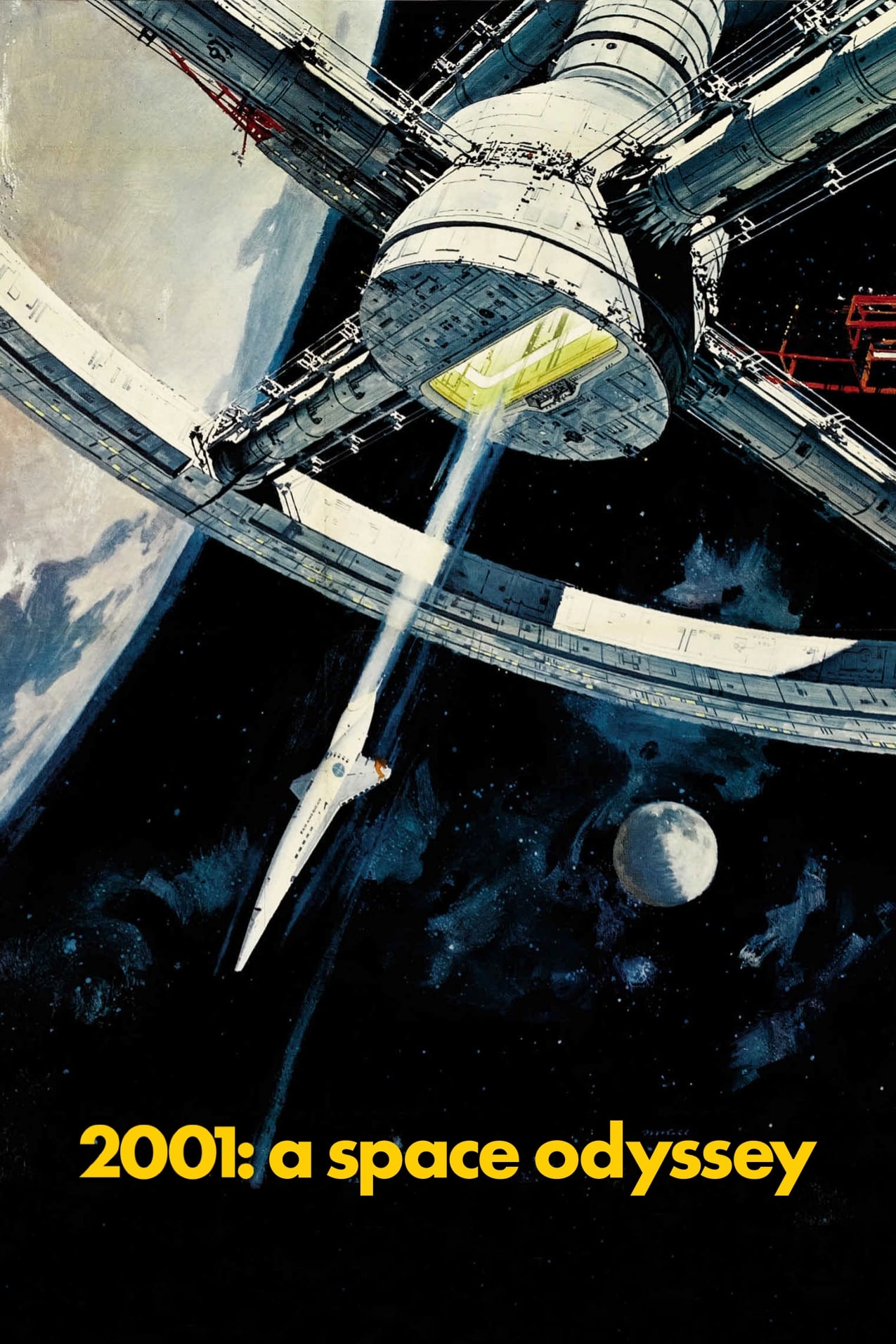
Stanley Kubrick collaborated with Arthur C. Clarke and supervised model work, slit scan effects, and front projection. The music uses classical recordings and choral pieces rather than a new score.
The film presents spaceflight procedures, human evolution, and artificial intelligence. It received a visual effects Oscar and has been reissued in large format screenings and high resolution restorations.
‘The Wizard of Oz’ (1939)
figure class=”wp-caption alignnone mic-inserted-figure”>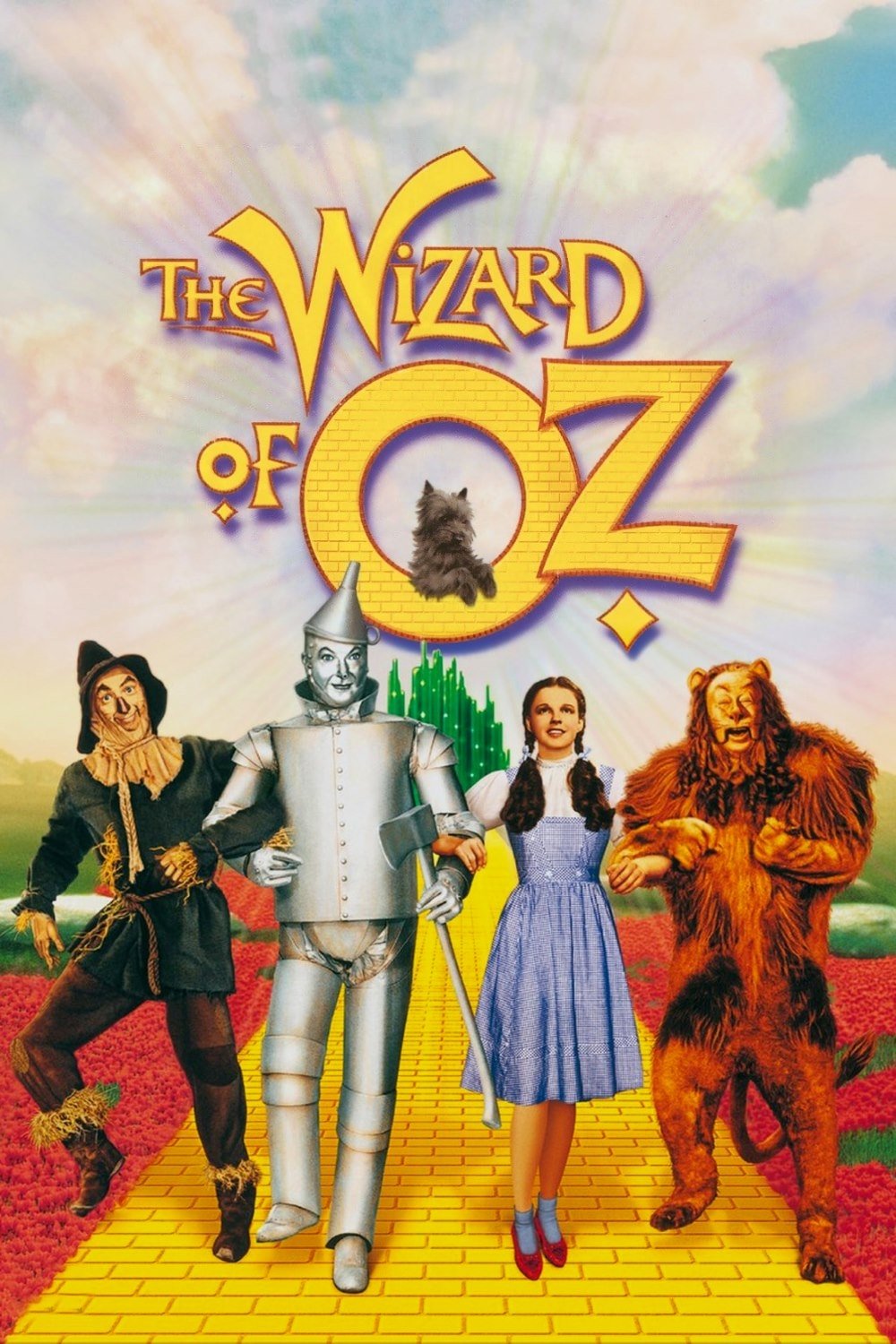
Victor Fleming is credited as director with uncredited contributions from other filmmakers. The production used Technicolor cameras, elaborate makeup, and large soundstage sets.
The story follows a Kansas child through a fantastical land with songs by Harold Arlen and E. Y. Harburg. Television broadcasts expanded its audience and restorations continue to present improved image and sound.
You can check the original list here.
Share which selections from the list resonate with you most in the comments and tell us why they stand out.