5 Things About ‘One Piece’ That Made Zero Sense and 5 Things About It That Made Perfect Sense

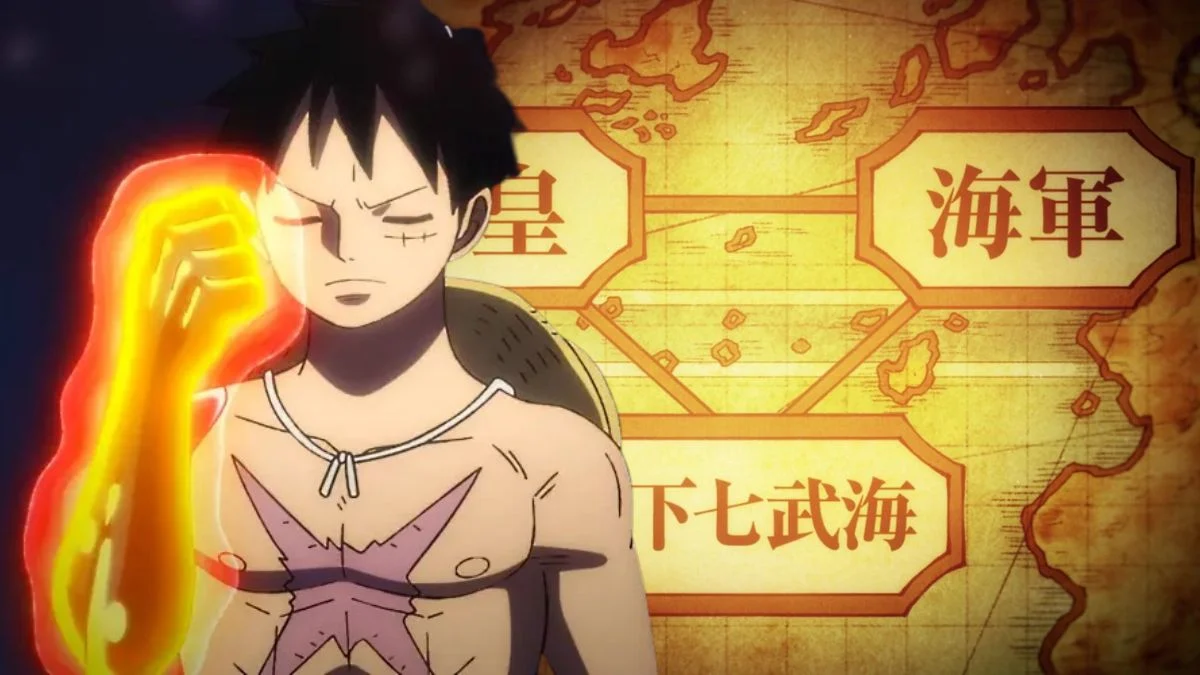

For a story that spans oceans, islands, and thousands of episodes, ‘One Piece’ builds a world packed with rules, systems, and history. The series lays out how the seas work, how powers are gained, and how governments and pirates create a delicate balance. That structure is part of what makes the adventure feel consistent even when the crew sails into totally new territory.
At the same time, long running stories collect oddities. Some rules arrive late. Some systems work one way in one arc and a different way later. Here are five things in ‘One Piece’ that do not quite add up beside five that line up neatly with the world the series has built.
Zero Sense: Bounties as power meters

Bounties are often treated as a shorthand for how strong someone is, yet the numbers are driven by headlines and chaos rather than pure combat ability. Usopp’s jump after Dressrosa comes from public perception and the spark he provided to a rebellion, not a leap in raw fighting power. Chopper’s tiny figure on posters stays low for a long time because the authorities misread his role on the crew, even as his combat forms and medical impact keep growing.
Because bounties reflect a mix of threat to the state, influence on events, and name recognition, the figures frequently mislead anyone trying to compare fighters. New totals appear after incidents with big witnesses or propaganda value while low profile monsters keep modest prices on their heads. The result is a number that tracks narrative footprint more than one to one battle strength.
Perfect Sense: Bounties as propaganda

The World Government uses posters to set priorities and shape what the public fears. A high number pulls manpower toward a pirate and warns civilians to report sightings. A lower number signals that the person is not worth the cost to pursue, even if that person is dangerous in the wrong context. This turns bounties into a management tool rather than a scoreboard.
News control also feeds into this system. When a crew topples a tyrant or exposes a forbidden truth, the wanted totals often jump because the story threatens authority. When events must be buried, posters lag or omit details. The way the numbers move fits a state that is trying to keep power and attention under control.
Zero Sense: Early Logia invincibility

Logia users appear untouchable in early arcs because standard blows pass through elemental bodies. Later arcs normalize counters that let fighters hit and hurt these users. The sudden prevalence of those counters makes earlier battles look like exceptions rather than the rule that later stories describe.
This shift creates a memory gap for viewers who track rules closely. Fights that once demanded creativity become straightforward once specific techniques show up everywhere. The gap is not that counters exist but that they emerge on screen later than the existence of Logia threats would suggest.
Perfect Sense: Haki as a learned skill

Haki is framed as a capacity that exists in many people and grows through training and stress. Observation and Armament appear in pockets like Skypiea under different names, which shows the power was present even if the world did not use a shared term. After the two year break, more characters demonstrate it because many trained with a focus that wartime conditions demand.
This pattern matches how techniques spread in response to threats. As enemies with intangible bodies and bizarre abilities become common, militaries and pirates invest in counters. Teachers, manuals, and experience turn a rare art into a wider baseline, which explains the late surge in visible use without contradicting earlier pockets of the same power.
Zero Sense: Devil Fruit misnaming and knowledge gaps

The fruit that grants Luffy his ability is widely known by a name that does not match its deeper classification. This mislabeling spreads through marine records and pirate lore for years. People who catalog powers build strategies around an incorrect label, which undercuts the reliability of official Devil Fruit knowledge.
That confusion becomes more glaring when other fruits receive precise names, models, and categories. When one high profile fruit carries a false identity for so long, it raises questions about how fruits are named, who verifies them, and why the error persists across institutions that track these powers.
Perfect Sense: Devil Fruit taxonomy and rebirth

The series explains that fruits return to the world after a user dies and that Zoan fruits have models tied to specific forms. Artificial fruits replicate parts of this system with uneven results, which reinforces that there is a consistent internal logic to how abilities are born and distributed. Even ships and weapons can house fruits, which supports a rule that abilities bind to objects or beings through a consistent mechanism.
The rebirth rule answers how unique powers do not disappear forever and why rare abilities reenter circulation over time. Taxonomy, models, and the idea of will inside certain fruits also justify why some powers carry instincts or personalities that shape users differently than standard categories.
Zero Sense: Travel time and map scale

Voyages vary wildly in length without clear changes in wind, current, or distance. Some islands that seem far on a map are reached quickly, while others take stretches that feel much longer. The lack of a reliable scale makes it hard to estimate how long supply planning or pursuit should take.
These swings complicate comparisons across arcs. A chase that should be urgent sometimes stretches across scenes where ships drift in calm seas, while a later pursuit closes a gap with minimal explanation. Without consistent travel math, logistics like food, water, and repair schedules become fuzzy.
Perfect Sense: Log Pose rules and New World navigation

The Grand Line and the New World follow magnetism that bends toward island routes. The Log Pose locks onto an island, waits to set, then points to the next destination, which explains why detours are difficult and straight lines on maps do not work. Eternal poses also exist, which lets planners aim for a single island when they need precision.
In the New World the triple needle Log Pose tracks multiple island pulls, and instability in the needles signals danger or unusual conditions. That setup explains why seasoned navigators hold so much value and why crews with poor seamanship get lost or destroyed by the environment rather than enemies.
Zero Sense: Marine oversight of legalized pirates

The Seven Warlords system empowers powerful pirates with legal cover in exchange for service. Several members exploit this status to build private armies or run covert operations without immediate sanction. The structure creates blind spots where crimes flourish while the badge of legitimacy blocks timely intervention.
This arrangement also disrupts consistent law enforcement. Marines treat similar acts differently depending on who commits them, which blurs the idea of justice on the seas. When oversight fails, entire regions suffer under protected actors who are hard to remove without political fallout.
Perfect Sense: Three Great Powers balance

The world rests on a balance among the Marines under the World Government, the Yonko who control vast territories, and the Warlords system that used to stabilize the gap. Each pillar checks the others so no single force sweeps the board. This explains why large scale wars are rare and why alliances shift carefully.
That balance justifies many strategic choices. Governments tolerate certain pirates to hold stronger ones at bay. Pirates avoid open war that would draw multiple powers at once. When one pillar changes, the ripple effects push the world into new alignments, which matches how large institutions behave when a stabilizing element disappears.
Share your favorite head scratcher or most satisfying bit of worldbuilding from ‘One Piece’ in the comments.