5 Things About ‘Bleach’ That Made Zero Sense and 5 Things About It That Made Perfect Sense



Fans come to ‘Bleach’ for big sword releases, wild powers, and layered worldbuilding. The series mixes high school life, spiritual warfare, and a detailed afterlife system that spans multiple realms. That blend creates moments that feel airtight alongside others that raise more questions the longer you think about them.
Here are five things that clash with the rules the story sets up and five that line up cleanly with the lore we are given. Each entry points to what the series shows on screen and in dialogue so you can see where the logic bends and where it holds.
Zero Sense: Secret Bankai Rules vs Reality
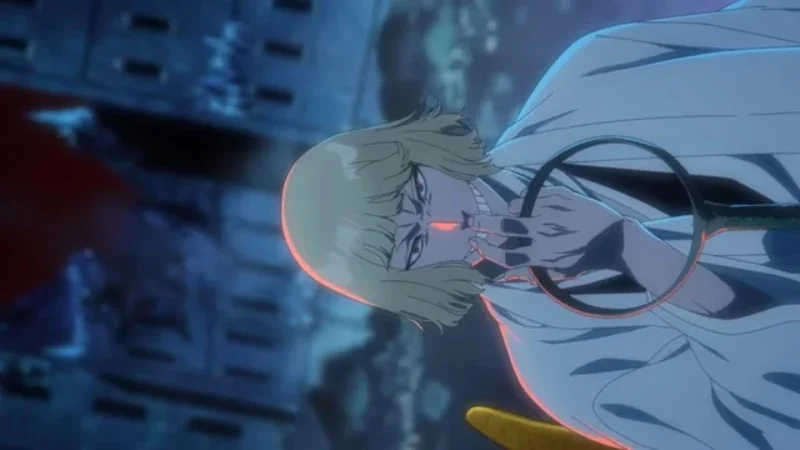
Bankai is described as rare and closely guarded, and captains are said to keep it hidden so opponents cannot study it. Ikkaku treats his Bankai as a secret and the promotion rule requires Bankai as proof of strength, which implies a small club of users. Despite that, major battles feature open displays of Bankai in front of enemies and crowds, which undercuts the idea of secrecy as a protective practice.
Training to force a Bankai manifests as a special method that needs materialized Zanpakuto spirits and intense pressure. If secrecy truly prevented counters, repeated public use should have carried heavy tactical penalties, yet foes quickly adapt only in a few cases. The pattern makes the keep it hidden guideline look inconsistent with how often Bankai is revealed in the field.
Perfect Sense: Zanpakuto Stages and Identity

The two release stages match a clear inner bond rule. Shikai reflects learning a true name and cooperating with a spirit, while Bankai requires deeper synchronization with that spirit in its manifested form. Combat growth maps to character growth because power changes only arrive after dialogues with the inner self and proof of control.
Later lore shows that Asauchi are blank blades that take shape from the wielder’s soul, which explains why releases feel personal and uncopyable. Reforging Zangetsu in ‘Bleach: Thousand-Year Blood War’ follows the same rule, since a corrected understanding of identity leads to a corrected weapon. The system holds together from first release through reforging.
Zero Sense: Espada Numbers and Power

The Espada numbers are said to reflect strength, yet the match between rank and outcomes wobbles. Coyote Starrk holds the top visible rank for most of the arc, but battle results across the group do not track cleanly with the list. Yammy’s late reveal as zero also scrambles earlier statements that the hierarchy is settled.
Limiters, battlefield conditions, and matchup quirks are sometimes cited, but several fights hinge on sudden technique reveals rather than the rank logic. Fracción and lower ranks also punch above their placement in some scenes without a clear rules change. The ranking system ends up less predictive than the story initially frames it.
Perfect Sense: Reishi Physics Across Worlds

The series states that each realm has different reishi density. Hueco Mundo lets fighters stand on air and shape platforms because the environment is saturated with spiritual particles, while the human world often requires more careful footing and concealment. Quincy techniques draw directly on ambient particles, so location matters for their performance.
When the war reaches Soul Society, Quincy absorb local reishi and harden their bodies with Blut, which reads as a direct use of that environmental rule. Shinigami strengthen techniques by drawing on their own pressure plus the field particles around them, again tying power to place. Fights look different from town streets to desert skies because the physics underneath stays consistent.
Zero Sense: Rukia’s Sentence and Central 46
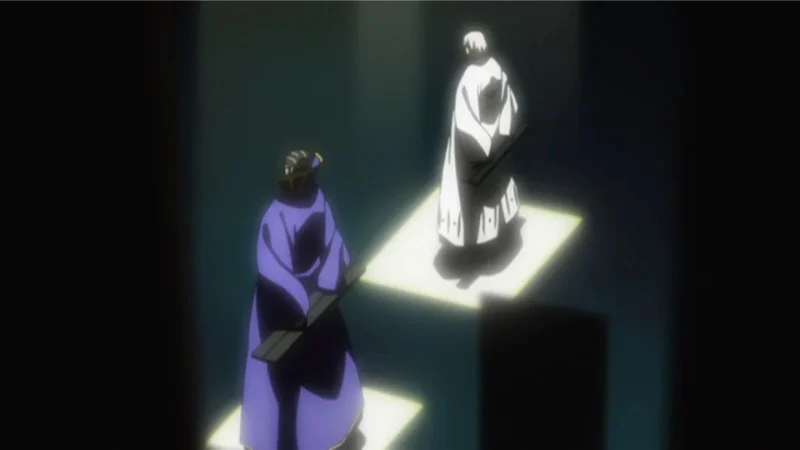
Rukia’s execution moves forward while Central 46 has already been eliminated in secret. Official orders continue as if oversight still exists, which conflicts with the idea that this body must approve extreme punishments. The absence of checks is not detected by most leaders until late, even though entry to the chamber and guard movements changed.
The severity also jars with other punishable acts that earn exile rather than death. If transferring power is an extreme crime, the penalty scale for experiments and internal manipulation should sit higher, yet the process for those cases involved different outcomes. The mismatch suggests that the governance model is not applied in a consistent way during the arc.
Perfect Sense: Aizen’s Hypnosis Rules

Kyoka Suigetsu requires a target to witness its release one time to place them under perfect hypnosis. After that trigger, Aizen controls sight, sound, touch, smell, and reiatsu perception for that person. Characters who never saw the release are not affected, which explains why a small set of fighters can read his moves more reliably.
The blade also shows precise applications like faking deaths and masking entire locations. Each effect fits the sense rule the story gives, since all are perceptions that the brain can be led to accept once the condition is met. The stated trigger, the total sensory scope, and the known exception line up without a gap.
Zero Sense: The Substitute Badge and Fullbring

The Substitute Shinigami badge is later revealed as a monitor and limiter that logs activity and suppresses power. During earlier arcs, the badge functions as a simple pass that authorizes work and signals status, with little sign of surveillance. The shift turns a tool of recognition into a tracking device without earlier flags that would have warned users.
Fullbring awakens from residual Hollow influence on humans and the badge becomes a focus for theft during the Xcution plot. The same object helping both monitoring and power theft stretches its original design purpose, since prior scenes do not point to embedded systems that strong. The reveal works as a twist, yet it sits unevenly with how the badge was presented before.
Perfect Sense: Kenpachi’s Limiters

Kenpachi wears an eyepatch that consumes spiritual pressure to handicap him in fights. The device explains why he can battle long without collapsing the battlefield and why removing it creates a marked jump in output. This aligns with how spiritual pressure can overwhelm weaker allies, so a cap is practical inside crowded engagements.
Kendo training and later recognition of his Zanpakuto’s true nature fit the same limiter theme. When he acknowledges the blade and adjusts technique, his efficiency rises as expected from proper release use. The series treats control as a multiplier rather than a flat number, which explains his leaps without breaking prior scenes.
Zero Sense: Quincy Extermination Aftermath
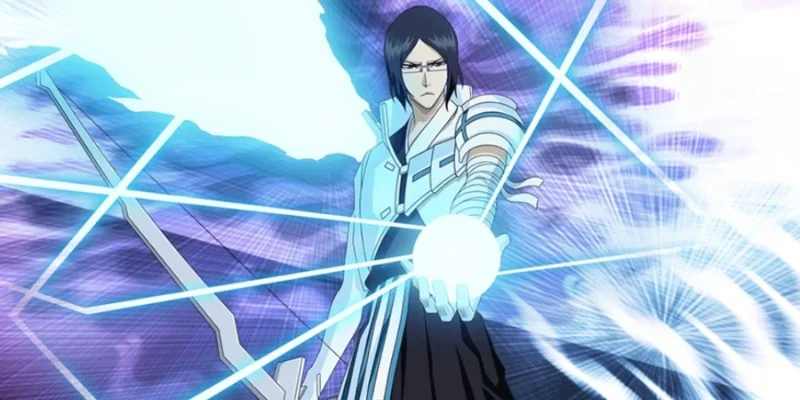
Soul Society claims it wiped out the Quincy to protect the balance between worlds. Yet living Quincies remain in modern Japan, and some operate openly enough to train successors and run family clinics. If the balance risk was immediate, the persistence of multiple bloodlines without constant suppression raises questions.
Reports and tracking teams should have flagged active archers who still destroy Hollows instead of purifying them. The lack of regular enforcement during peacetime undercuts the urgency used to justify the purge. The gap between policy and practice leaves the historical claim hard to square with present day activity.
Perfect Sense: The Soul Cycle and Balance
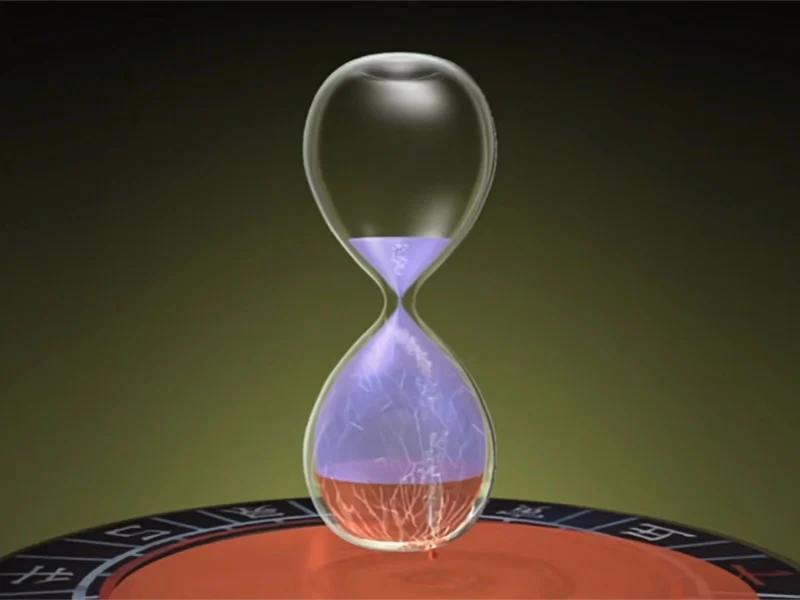
The Konso ritual sends plus souls to Soul Society and purifies Hollows, which preserves the flow between realms. The story explains that overkilling Hollows breaks this cycle, since the soul does not return to the queue. That is why Shinigami focus on cleansing and why a surge in Hollow destruction threatens both worlds.
Higher lore adds a linchpin that stabilizes the structure of the worlds. Noble houses, court squads, and a dedicated research arm maintain tools and barriers that keep the stream moving. The idea that every hunt and every ritual feeds a larger balance stays consistent from small town patrols to realm scale crises.
Share the ten moments that stood out to you in ‘Bleach’ and tell us which ones made zero sense or perfect sense in the comments.