5 Things About ‘Narcos’ That Made Zero Sense and 5 Things About It That Made Perfect Sense

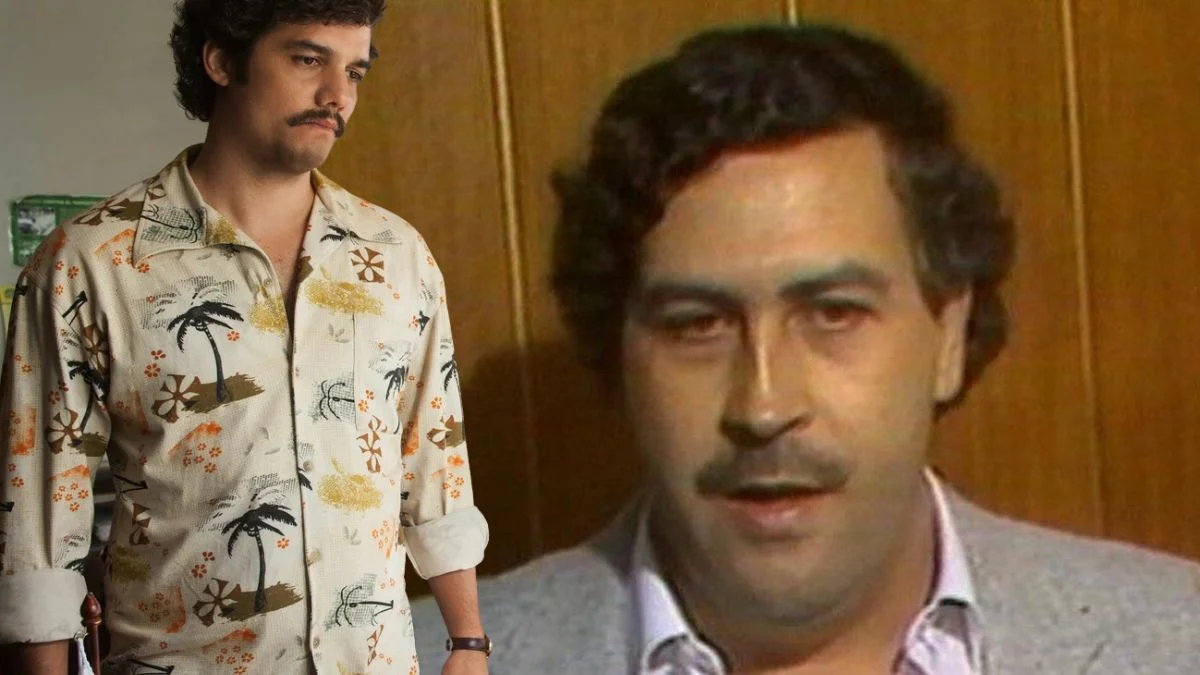

The world of ‘Narcos’ moves fast, and it drops viewers straight into a turbulent era in Colombia with cartel wars, headline making bombings, and a hunt that crosses cities and borders. The show tells the rise and fall of Pablo Escobar, then follows the shift in power to the Cali Cartel, using crisp narration and a mix of dramatized scenes and real footage to keep the story moving.
Along the way, the series makes choices that pull events closer together, merge people into single characters, and simplify tricky logistics so the plot never slows. Other choices land cleanly, from the bilingual approach to the way it tracks the changing drug trade after Escobar. Here are five things that made zero sense and five things that made perfect sense.
Zero Sense: Timelines and composites blur the manhunt
The show compresses major operations that unfolded over several years into tight story arcs that feel like a handful of months. The search phases around Escobar’s escape in 1992 and his death in 1993 are stitched into one driving chase, which smooths over pauses and bureaucratic delays that shaped real investigations. This gives viewers a single continuous pursuit, but it mashes together separate raids, stakeouts, and political decisions that did not actually line up so neatly.
It also leans on composite characters who stand in for multiple real figures. Colonel Horacio Carrillo is written to embody tactics and leadership choices associated with more than one police commander, which makes the chain of command easier to follow on screen while making it harder to map scenes to specific people and dates in the historical record.
Perfect Sense: Spanish first with clear subtitles
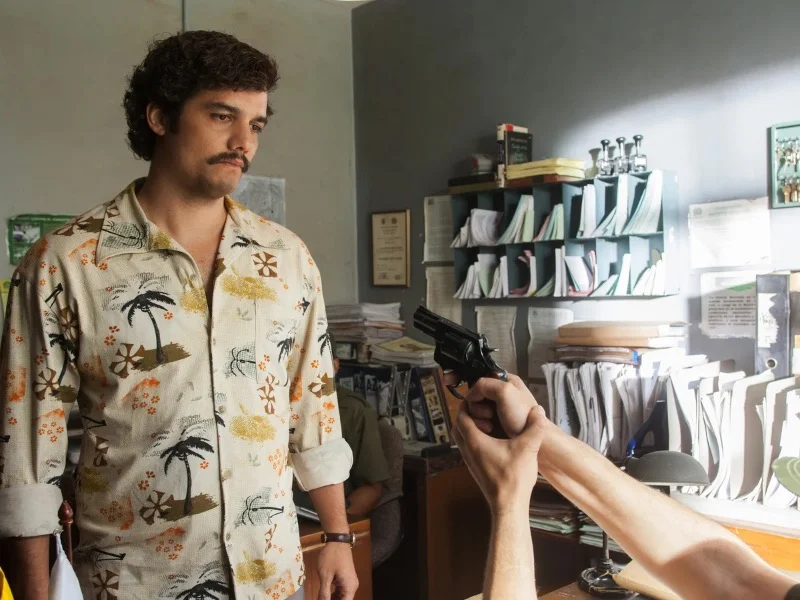
Most dialogue in ‘Narcos’ is in Spanish, and the show pairs that with readable subtitles and selective English so the language on screen matches who is speaking and where the scene takes place. This keeps conversations between Colombian officials, cartel members, and local communities grounded in the language they would actually use, while DEA scenes and U.S. embassy briefings use English.
That choice lets the series carry regional slang, legal terms, and street vocabulary without awkward rewrites. Expressions like plata o plomo and everyday police jargon land with their real rhythm, which helps viewers understand how threats, negotiations, and quick deals sound in context.
Zero Sense: Accents drift from the setting
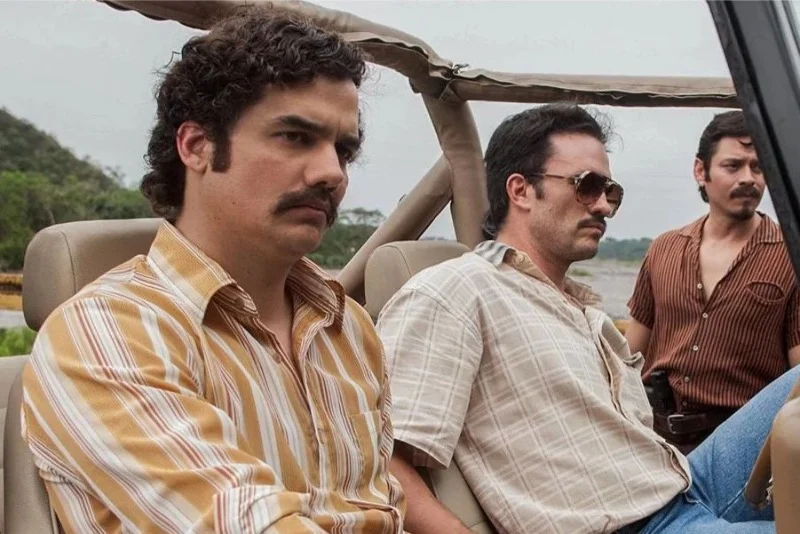
Several principal actors are not Colombian, and some early episodes capture noticeable differences from the Paisa accent used in Medellín. Wagner Moura learned Spanish for the role and built Escobar’s cadence over time, yet hints of his native Portuguese show through in certain words and vowel sounds, especially in season one.
Across the cast, you can hear a mix of Mexican, Chilean, and Brazilian influences that sometimes sit oddly inside scenes set in Antioquia or Valle del Cauca. The result is a patchwork of dialects within the same police unit or cartel crew that would be less likely in a single Colombian city during the period shown.
Perfect Sense: Real news footage ties story to events
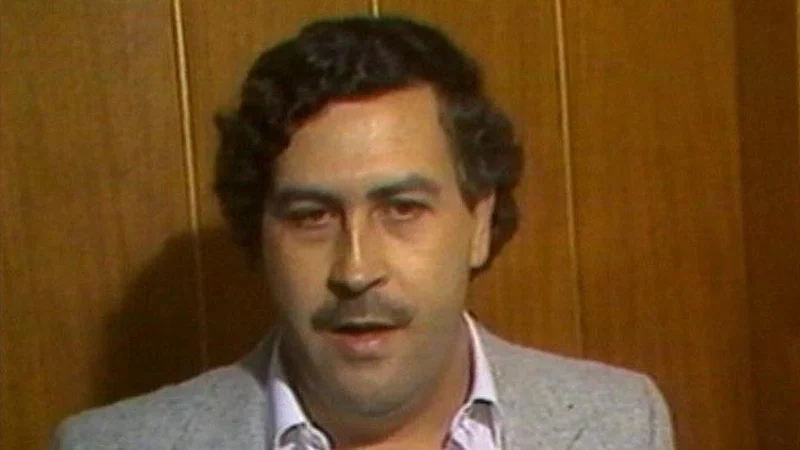
The series blends archived news clips with dramatized scenes to place bombings, raids, funerals, and press conferences on a clear historical track. Those cutaways show actual streets, buildings, and public reactions so viewers can see the scale of an event before the plot moves to the next lead or negotiation.
The narration uses those moments to explain policy turns such as the fight over extradition and the public pressure that followed major attacks. That structure gives a quick baseline for what happened in the country at large so character decisions feel anchored to documented events.
Zero Sense: Surveillance looks more advanced than the era

Several sequences show broad phone interception and near live location tracking that feel like smartphone era tools. In early 1990s Colombia, most cellular service was analog, coverage outside major urban areas was limited, and consumer devices did not transmit precise location data the way later digital networks would.
Investigators relied much more on informants, radio direction finding, landline taps, pagers, and careful physical surveillance than on software dashboards that visualize moving targets in real time. The show’s sleek interfaces make scenes easy to follow, but they overstate what was practical in that setting.
Perfect Sense: DEA lens holds the narrative together
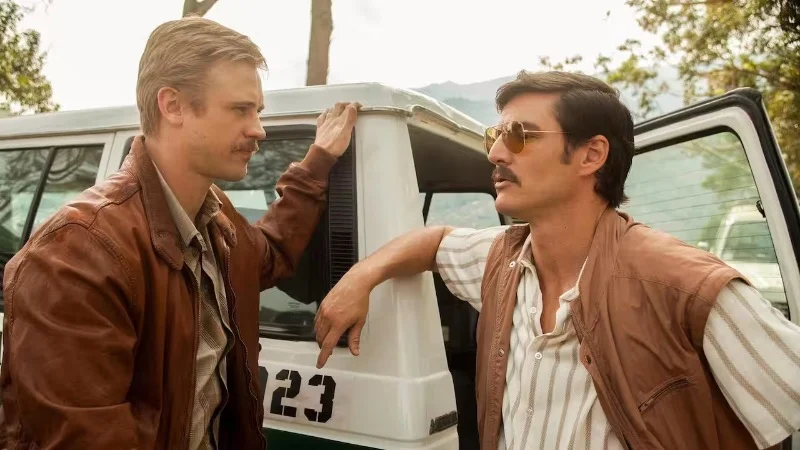
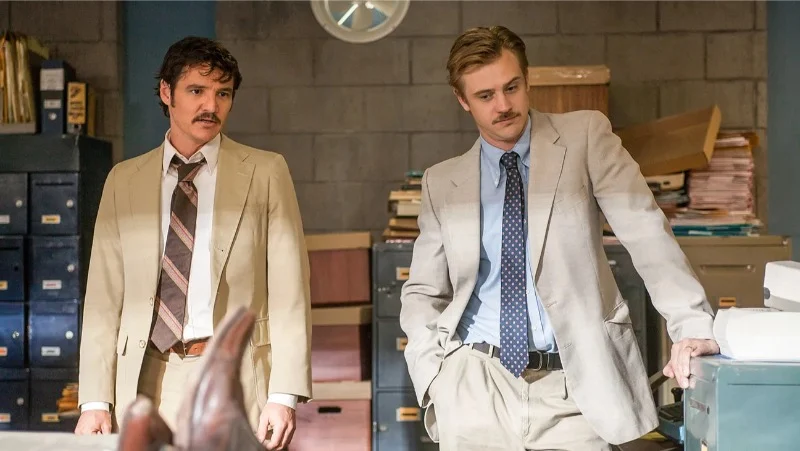
Telling the story through agents Steve Murphy and Javier Peña gives the series a consistent anchor as it moves among police units, prosecutors, politicians, and rival traffickers. Their viewpoint justifies the voiceover, the quick jumps between offices and safe houses, and the steady access to multiple agencies working the same targets.
That lens also mirrors the real partnership between Colombian authorities and U.S. agents who shared intelligence, training, and equipment during the most intense phases of the conflict. It is a clean way to connect local operations with the wider international response to the cocaine trade.
Zero Sense: La Catedral plays like a shootout stage
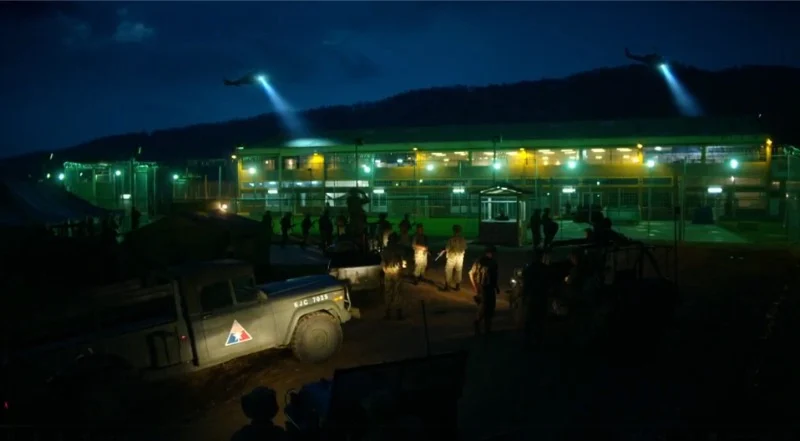
Scenes inside and around the La Catedral prison show heavy gunplay and a rapid swing from control to chaos that feels like a single burst of action. In reality, Escobar escaped when authorities moved to transfer him out of the facility he had negotiated, after a tense standoff and a breakdown in the agreement that had kept him there.
The series condenses the chain of decisions that led to that moment and trims the stop start nature of the response. By framing it as a swift action sequence, it downplays how the unique status of the prison and the slow unraveling of the deal set the conditions for the escape.
Perfect Sense: The pivot to the Cali Cartel after Escobar
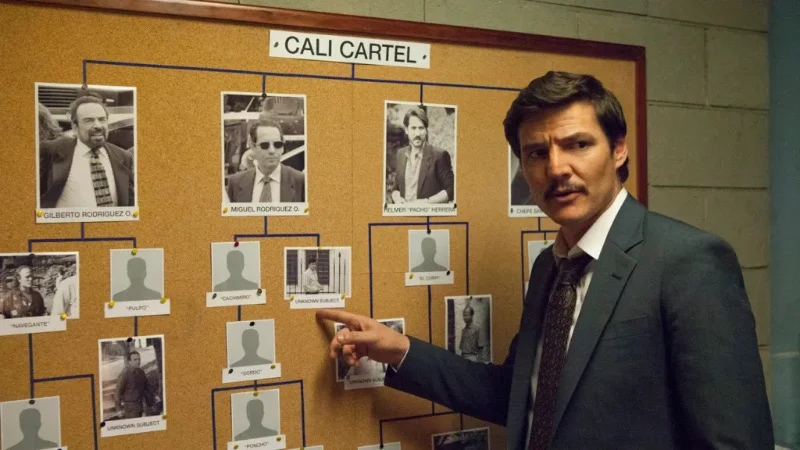
Season three shifts the focus to the Cali Cartel, which reflects how the industry reorganized after Escobar’s fall. The show tracks the leadership of the Rodríguez Orejuela brothers and their partners, and it explains how a quieter strategy of bribery, front companies, and distribution networks replaced open confrontation.
It lays out the compartmentalized structure used by Cali, with separate arms for security, finance, and logistics, along with influence inside local institutions. That map helps viewers understand why the group expanded rapidly and why dismantling it required a different playbook than the one used against Escobar.
Zero Sense: Geography and travel feel too easy
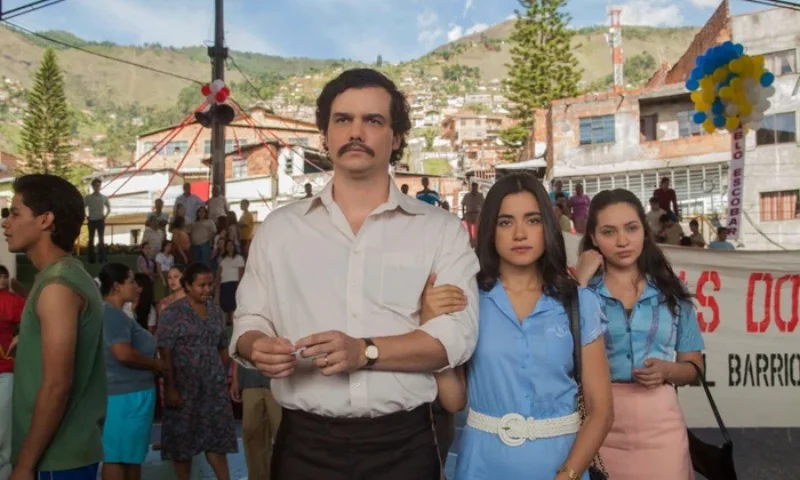
Episodes move from Medellín to Bogotá to Cali with minimal time loss, which makes multi city coordination appear almost instantaneous. In practice, moving teams, equipment, and detainees across those routes involves long road hours or flights that bring security checks and scheduling limits.
Operations that should demand day long planning unfold within a single episode as if neighboring districts were minutes apart. This keeps momentum high, but it hides the logistical friction that shaped when raids happened and how fast tips could be used before they went cold.
Perfect Sense: State tactics and their side effects are on screen
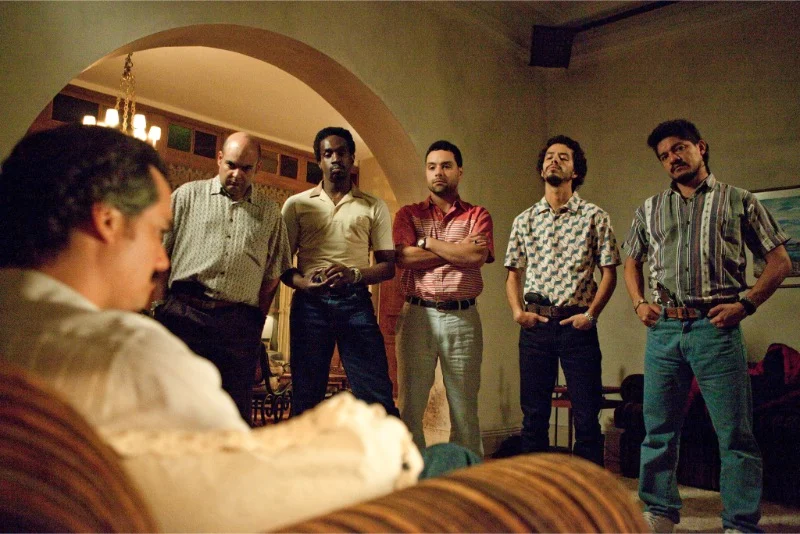
The show includes paramilitary actors, special police units, and political deals such as the arrangement that created La Catedral, which captures the range of tools the state tried as it faced escalating violence. Those tactics pushed traffickers to change patterns, abandon properties, and make riskier moves that the authorities could exploit.
It also depicts how crackdowns created openings for rivals and how information from enemy networks shaped arrests and shootouts. That attention to unintended consequences helps viewers see why pressure in one place often triggered violence or corruption in another, rather than producing simple cause and effect.
Share which parts of ‘Narcos’ surprised you and which parts rang true in the comments.