5 Things About ‘Peaky Blinders’ That Made Zero Sense and 5 Things About It That Made Perfect Sense

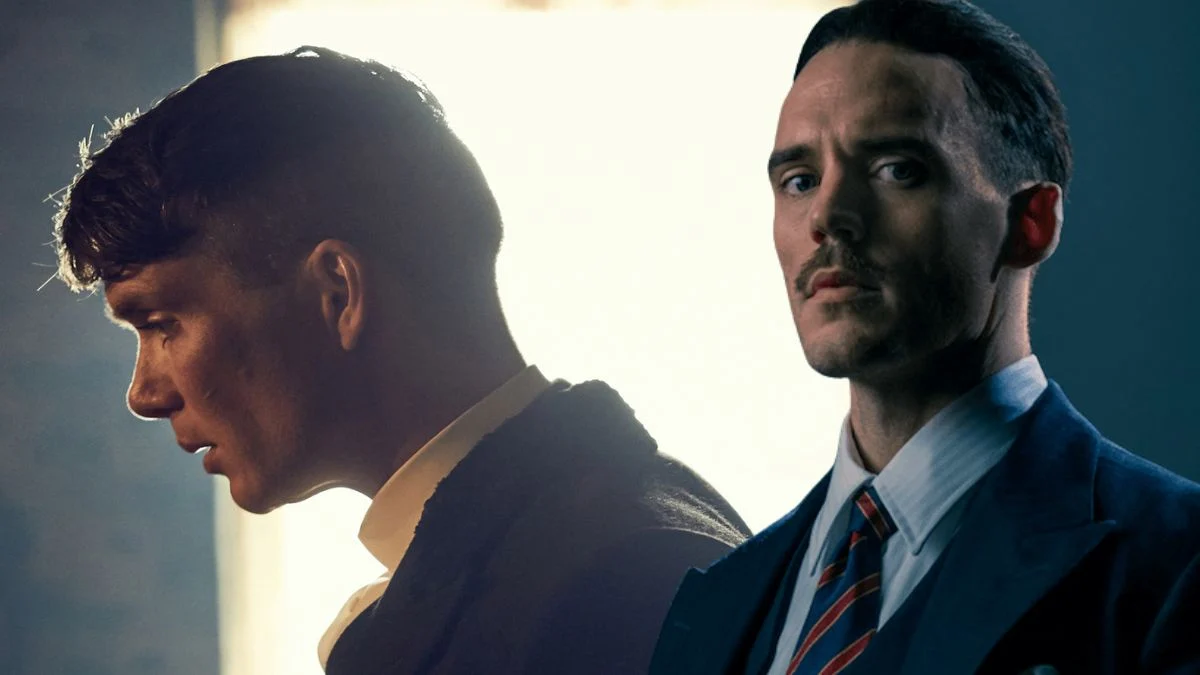

‘Peaky Blinders’ blends crime, politics, and family drama across the turbulent years after the First World War. It moves from local rackets in Small Heath to high society and Westminster while pulling in real figures and major events. That scale gives the series its punch and also creates places where details collide or timelines blur.
This breakdown balances the head scratching moments with choices that line up with history and documented practice. Each entry focuses on what is shown on screen and how it matches up with known context around the period, the locations, and the people who shaped the era that the show covers.
Zero Sense: The sapphire curse and Grace’s death
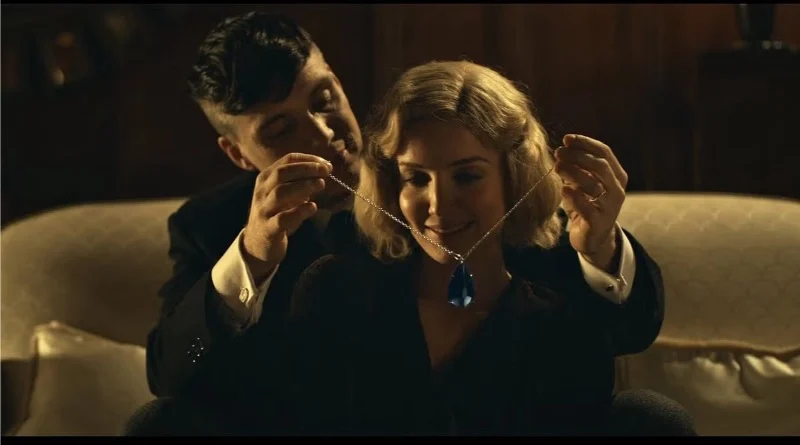
The Russian blue sapphire is introduced as a royal heirloom and labeled cursed by a traveler matriarch before a Shelby Foundation dinner. Grace wears the stone to the event and is shot by an Italian assassin sent to avenge earlier Shelby violence. The scene connects the warning and the tragedy through proximity even though the killer acts for reasons set by a gang feud rather than any chain of custody around the jewel.
The necklace then continues to surface as an omen while the investigation into the shooting follows the vendetta line. The story treats the stone as a pivot for danger without supplying a concrete path from owners to assassins or a practical role in the murder plan. The resulting mix of superstition and revenge creates a cause thread that the show never grounds with specific steps, names, or exchanges.
Perfect Sense: Oswald Mosley’s rise and the failed plot
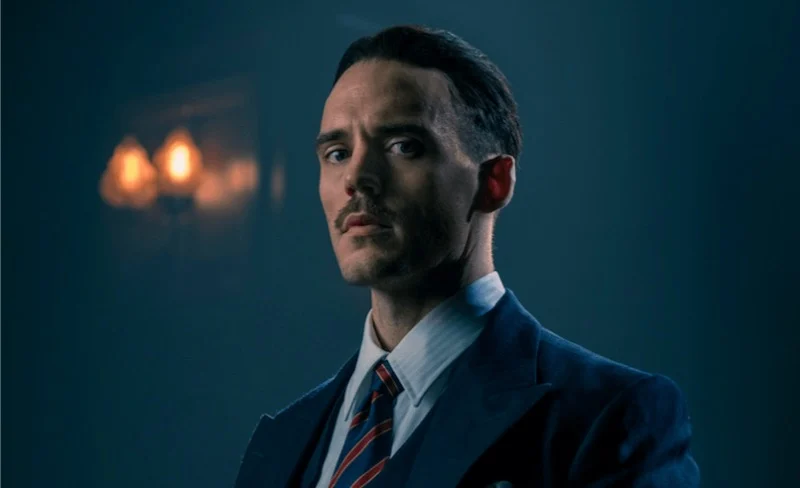
Oswald Mosley appears as a sitting Member of Parliament who leaves the ruling party and builds a fascist movement with rallies, black shirted stewards, and a speaking style that copies continental leaders of the time. The series places him at large indoor gatherings under heavy protection and shows security built around choke points and insider access. That matches records of how such meetings were organized in Britain during the early growth of his movement.
The failed attempt on Mosley is traced to an internal leak and to Irish networks that penetrate the plan before it starts. The show assigns roles to shooters, spotters, and handlers, then cuts the operation by removing the marksman and the backup. That tracks with the way real political policing and paramilitary groups in the period operated by turning insiders and intercepting weapons before a public event.
Zero Sense: Character ages and the elastic calendar
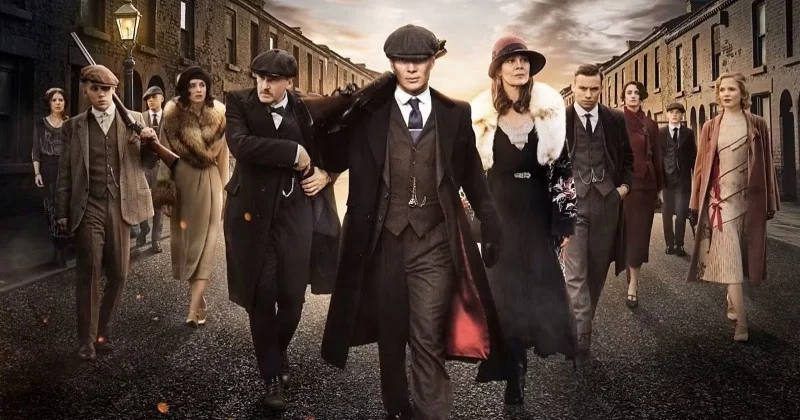
Props and records on screen place Tommy as a Great War veteran from the tunneling companies with a birth year that makes him a man in his early thirties at the start. Across the seasons the calendar moves through real events such as the general strike and the crash, yet younger relatives and children sometimes age at speeds that do not match the gaps between those events. Charles is presented at school age while only a handful of years have passed in story time, and Finn’s maturity and responsibilities jump between arcs without clear intervals.
Major life events arrive with dates that drift against those ages. Courtships, marriages, and long voyages appear to span months while other arcs jump years in a single episode. The production anchors seasons to famous moments and then keeps character development on a faster track, which produces conflicting signals about how much time has passed for the family as a whole.
Perfect Sense: Trauma from the tunnels and postwar symptoms

Tommy’s service as a sapper in the underground war is shown through flashbacks that include cramped galleries, listening posts, and the fear of mine blasts. Symptoms that follow include insomnia, nightmares, sudden rage, and self medication, which line up with medical notes on shell shock and neurasthenia that physicians used at the time. The series shows group triggers as well, like the effect of loud noises on multiple men who served in the same unit.
The script uses practical details of tunneling to explain leadership habits and risk tolerance. Scenes show how quiet signaling, planning under low light, and fast mapping of exits became routine for men who lived through cave ins. Those practices appear again in robberies and in the way Tommy programs his day around predictable routines to keep intrusive memories under control.
Zero Sense: Limited legal fallout for public violence
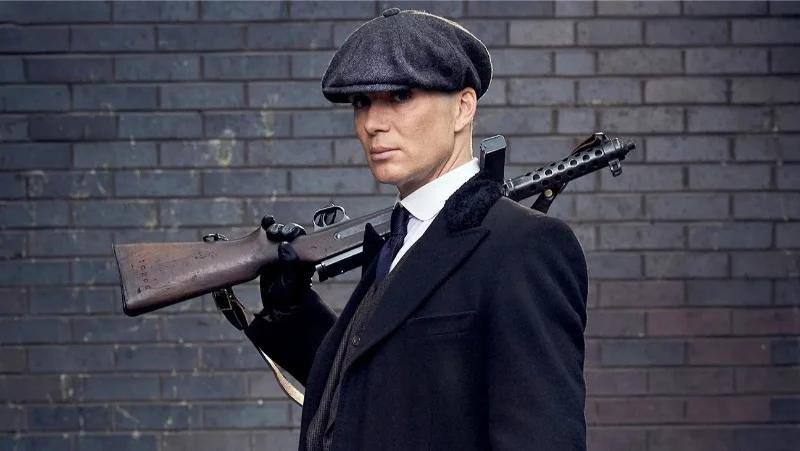
The Shelbys stage fights at licensed venues, run betting shops, and wage turf wars that spill into streets and clubs with witnesses present. Homicides occur in full view of crowds and sometimes in front of uniformed stewards. After those scenes, the legal response often fades or moves off screen in a quick exchange with a single official even when the act involves firearms or multiple casualties.
Later seasons add Members of Parliament and senior civil servants to the family circle, yet investigations into earlier open crimes do not return in a sustained way. Records, warrants, and forensics that were used in major British cities by the mid twenties rarely appear in detail, which leaves gaps between the scale of the violence and the court exposure that would have followed those incidents.
Perfect Sense: The 1926 labor unrest and Jessie Eden

The show brings in Jessie Eden as a factory organizer who pushes for women’s pay claims and industrial action. Her meetings, leaflets, and pressure on timekeepers reflect common tactics that unions used in Birmingham and other Midlands cities. The work floors are packed with women in repetitive roles on piece rates, which gives a credible base for rapid mobilization.
When the general strike atmosphere builds, the script places pickets at gates, shows police lines, and uses logistics problems to explain why bosses relent. The scenes make space for shop stewards, back channel talks, and the importance of distribution yards, each of which matches how strikes can succeed when transport and coal slow to a crawl.
Zero Sense: Overnight leaps in transatlantic business
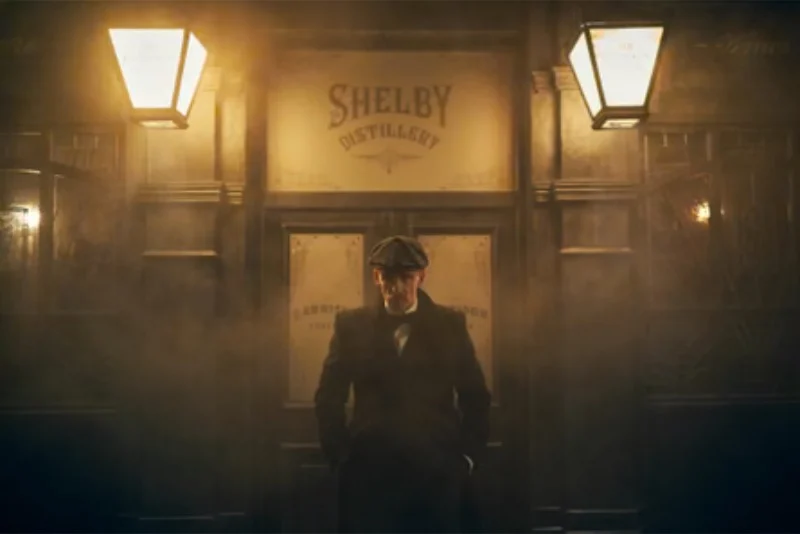
One arc moves the family from local opium processing and distilling to a plan that involves Boston buyers, Irish waypoints, and American political sponsors. Meetings in country houses lay out price, purity, and volumes, then the plan proceeds with one or two sit downs and a short negotiation. Critical pieces such as customs at ports, coordination with dockers, and insurance or loss allowances receive little screen time even though they define whether long routes survive first contact.
The American side compresses criminal networks into a few names and one family who can greenlight wholesale import. That reduction speeds the plot but leaves out rival Irish crews, local labor leaders, and established New England syndicates who controlled piers, trucks, and police relationships in the period. Without those layers, the overnight jump reads as a clean line where the historical picture was crowded.
Perfect Sense: Romani and Irish customs woven into family life
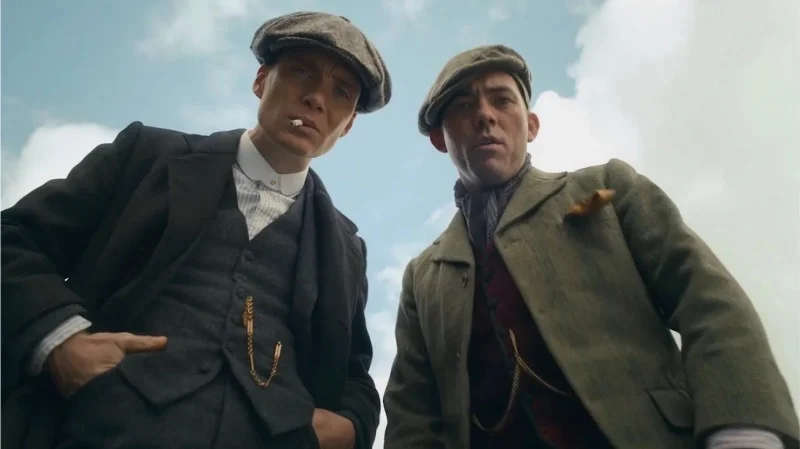
Shelby ceremonies and mourning practices include traveler symbols such as horse drawn processions, the burning of a wagon, and shared food and drink around the fire. The family uses Romani phrases in moments of stress and decision, and elders hold authority over omens and the reading of signs. Those elements mirror recorded customs in West Midlands traveler communities and show how belief shapes risk and family roles.
Catholic rites and Irish songs appear at baptisms and wakes, while old country ties determine who can be trusted with a message or a safe house. The blend of customs explains why oaths carry weight in private even when business moves follow a different logic in public. These details give the gang rules that are legible inside the family and help explain choices that might otherwise seem abrupt.
Zero Sense: Birmingham geography that moves to fit the story
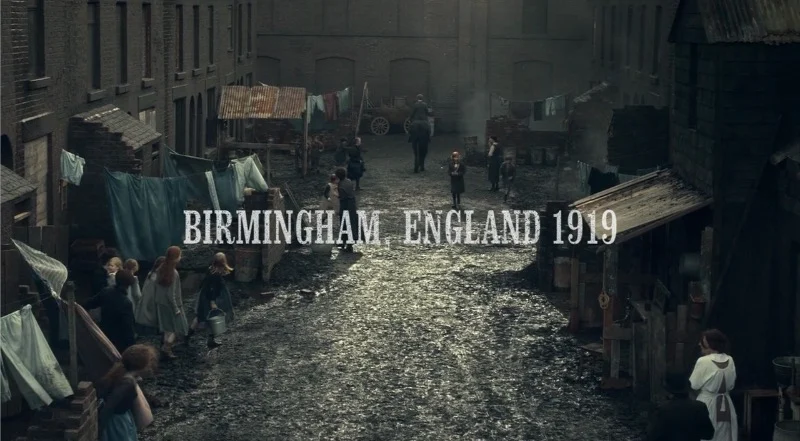
The narrative places the family in Small Heath with canals, cuttings, and factories within walking distance. Many exterior scenes use stand in docks and cityscapes from other towns, which shifts landmarks and travel times without notice. A walk to a wharf in one episode becomes a carriage ride past terraces in another, and the same block can look like two different neighborhoods across seasons.
Country estates, racetracks, and London headquarters sit within quick trips that ignore the time those routes would take on the roads and rail of the day. The visual result is striking but the map changes from week to week, which makes it hard to track how far the family has moved or how quickly they should be able to respond to a threat.
Perfect Sense: Rival crews and smuggling through ports and canals
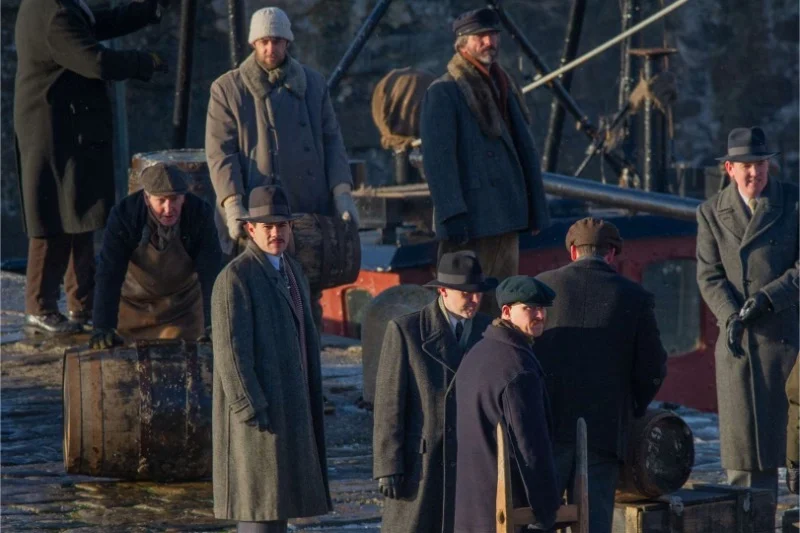
The plot uses canals, railway sidings, and port connections to explain how guns or drugs move without customs attention. Chinese wholesalers, Italian families with New York links, and Irish intermediaries all appear in buying and enforcement roles that fit trade patterns of the time. That spread reflects how contraband followed established goods routes and needed managers at warehouses, locks, and yards.
Territory disputes arise around specific assets such as a distillery, a betting license, or a dock shed. Enforcement falls to men who control access to doors and wagons rather than to anonymous armies, which matches how groups defended narrow revenue streams. The show’s focus on chokepoints shows a working grasp of how organized crime builds around logistics rather than around abstract claims to a whole city.
Share the one thing from ‘Peaky Blinders’ that confused you most or made total sense in the comments.