Arnold Schwarzenegger Names His Six Favourite Movies of All Time



Arnold Schwarzenegger has highlighted a tight group of films that cut across genres and eras, reflecting touchstones that shaped mainstream cinema. His picks range from family friendly science fiction to crime drama, a classic musical, a record breaking romance disaster epic, a modern Western, and an early vision of theme park technology gone wrong. Each selection carries notable craft, cultural impact, and lasting influence that can be traced through later hits and industry trends.
Below is a closer look at the six films he singled out. For each title you will find key facts about the story, the people who made it, the techniques behind the scenes, and the awards and milestones that followed.
‘E.T. The Extra-Terrestrial’ (1982)
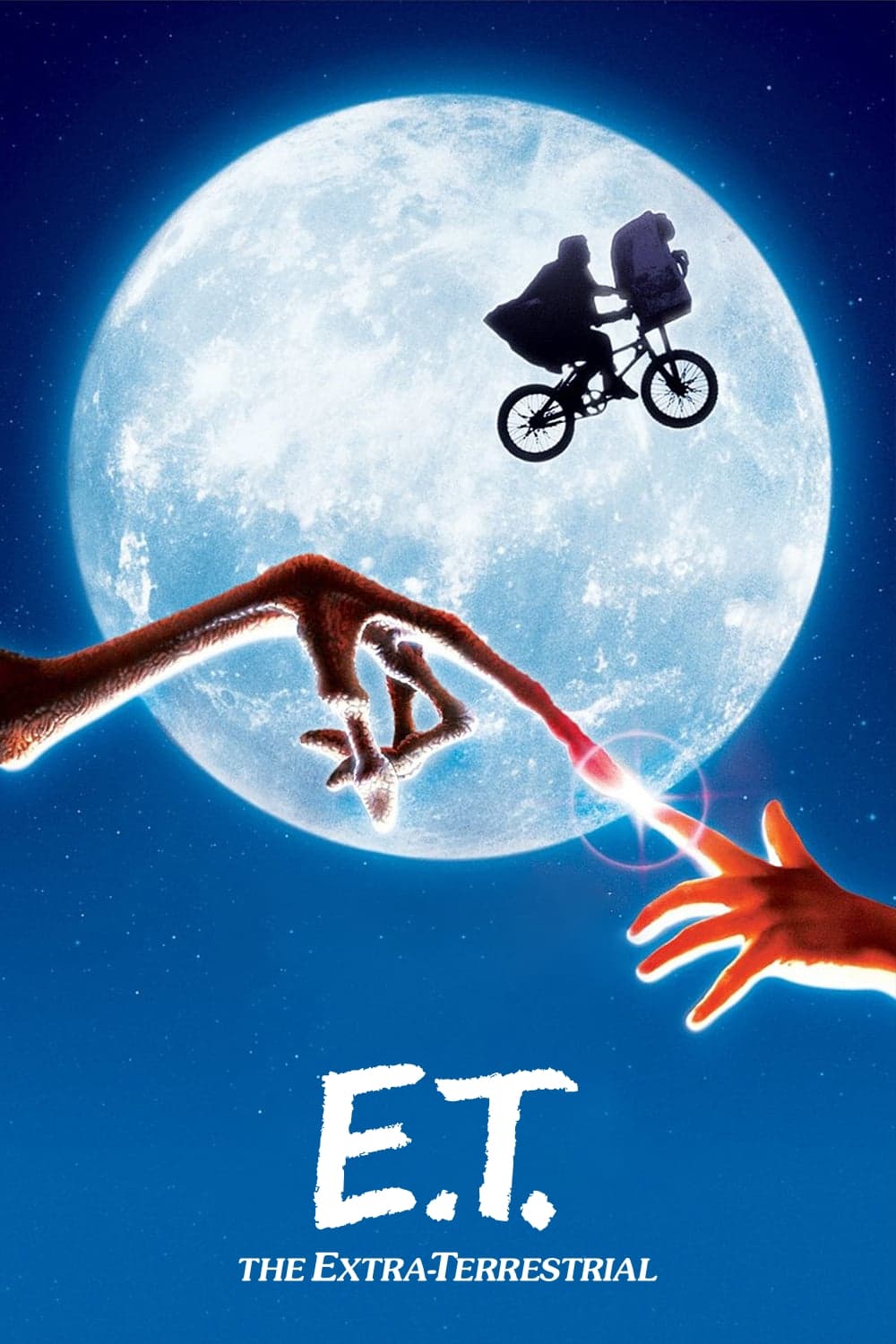
Directed by Steven Spielberg, this science fiction story follows a California kid named Elliott who discovers and protects a stranded alien. The film pairs practical animatronics with visual effects to bring its central character to life, supported by a John Williams score that became widely recognizable. It set box office records on release and received multiple Academy Awards for music and sound work along with nominations in top categories.
Production used suburban locations around Los Angeles, with the flying bicycle sequence achieved through rigging and optical compositing handled at Industrial Light and Magic. Italian artist Carlo Rambaldi designed and engineered the expressive E.T. puppet, allowing for subtle facial movement in close ups. The film’s merchandising, re releases, and home video performance extended its reach to new audiences long after the initial theatrical run.
‘The Godfather’ (1972)
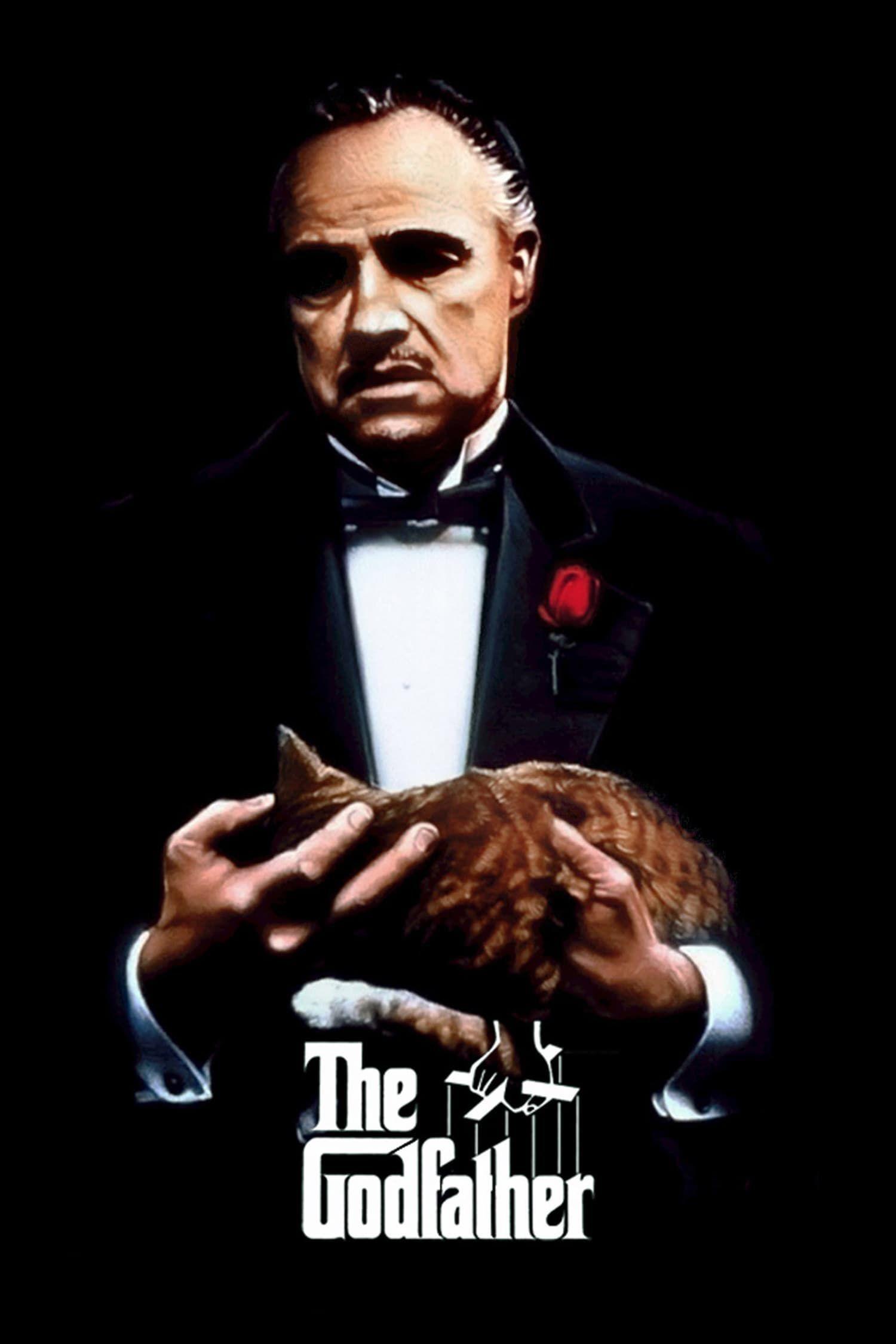
Francis Ford Coppola adapts Mario Puzo’s novel about the Corleone family, tracking leadership changes within a New York crime organization. Marlon Brando and Al Pacino lead the cast, with Gordon Willis crafting low key cinematography that defined the film’s shadow heavy look. The movie won Best Picture as well as awards for acting and screenplay, and it established a template for organized crime storytelling that many later projects followed.
Nino Rota composed the score, whose main theme became closely associated with the franchise. The film’s production involved extensive location work in New York City and period accurate set design and costumes to match postwar settings. Its success led to sequels that expanded the family’s history and business, and it remains a frequent reference point in film studies courses and industry discussions about adaptation.
‘The Sound of Music’ (1965)
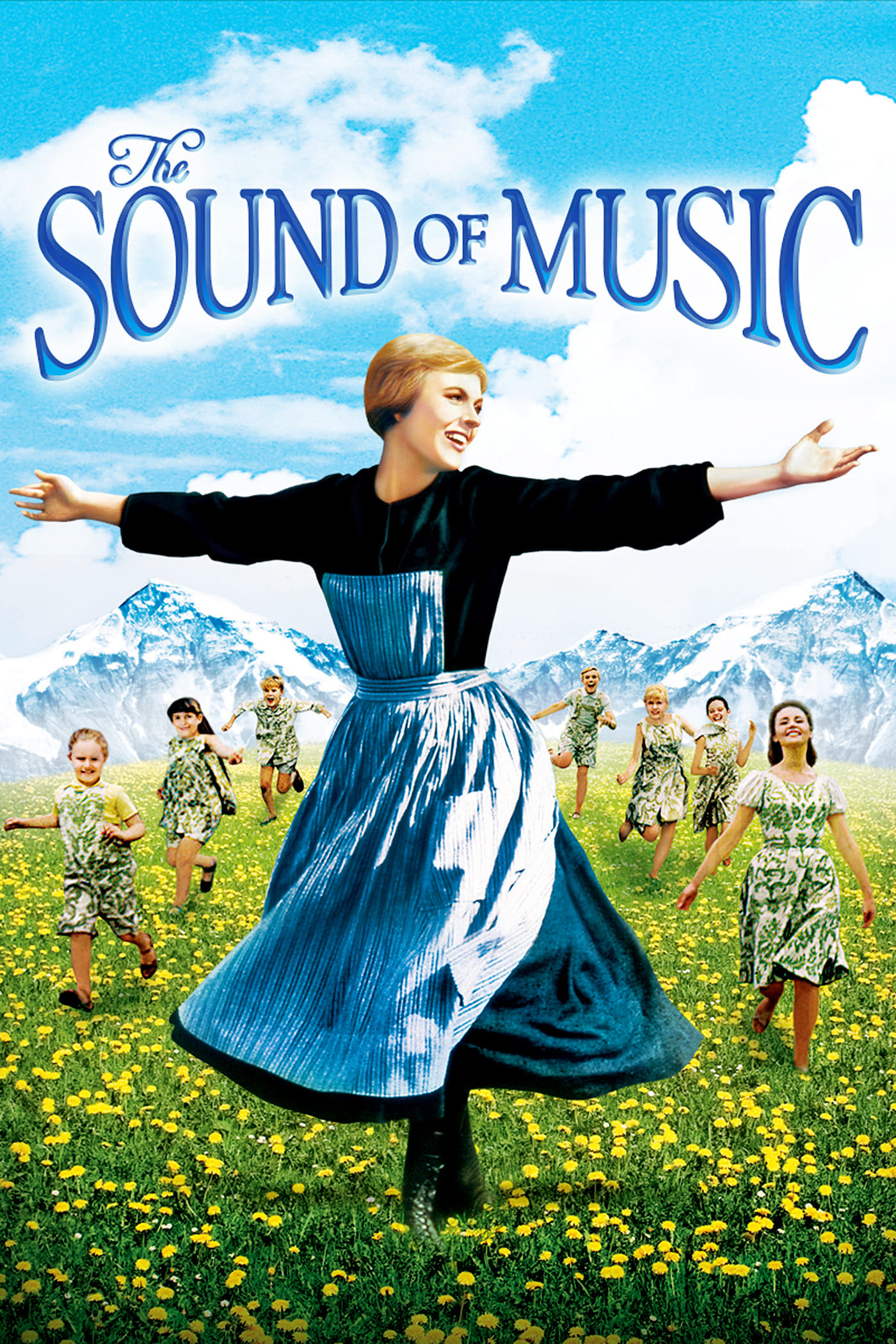
Robert Wise directs this Rodgers and Hammerstein musical about Maria, the von Trapp children, and their family’s change in fortune in Austria. Julie Andrews and Christopher Plummer lead the cast, with numbers including Do Re Mi and My Favorite Things that moved from stage to screen with large scale choreography. The film won Best Picture and Best Director and became one of the most successful musicals in cinema history.
Location photography in and around Salzburg combines with studio work to build the story’s sense of place. The production invested in wide format cinematography and careful sound recording to support ensemble singing and orchestration. Re releases and sing along screenings kept the title active across decades, and the soundtrack album achieved major sales milestones in multiple countries.
‘Titanic’ (1997)
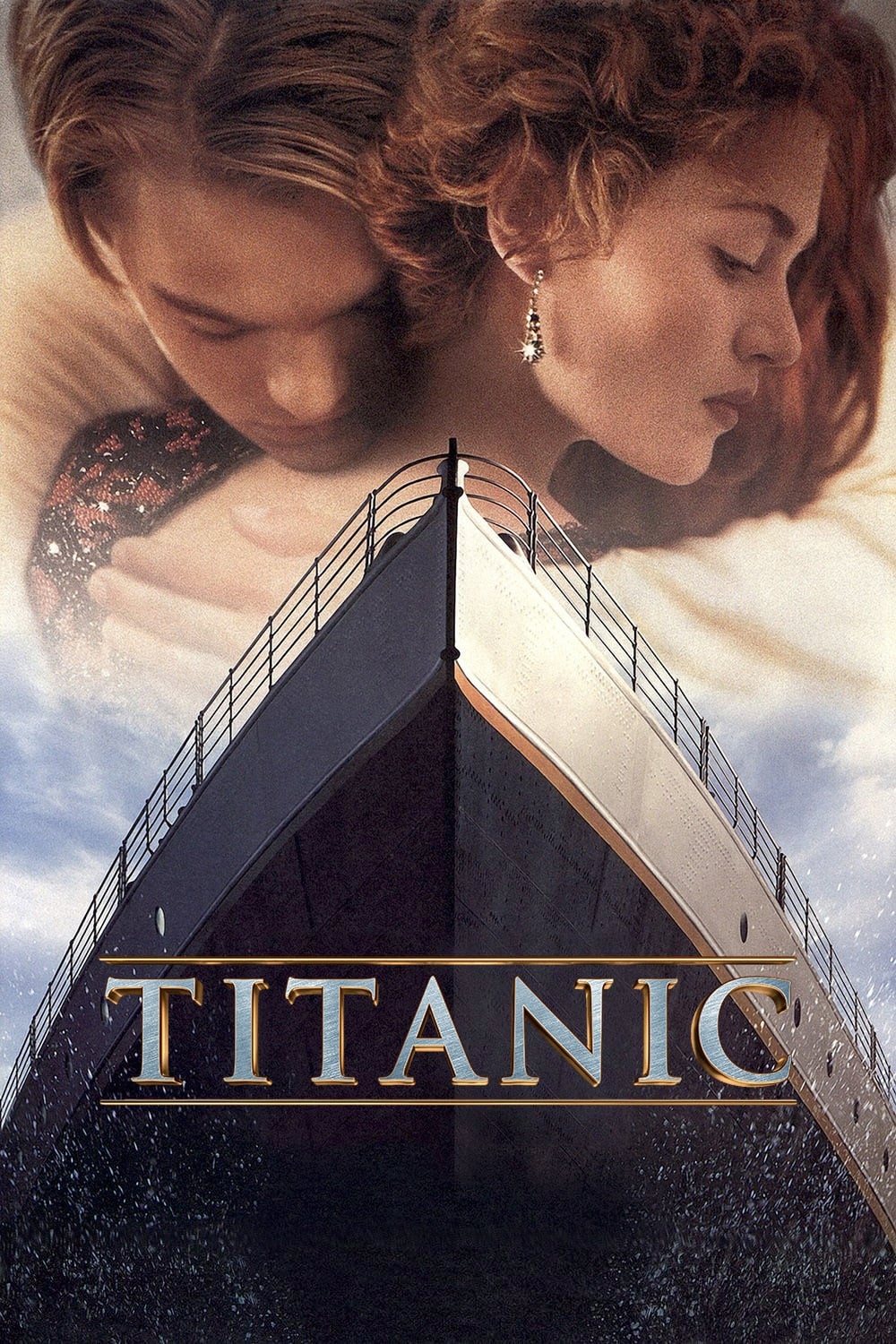
James Cameron’s film follows passengers aboard the RMS Titanic, centering on Jack and Rose as the ship meets its fate. The production combined a full scale set with miniature work, extensive water tank staging, and digital effects to depict the sinking. It tied the record for most Academy Award wins including Best Picture and Best Director and became one of the highest grossing films worldwide.
Principal photography took place at a purpose built facility in Baja California with dedicated stages and a large ocean tank. Cameron’s team integrated motion control miniatures, practical stunts, and computer generated crowds to fill out the decks and lifeboats. Composer James Horner and singer Céline Dion collaborated on a theme song that topped charts globally, and the film’s box office crossed the two billion dollar mark through theatrical runs and later rereleases.
‘Unforgiven’ (1992)
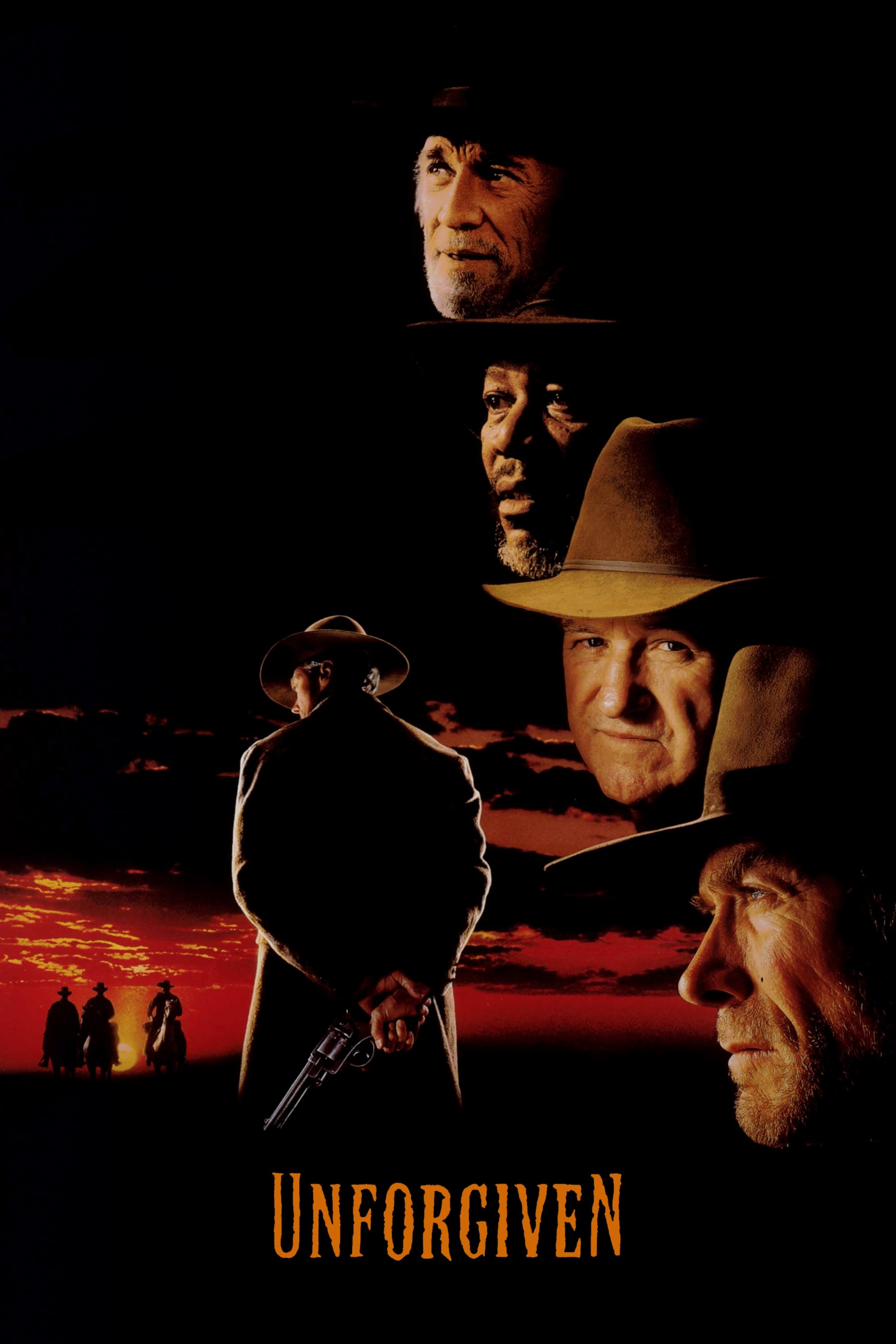
Clint Eastwood directs and stars in this Western about a retired gunslinger who returns for one last job, drawing in his old partner and a younger associate. The film won Best Picture and Best Director, and Gene Hackman received an acting award for his role as a small town lawman. Its success marked a major achievement for the Western genre in contemporary cinema.
The script by David Webb Peoples had a long development process before Eastwood chose to make it, keeping the original tone and structure intact. Filming took place in Alberta with sets built to avoid visible modern infrastructure, and the production emphasized natural light and practical effects for gunfights and weather. Music by Lennie Niehaus supports a restrained soundscape that matches the film’s focus on consequence and aftermath.
‘Westworld’ (1973)
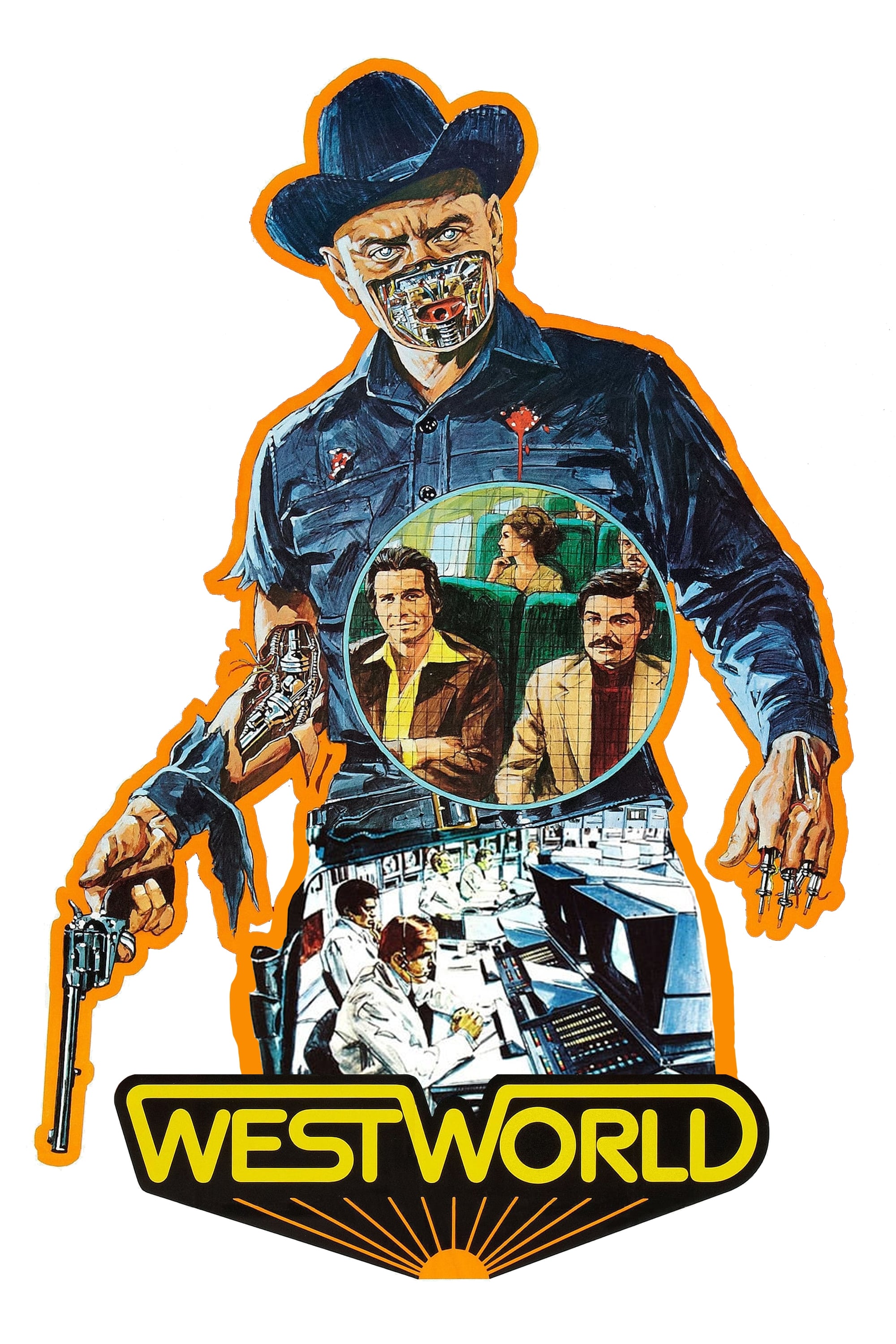
Written and directed by Michael Crichton, this science fiction thriller is set in a luxury resort where guests interact with lifelike androids across themed worlds. The story follows two visitors whose vacation turns into a crisis when system failures trigger deadly behavior. Yul Brynner’s performance as a relentless gunslinger helped define the threat that drives the final act.
The film is notable for early use of computer processed imagery to simulate an android point of view, achieved through digital pixelation of live action footage. Its concept inspired later explorations of artificial intelligence, theme park control systems, and human machine interaction, including the television series ‘Westworld’. Efficient production schedules and a modest budget showed how high concept science fiction could be executed with then current tools and smart editing.
Share your own six picks in the comments and tell readers which titles you would add next.