5 Things About ‘House MD’ That Made Zero Sense and 5 Things About It That Made Perfect Sense

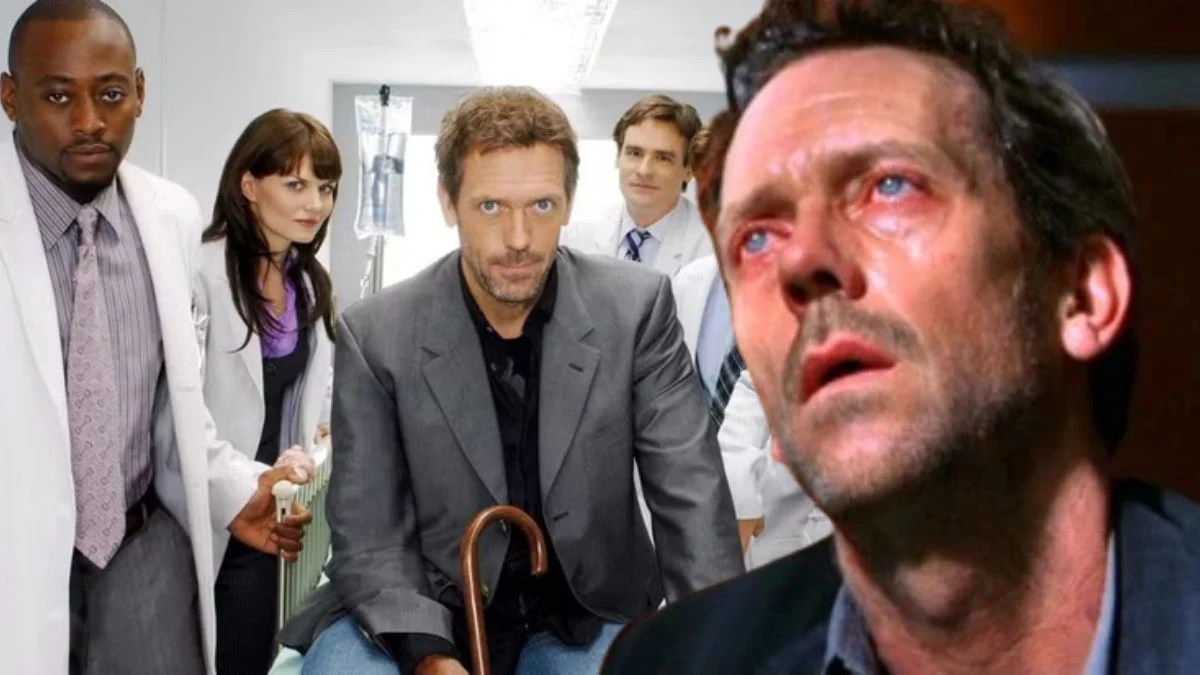

‘House MD’ built its reputation on bold diagnostics and a team that chased medical mysteries with relentless focus. The show mixed clinical jargon, rare conditions, and high stakes in a way that made every case feel urgent and intricate. It introduced many viewers to the rhythm of hospital work while keeping the spotlight on puzzles that demanded creative thinking.
Along the way, it bent real world rules to keep the story moving. Some choices cranked up drama at the cost of accuracy, while others captured how medicine actually works under pressure. Here are five things that stretched belief and five that reflected clinical reality, all through the lens of how hospitals, teams, and patients really function.
Zero Sense: Doing every procedure themselves
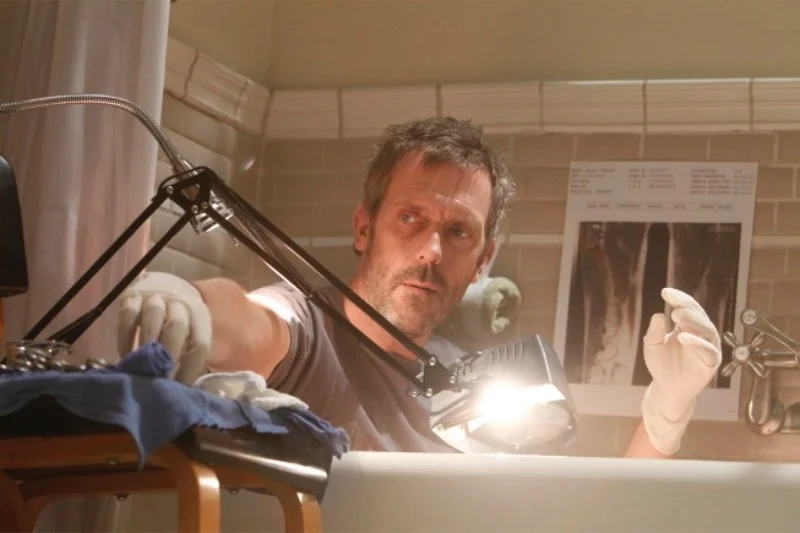
The team often performed invasive procedures that in real hospitals belong to different services. Tasks like cardiac catheterization, neurosurgical interventions, or complex airway work usually require specialty training and specific credentialing. Hospitals track privileges by procedure and enforce supervision requirements for trainees.
In practice, a patient would be handed off or co managed with the appropriate specialty. Interventional radiology places central lines and drains. Cardiology runs cath labs. Pulmonary and critical care manage bronchoscopies. This division of labor protects patients, spreads workload, and matches expertise to risk.
Perfect Sense: Whiteboard differential method
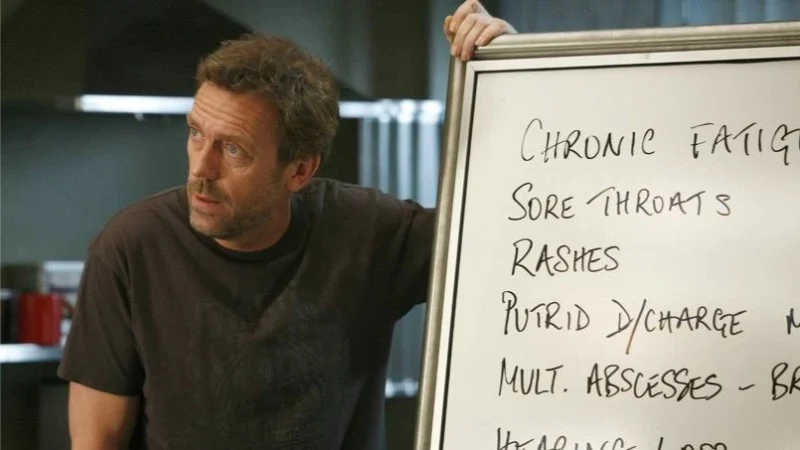
The whiteboard sessions captured a standard approach to problem solving in medicine. Listing symptoms, proposing a differential diagnosis, and organizing possibilities by organ system or mechanism mirrors real case conferences. Physicians use frameworks to avoid anchoring and to ensure life threatening causes are ruled out first.
This process also reflects Bayesian thinking. Teams weigh pretest probability, pick studies that meaningfully shift it, and revise the list as new data lands. The habit of writing, erasing, and regrouping teaches trainees to adjust to evolving information rather than defending first guesses.
Zero Sense: Instant tests and scans
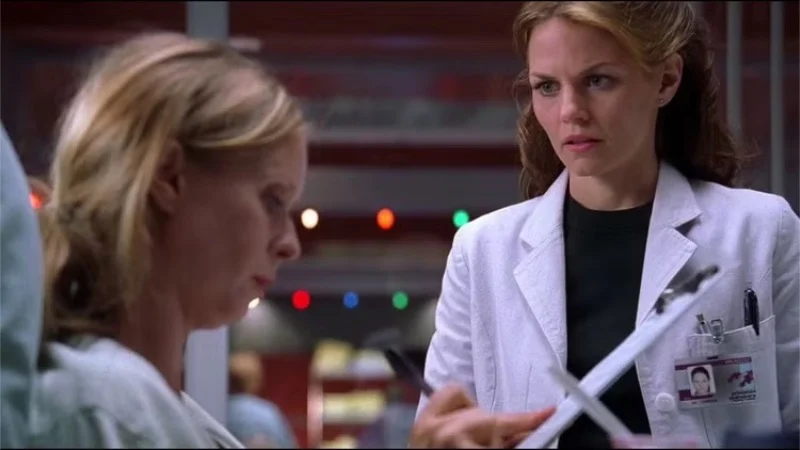
Many episodes showed lab panels and imaging appearing almost immediately. In reality, turnaround times vary widely. A complete blood count can be fast, while cultures require days. Advanced imaging depends on scanner availability, patient prep, radiologist review, and sometimes sedation or contrast clearance.
Critical results are escalated quickly, yet systems still need transport, accessioning, and verification. Even in tertiary centers, after hours studies run on leaner staffing. When timelines compress too far, safety checks that prevent mislabeled specimens or missed allergies would be at risk.
Perfect Sense: Atypical presentations happen
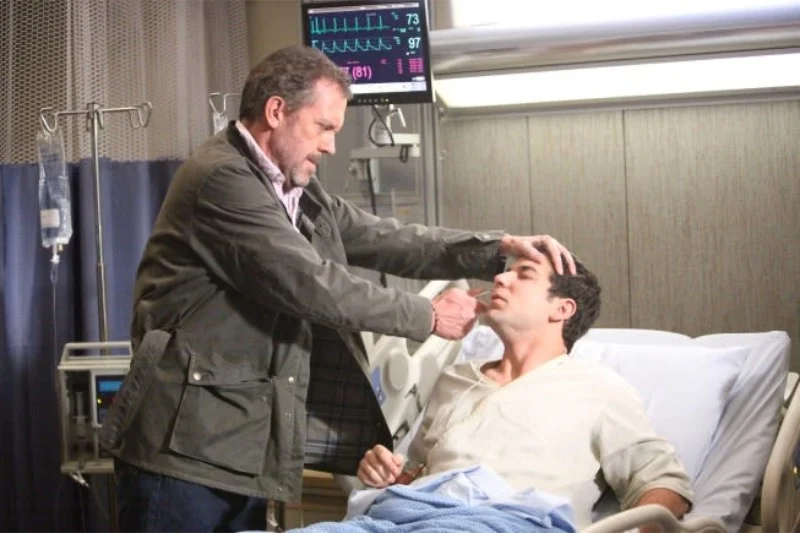
The show highlighted patients who did not match textbook descriptions. Real cases often break patterns because comorbidities, medications, or timing alter classic signs. Early disease can produce nonspecific symptoms, and rare conditions sometimes mimic common ones.
Clinicians manage this by revisiting the history, repeating focused exams, and timing tests to biologic windows. Serologies can be falsely negative early. Imaging can lag behind symptoms. Iteration is part of safe care, and changing direction when new findings arrive is expected behavior.
Zero Sense: Loose MRI safety
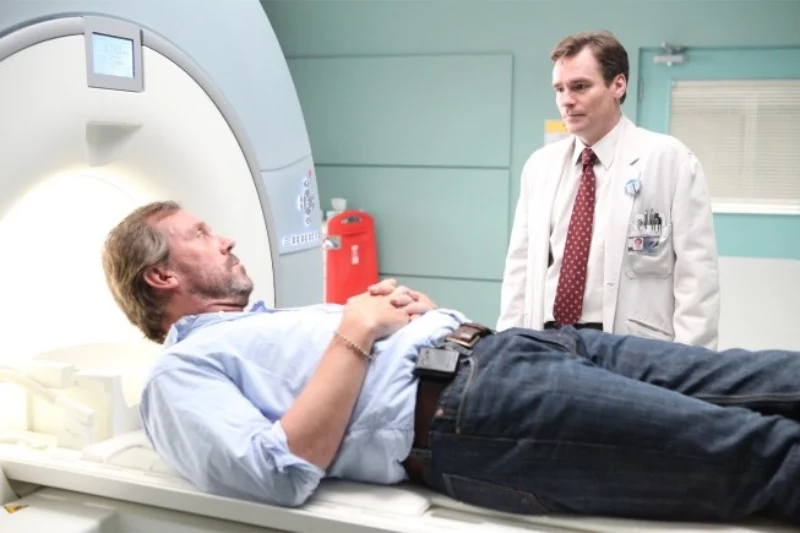
Characters were wheeled toward MRI suites with little screening, and metal objects sometimes appeared only as the scan began. Real MRI safety is strict. Staff use detailed checklists, handheld magnets, and multiple checkpoints to catch ferromagnetic items and incompatible implants before the doorway.
Patients are consented about noise, claustrophobia, and contrast risks. Devices are verified as safe, conditional, or unsafe. Emergencies near the magnet require specific drills because many standard tools cannot enter the room. Skipping these barriers would create preventable hazards.
Perfect Sense: Teaching hospital hierarchy

The structure of an attending directing fellows and residents was accurate. Teaching services balance autonomy with supervision, and attendings are accountable for final decisions. Teams present assessments, defend plans, and learn from feedback in a routine that repeats every day.
Consults from other specialties are part of the workflow. Notes document reasoning and confirm responsibilities. Morbidity and mortality meetings review complications to improve systems. Trainees rotate through services to build procedural logs and meet competency milestones that are audited by credentialing bodies.
Zero Sense: Impairment oversight around opioids

The series showed sustained opioid use with limited institutional response. Hospitals have fitness for duty policies that activate when clinician performance might be impaired. Colleagues can request peer review. Occupational health and physician health programs offer monitoring and treatment paths.
Return to work usually includes verified recovery, random testing when indicated, and defined practice boundaries. Departments track outcomes and involve risk management. These safeguards exist to protect patients and to support clinicians through safe recovery rather than relying on informal arrangements.
Perfect Sense: Iatrogenic risk is real

Complications from tests and treatments were common on the show, and that mirrors reality. Any intervention carries risk, from contrast reactions to procedure related bleeding. Even appropriate antibiotics can trigger adverse effects or alter future resistance patterns.
Informed consent addresses benefits, alternatives, and risks in plain language. Teams monitor for downstream harm and document mitigation steps. Quality programs track complication rates and use checklists or time outs to cut preventable events, because reducing iatrogenesis is a core safety goal.
Zero Sense: Home searches for clues
Team members frequently entered homes without explicit permission to hunt for exposures. Real world clinicians do not do that. Environmental histories are taken during interviews, and when a home assessment is needed it is arranged with consent and handled by public health or occupational teams.
Access without consent raises legal and ethical issues, including privacy violations and chain of custody concerns. When environmental sources matter, the safer route is to order appropriate testing, coordinate with agencies, and document findings through standard channels.
Perfect Sense: Chronic pain is complicated

The portrayal of a long term pain condition underscored genuine clinical challenges. Chronic pain can persist after tissue injury because of nerve changes and central sensitization. Function, mood, and sleep often interact with pain severity, which complicates treatment response.
Management is multimodal. Options include physical therapy, nonopioid medications, interventional procedures, and behavioral approaches. When opioids are used, clinicians set goals, monitor function, and reassess regularly. Plans evolve as risks and benefits shift, which is why long term follow up is essential.
Share your favorite head scratching or spot on medical moments from ‘House MD’ in the comments.