Quentin Tarantino’s 10 Favourite Western Movies of All Time

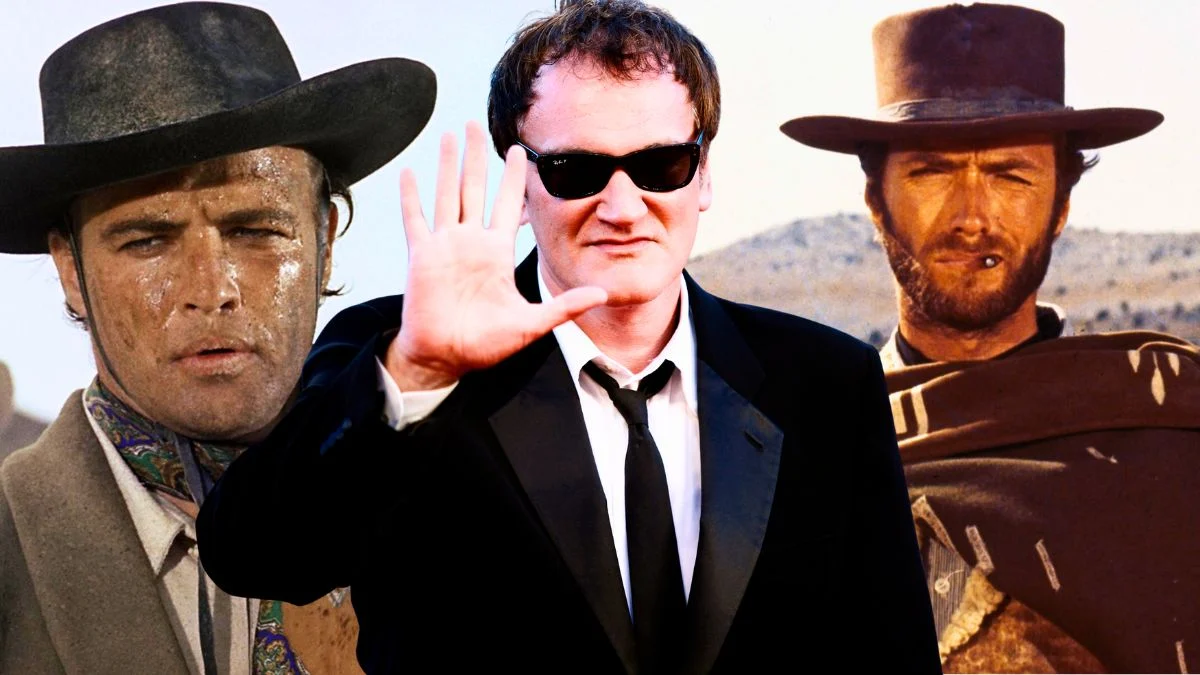

Quentin Tarantino has celebrated westerns throughout his career, and he has often highlighted a personal shortlist that spans studio classics, Italian trailblazers, and revisionist landmarks. The ten films below reflect the variety he gravitates toward, from frontier town showdowns to road dust epics that roam deserts in Spain and the American Southwest.
Here is a reader friendly guide to each title. You will find story setups, key cast and crew, and production details like filming locations and alternate titles. It is a practical way to get what you need before pressing play or hunting down a copy.
‘Django’ (1966)
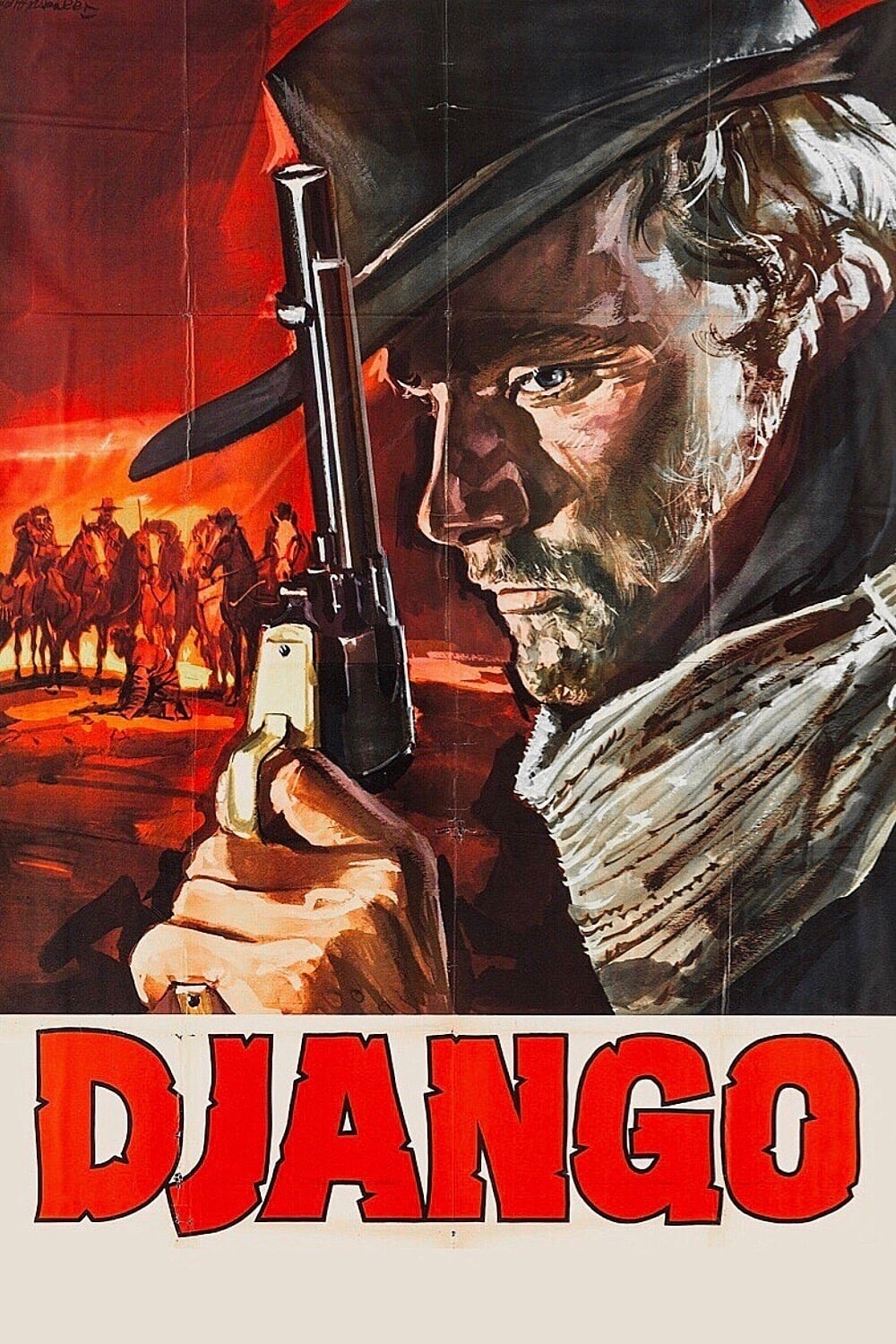
Sergio Corbucci directs Franco Nero as a drifter who drags a coffin into a border town caught between a Klan like militia and a band of revolutionaries. The plot pivots on a hidden weapon and a scheme that pits both factions against each other, with set pieces staged in muddy streets and graveyard ruins. Luis Bacalov composed the score and the title song became a signature theme for the character.
The film shot around Rome soundstages and rural Lazio, with Spanish exteriors adding wide open landscapes. It triggered a wave of unofficial follow ups that borrowed the name without sharing characters, and it directly inspired references and homages in later works including ‘Django Unchained’. The original Italian title is ‘Django’ and it circulated in multiple cuts to meet local censorship standards.
‘The Good, The Bad and The Ugly’ (1966)
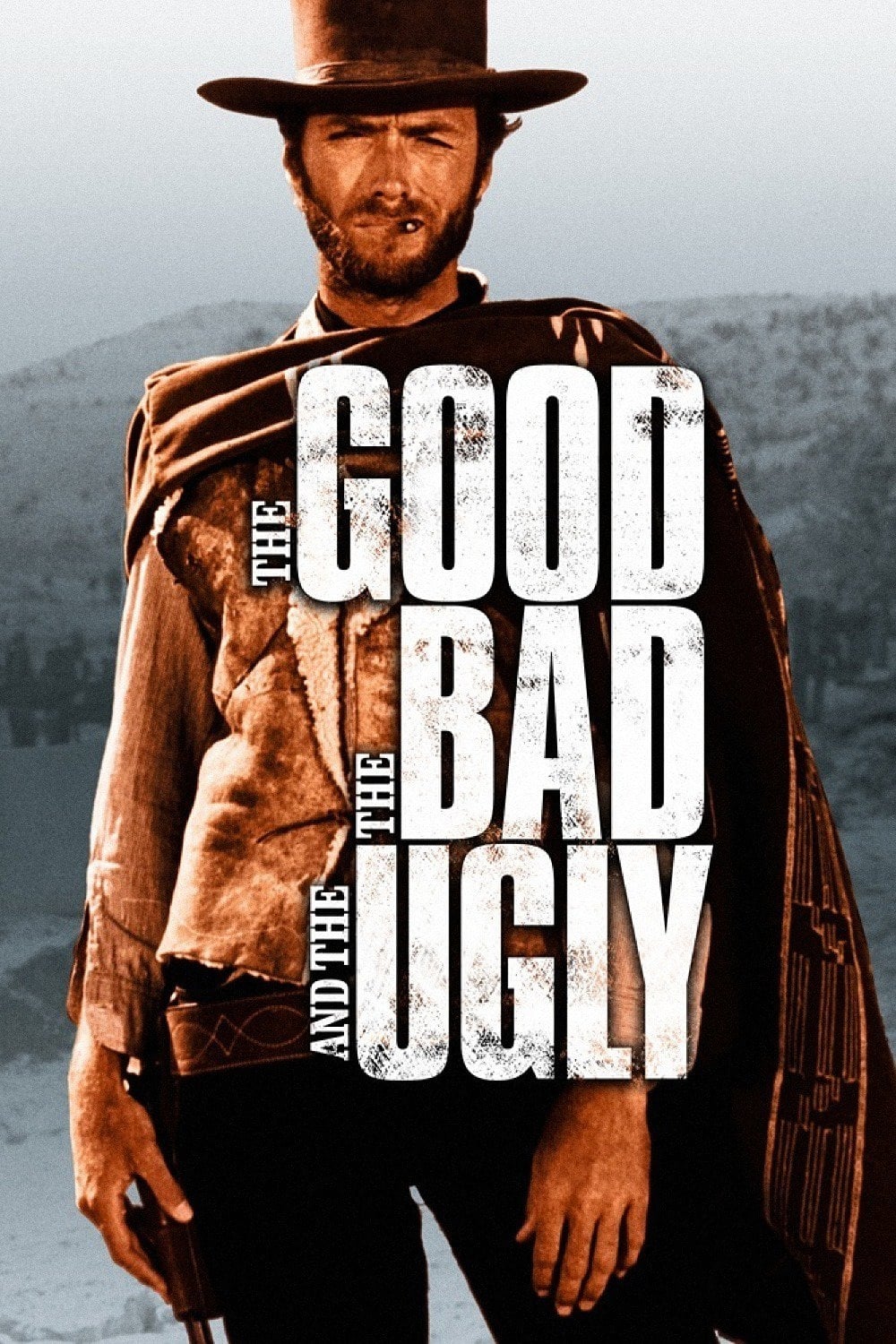
Sergio Leone’s story follows three rivals who cross war torn territory in search of buried gold, with Clint Eastwood, Eli Wallach, and Lee Van Cleef playing out shifting alliances across ambushes and standoffs. Ennio Morricone’s theme uses voices and unusual instrumentation, and the sequence set to The Ecstasy of Gold remains one of the score’s most quoted passages. Tonino Delli Colli handled cinematography with extreme closeups and wide horizons.
Much of the movie was filmed in Spain, including Almería deserts and Burgos province, where the production built the Sad Hill cemetery as a full scale location. The film exists in different edits with added scenes in some versions, and restorations have reassembled material that expanded character beats and travel episodes. It belongs to the Dollars cycle and established a template for Italian made westerns that traveled globally.
‘The Hellbenders’ (1967)
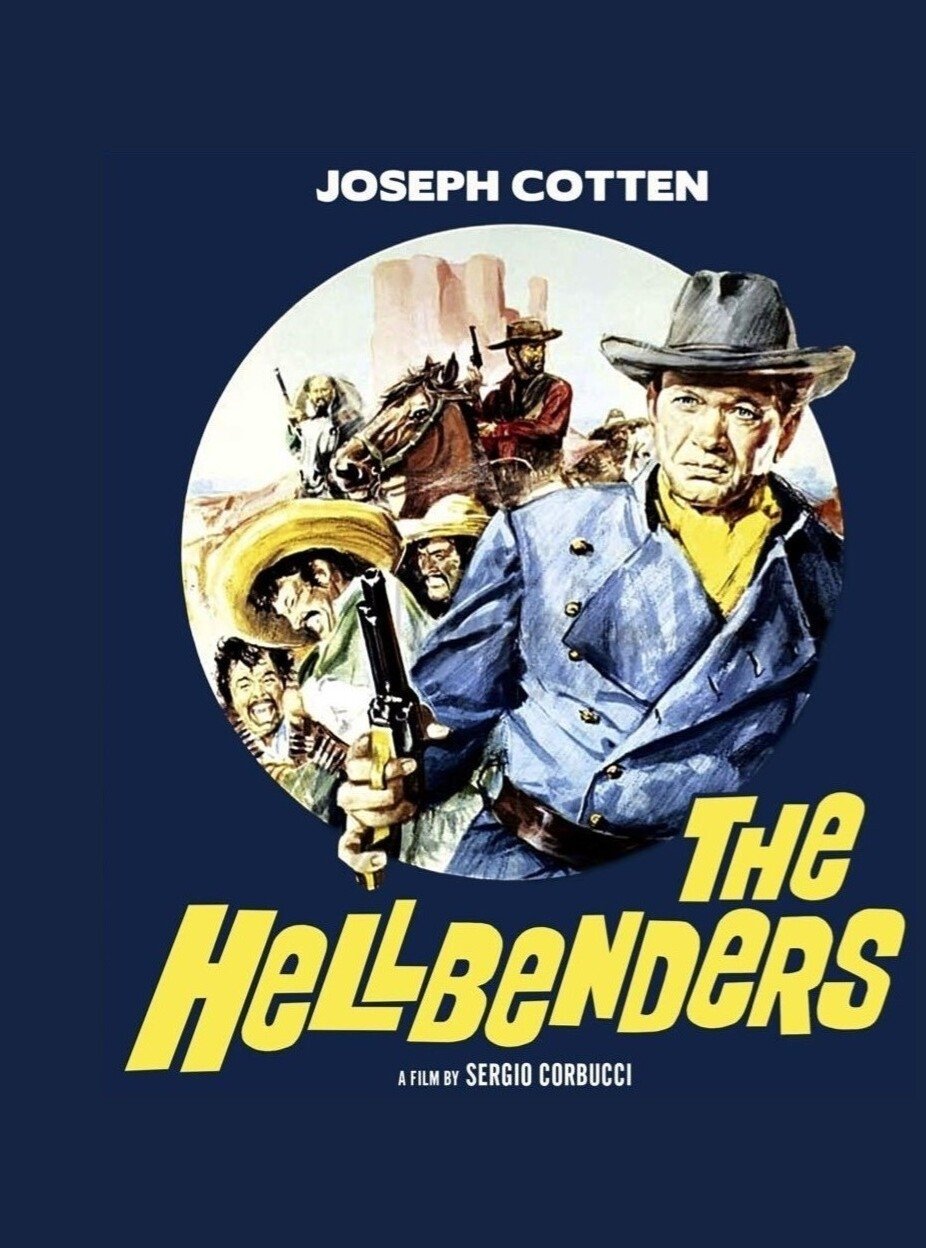
Sergio Corbucci tells the story of a fanatical Confederate colonel who steals army payroll cash and hides it in a coffin to finance a new campaign. Joseph Cotten plays the patriarch who forces his sons and a recruited widow to ride with him while Union patrols and outlaws close in. Ennio Morricone provides the music and the Italian title is ‘I crudeli’.
The production used Spanish desert locations that doubled for the Southwest and relied on Italian studio work for interiors and town streets. Aldo Sambrell and others from the European western stable fill out the supporting cast. The plot unfolds as a relentless journey with constant attempts to keep the coffin secret while evading checkpoints and bounty seekers.
‘The Hired Hand’ (1971)
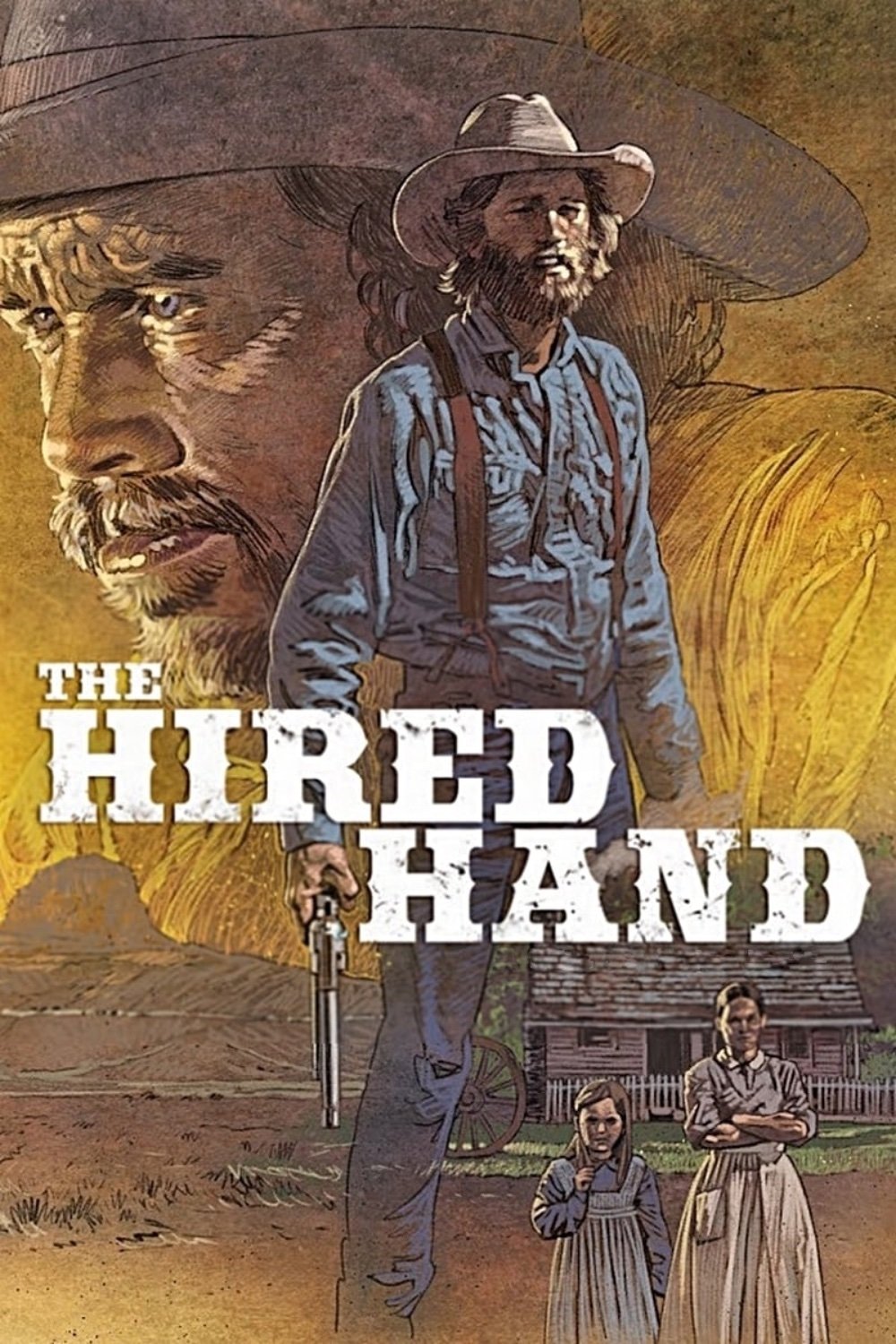
Peter Fonda directs and stars as a drifter who returns to a wife he left behind, with Warren Oates as the partner who helps him try to settle down. The story centers on family, ranch work, and the consequences of past violence that follows the men home. Verna Bloom plays the wife, and Bruce Langhorne composed a spare, atmospheric score.
Vilmos Zsigmond’s cinematography uses long dissolves, soft natural light, and overcranked passages that stretch motion for a dreamlike texture. The film shot across New Mexico and the California coast range, with Universal handling distribution. It became a key entry in the post studio western that moved away from big town showdowns toward intimate, domestic stakes on the frontier.
‘Little Big Man’ (1970)
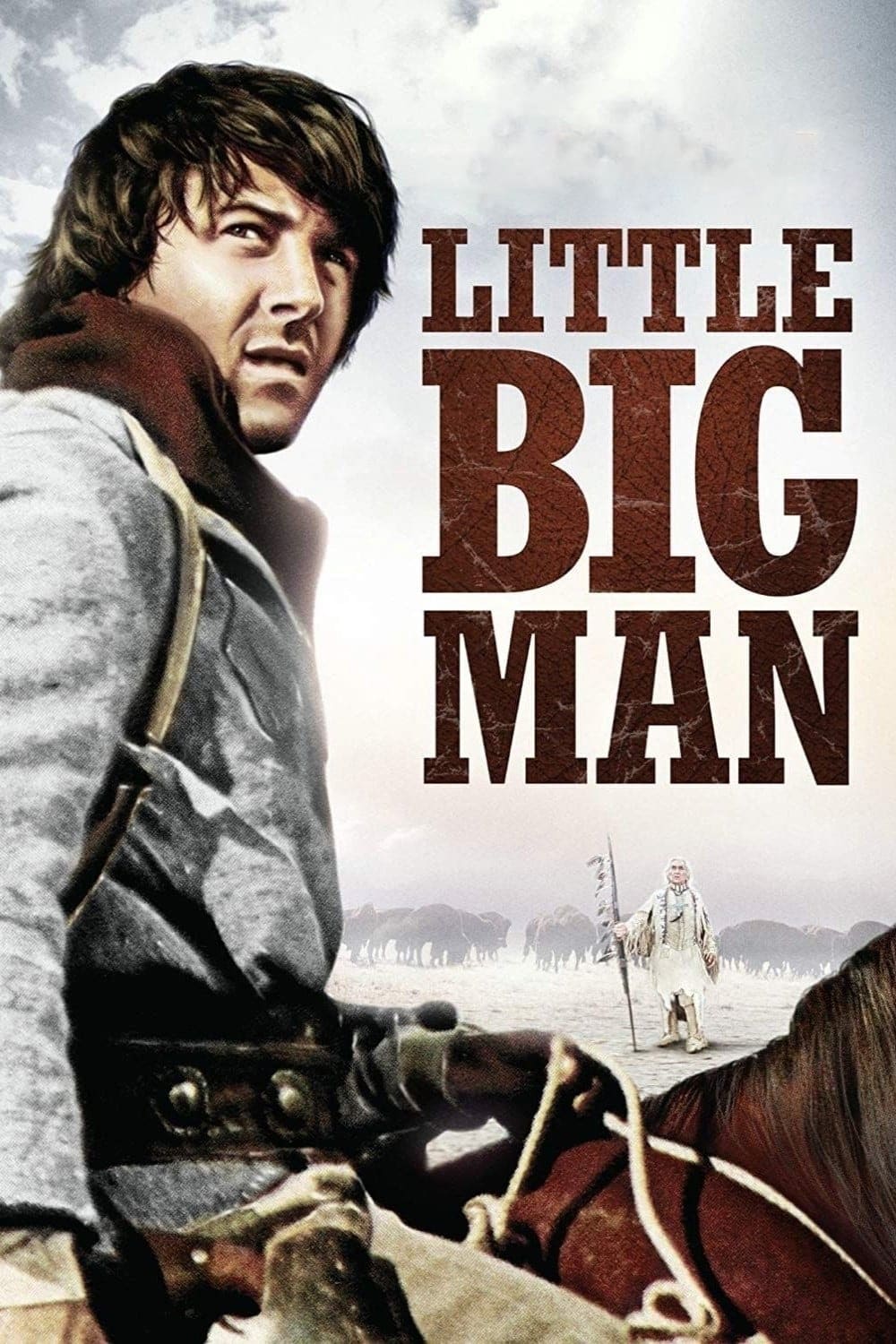
Arthur Penn adapts Thomas Berger’s novel about Jack Crabb, a white survivor raised by the Cheyenne who recounts encounters with settlers, soldiers, and tribal elders. Dustin Hoffman plays Crabb across different ages, and Chief Dan George appears as Old Lodge Skins in a role that earned major awards recognition. The narrative covers events around the Plains campaigns and the figure of George Armstrong Custer.
The production filmed large scale cavalry maneuvers on rolling prairies in the American West and in Alberta, using practical encampments and horse stunt teams. The movie balances satire with ethnographic detail drawn from Berger’s book and drew attention for its language choices and depiction of Cheyenne customs. Its scope includes town life, trading posts, and battlefield action that is woven through the memoir structure.
‘Navajo Joe’ (1966)
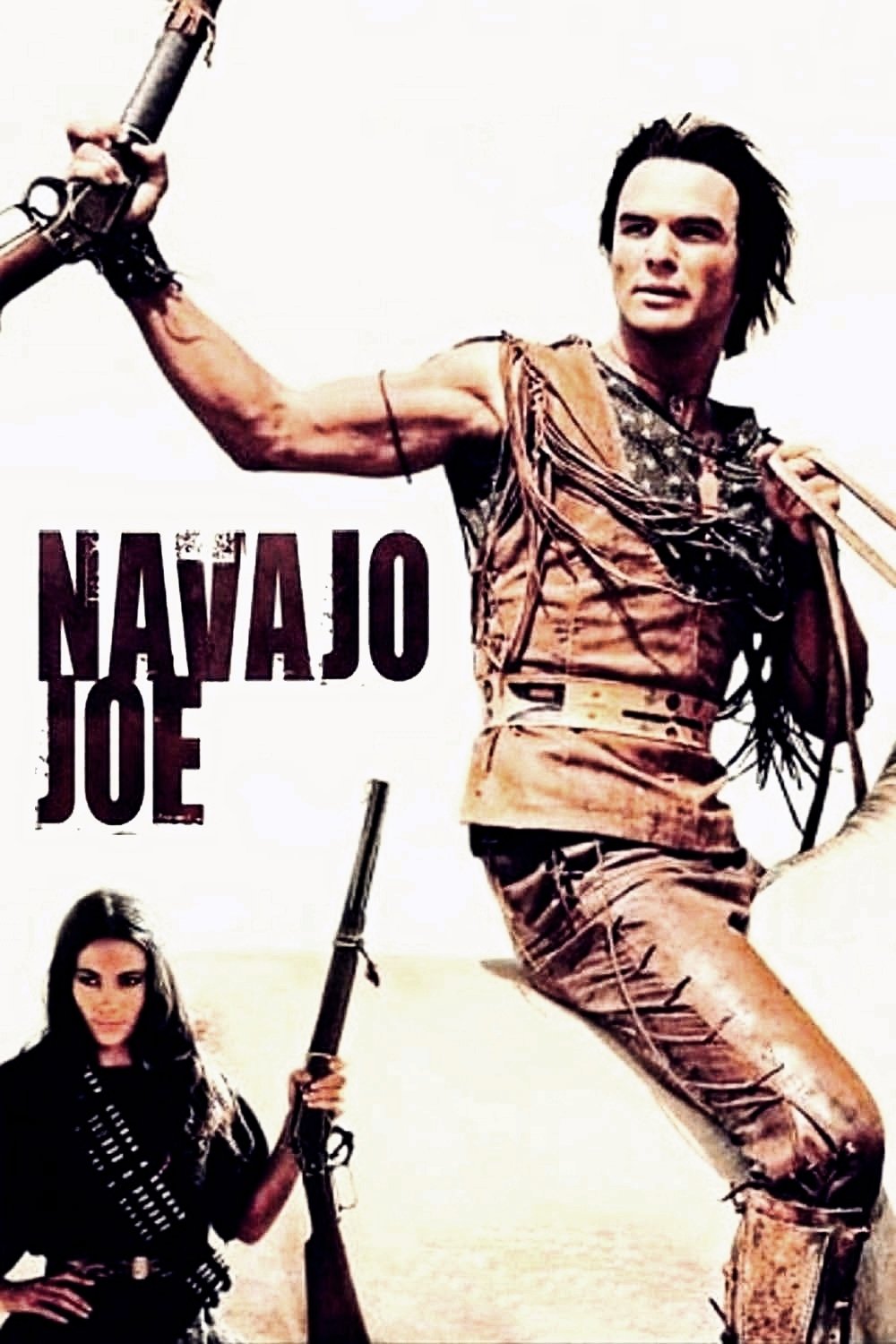
Sergio Corbucci casts Burt Reynolds as a lone avenger who fights a gang led by Duncan, a mercenary raider selling scalps to corrupt buyers. The story moves along a rail line and into frontier settlements as Joe protects a town and targets the gang’s payroll theft. The score is by Ennio Morricone, and for some releases he was credited under the name Leo Nichols.
Filming took place in Spain around Almería and Guadix, with stunt work staged on moving trains and canyon passes. The film’s Spanish and Italian prints carried different language tracks and opening titles, and export versions adjusted dialogue to streamline backstory. Its mix of vendetta plot and train set action made it a frequent reference point for later revenge driven westerns.
‘One-Eyed Jacks’ (1961)
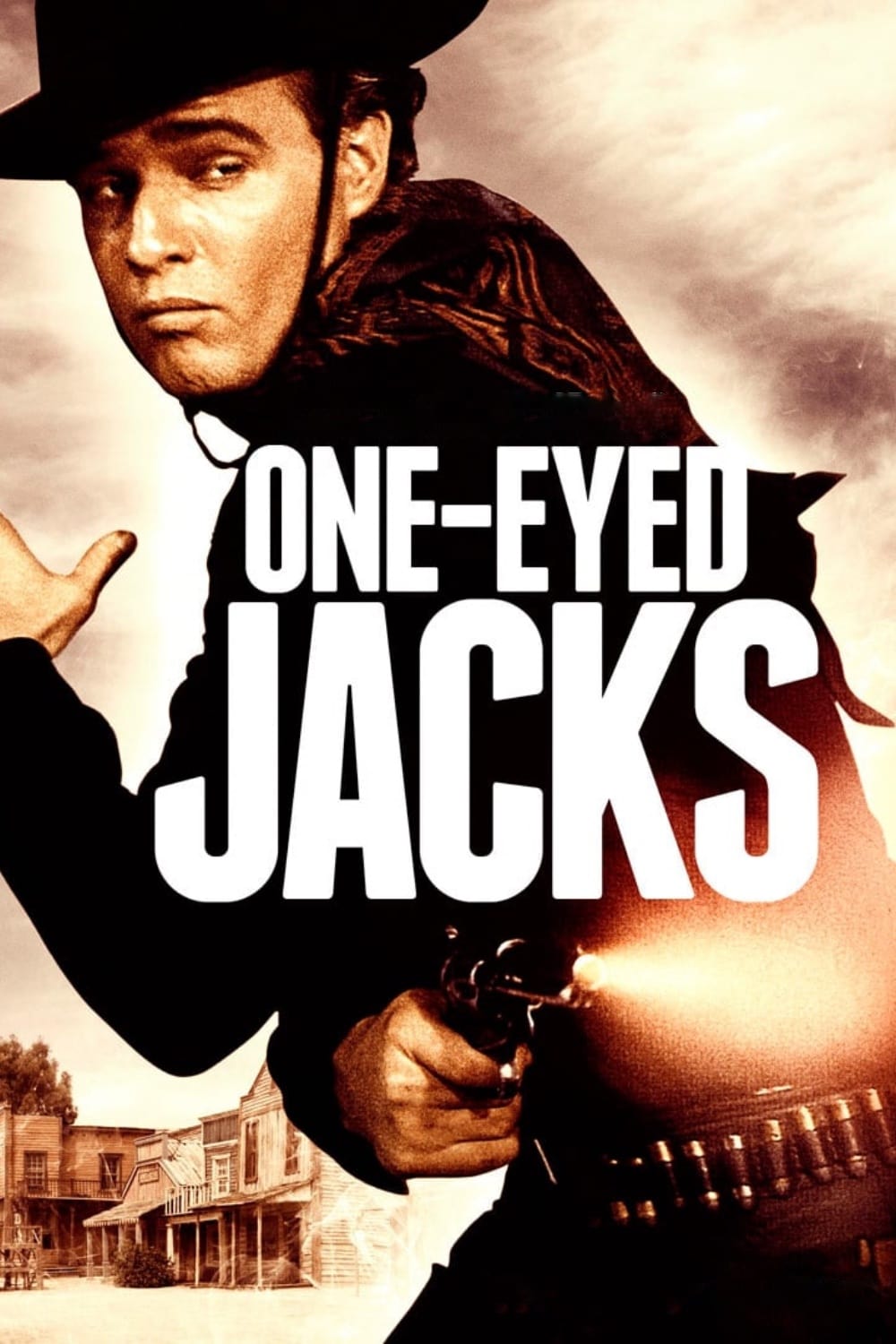
Marlon Brando directs and stars as Rio, a bank robber who seeks revenge on his former partner who became a town sheriff. The plot follows betrayal, captivity, and a complicated relationship with the sheriff’s family that tests Rio’s plans. Karl Malden plays the sheriff, and the script evolved from a novel called ‘The Authentic Death of Hendry Jones’.
Paramount produced the film and shot it in VistaVision with extensive location work on the Monterey Peninsula and at Big Sur. The project began under a different director before Brando took the helm, and it later received a high resolution restoration from original elements that returned accurate color and framing. The result preserves coastal locations, adobe sets, and costumes with exceptional clarity.
‘Rio Bravo’ (1959)
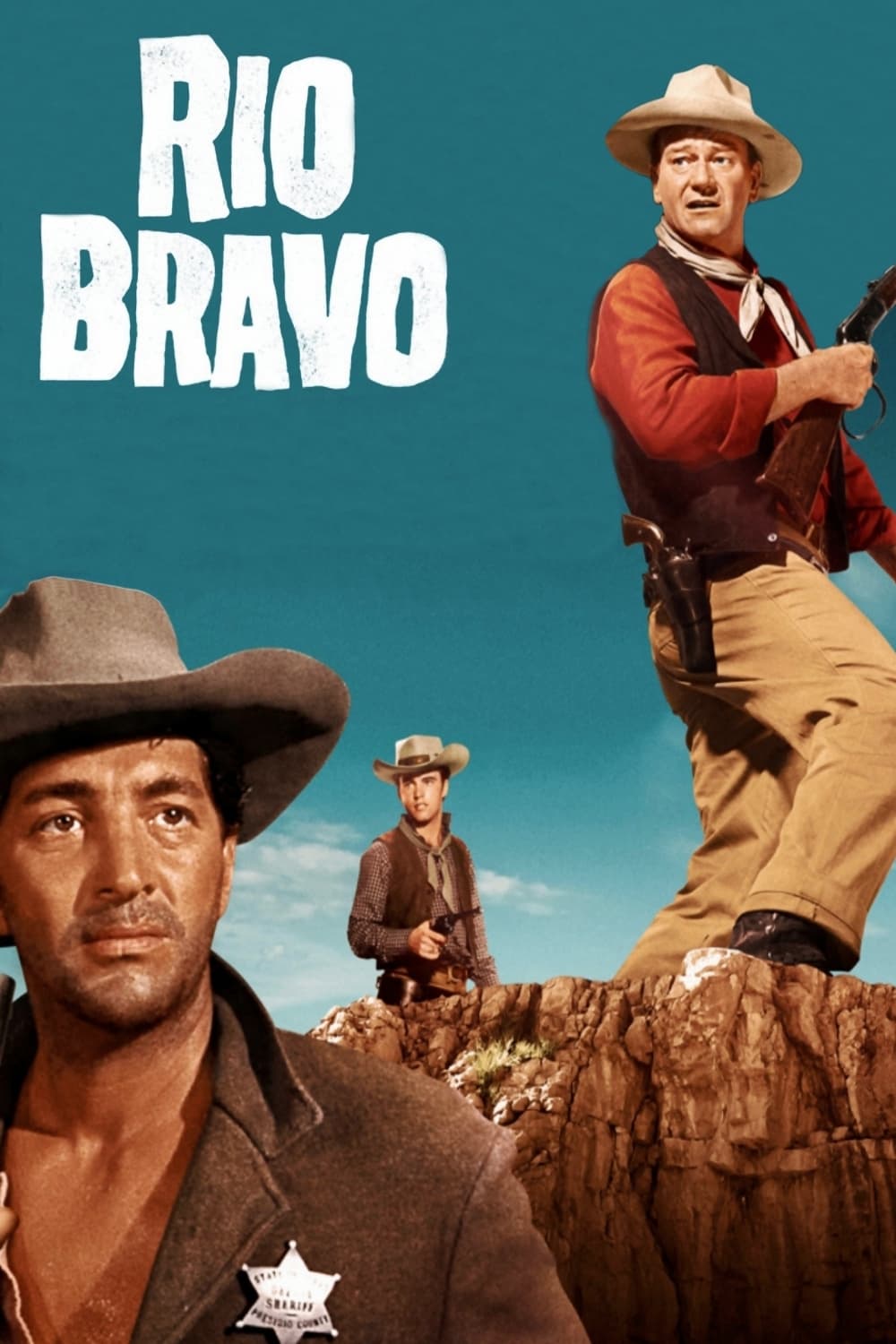
Howard Hawks stages a siege story about Sheriff John T Chance who holds a prisoner while a powerful rancher tries to break him out. John Wayne leads a small team that includes a recovering deputy played by Dean Martin, a young gunfighter played by Ricky Nelson, and a cantankerous jail guard played by Walter Brennan. Angie Dickinson co stars as a gambler who becomes an ally in town.
The film shot at Old Tucson Studios and on nearby Arizona locations using standing street sets for the jail and hotel. Dimitri Tiomkin composed the score and arranged a memorable scene where Nelson and Martin sing with Brennan looking on. The movie became a touchstone for later ensemble westerns that focus on teamwork inside a single town.
‘Ulzana’s Raid’ (1972)
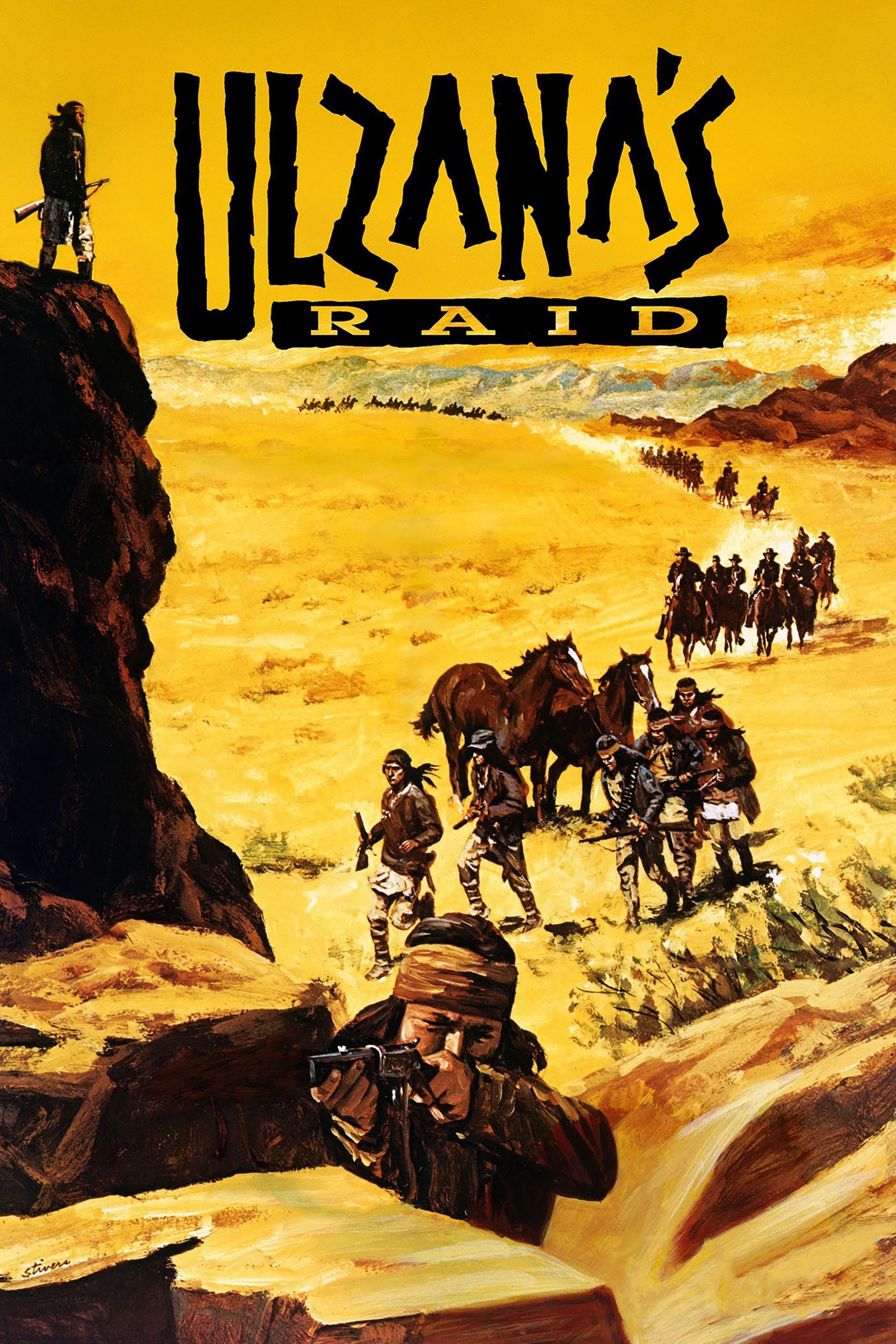
Robert Aldrich tells the story of an Army unit pursuing an Apache raiding party across harsh desert country, with Burt Lancaster as a seasoned scout and Bruce Davison as a newly commissioned officer. The film follows tracking, ambushes, and the problem of reading signs in rugged terrain. Dialogue emphasizes tactics and the varying levels of experience inside the patrol.
The production filmed in Arizona with cavalry units and Native riders hired for authenticity in riding and tracking scenes. The movie circulated in more than one edit, with differences in dialogue and in the handling of violence between domestic and international versions. It is often discussed for its detailed look at scouting methods, supply planning, and long distance pursuit on horseback.
‘Winchester ’73’ (1950)
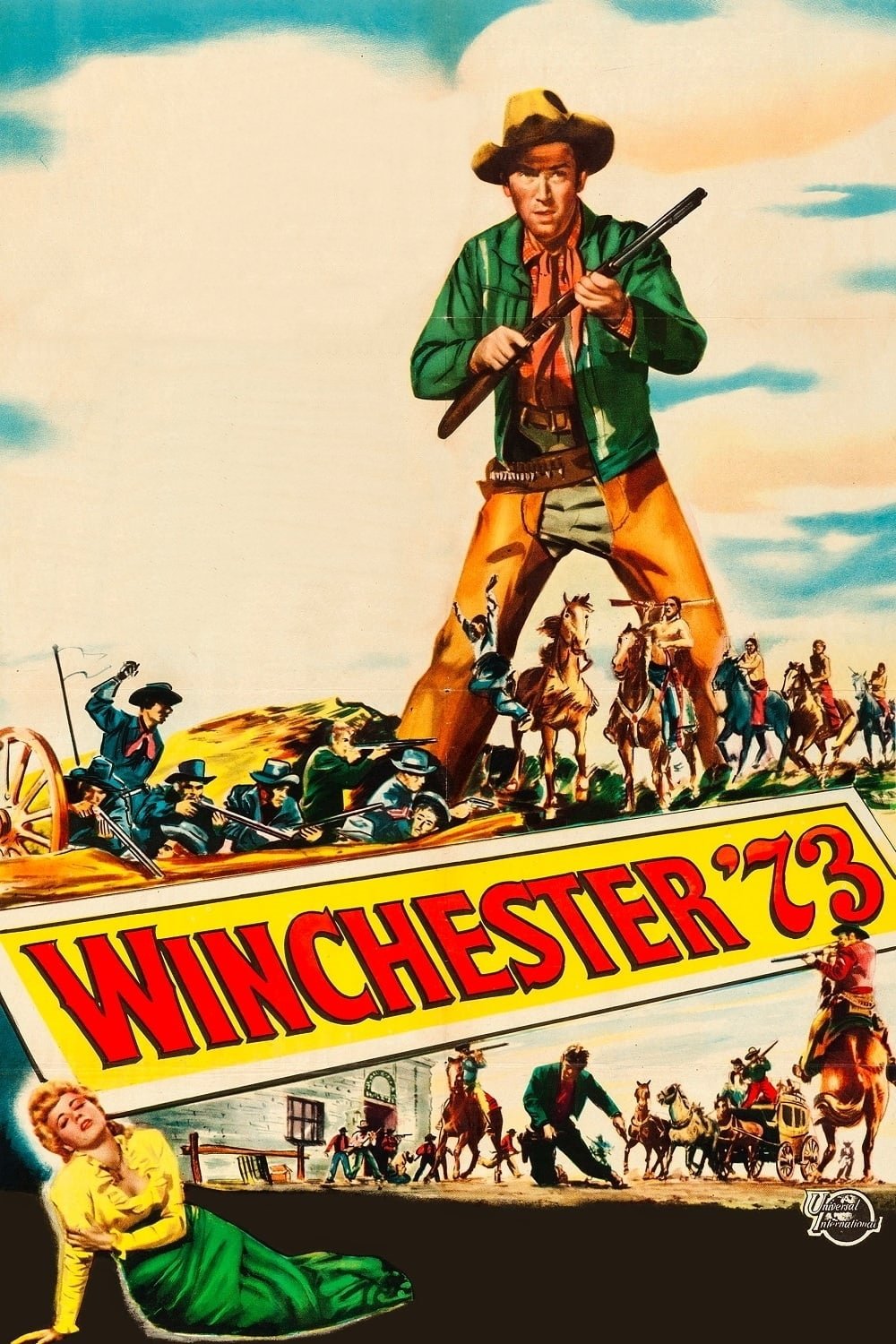
Anthony Mann and James Stewart begin a key collaboration with a story that follows a rare One of One Thousand rifle as it passes from owner to owner. Stewart plays a skilled marksman who chases the weapon after a contest prize goes missing, and the episodic structure brings him into conflict with outlaws, a cavalry deserter, and a gambler. Shelley Winters, Dan Duryea, and Stephen McNally appear in major roles, with early screen work by Rock Hudson and Tony Curtis.
The film shot on locations in Arizona and Utah, with Old Tucson providing town streets and interiors. Borden Chase wrote the screenplay from a story by Stuart N Lake, and the prop department built multiple hero rifles to represent the coveted firearm. The movie helped redefine Stewart’s screen persona by aligning him with tougher frontier material that he continued exploring with Mann.
Share your own picks for must see westerns in the comments and tell us which of these you plan to watch next.