Controversial Biblical Films That Stirred Debate

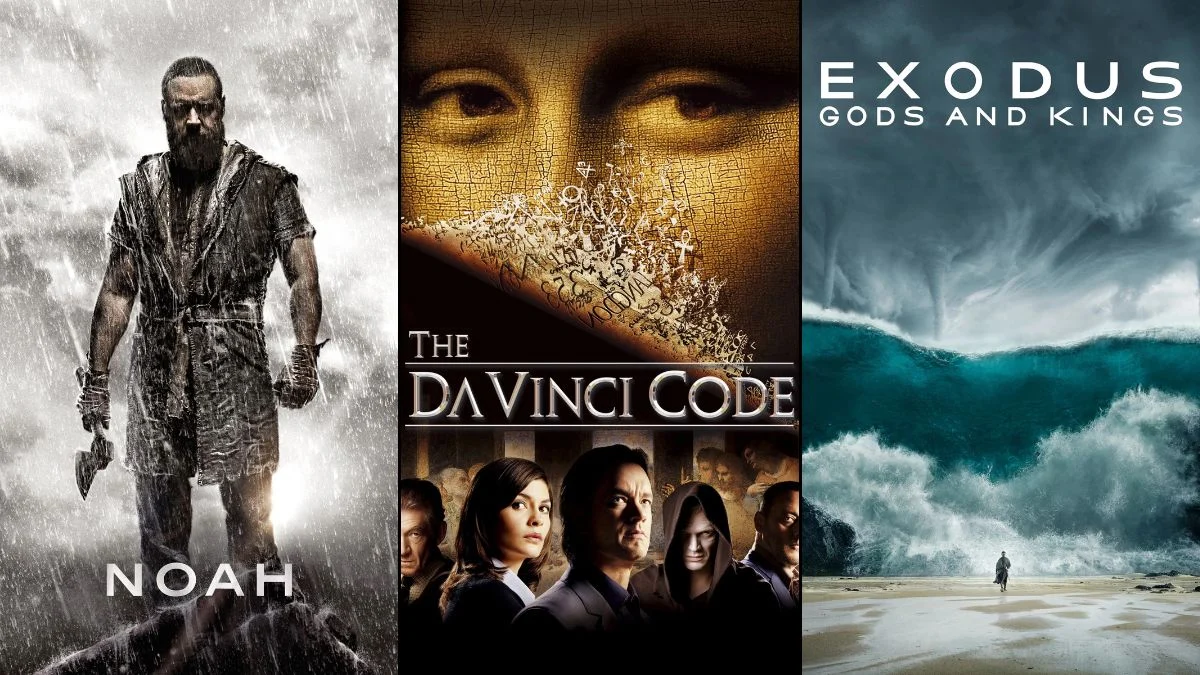

Biblical stories have inspired many filmmakers, and some of those films sparked passionate responses from audiences, faith leaders, and censors. Debates have focused on what counts as faithful adaptation, where creative license begins, and how filmmakers treat sacred subjects. The results have ranged from protests and boycotts to official bans in certain places.
This list looks at movies that drew headlines for the arguments they started rather than only for awards or box office. Each entry notes what the film depicts, what changed from familiar readings, and why viewers and authorities pushed back. Together they show how screen versions of scripture can unite crowds or split them right down the middle.
‘The Last Temptation of Christ’ (1988)
Martin Scorsese adapted Nikos Kazantzakis’s novel about Jesus and emphasized his human struggle with fear and doubt. The film includes a dreamlike sequence in which Jesus imagines an ordinary life, which many viewers read as a challenge to traditional understandings of his mission.
Religious groups organized protests in several countries and some local authorities blocked screenings. Distributors added advisories and theaters increased security as the release rolled out, and the film’s reception became a case study in how spiritual themes and artistic interpretation collide in public life.
‘The Passion of the Christ’ (2004)
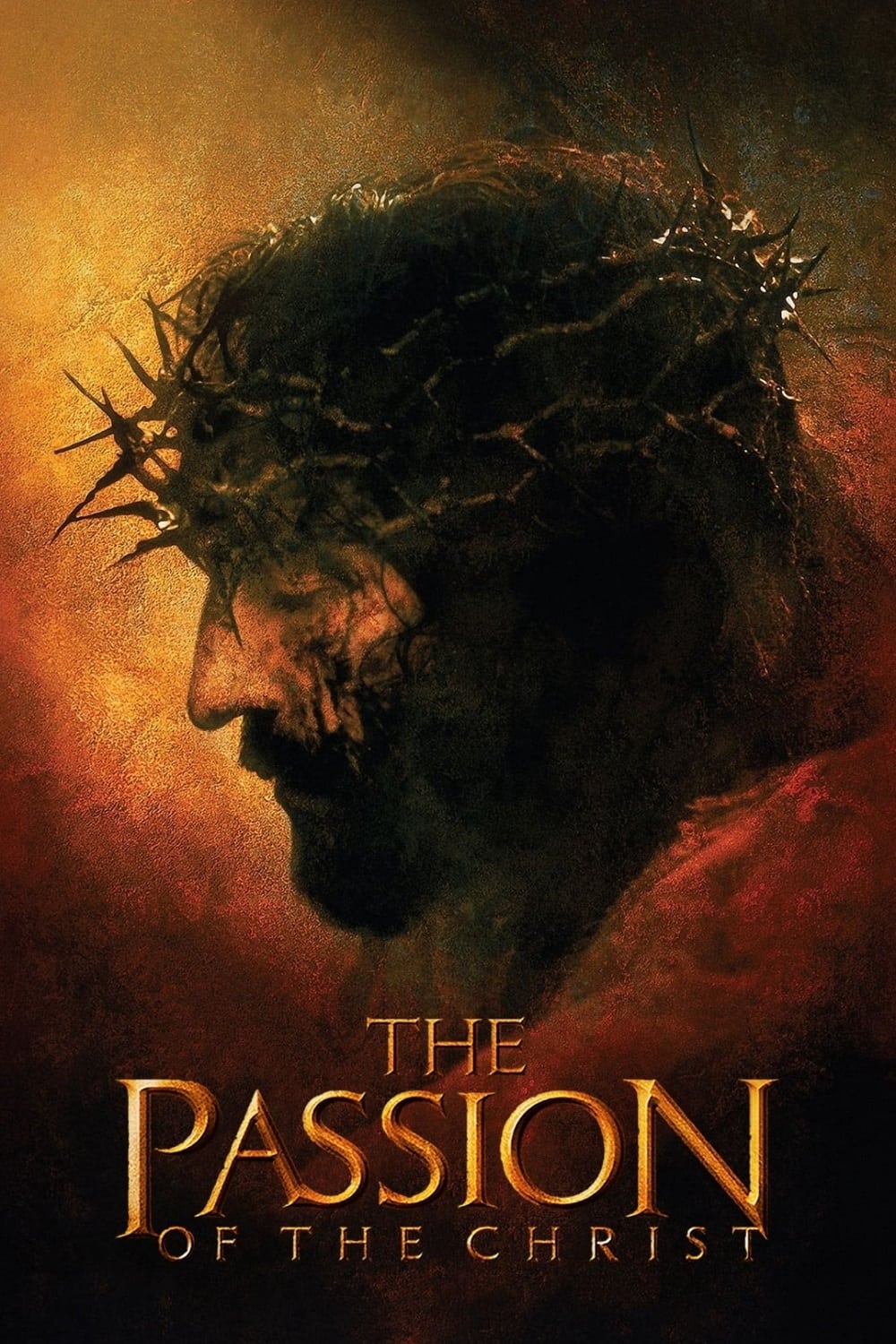
Mel Gibson’s film focuses on the final hours of Jesus and uses Aramaic and Latin throughout, with subtitles for contemporary audiences. The production chose an unflinching depiction of scourging and crucifixion, which drove intense attention to the rating and to content advisories.
Commentators and interfaith groups debated whether certain scenes encouraged harmful stereotypes about Jewish people and how the story balanced blame among historical figures. The discussion extended to classrooms, pulpits, and editorial pages while the movie set box office records for a film with a religious focus and a rating of R.
‘Life of Brian’ (1979)
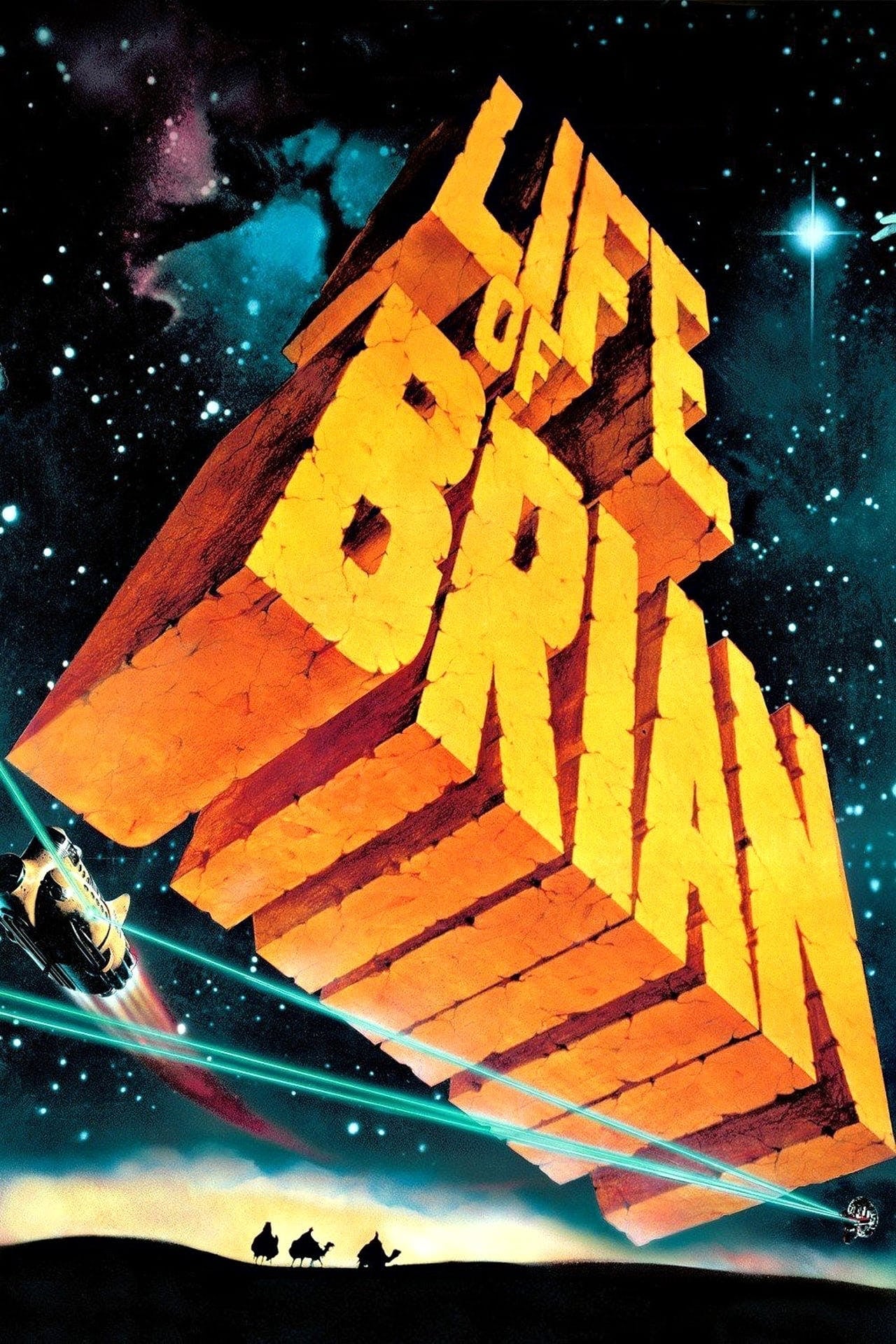
Monty Python set a satire in Roman Judea and followed a man mistaken for a messiah. The script uses parallel events to highlight misunderstandings, crowd behavior, and the politics of the era, while staying adjacent to biblical narratives rather than retelling them directly.
Town councils and national boards in parts of Europe refused certification for a time, and church groups protested outside cinemas. The bans and staged debates drew even more interest, and some regions only allowed screenings after additional notes were placed in listings to clarify the premise.
‘Noah’ (2014)
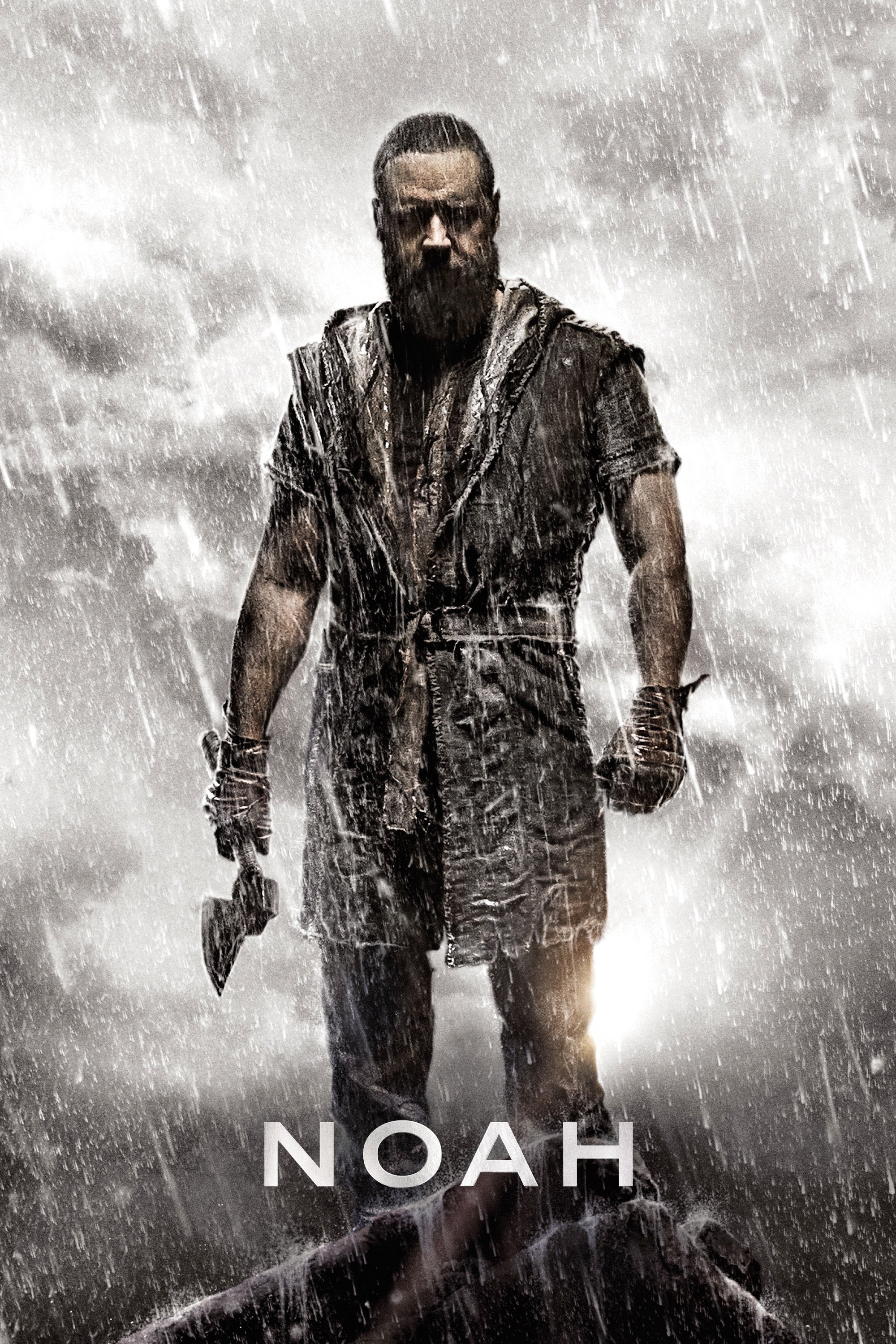
Darren Aronofsky expanded the Genesis account into a large scale disaster epic that added new characters and interpretations. The story includes the Watchers and emphasizes environmental themes, which shifted the tone from a simple retelling to a broader moral parable.
Studios added a disclaimer that the film took inspiration from scripture while using creative elements, and that statement became part of the marketing. Several countries with restrictions on portraying prophets did not permit theatrical release, while others approved screenings with age ratings and content notes.
‘Exodus: Gods and Kings’ (2014)
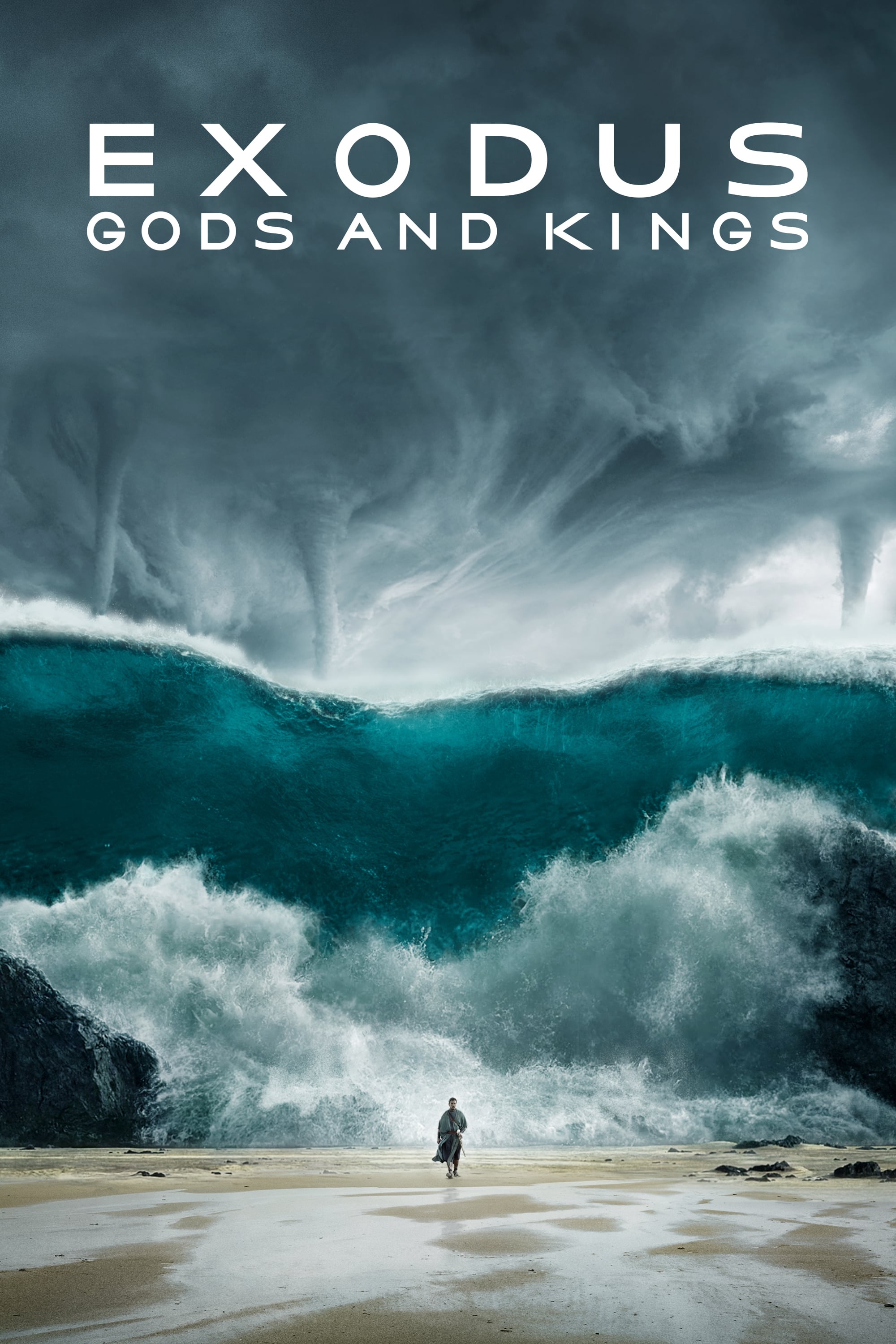
Ridley Scott’s movie tells the story of Moses and the liberation of the Hebrews from Egypt. The production used a mix of practical sets and digital effects for the plagues and the sea crossing, and presented naturalistic explanations for some events.
The casting of major roles prompted arguments about representation, and officials in parts of North Africa criticized historical details and blocked releases. Viewers also debated the film’s approach to divine presence and how it portrayed both rulers and rebels during the conflict.
‘Hail Mary’ (1985)
Jean Luc Godard set a modern retelling of the annunciation in contemporary Switzerland and France. The film follows a young woman named Mary and explores questions about purity, consent, and mystery through everyday scenes rather than miracles.
Catholic leaders and lay groups objected to the treatment of sacred figures and organized demonstrations at cinemas. Ratings boards in multiple countries required cuts or declined certification, and the discussion turned on whether modern dress and frank conversation belonged in a story drawn from the Gospels.
‘The Da Vinci Code’ (2006)

Ron Howard adapted the popular novel that builds a thriller around a theory about Jesus and Mary Magdalene. The plot involves a secret society, religious orders, and hidden messages in European art, and it sends its characters across museums and churches in search of answers.
Churches and advocacy groups challenged the film’s claims and called for clear labeling as fiction. Some territories delayed release or issued advisories and edits for certain scenes, and theaters in a few cities faced organized boycotts while others reported sold out shows driven by curiosity.
‘Jesus Christ Superstar’ (1973)
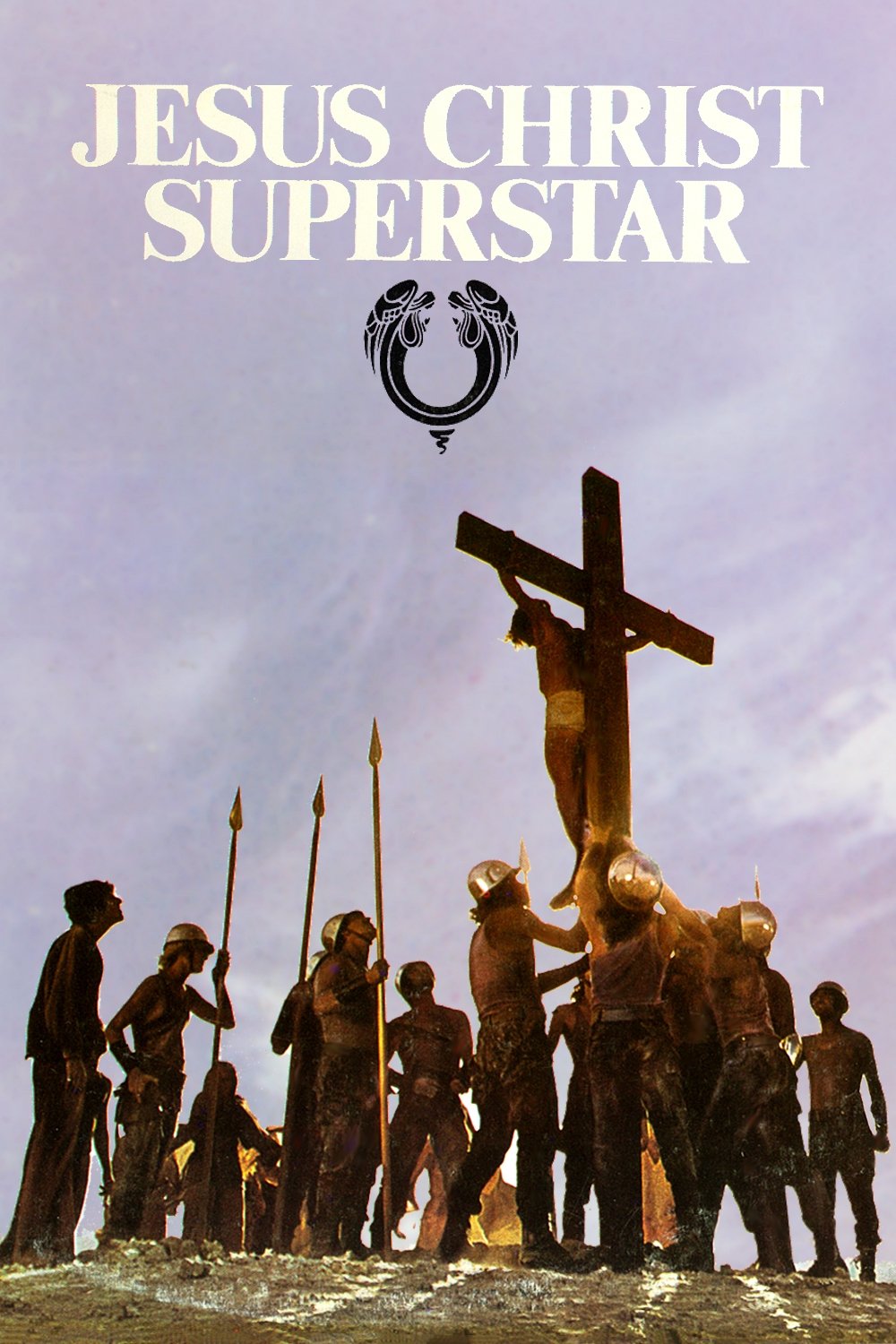
Norman Jewison brought the stage rock opera to desert locations and filmed the cast performing the story of Jesus from the perspective of Judas. The music compresses events into memorable numbers and ends before the resurrection, which shaped how audiences interpreted the arc.
Some Christian audiences objected to the focus on Judas and the omission of later events, while certain Jewish organizations raised concerns about depictions of priests. Schools and churches weighed whether the score could be used in youth performances, and broadcasters scheduled the film with context notes during religious seasons.
‘The Gospel According to St. Matthew’ (1964)
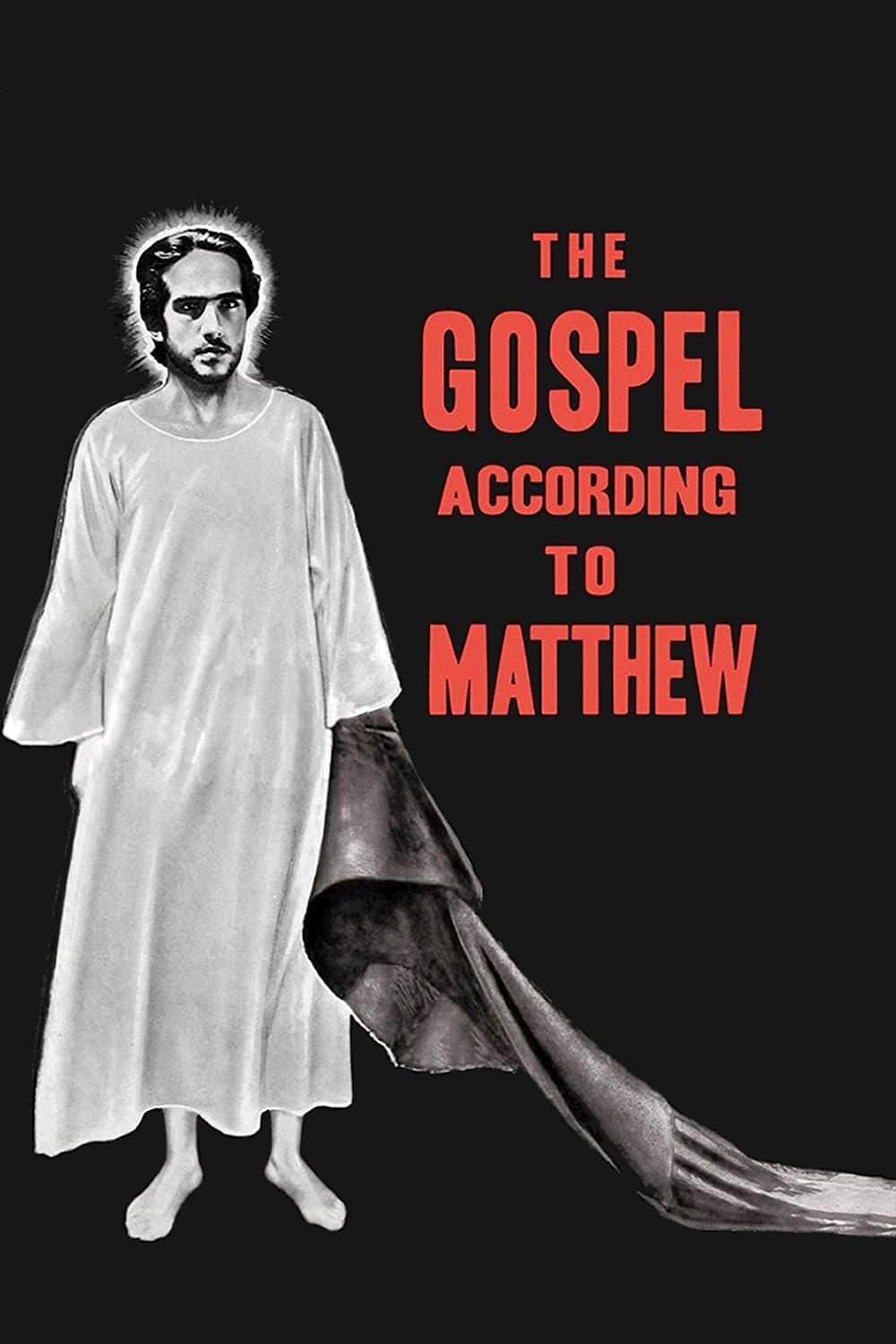
Pier Paolo Pasolini filmed an austere version of Matthew using non professional actors and stark black and white images. The text in the film closely follows the biblical account, and the director shot on location in rural Italy to evoke first century life.
Debate arose because Pasolini was a Marxist and an outsider to church institutions, which led some leaders to question his intentions. Over time the film gained approvals from religious festivals and study groups, yet it remains a landmark example of how authorship can shape reception even when the script uses the Gospel text almost verbatim.
‘Dogma’ (1999)
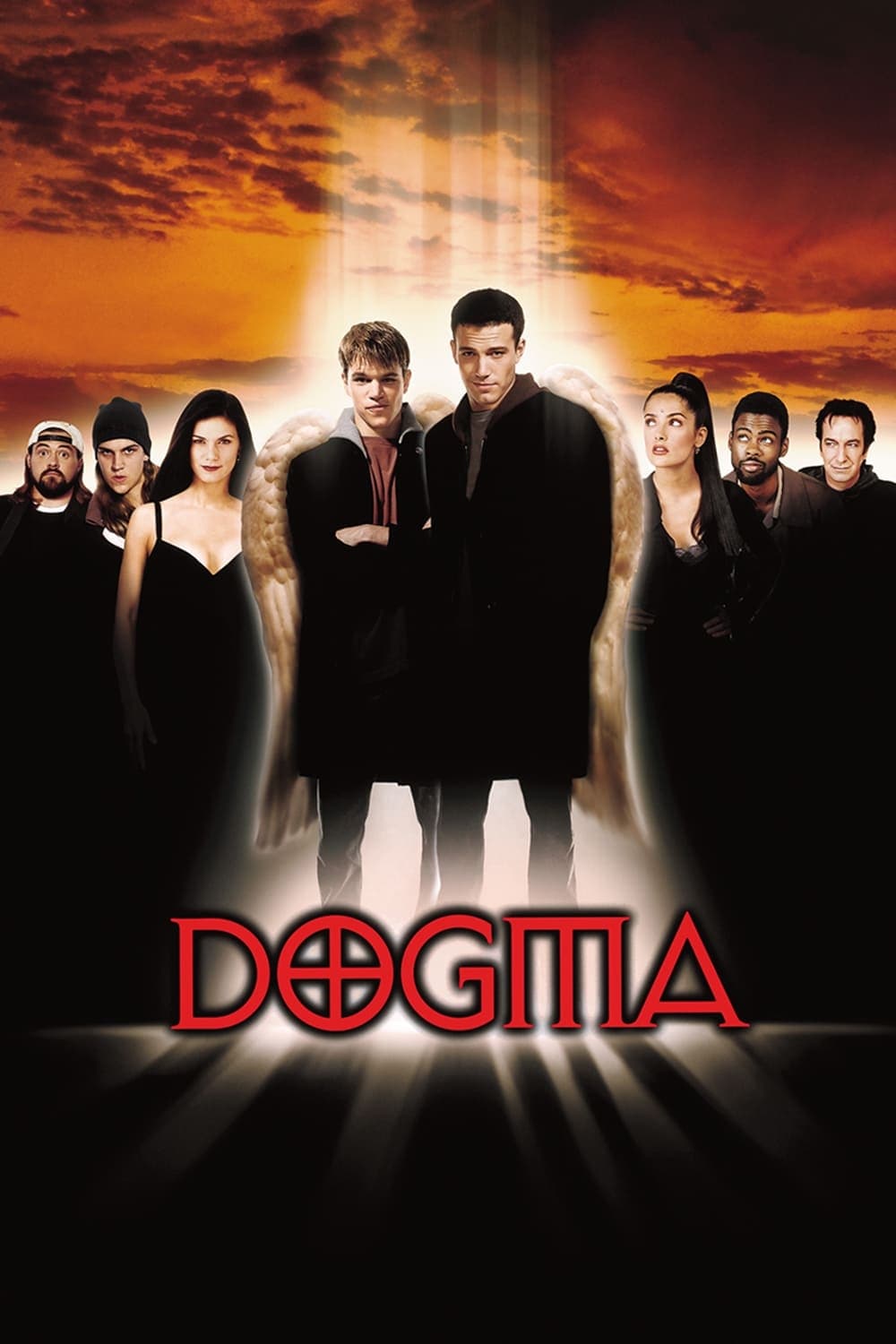
Kevin Smith’s comedy follows two fallen angels who seek a loophole that could unmake creation, and a group of unlikely heroes who try to stop them. The story uses satire to talk about doctrine, indulgences, and the nature of faith while packing in pop culture references.
Catholic organizations protested the release and distributors changed plans after public pressure, which pushed the film to a different studio. Screenings often drew picket lines along with guests in costume, and the controversy extended to festival appearances and publicity tours.
‘The Young Messiah’ (2016)
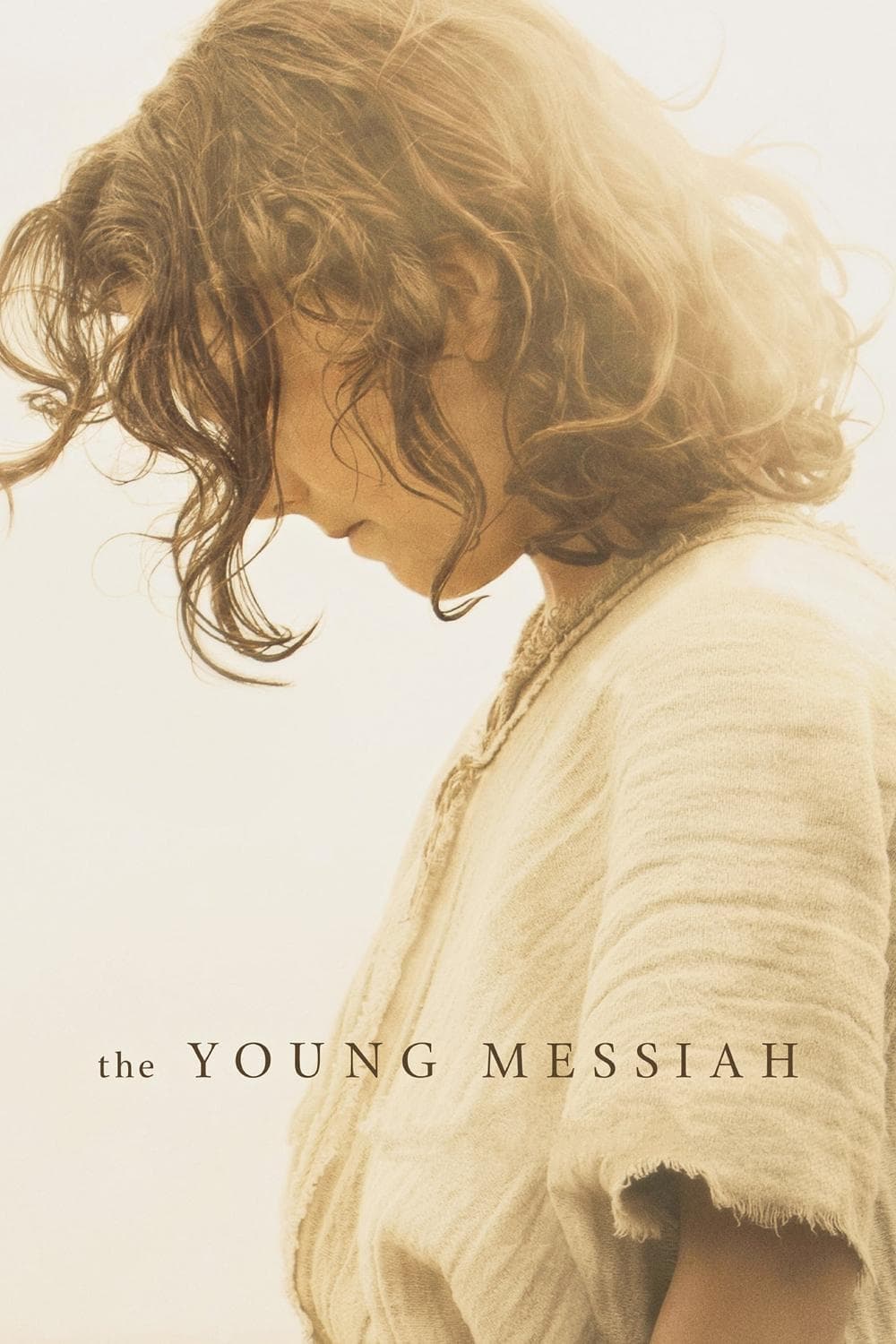
This drama imagines a year in the boyhood of Jesus as his family returns from Egypt to Nazareth. The plot draws on apocryphal traditions and modern fiction, and it shows the child learning about his calling through family conversations and encounters on the road.
Some viewers objected to speculation about years not covered by the canonical Gospels. Others called for clear marketing so audiences understood the film as imaginative storytelling, and ratings boards highlighted parental guidance for religious content and moments of peril.
‘The Nativity Story’ (2006)
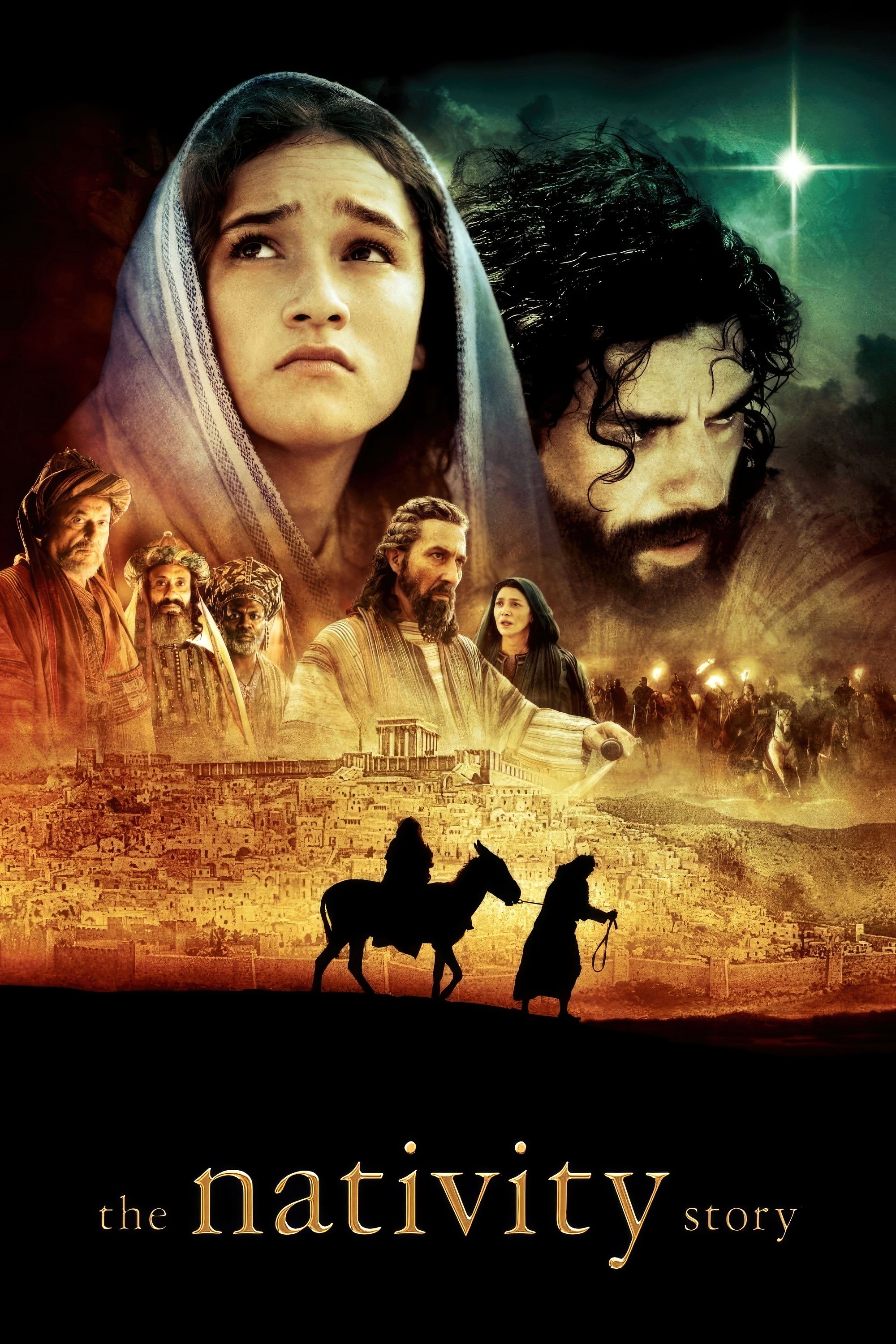
Catherine Hardwicke’s film follows Mary and Joseph from the annunciation to the birth in Bethlehem. The production used locations in Italy and Morocco and included historical details about taxation, travel, and everyday village life.
News coverage focused on how different countries handled depictions of revered figures and whether schools would schedule trips during holiday seasons. There was also public discussion about the age and circumstances of the lead actors during promotion, which added another layer to conversations around the release.
‘Mary Magdalene’ (2018)
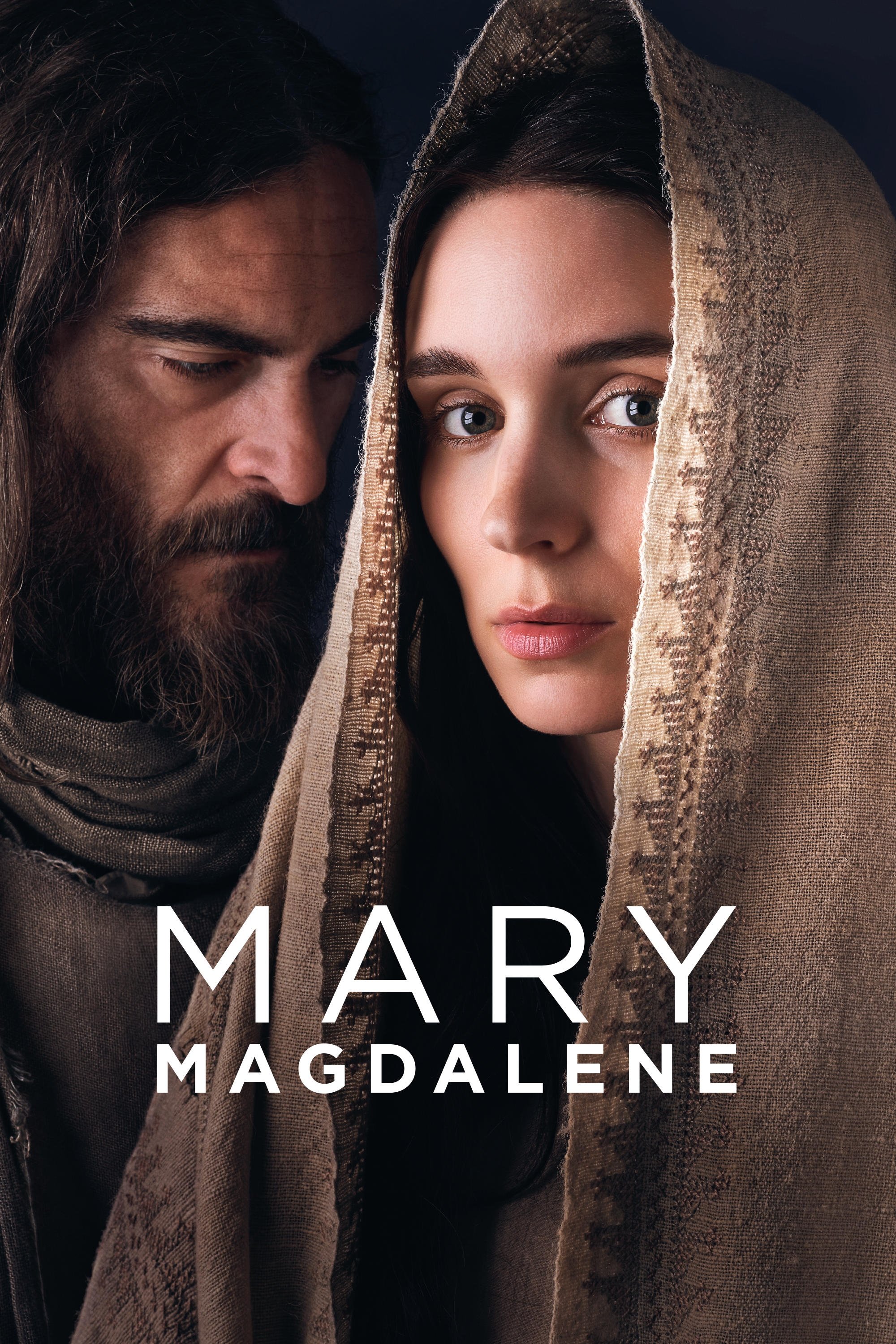
This film centers the story of Mary as a principal disciple and witness, which shifts attention from the usual focus on the Twelve. The narrative follows her perspective from Galilee to Jerusalem and treats her as a teacher among teachers.
The portrayal of Mary as an equal partner in ministry became a flashpoint for debate within and beyond church communities. Marketing and distribution also drew attention because the production emerged from a company that faced legal turmoil, which influenced the timing and visibility of the release in several regions.
‘Last Days in the Desert’ (2015)
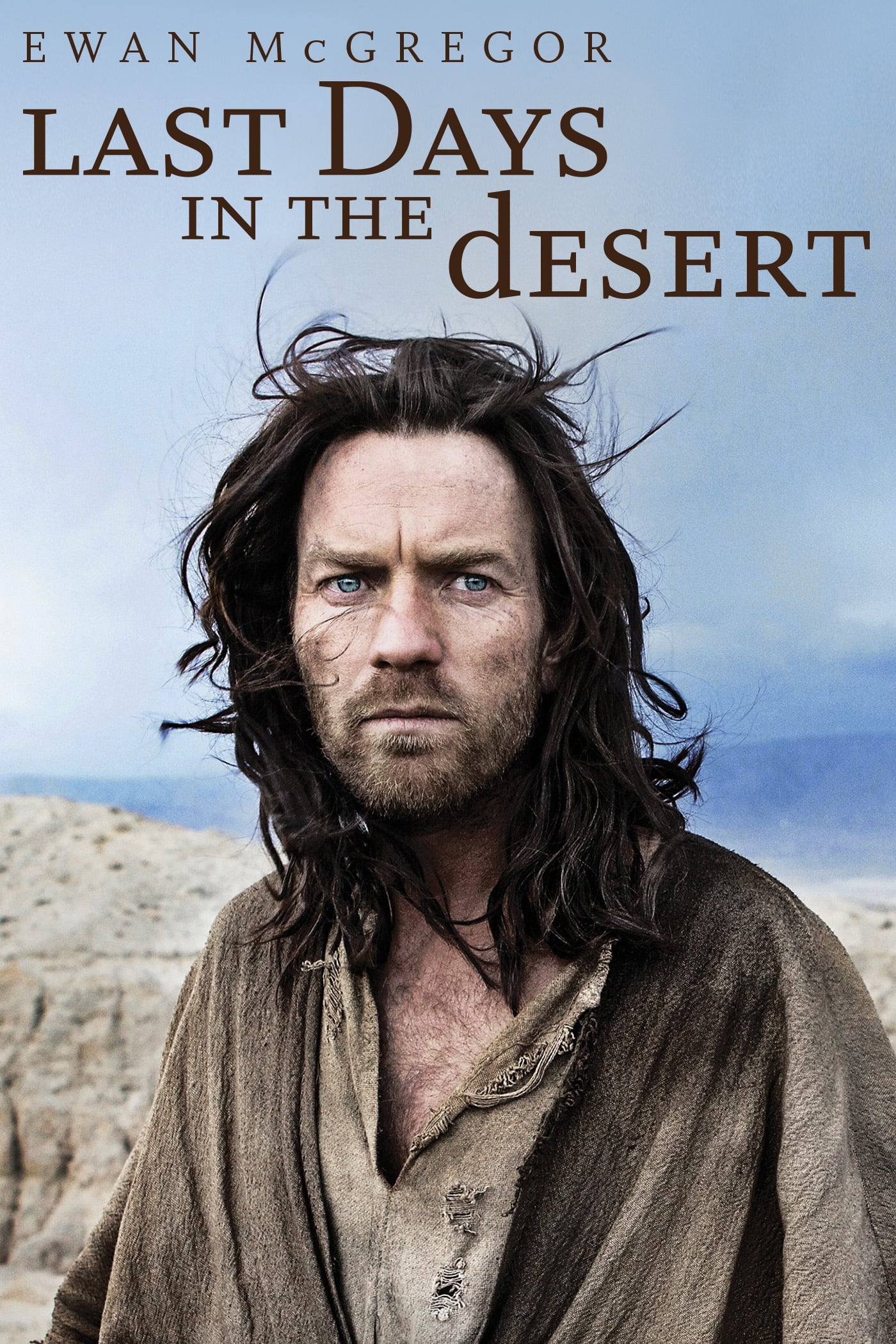
Ewan McGregor plays both Jesus and the tempter during a period of fasting and prayer in the wilderness. The film builds a quiet story around a family Jesus meets and explores choices that mirror later events.
Some groups questioned the decision to imagine conversations that are not recorded in scripture, and early screenings included Q and A sessions that addressed those concerns. The movie found a niche in art house circuits while remaining a frequent topic in church film clubs that discuss portrayals of temptation and solitude.
‘Color of the Cross’ (2006)
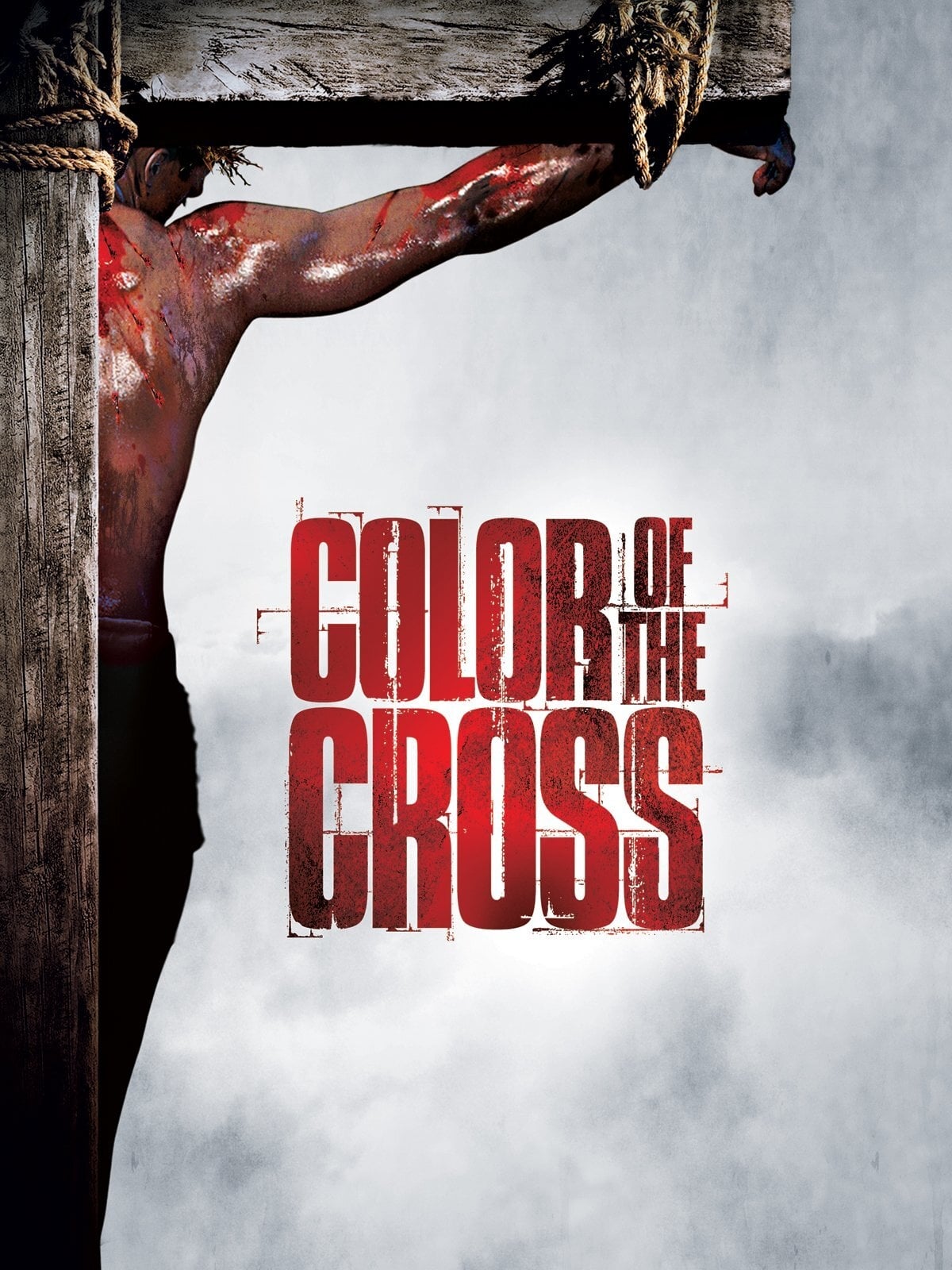
This independent production presents Jesus as a Black Jewish man and ties the hostility he faces to racial prejudice as well as religious politics. The narrative keeps key events in place while reframing motives and responses around identity.
The premise sparked strong reactions and led to open forums hosted by community groups and universities. The release pattern focused on select cities and faith based venues, and the conversation centered on representation in sacred storytelling and how casting choices shape interpretation.
Share which titles you think handled their subjects best and tell us what other films belong in this debate in the comments.