5 Things About ‘Demon Slayer’ That Made Zero Sense and 5 Things About It That Made Perfect Sense



There is a lot to love about ‘Demon Slayer’ because it blends a historical setting with clear rules for supernatural combat. The series lays out how demons work, how the Corps fights them, and why certain tools and techniques matter. It also moves fast, so the story often shows the outcome of events and keeps the focus on the next mission.
That pace sometimes creates gaps that leave viewers with questions about logistics and worldbuilding. The show still provides plenty of concrete details though, from the chemistry behind poisons to the training drills that build breathing technique. Here are five things that land cleanly and five that leave room for head scratching.
Zero Sense: Collateral damage rarely gets real follow up
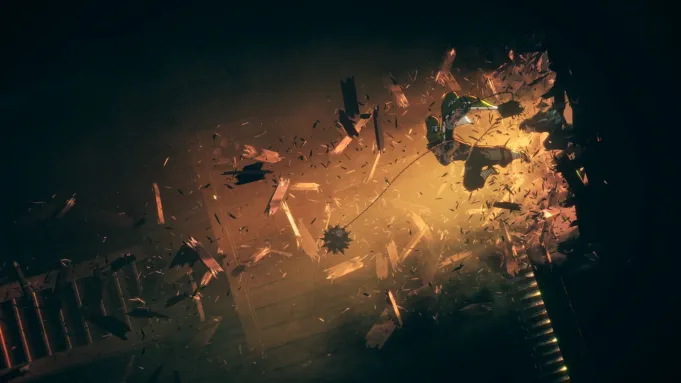
Major battles level streets and entire blocks, especially in large towns and entertainment districts. Scenes show shattered buildings, fires, and long stretches of ruined streets after fights with powerful demons. The story then shifts to the next assignment with little time spent on cleanup, official reports, or how local leaders handle the aftermath.
Civilians witness chaos in crowded areas and some characters briefly react to it. After that the narrative offers few details on investigations, compensation, or public safety changes. The result is a world where large incidents happen in view of many people, yet formal responses stay mostly off screen.
Perfect Sense: Demon weaknesses stay consistent

Demons burn in sunlight and can be killed by decapitation with a Nichirin blade. The show repeats these rules across arcs and ties them to the source of demon power. When slayers cannot cut a neck cleanly the demon rebuilds, and when daylight hits a demon the body breaks down fast.
Wisteria also shows up as a reliable limiter. The Corps uses it to trap demons on a mountain for the Final Selection and to keep safe houses secure. These recurring tools set clear boundaries that explain why missions happen at night and why escorts and boxes are needed in daylight.
Zero Sense: The Corps puts minors into extreme combat

The Final Selection places teenagers on a mountain with active demons for seven days. There is no food supply, no medics on site, and no rescue plan described in the test itself. The exam brief explains the wisteria barrier and the pass condition, then leaves examinees to survive with their own training.
Several active slayers also remain minors during field missions. The organization funds crows, safe houses, and travel, yet it does not show formal age limits or parental consent steps. The lack of visible safeguards contrasts with the high casualty rate that the series openly acknowledges.
Perfect Sense: Breathing training follows clear steps
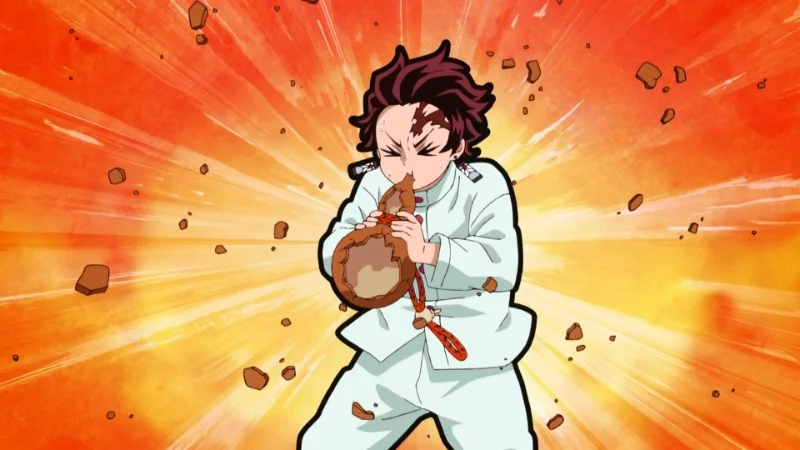
Total Concentration Breathing is taught with methodical drills. Trainees expand lung capacity, practice controlled inhalation and exhalation, and learn to maintain steady flow. Visual cues like water surface balance, gourd popping, and posture correction show how form and diaphragm control raise power output.
The constant version builds endurance. Characters practice while resting, walking, and sleeping until the body keeps the technique running. The payoff appears on missions when slayers recover faster, sharpen senses, and push muscles past normal limits without breaking the internal rules given on screen.
Zero Sense: Mission briefings rely on birds in a world full of predators

Kasugai crows deliver spoken instructions with locations, names, and timelines. They track slayers across long distances and find them in busy towns. The series shows crows arriving on cue, even during dynamic operations with changing objectives.
Demons hunt by night and often move across rooftops. The show does not depict demons targeting message birds or trying to jam this network. Viewers get accurate deliveries again and again, but the world rarely addresses interception, decoy calls, or backup channels if a crow goes missing.
Perfect Sense: Wisteria poison and barriers work the way they are described

The Insect Hashira uses wisteria compounds instead of raw strength to pierce demon bodies. The show explains that her sword tip injects a concentrated dose that bypasses regeneration. This matches earlier scenes where wisteria fields and incense stop demons from crossing or slow their healing.
Safe areas use the plant in entrances and perimeter lines. The same property that weakens demons in combat protects civilians in shelters. Because the series demonstrates both defensive and offensive applications, the audience can predict when a plan might work without new rules appearing out of nowhere.
Zero Sense: Nezuko’s sleep based nourishment and sudden sun immunity stand alone

Early on the story states Nezuko does not need human blood because she recovers through deep sleep. Other demons require blood to heal and grow, which sets her apart from the entire species. The show attributes part of this behavior to conditioning and protective suggestion, but it does not present a wider class of demons with the same trait.
Later she endures direct sunlight after a night of battle and remains unharmed. Characters call this unprecedented and it immediately becomes a central goal for the main antagonist. The reveal arrives in a single moment with no similar cases documented in the world, so the exception sits by itself for a long stretch of the story.
Perfect Sense: Nichirin blades have properties that match what we see in fights

Swordsmiths forge Nichirin steel from ores that absorb sunlight on the mountains. The metal changes color to reflect the user, and that color stays with the blade through battles. When slayers swing at full power the edge can chip, which fits how steel behaves under extreme stress.
Because the sunlight property is built into the metal, a clean cut to the neck leads to fast disintegration. When the cut is shallow or the angle is wrong demons regenerate as expected. The material explanation lines up with both outcomes and helps the audience read a fight in real time.
Zero Sense: A single hidden village supports almost all weapons and repairs
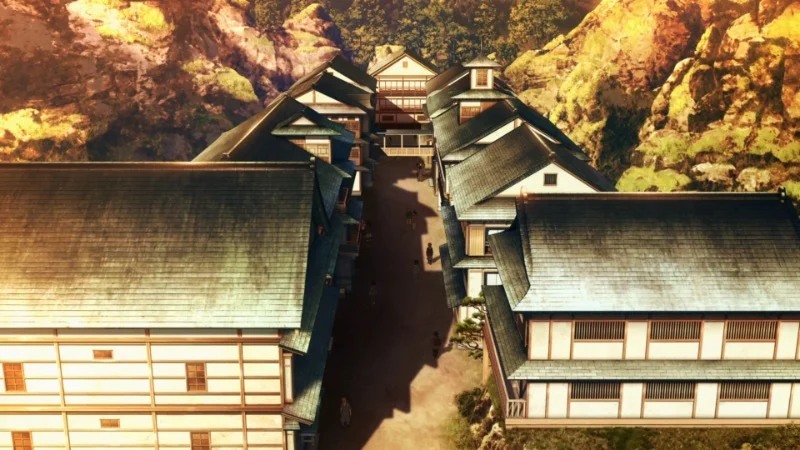
The story concentrates sword forging, scabbard work, and repair skills in one remote village. Slayers travel there for high level maintenance and for upgrades from specific craftsmen. When enemies find the location the entire supply chain faces disruption at once.
This setup raises questions about redundancy. The Corps operates nationwide, yet the show does not detail second sites, mirrored workshops, or mobile smith teams that could restore service after an attack. The risk becomes clear the moment an Upper Rank reaches the village and targets the artisans.
Perfect Sense: The Corps hierarchy explains who does what and why it matters

The organization uses clear ranks with the Hashira at the top of field operations. Each Hashira maintains a style, mentors a tsuguko when possible, and attends strategy meetings with the leader. These roles explain why certain slayers take point on threats and why others guard routes or civilians.
Support teams clean battle zones, treat injuries, and move personnel between missions. Crows assign jobs according to rank and availability so squads do not overlap by mistake. Because duties and titles stay consistent, the chain of command remains easy to follow even as the roster changes.
Share your own picks for what made zero sense and what made perfect sense in ‘Demon Slayer’ in the comments.