5 Things About ‘The Office’ That Made Zero Sense and 5 Things About It That Made Perfect Sense


The mockumentary format in ‘The Office’ follows employees at the Scranton branch of Dunder Mifflin as they sell paper, protect accounts, and navigate mergers, layoffs, and new corporate owners. The cameras capture sales calls, HR meetings, branch closings that reverse at the last minute, and a documentary that eventually airs to the public near the end of the story.
Across those years the show stacks up a long record of specific events that either align with how offices operate or push far past ordinary policy and procedure. The entries below pull concrete examples from episodes and arcs to show where the workplace logic lands and where it falls apart.
Zero Sense: No real HR fallout

Michael runs his own diversity training in ‘Diversity Day’ after Corporate sends an actual trainer, organizes dangerous antics like the grill incident in ‘The Injury’, and creates repeated liability issues with public promises and boundary violations. Toby is the HR representative in Scranton yet he rarely imposes formal discipline beyond documentation and mild counseling. These are the kinds of events that normally trigger mandatory training, write ups, and potential termination.
Corporate risk exposure builds further when Michael announces personal pledges in ‘Scott’s Tots’ and when he publicly dates his supervisor and later employees. The branch also logs multiple complaints over offensive meetings and unwanted pranks. In a normal company those cases reach a formal investigation that includes suspension, corrective action plans, or separation to mitigate legal risk.
Perfect Sense: Scranton survives on sales

During ‘Branch Closing’ Scranton is set to shut down, but the decision reverses because Scranton’s book of business and sales momentum are stronger than Stamford. Salespeople keep high value accounts through in person visits, price matching, and rapid customer service. The cameras document routes, pair selling in ‘Traveling Salesmen’, and hands on account saves after crises like ‘Product Recall’.
After the merger in ‘The Merger’ the combined team preserves revenue by retaining top sellers and folding in Stamford clients. Scranton also runs leaner operations than other branches and offsets pressure from big box competitors with relationship selling. Those are common reasons a legacy office outperforms sister locations despite industry decline.
Zero Sense: No terminations after the fire drill
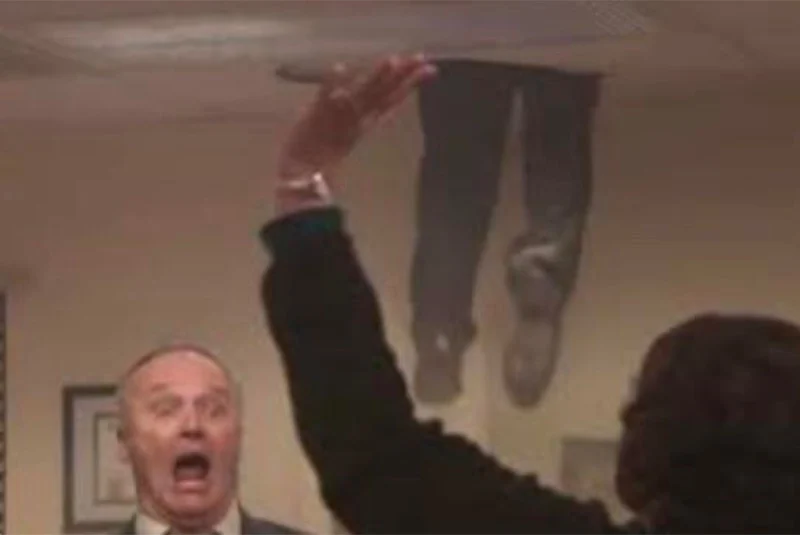
Dwight stages an unannounced fire drill in ‘Stress Relief’, starts a fire in a trash can, locks doors, disables safety tools, and causes a medical emergency. The event brings law enforcement and management attention. In a real office that chain of actions triggers immediate termination for cause and a potential criminal case, plus an OSHA investigation and a building audit.
The fire drill also reveals missing safety training and equipment misuse. Companies usually respond with evacuation retraining, a recordable incident report, and documented corrective actions for all involved staff. The show depicts a short lecture and a return to business with no permanent staffing changes, which does not match standard safety protocol.
Perfect Sense: Michael sells better than he manages

Michael closes deals by building relationships and staying on calls until he gets commitments, as seen in ‘The Client’ and throughout routine sales days. He knows local buyers by name, negotiates matches against discount competitors, and leverages same day delivery to prevent churn. Those methods explain recurring leaderboard wins even when his meetings derail.
The numbers driven side shows up whenever Corporate evaluates branches. Scranton’s sales performance covers for managerial missteps because revenue keeps climbing. That split between strong sales output and chaotic meetings is common in small and mid sized offices where a standout seller moves into management but keeps using hands on account tactics to hit targets.
Zero Sense: Andy vanishes without swift consequences

In ‘The Boat’ and the following absence arc, Andy leaves the branch for an extended trip with spotty communication. He is the regional manager yet he delegates for weeks with no formal interim plan and limited reporting to Corporate. The team runs without him while customers and staff wait for approvals that need manager authority.
Standard practice requires a designated acting manager, daily or weekly performance reports, and documented leave approvals. Extended unauthorized absence by a manager normally results in immediate corrective steps, loss of role, or termination. The delay between the disappearance and any final action stretches plausibility for a public company with active sales pipelines.
Perfect Sense: Dwight’s promotion is performance based

Dwight spends seasons as the top or near top seller, tracks leads obsessively, and runs structured account plans. He demonstrates facility knowledge and process control, even when his methods are extreme. When he steps in during ‘Dwight K. Schrute, Acting Manager’ he implements schedules, delegation charts, and measurable outputs that keep calls and deliveries moving.
Over time those documented results make him a logical choice for the manager role. Companies often promote the highest performing operator who already fills gaps during crises and who knows the customer base by line item. Dwight’s history of closes, retention metrics, and branch familiarity supports the final promotion decision.
Zero Sense: The Florida store project staffing

The Sabre retail launch in Florida pulls a small group from Scranton with limited big box retail or store design experience. The team receives authority over layout, product mix, and customer experience with little formal training in merchandising or brick and mortar operations. They jump from paper sales and office admin to a national retail pilot.
Large rollouts normally staff with retail operations specialists, supply chain analysts, and store design professionals. Pilot teams also use regional managers with previous grand opening experience. The choice to use an ad hoc Scranton crew without clear qualifications or a structured vendor plan conflicts with common corporate project staffing.
Perfect Sense: Jim and Pam’s career moves track with opportunity

Jim shifts from sales to special projects and later commits to the sports marketing startup that becomes Athlead and then Athleap. The change follows a documented pattern of high sales performance, cross branch initiative work, and networking through clients and colleagues like Darryl. Those steps are a typical pathway from sales into a new industry that values contacts and hustle.
Pam transitions from receptionist to sales and then office administrator, adding process responsibilities and vendor coordination. The role grows as the branch navigates mergers and new ownership, which creates gaps she fills through scheduling, purchasing, and communication. That kind of internal mobility is common in lean offices where a trusted employee absorbs operations work during change.
Zero Sense: Documentary crew boundaries shift

Across most seasons the crew avoids direct interference even when pranks escalate or meetings fail. Then the boom operator Brian steps in during a hallway conflict and later appears in conversations that acknowledge the crew as active participants. The sudden shift from neutral observers to intervening parties breaks the established boundary shown in earlier episodes.
The crew also continues filming highly sensitive events without clear consent changes while characters reference the cameras casually. Real documentary productions add updated releases when scope changes and reduce interference to maintain credibility. The uneven application of those practices creates confusion about what rules the crew follows inside the office.
Perfect Sense: Public airing changes outcomes

When the documentary finally airs in ‘Finale’ it generates attention that affects careers and relationships. Characters receive new opportunities, public feedback, and recognition that track with how exposure works when a long running series spotlights everyday workers. The office itself becomes a local attraction, which often happens when real workplaces appear on camera.
The reunion special and follow up interviews mirror common documentary wrap formats. Participants address past events on stage, clarify decisions, and describe post show life changes linked to the broadcast. The filmed archive explains how employers, customers, and friends respond to years of recorded behavior once it reaches a national audience.
Share your favorite sense or nonsense moments from ‘The Office USA’ in the comments and keep the conversation going.