Bizarre Movie Facts You Probably Didn’t Know


Movies are full of behind the scenes choices that never make it into the credits. Some of those choices came from tight budgets or sudden problems on set while others were clever tricks that changed how films are made. Digging into them reveals details that are stranger than the stories on screen.
Here are twenty films with production facts that sound unbelievable at first and then make total sense once you know the constraints. Each entry explains what happened and how the teams pulled it off so you can see the craft that hides in plain sight.
‘The Wizard of Oz’ (1939)
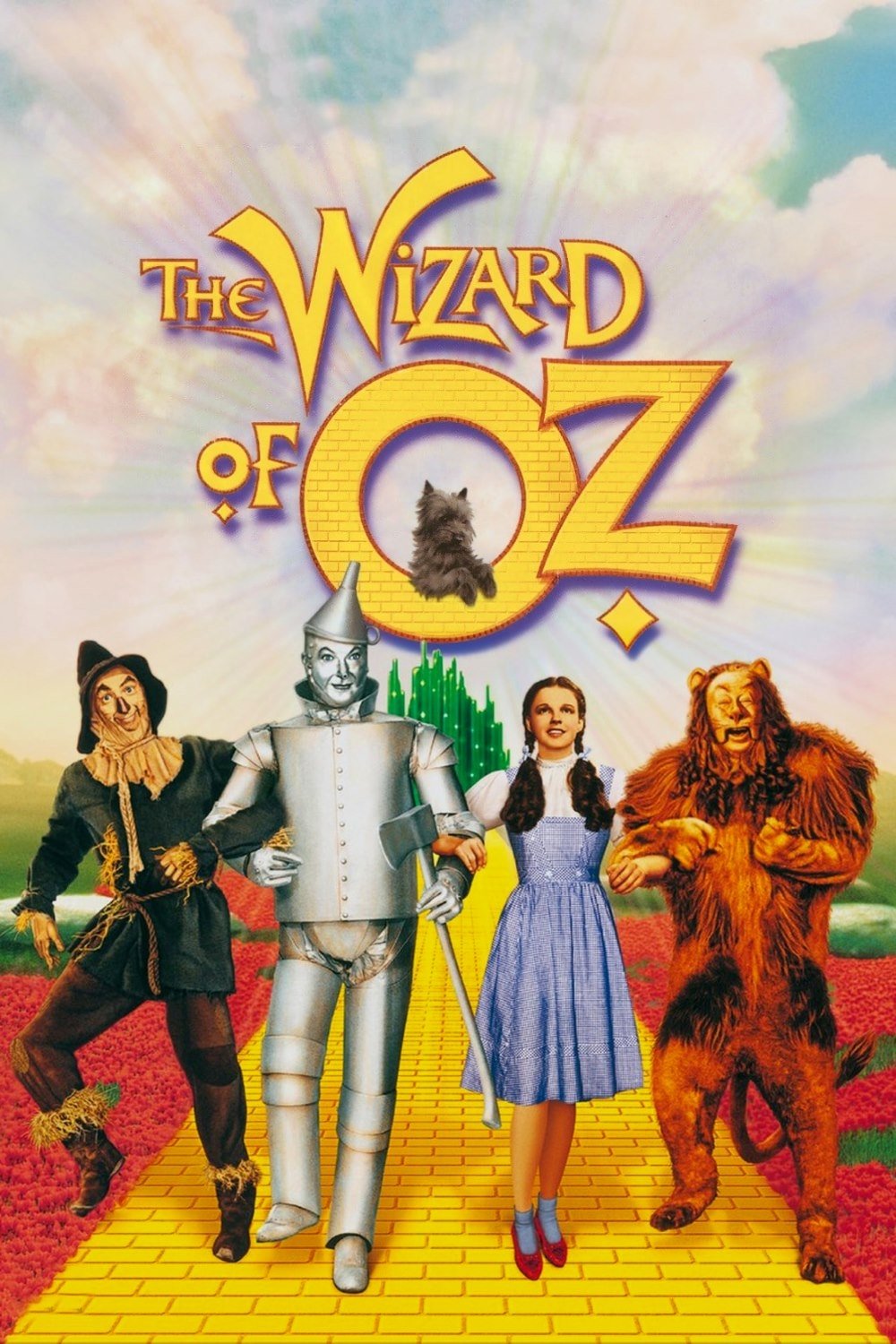
The original Tin Man actor Buddy Ebsen left early in production after reacting to aluminum based makeup that affected his breathing. Jack Haley replaced him and the team changed the formula to an aluminum paste that was safer to apply and remove during a long shoot.
Margaret Hamilton who played the Wicked Witch suffered burns during a fire effect that misfired in the Munchkinland scene. Her green makeup contained copper compounds that required careful handling and she avoided using it near open flames for the rest of the shoot.
‘Psycho’ (1960)
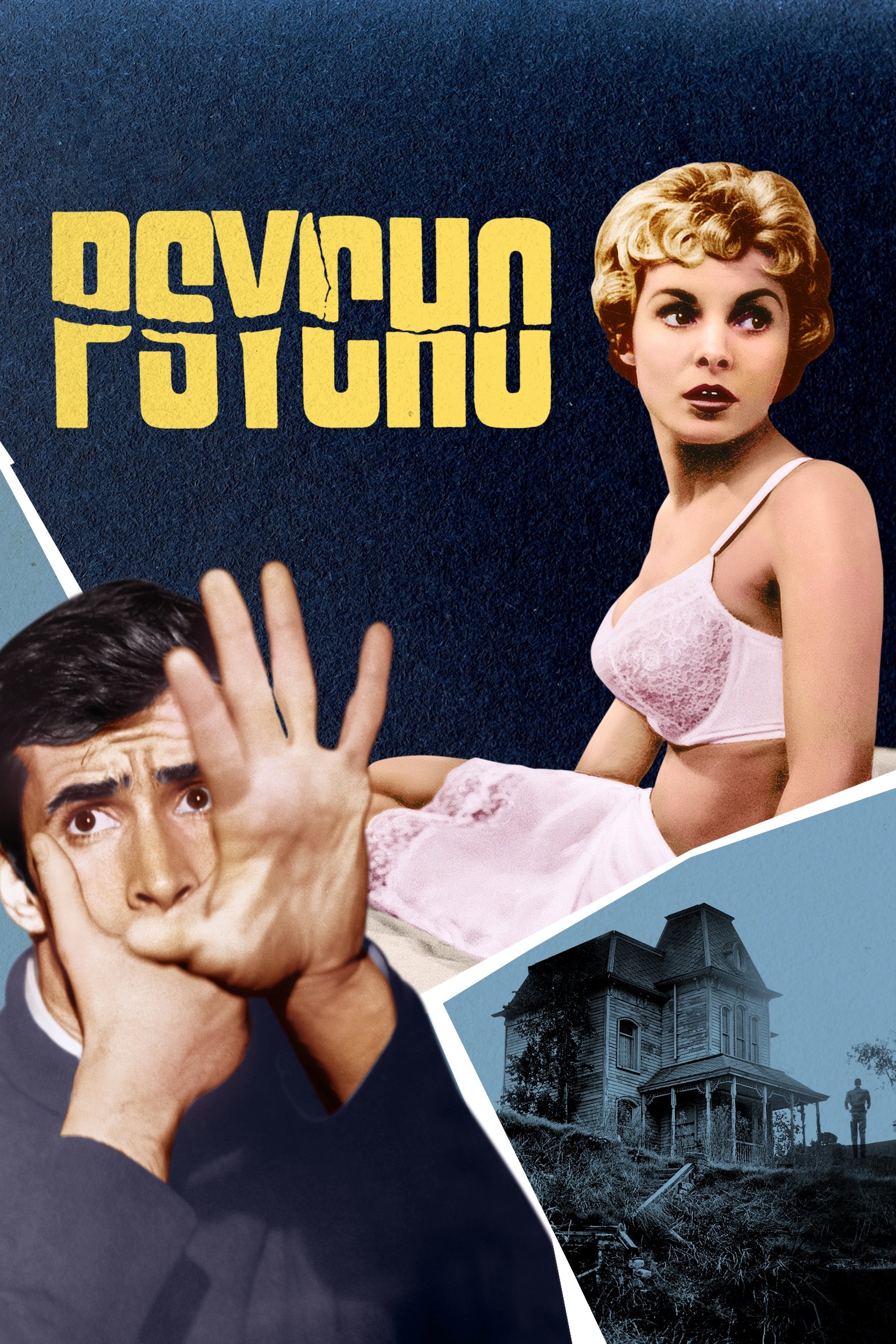
The film was the first major American release to show a toilet flushing on screen which required careful approval from censors at the time. Alfred Hitchcock included it during the scene where Marion Crane tears up paper and flushes it so the moment had a clear story purpose.
For the shower scene the crew used chocolate syrup as blood since black and white film read its texture and contrast better than stage blood. The sequence used a large number of cuts and setups to create shock while still keeping the knife from visibly piercing skin.
‘Jaws’ (1975)
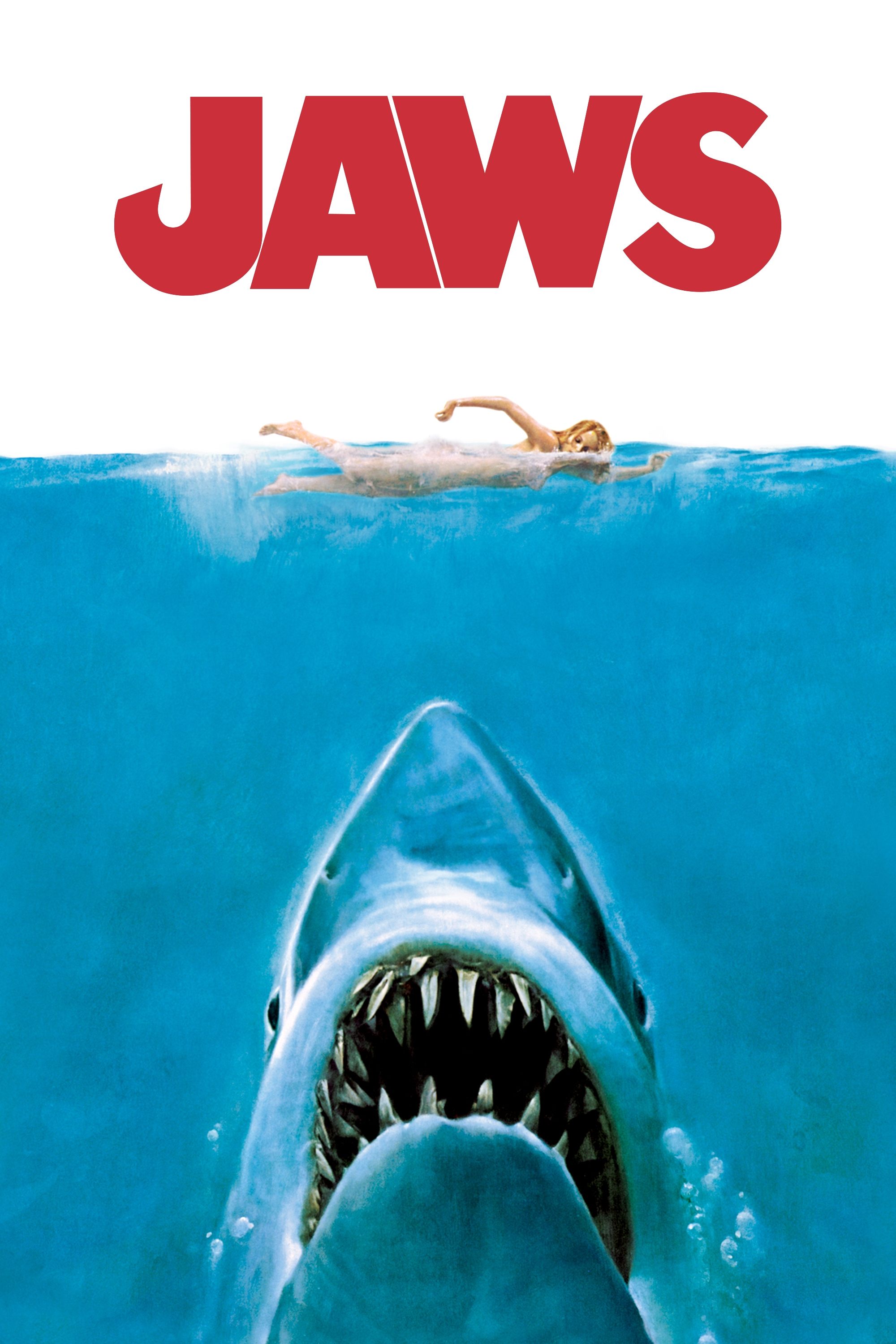
The mechanical shark named Bruce often failed in salt water which pushed Steven Spielberg to hide the creature and rely on point of view shots and music. That problem led to the floating barrel device as a way to track the shark without showing it directly.
Martha’s Vineyard was chosen because its shallow sandy shelf made the water look deep close to shore. That allowed the crew to stage attacks near land while keeping equipment within reach which also helped with safety and logistics.
‘Rocky’ (1976)
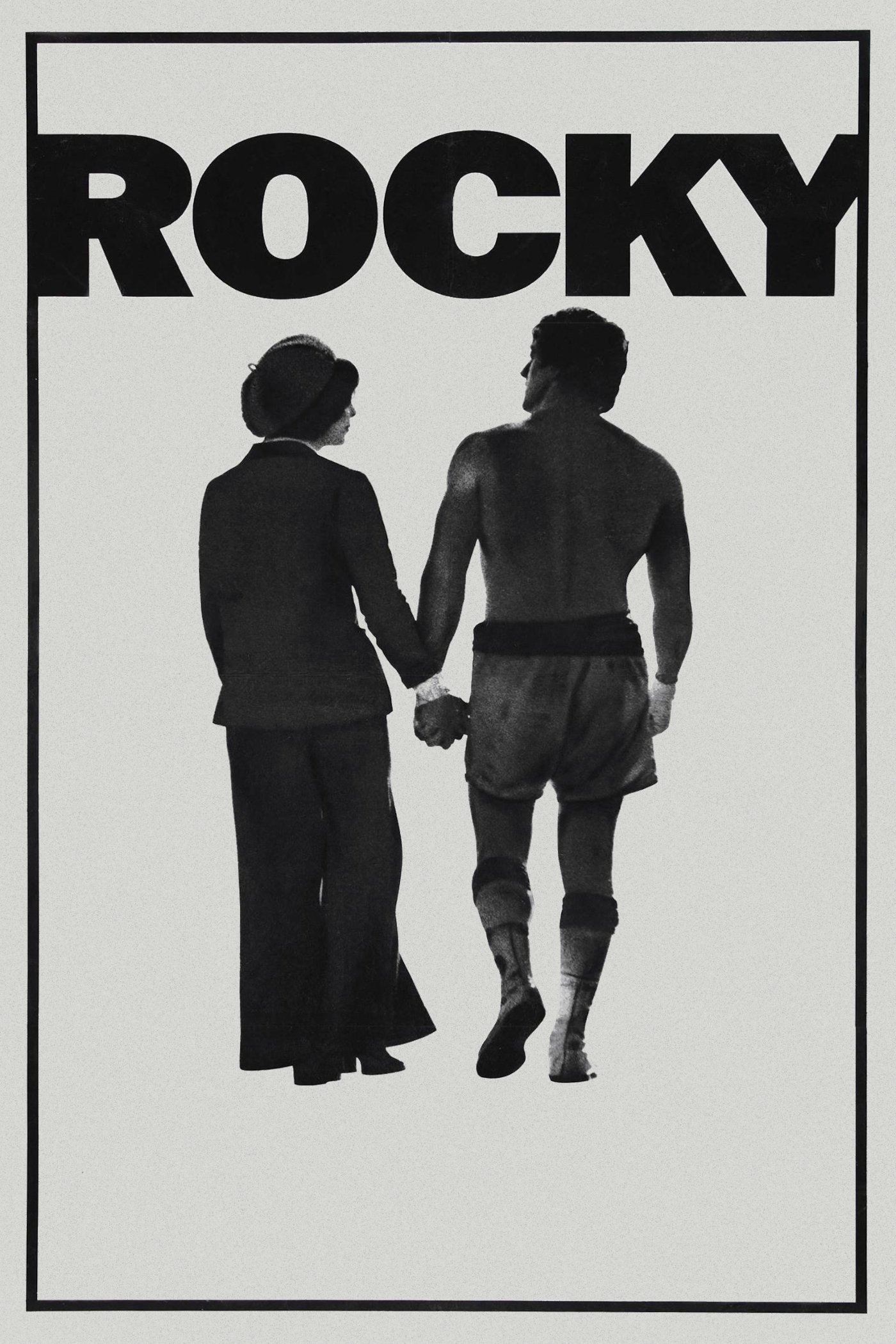
The ice rink date scene was written to be nearly empty because the production could not afford a crowd and extra shooting time. Turning off most lights and writing it as a private moment reduced costs and created a setting the team could control quickly.
Garrett Brown’s Steadicam helped capture smooth runs up the museum steps without tracks. The device was still new to filmmakers and the film became an early showcase that encouraged wide adoption for moving shots through real locations.
‘Star Wars’ (1977)
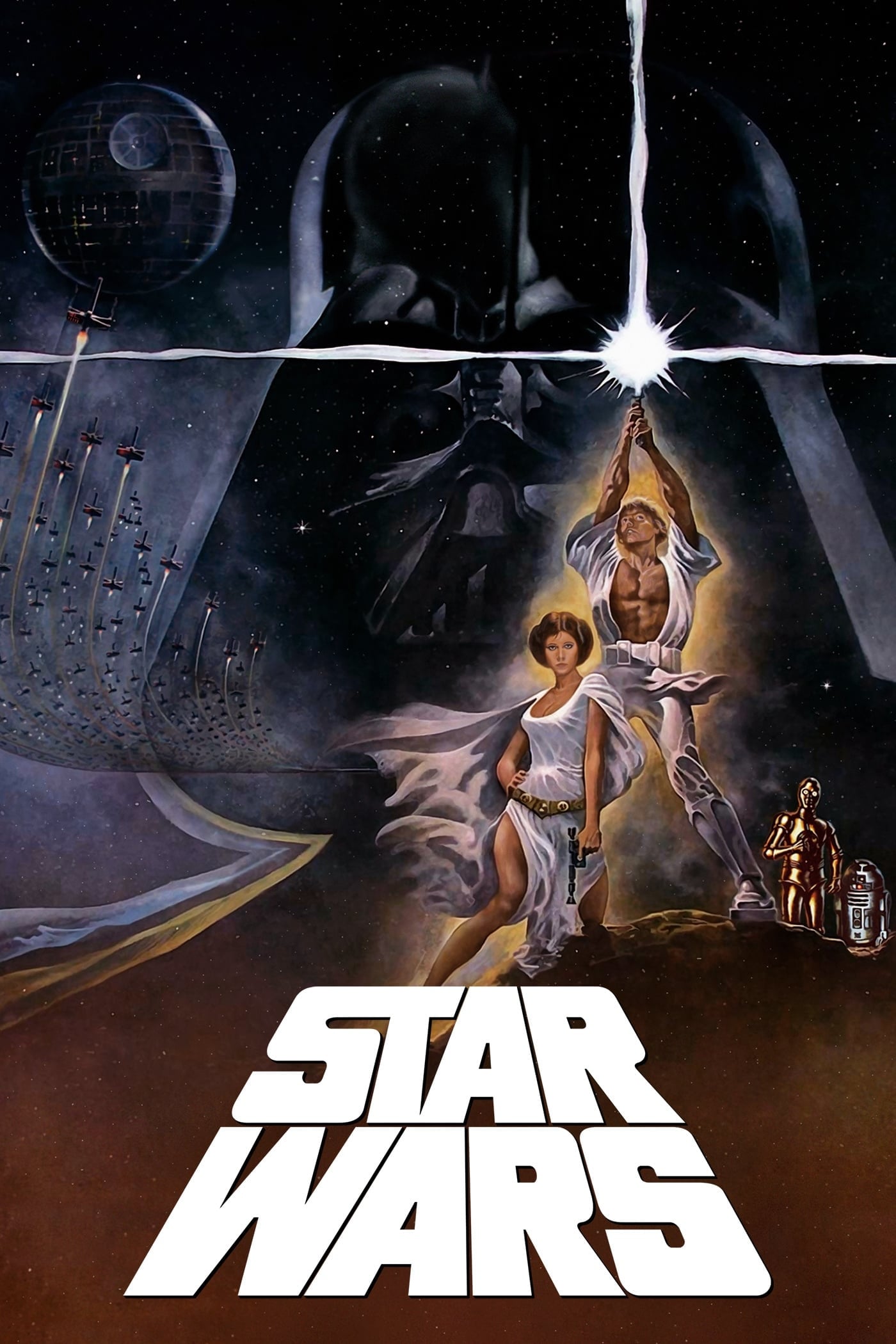
The opening crawl was filmed with a camera moving over a printed sheet set at an angle to the lens. The practical setup created the signature perspective that later moved to digital methods once the technology matured.
Ben Burtt built the TIE fighter scream by mixing an elephant call with a wet road recording from a passing car. Many sounds in the film came from everyday sources that were altered until they felt otherworldly while still keeping a physical texture.
‘Apocalypse Now’ (1979)
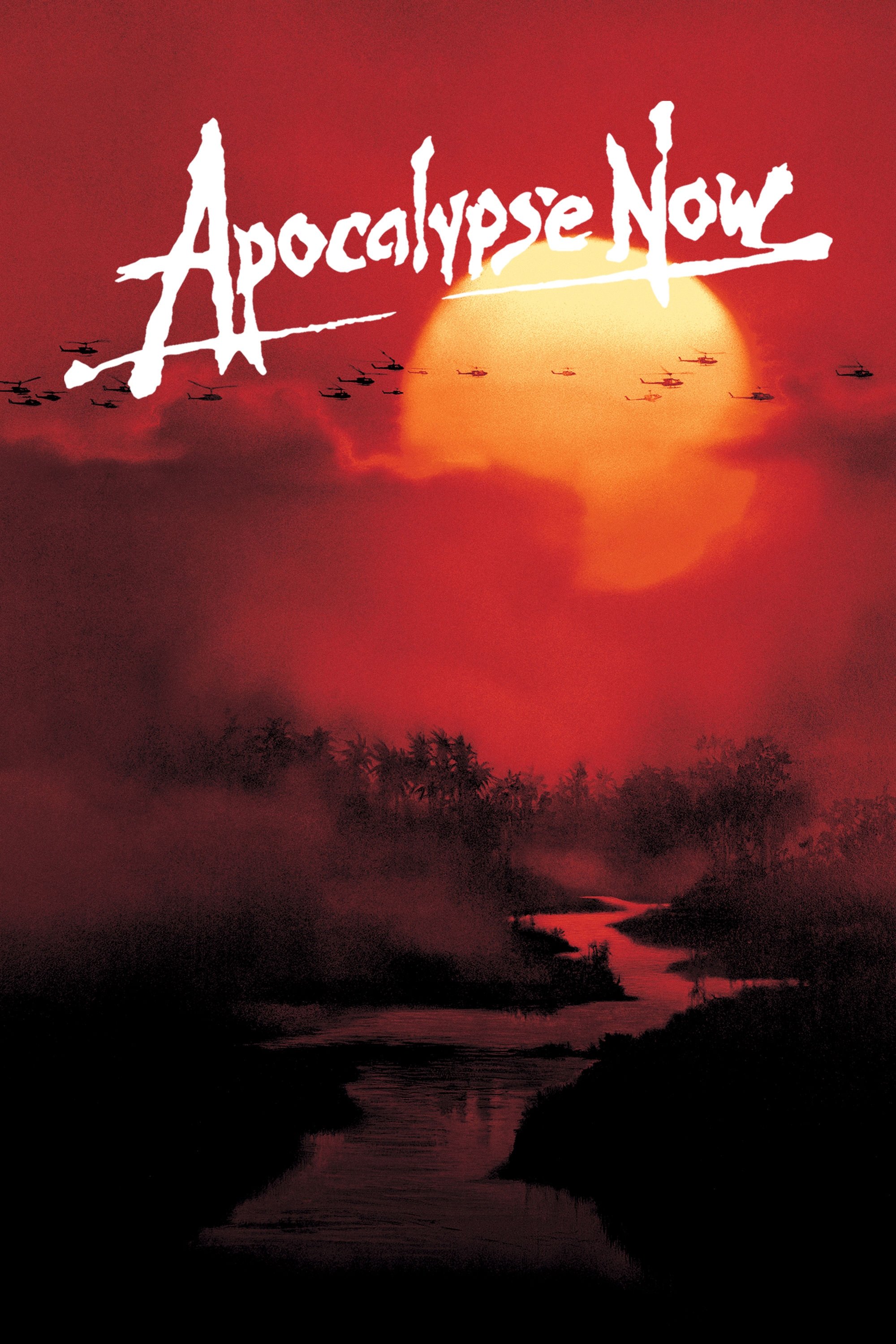
A typhoon hit the Philippine location and destroyed sets which forced a long shutdown and rebuilding effort. The delay changed schedules and extended the shoot far beyond original plans while the crew waited for safe conditions.
Martin Sheen experienced a heart attack during production and later returned after recovery. Marlon Brando arrived heavier than expected and not fully prepared so scenes were lit and staged to emphasize shadow and close framing that fit his new presence.
‘Alien’ (1979)
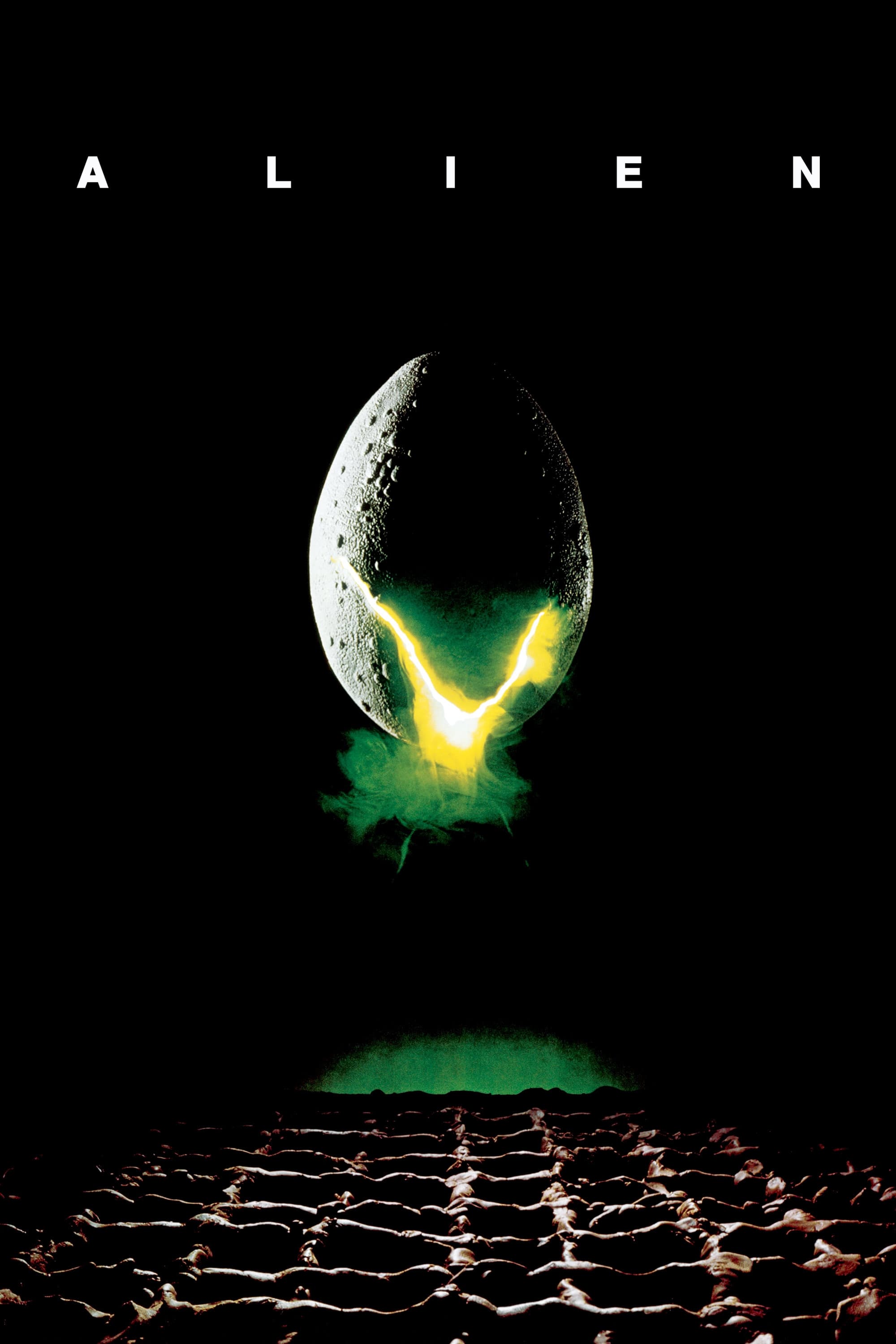
The chestburster scene shocked the cast because they were not told exactly how much blood would spray. Real animal organs were used for texture which created a smell on set that added to the genuine reactions captured by the cameras.
The android Ash leaked milky fluid made from a dairy mix that gave an unsettling look on screen. The choice made the character feel biological rather than purely mechanical and it contrasted with the darker textures of the rest of the ship.
‘The Shining’ (1980)
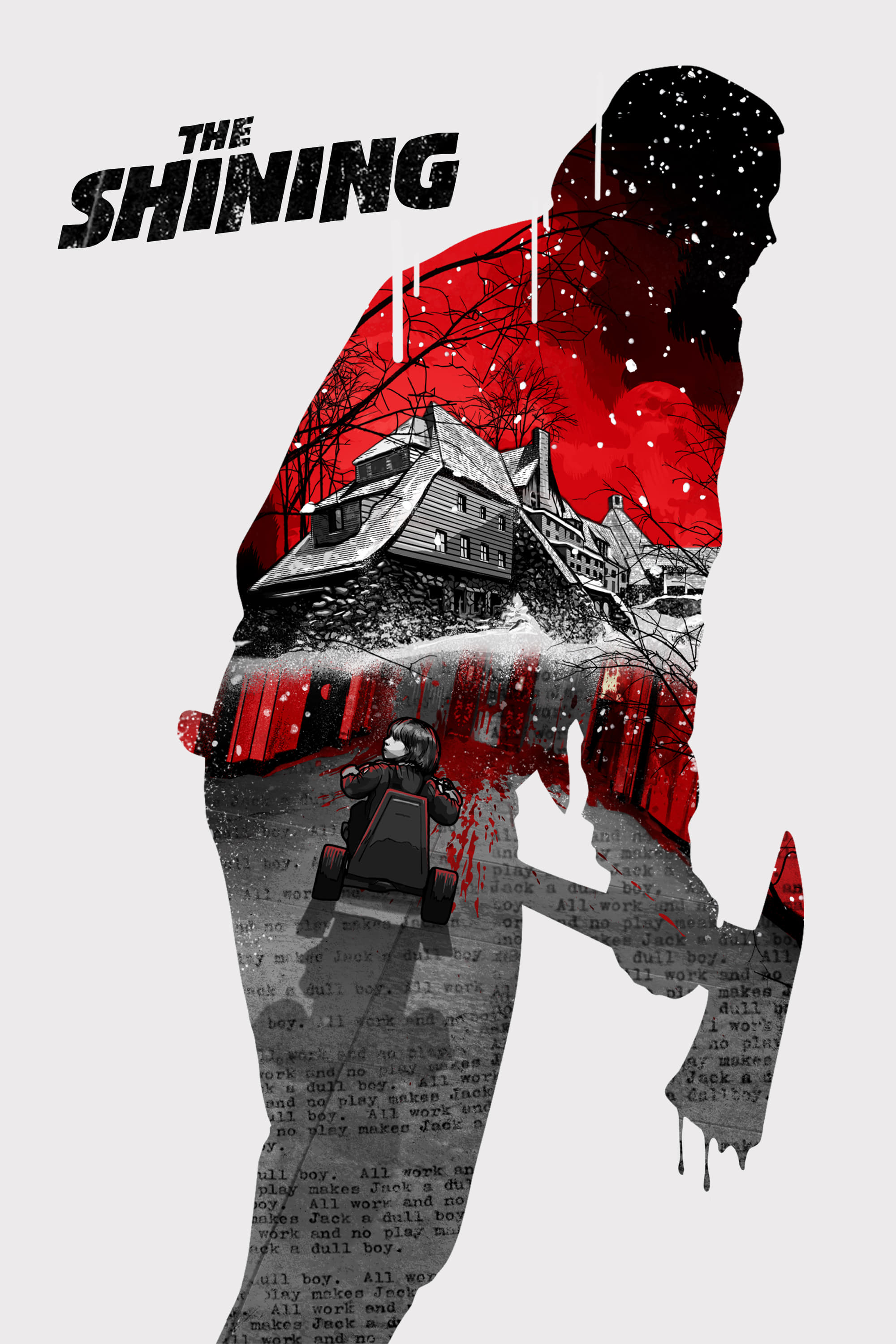
The hedge maze snow was mostly salt mixed with materials that would not melt under hot studio lights. That approach avoided water damage and allowed the team to shoot long takes without losing the winter look between setups.
Kubrick demanded many takes for key scenes which required actors and crew to repeat complex moves until everything aligned. The door breaking sequence used multiple prop doors before the final takes were approved which ensured consistent splinter patterns.
‘Raiders of the Lost Ark’ (1981)
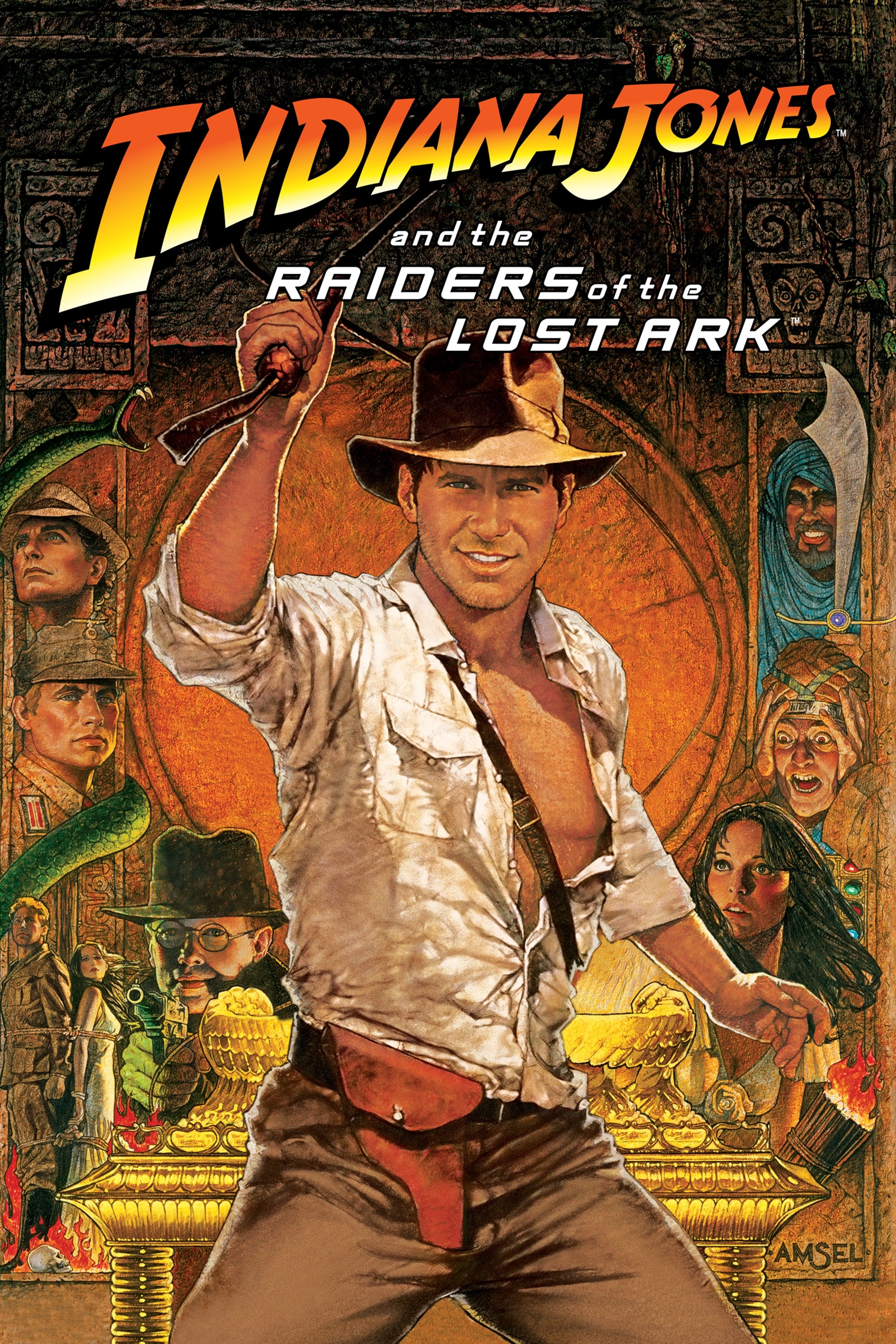
The Cairo marketplace duel ended with Indiana Jones firing his gun because Harrison Ford was sick and a long sword fight would have been difficult to complete. The quick solution fit the character and saved time on a very hot day.
In the Well of Souls the cobra shot used a pane of glass between actor and snake for safety. Some reflections are visible in prints which is a reminder of the practical steps taken to keep performers safe around live animals.
‘Back to the Future’ (1985)
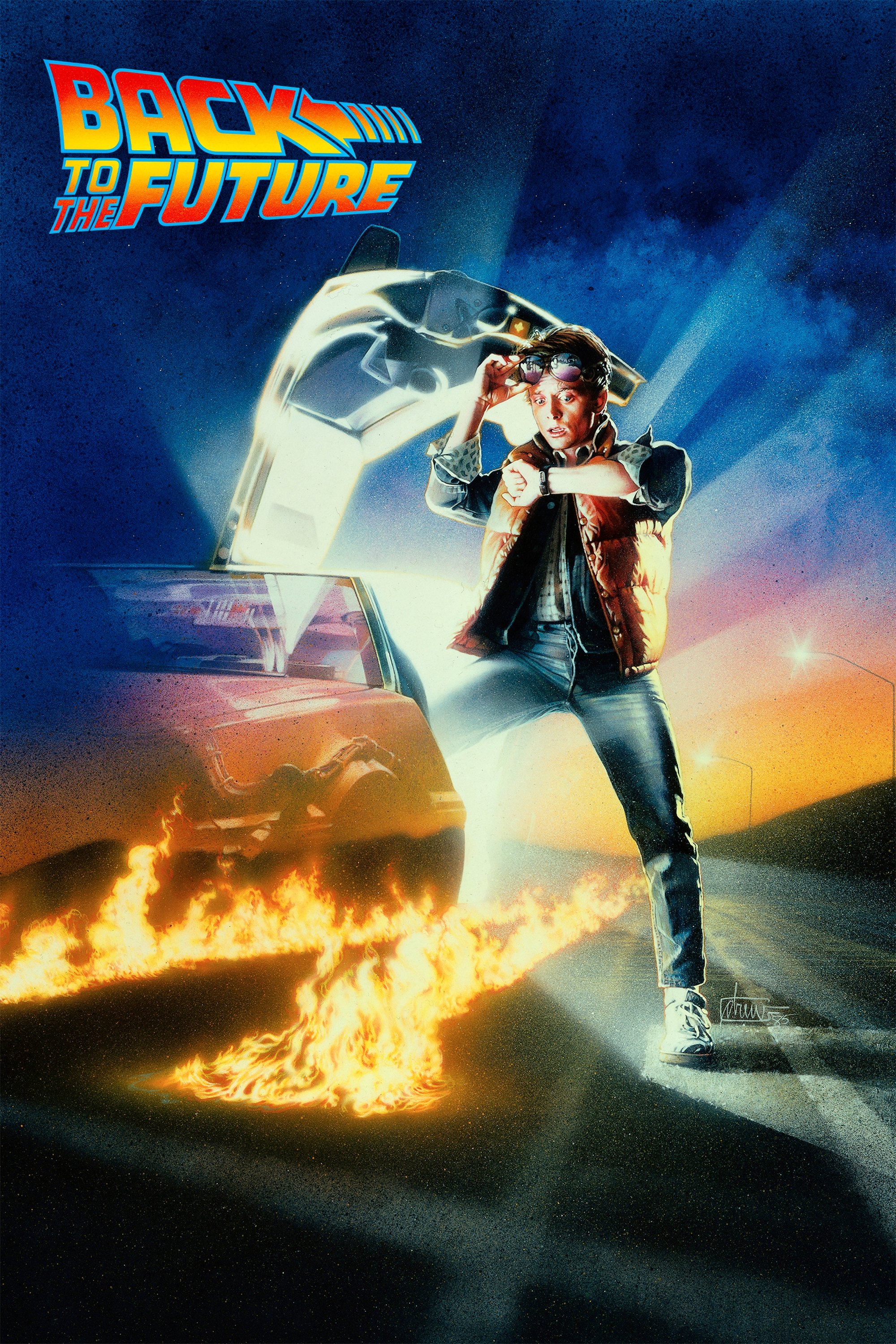
Eric Stoltz filmed several weeks as Marty McFly before the role shifted to Michael J Fox. The change required reshoots of many scenes but the production kept the schedule by working nights and weekends around Fox’s television work.
The time machine was first imagined as a refrigerator before the team chose a DeLorean. The car’s gull wing doors and stainless steel body helped sell the idea of a device that looked advanced without adding heavy modifications.
‘Jurassic Park’ (1993)
The T rex animatronic weighed thousands of pounds and absorbed water during rain scenes which caused unexpected movements. Crews paused to dry it and adjusted timing to keep motions stable so it would not shake when it was not supposed to move.
Computer generated shots are far fewer than people expect and many dinosaurs were full scale animatronics or detailed partial builds. The Dilophosaurus frill and venom are inventions for the film since the real animal had no evidence of either feature.
‘The Shawshank Redemption’ (1994)
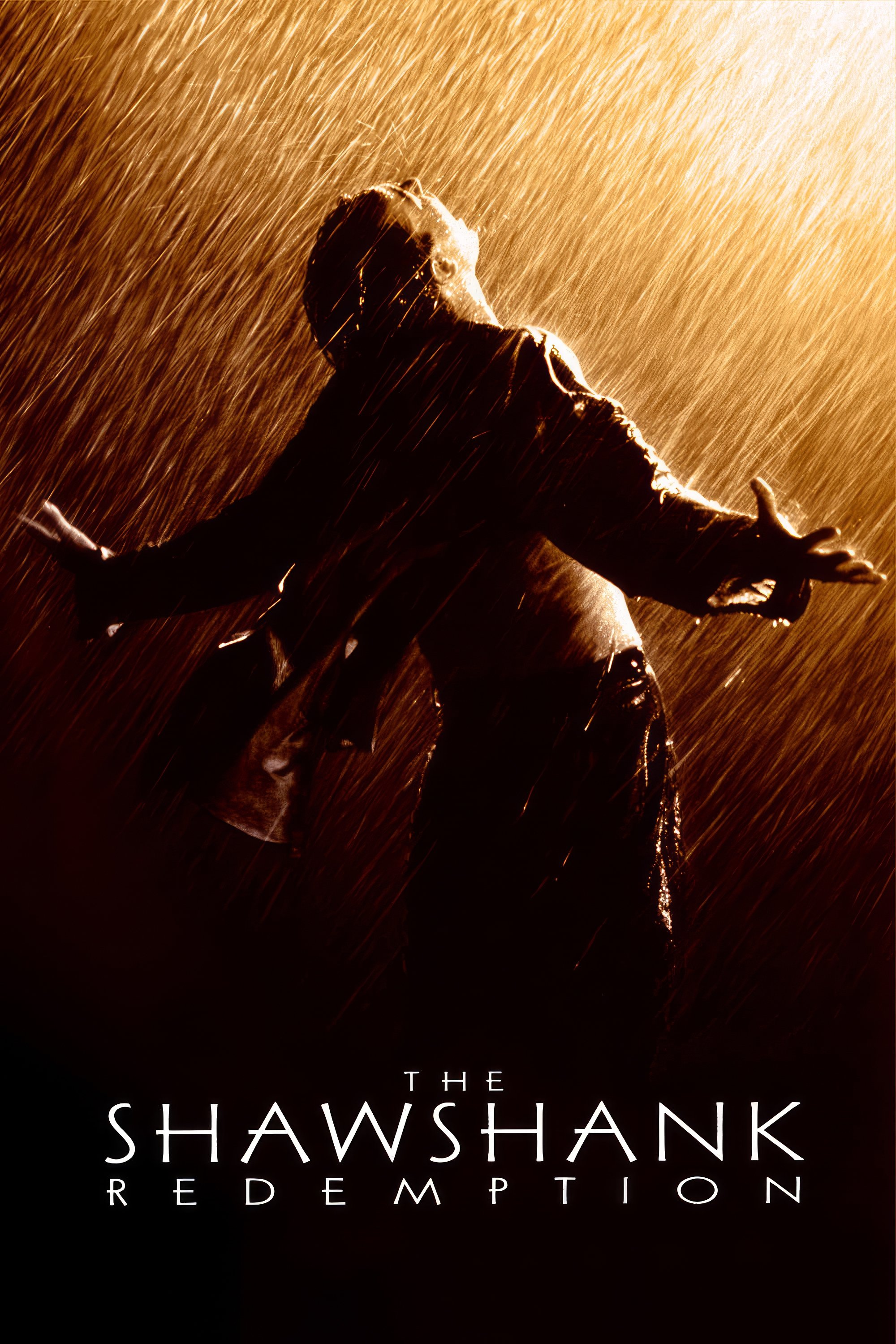
Animal guidelines required that the maggot used to feed the crow be already dead before filming. A single dead larva was used for the close shot to satisfy those rules while keeping the scene intact.
The long tunnel crawl used a pipe filled with a mixture based on chocolate syrup and sawdust to mimic sewage. Tim Robbins crawled through it for multiple takes and the mixture was chosen because it read correctly on camera and was safe to work in.
‘Titanic’ (1997)
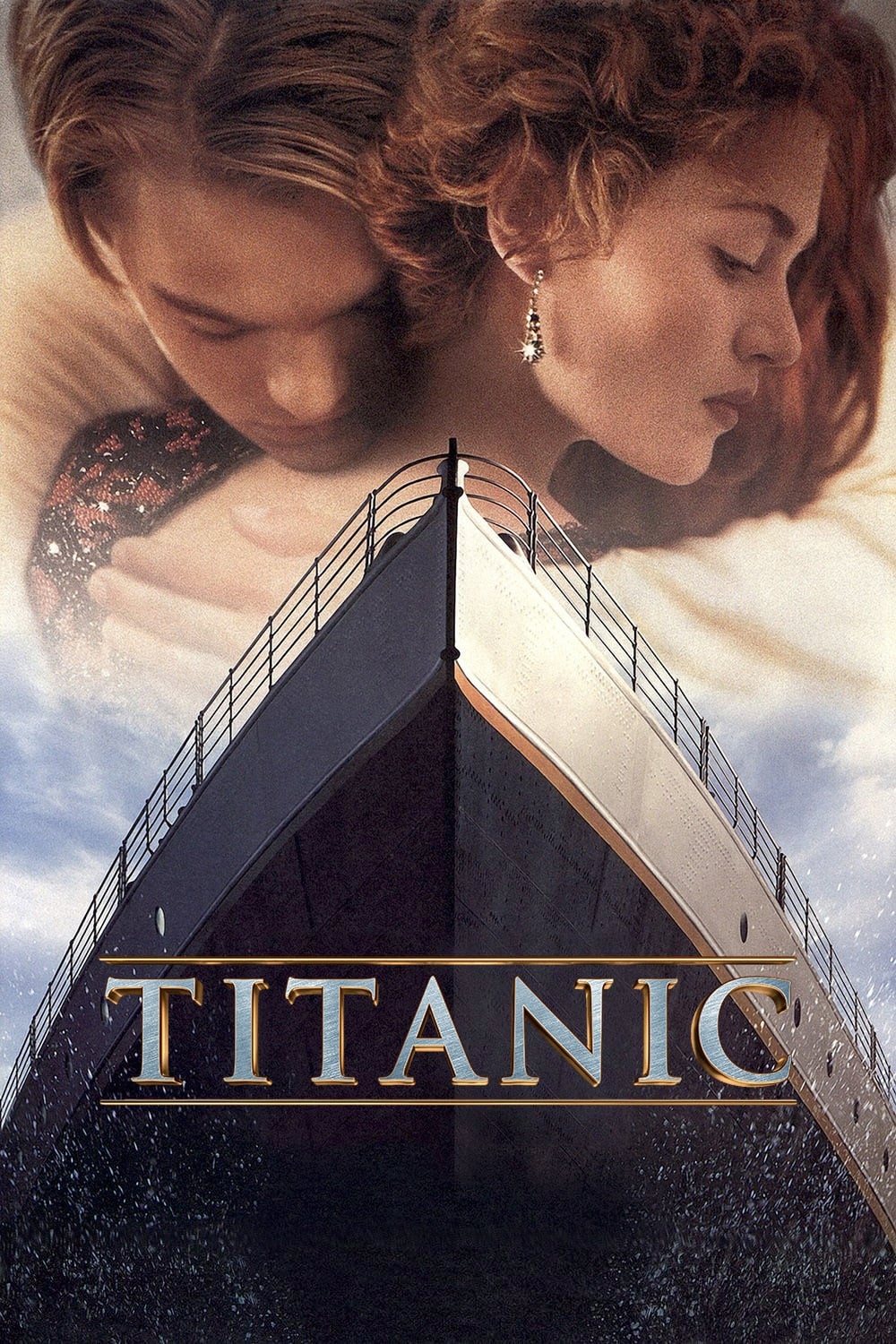
A pot of chowder served to crew in Nova Scotia was spiked with a drug which sent several people to the hospital as a precaution. The incident caused a brief halt while everyone recovered and local police investigated the source.
The drawing of Rose was created by James Cameron using Kate Winslet’s pose and a period style sketchbook. The hand seen on screen during the close shots is Cameron’s and the prop portfolio held other sketches he had prepared for the character.
‘The Matrix’ (1999)
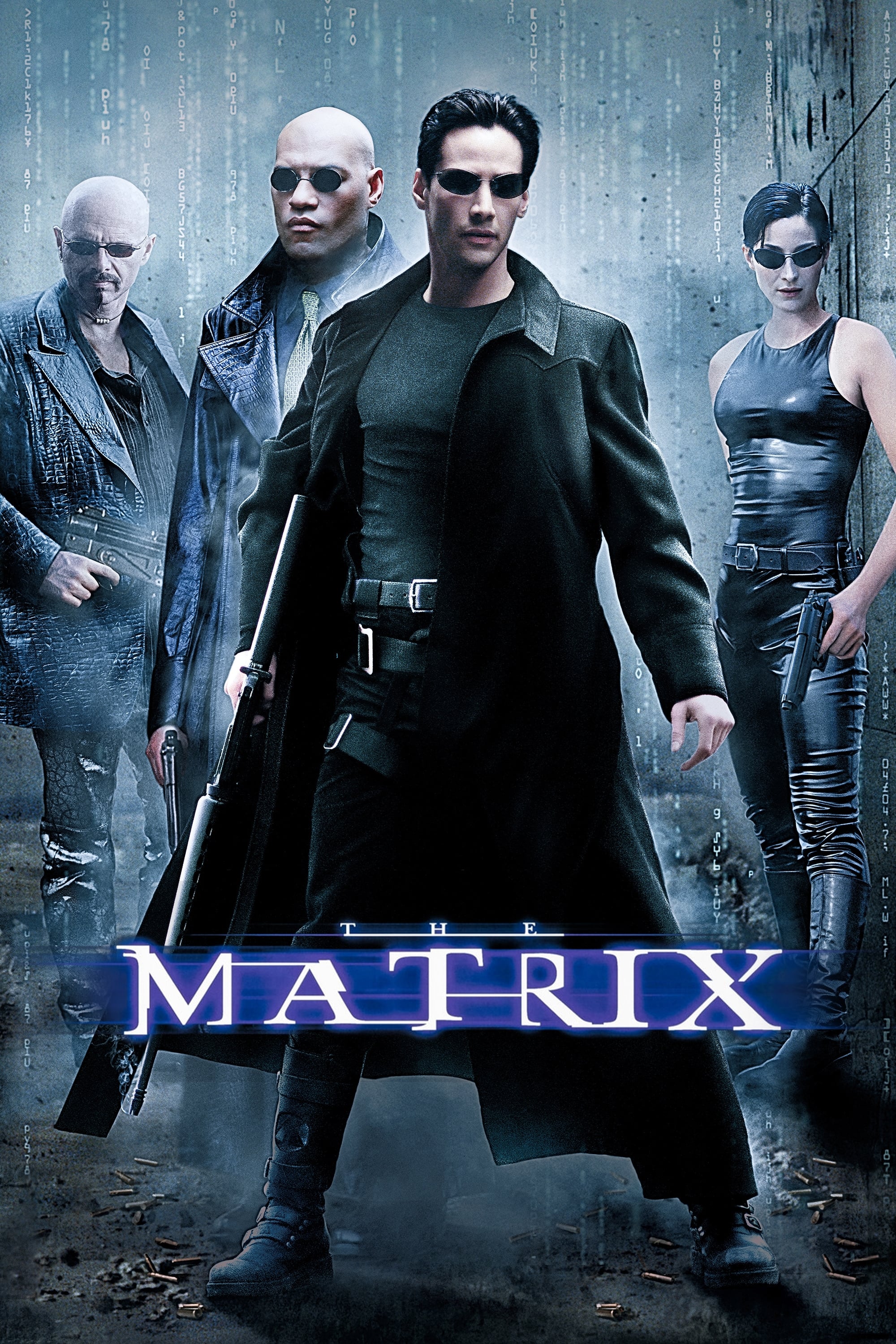
Bullet time shots used a circle of still cameras fired in sequence with precise timing to create a moving viewpoint around a frozen subject. The frames were stitched together with computer work that interpolated gaps to create smooth motion.
The green code that fills screens came from characters taken from a cookbook for sushi and other sources. The designer scanned and arranged them to flow vertically which echoed old computer monitors while nodding to Japanese text design.
‘The Lord of the Rings: The Fellowship of the Ring’ (2001)
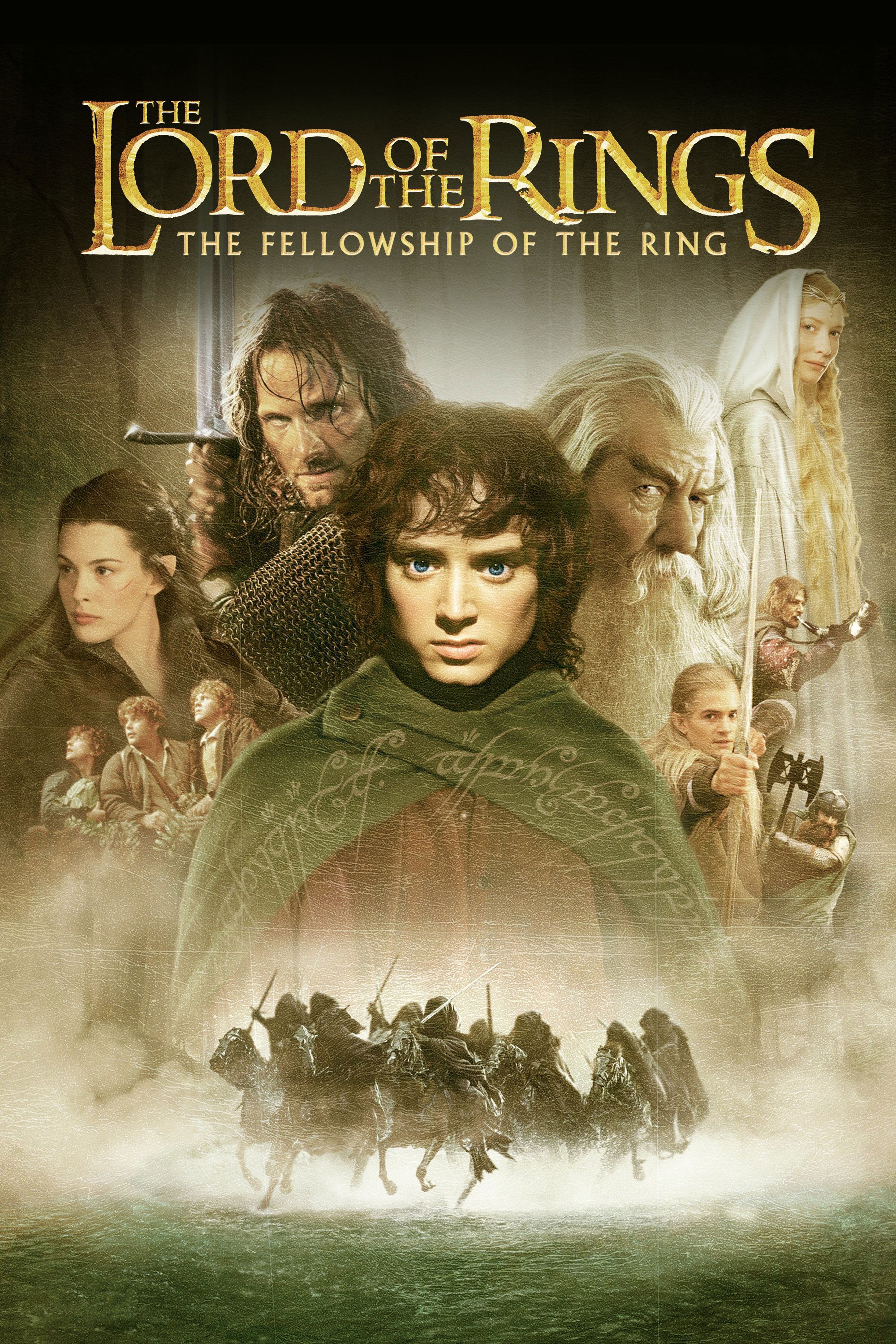
The size difference between hobbits and humans relied on forced perspective sets that placed actors at different distances from the camera. Gandalf and Frodo appear side by side in a cart using a split design that hid the spacing.
Miniatures called bigatures were used for places like Isengard and the Argonath which allowed cameras to move through physical detail. The approach blended with digital additions and helped maintain a consistent texture across wide shots and close views.
‘Spirited Away’ (2001)
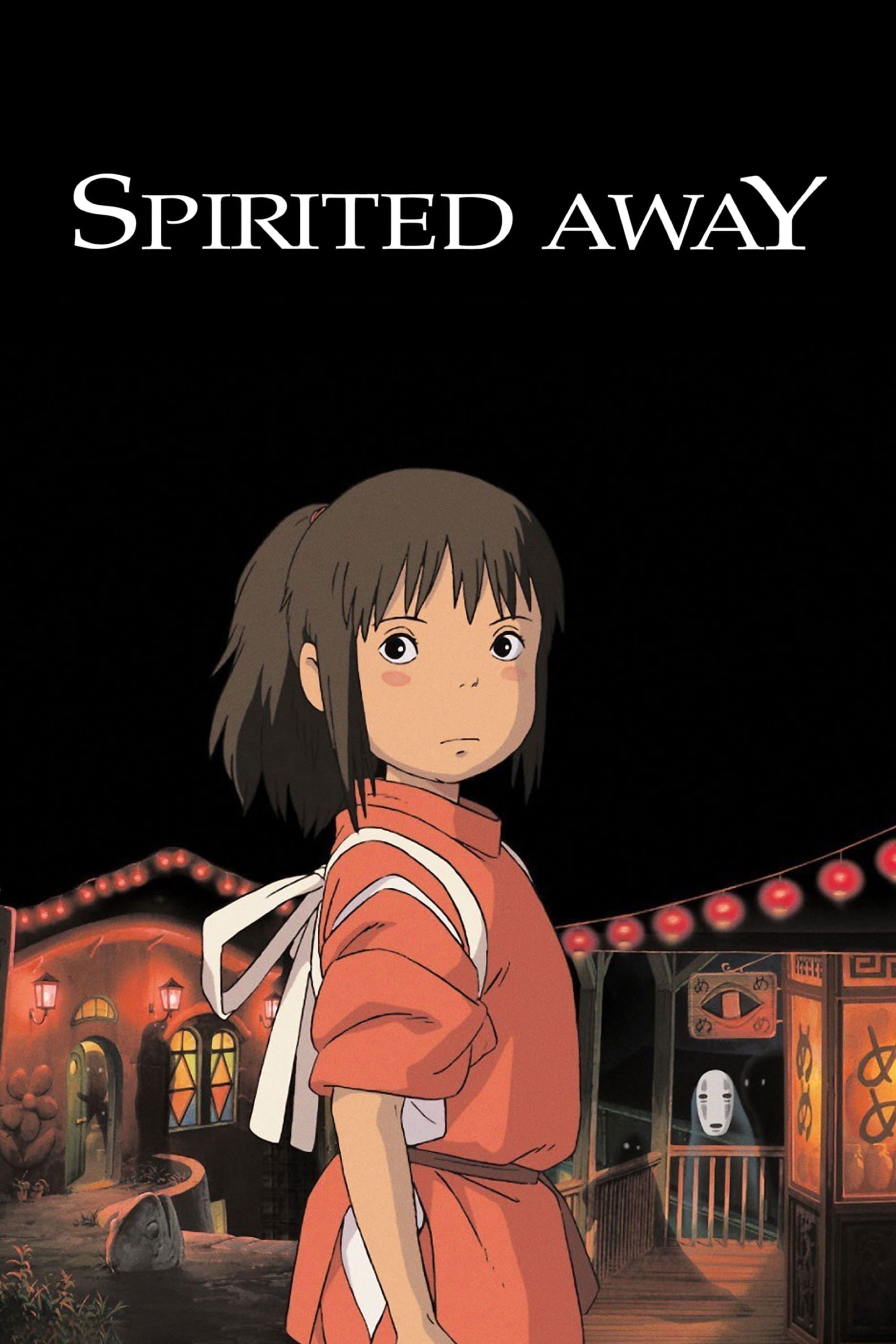
Hayao Miyazaki began production without a finished script and developed the story through storyboards that evolved as scenes were drawn. This method let the team adjust characters and settings while animation progressed which kept the process fluid.
The bathhouse setting draws from traditional inns and public baths and the names have meanings tied to work roles and contracts. Sen losing part of her name to Yubaba reflects a common theme in folklore about control of identity through names.
‘The Dark Knight’ (2008)
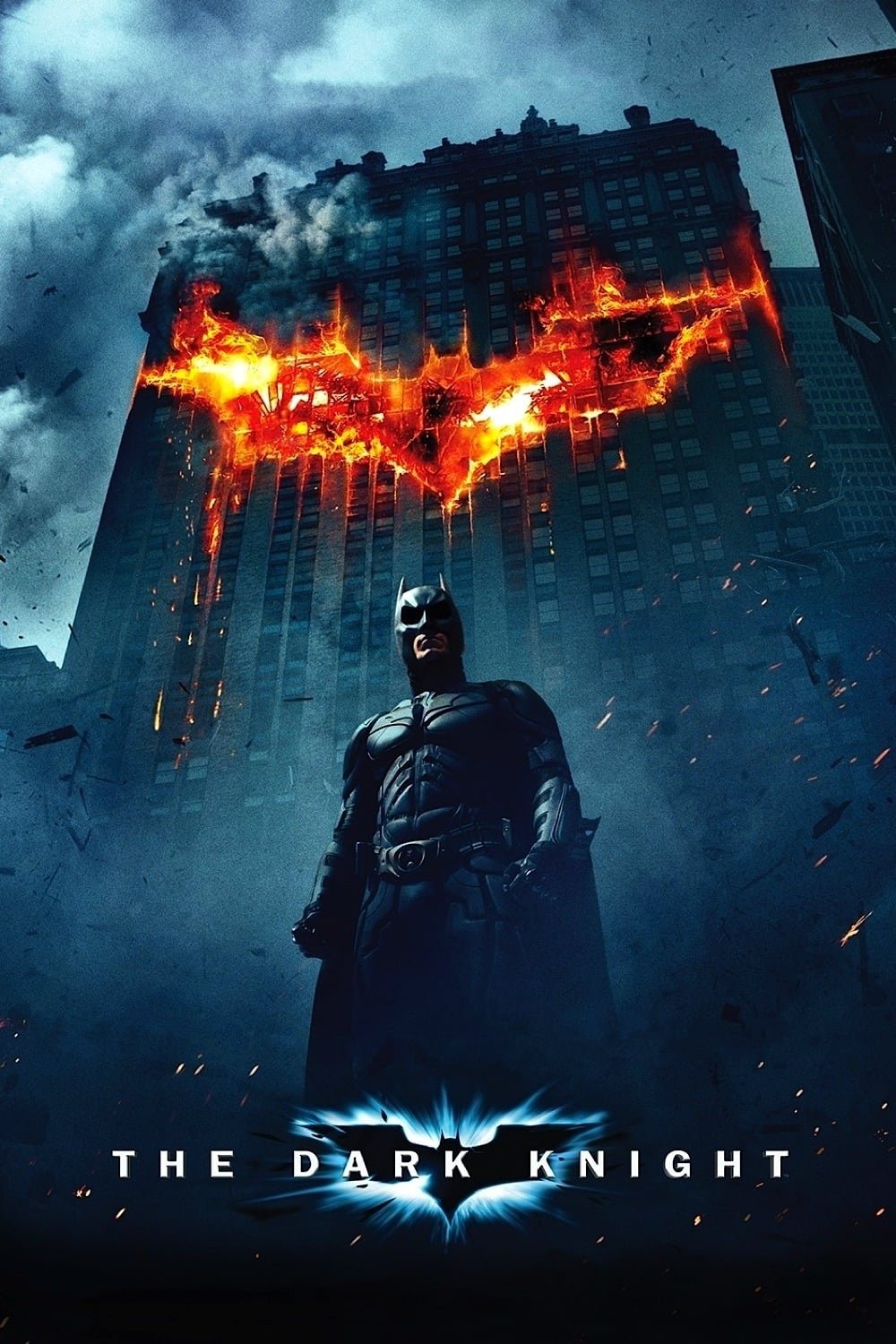
The hospital demolition used a real building that was already scheduled for destruction which allowed full control of the blast. Heath Ledger stayed in character as the charges went off and the production captured the result in one pass with multiple cameras.
Several sequences were shot on IMAX cameras which were large and noisy compared to standard units. The move delivered very high resolution images for city vistas and action and it also required custom rigs for stability inside moving vehicles.
‘Mad Max: Fury Road’ (2015)
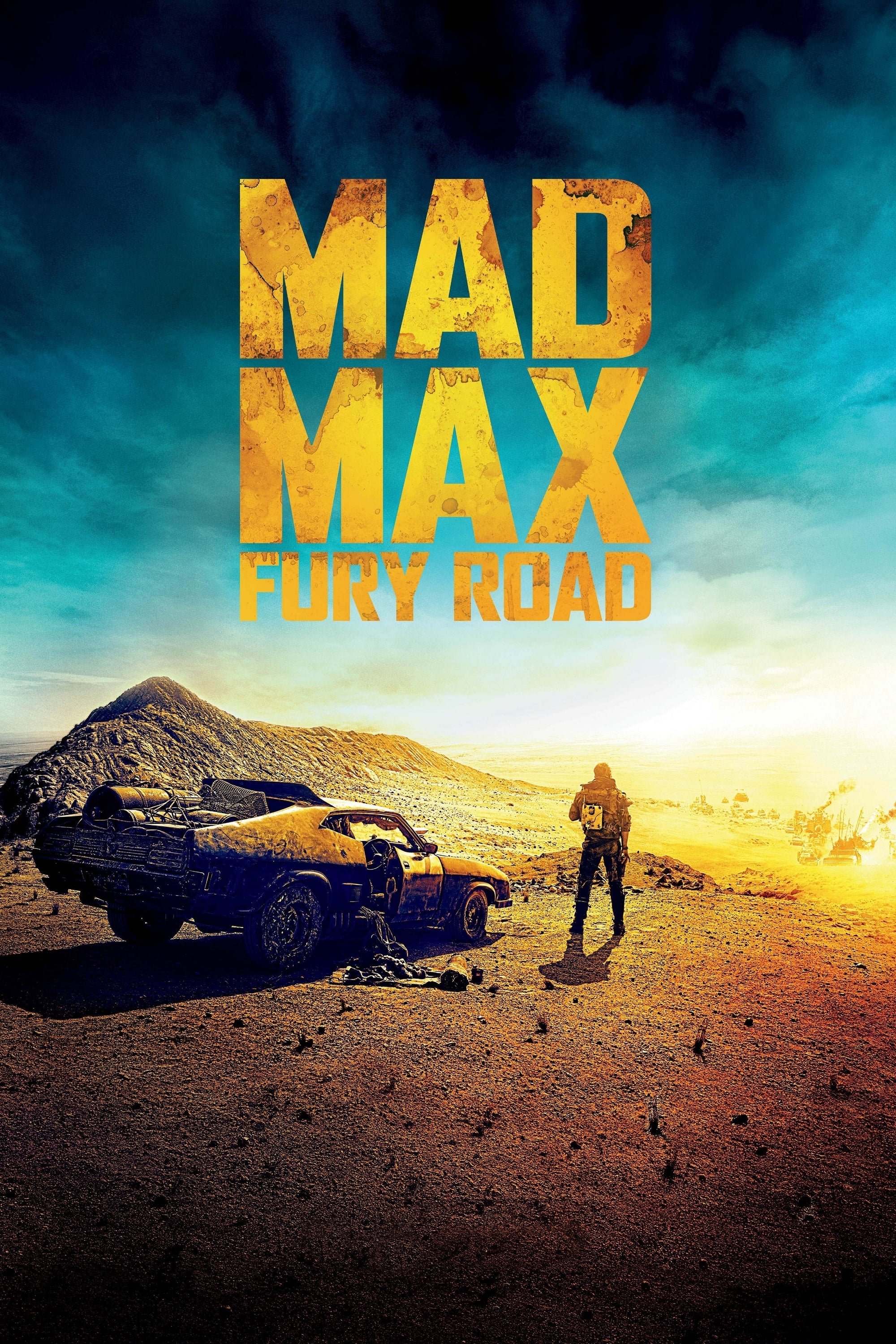
The production staged real vehicle stunts across the desert with rigs built to survive repeated jumps and rolls. The War Rig and many pursuit cars were functional builds and the crew rehearsed complex gags with cranes and safety lines.
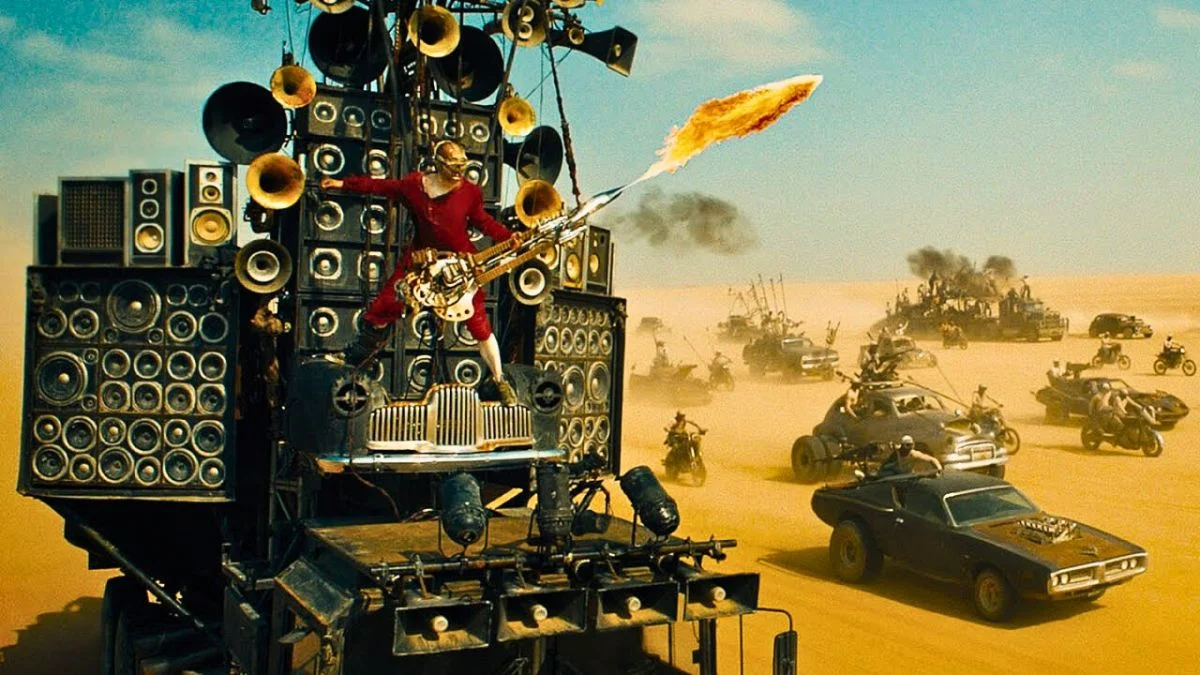
Digital work enhanced environments and removed rigs but the base action stayed practical. The Doof Wagon carried a working flame throwing guitar and speakers that blasted music so performers and drivers could keep time without external cues.
‘Parasite’ (2019)

The Park family house was a custom set built in sections with removable walls so cameras could track through long movements. The yard was designed to control sunlight for each scene which kept continuity tight across many shooting days.
The semi basement street and apartments were built over a large outdoor tank that could be flooded for the storm sequence. The team pumped in water and debris while using pumps to control flow so the level rose on cue and drained safely between takes.
‘Monty Python and the Holy Grail’ (1975)
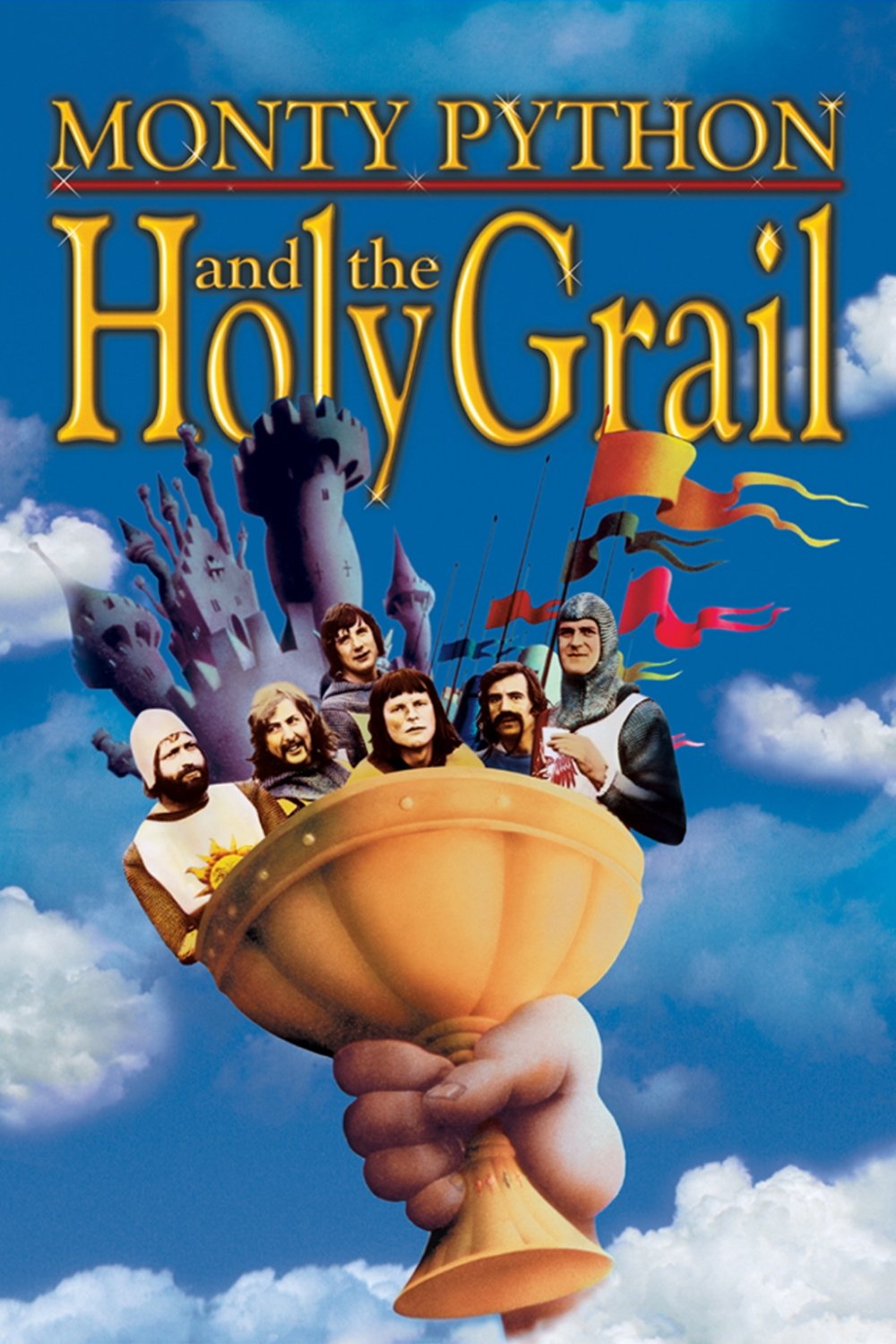
The production used coconuts to mimic horse sounds because real horses and riding gear were too expensive and hard to manage. The gag fit the tone and also solved a transport issue across rough terrain and narrow medieval style paths.
Many castle scenes were filmed at Doune Castle and a few other sites in Scotland. With limited access and weather shifts the crew dressed the same locations as multiple places which is why eagle eyed viewers may notice familiar courtyards.
Share your favorite strange film fact in the comments and tell us which movie we should explore next.