


Kirk Douglas’s Best Roles

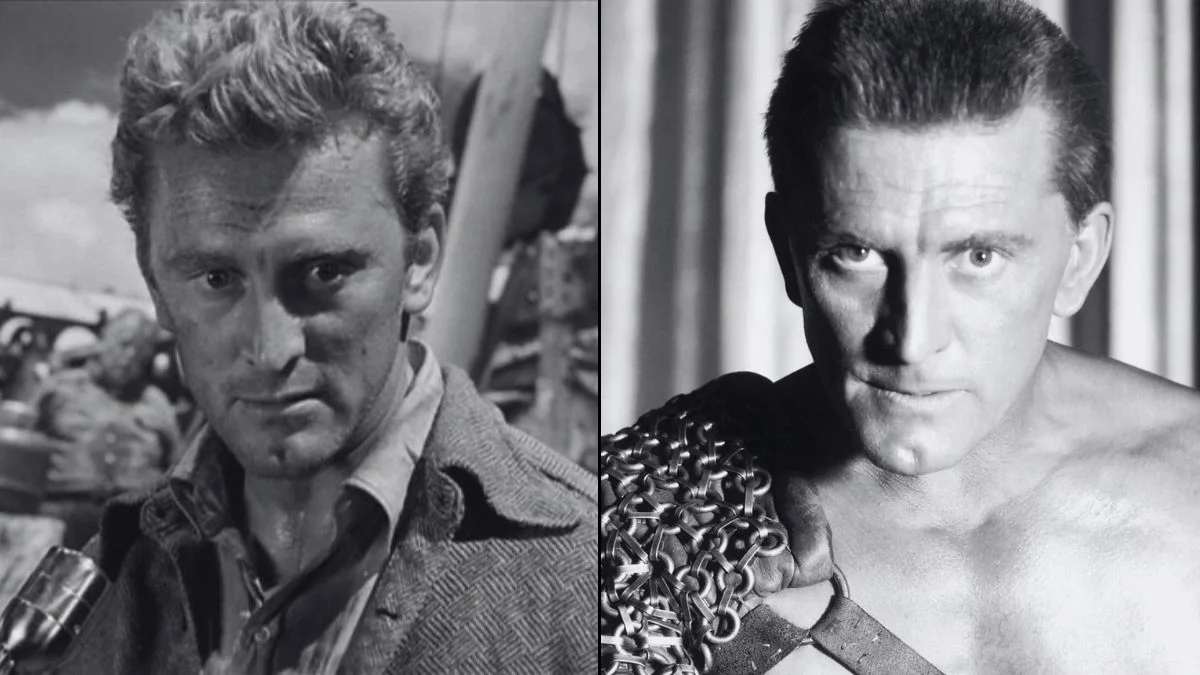


Kirk Douglas was a true giant of Hollywood’s Golden Age, an actor whose fiery intensity and rugged persona made him a captivating force on screen for over half a century. With his famous dimpled chin and explosive energy, he was perfectly cast as tough, complicated men who often wrestled with their own ambition and morality. He excelled at playing characters who were anything but simple heroes, bringing a raw, powerful emotion to every role that made it impossible to look away.
Beyond his considerable acting talent, Douglas was also a trailblazing producer who took control of his own career by forming his own production company. This allowed him to tackle challenging and often controversial subjects that major studios might have avoided. From historical epics to dark dramas and thrilling adventures, his filmography is a testament to a fearless artist who was dedicated to making impactful films and creating some of cinema’s most enduring characters.
‘The Vikings’ (1958)
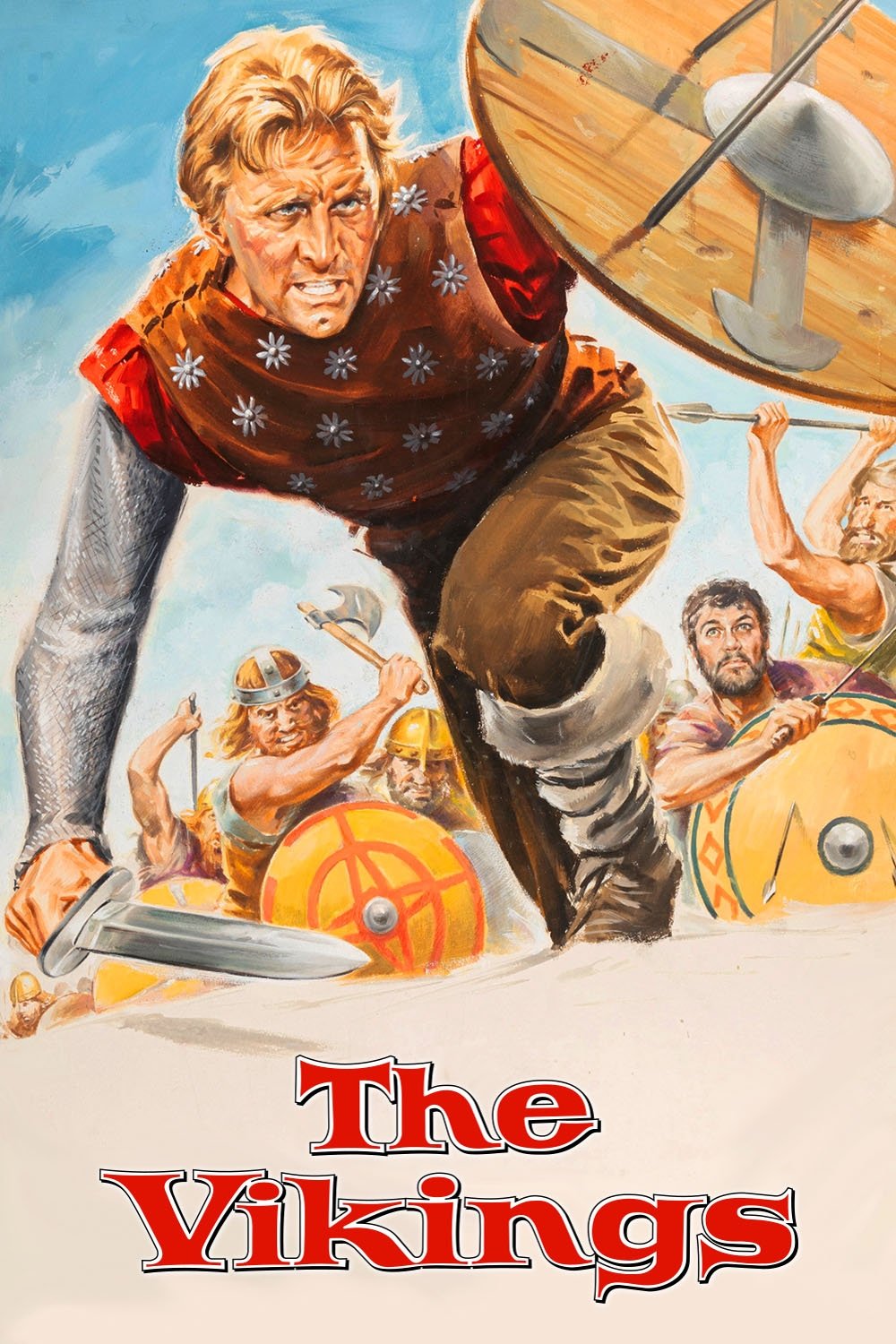
In this grand historical adventure, Kirk Douglas plays Einar, the fierce and arrogant son of a Viking chieftain. His character is a brutal and feared warrior, defined by his immense pride and a deep scar on his face that left him without an eye. Einar’s world is one of conquest and conflict, and he is the heir apparent to his father’s throne, a position he guards jealously.
The story’s central conflict erupts when Einar clashes with an enslaved man who is secretly his half-brother and a rival for both a royal title and the love of a princess. The film follows their bitter rivalry, which culminates in massive raids, epic battles, and a dramatic final duel. Douglas’s character is a classic example of a powerful, flawed anti-hero driven by passion and rage.
‘20,000 Leagues Under the Sea’ (1954)
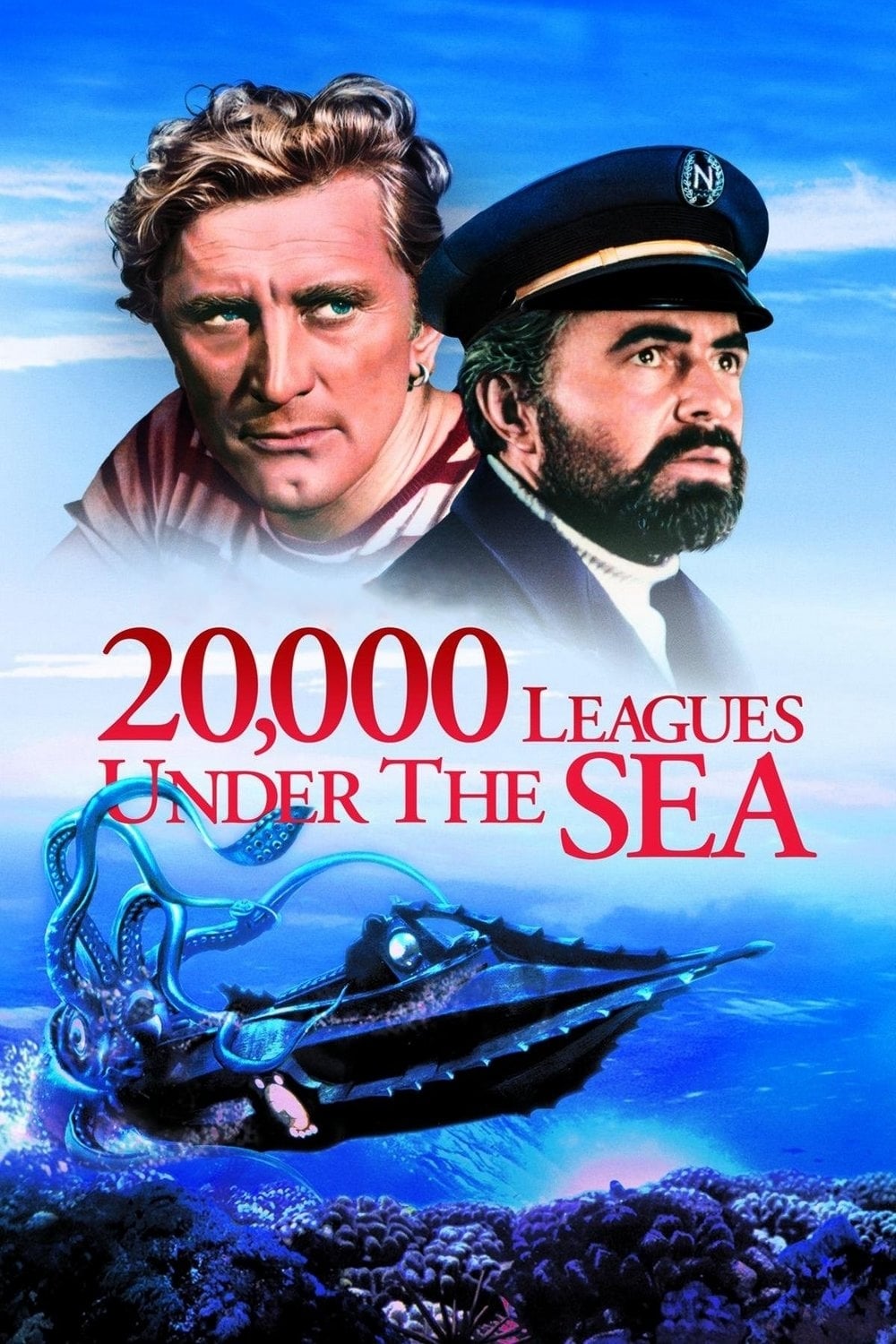
Douglas brings his signature energy to the role of Ned Land in this beloved Disney adventure based on the Jules Verne novel. Ned is a cheerful and rebellious master harpooner who finds himself aboard a scientific expedition to investigate a mysterious sea monster. He is a practical, down-to-earth sailor who doesn’t believe in monsters and is quick with a song and a fist.
After their ship is attacked, Ned and his companions are captured and brought aboard the Nautilus, a futuristic submarine commanded by the brilliant but tormented Captain Nemo. As a prisoner, the fiercely independent Ned constantly clashes with Nemo’s authoritarian rule and plots to escape. His character provides much of the film’s humor and action as he battles a giant squid and yearns for his freedom.
‘The Man from Snowy River’ (1982)
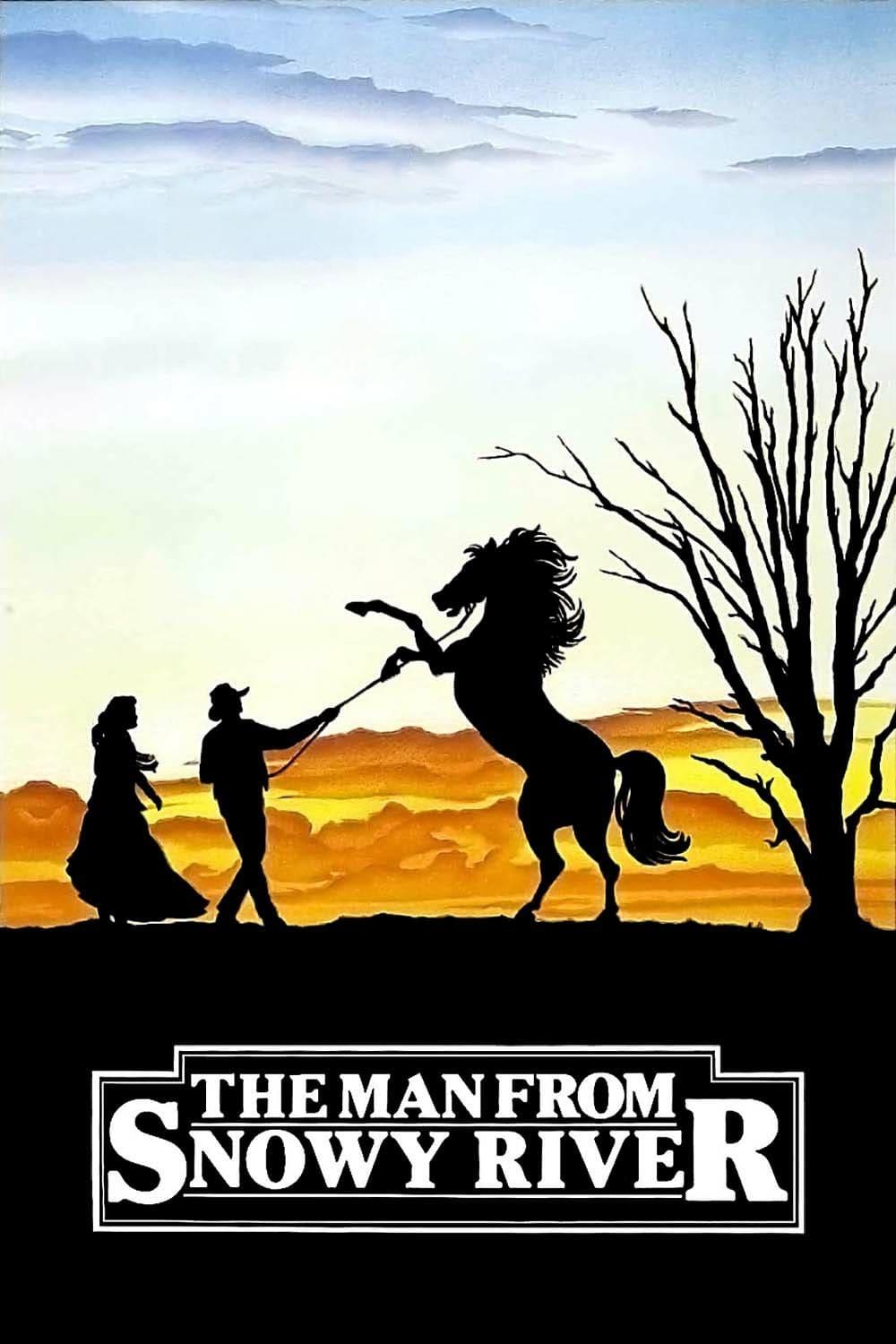
In this Australian Western, Kirk Douglas plays a dual role, showcasing his versatility in a later stage of his career. First, he portrays Harrison, a wealthy and powerful American cattle baron living in the Australian mountains. Harrison is a proud and stubborn man who is estranged from his brother and fiercely protective of his daughter.
Douglas also plays Harrison’s brother, Spur, a grizzled and eccentric old prospector who lives a secluded life in the wilderness. The two brothers have not spoken in years due to a bitter family feud. The story follows a young mountain man who goes to work for Harrison and becomes entangled in the family’s long-simmering conflict, eventually helping to bring the two estranged brothers together.
‘The Strange Love of Martha Ivers’ (1946)
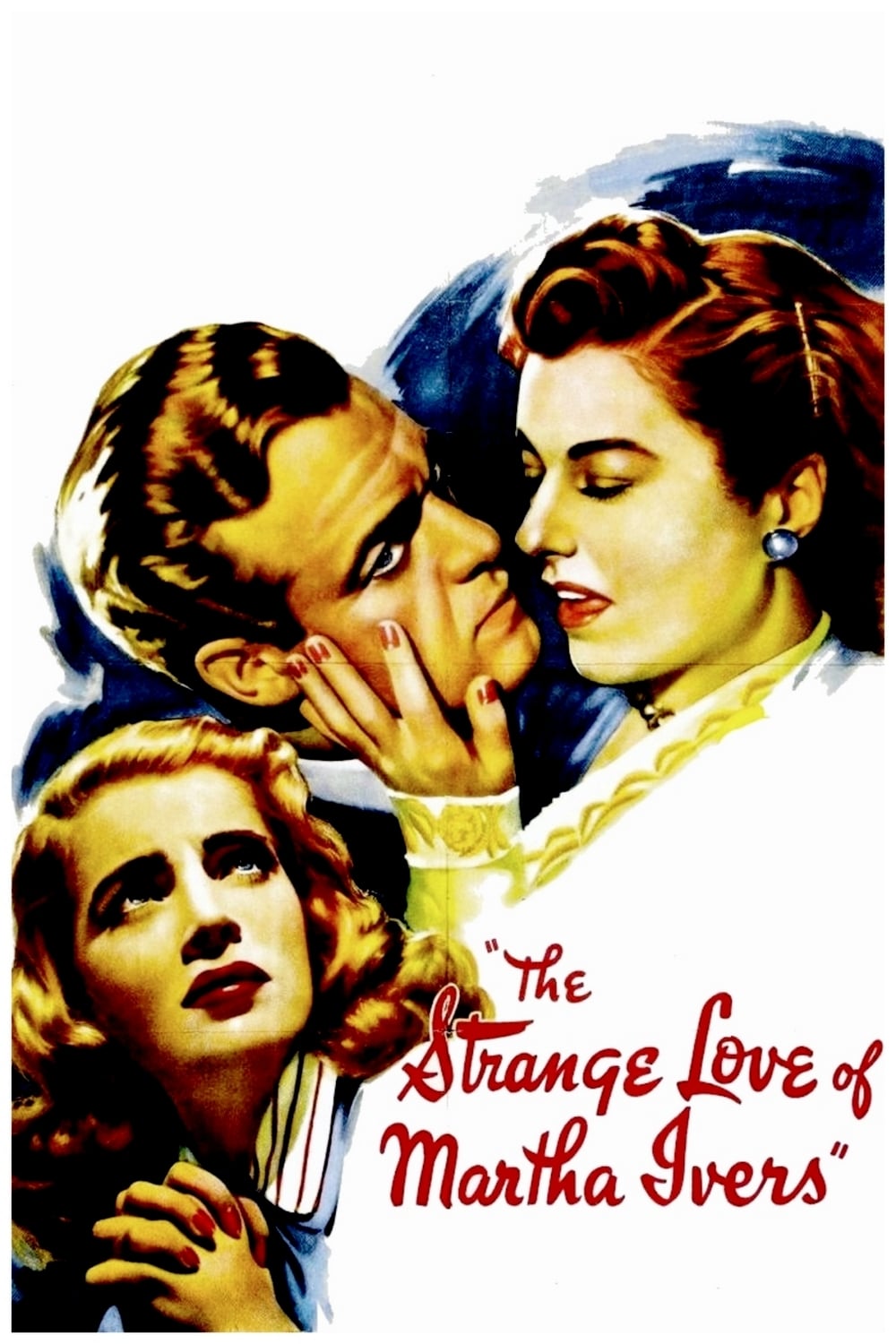
In his screen debut, Kirk Douglas plays Walter O’Neil, a weak-willed and insecure man trapped in a toxic marriage. As a child, he was a witness to a crime committed by his childhood friend Martha, who is now his powerful wife. Walter has built a life on this dark secret, becoming the district attorney in a town controlled by Martha’s wealth and influence.
The arrival of a mutual childhood friend throws Walter’s carefully constructed world into chaos. He lives in constant fear that the secrets of the past will be exposed, which drives his paranoia and desperate actions. The character is an early example of the complex, flawed men Douglas would become famous for playing throughout his career.
‘Lust for Life’ (1956)
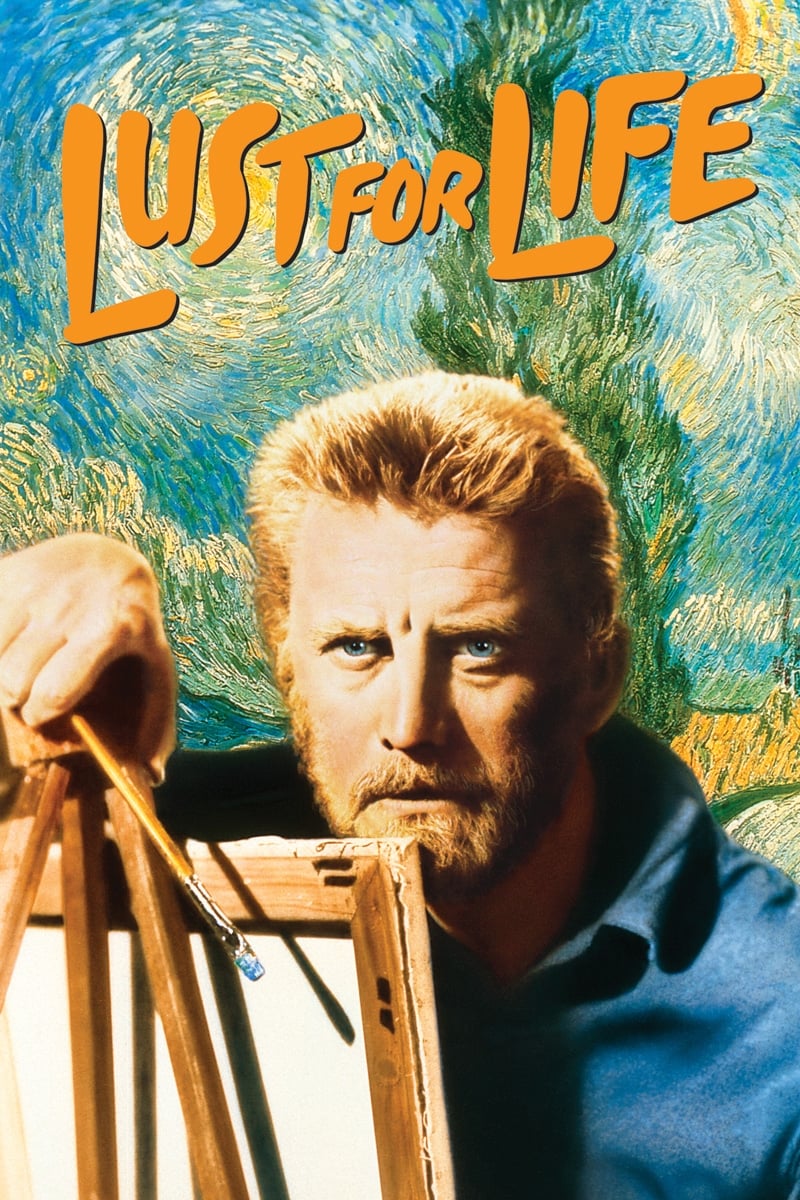
Douglas delivers a powerful and intense performance as the famed Dutch painter Vincent van Gogh. The biographical film follows the artist through his tumultuous life, from his early days as a preacher to his discovery of painting and his subsequent descent into mental illness. Douglas physically transformed himself for the role, capturing the artist’s passionate and often tortured spirit.
The film explores van Gogh’s obsessive dedication to his art and his difficult relationships, particularly with his supportive brother Theo and fellow artist Paul Gauguin. It chronicles his struggles with poverty, rejection, and his own inner demons, which eventually led to his tragic end. The role is a deep dive into the mind of a brilliant artist whose genius was inseparable from his suffering.
‘Champion’ (1949)
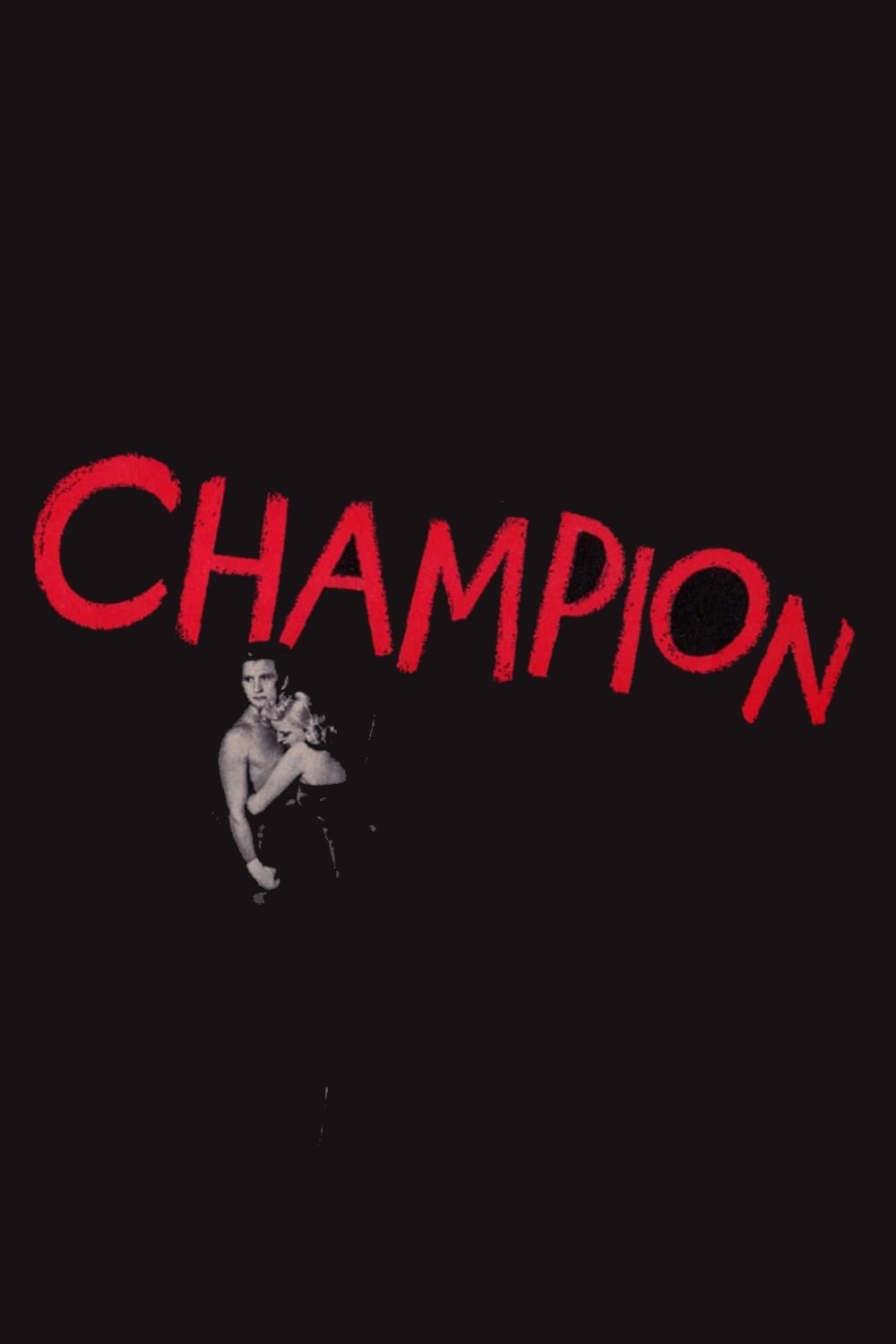
This film noir drama features Kirk Douglas in the star-making role of Midge Kelly, an ambitious and ruthless boxer. Starting from nothing, Kelly fights his way up from the bottom of the boxing world, driven by a relentless hunger for fame and fortune. He is a charismatic and talented fighter, but his rise to the top is built on betraying everyone who helps him along the way.
Kelly alienates his loyal brother, casts aside the woman who loves him, and cheats his honest manager, all in the pursuit of the championship title. The character is a classic anti-hero, a man who achieves the American dream but sacrifices his soul to get there. The film presents a dark and cynical look at the price of success in a corrupt world.
‘Detective Story’ (1951)
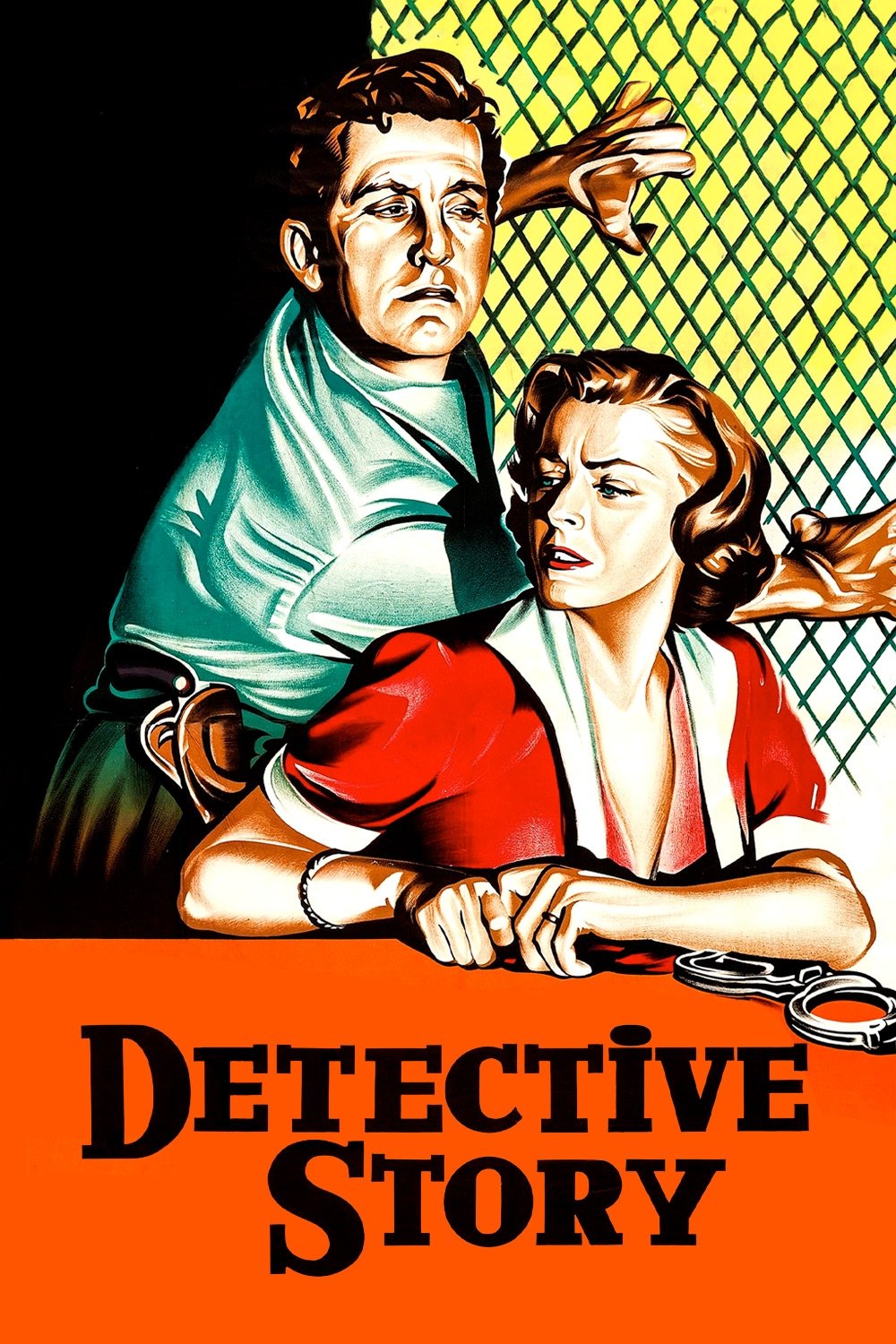
Douglas plays Detective Jim McLeod, a rigid and uncompromising police detective with a fanatical devotion to the law. The film takes place almost entirely within the confines of a New York City police precinct over a single day. McLeod is a man who sees the world in black and white, showing no mercy to the criminals he brings in, whom he views as pure evil.
McLeod’s rigid moral code is put to the test when he discovers a dark secret about his own wife, forcing him to confront the fact that life is not as simple as he believes. This revelation shatters his worldview and leads to a dramatic and tragic confrontation. The character is an intense and deeply flawed man whose personal demons fuel his professional zeal.
‘A Letter to Three Wives’ (1949)
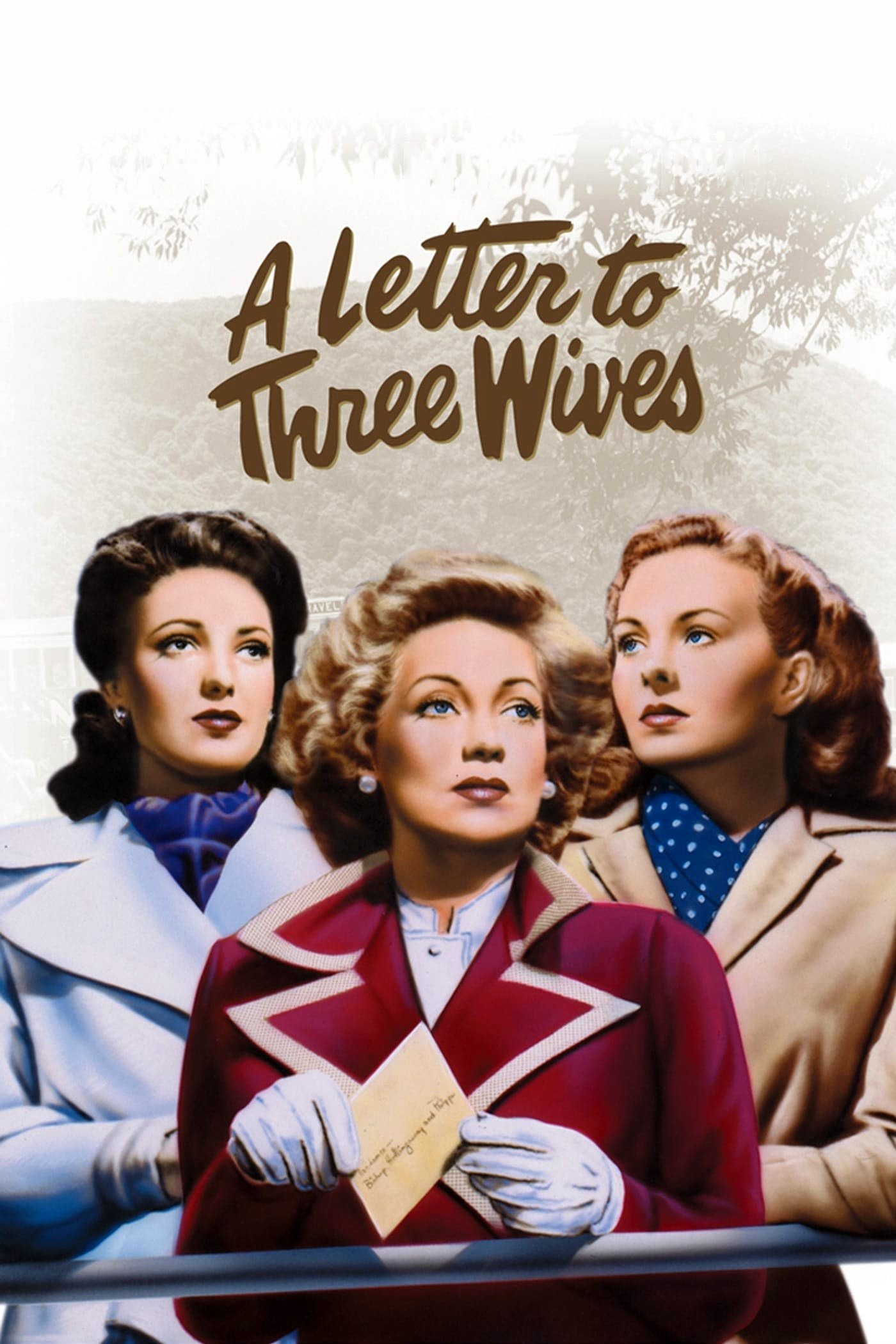
In this romantic drama, Kirk Douglas plays George Phipps, a schoolteacher married to one of the three central women in the story. His character is an intellectual who earns a modest living, a fact that often causes tension with his wife, who grew up in a less privileged environment and now aspires to a higher social standing.
The film’s plot is set in motion when three women receive a letter from a mutual friend who claims to have run off with one of their husbands. As the women spend the day wondering whose husband is gone, flashbacks reveal the inner workings of each marriage. The segments featuring Douglas’s character explore themes of class, ambition, and the definition of success within a relationship.
‘Lonely Are the Brave’ (1962)
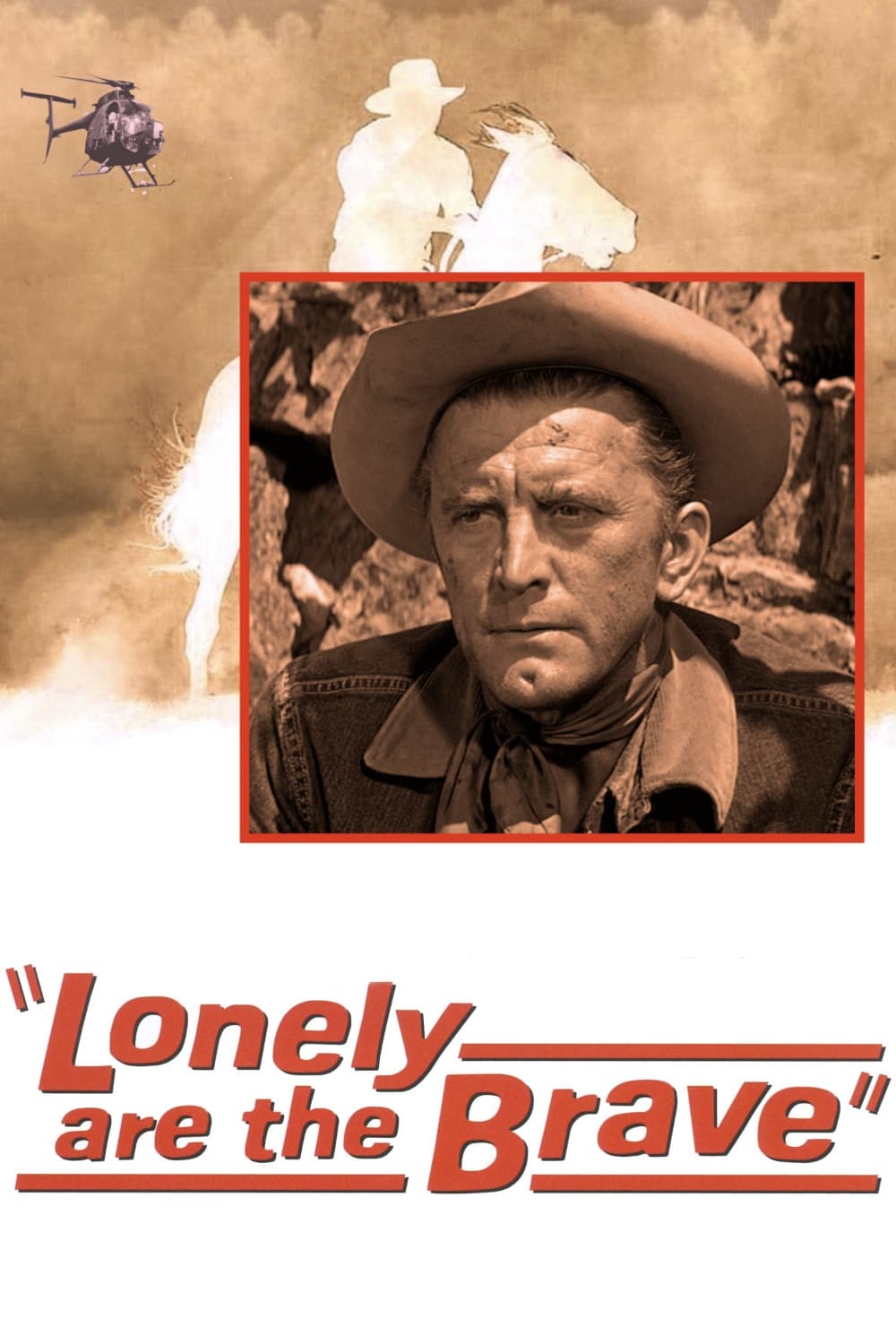
Douglas plays Jack Burns, a fiercely independent modern-day cowboy who refuses to conform to the rules of contemporary society. He is a man out of time, still living by the code of the Old West in a world of fences, highways, and social security numbers. When his friend is jailed, Burns gets himself arrested intentionally so he can break his friend out.
After his friend refuses to leave, Burns escapes on his own, becoming a fugitive in the New Mexico wilderness. The rest of the film follows his desperate attempt to evade a modern police manhunt, which includes cars and helicopters. The character is a tragic hero who fights a losing battle for individuality against the encroaching forces of civilization.
‘Seven Days in May’ (1964)
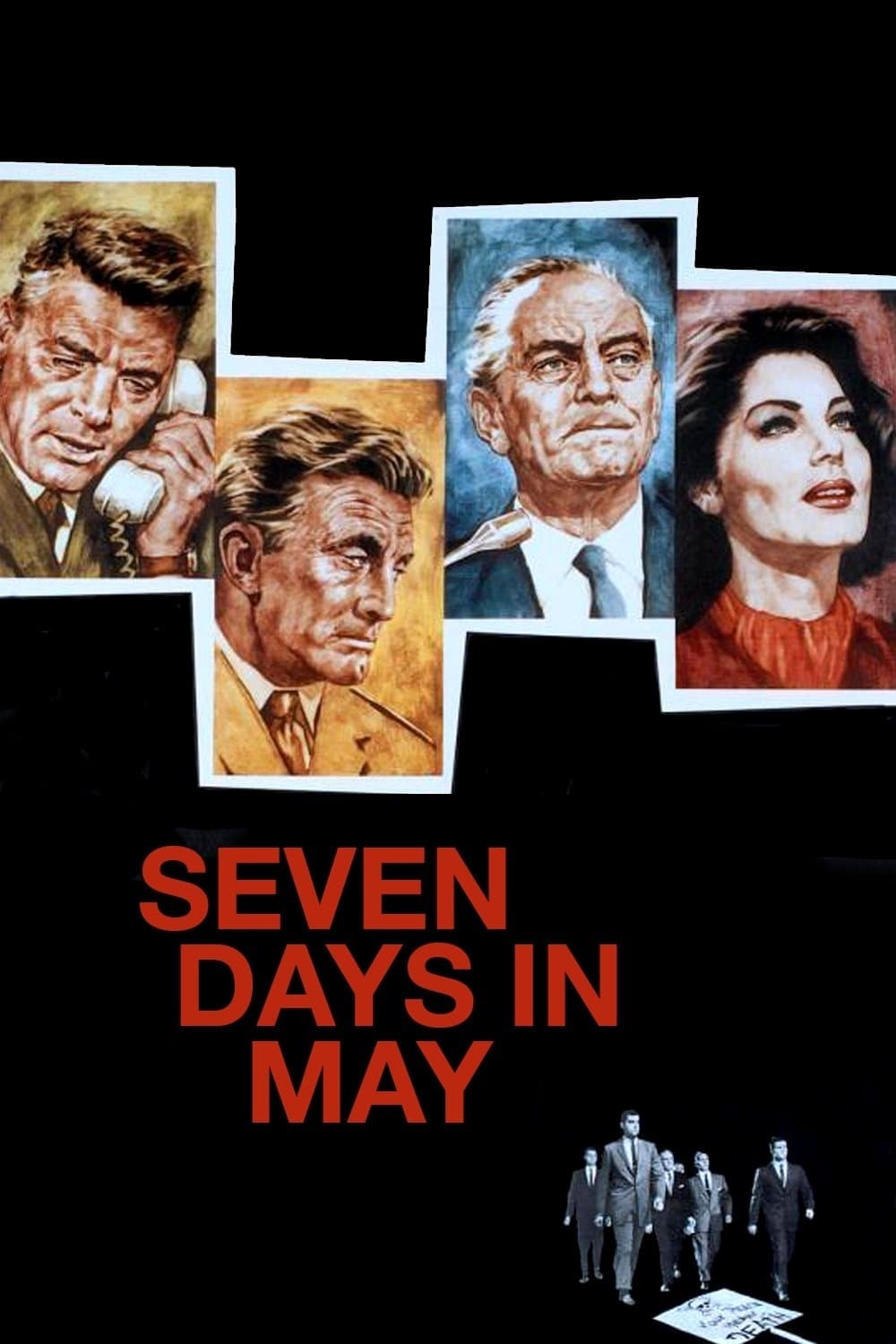
In this political thriller, Douglas portrays Marine Colonel Jiggs Casey. He is the loyal aide to a charismatic and powerful Chairman of the Joint Chiefs of Staff. Casey stumbles upon evidence of a shocking conspiracy which suggests that his own boss and other top military leaders are planning a coup to overthrow the President of the United States.
Faced with a crisis of conscience, Casey must choose between his loyalty to his commanding officer and his duty to his country. He risks his career and his life to secretly alert the President to the impending plot. The character is a man of integrity caught in a high-stakes political chess match with the fate of American democracy hanging in the balance.
‘The Bad and the Beautiful’ (1952)
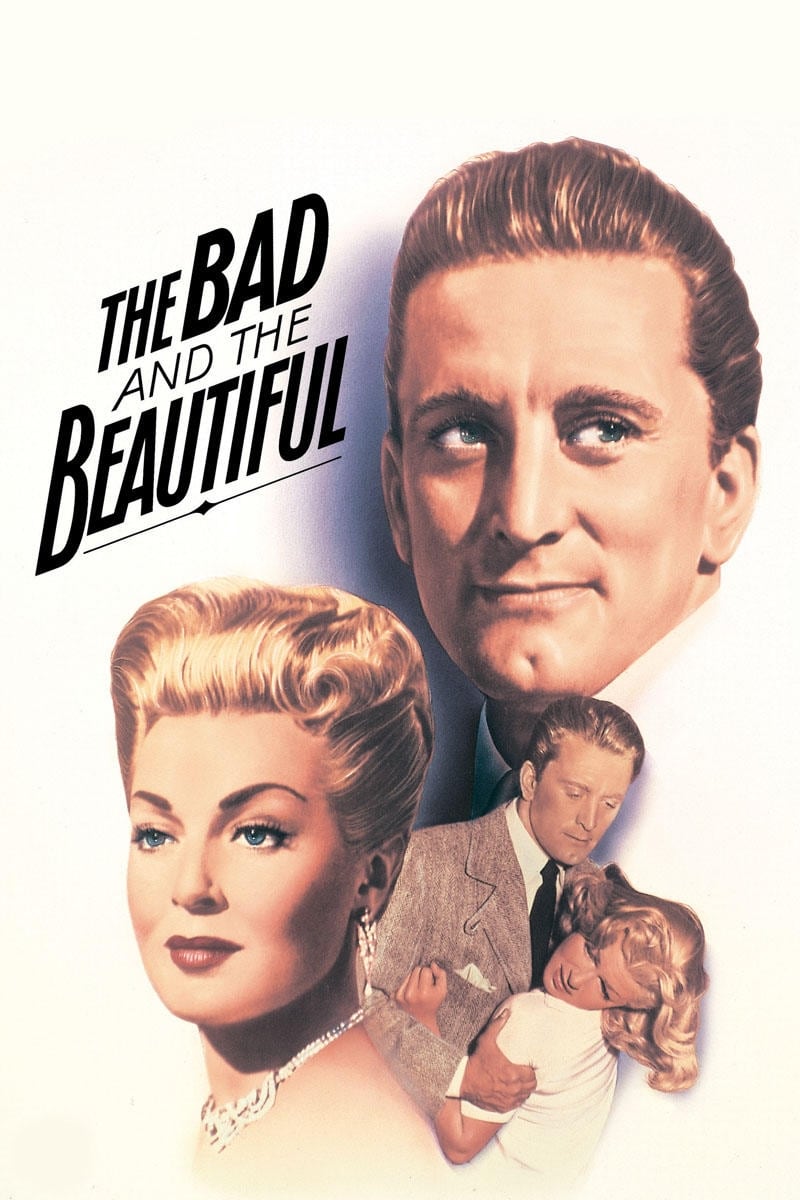
Douglas plays Jonathan Shields, a ruthless and brilliant Hollywood producer. The film’s story is told in a series of flashbacks from the perspectives of a director, an actress, and a writer, all of whom were instrumental in Shields’s career and were ultimately betrayed by him. Shields is a charming and manipulative man who will use anyone to achieve his artistic vision.
Each flashback reveals another layer of Shields’s complex personality, showing how he discovered and nurtured talent only to discard people once they were no longer useful to him. He is portrayed as a creative genius whose ambition and obsession with making great films leave a trail of personal destruction. The character is a fascinating study of art, ambition, and exploitation.
‘Spartacus’ (1960)
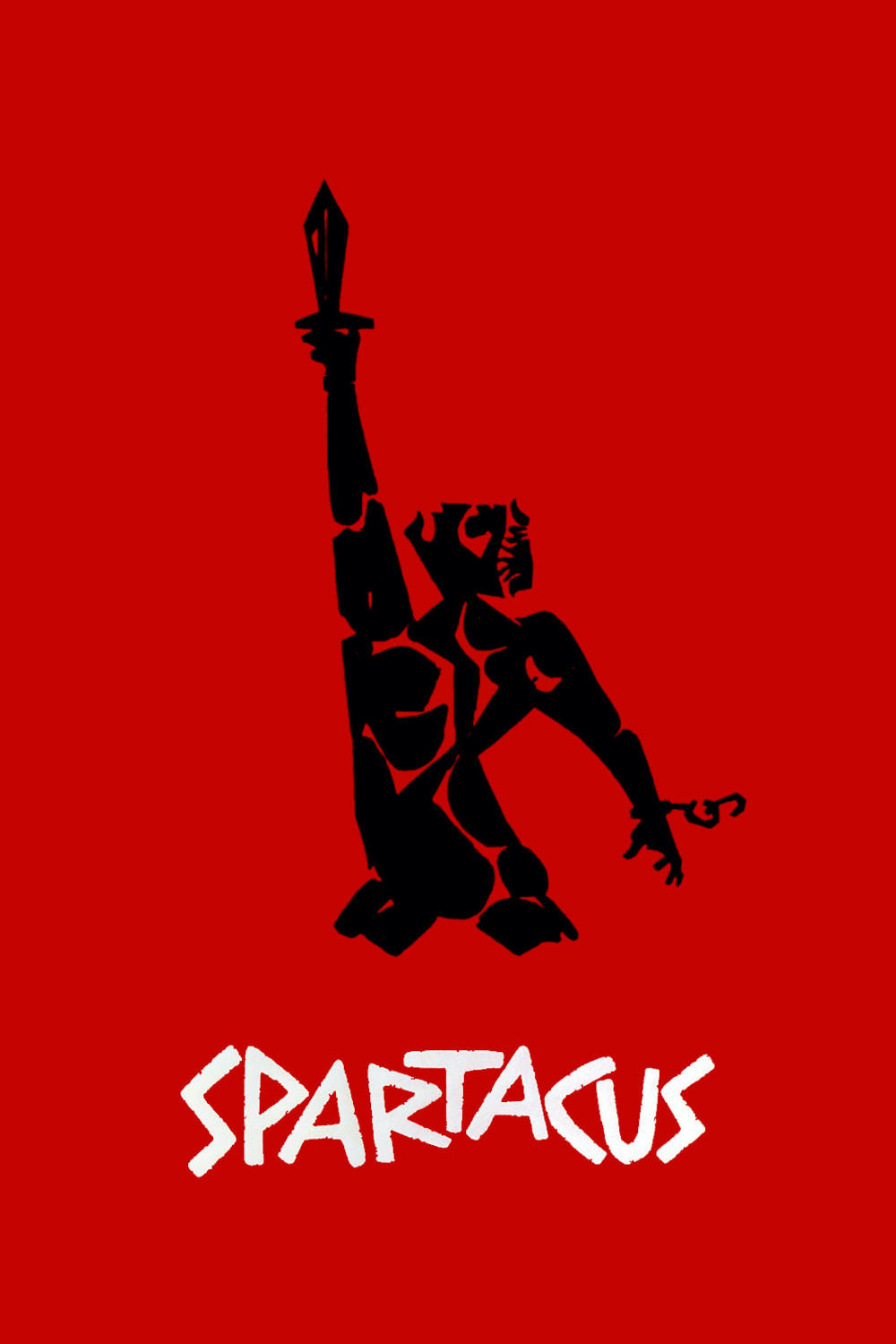
In one of his most iconic roles, Kirk Douglas stars as the title character, a Thracian slave who is trained to become a gladiator. After witnessing the brutality of the Roman system, Spartacus leads a massive slave rebellion against the Roman Republic. He transforms from a simple fighter into an inspirational and brilliant military leader for an army of former slaves.
As the rebellion grows, Spartacus and his followers fight for freedom and the dream of establishing a new society free from bondage. The character becomes a legendary symbol of defiance against oppression. As both the star and a producer, Douglas was instrumental in bringing the epic story to the screen and famously broke the Hollywood blacklist by hiring a banned writer for the screenplay.
‘Out of the Past’ (1947)
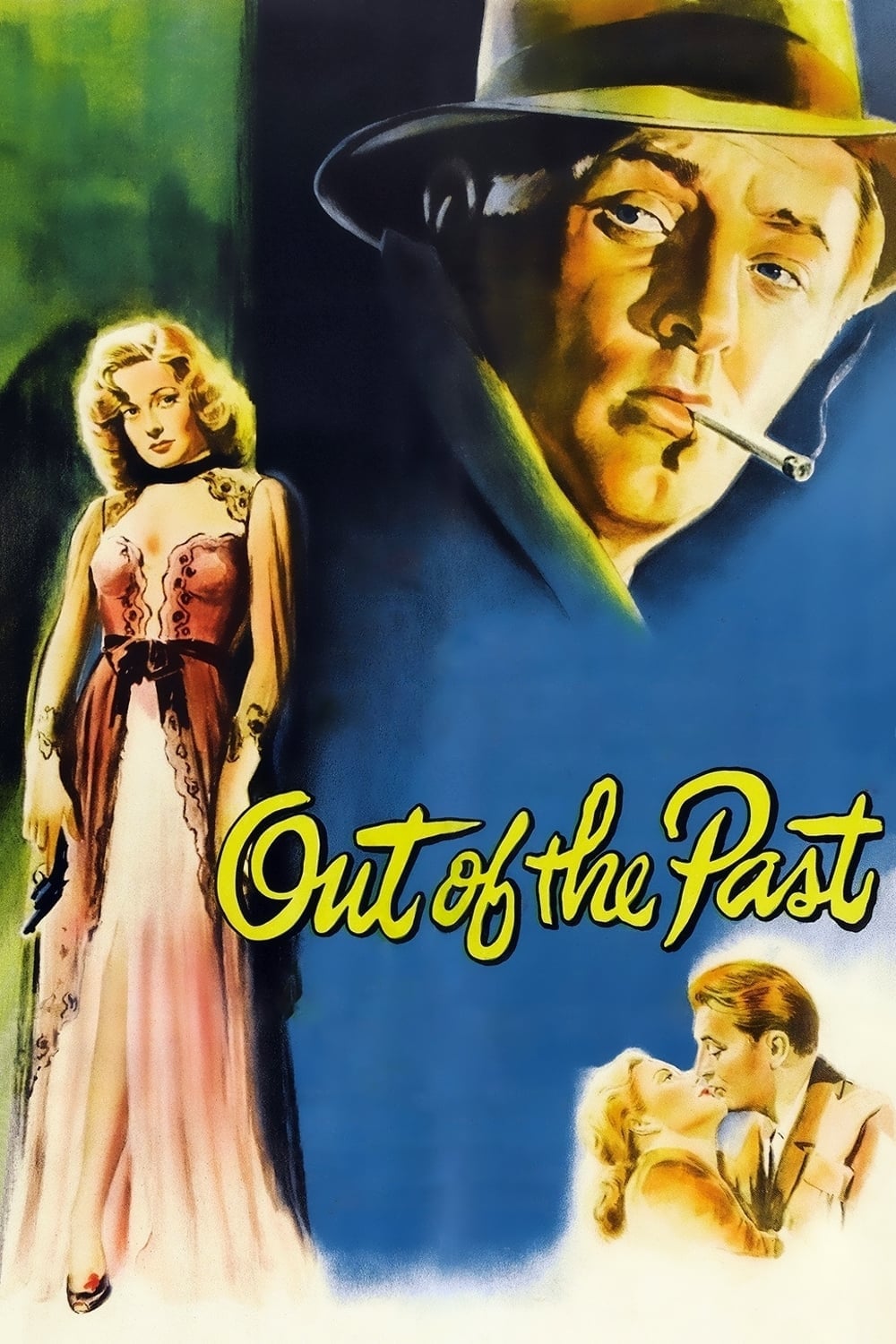
In this classic film noir, Douglas plays the villainous Whit Sterling. Sterling is a wealthy and sophisticated gambler with a calm and charming exterior that hides a ruthless and possessive nature. He hires a private detective to track down his girlfriend, who shot him and ran away with forty thousand dollars of his money.
Sterling is a powerful and manipulative figure who sets the film’s tragic events in motion. Even after the detective finds the woman and falls in love with her himself, he cannot escape Sterling’s long and dangerous reach. The character is a cool and calculating antagonist who uses his wealth and influence to control and destroy the lives of others.
‘Ace in the Hole’ (1951)
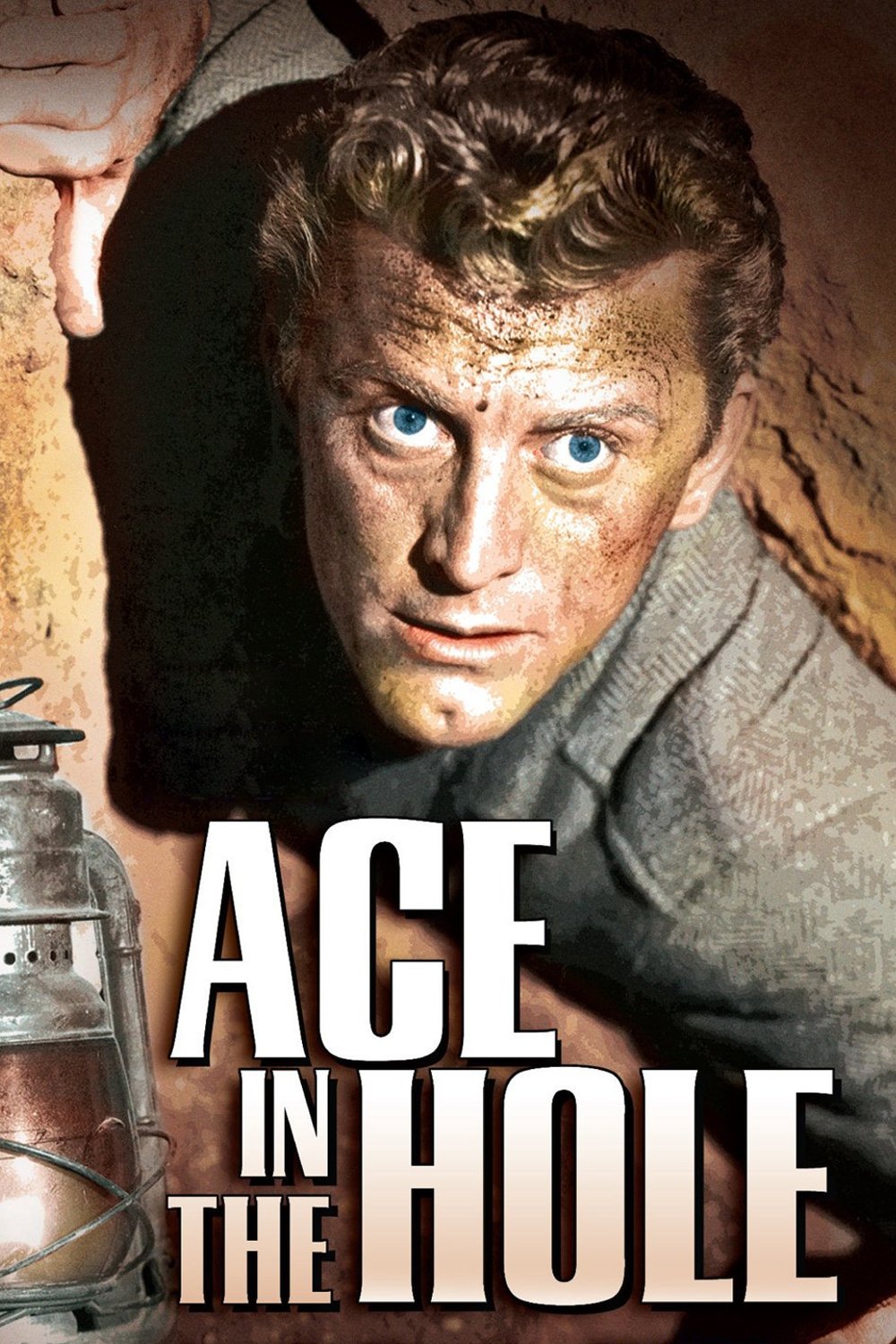
Douglas gives a searing performance as Chuck Tatum, a disgraced and cynical big-city newspaper reporter. After being fired from several major papers, he finds himself stuck at a small newspaper in Albuquerque. Desperate for a big story to get him back on top, Tatum stumbles upon a man trapped in a collapsed cave in the desert.
Seeing his chance, Tatum manipulates the rescue operation, the local sheriff, and the victim’s wife to prolong the ordeal and create a massive media circus that he can exclusively control. He is a deeply unethical and ambitious character who is willing to sacrifice a man’s life for a headline. The film is a dark critique of media sensationalism and human exploitation.
‘Paths of Glory’ (1957)
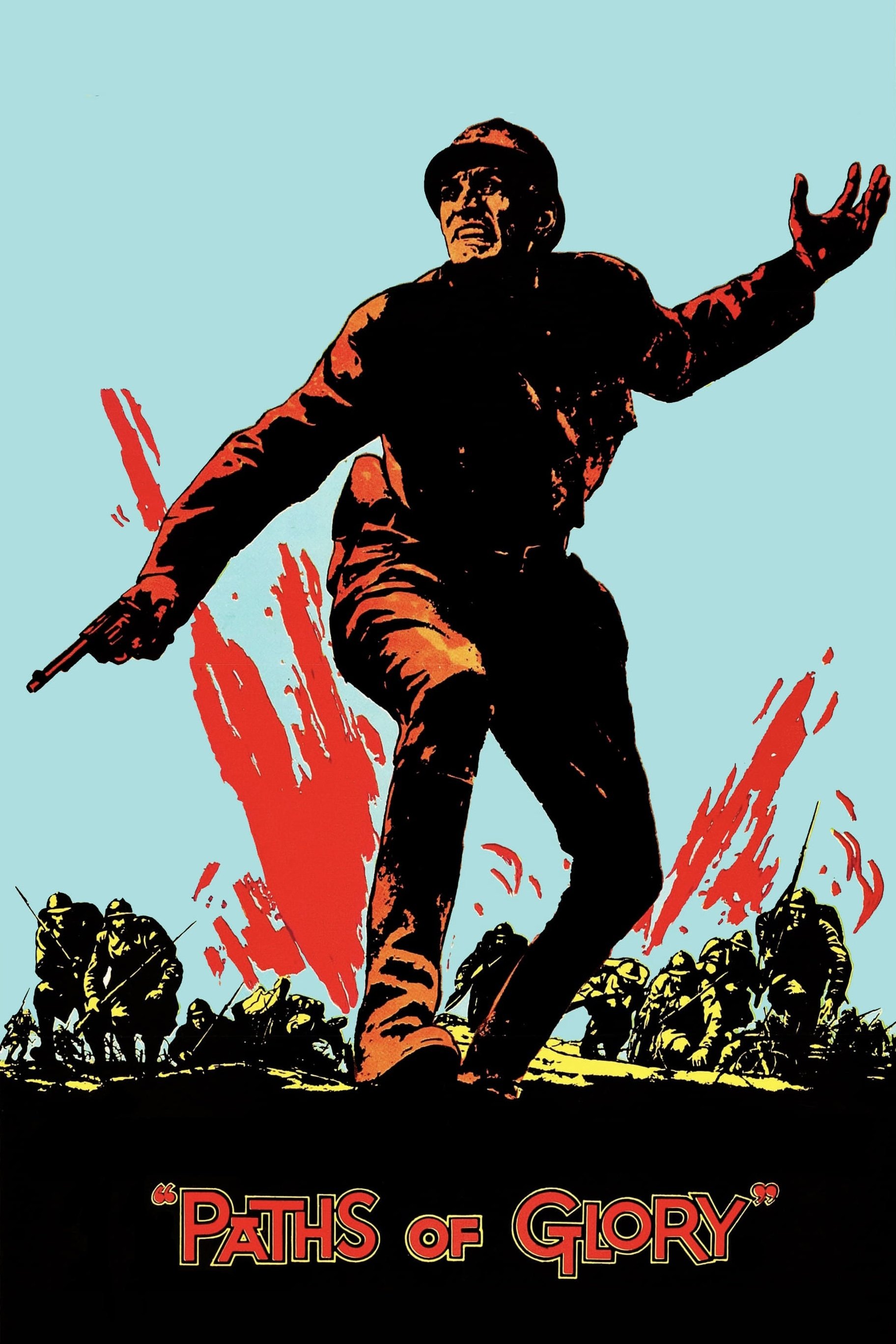
In this powerful anti-war film, Kirk Douglas portrays Colonel Dax, a principled French army officer during World War I. Dax is the commanding officer of a regiment that is ordered to carry out a suicidal attack on an impregnable German position. When the attack inevitably fails, the army’s high command decides to make an example of the soldiers by court-martialing three innocent men for cowardice.
Colonel Dax, who was a criminal defense lawyer in his civilian life, steps up to defend his men against the corrupt military leadership. He is a man of great courage and integrity who risks his own career to fight for justice within a cynical and broken system. The character serves as the film’s moral compass, a voice of reason and humanity in the face of the insanity of war.
Let us know which Kirk Douglas film is your absolute favorite in the comments section.