5 Things About ‘Prison Break’ That Made Zero Sense and 5 Things About It That Made Perfect Sense



‘Prison Break’ mixes meticulous planning with wild turns, which is exactly why it sticks in people’s heads. The show packs blueprints, conspiracies, and double crosses into tight spaces, then pushes characters to find a way through each new lock. That blend creates plenty of moments that raise eyebrows and plenty that land with clean, satisfying logic.
Here are ten pieces of the puzzle that fans still talk about. Five highlight choices that clash with how these systems usually work in the real world, and five show where the series lined up its details in a way that fits its own rules and the institutions it portrays.
Zero Sense: The tattoo as a complete escape manual

Michael’s full-body tattoo hides floor plans, vent paths, and coded reminders across his torso and arms, essentially turning skin into a filing cabinet. Intake for incarcerated people usually involves shirtless photographs, detailed recordings of distinguishing marks, and ongoing checks that would catalog a design that obvious, which makes a secret map hard to keep truly secret inside a controlled facility. The tattoo also bundles highly specific measurements and locations that are prone to change after maintenance work, which is a real-world risk for any static plan.
Inside the story, he uses different sections to remember critical tasks like finding weak points in the plumbing, navigating service corridors, and timing movements between count and yard. The show presents visual steganography in the art, so a guard sees ink while Michael reads route names, shaft numbers, and trigger words that cue steps in order, which explains how he can move without a notebook but does not solve the visibility problem during searches and medical exams.
Perfect Sense: An engineer with insider plans
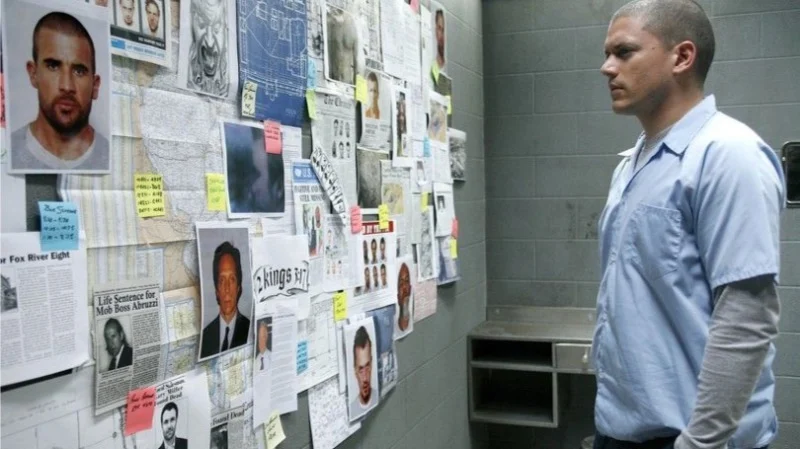
Before the heist, Michael works as a structural engineer with access to detailed architectural drawings of Fox River, including load paths, utilities, and retrofit notes. That background explains why he knows which walls are bearing, which floors have crawlspace access, and where legacy infrastructure intersects newer runs, since a renovation set often exposes exactly the shortcuts an engineer would spot.
The plan also relies on how professionals encode drawings at scale. By breaking sheets into small, symbolic fragments and embedding them as cues, he can reconstruct a route from memory using the same conventions he used at work. The result is a system that fits his skill set and shows how specialized knowledge bridges the gap between paper schematics and the real corridors of ‘Prison Break’.
Zero Sense: A death row timeline that moves at high speed
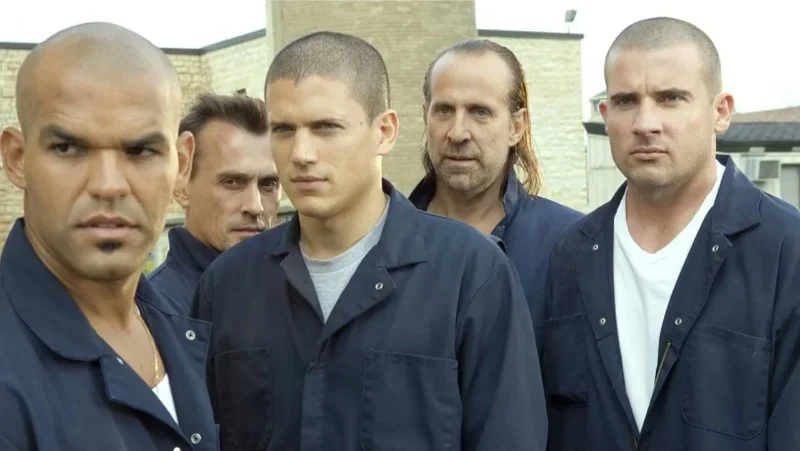
Lincoln’s execution date is set and reset over a compressed period that moves faster than typical capital cases. In most jurisdictions, direct appeals, post-conviction petitions, competency evaluations, and clemency reviews extend timelines for years, and death warrants often expire and require new hearings with formal notice to counsel and the court. The rapid cadence on the show leaves little space for the filings and rulings those processes require.
Within ‘Prison Break’, movement toward the chair or the injection proceeds despite last-minute evidence disputes and witness reversals. The schedule shifts repeatedly while remaining on a near-continuous track, which sidelines ordinary briefing calendars, record assembly, and investigative steps that would normally play out over much longer intervals.
Perfect Sense: A conspiracy compresses the legal process

The story builds a political machine that can bend procedure, which gives the compressed clock an internal logic. The Company exerts pressure on executive offices and investigators, allowing death warrants to be signed quickly, stays to be undermined, and corrections officials to receive directives that treat extraordinary actions as routine. That kind of illicit leverage explains why normal guardrails seem thin inside the plot.
Key elements tie together in a way that fits that premise. Evidence in the Terrence Steadman case is planted, agents are assigned to steer outcomes rather than seek truth, and disciplinary bodies ignore red flags that would otherwise halt a march to execution. With those levers in place, the show’s timeline becomes a function of influence rather than law, which is how ‘Prison Break’ keeps a ticking clock in motion.
Zero Sense: Medical access built on a fabricated condition

Michael creates a medical pretext to visit the infirmary by manipulating his lab numbers with PUGNAc, which elevates blood glucose and points physicians toward a diabetes diagnosis. In a secure facility, diagnostic confirmations usually include repeat testing, chart reviews, and pharmacy controls that make it hard to maintain a false condition over time, especially when medication reconciliation and insulin logs are audited.
Even with clever sourcing, repeated one-on-one time with the prison doctor is a rare privilege in a stressed system. He stretches appointments and strings together follow-ups to widen his travel window, all while staying under the radar of nursing staff who track vitals, syringes, and dose adjustments. The method explains the routine but does not square neatly with how tightly controlled infirmary workflows tend to be.
Perfect Sense: Routine creates predictable windows

The escape relies on fixed points that real facilities maintain, and the show uses them effectively. Counts occur at set hours, movement runs through controlled gates, and work details like Prison Industries follow standardized schedules. Those rhythms let the team line up drilling, cutting, and tunneling in short bursts that end before the next check.
Assignments matter too. Working certain jobs grants access to utility corridors, storage, laundry, and waste routes that connect blocks without crossing main yards. By aligning tasks with those routes and by learning guard habits like coffee breaks and preferred patrol paths, the crew in ‘Prison Break’ builds a calendar of safe minutes that stack into progress.
Zero Sense: Sona’s inside-out security model
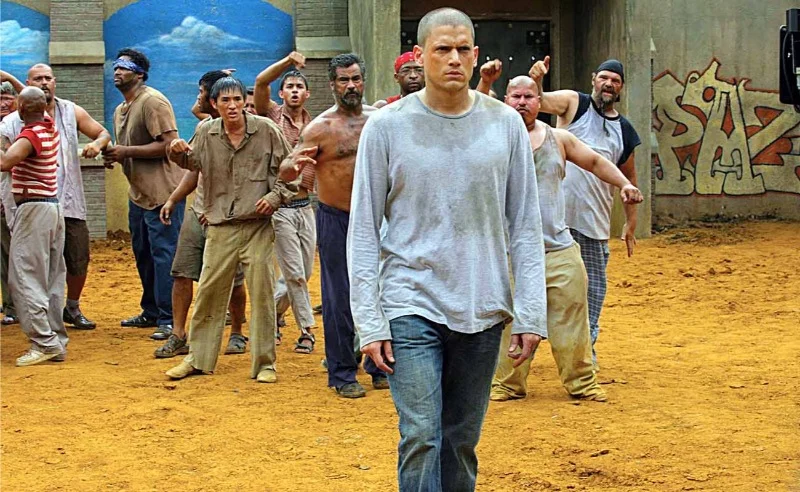
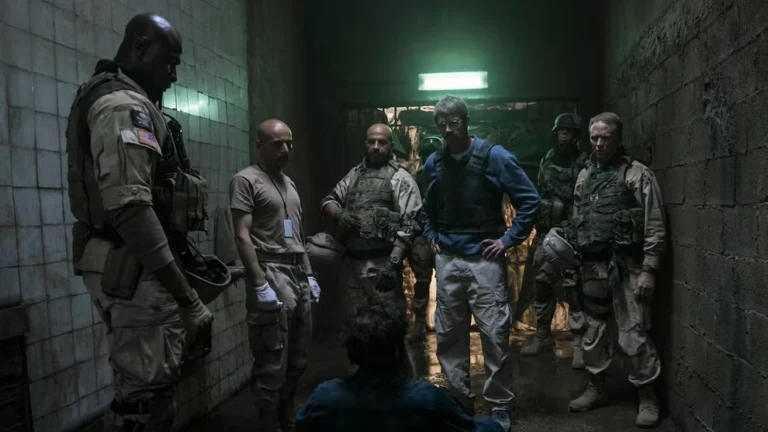
Sona operates with guards posted outside the walls while prisoners regulate life inside, which clashes with conventional carceral practices that rely on layered internal supervision, controlled housing units, and service delivery through staff. The absence of internal medical care, food service, and program staff removes multiple oversight layers that normally limit contraband, assaults, and ad hoc governance.
The story also shows significant construction work and weapons movement inside a crumbling facility without collapses that would normally follow unshored tunneling and without detection that would usually come from routine structural and safety checks. The setting delivers dramatic stakes, but its operational design sits far from standard approaches to custody and facility management.
Perfect Sense: A local context explains the vacuum

The show frames Sona as a fallout site after a catastrophic riot, with political pressure and corruption shaping a perimeter-only response. That context supports a model where the state prioritizes containment over care, leaving internal order to power brokers like Lechero while relying on outer cordons to prevent escapes. It also explains why grievances, markets, and leadership form quickly among the incarcerated population.
External actors in Panama grease those wheels through black market supply lines and bribed intermediaries, which is how tools, phones, and information enter despite the perimeter. With that network in place, operations inside Sona follow the logic of a closed city rather than a conventional prison, which fits the rules ‘Prison Break’ sets for that arc.
Zero Sense: An all-seeing Company that misses simple plays
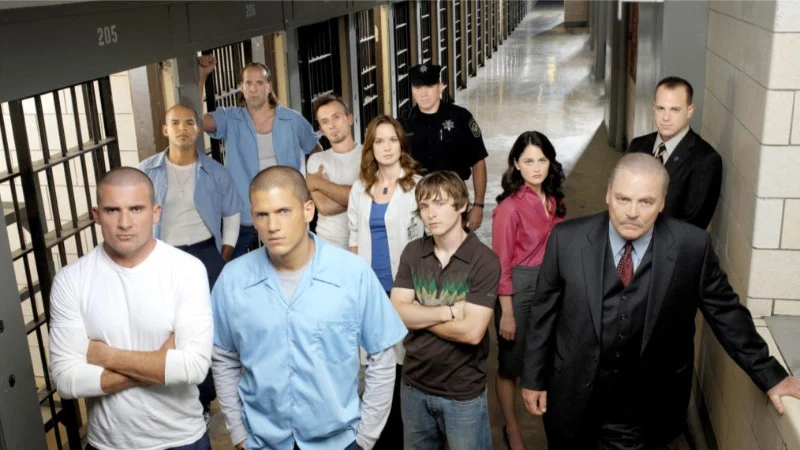
The Company runs wiretaps, black sites, and international teams, then loses track of fugitives after simple misdirections and public moves. The same organization that deploys specialized assassins and penetrates agencies also overlooks basic dead-drop systems like origami messages and casually altered travel patterns, which creates uneven results for a group built to anticipate those tactics.
The show depicts broad access to databases, border systems, and private contractors, yet agents repeatedly arrive a step behind decoys and fail to secure obvious choke points like bus depots and county hospitals. The contrast between resources and outcomes stands out because those outcomes hinge on routine countermeasures that professional surveillance teams usually plan for.
Perfect Sense: The Outis play and a networked skill set

Later, Michael operates under the alias Kaniel Outis, a name that nods to the Greek word for nobody and telegraphs a ghost strategy built on compartmentalized identities. He forges documents, seeds coded messages in personal items, and uses burner chains that separate communications from physical presence, which matches the tradecraft the character has practiced since Fox River.
The plan also draws on relationships built across seasons. Former allies provide safe contacts and logistics, while adversaries create predictable responses he can shape. Combining cryptography, social engineering, and timing, ‘Prison Break’ shows an operator who designs systems that keep moving even when he is off the board, which gives the alias and its methods a coherent place in the story.
Tell us which twists in ‘Prison Break’ baffled you and which details clicked for you in the comments.