Did You Know These 10 Things About ‘Back to the Future Part III’?

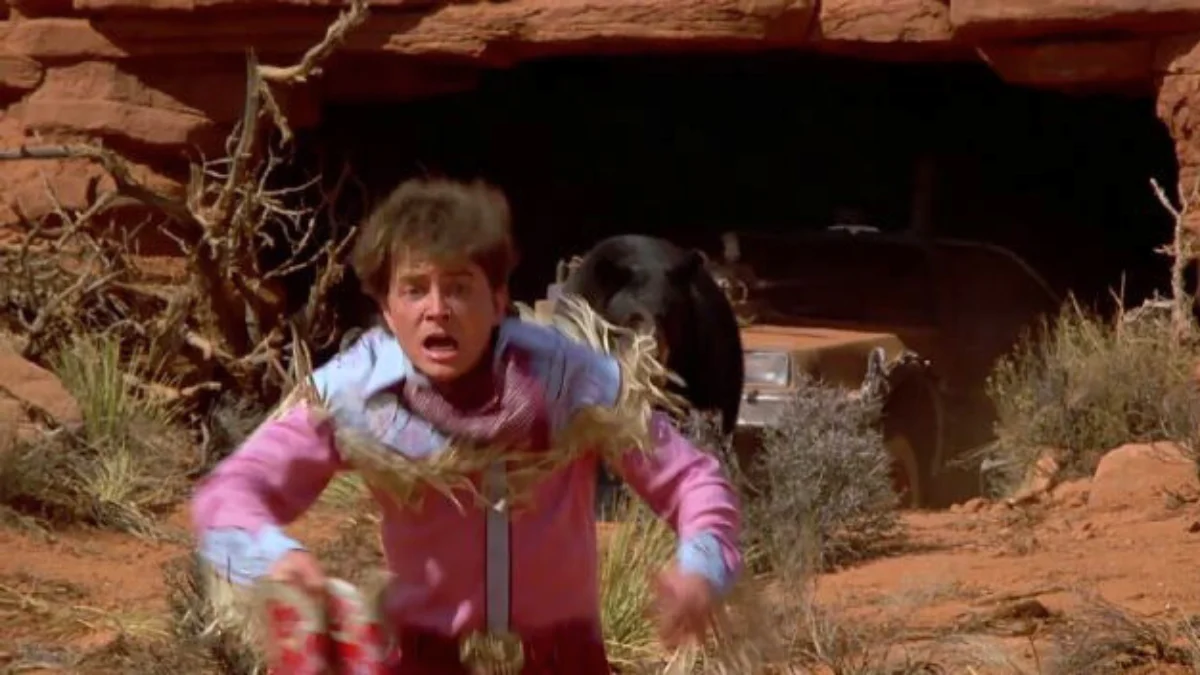

When ‘Back to the Future Part III’ hit theaters in 1990, it wrapped up the beloved trilogy with a Wild West adventure. After the futuristic vision of Part II, the final film shifted gears by sending Marty McFly back to 1885 to rescue Doc Brown. With its mix of western tropes, heartfelt moments, and time-travel twists, the movie gave fans a satisfying conclusion to one of the most iconic franchises of the 1980s.
The film stood out for blending science fiction with classic western storytelling, creating a unique finale that still feels fresh decades later. Behind the scenes, the production came with its own challenges and plenty of fun details that fans may not know. Here are ten fascinating things about ‘Back to the Future Part III’.
Filming Took Place Immediately After Part II
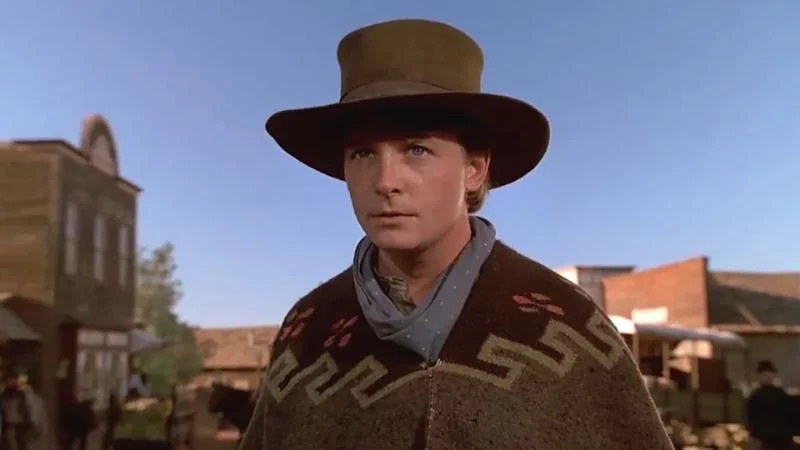
‘Back to the Future Part III’ was filmed directly after Part II, with both movies shot back-to-back. This unusual approach at the time meant that cast and crew had little downtime between productions.
This method ensured continuity and allowed for a faster release, with Part III arriving just a year after Part II. It was a demanding process but one that kept the momentum of the trilogy alive.
The Old West Setting Was Built from Scratch
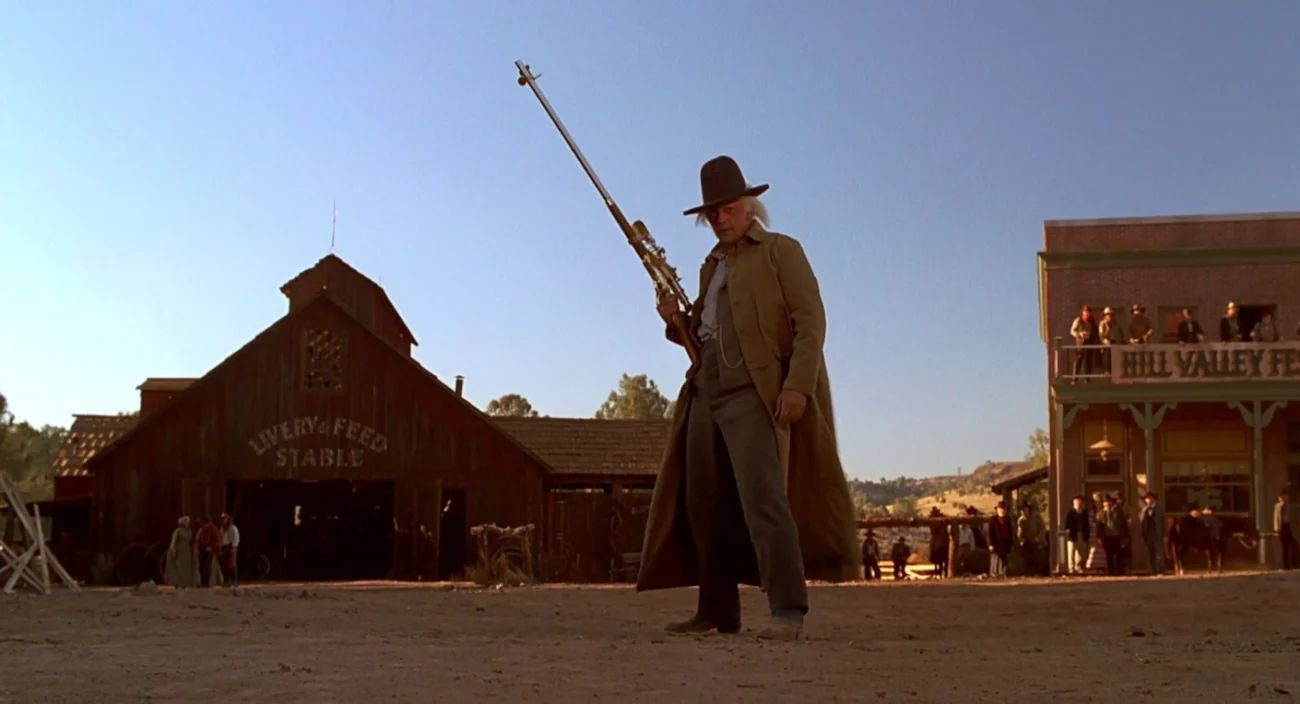
For the 1885 Hill Valley, the production team constructed a full western town set in California. The set was carefully designed to resemble classic western films while still maintaining familiar landmarks from modern Hill Valley.
This gave the movie a sense of continuity, showing how the town evolved across different eras. The authentic details helped immerse audiences in the Old West setting.
Doc Brown Found Love in the Past
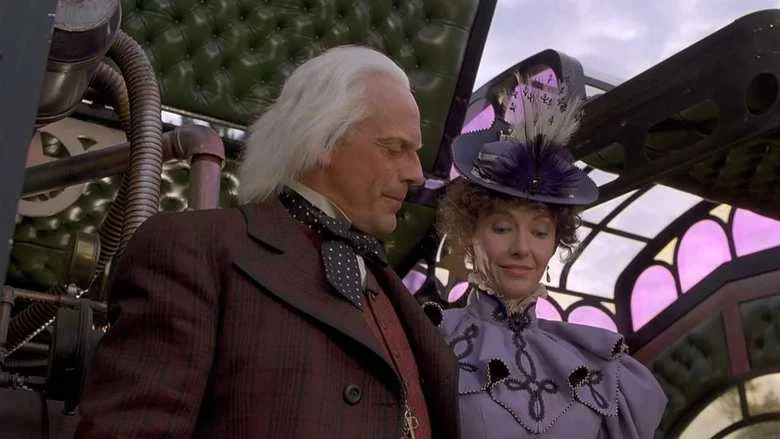
One of the biggest surprises of the film was giving Doc Brown a romantic storyline. His relationship with schoolteacher Clara Clayton added depth to his character and showed a more emotional side.
Their romance became a central part of the story, influencing Doc’s choices about staying in the past or returning to the future. Clara’s inclusion gave the finale a heartfelt twist that grounded the time-travel adventure.
Marty Avoided a Future Accident
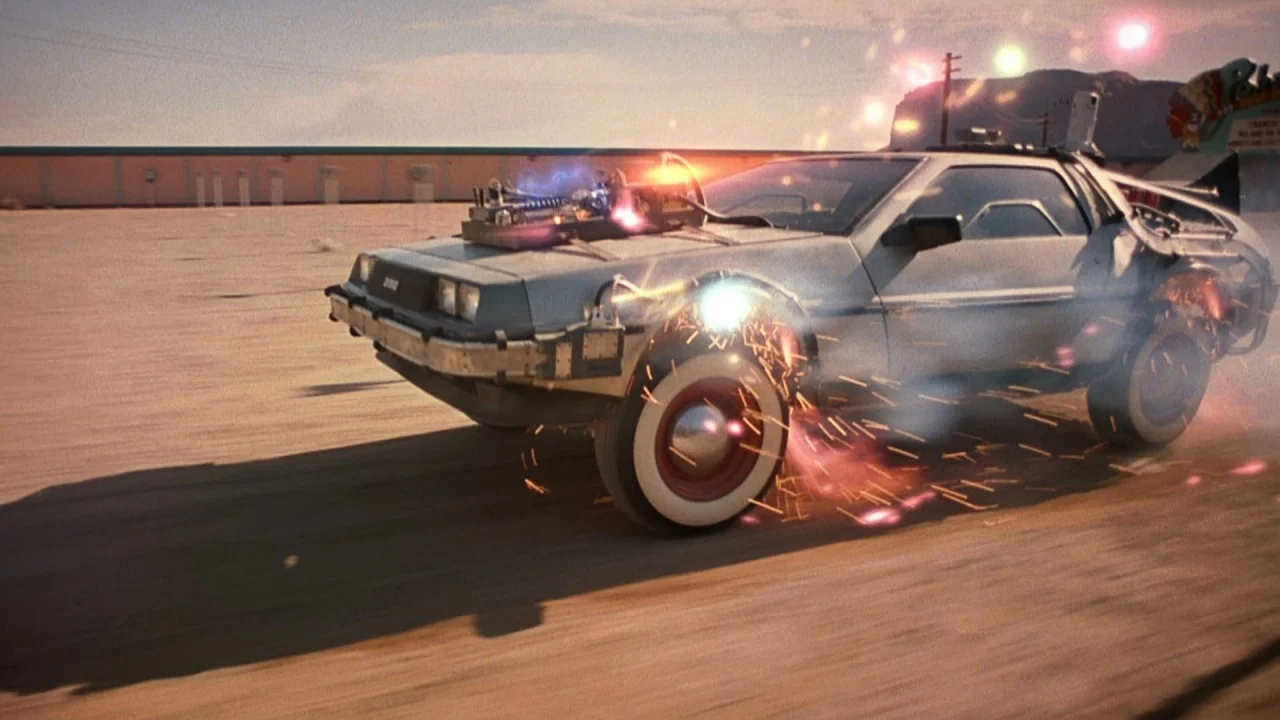
In the final act, Marty learns to avoid a reckless decision that would have led to a car accident in his future. By refusing to let Biff’s ancestor goad him into a dangerous drag race, he alters his own destiny.
This moment tied together the trilogy’s themes of personal growth and responsibility. It showed that time travel alone wasn’t enough to change fate—Marty’s choices also mattered.
The Train Sequence Was Extremely Dangerous
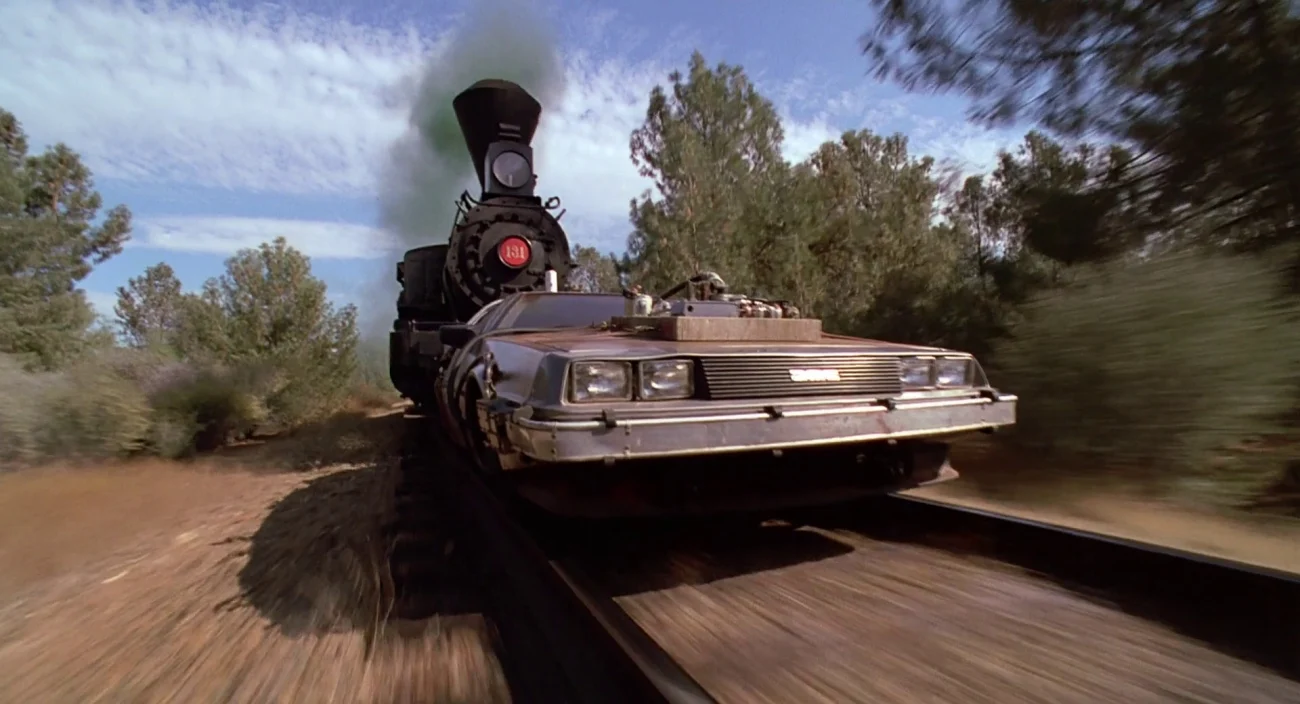
The climactic train scene, where Doc and Marty use a locomotive to push the DeLorean up to 88 miles per hour, was one of the most ambitious stunts in the trilogy. Filmed with real trains and practical effects, it required precise timing and coordination.
Miniatures and full-scale trains were used together to achieve the final shots. The sequence remains a thrilling highlight and a fitting conclusion to the series’ action set pieces.
ZZ Top Made a Cameo Appearance

The rock band ZZ Top appeared in the film as a group of musicians at the Hill Valley festival. They even played a period-appropriate version of their own music during the scene.
Their cameo added a fun Easter egg for audiences and reflected the series’ playful approach to blending modern culture with different time periods.
Mary Steenburgen Joined the Cast After Hesitation

Mary Steenburgen, who played Clara Clayton, was initially hesitant to join a science fiction film. However, she was persuaded by the strength of the script and the opportunity to work with Michael J. Fox and Christopher Lloyd.
Her performance added warmth and charm, and her chemistry with Lloyd made their romance believable. She later cited the role as one of her favorites.
The Film Paid Homage to Classic Westerns

Director Robert Zemeckis and the creative team filled Part III with nods to old westerns. From the shootout at high noon to the saloon brawl, many scenes echoed famous cowboy films.
Even Marty’s alias “Clint Eastwood” was a playful tribute to the actor who had become synonymous with westerns. These touches made the film both a time-travel adventure and a love letter to the genre.
Michael J. Fox’s Father Inspired a Scene

The moment when Marty passes out after being called “chicken” was inspired by a real incident from Michael J. Fox’s family. His father had fainted once in a similar situation, which Fox shared with the filmmakers.
This personal detail added authenticity to Marty’s struggles and connected his story to real-life experiences. It also deepened the character’s arc of overcoming impulsiveness.
The Trilogy Ended with Doc’s Time Train

Rather than return to the DeLorean, the finale introduced a steam-powered time machine built from a train. Doc, Clara, and their children arrive in it to bid farewell to Marty.
The train symbolized Doc’s new life and served as a grand, imaginative way to close the series. It left fans with a sense of wonder and possibility, perfectly capturing the spirit of the trilogy.
What fact about ‘Back to the Future Part III’ did you find the most surprising? Share your thoughts in the comments!