These Actors Opened Up About Mental Health

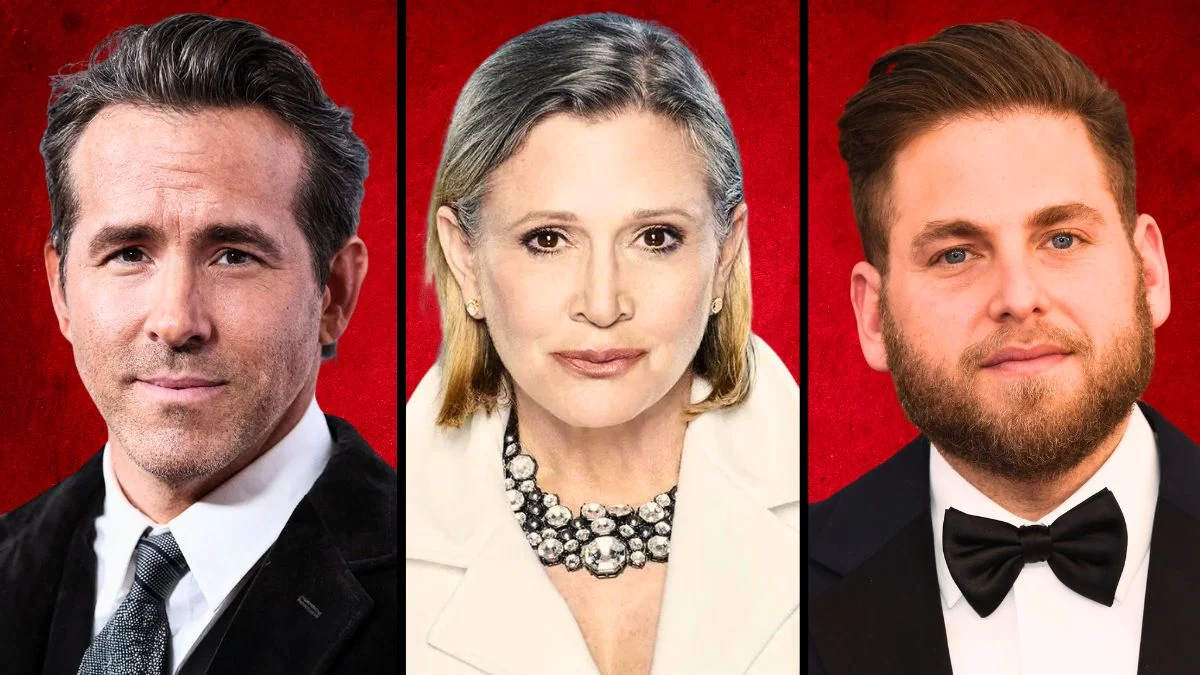

Talking about mental health in public is not easy, especially when millions of people are watching. These actors chose to share their experiences in clear and specific ways that help others feel less alone. They have described diagnoses, symptoms, and treatments, and they have backed up those words with concrete action.
Below is a collection of actors who have spoken openly about mental health. You will find what they have revealed, the projects they have made around the topic, and the organizations or tools they have used to support their wellbeing and their communities.
Stephen Fry
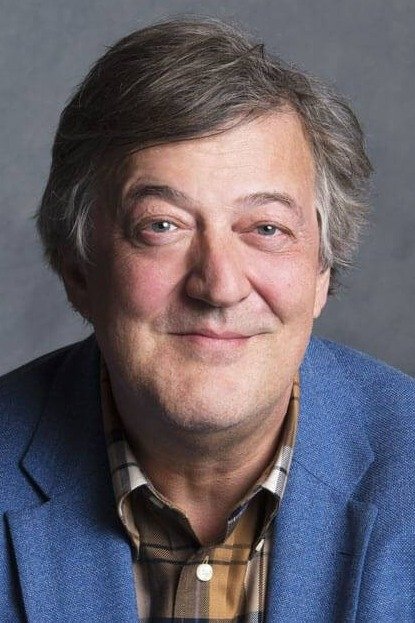
Stephen Fry has spoken for many years about living with bipolar disorder. He explored the illness and its impact in the documentaries ‘The Secret Life of the Manic Depressive’ and its follow up, explaining symptoms, treatment options, and the reality of relapse and recovery. His work helped bring clinical language and first person detail into mainstream conversation in the United Kingdom.
He has served as a leader and fundraiser for mental health causes, including a long tenure as president of the charity Mind. His public talks often include practical information about medication adherence, crisis planning, and how to build a support network that includes clinicians, family, and trusted colleagues.
Carrie Fisher
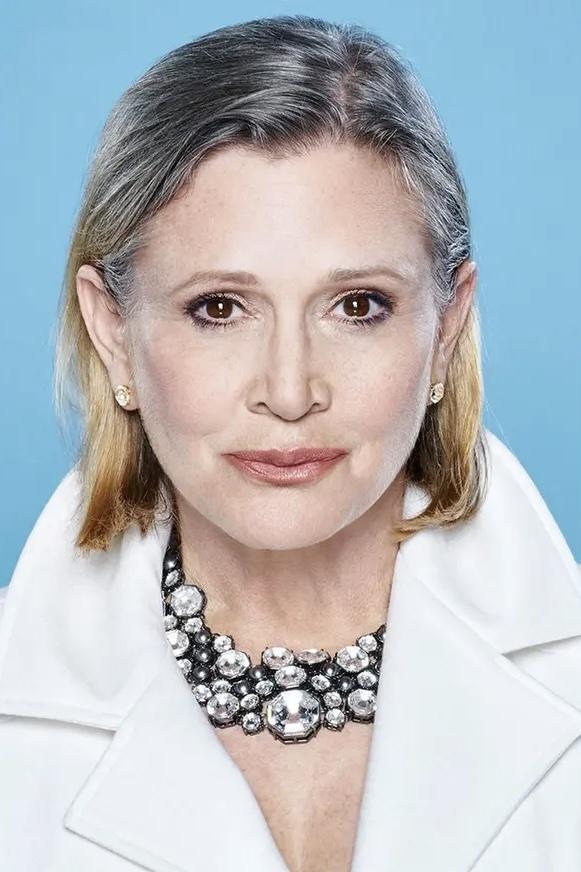
Carrie Fisher discussed bipolar disorder throughout her career and described treatments such as mood stabilizers and electroconvulsive therapy. She used plain language to explain mania and depression, and she showed how a creative career can coexist with a serious mental health condition.
Her stage show and memoir ‘Wishful Drinking’ brought clinical facts and personal history together in a way that made complex topics accessible. She also spoke at events for mental health organizations and encouraged people to seek evidence based care through psychiatrists, therapists, and peer support communities.
Catherine Zeta-Jones
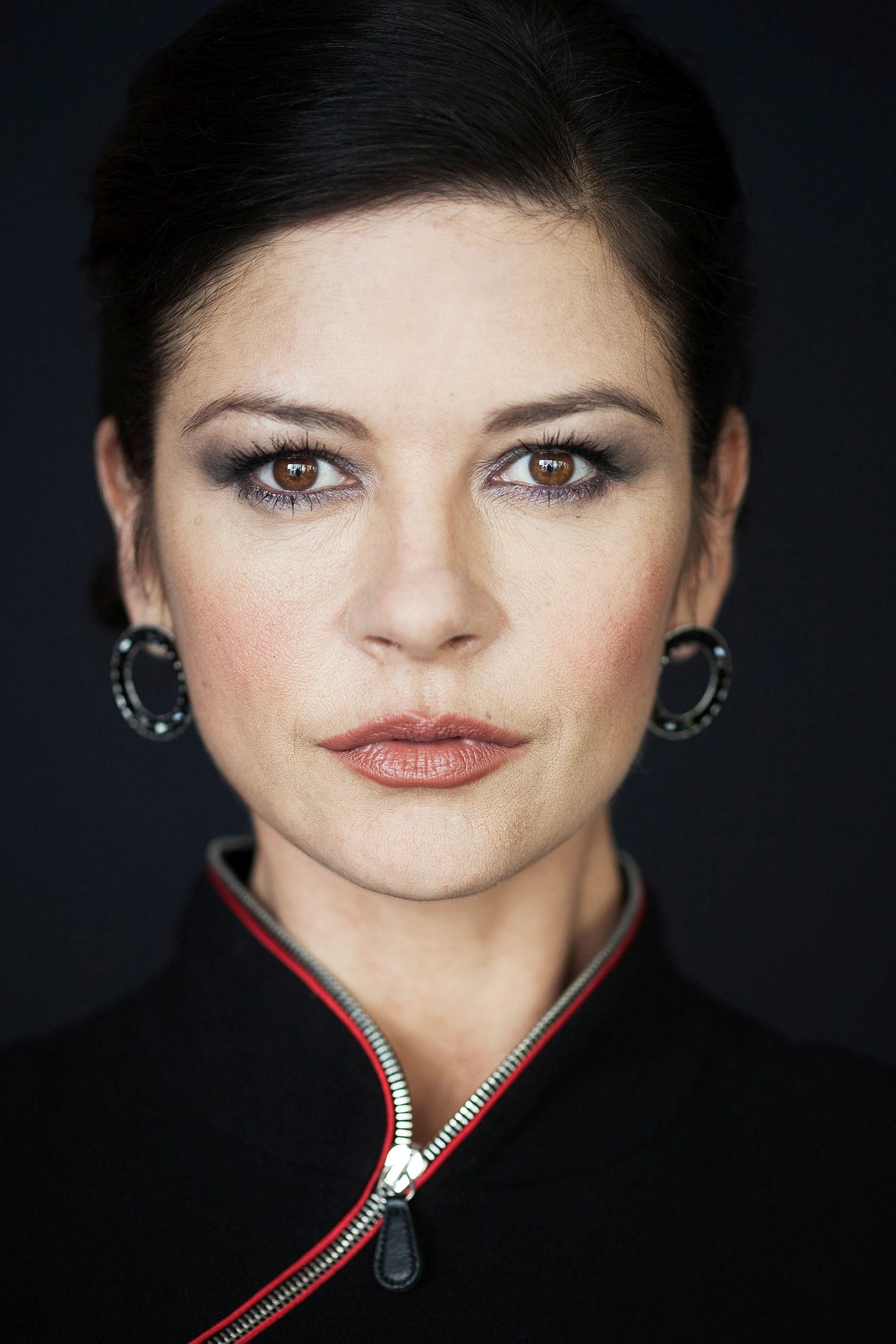
Catherine Zeta Jones has confirmed that she lives with bipolar II disorder and has sought inpatient treatment during acute episodes. She described warning signs that signaled the need for care and explained how a diagnosis helped her understand mood cycling.
By sharing her treatment experiences she helped normalize hospitalization and ongoing management. She has discussed the importance of follow up with medical professionals, medication review, and lifestyle routines that support stability over the long term.
Ryan Reynolds
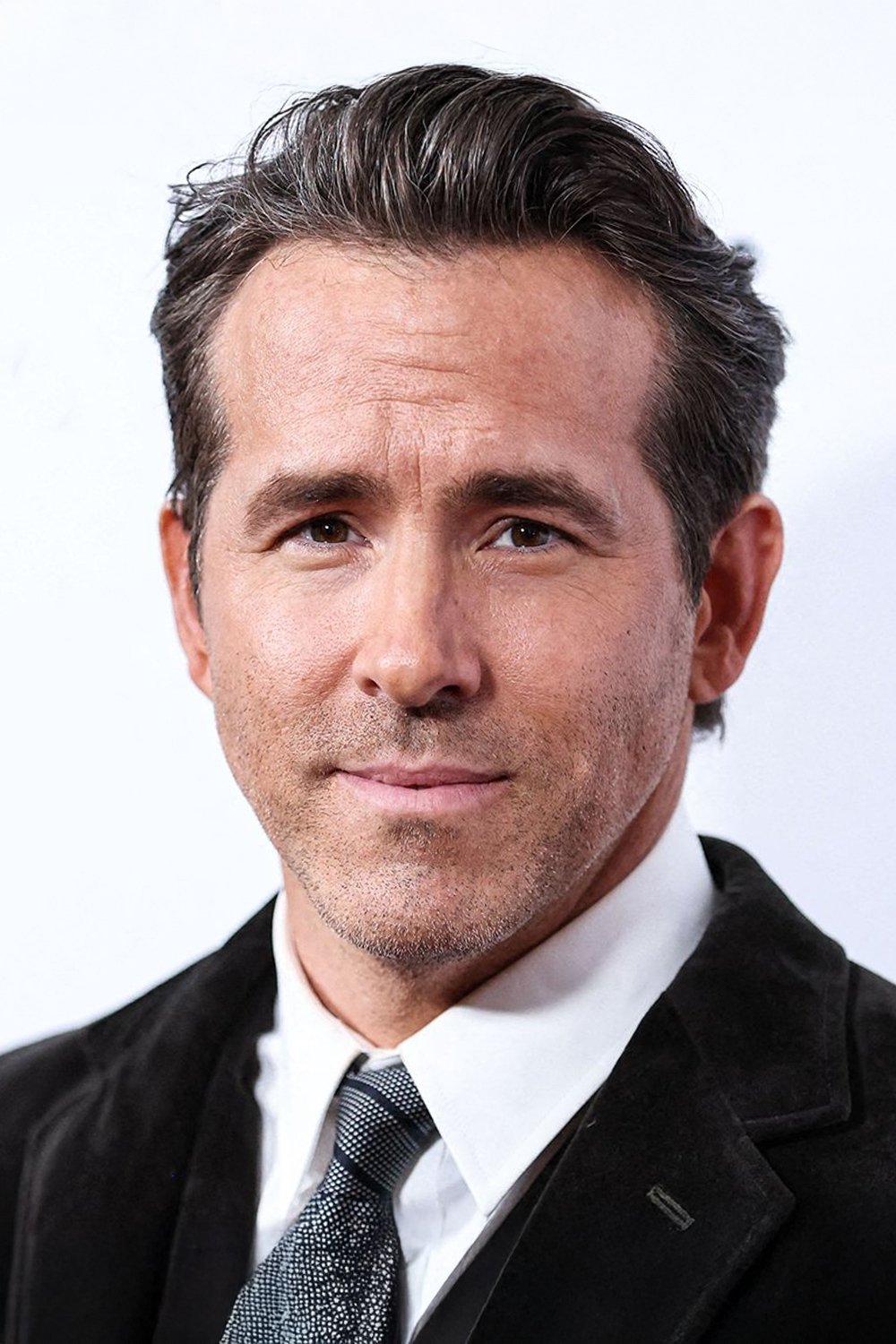
Ryan Reynolds has been open about living with anxiety and the way it can intensify around big work commitments. He has described physical symptoms and the way preparation and structure help him manage high pressure situations on set and during promotions.
He regularly highlights therapy as a tool and points fans toward professional help and crisis resources. He has supported campaigns that promote everyday mental health check ins and he uses social media to share practical coping strategies like exercise, sleep routines, and limiting alcohol.
Kristen Bell

Kristen Bell has spoken about depression and anxiety since early adulthood and has emphasized that medication and therapy are part of her care. She has explained how symptoms can return and why maintenance treatment matters even during good periods.
She works with mental health nonprofits on public education campaigns that teach families how to recognize signs of distress. She has also created kid friendly materials with clinicians so parents can start age appropriate conversations about emotions and coping skills at home.
Dwayne Johnson
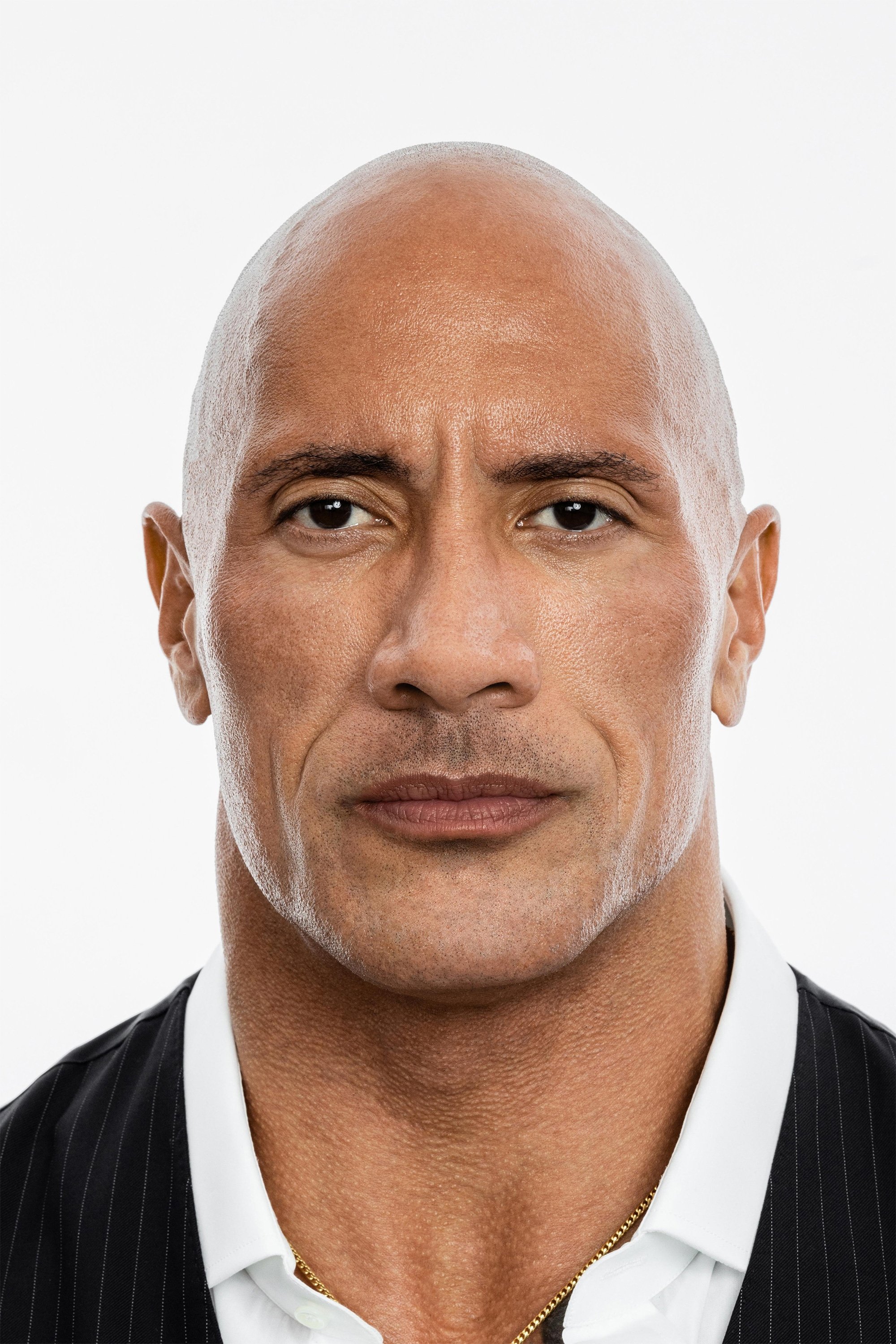
Dwayne Johnson has shared that he experienced periods of depression after injuries and personal loss. He explained how withdrawal and persistent sadness affected his daily life and how talking to friends and professionals helped him recover.
He uses interviews and posts to encourage men to ask for help and to take symptoms seriously. He also promotes actionable steps like meeting a therapist, building a workout routine that supports mood, and checking in with teammates who might be struggling in silence.
Selena Gomez

Selena Gomez has discussed living with bipolar disorder and the way clear information from her doctors gave her a framework for treatment. She has explained how understanding her diagnosis changed how she approaches work and recovery.
Her documentary ‘My Mind & Me’ walks through medication changes, therapy sessions, and the impact of autoimmune illness on mental health. She has also launched philanthropic programs that fund mental health services in schools and that train young advocates to recognize warning signs in peers.
Demi Lovato

Demi Lovato has shared a long record of mental health challenges alongside substance use and eating disorder treatment. They have described how integrated care plans combine medical supervision, therapy, and community support.
They speak at events and produce educational content that directs people to evidence based resources. Their work highlights inpatient and outpatient options, relapse prevention skills, and the value of peer groups that are led by trained facilitators.
Jonah Hill
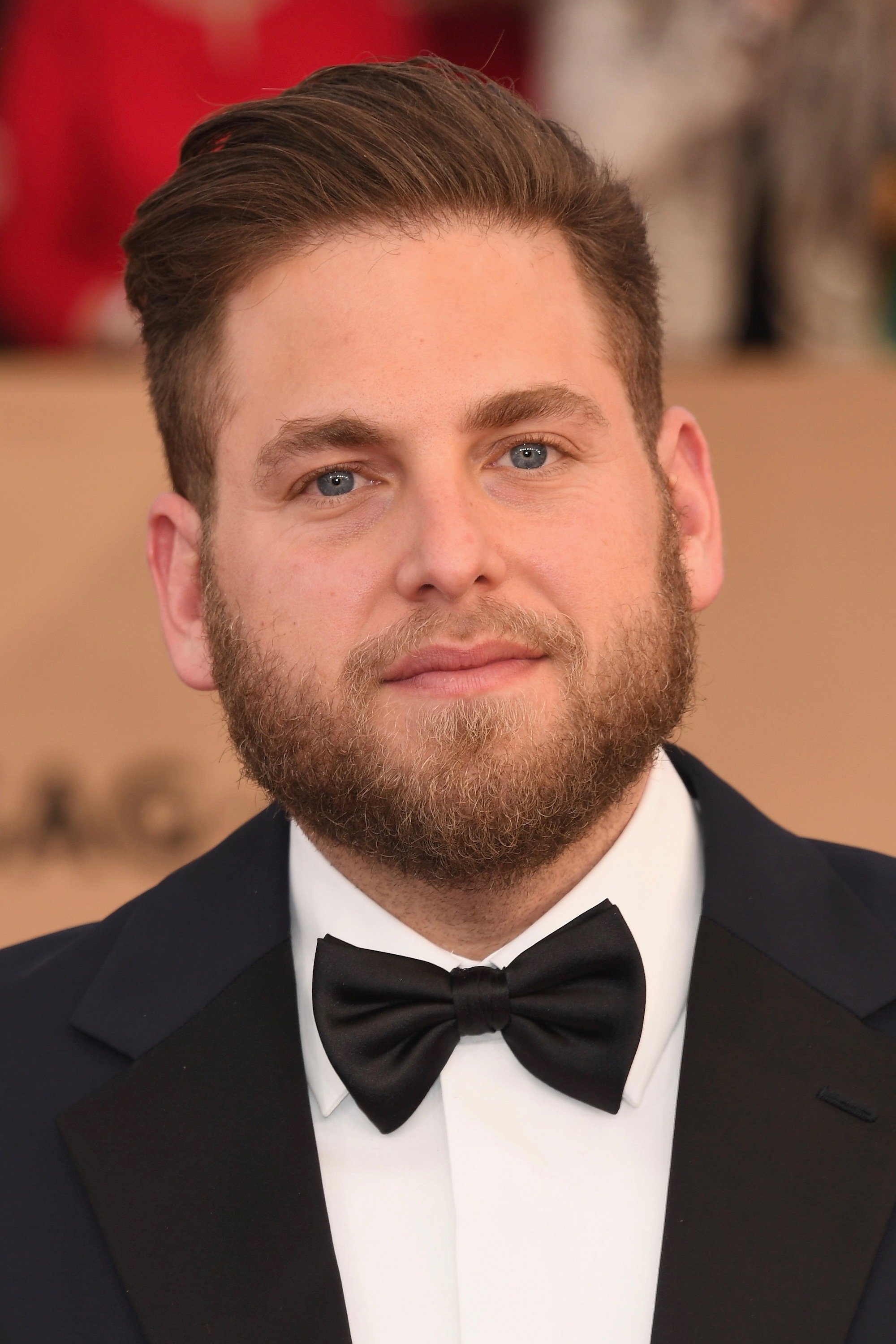
Jonah Hill created the documentary ‘Stutz’ to show real therapy tools in action. The film presents practical exercises used by his psychiatrist, including techniques for negative self talk, motivation, and daily habit tracking.
He has explained that anxiety led him to reduce public appearances to protect his health. He points audiences toward regular therapy, structured breathing practices, and clear boundaries that limit triggers like social media.
Emma Stone

Emma Stone has described experiencing panic attacks in childhood and starting therapy early. She has explained how education about anxiety helped her identify triggers and use coping techniques on set and during live events.
She supports the Child Mind Institute and similar groups that provide screenings and parent guides. Her outreach directs families to evidence based treatments for anxiety disorders and promotes school based accommodations that support attendance and performance.
Daniel Radcliffe

Daniel Radcliffe has talked about using alcohol in the past to cope with anxiety during sudden fame. He has described the decision to pursue sobriety and to replace unhealthy coping with therapy and trusted support networks.
He often shares resources for young performers and fans who are navigating public pressure. His guidance includes finding a doctor who understands addiction, attending support meetings, and building routines around sleep, exercise, and hobbies outside work.
Wentworth Miller

Wentworth Miller has spoken candidly about lifelong depression and suicide attempts in his youth. He used a viral moment to outline symptoms and to encourage others to take early warning signs seriously.
He works with organizations that focus on suicide prevention and men’s mental health. He has also discussed receiving an autism diagnosis and he uses that experience to share information about assessment pathways and workplace accommodations.
Taraji P. Henson

Taraji P. Henson has detailed her experience with depression and grief and how therapy helped her navigate both. She explains treatment in clear terms so people understand what the first sessions look like and how progress is measured.
She founded the Boris Lawrence Henson Foundation to expand culturally competent care in Black communities. The foundation provides scholarships for therapists, lists vetted providers, and runs programs that connect students and families with affordable services.
Pete Davidson

Pete Davidson has shared a diagnosis of borderline personality disorder along with PTSD and has discussed the role of trauma focused therapy in his care. He explains how dialectical behavior therapy teaches skills for emotion regulation and interpersonal effectiveness.
He has taken breaks from work to focus on treatment and he encourages fans to contact crisis support when symptoms escalate. He also talks about routine strategies such as mindfulness practice, medication management, and limiting substances that can worsen symptoms.
Hayden Panettiere

Hayden Panettiere has been open about postpartum depression after the birth of her daughter and about seeking inpatient treatment. She has described symptoms such as irritability, insomnia, and persistent anxiety to help new parents recognize them.
She now advocates for postpartum screening and follow up care at routine medical visits. She also discusses coordinated treatment that can include therapy, medication compatible with breastfeeding, and family education that reduces stigma around perinatal mental health.
Lady Gaga

Lady Gaga has discussed PTSD following a sexual assault and the way chronic pain intersects with mental health. She has explained that trauma informed therapy and a structured wellness plan help her manage symptoms.
Through the Born This Way Foundation she funds research and youth programs that teach resilience and kindness as protective factors. The foundation partners with schools and platforms to connect teens to trained counselors and evidence based digital tools.
Zachary Levi

Zachary Levi has described a period of severe depression that led him to seek intensive therapy. He has shared how childhood experiences and perfectionism contributed to his symptoms and how treatment targeted those patterns.
His memoir ‘Radical Love’ outlines specific therapeutic practices such as journaling, cognitive restructuring, and daily gratitude routines. He speaks at conventions and community events to direct people toward licensed professionals and to explain what recovery work looks like day to day.
Lili Reinhart

Lili Reinhart has talked about ongoing depression and anxiety and has described how symptoms can fluctuate with life and work stress. She has explained that therapy, mindfulness, and medication are parts of her plan.
She uses her platform to normalize conversations about body image and intrusive thoughts and points fans to crisis lines and therapist directories. Her poetry collection ‘Swimming Lessons’ reflects themes of despair and recovery and guides readers toward honest self reflection.
Jared Padalecki

Jared Padalecki has shared his experience with depression and created the Always Keep Fighting campaign to raise awareness. The effort sold merchandise to fund services and partnered with nonprofits that connect people to professional help.
He has spoken at fan events about recognizing early warning signs and building peer support. He also promotes regular therapy, sleep hygiene, and nutrition as parts of a comprehensive mental health plan.
Tom Holland

Tom Holland has discussed anxiety and explained that a break from social media improved his wellbeing. He has also described a period of sobriety to evaluate his relationship with alcohol and the positive changes that followed.
He produced and starred in ‘The Crowded Room’ to explore mental health in a scripted story and used the press tour to share resources. He encourages fans to consult professionals and to set personal boundaries that protect attention and mood.
Share your thoughts in the comments and let us know which stories helped you start a conversation about mental health.