Must-Watch Movies Celebrating Black History


From classroom staples to festival standouts, these films trace vital moments, movement leaders, and everyday lives that shaped Black history. They span centuries and countries, bringing together biography, war, civil rights organizing, scientific achievement, and culture that changed how people live and work.
Each pick below includes clear context about what the film covers and why its subject mattered in its time. You will find story basics, key creative credits, and real world background that helps the events on screen land with clarity.
’12 Years a Slave’ (2013)
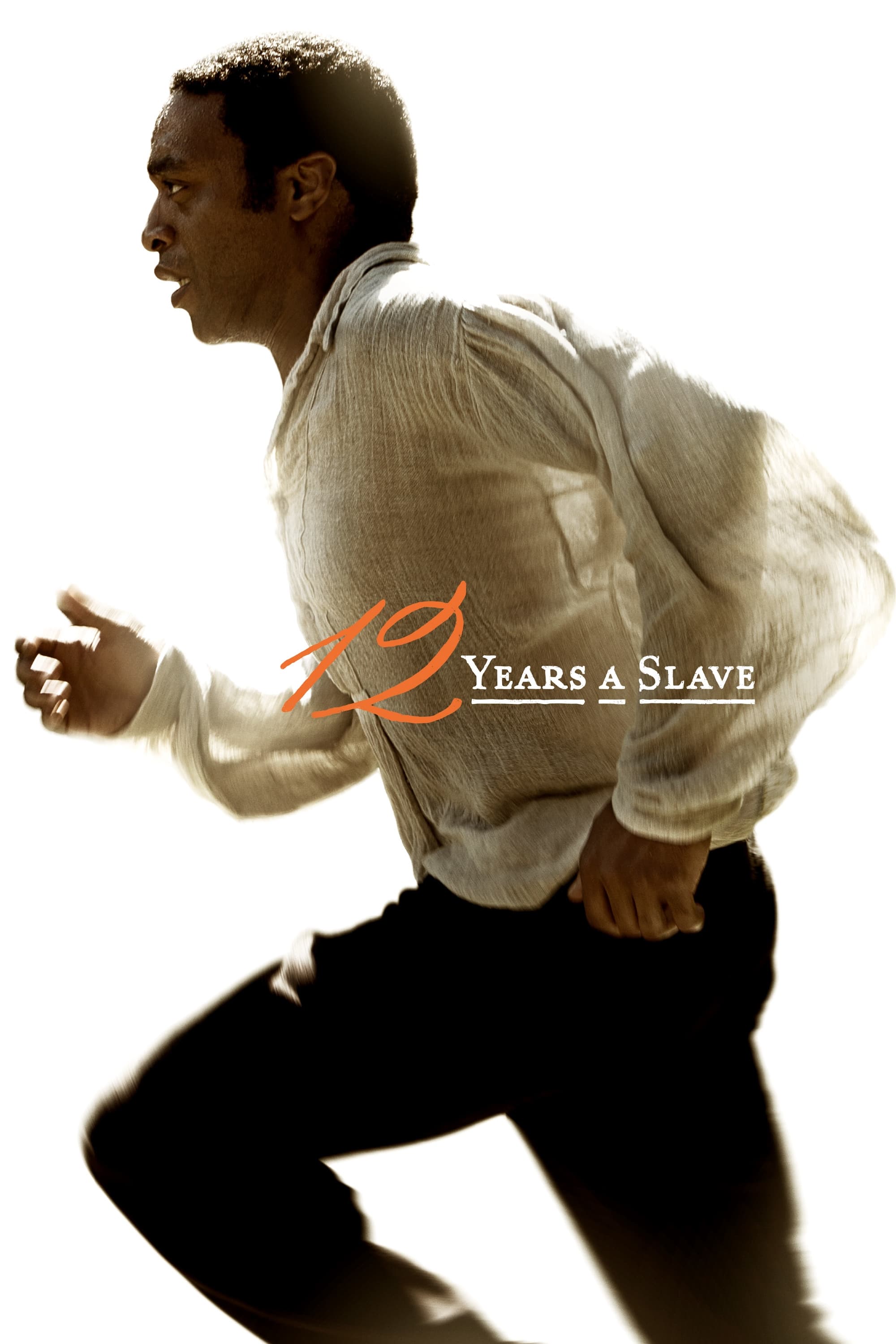
This historical drama follows Solomon Northup, a free Black violinist from New York who was kidnapped in 1841 and sold into slavery in the American South. The film adapts Northup’s 1853 memoir and shows the legal and social structures that allowed human trafficking to operate across state lines before the Civil War.
Directed by Steve McQueen, the film stars Chiwetel Ejiofor, Lupita Nyong’o, and Michael Fassbender. It received the Academy Award for Best Picture, and Nyong’o received the Academy Award for Best Supporting Actress, which helped bring renewed attention to Northup’s original narrative and related archival research.
‘Selma’ (2014)
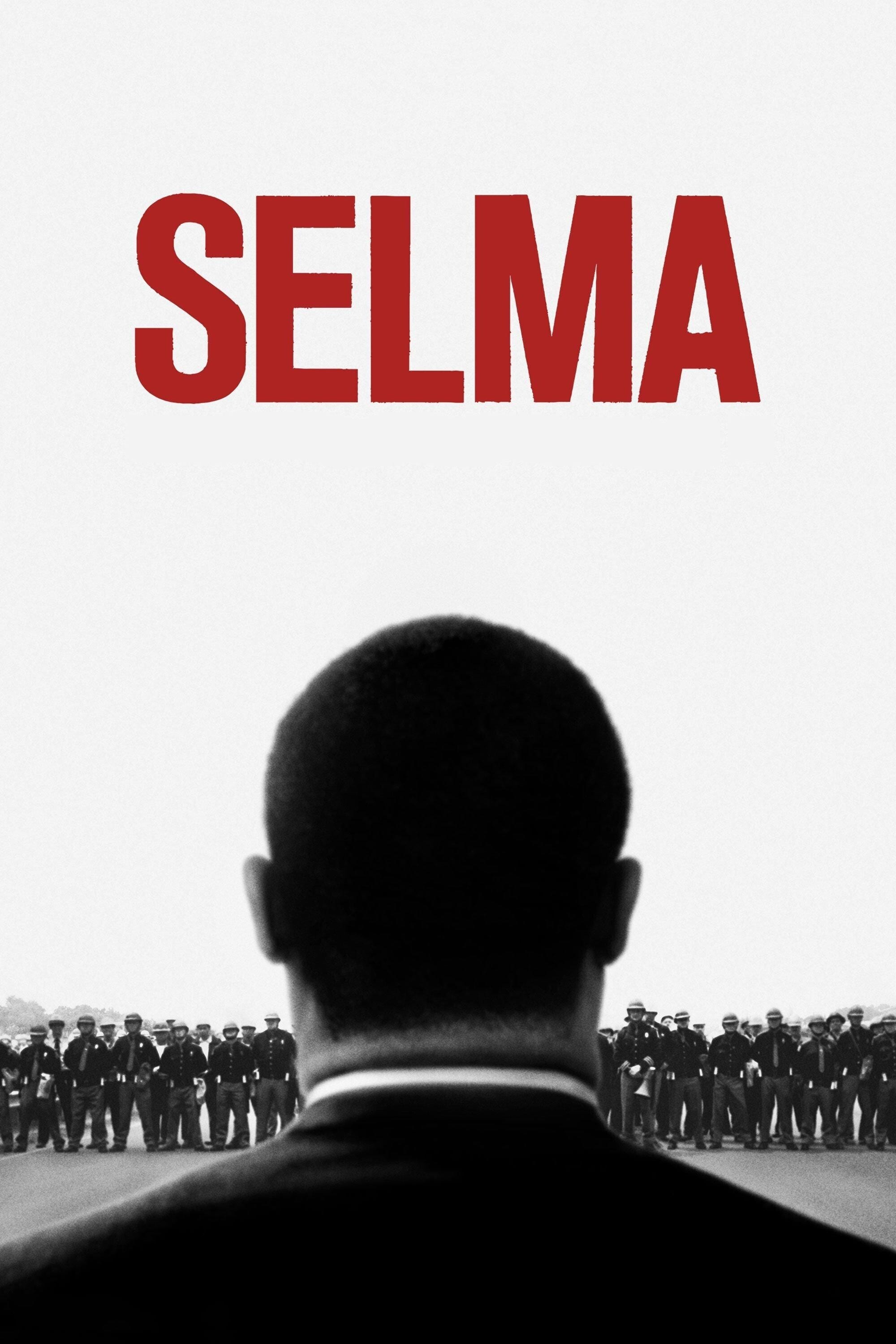
The story centers on the 1965 Selma to Montgomery voting rights marches in Alabama. It shows the planning strategies used by activists and clergy, the response from local and state officials, and the federal actions that followed national media coverage.
Directed by Ava DuVernay, the film stars David Oyelowo as Martin Luther King Jr., Carmen Ejogo as Coretta Scott King, and Tom Wilkinson as President Lyndon B. Johnson. The song Glory won the Academy Award for Best Original Song, and the film is frequently used in courses on the Voting Rights Act of 1965.
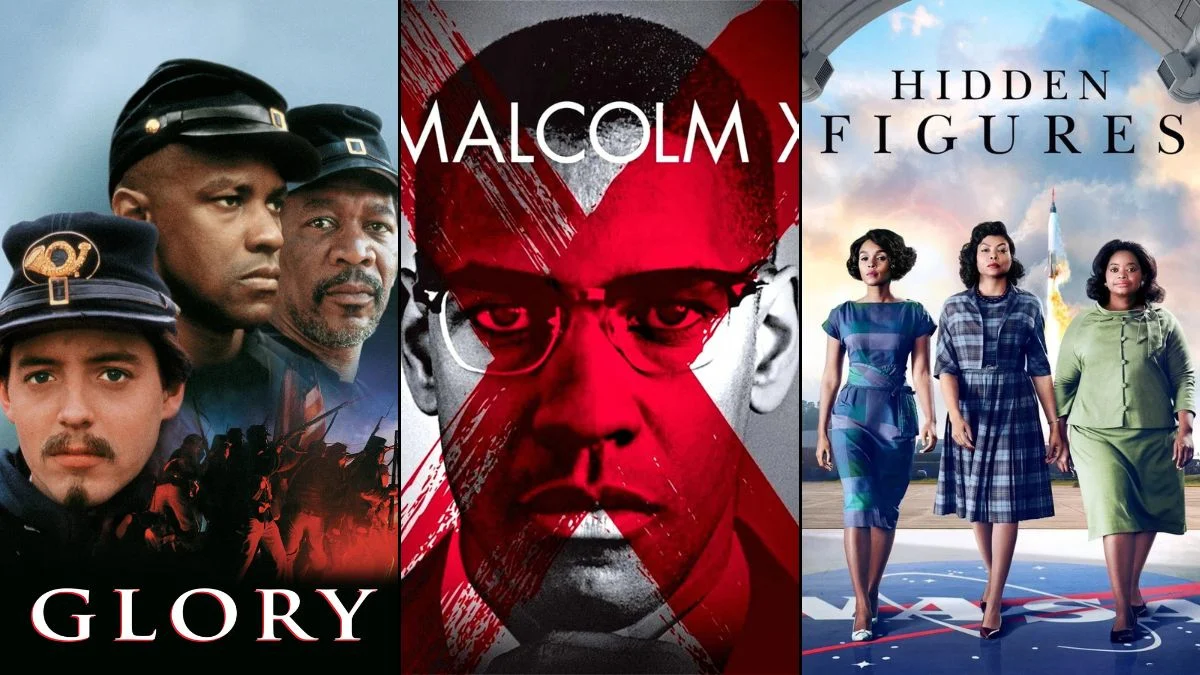
‘Malcolm X’ (1992)
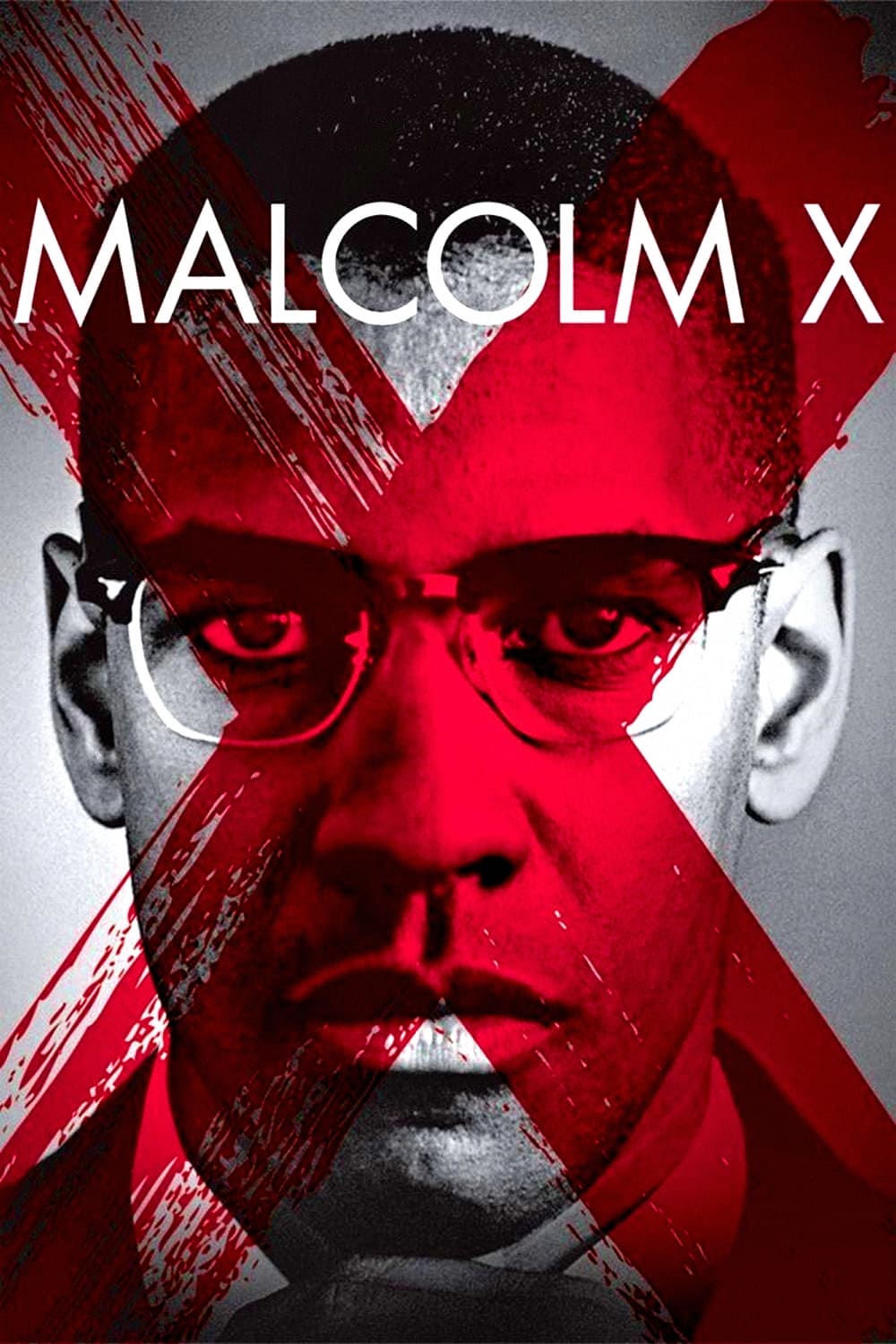
This epic biography traces Malcolm X’s life from his childhood through his role as a minister and activist, his travels, and his final speeches. The film draws on The Autobiography of Malcolm X, showing how his ideas developed across time and circumstance.
Directed by Spike Lee and starring Denzel Washington, the production filmed in multiple locations and includes scenes shot in Mecca with special permission. Costume design by Ruth E. Carter and the film’s careful use of archival and staged material make it a detailed resource on mid twentieth century Black political history.
‘Hidden Figures’ (2016)

Set during the early 1960s space race, the film follows three Black mathematicians at NASA, Katherine Johnson, Dorothy Vaughan, and Mary Jackson. It documents their work on orbital mechanics, programming, and engineering that supported Project Mercury and later missions.
Directed by Theodore Melfi and based on the book by Margot Lee Shetterly, the film stars Taraji P. Henson, Octavia Spencer, and Janelle Monáe. It earned nominations for Best Picture and Best Adapted Screenplay, and it helped introduce a wider audience to the technical contributions of Black women in aerospace.
‘Glory’ (1989)
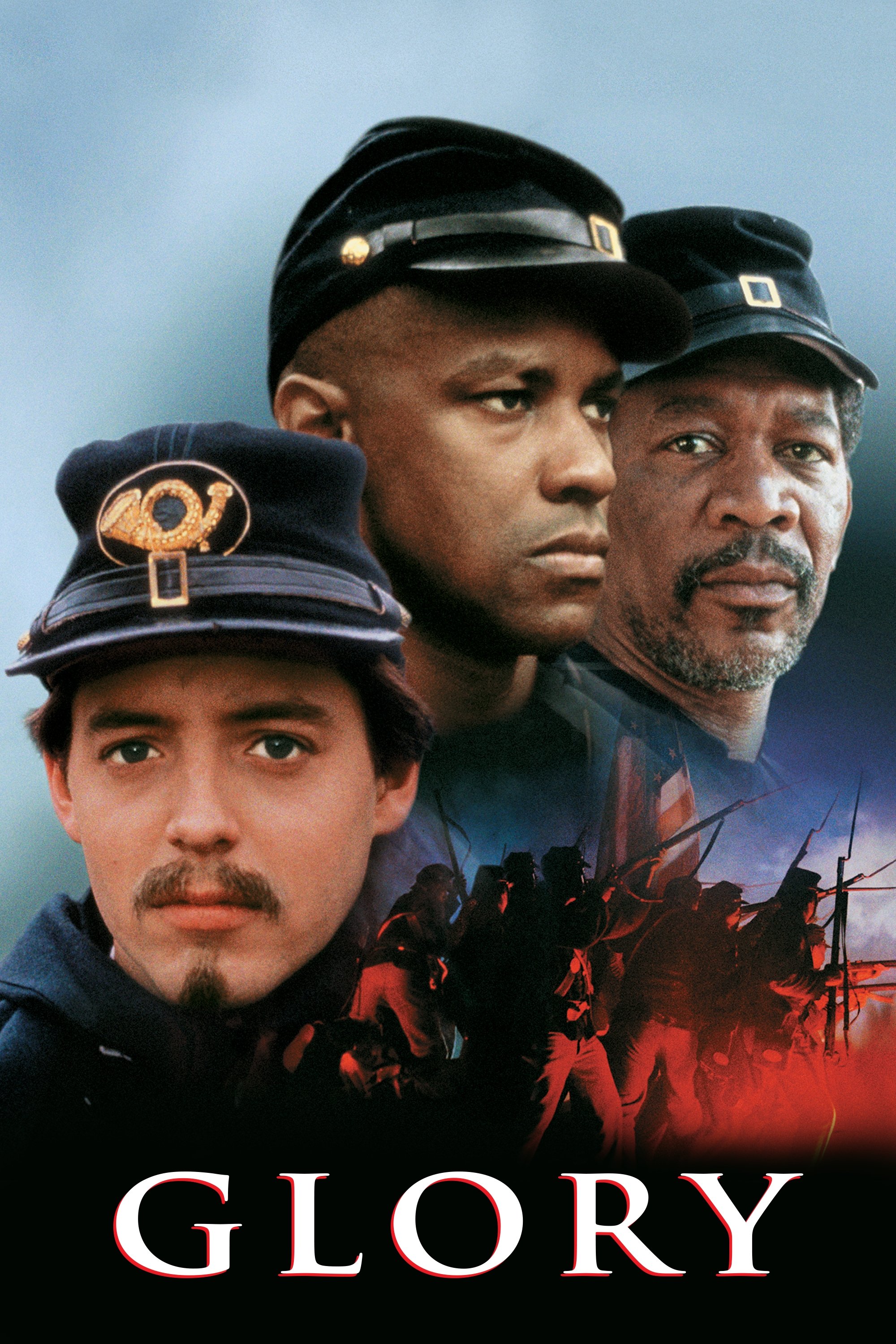
This Civil War drama tells the story of the 54th Massachusetts Volunteer Infantry, one of the first official Black regiments in the Union Army. It covers recruitment, training, leadership, and the assault on Fort Wagner in 1863.
Directed by Edward Zwick, the film stars Matthew Broderick, Denzel Washington, and Morgan Freeman. Washington received the Academy Award for Best Supporting Actor, and the film’s battle sequences and letters provide a window into military service by Black soldiers and the politics around their pay and equipment.
‘The Color Purple’ (1985)
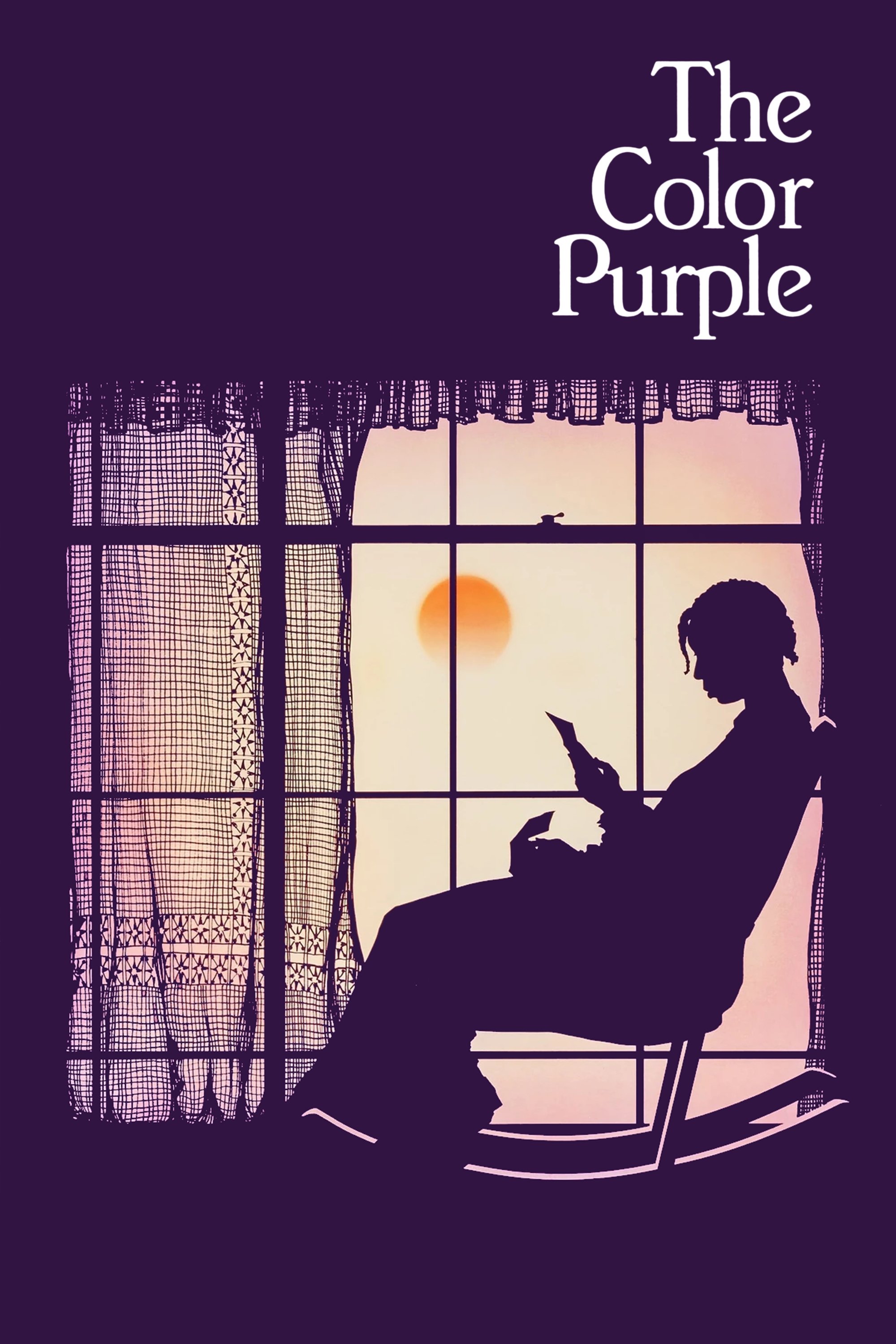
Adapted from Alice Walker’s novel, the film follows Celie over decades in the early twentieth century American South. It focuses on family ties, literacy, work, and community support during a period marked by segregation and limited legal protections for Black women.
Directed by Steven Spielberg, the film stars Whoopi Goldberg, Oprah Winfrey, and Danny Glover. It received multiple Academy Award nominations and has been used widely in literature and film studies to discuss adaptation, representation, and historical setting.
‘Harriet’ (2019)
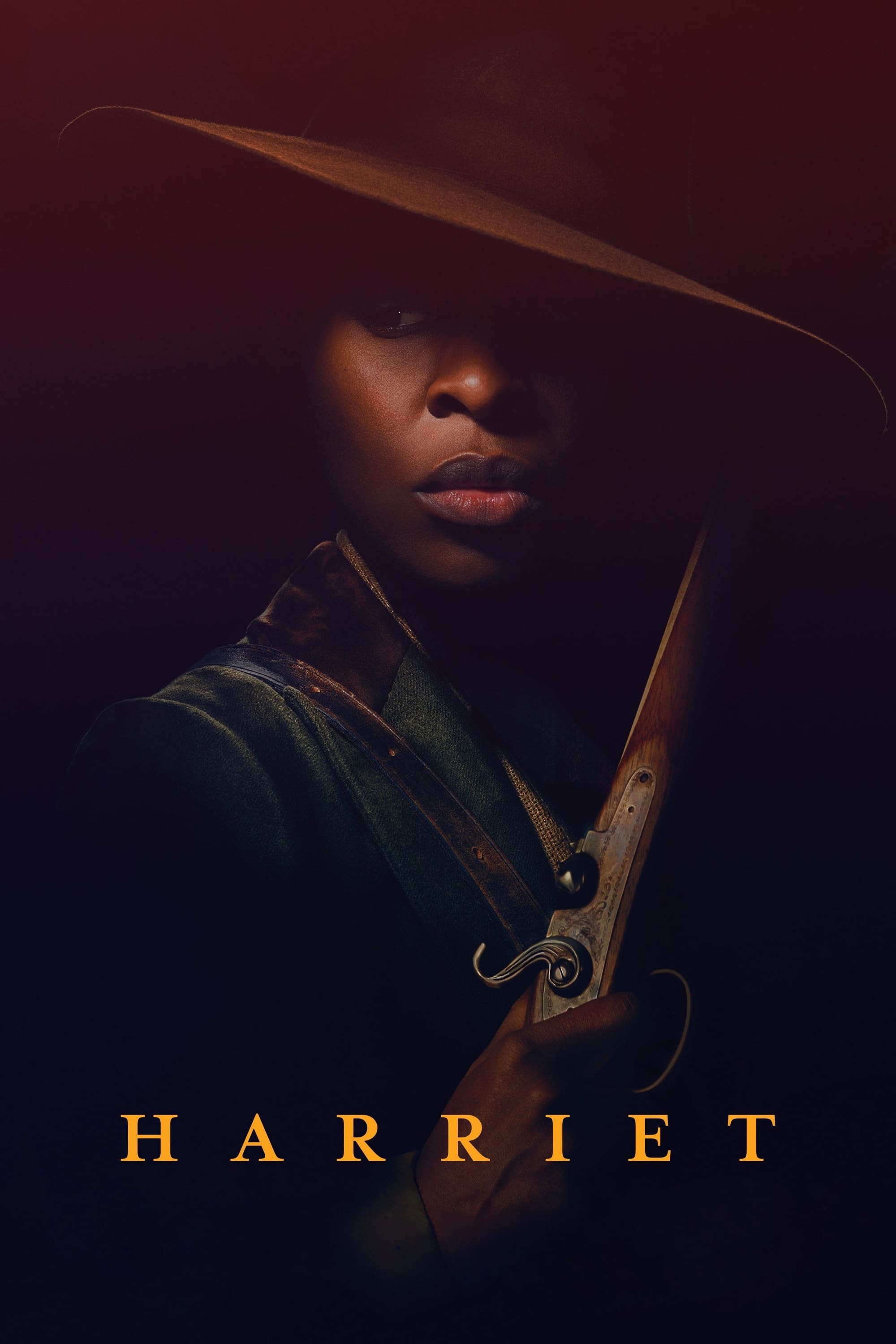
The film tells the story of Harriet Tubman, who escaped slavery in Maryland and returned repeatedly to guide others to freedom through the Underground Railroad. It depicts her routes, code systems, and coordination with abolitionist networks.
Directed by Kasi Lemmons and starring Cynthia Erivo, the production filmed in Virginia to capture period architecture and landscapes. Erivo received Academy Award nominations for Best Actress and Best Original Song, and the film includes end cards that summarize Tubman’s later work as a nurse, scout, and advocate.
‘Judas and the Black Messiah’ (2021)
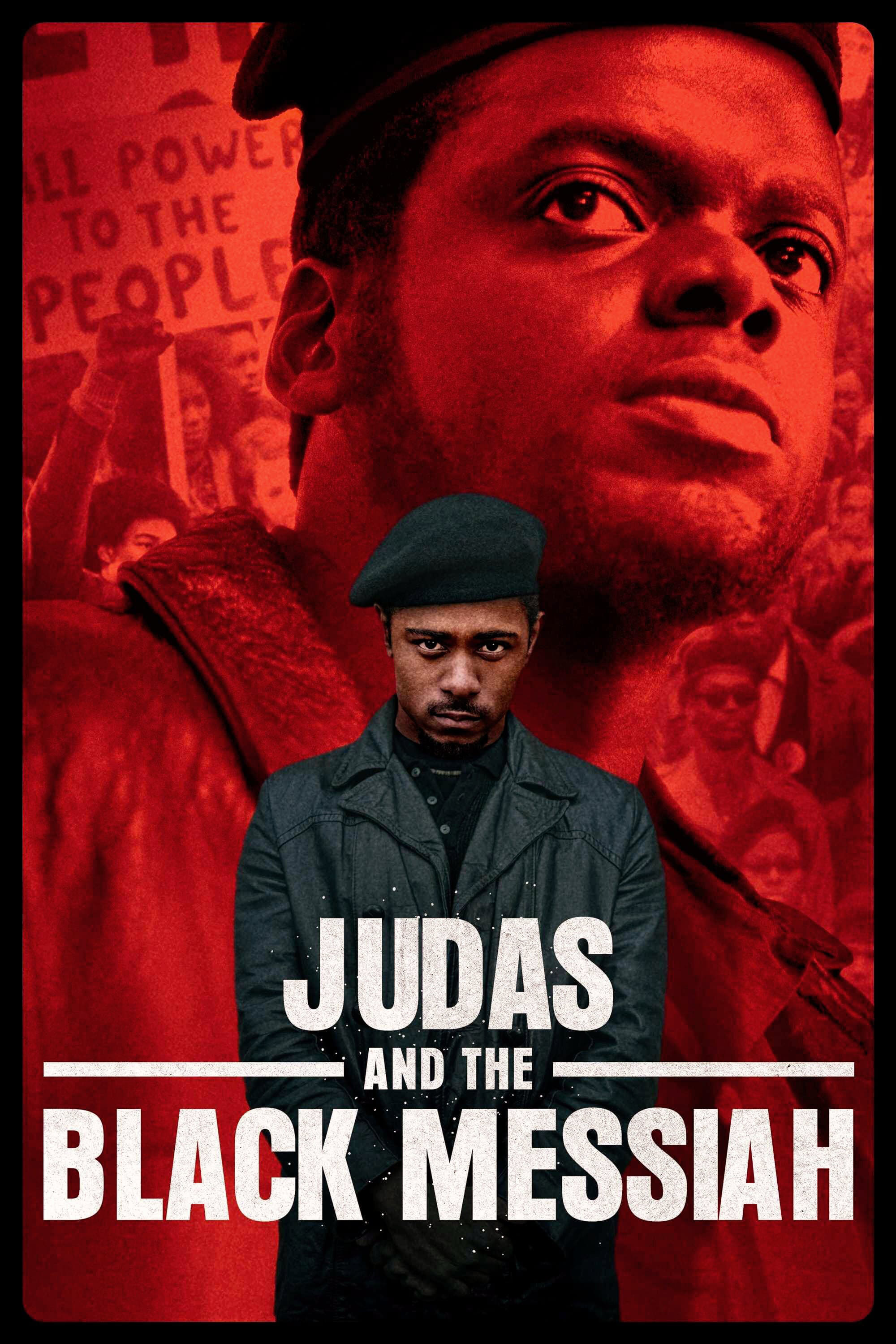
Set in the late 1960s, the film follows Illinois Black Panther Party chairman Fred Hampton and FBI informant William O’Neal. It shows community programs such as free breakfast and health clinics, along with surveillance tactics and the events leading to Hampton’s death in 1969.
Directed by Shaka King, the film stars Daniel Kaluuya and Lakeith Stanfield. Kaluuya received the Academy Award for Best Supporting Actor, and the production drew on court records and hearings to present timelines and organizational details from Chicago during that era.
‘Fruitvale Station’ (2013)
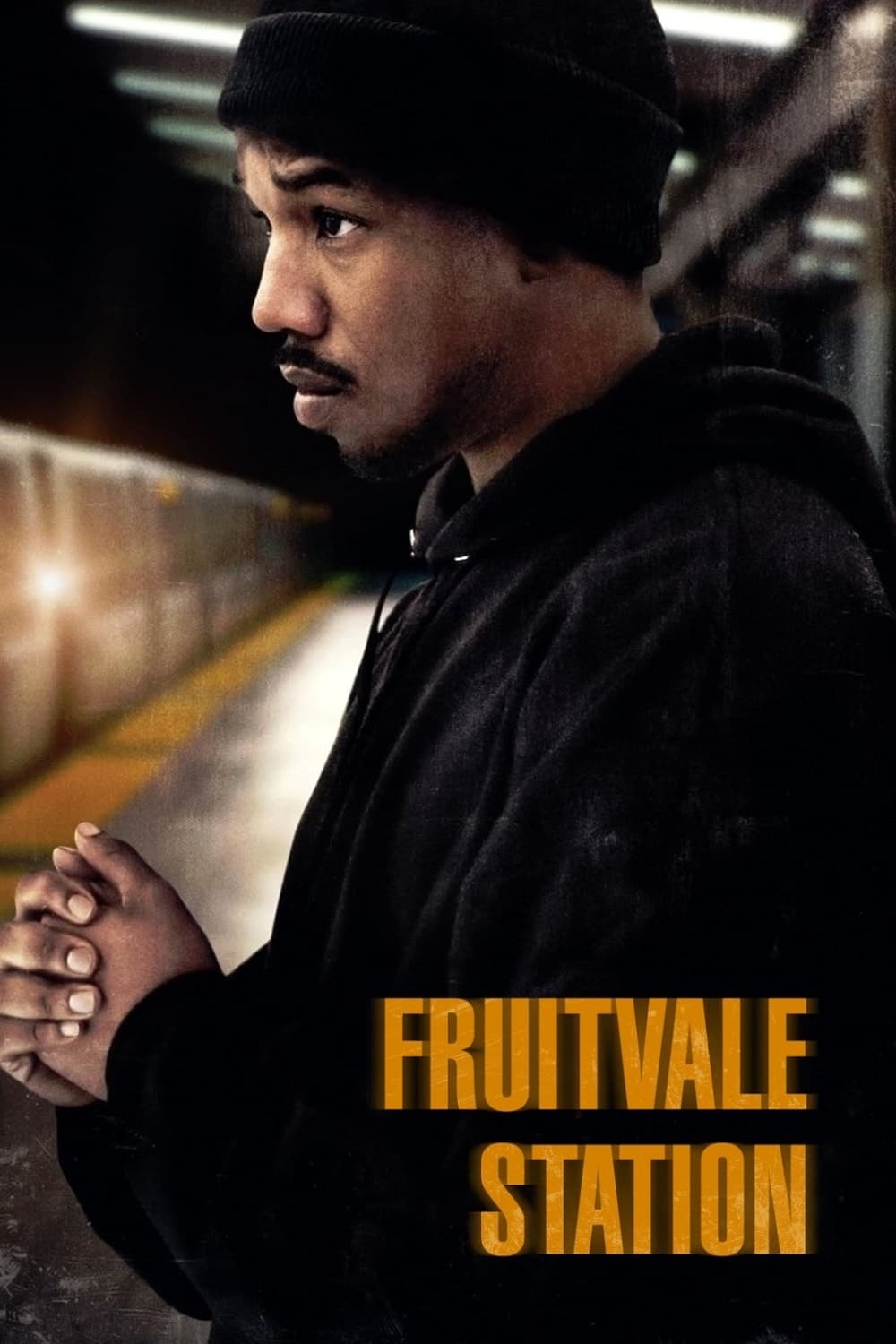
This drama recounts the last day of Oscar Grant, who was fatally shot by a transit officer at Oakland’s Fruitvale station on January 1, 2009. The film follows his movements through the Bay Area, showing family interactions and witness accounts that later appeared in investigations.
Written and directed by Ryan Coogler and starring Michael B. Jordan and Octavia Spencer, the film premiered at the Sundance Film Festival, where it received the Grand Jury Prize and Audience Award. It is often referenced in discussions about policing, public transit security, and cell phone video as evidence.
‘One Night in Miami…’ (2020)
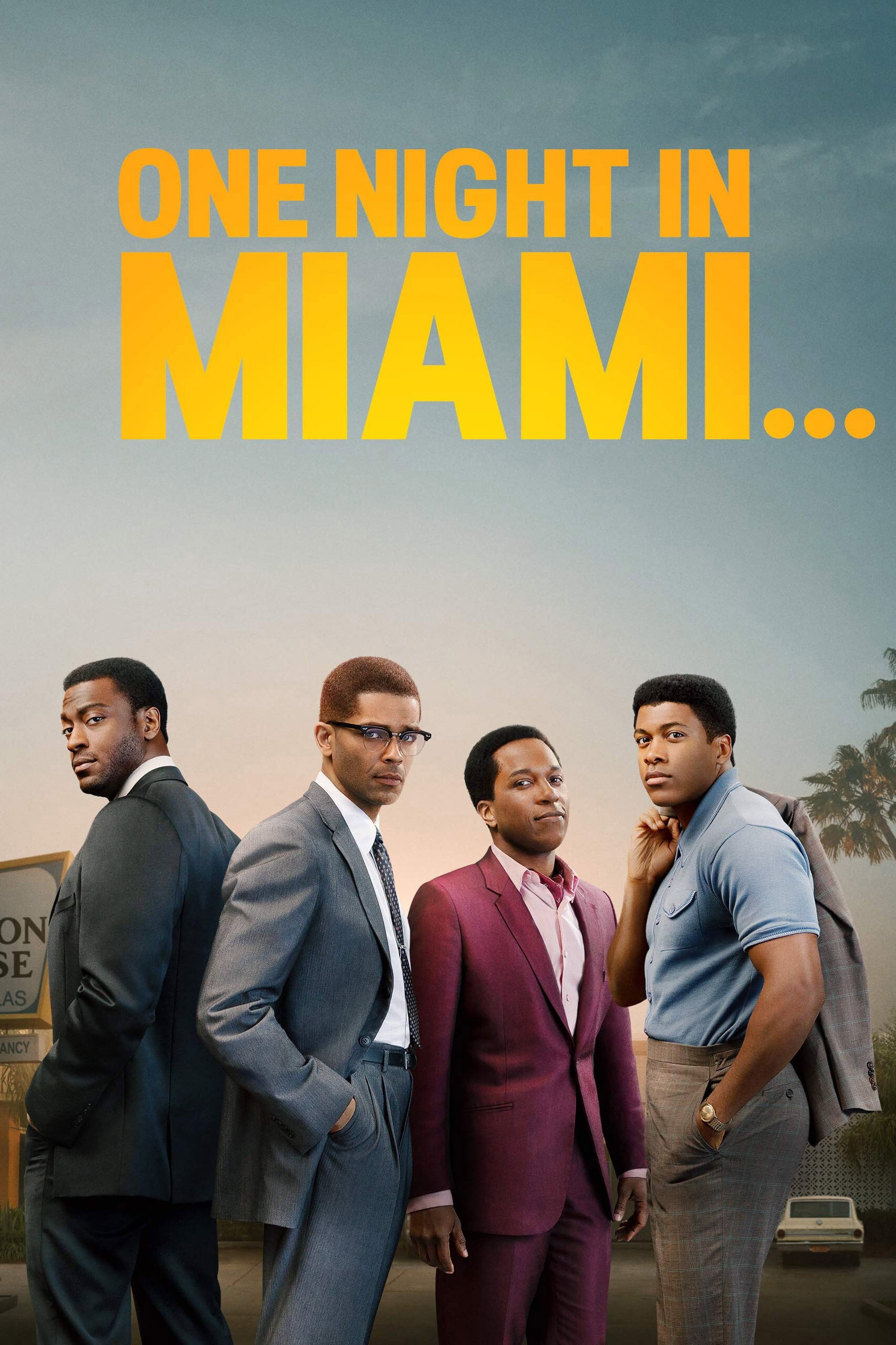
Adapted from Kemp Powers’ play, the film imagines a meeting on February 25, 1964 involving Malcolm X, Muhammad Ali, Sam Cooke, and Jim Brown. It sets the conversation soon after Ali’s heavyweight title win and uses that night to explore their public platforms and private decisions.
Directed by Regina King and filmed largely in New Orleans, the production received Academy Award nominations for Best Supporting Actor for Leslie Odom Jr., Best Adapted Screenplay, and Best Original Song. The film includes period music, archival photographs, and references to real bookings and venues from the era.
‘BlacKkKlansman’ (2018)
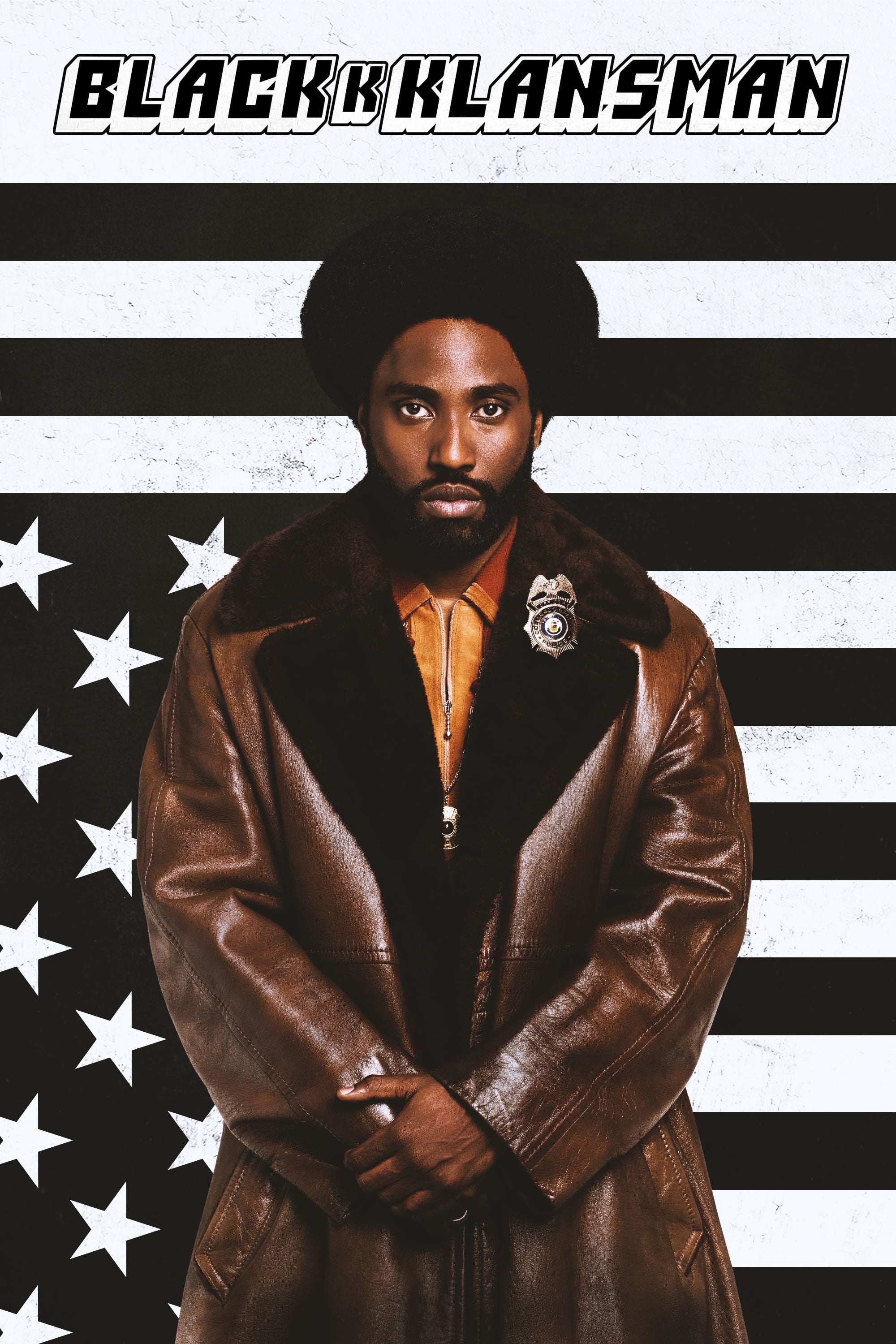
Based on the memoir by Ron Stallworth, the film follows a Black detective in Colorado Springs who initiated an investigation into a local chapter of the Ku Klux Klan in the 1970s. The narrative shows how phone calls, undercover work, and cross departmental cooperation were used to gather information.
Directed by Spike Lee and starring John David Washington and Adam Driver, the film received the Academy Award for Best Adapted Screenplay. It combines staged scenes with archival footage to connect the historical story to documented public events and speeches.
’13th’ (2016)
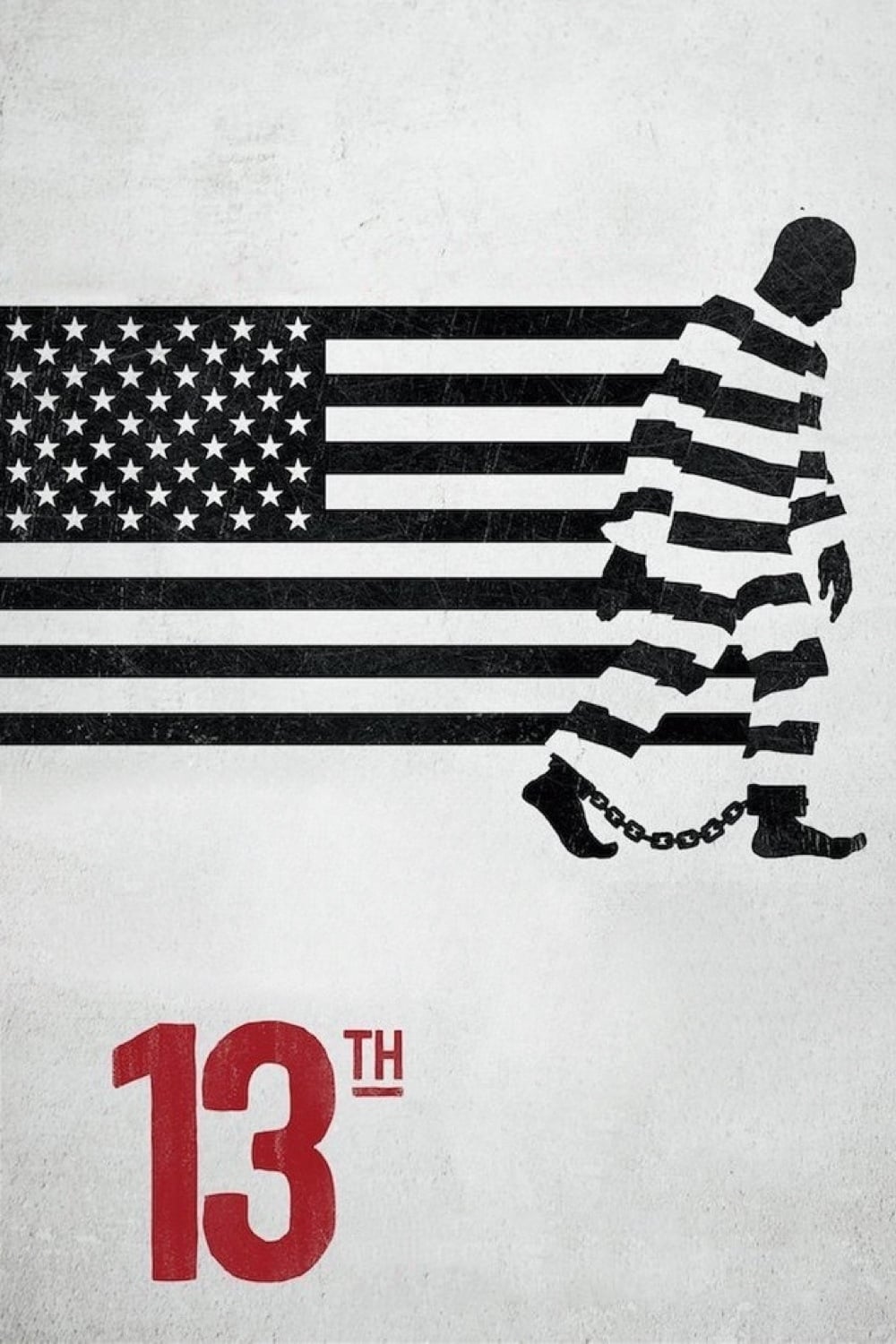
This documentary examines the relationship between the Thirteenth Amendment and the rise of mass incarceration in the United States. It presents historical data, archival footage, and expert interviews to trace policy shifts from Reconstruction to the present.
Directed by Ava DuVernay, the film received an Academy Award nomination for Best Documentary Feature. It includes graphics that break down incarceration trends and campaign materials that show how crime and punishment were framed in national debates.
‘I Am Not Your Negro’ (2016)
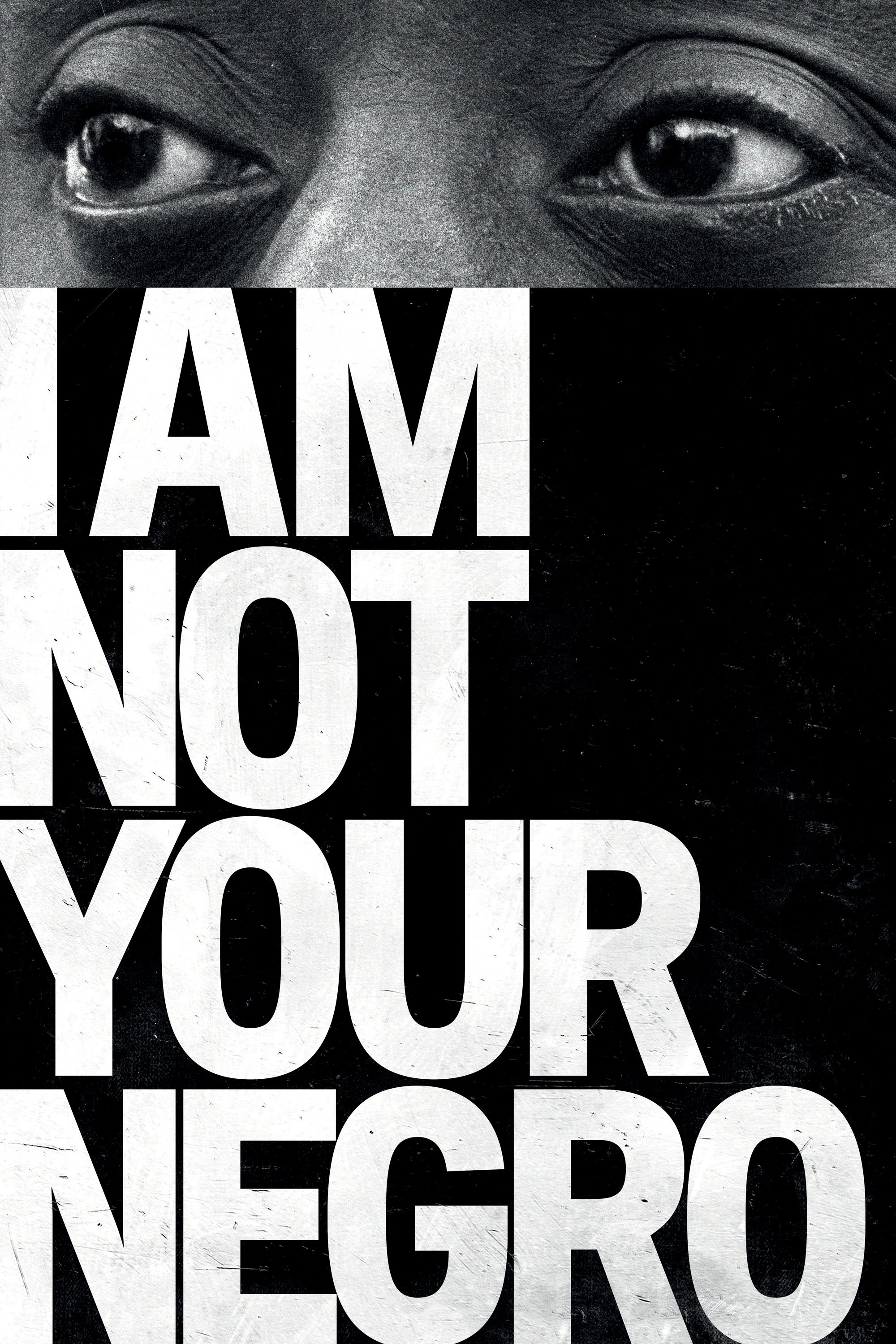
The film builds on James Baldwin’s unfinished manuscript Remember This House, focusing on his reflections on Medgar Evers, Malcolm X, and Martin Luther King Jr. It uses Baldwin’s words alongside news clips and talk show appearances to show how he analyzed race in America.
Directed by Raoul Peck and narrated by Samuel L. Jackson, the documentary received an Academy Award nomination for Best Documentary Feature. It draws from published essays, letters, and interviews, creating a timeline that links the civil rights era to later cultural conversations.
‘Loving’ (2016)
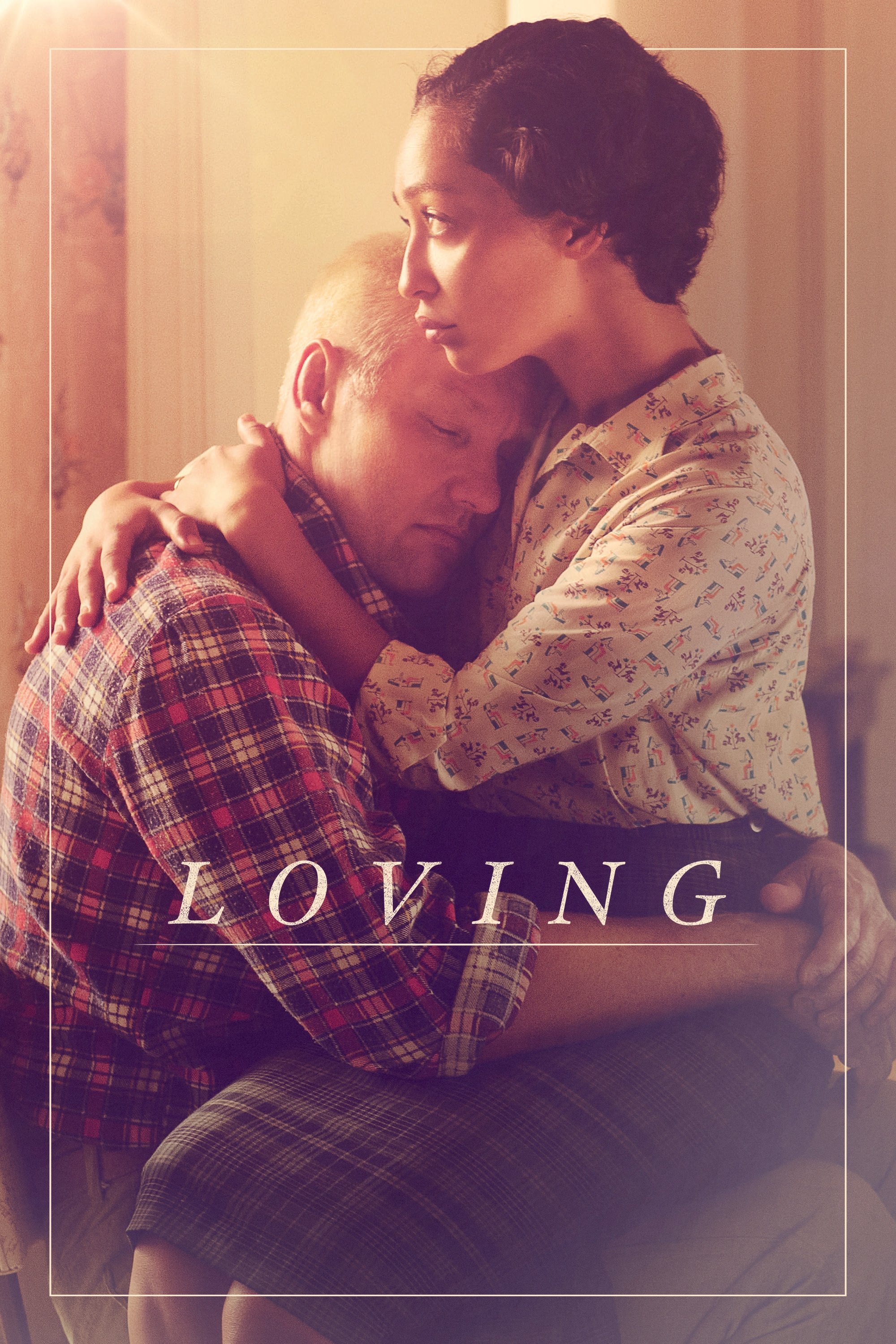
This drama follows Mildred and Richard Loving, an interracial couple whose case led to the 1967 Supreme Court decision that struck down state bans on interracial marriage. The film shows their arrest, relocation order, and the legal path that brought their case before the Court.
Written and directed by Jeff Nichols, the film stars Ruth Negga and Joel Edgerton. Negga received an Academy Award nomination for Best Actress, and the production filmed in Virginia to capture locations similar to the real communities involved in the case.
‘Get on Up’ (2014)
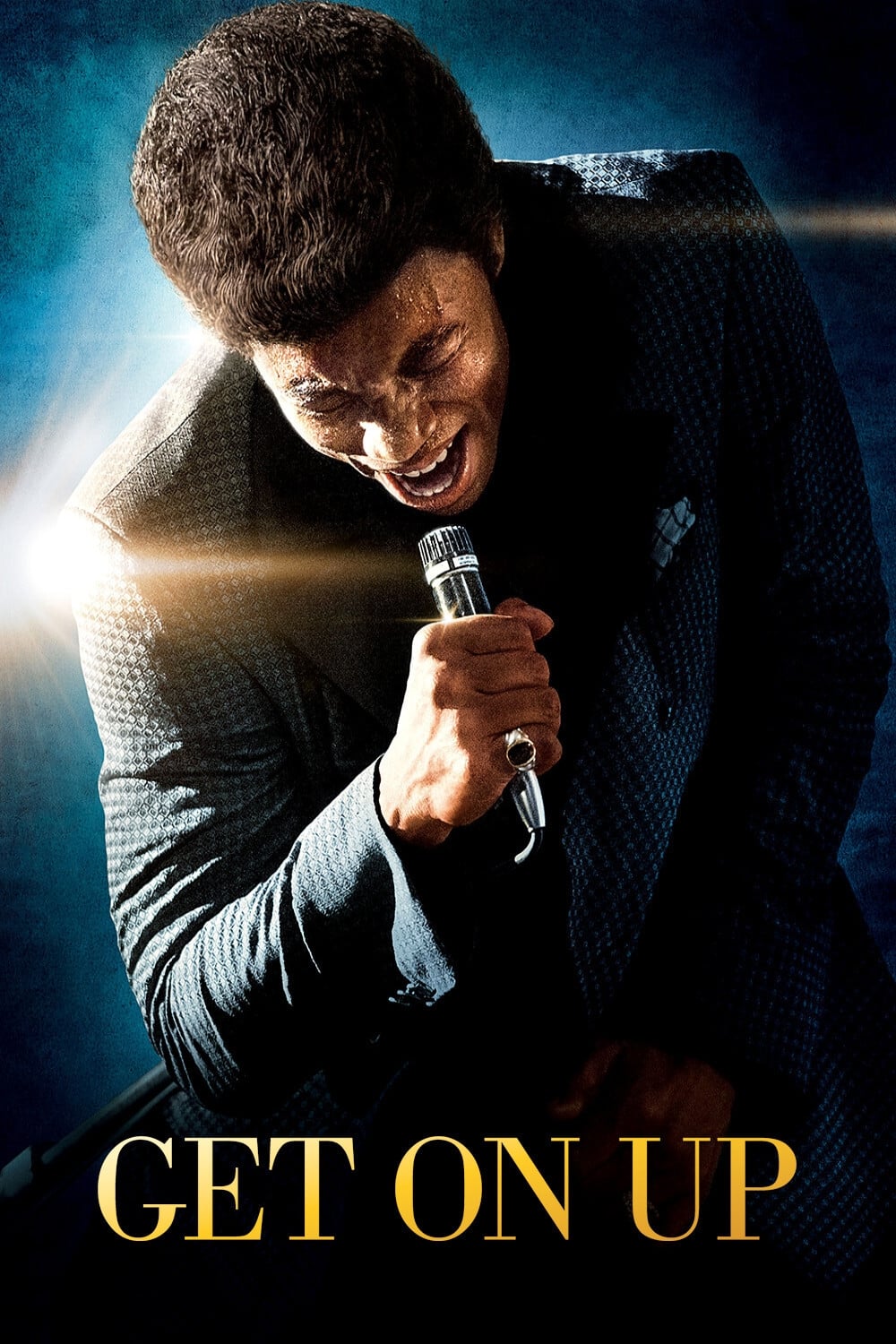
This biographical film covers the life and career of James Brown, from childhood in the rural South to his work as a recording and touring artist. It charts his collaborations, business decisions, and the musical innovations that shaped his stage shows and studio sessions.
Directed by Tate Taylor and starring Chadwick Boseman, the film features recreations of famous performances and recording dates. Producers included Brian Grazer and Mick Jagger, and the soundtrack draws on original recordings to match specific periods in Brown’s career.
‘Ray’ (2004)
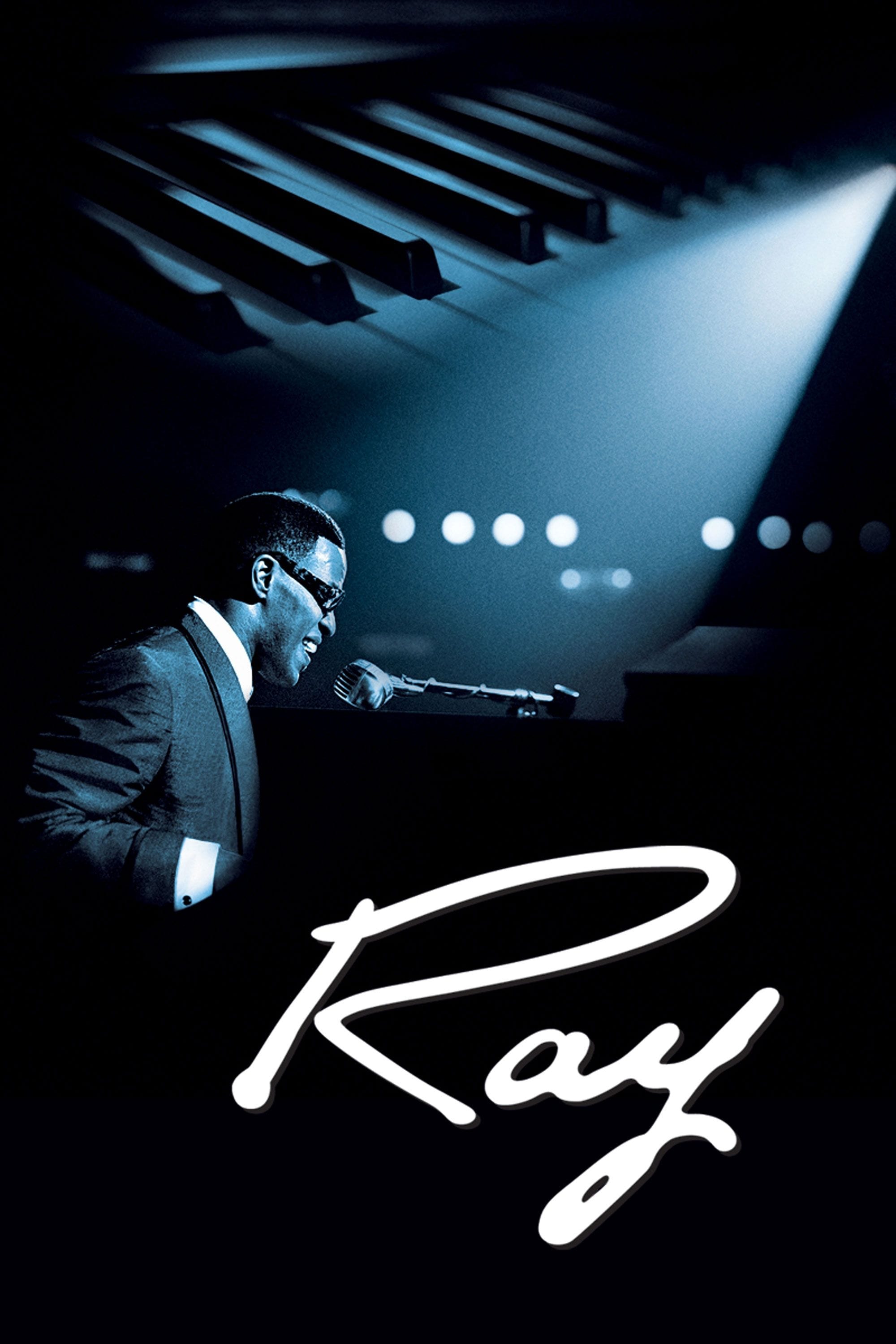
This biography of Ray Charles follows his early years, the development of his sound, and his work across rhythm and blues, country, and pop. It shows touring schedules, label negotiations, and the recording sessions behind well known songs.
Directed by Taylor Hackford and starring Jamie Foxx, the film received multiple Academy Awards, including Best Actor for Foxx. The production worked with Charles before his death to ensure access to masters and performance details, and Foxx played piano for many scenes.
‘Mudbound’ (2017)
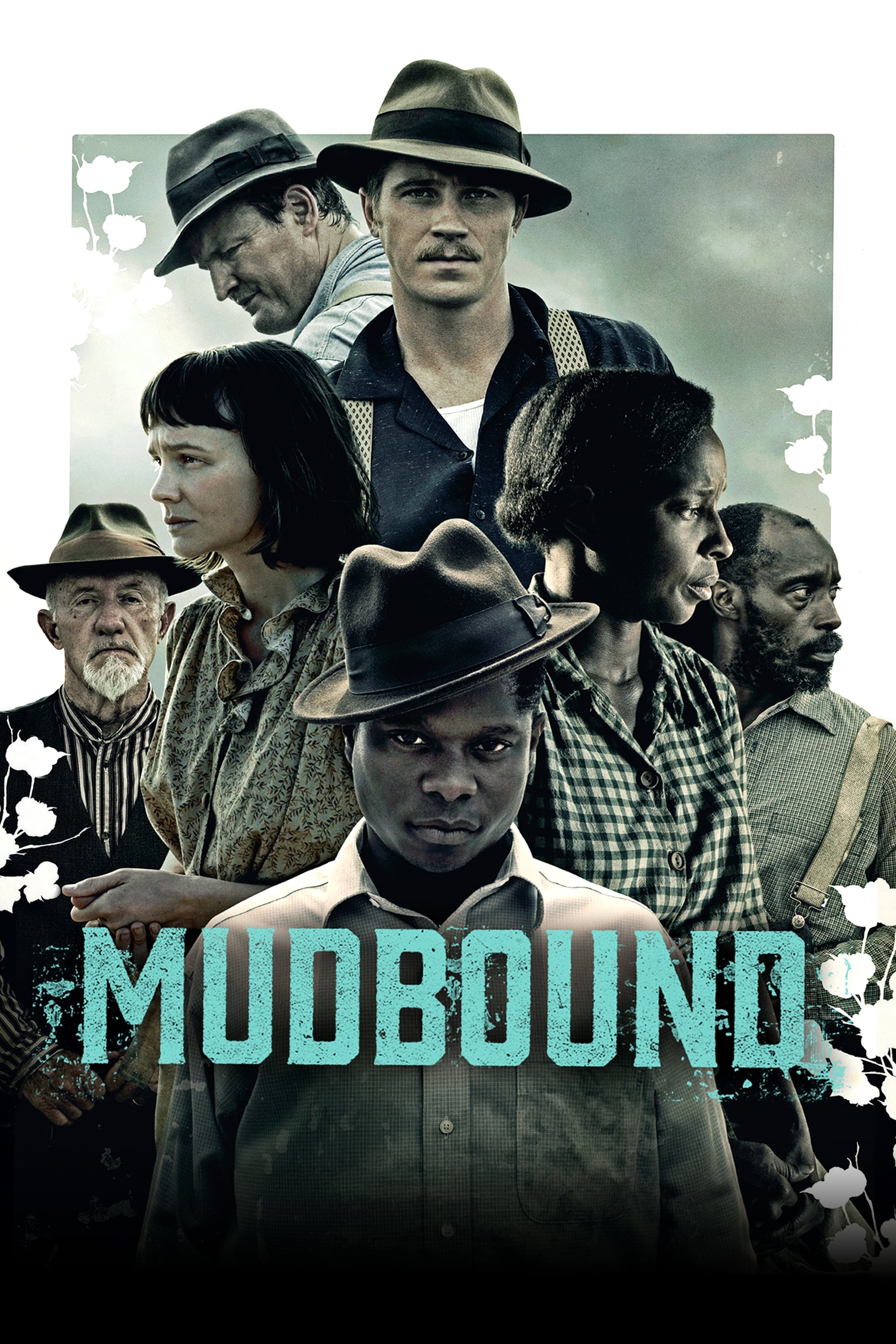
Set in rural Mississippi during and after World War II, the film follows two families, one Black and one white, as they navigate farming, military service, and the return to civilian life. It examines voting restrictions, land ownership, and the daily realities of Jim Crow era social rules.
Directed by Dee Rees and based on the novel by Hillary Jordan, the film received Academy Award nominations for Supporting Actress for Mary J. Blige, Original Song, Adapted Screenplay, and Cinematography. Rachel Morrison became the first woman nominated for Best Cinematography, and the film is used to discuss historical memory through parallel storytelling.
‘Sounder’ (1972)
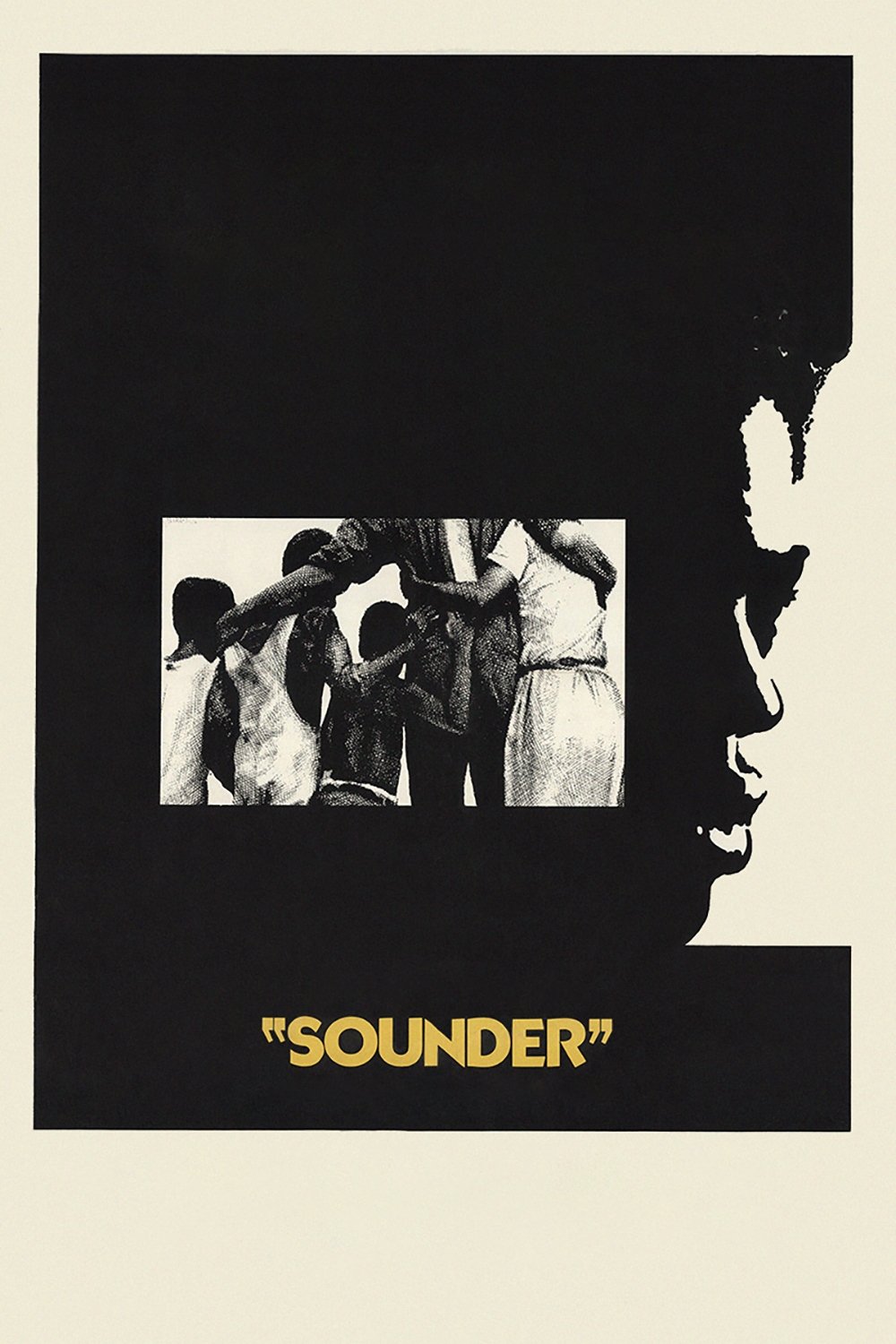
Set in 1930s Louisiana, this drama follows a sharecropping family after the father is sent to a prison farm. The film presents school access, labor conditions, and family networks during the Great Depression in the rural South.
Directed by Martin Ritt and based on William H. Armstrong’s novel, the film stars Cicely Tyson and Paul Winfield. It received Academy Award nominations for Best Picture, Best Actress, Best Actor, and Best Adapted Screenplay, and it remains a reference point for classroom discussions of the period.
’42’ (2013)
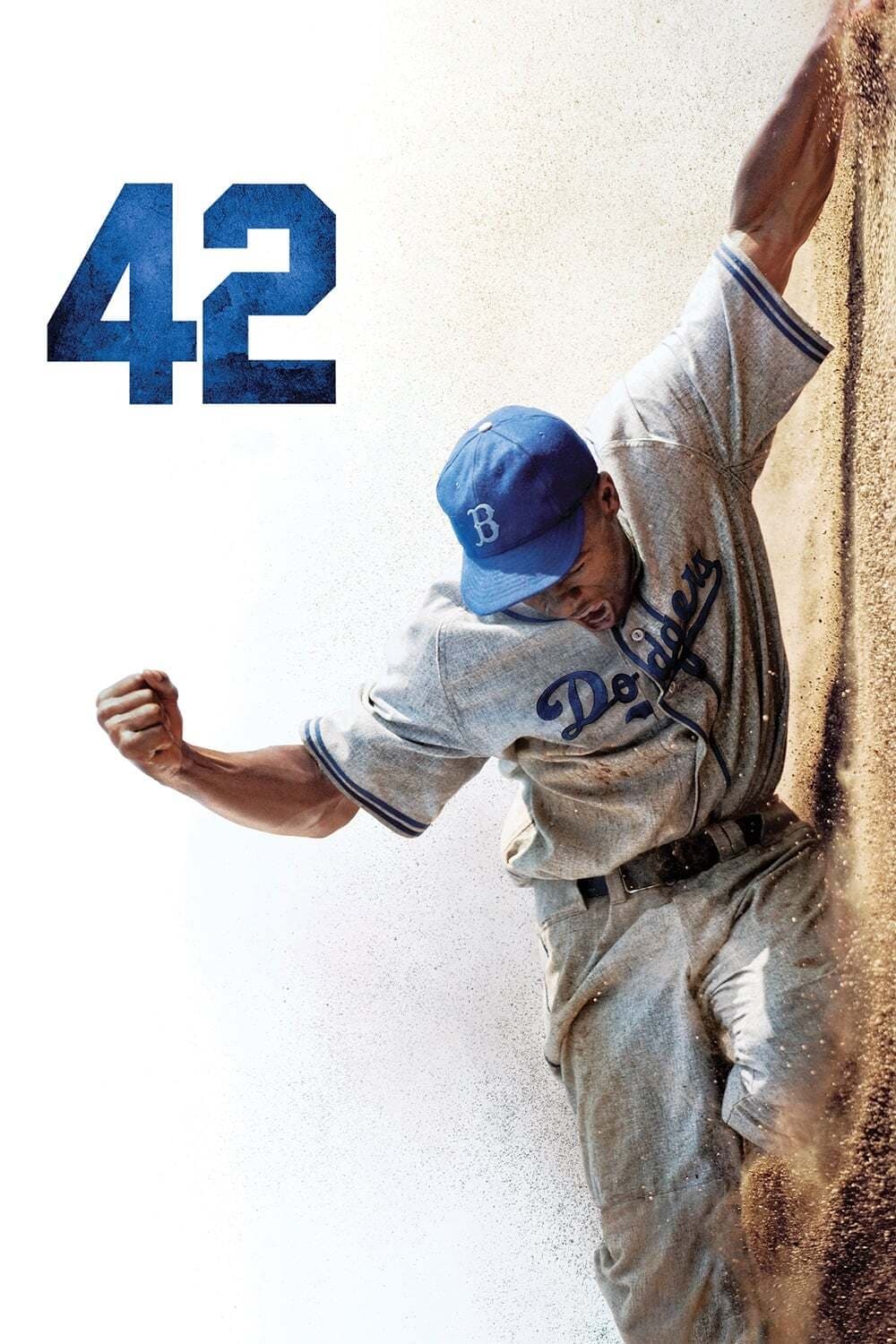
The film follows Jackie Robinson’s 1947 season with the Brooklyn Dodgers and the agreement that brought him from the minor leagues to the majors. It covers negotiations with team executive Branch Rickey, travel restrictions, and clubhouse dynamics that shaped his first year.
Written and directed by Brian Helgeland, the film stars Chadwick Boseman as Robinson and Harrison Ford as Rickey. It recreates notable games, uniforms, and stadiums, and it highlights the broader impact of Robinson’s debut on sports and business practices.
‘Do the Right Thing’ (1989)
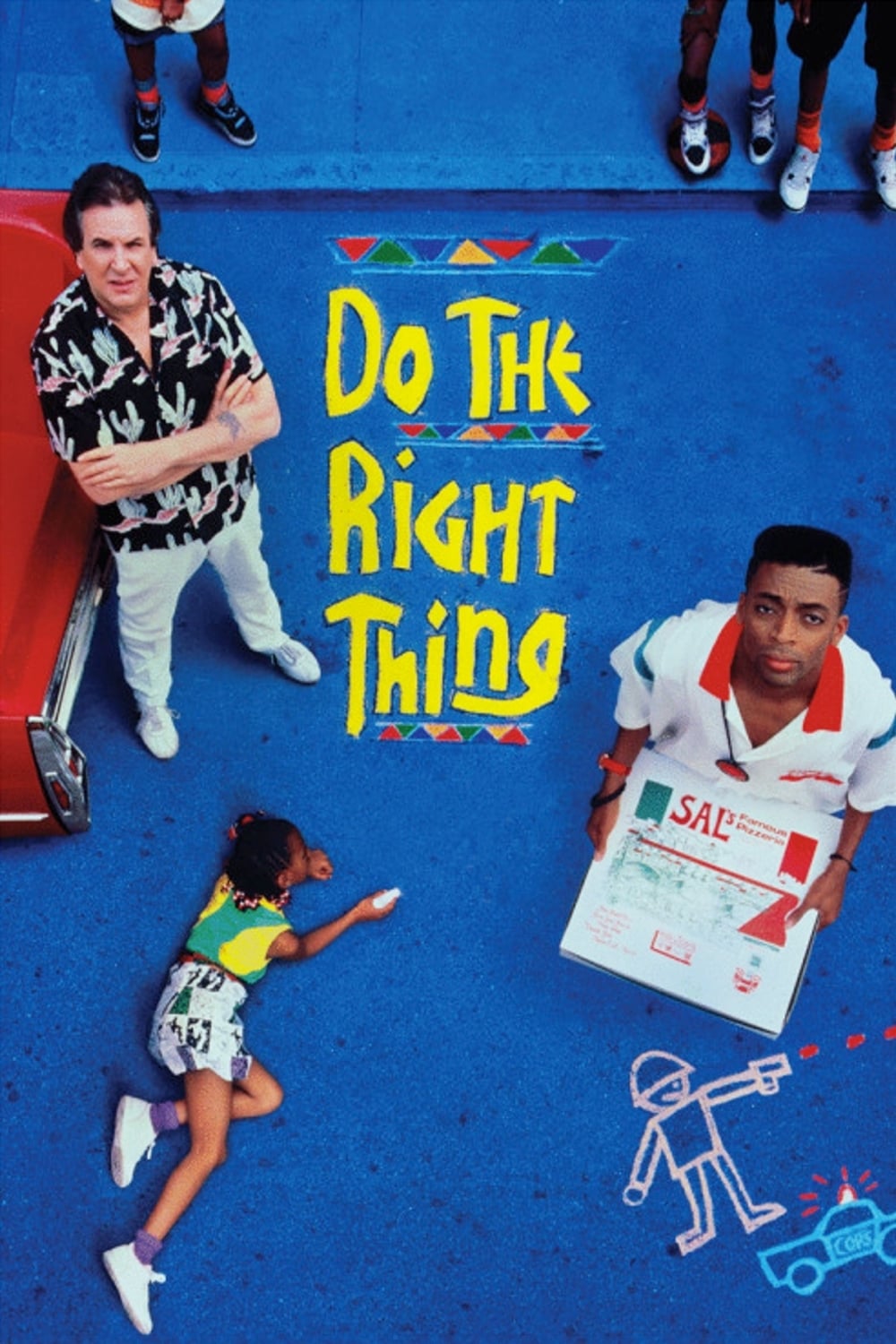
Set on a single summer day in Brooklyn, the film portrays a multiracial neighborhood through the routines of residents and small business owners. It shows how local history, music, and public space can shape interactions that escalate into a confrontation with police.
Written and directed by Spike Lee, the film stars Lee, Danny Aiello, and Rosie Perez. It received Academy Award nominations for Best Original Screenplay and Best Supporting Actor for Aiello, and it has been selected for preservation in the National Film Registry.
Share your favorite picks and any must add titles in the comments.