5 Things About ‘Everybody Loves Raymond’ That Made Zero Sense and 5 Things About It That Made Perfect Sense

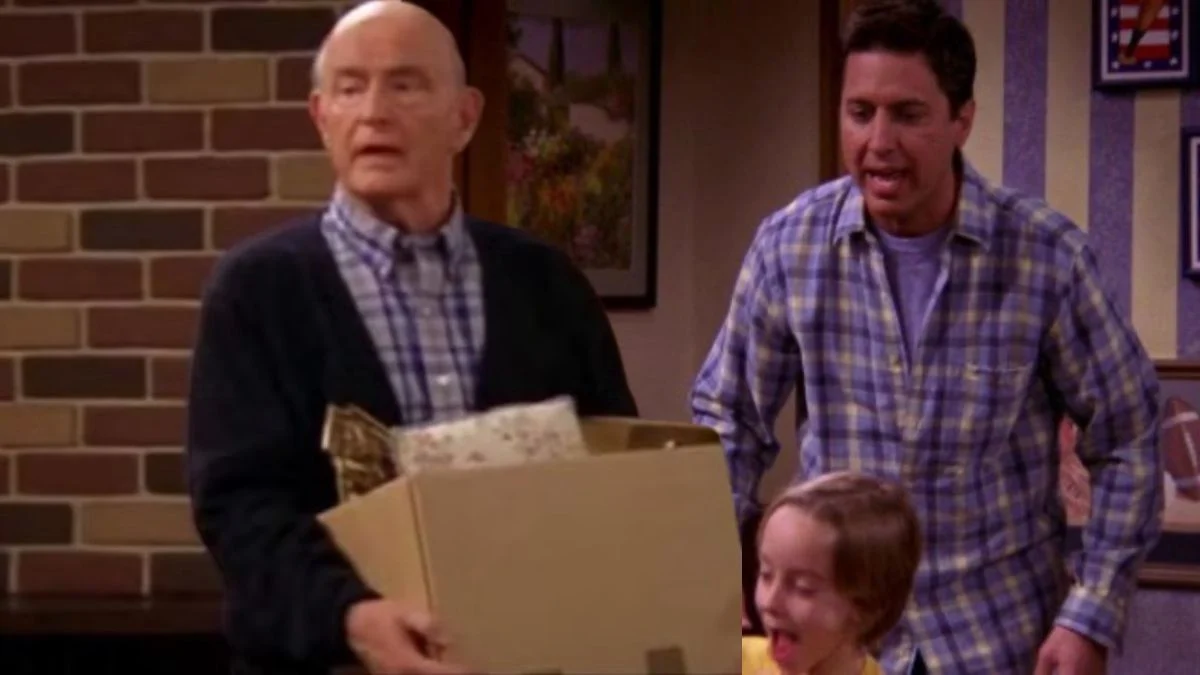

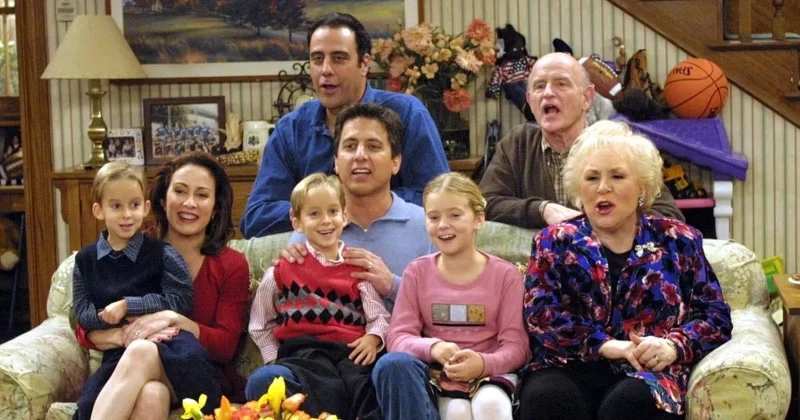
‘Everybody Loves Raymond’ was one of the most beloved sitcoms of its time, running for nine seasons and delivering countless laughs centered around the Barone family. The show balanced relatable humor with exaggerated scenarios that kept audiences coming back week after week. While the family dynamics were a highlight, there were also plenty of moments that stretched logic or left viewers scratching their heads.
Looking back at the series, certain aspects of the show stand out as confusing or unrealistic, while others hit so close to home that they perfectly reflected real family life. Here are five things about ‘Everybody Loves Raymond’ that made zero sense and five things about it that made perfect sense.
Zero Sense: Marie’s Constant Intrusions
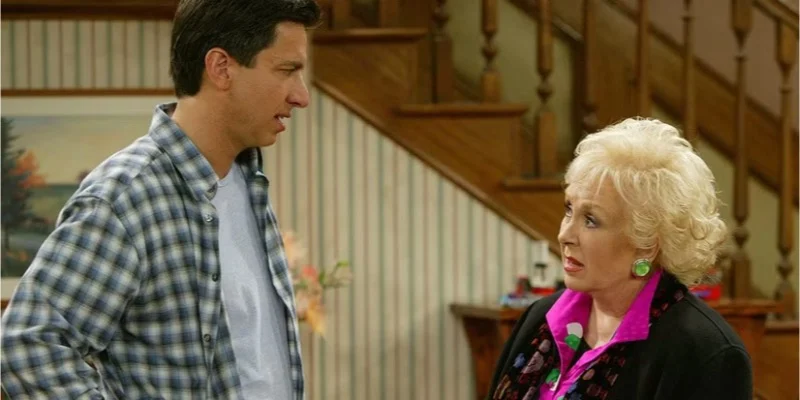
Marie walking into Ray and Debra’s house without knocking was a running gag, but it was unrealistic how often it happened without any boundaries being set. Most people would eventually change the locks or have a serious conversation about personal space. Yet the Barones let it continue for years, creating conflict that seemed preventable.
What made it more baffling is how exaggerated the intrusions became, with Marie controlling everything from how Debra cooked to how they raised the kids. While funny, it felt like no one in the household ever drew a hard line, which would have been the natural response in real life.
Perfect Sense: Sibling Rivalry Between Ray and Robert

The rivalry between Ray and Robert was one of the most realistic aspects of the show. From Ray getting the spotlight while Robert felt overlooked, to the constant competition over their parents’ approval, it captured a very common family dynamic.
Many siblings can relate to feelings of favoritism and resentment, and the show portrayed these with humor but also authenticity. Even as adults, the brothers’ rivalry remained a central theme, proving that old sibling tensions don’t always disappear with age.
Zero Sense: Ray’s Career Success
Ray worked as a sportswriter from home and somehow managed to afford a spacious suburban house and support three kids on a single income. His career was rarely shown as stressful, and deadlines barely ever seemed to impact his home life.
In reality, the financial side of his lifestyle seemed implausible, especially given Debra did not work outside the home. The show treated his job as more of a background prop than a genuine career, which didn’t line up with the family’s comfortable lifestyle.
Perfect Sense: Debra’s Frustrations
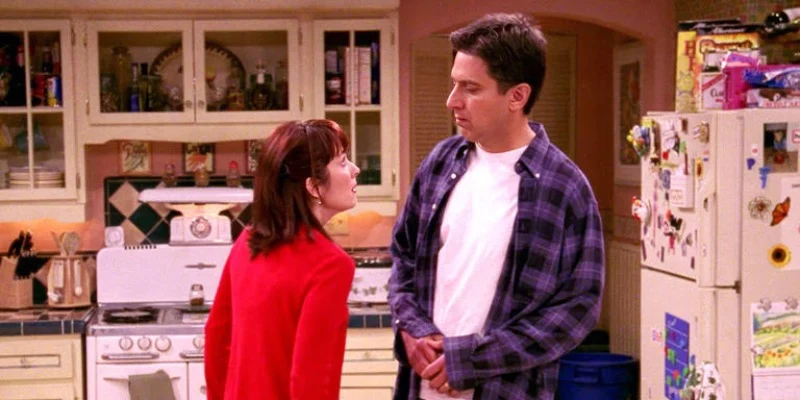
Debra’s constant frustrations with Ray and his family made complete sense. She was often the one stuck handling the household, dealing with intrusive in-laws, and picking up the slack when Ray avoided responsibility.
Her exasperation reflected the experiences of many spouses who feel like they carry more of the domestic load. The way she voiced those frustrations felt very true to life, even when exaggerated for laughs.
Zero Sense: Robert’s Dating Struggles

Robert was tall, kindhearted, and a respected police officer, yet the show portrayed him as someone who struggled endlessly with women. His bad luck with relationships was played up for comedic effect, but it often stretched believability.
While insecurity was part of his character, it seemed unlikely that someone with his qualities would fail as often as he did. The show made his dating life more tragic than realistic at times, just to give him a running gag.
Perfect Sense: Frank’s Blunt Attitude
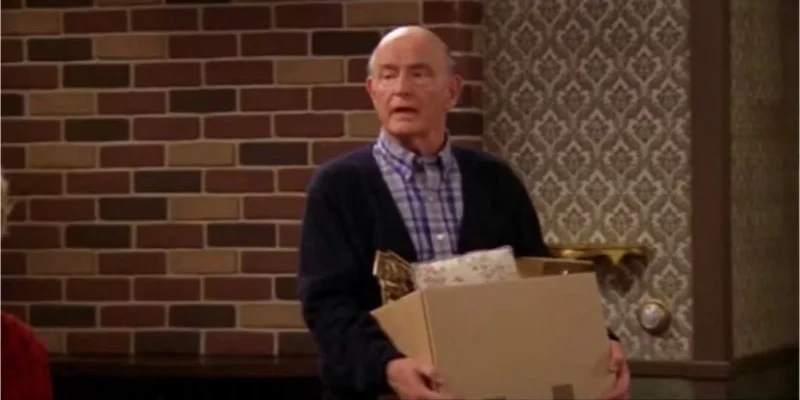
Frank Barone’s gruff, no-nonsense personality made a lot of sense in the family dynamic. He represented the old-fashioned father figure who showed affection through toughness rather than tenderness.
His interactions with Marie, Ray, and Robert reflected how some men of his generation expressed themselves. Even though he could be insensitive, his bluntness felt grounded in a recognizable type of dad or grandfather figure.
Zero Sense: The Kids’ Minimal Role
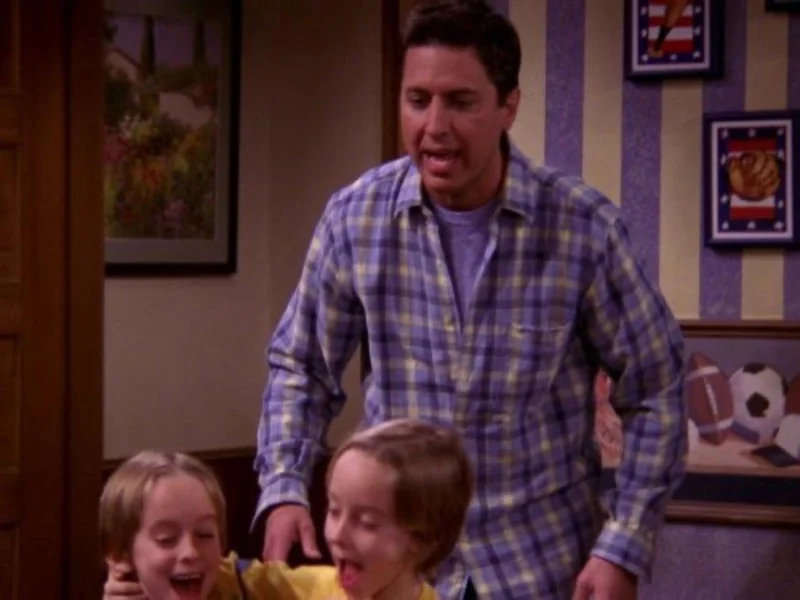
For a show about a family with three children, the kids were rarely part of the storylines. Most episodes barely featured them, and when they did appear, they had little impact on the plot.
Considering how central parenting is to daily life, it was odd that the kids were mostly background characters. Their absence made the household feel less realistic compared to actual families juggling children and other responsibilities.
Perfect Sense: Marie’s Manipulative Love
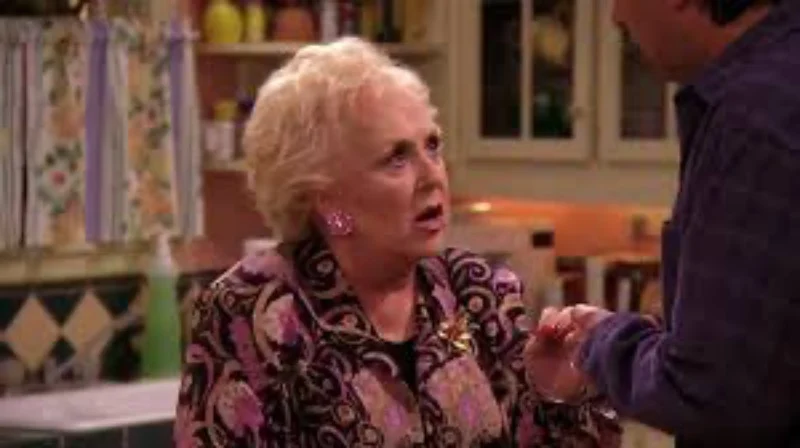
Marie’s behavior may have been over-the-top, but the way she used guilt and overbearing affection to get her way felt very true to life. Her blend of criticism and love reflected the complexity of many parent-child relationships.
She embodied the meddling mother-in-law archetype perfectly, and her dynamic with Debra especially captured the tension that arises when strong personalities clash in a family.
Zero Sense: The Lack of Serious Consequences
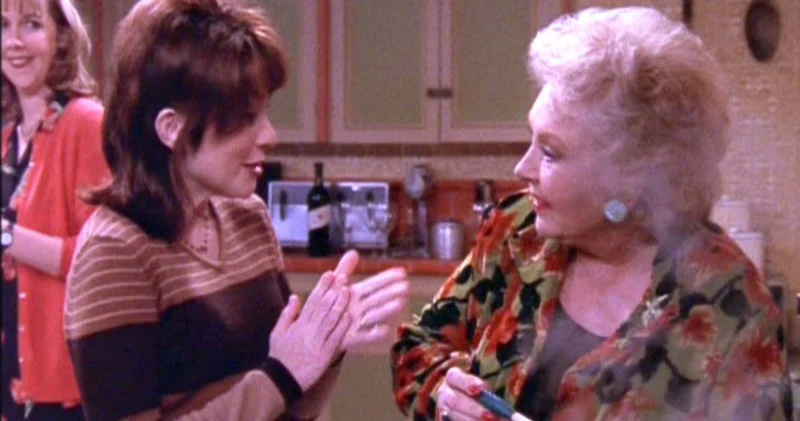
Despite endless arguments, insults, and boundary-crossing, the family never seemed to face serious consequences. Relationships never broke down, and nobody ever cut ties, which felt unrealistic after years of drama.
In real life, constant fighting and meddling might lead to estrangement or at least long periods of distance. The show kept everyone close for the sake of comedy, but it made the family dynamic seem oddly indestructible.
Perfect Sense: Everyday Family Conflicts

At its heart, the show captured the small, everyday conflicts that families experience. Arguments over chores, dinners, and in-laws were relatable and gave the comedy its charm.
The focus on ordinary struggles was what made the show resonate with so many viewers. Even with exaggerated moments, the foundation was built on experiences that most families could recognize in their own lives.
What did you think about the quirks of the Barone family? Share your thoughts in the comments!