5 Ways the ‘Two and a Half Men’ Aged Poorly (& 5 Ways It Aged Masterfully)


‘Two and a Half Men’ ran for twelve seasons with a simple setup that centered on two brothers and a growing kid under one roof. The show leaned on a consistent Malibu house backdrop, a rotating set of supporting characters, and fast punchline pacing that made episodes easy to drop into at any point.
Its long life means different parts of the series reflect different standards in comedy and culture. Some elements now read as dated while others still function smoothly for new viewers who find it in syndication or on streaming. Here is a balanced look at what changed and what continues to work.
Aged Poorly: Stereotypes about women and dating culture

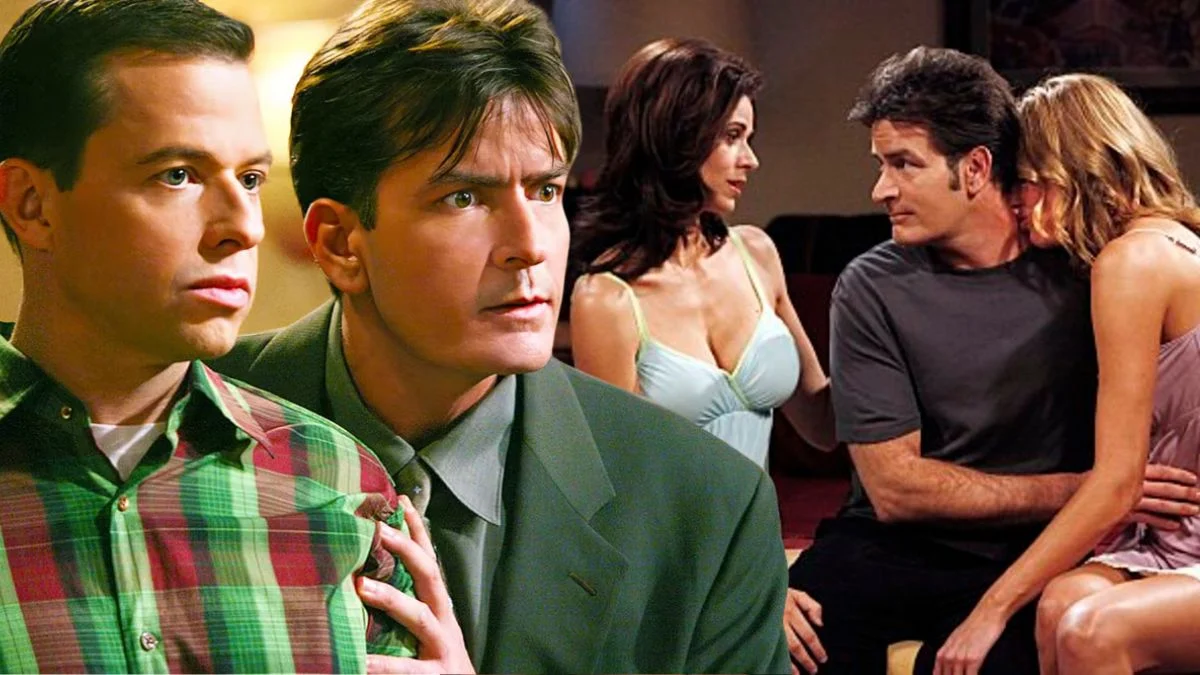
Many stories hinge on a lead character who cycles through short term relationships that are labeled by appearance or age rather than personality. Episodes often sort women into set roles such as the ex who returns, the neighbor who fixates on the lead, or the date who exists to set up a punchline about jealousy or status.
Plots also use pursuit that ignores boundaries and then treats persistence as a romantic gesture. Scenes show characters reading private messages, following someone without consent, or turning a refusal into a gag. These choices come up across seasons and are used as reliable joke engines rather than as behavior that is examined by the story.
Aged Masterfully: Self-contained episodes built for reruns
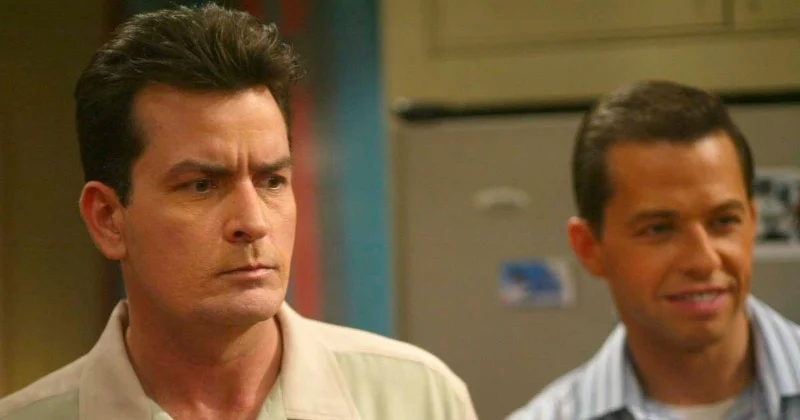
Most episodes resolve the main conflict within the half hour and reset the household by the tag. The A story usually stays inside the house while the B story pairs two characters for a short detour. This structure lets stations schedule episodes in any order without confusing new viewers.
The show also relies on a small cluster of locations and a familiar weekly rhythm. That makes reruns easy to package for long rotation blocks and helps casual viewers understand who is who within the first few minutes. The format supports quick recaps and clear stakes in every scene.
Aged Poorly: Jokes about weight and body image
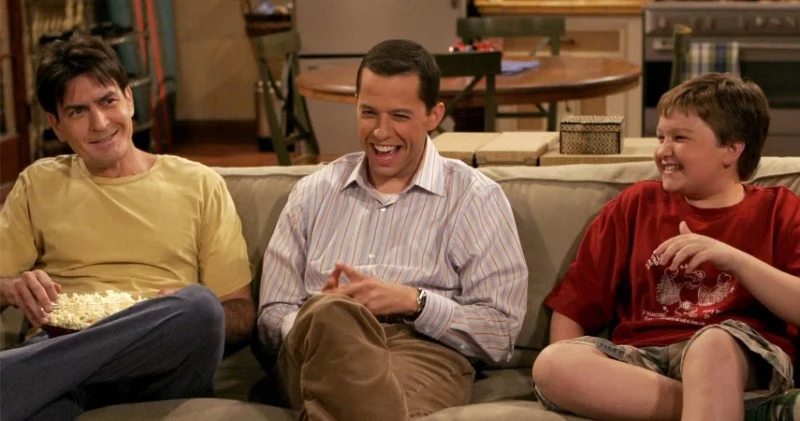
A steady stream of lines frame eating and weight as stand in punchlines, especially for the kid at the center of the household. Food serves as a quick visual cue, with scenes that underline consumption rather than character choices or growth.
Similar jokes extend to side characters and guest roles. These moments often use body comments to speed through a beat instead of building a new situation, which locks the humor to a style that many modern comedies have moved away from.
Aged Masterfully: Adaptation after a major cast change
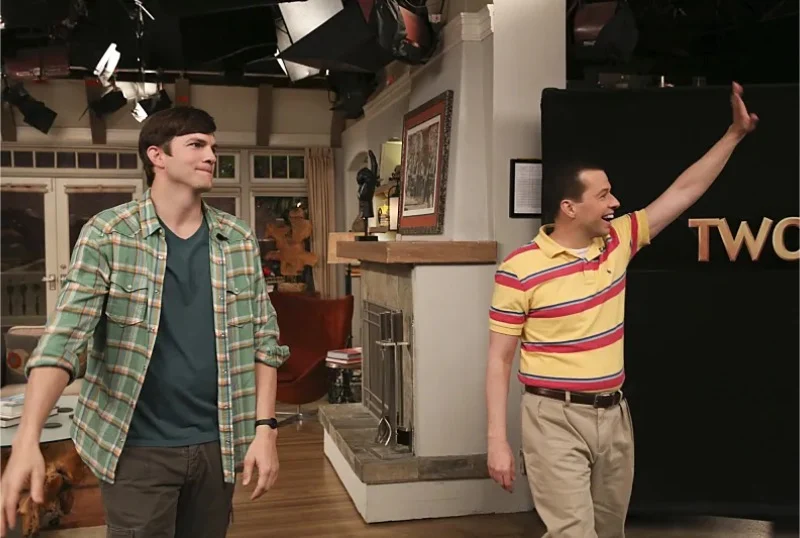
When the original lead exited, the production introduced a new central character and redefined the household without abandoning the core premise. The writers kept the same home base and redistributed responsibilities so the scenes still flowed through the kitchen, living room, and balcony.
The show extended for multiple seasons after the shift by threading in new relationships and adjusting dynamics between returning characters. It preserved the episodic design, which allowed viewers to keep sampling without needing to track long arcs from earlier seasons.
Aged Poorly: Gay panic and masculinity gags

Dialogue sometimes leans on a reveal that a character might be perceived as gay and then treats that misunderstanding as the joke. The humor depends on discomfort rather than on a specific situation or wordplay.
Flirtation between men is presented as a setup for a quick correction, and clothing or grooming choices are used to signal the punchline. These patterns reflect common sitcom habits from the era but they date the show for audiences who expect humor that does not rely on that frame.
Aged Masterfully: Clear character archetypes that anchor stories
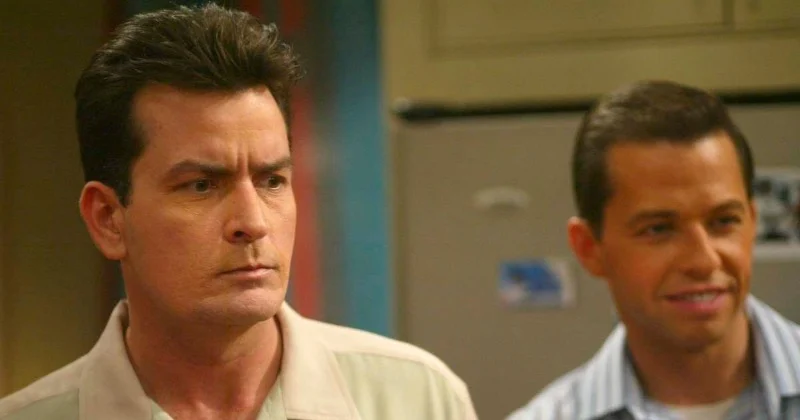
The core trio forms a reliable triangle. One brother seeks order, one disrupts it, and the kid toggles between them based on the week’s problem. That blueprint gives the writers a clean way to assign goals and obstacles in every scene.
Recurring players support the engine without heavy exposition. The housekeeper brings blunt truth, the mother adds social pressure, and the neighbor pushes the plot back into the house. These roles help the episode hit story beats on time and keep the pace steady.
Aged Poorly: Alcohol played as a harmless running bit
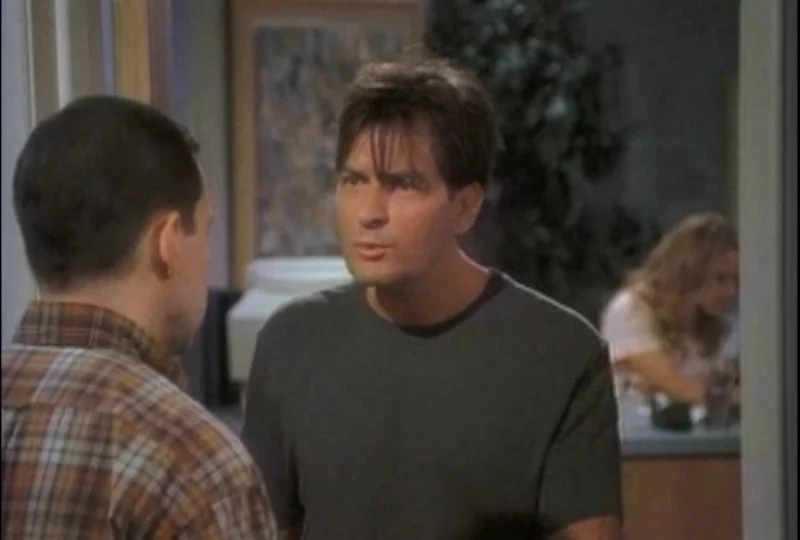
Frequent scenes revolve around drinking before difficult conversations or as a reward after minor stress. Characters keep bottles visible in the frame and pour without acknowledgment of cost or effect beyond a laugh.
Few stories explore consequences beyond a hangover joke or a missed appointment. The pattern treats consumption as a personality trait that can be toggled for timing, which reduces the space for more varied sources of humor.
Aged Masterfully: Dialogue density and international portability
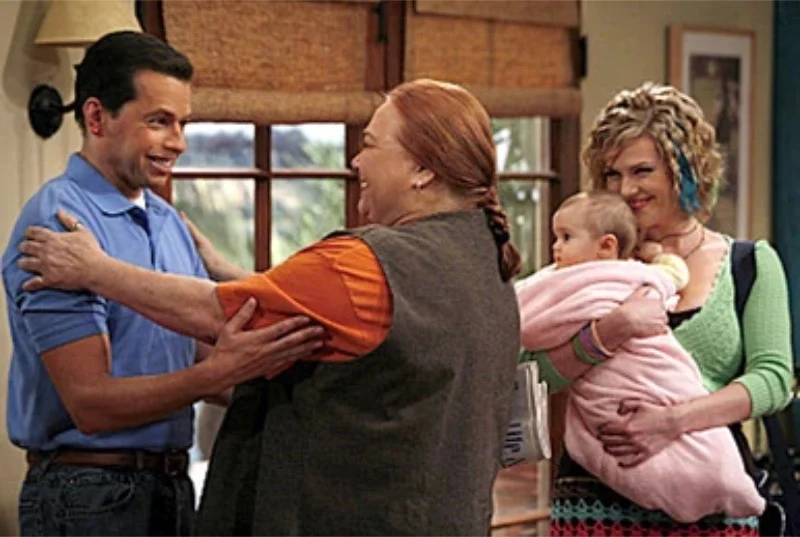
Scripts pack short set ups and fast reactions into each exchange. The writers use callbacks and clean button lines that do not require visual effects or extensive location work. That economy keeps episodes tight and easy to subtitle or dub.
Because much of the humor is verbal and tied to the household, the show travels well. Distributors can deliver consistent episodes across many regions without complex edits, which helps the series remain present in global catalogs.
Aged Poorly: Tech and pop culture references frozen to a moment

Early seasons rely on landlines, printed directories, and ringtone jokes that only make sense for a narrow window of devices. Characters leave long messages on machines or debate plans around a shared phone, which no longer reflects everyday habits.
Even as newer phones appear on screen later, many plots still depend on behavior tied to older tech norms like long voicemails and address books on paper. These choices mark the show’s timeline more than its household setting or character arcs.
Aged Masterfully: Large catalog and stable presentation
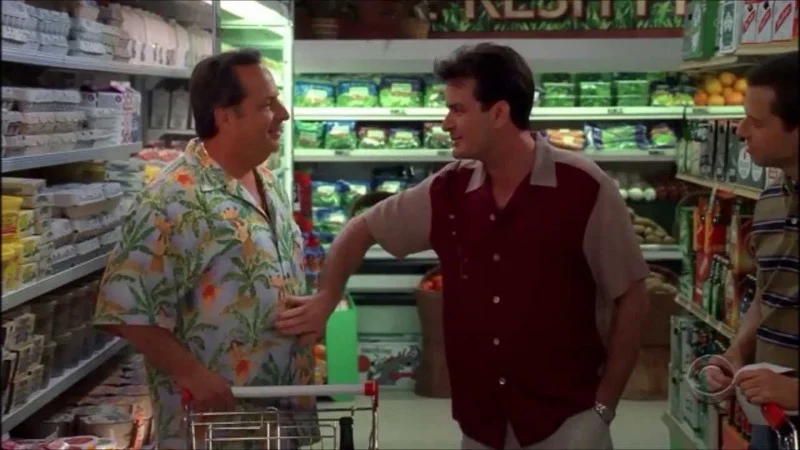
With more than two hundred episodes, schedulers can run long marathons without quick repeats. The consistent look of the living spaces and the unchanged exterior shots give the library a uniform feel that works well for packaging.
High definition masters, captions, and multiple language tracks make the series accessible to wide audiences. The combination of episode volume and technical consistency keeps ‘Two and a Half Men’ easy to find and simple to watch years after its original run.
Share which parts of ‘Two and a Half Men’ still land for you and which ones feel dated in the comments.