5 Ways the ‘Everybody Loves Raymond’ Aged Poorly (& 5 Ways It Aged Masterfully)

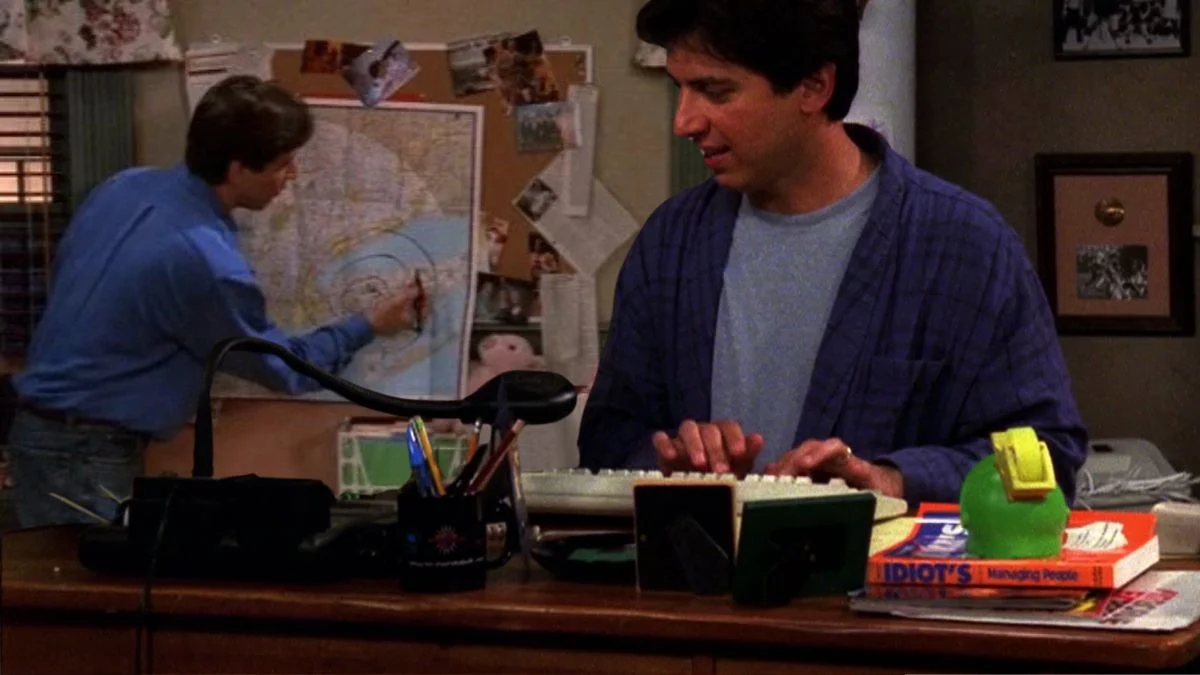

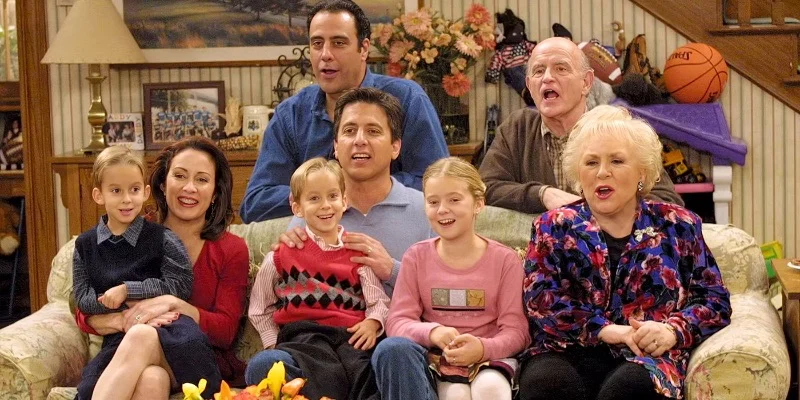
‘Everybody Loves Raymond’ follows sportswriter Ray Barone, his wife Debra, and the Barone parents who live across the street in suburban Long Island. The sitcom ran for nine seasons with 210 episodes on CBS and stars Ray Romano, Patricia Heaton, Brad Garrett, Doris Roberts, Peter Boyle, and the Sweeten siblings. The creator is Philip Rosenthal, with production from HBO Independent Productions and Worldwide Pants, and the show became a staple of network comedy.
The series uses a multi camera format with a live studio audience, and its core sets place the two homes in constant proximity to drive story friction. Scripts often drew on real family incidents, with self contained episodes that open with a brief cold open and wrap with a short tag. The show earned multiple major awards across acting and series categories and moved into wide syndication with several international remakes that adapted the Barone dynamic for local audiences.
Aged Poorly: Traditional household roles and labor
Many plots turn on Debra handling cooking, cleaning, scheduling, and schoolwork while Ray concentrates on his sportswriting job and home viewing of games. Episodes repeatedly frame kitchen competence, laundry mistakes, and bill paying as recurring sources of conflict, with Debra often managing tasks that keep the household running.
Story beats also lean on comparisons between Debra’s meals and Marie’s cooking, which appear in many episodes and position domestic work as a constant test within the family. These patterns show up in arguments about who shops, who hosts, and who is responsible when chores go wrong, creating a dependable engine for weekly stories.
Aged Masterfully: Micro conflict storytelling that scales

The show builds entire episodes from small everyday triggers such as a suitcase left on the stairs, a broken kitchen tool, or a misplaced checkbook. Writers mined common domestic friction to construct clean setups and payoffs that fit the three act structure and could be followed without prior viewing.
Table reads and revisions honed dialogue around those small problems so that scenes play clearly in front of a live audience. This process creates episodes that teach a practical playbook for sitcom construction, where a tiny mistake reliably expands into a full set of complications and then resets without heavy serialization.
Aged Poorly: Limited on screen diversity

The central family is white and Italian American, and most recurring neighbors and friends come from the same background. Storylines rarely explore perspectives beyond that immediate circle, and principal roles for people of color are scarce across the run.
The Long Island suburb setting centers a single neighborhood, workplace, and set of relatives, which narrows the range of communities represented on screen. Sports cameos and guest spots appear, yet the show’s main social world remains mostly within one cultural frame.
Aged Masterfully: Ensemble performances and recognition
Doris Roberts and Peter Boyle deliver precise timing as the Barone parents, while Patricia Heaton and Brad Garrett carry many episodes with game driven choices tied to character habits. Ray Romano’s stand up background informs rhythm and button lines that consistently land with the live audience.
The series earned multiple Emmys for acting and for the show itself, reflecting sustained craft across many departments. That recognition spans early and late seasons, which signals consistency in writing, performance, and production even as cast children grew and story arcs shifted.
Aged Poorly: Counseling and health framed as punchlines

Several stories treat marriage counseling, therapy, and medical checkups as things to avoid or mock. Jokes lean on reluctance to seek professional help, with scenes where characters resist sessions or minimize recommendations.
Medical situations often appear as brief shocks that reset by the tag, using anxiety as a quick beat rather than a sustained exploration. The approach fits the show’s reset model, yet it places support options mostly in the role of a gag or a hurdle rather than a resource.
Aged Masterfully: Clear geography and reliable staging

The two house layout allows constant cross street visits that motivate entrances without contrived excuses. Doors, kitchens, and living rooms are blocked so actors can hit marks while preserving a natural flow for multi camera coverage.
Live audience energy shapes line readings and pauses, helping scenes track without heavy cutaways. The team also executed memorable travel episodes such as the Italy trip, which used location shooting to expand the family dynamic while keeping the same episode structure.
Aged Poorly: Outdated home tech and media routines
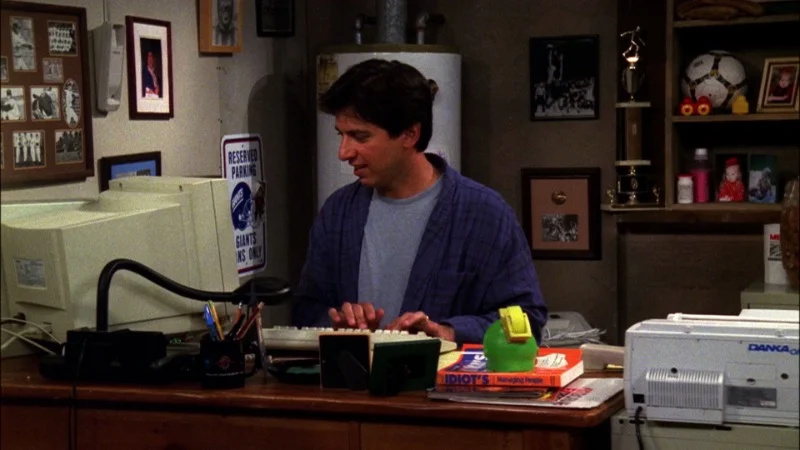
Episodes feature landlines, answering machines, paper calendars, and stacks of printed bills. Characters record shows and games with older devices and rely on call screening and handwritten notes to manage family logistics.
Ray’s newsroom life revolves around print deadlines, hard copy clippings, and in person editor check ins. Sports talk within the home references television schedules and channel surfing patterns tied to cable lineups rather than on demand viewing.
Aged Masterfully: Syndication strength and global remakes
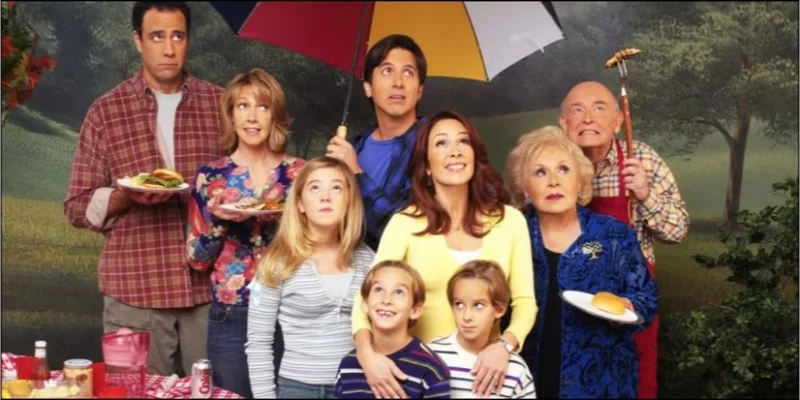
Self contained stories let stations air episodes out of order, which helped the show secure long runs in syndication blocks. The consistent set of conflicts also made it easy for new viewers to join at any point and understand the family dynamics within a minute.
International versions adapted scripts and the across the street setup for local markets, including a long running Russian remake and additional adaptations in Europe and Asia. The format’s portability demonstrates structural clarity that producers can map onto different cultures while keeping the core mechanics.
Aged Poorly: Boundary crossing as a constant device
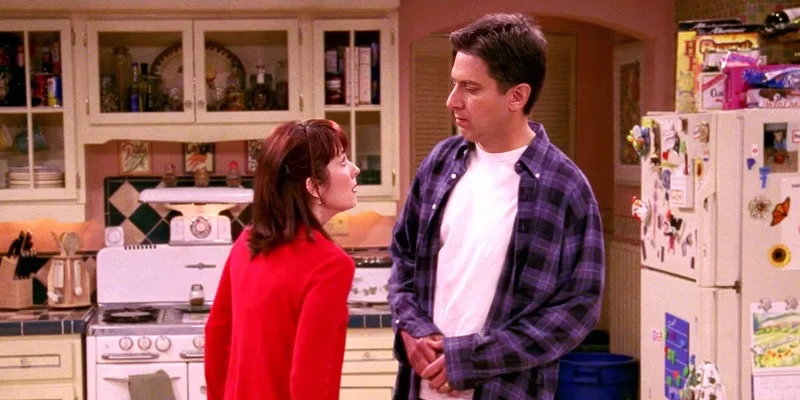
Many plots rely on unannounced entries, intercepted mail, and unsolicited cooking or cleaning from across the street. Episodes escalate when Marie or Frank move a household item, critique parenting choices, or involve themselves in private decisions.
The pattern appears weekly through drop ins that interrupt meals and bedtime routines. The show’s geography makes this easy to stage, with the parents’ front door serving as a near constant source of complication for Ray and Debra.
Aged Masterfully: A finale that preserves the everyday tone
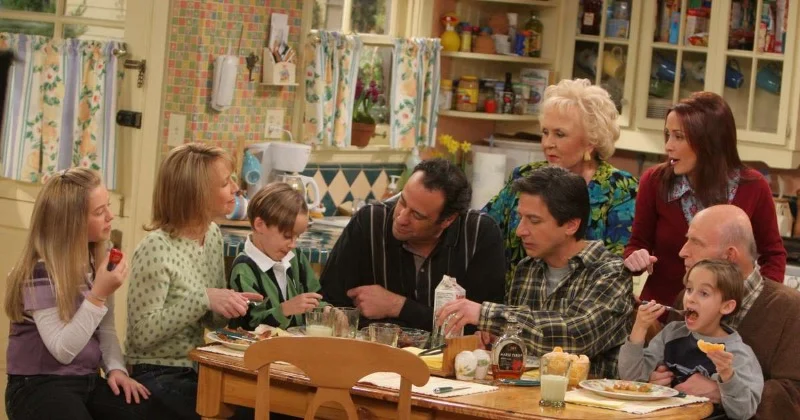
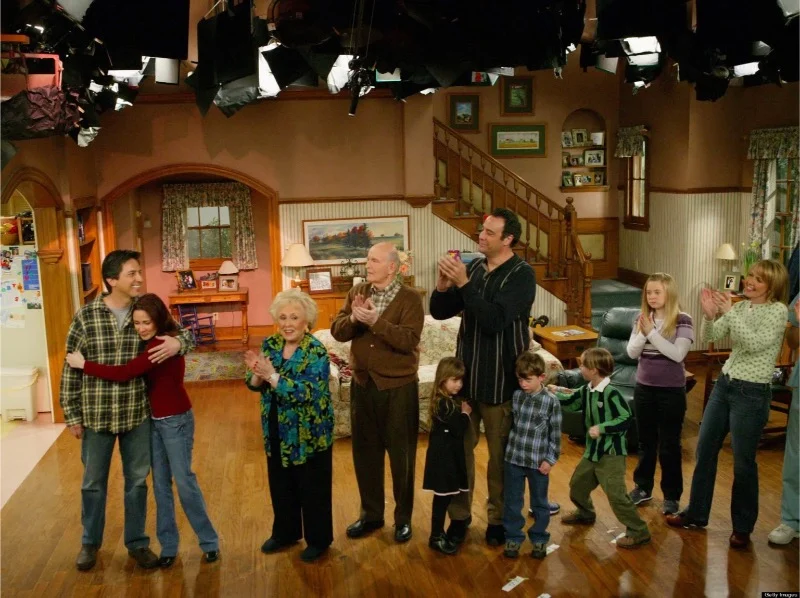
The series concludes with a small scale family crisis built around a routine medical procedure and a brief scare. Scenes return to dinner at the end, keeping the show’s commitment to ordinary life rather than a spectacle send off.
Across nine seasons the writers maintain character voices without heavy reliance on long arcs. The finale fits that approach by delivering closure through a regular night at the table, which matches the structure that carried the show through 210 episodes.
Share your own take on where the show aged poorly and where it aged masterfully in the comments.