5 Ways the ‘Modern Family’ Aged Poorly (& 5 Ways It Aged Masterfully)



‘Modern Family’ ran on network television from 2009 to 2020 and followed three connected households in suburban Los Angeles. It used a mockumentary setup with characters speaking directly to the camera while juggling parenting, work, and extended family dynamics.
Looking back today, some parts feel locked to the era that produced them while others still work with new audiences. Here are ten specific areas that show where time has been unkind and where the series continues to shine.
Aged Poorly: Reliance on the 2010s mockumentary style

The series adopted the talk to camera format that viewers also saw in ‘The Office’ and ‘Parks and Recreation’. This approach stamps the show to a clear television moment when documentary style interviews and reaction shots were common across network comedies.
The device guides story beats with cutaway confessions that explain motives and punchlines. It reduces ambiguity in scenes since characters often tell the audience what they feel and plan, which anchors the storytelling methods to trends that were widely used during the same decade.
Aged Masterfully: Diverse family structures across three households
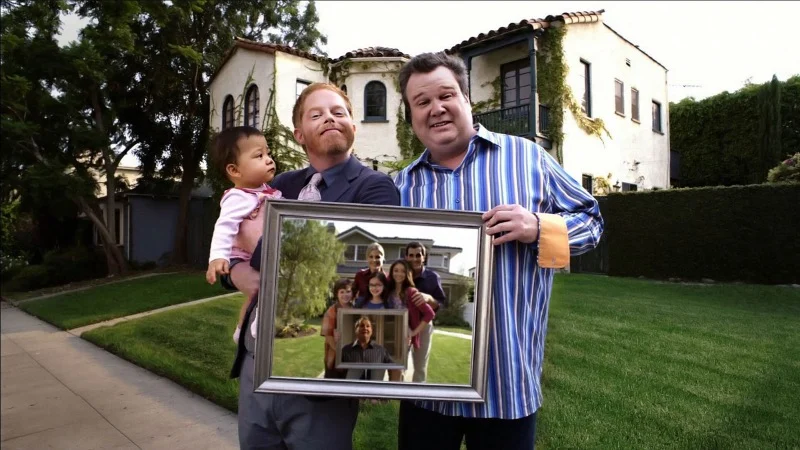
The show centers on a blended family with an intergenerational marriage, a same sex couple who adopt a daughter, and a two parent household raising three children. This setup gives the series room to present adoption, step parenting, and co parenting within one connected clan.
By placing these units in the same neighborhood and school systems, the writing uses shared events to compare approaches to discipline, holidays, and milestones. Viewers can trace how each household solves similar problems through different traditions and resources, which keeps the premise clear and instructional for new audiences.
Aged Poorly: Stereotype driven jokes in early seasons

Early episodes include jokes that lean on accents, nationality, and gender expectations. Dialogue often points to Gloria’s Colombian background and to Mitch and Cam’s contrasting personalities in ways that treat those traits as the joke itself rather than context for character choices.
Across the run, later scripts adjust the balance by grounding humor in specific goals, like immigration paperwork, school placement, and wedding planning. The shift shows how network standards and writing rooms responded to changing expectations about representation, which highlights how some first season material now reads as dated.
Aged Masterfully: Character arcs that track school, work, and milestones
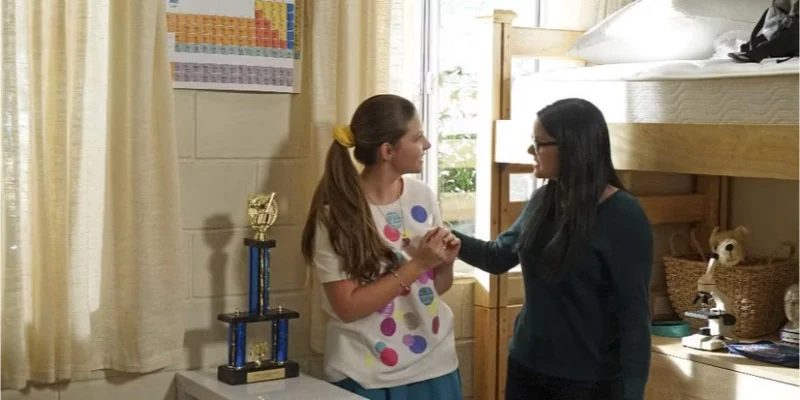
The show documents concrete progress for each child and adult through grade promotions, college admissions, first apartments, and career changes. Haley explores creative work, Alex navigates advanced academics, and Luke experiments with interests that move from childhood hobbies to young adult decisions.
The adults receive similar attention through promotions, business expansion, and leadership roles. Jay grows Pritchett’s Closets and Blinds, Claire steps into executive responsibility, and Phil builds a client base through open houses and marketing stunts. Those mapped milestones make the ensemble feel lived in and easy to revisit years later.
Aged Poorly: Tech and product references locked to their moment

The show features a launch day iPad plot, early tablet based video calls, and frequent mentions of specific apps and devices. The visual interfaces and brand names place scenes squarely in the consumer technology landscape of the early 2010s.
Communication gags also rely on period specific habits like webcam chats and desktop alerts that use now outdated layouts. New viewers can still follow the stories, yet the exact screens, ringtones, and gadgets operate like time stamps that mark when the episodes were produced.
Aged Masterfully: Formal experiments that teach screen based storytelling

The series produced a full episode told through laptops and phones that used messages, maps, and video tiles to carry the entire plot. It set up clues with cursor movement and notification timing, showing how everyday software can structure suspense and comedy.
Bottle episodes and farce structures also demonstrate tight craft. Multi room misunderstandings build through precise blocking and repeated props, which gives students of television clear examples of escalation, payoff, and ensemble timing that remain useful well beyond the original air dates.
Aged Poorly: Affluence and convenience that outpace typical households
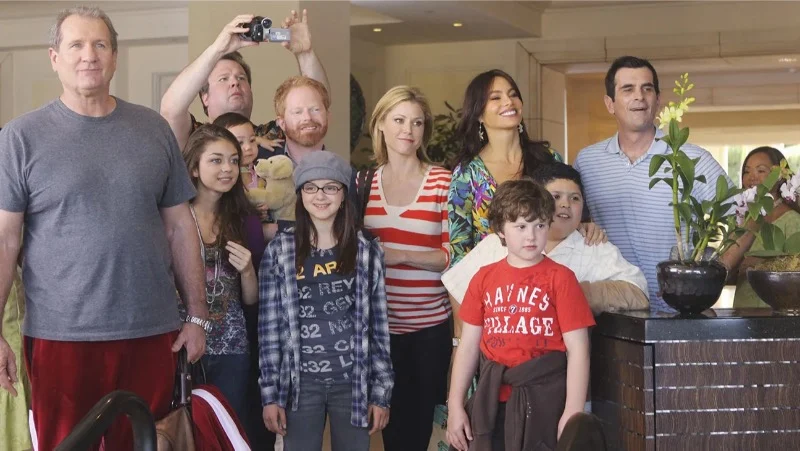
The families live in large single family homes, take frequent vacations, and hire help for childcare and events. Jay’s ownership of a manufacturing business and Phil’s work in a lucrative real estate market supply the narrative with resources that reduce consequences for common financial setbacks.
Because many plots resolve through purchases, rush deliveries, or professional contacts, the stories often skip trade offs that most families must weigh. That gap between setting and everyday budgets can make certain conflicts feel distant from the realities of viewers who revisit the show today.
Aged Masterfully: Awards, longevity, and global reach
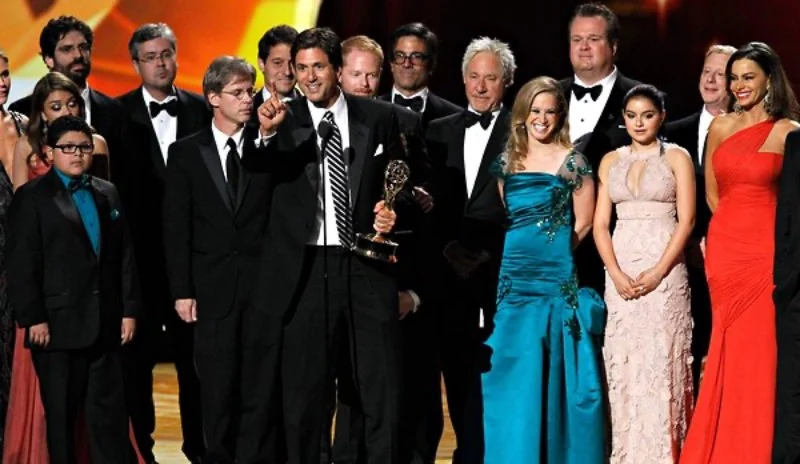
The series won multiple major television awards across its run, including five consecutive trophies for top network comedy early in its life. Recognition for writing and ensemble performance cemented its status as a standard bearer for broadcast sitcoms during that period.
Syndication and international sales extended its footprint after the finale. Local language versions and constant reruns introduced the Dunphy, Pritchett, and Tucker families to new viewers who discovered the show out of order, which speaks to the modular strength of its plots and tags.
Aged Poorly: Parenting and school plots that reflect older norms

Several school stories use permission slips, bake sales, and flyer campaigns as key engines for conflict. Many of these mechanics depend on paper processes and face to face signups that have shifted to online portals and group messages in recent years.
Discipline beats also lean on sit com staples like confiscated phones and grounded weekends that work best in car centric suburbs with flexible schedules. Those structures map cleanly onto the show’s neighborhood and decade, yet they inform procedures that may look different in current school systems.
Aged Masterfully: Holiday playbooks and ensemble farce that still work

The Halloween run gives Claire an annual home haunt with evolving themes, while Christmas episodes track travel logistics, gift economics, and family traditions. Each return visit provides a repeatable template that classrooms and writers rooms can analyze to see how a show builds ritual and renewal.
Multi thread finales and destination episodes line up separate goals before crashing them together in a last sequence. The pattern demonstrates how A plots and B plots exchange information through props, overheard lines, and missed calls, which remains a clear lesson in structure for anyone studying televised comedy.
Share your favorite example in the comments of where ‘Modern Family’ surprised you on a rewatch or felt different than you remembered.