LGBTQ+ Stars Pressured to Stay in the Closet


The entertainment industry has long rewarded carefully managed images, and for decades that often meant queer stars were told to downplay or hide who they were to protect careers. Contracts, publicity plans, and gatekeepers reinforced a belief that honesty about identity would limit leading roles, radio play, or brand deals, especially for actors and pop idols marketed to mainstream audiences.
Those pressures came from many directions. Studio executives and managers warned about box office risk, publicists scripted personal narratives, and media scrutiny amplified every choice on red carpets and in interviews. The stories below show how that system operated in practice and how these artists eventually set their own terms about visibility and work.
Elliot Page
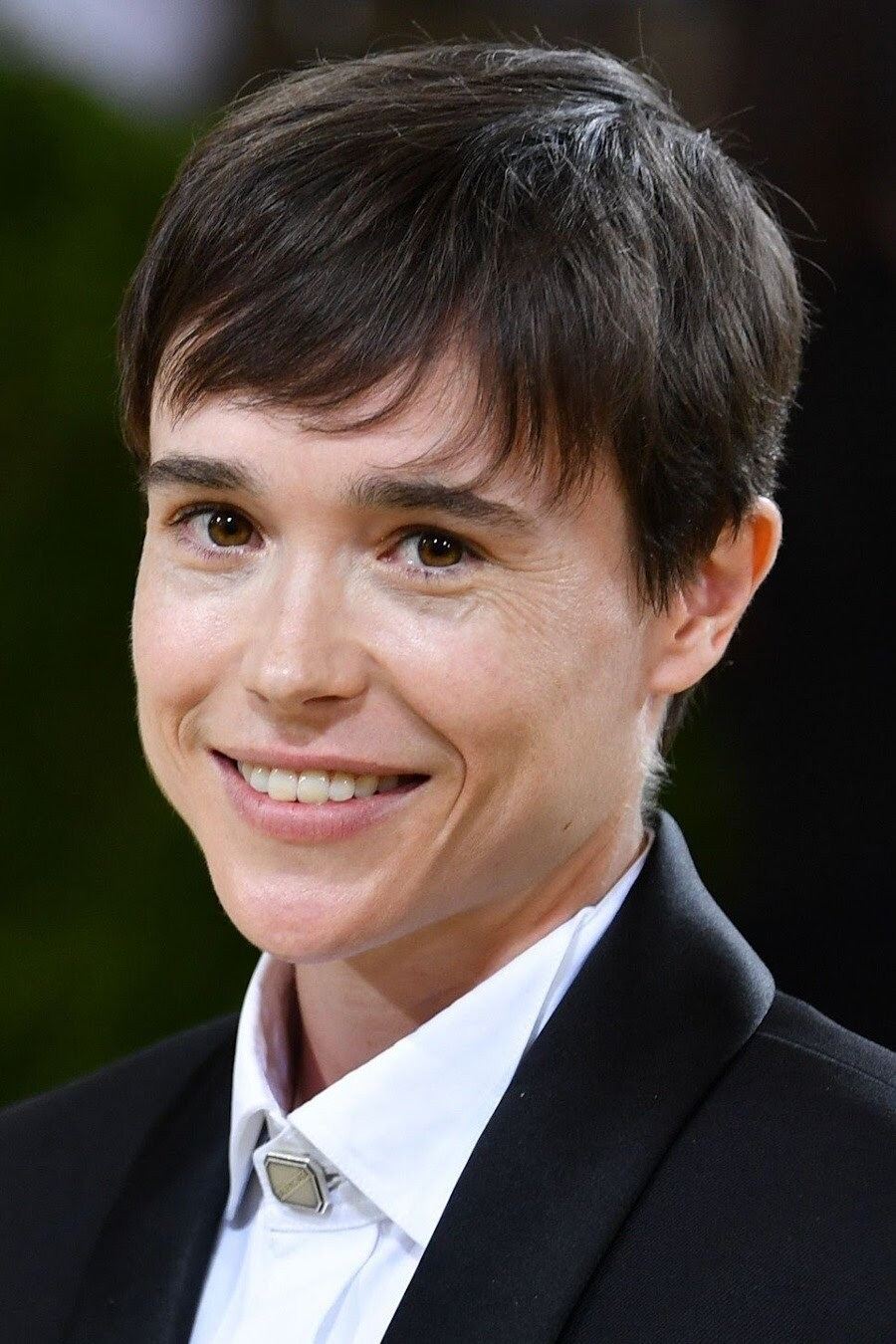
Elliot Page has described how early success came with rules about presentation, from wardrobe choices that enforced a specific image to guidance about keeping personal life completely off limits. Public appearances were carefully staged, and Page was told that deviation from the brand could threaten future roles.
When Page came out and later shared a fuller account of his identity, he explained that the shift ended years of monitoring and second guessing. He has outlined how work environments changed when he could set boundaries, including choosing projects and collaborators who respect trans and queer visibility.
Kristen Stewart

Kristen Stewart has said she was told to avoid public affection with a girlfriend if she wanted a smoother path to franchise work. The message was delivered in practical terms about bankability, and it affected how she navigated premieres, paparazzi zones, and interviews during her early twenties.
As her career broadened, Stewart chose to live openly and let the work speak for itself. She has noted that honest press conversations and visible relationships did not prevent her from anchoring studio films while also pursuing indie projects with directors who valued authenticity.
Cara Delevingne

Cara Delevingne recalled being told to hide that she was queer when she moved from fashion into acting. Advice focused on shaping a straight romantic image for casting and endorsements, and she was urged to avoid public relationships that could be labeled as nonconforming.
Delevingne continued to take high profile roles while speaking candidly about her life. She has said that openness allowed her to select parts that reflected a wider range of characters and to work with teams who did not expect her to split personal truth from professional goals.
Ricky Martin
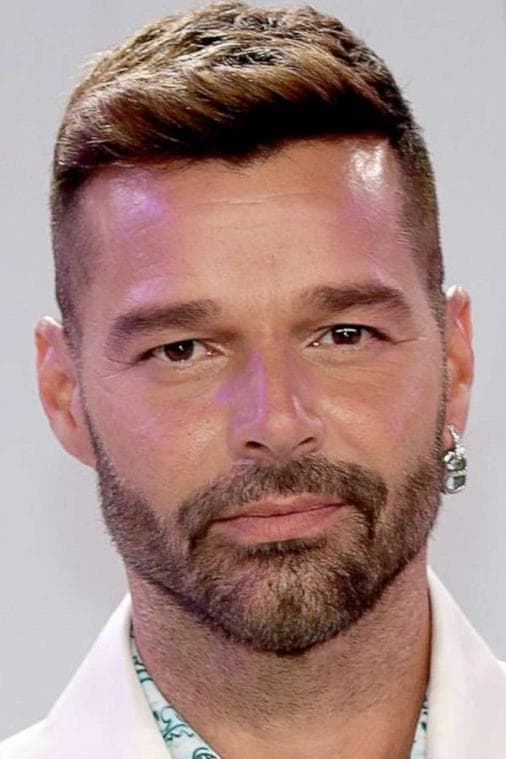
Ricky Martin has shared that people around him warned a public declaration would jeopardize a global pop brand built on a heartthrob image. The result was a long period of silence that required careful answers in interviews and elaborate control over personal logistics on tour.
When he came out, Martin described an immediate change in how he approached work and public life. He has since talked about creating family friendly performances that align with who he is and choosing projects that do not depend on dated marketing assumptions.
Lance Bass
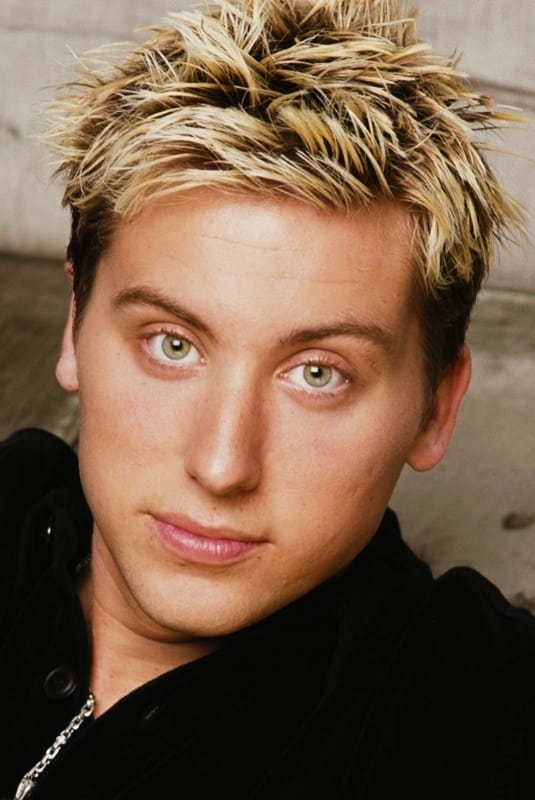
During the peak of his boy band fame, Lance Bass was advised to keep his dating life invisible so he would appear single and accessible to fans. Press days and red carpets were scripted to avoid personal questions, and teams discouraged friendships that might spark speculation.
After coming out, Bass detailed how that closet affected his health and decision making. He has used his platform to explain the mechanics of forced secrecy in teen pop and to support younger artists who face similar instructions about image and desirability.
Jonathan Bailey
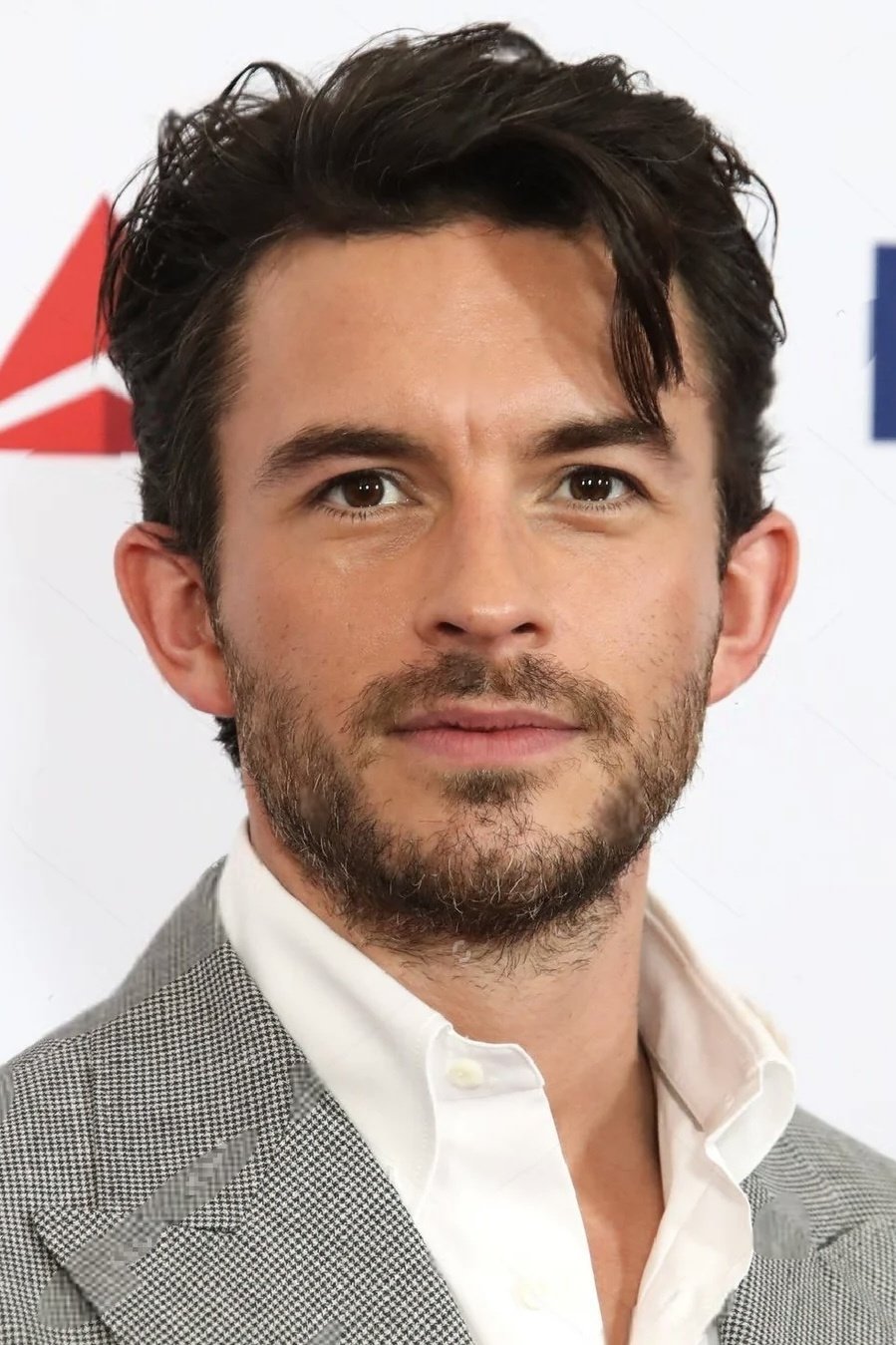
Jonathan Bailey has said he heard repeatedly that being openly gay would limit leading man prospects. Early meetings emphasized silence, and he was encouraged to present a version of himself that fit conventional expectations for straight romantic roles.
Bailey later chose to be public about his life and continued to land major parts, including in ‘Bridgerton’. He has spoken about how that experience shows casting can evolve when performers are not required to maintain a fiction off screen to be considered for romantic leads.
Barry Manilow
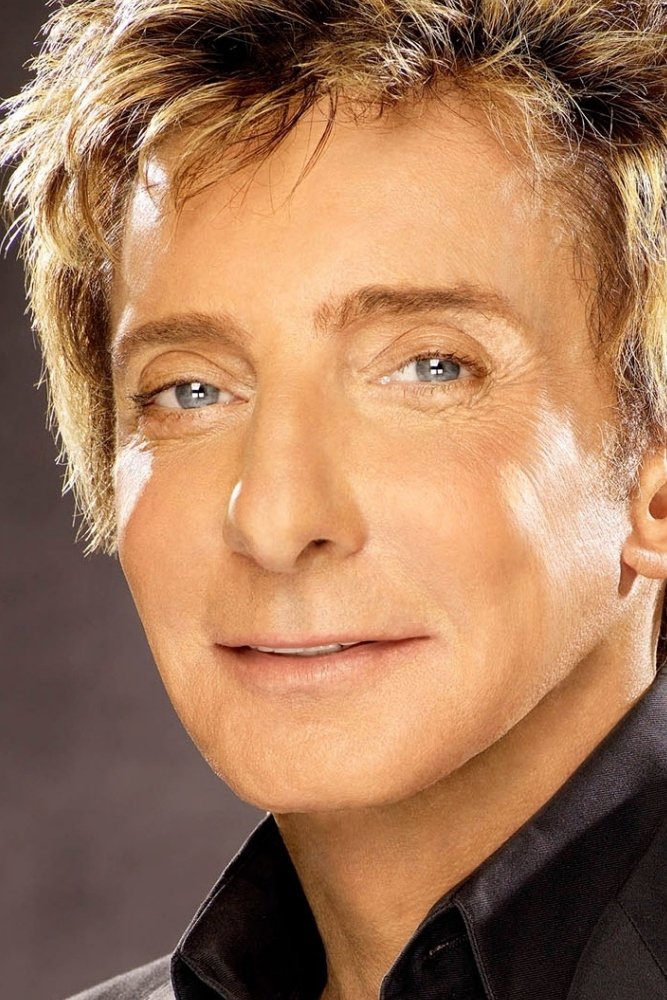
Barry Manilow kept his relationship private for decades, worried that honesty might disappoint longtime fans or threaten the touring business that sustained his career. Public appearances and interviews stayed focused on music and avoided any mention of home life.
When he eventually acknowledged his marriage, Manilow described relief at no longer managing a split between stage persona and reality. He has continued to perform to sold out crowds, which he points to as evidence that audiences connect with the music regardless of the old rules.
Colton Haynes

Colton Haynes has explained that management pushed him to hide past modeling and to avoid any signs that could fuel gossip. He was urged to attend events with women and to scrub traces of earlier shoots that did not fit a straight leading man narrative.
After coming out, Haynes outlined the toll that secrecy took and how honest conversations with producers changed his work life. He has since taken roles that do not require off camera performance and has discussed how healthier sets start with truthful personal boundaries.
Amber Heard

Amber Heard has said she was told that acknowledging bisexuality would harm casting in straight romances. Studio figures suggested that public relationships with women would complicate marketing and international distribution.
Heard chose to continue speaking openly and appeared in large scale productions while maintaining visibility. She has encouraged other performers to come out together, arguing that numbers make it harder for old assumptions to drive hiring.
Ellen DeGeneres
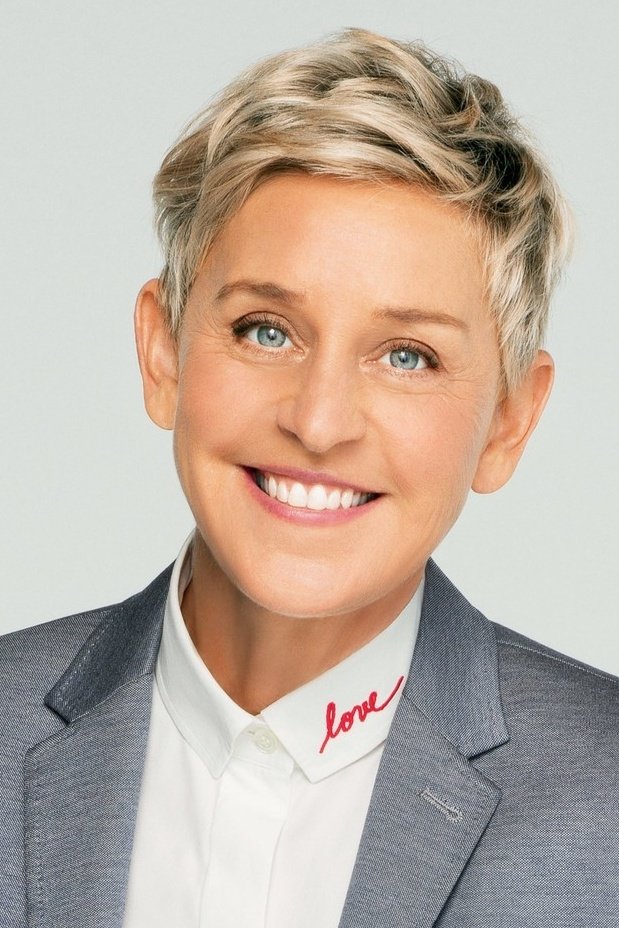
Ellen DeGeneres faced strong warnings that a prime time sitcom could not survive a queer lead. The decision to align her character on ‘Ellen’ with her real life came with a wave of attention that disrupted the show and led to a difficult period in her career.
Years later, DeGeneres returned with a daytime platform that reached millions. She has often pointed to that arc to show how the industry can punish honesty in one era and embrace it in another when audiences get used to seeing queer people on screen.
Rock Hudson
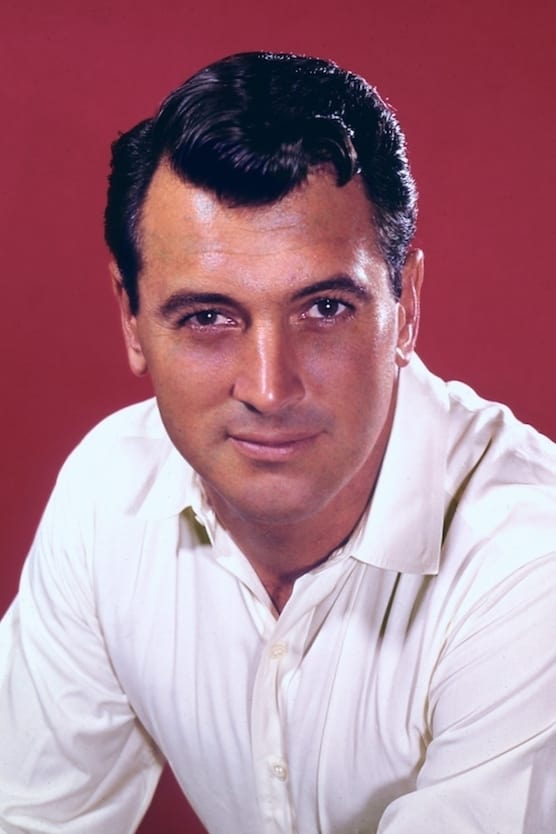
Rock Hudson worked within a studio system that aggressively controlled star images. His team arranged a marriage to quiet rumors, and publicity offices planted stories that highlighted conventional domesticity to reinforce a straight leading man identity.
That strategy illustrates how mid century Hollywood used contracts and press relationships to manage sexuality. The system relied on magazine deals, carefully staged dates, and a network of columnists to keep private life aligned with box office goals.
Tab Hunter
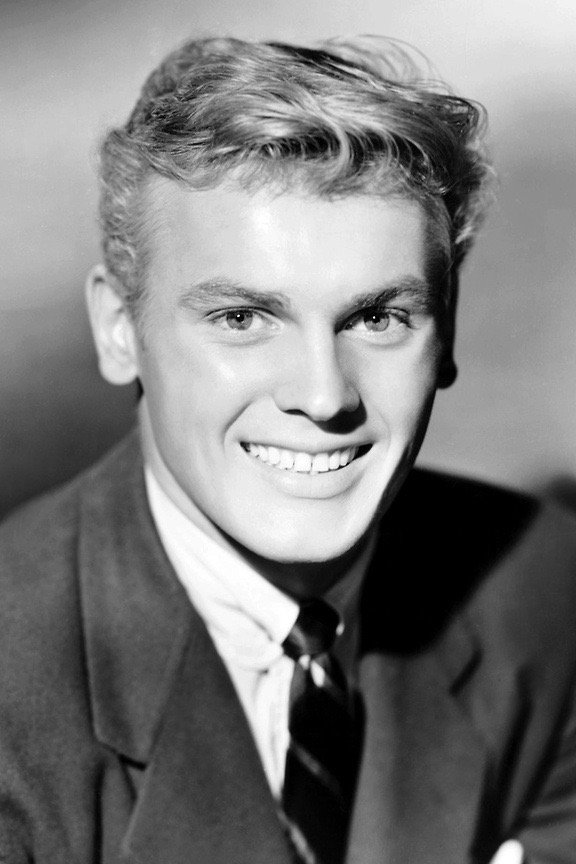
Tab Hunter rose as a heartthrob under a studio that expected traditional pairings in public. He was set up on dates with actresses for premieres and photographed outings, while actual relationships were kept strictly out of sight.
His later memoir and the documentary ‘Tab Hunter Confidential’ opened a window into that machinery. Hunter described the constant risk posed by scandal sheets and how studios bargained with gossip outlets to bury stories in exchange for exclusives that preserved his image.
Sarah Paulson
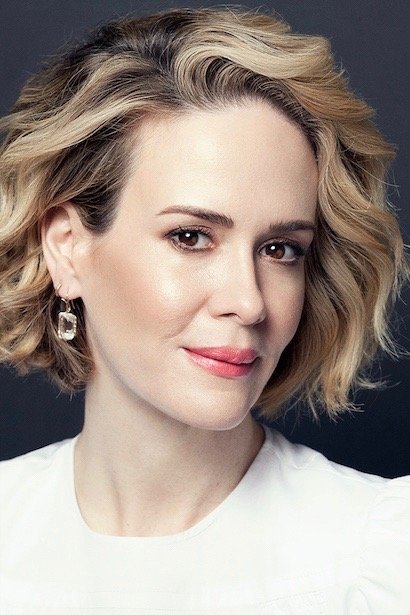
Sarah Paulson has said people advised her not to discuss her relationship with Holland Taylor because it could affect leading roles and audience perceptions. The guidance emphasized box office safety and warned about being defined by labels.
Paulson chose transparency and continued to lead acclaimed series and films. She has explained that being open simplifies life on set and in press, and that fans connect with performances rather than assumptions about personal life.
Billy Porter
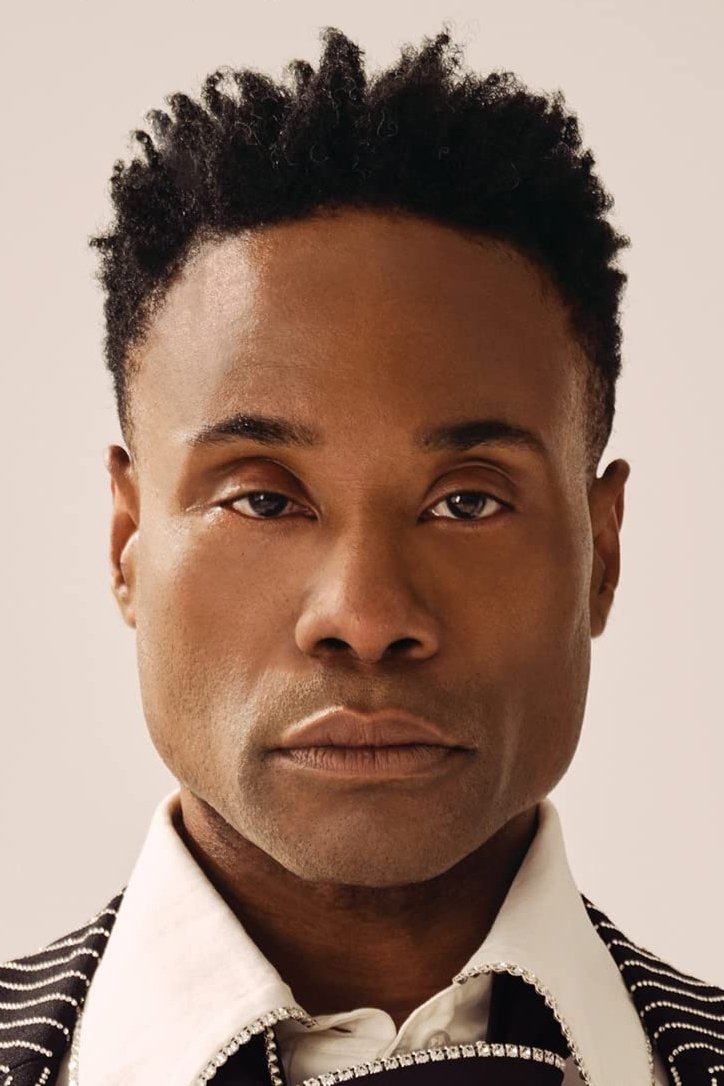
Billy Porter heard throughout his early career that queerness would block entry to mainstream music and film. He was pushed to code switch in meetings and to mute visible markers of identity to fit narrow ideas about masculinity.
Porter eventually built success by centering who he is, including award winning work in theater and television. He has used interviews and speeches to map how industry rules still police gender expression, while pointing to younger artists who are changing expectations.
Wentworth Miller
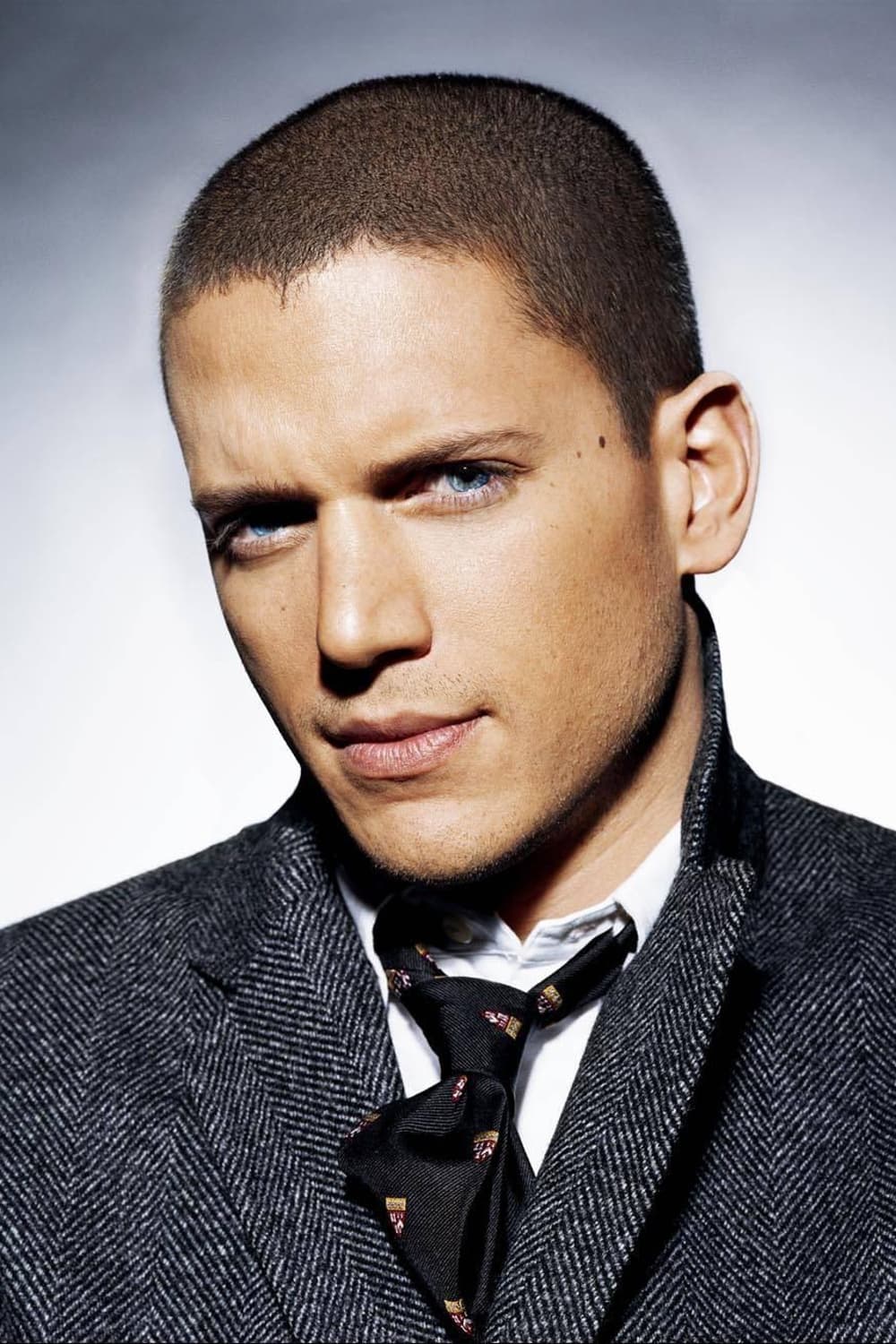
Wentworth Miller chose to keep his personal life private during his initial fame and said he feared that honesty would end opportunities. Press tours for ‘Prison Break’ were managed around that silence, and rumors were deflected to keep attention on the show.
After coming out, Miller talked about the strain of maintaining a public mask and how it affected his mental health. He later stated he would no longer play straight romantic stories, explaining that creative choices should support integrity in both work and life.
Share which stories resonated most and add other examples we should include in the comments.