15 Actual Actor Injuries That Made the Final Cut


Sometimes the most gripping moments on screen were not carefully staged beats at all. They were accidents or unplanned incidents that left the actor hurt and the cameras rolling. Filmmakers kept those shots because they felt real and because reshooting would have been costly or impossible.
You will find a mix of dramatic outbursts, risky stunts, and practical effects gone wrong. In each case, the footage that made the movie includes the moment or its immediate aftermath. Here is what happened on set, how the production handled it, and where to spot it in the finished film.
Leonardo DiCaprio – ‘Django Unchained’ (2012)
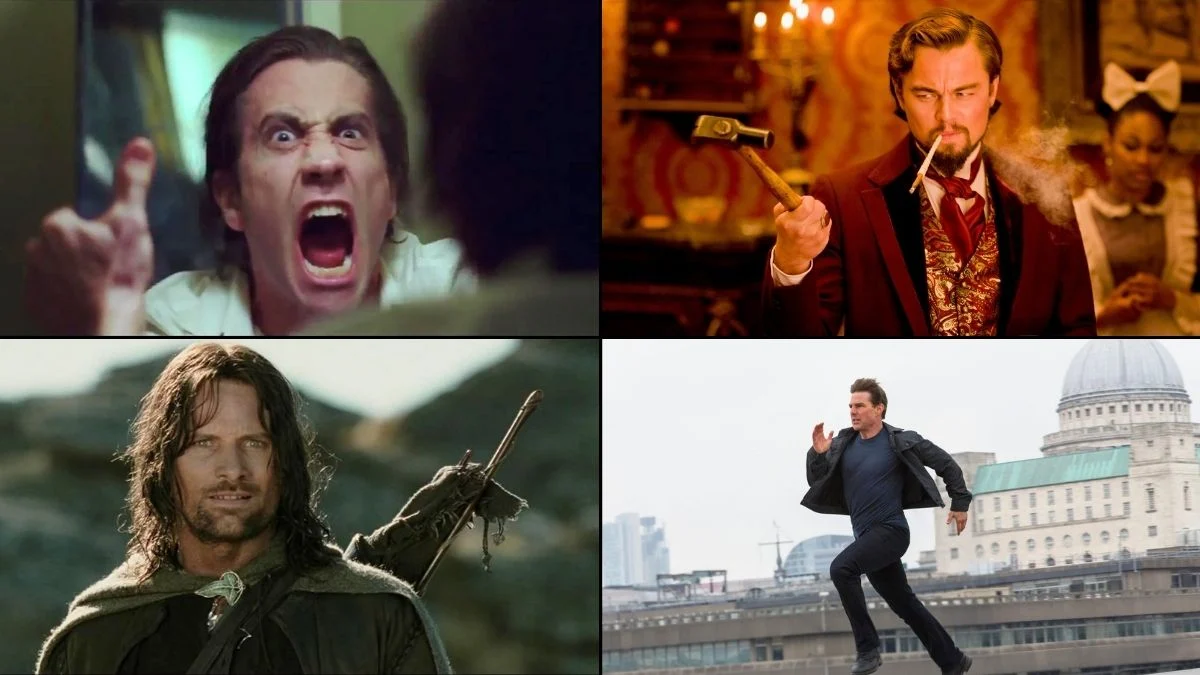
During the tense dinner sequence, DiCaprio slammed his hand on the table and crushed a glass. The glass shattered and cut his palm, and the blood you see in the scene is his. Crew bandaged him after the take and he returned to work with a protective covering.
The production kept the shot where the blood first appears and cut around later bandages. Makeup teams matched continuity so the cut would track correctly in subsequent angles. The result is a sustained scene that shows his hand actually bleeding while dialogue continues.
Viggo Mortensen – ‘The Lord of the Rings: The Two Towers’ (2002)
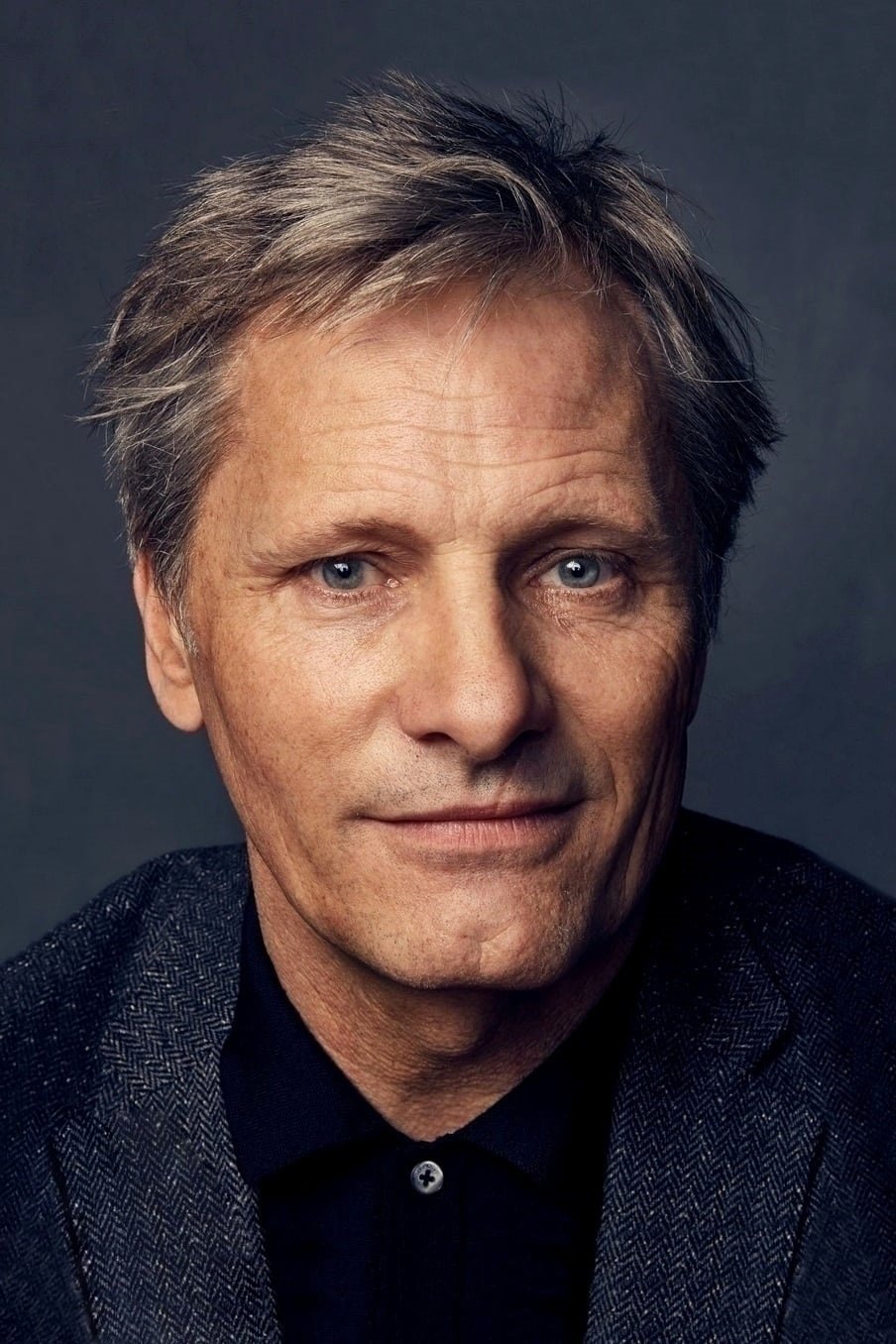
Mortensen kicked a metal helmet during a take and broke two toes. The scream that follows is in the movie and reads as grief within the story. That audio and visual beat comes from the moment of real pain captured on the field.
After medical checks, staging was adjusted to reduce further impact on his foot. The schedule moved lighter material forward and costume added footwear support that would not show on camera in wide shots. The take with the authentic reaction remained in the final cut.
Martin Sheen – ‘Apocalypse Now’ (1979)
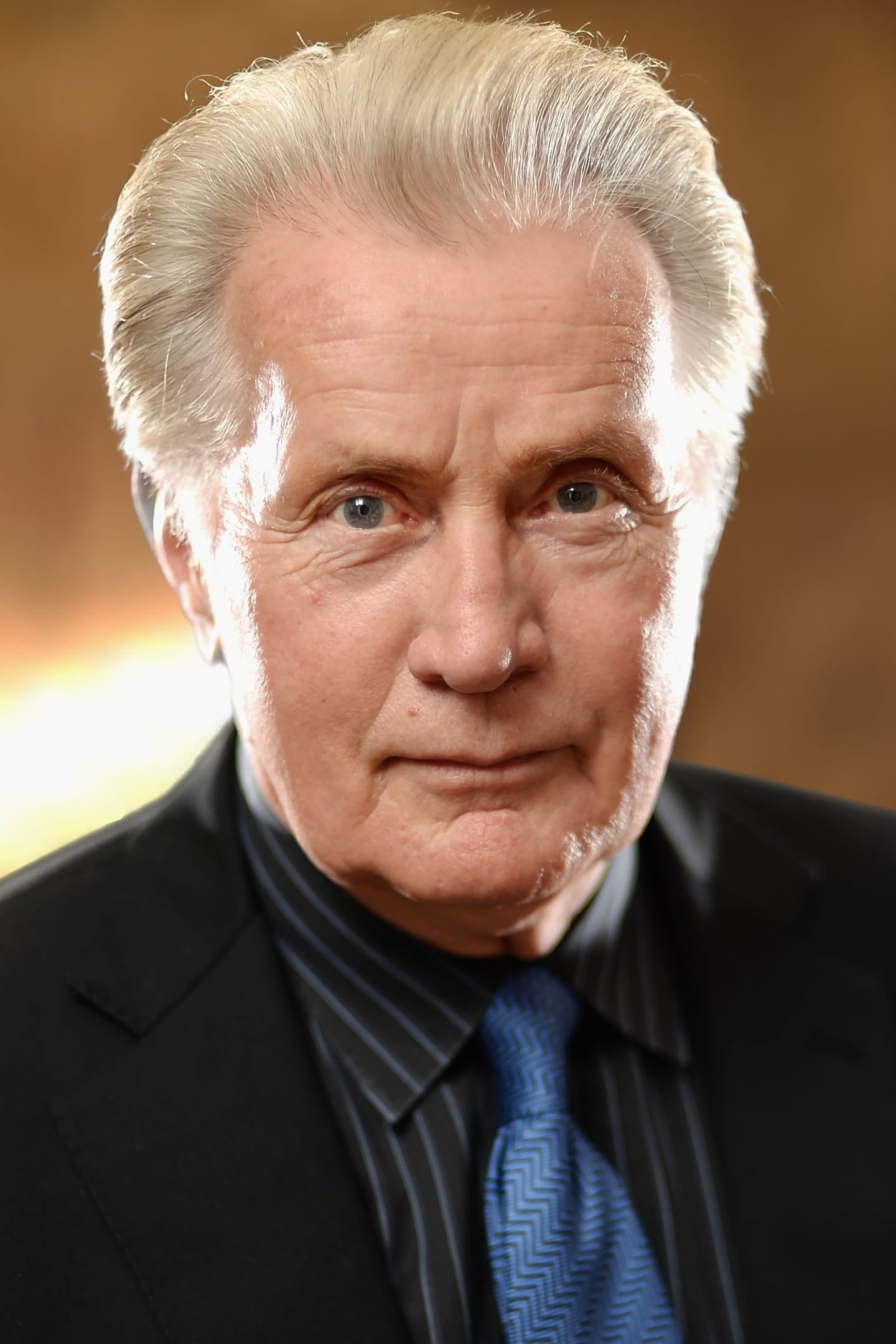
The opening hotel room scene shows Sheen striking a mirror and cutting his hand. He continued through the take, and the camera held on the blood and the improvisation that followed. The crew treated the injury once the director called cut.
That footage anchors the film’s first minutes. Editing leaned on the raw movements and the visible blood to set the character’s state of mind. Later shots were chosen to hide fresh dressings while maintaining continuity of the wound.
Jake Gyllenhaal – ‘Nightcrawler’ (2014)

Gyllenhaal punched a bathroom mirror during a take and sliced his hand. He walked back into frame and finished the scene before going for stitches. The cut you see as he moves past the sink is real and comes from that impact.
Production rescheduled night work to let the hand heal enough for safe use with a bandage hidden under wardrobe. Props replaced breakables with sugar glass for remaining beats. The original mirror hit stayed in the movie because the reaction matched the character’s spiral.
Steve Carell – ‘The 40-Year-Old Virgin’ (2005)
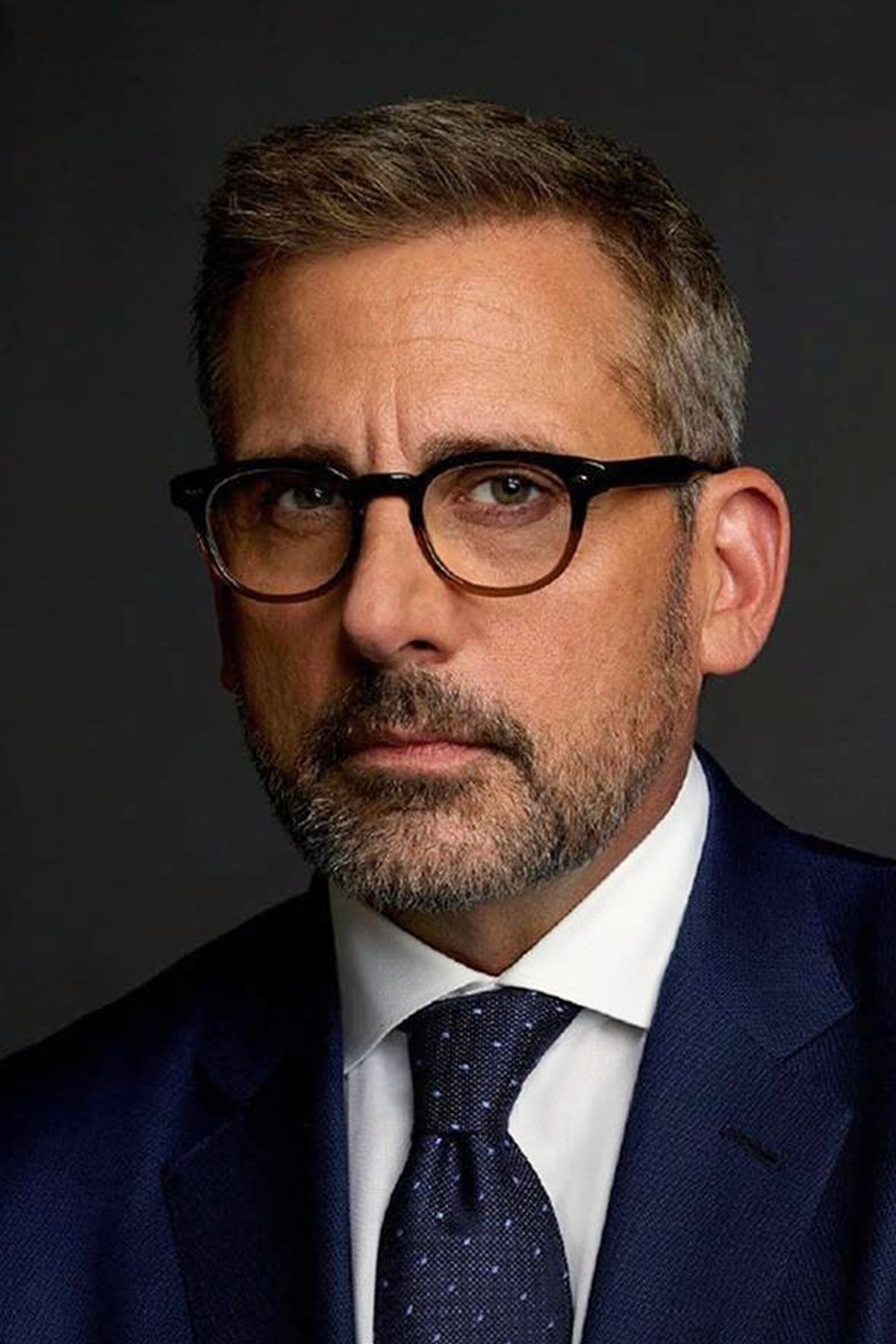
The chest waxing scene was done for real with multiple cameras running at once. Each strip came off for the first and only time, and the reactions are not acted. The crew medic stood by with antiseptic and ice packs between resets on other angles.
Editing stitched the angles together so the hair removal progresses without repeats. Sound kept live production audio to preserve the natural yelps and ad libs. Wardrobe tracked the pattern of removed hair across shots to maintain continuity.
Channing Tatum – ‘Foxcatcher’ (2014)
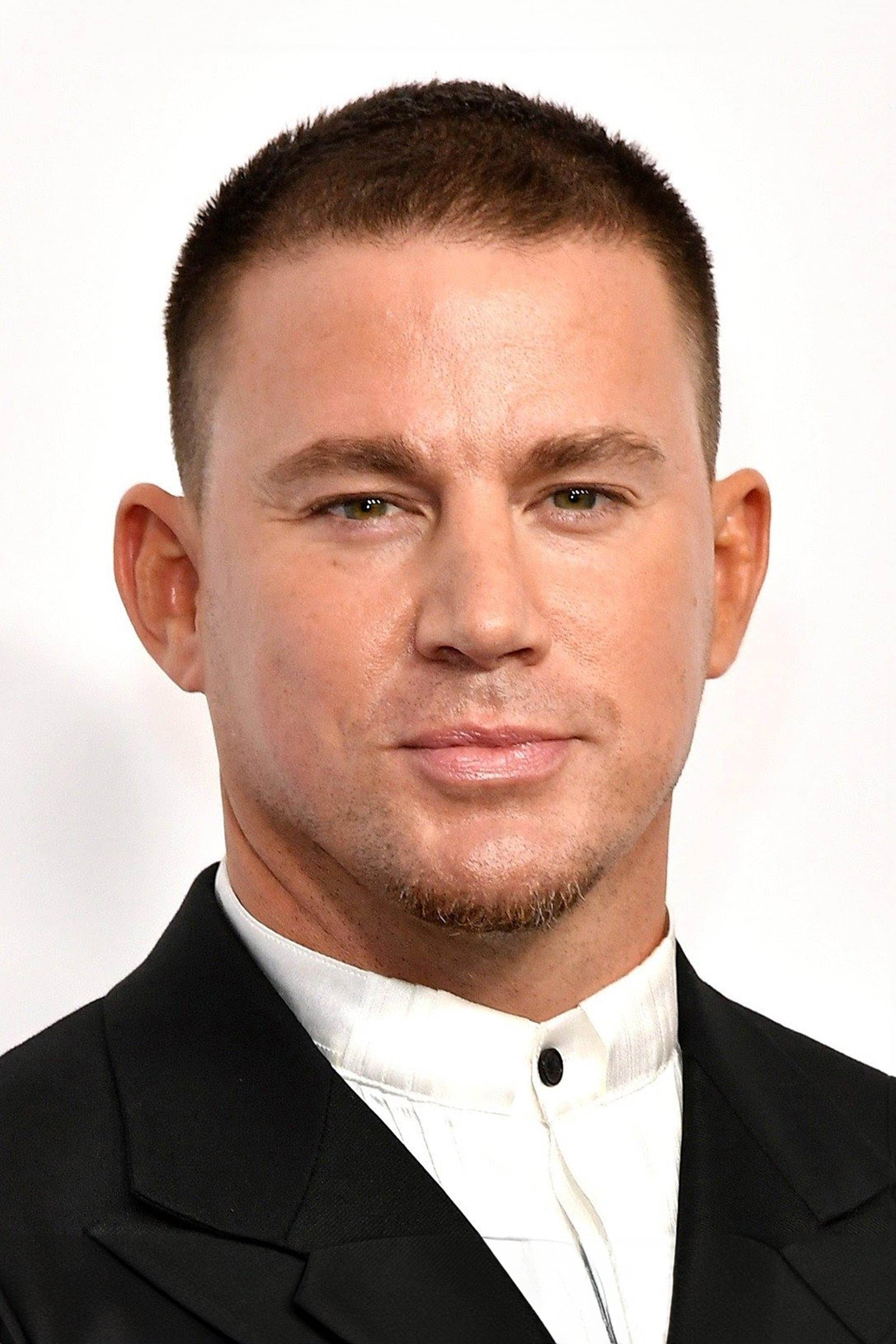
In a scene where his character unravels in a hotel room, Tatum slammed his head into a mirror. The glass broke and cut him, and the blood you see as he slides down the wall is his. Medical staff stepped in after the camera stopped.
The sequence in the film uses that first violent impact and the immediate aftermath. Production swapped in safety glass for later inserts and dressed the set to hide cleaned shards. The schedule shifted to dialogue work while his cuts closed.
Tom Cruise – ‘Mission: Impossible – Fallout’ (2018)
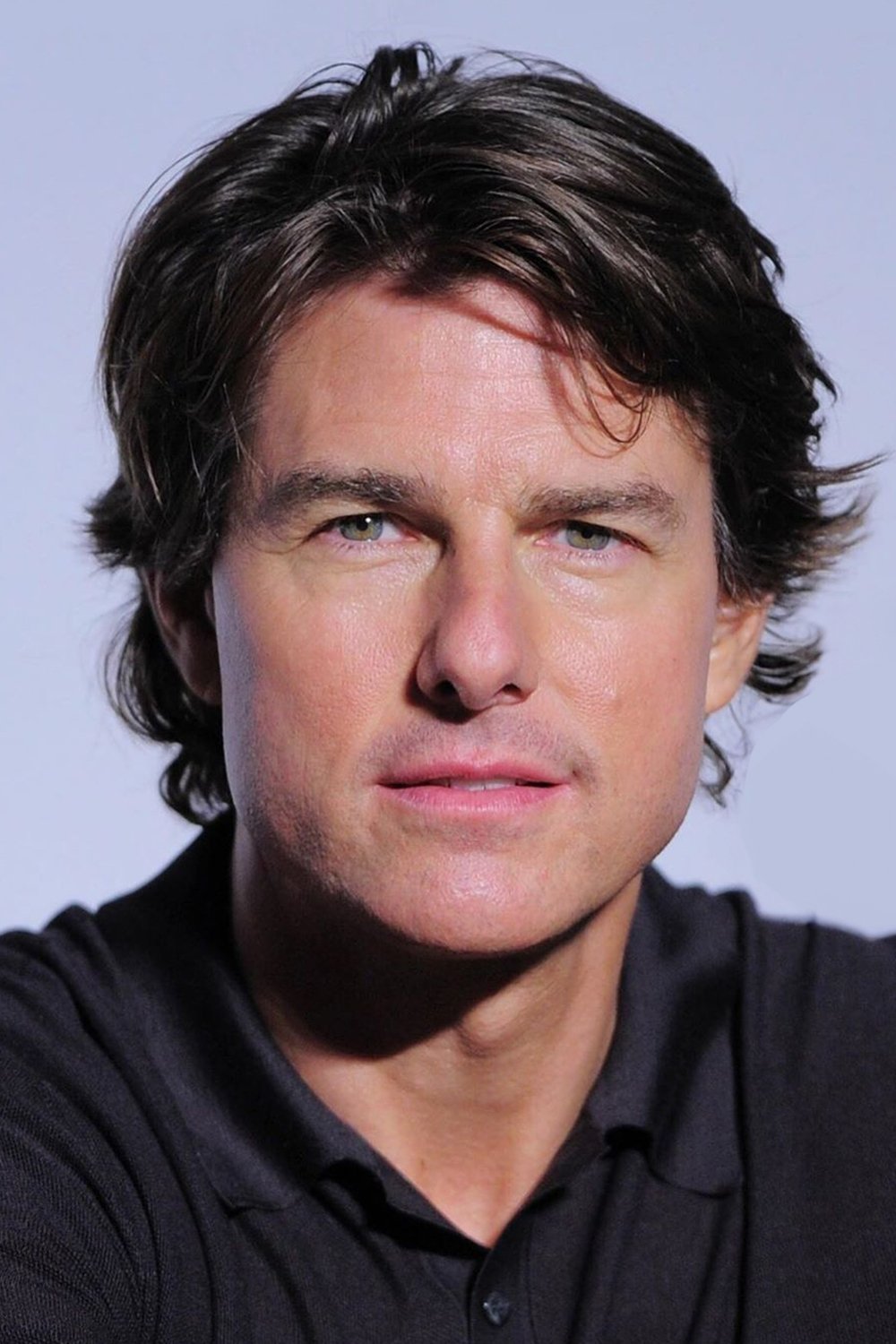
Cruise jumped from one rooftop to another, struck the edge, and broke his ankle on landing. He pulled himself up and finished the shot by limping out of frame. That exact clip appears in the movie in the London chase.
Filming paused while he recovered, then resumed with choreography adjusted to limit hard impacts. Camera placement emphasized upper body movement for a period to protect the ankle. The original landing remained because it completes the action cleanly.
Jackie Chan – ‘Police Story’ (1985)
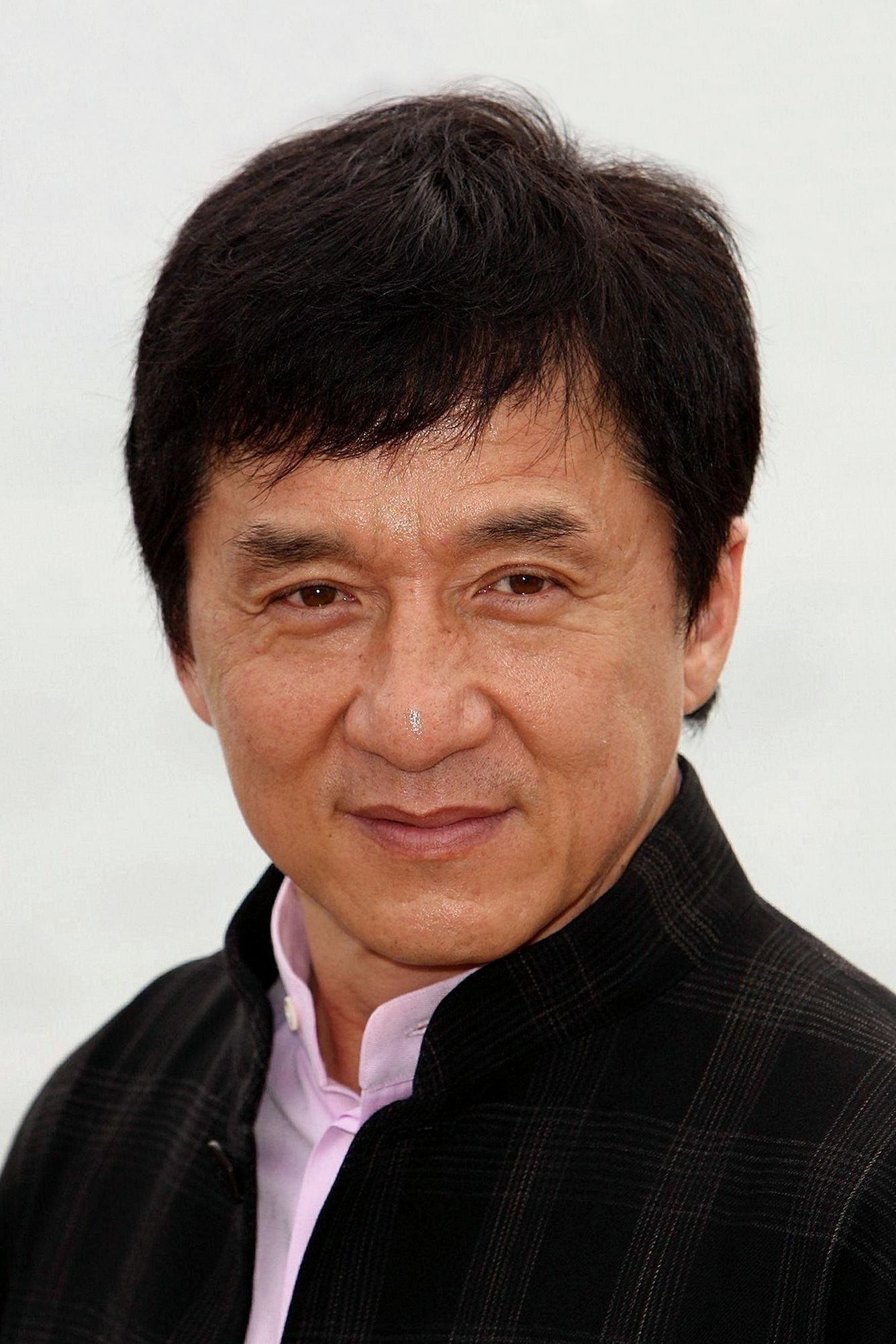
Chan slid down a pole wrapped in lights inside a shopping mall and suffered burns and injuries on impact. The stunt you see is the actual slide with his hands taking the heat and the drop ending through glass. He was treated on set and later at a hospital.
The final cut shows the full descent without hiding the rough landing. End credit outtakes document the aftermath, but the feature itself already contains the real stunt. Later coverage reused pieces of the slide to intercut with reactions while preserving continuity.
Linda Blair – ‘The Exorcist’ (1973)
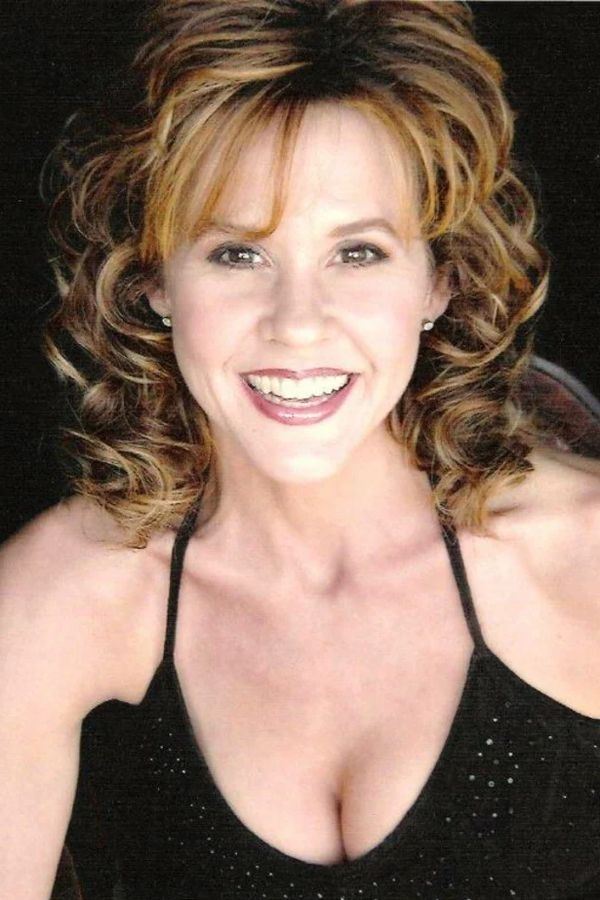
A mechanical rig yanked Blair back and forth during a thrashing scene. The harness malfunctioned and pulled her hard enough to injure her lower back. The screams and tears visible in that moment are genuine and remain in the movie.
After the incident, the effects team recalibrated the rig and added additional padding and spotters. The production doctor monitored her and limited further rig work. Editorial kept the usable portion that captured the violent jolt and then cut away to protect her health.
Michael J. Fox – ‘Back to the Future Part III’ (1990)

A hanging scene went wrong when timing on the support slipped. Fox briefly lost consciousness, and a few seconds of that real limpness appear in the movie before the cut. The team then changed the rigging method to a safer setup.
The schedule moved exterior work while he recovered. Coverage relied on tighter shots and a double for some angles. The shot with the genuine drop remained because it fit the sequence and required no repeat of the risky setup.
Diane Kruger – ‘Inglourious Basterds’ (2009)

For a choking closeup, real pressure was applied under controlled conditions to avoid a visible cheat. The marks on Kruger’s neck in the finished scene are from that take. Filming stopped immediately after the shot and she was checked by medics.
Only the essential closeups were captured with that approach. Wider coverage used simulated contact to reduce risk. The closeup in the cut is the moment with genuine constriction and the visible flush that follows.
Isla Fisher – ‘Now You See Me’ (2013)
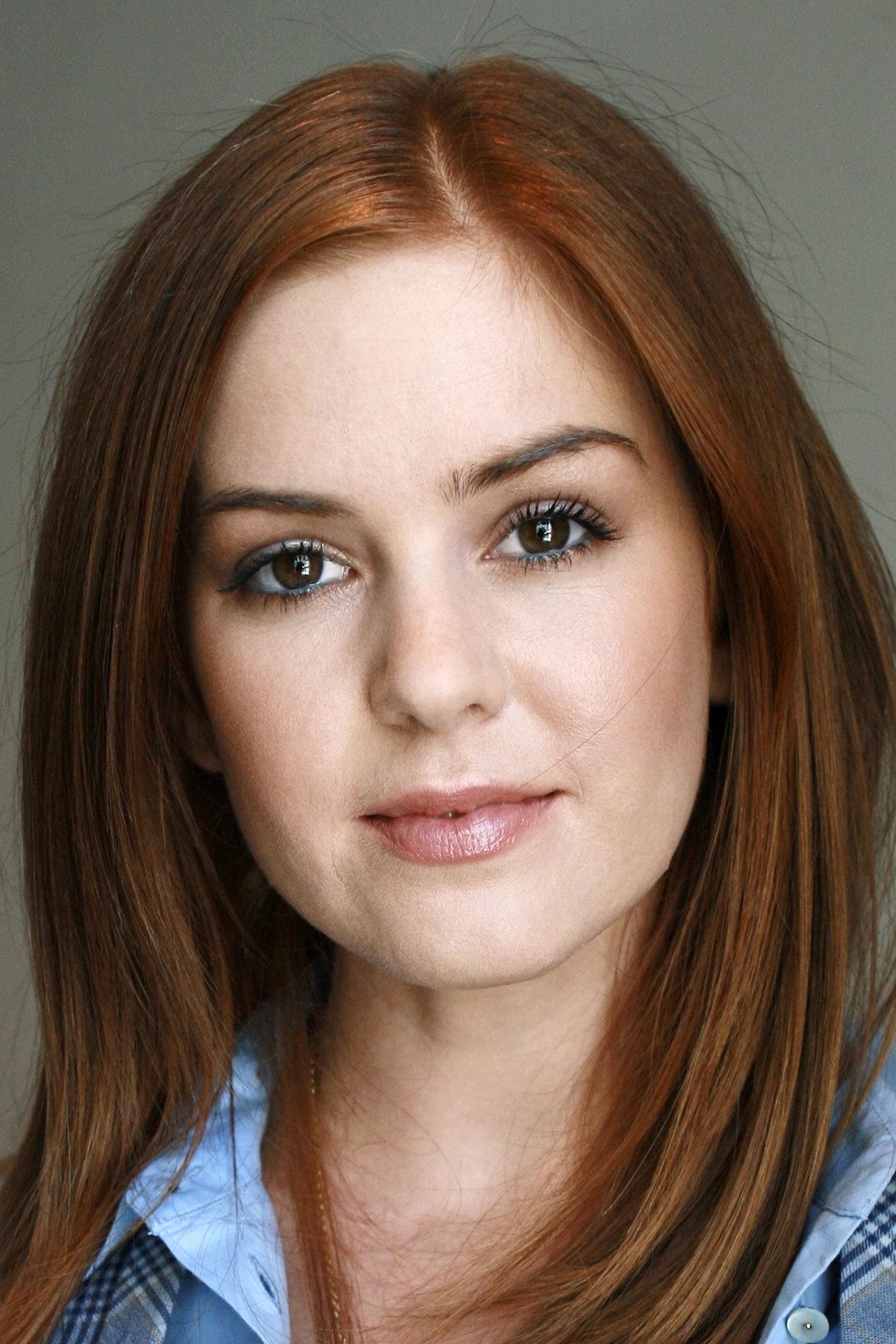
While performing an underwater escape, a release mechanism jammed and Fisher ran out of air. Her struggle on camera is real until safety divers reached her tank. The footage in the final scene includes the genuine motions before the rescue.
After the incident, props swapped the faulty gear and added an extra safety line. New angles were planned to keep her face above the waterline in later takes. The initial footage was kept because it matched the act’s rising danger and needed no re-staging.
Edward Norton – ‘Fight Club’ (1999)
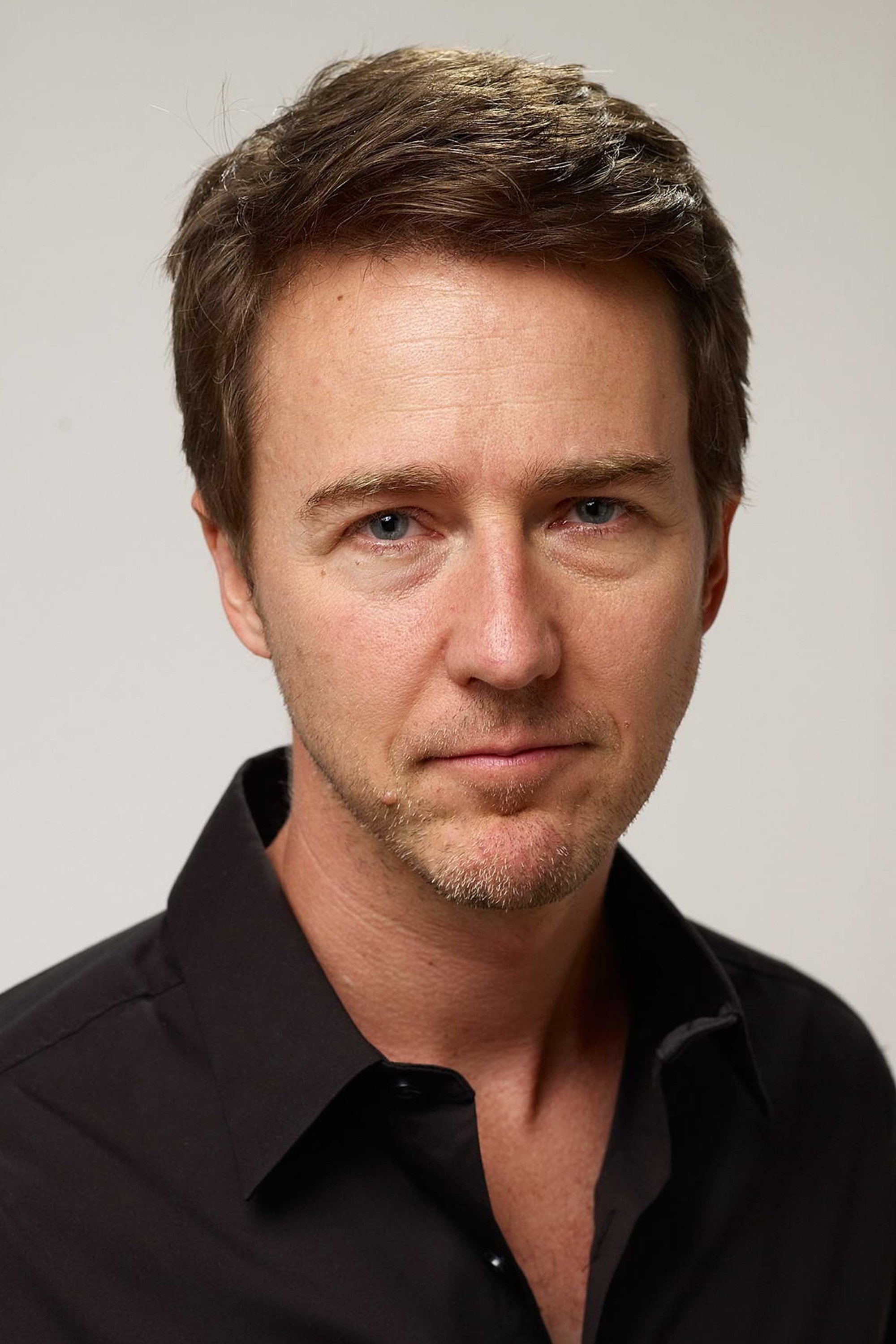
In the scene where the Narrator throws his first punch, Norton was actually hit in the ear. His flinch and the line that follows were captured live. The take you see uses the real strike and the startled reaction.
Later fight beats returned to pulled punches and sound design to maintain safety. Makeup tracked the ear’s redness for continuity across the sequence. The production moved to body blows on pads when coverage required repeatable hits.
Burt Reynolds – ‘Deliverance’ (1972)
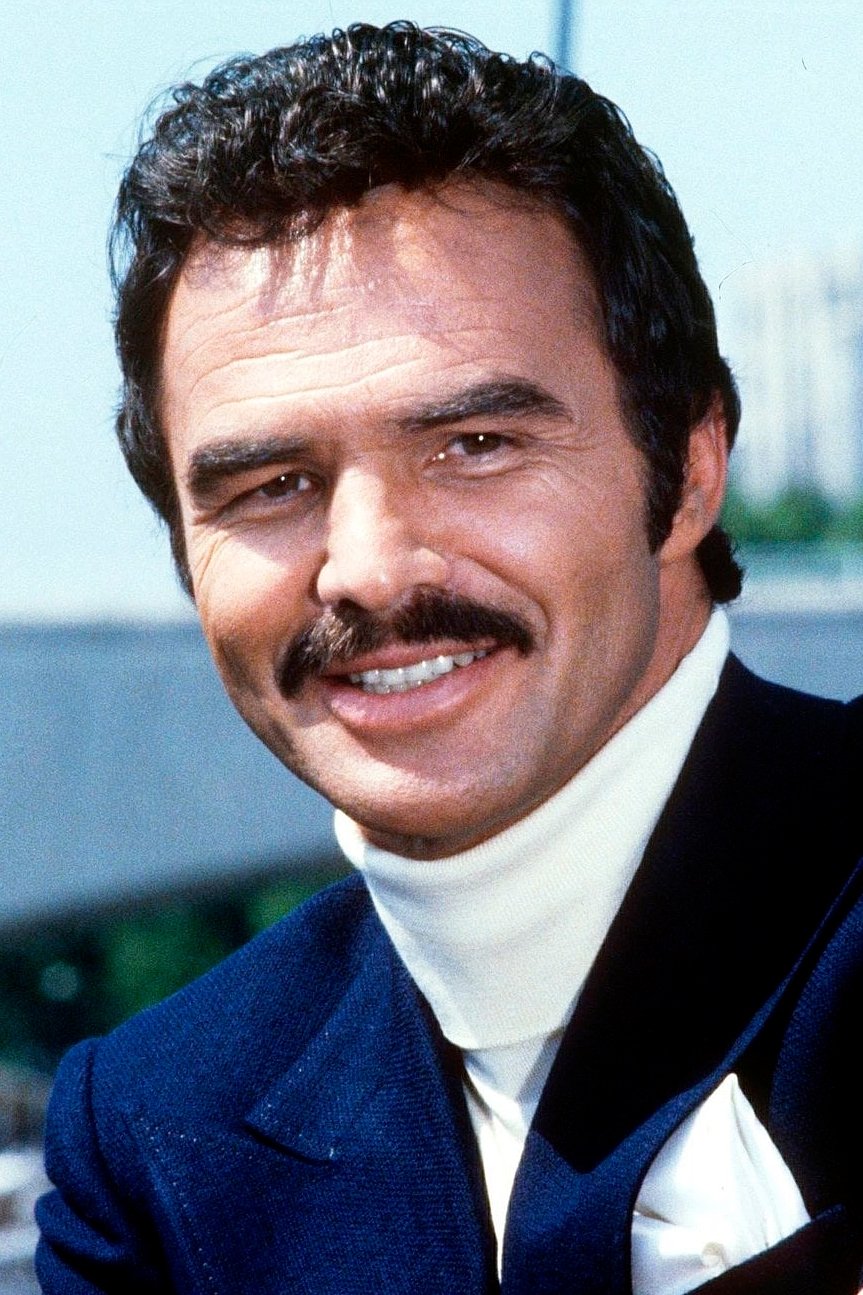
Reynolds chose to run a dangerous whitewater stunt himself and was injured when he went through rapids and hit rocks. The wild tumble that made the movie is the actual run. He was treated for a damaged tailbone and heavy bruising after the sequence.
The film keeps the real spill and then cuts to coverage that was captured earlier. Stunt planning for remaining river work added extra spotters and revised lines through the water. The edit leans on the genuine wipeout to sell the peril of the journey.
Brad Pitt – ‘Se7en’ (1995)
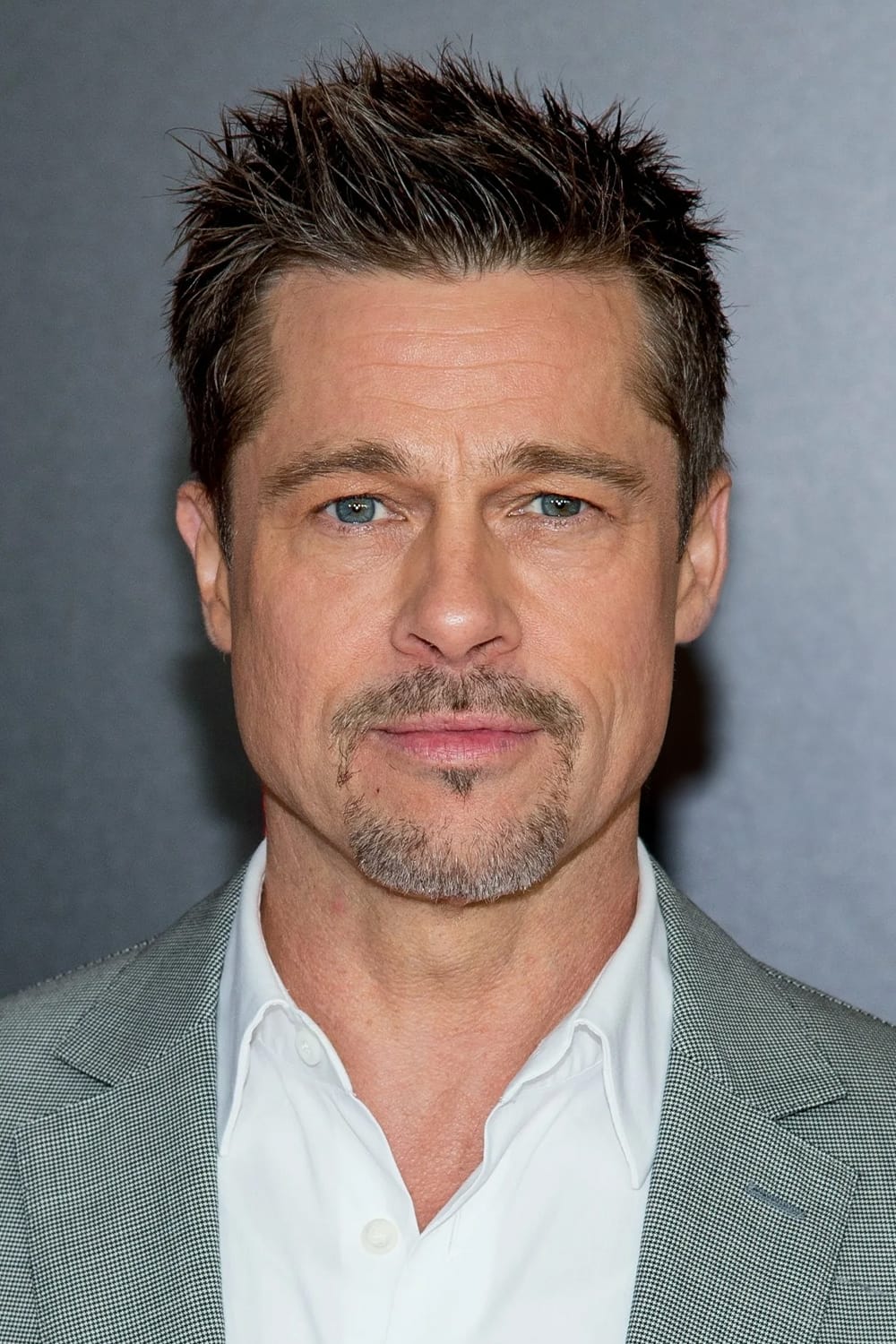
During a rainy foot chase, Pitt slipped while vaulting and tore a tendon in his hand. The stumble and the immediate scramble appear in the finished scene. The production wrote a cast into the story so shooting could continue without long delays.
Subsequent scenes blocked his gun hand and framed to keep the brace motivated within the narrative. Action design emphasized running and shoulder checks rather than hard grabs. The original slip stayed because it fit the chaos of the pursuit.
Share the wildest on set injury you noticed on screen in the comments.