15 Best Conspiracy Movies of All Time

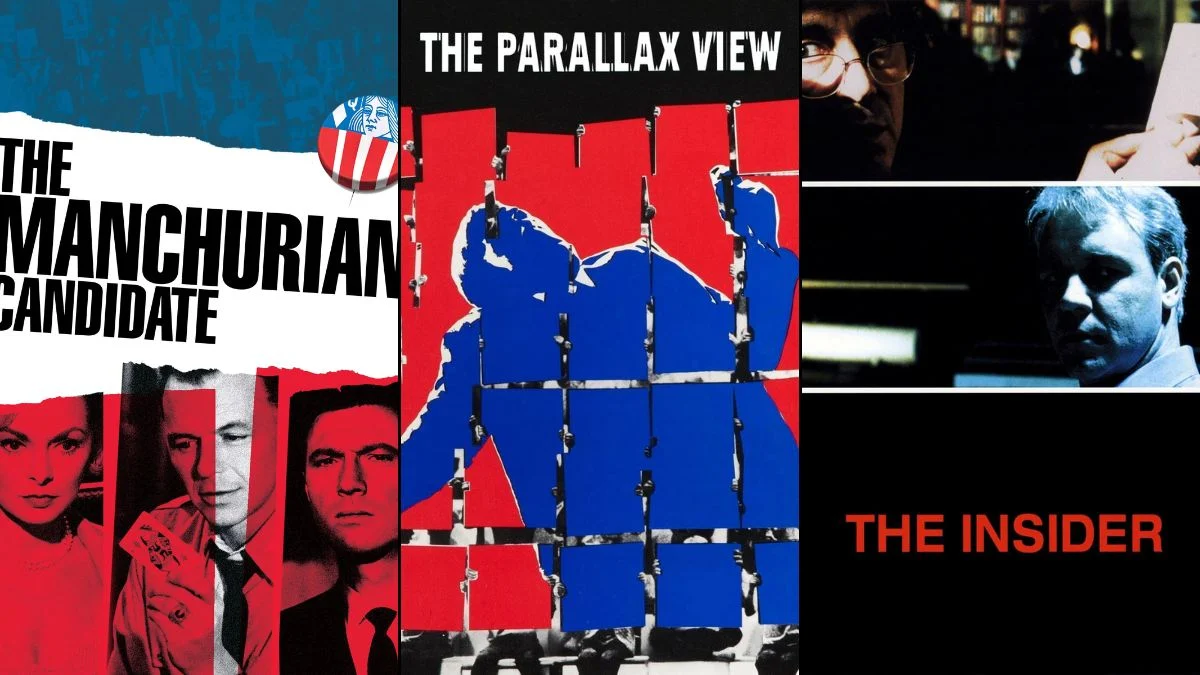

Conspiracy movies pull viewers into webs of hidden agendas and covert operations where small details change everything. These stories follow reporters, lawyers, analysts, and everyday people who stumble onto secrets that powerful groups would rather keep buried. The best of them balance tightly plotted mysteries with real world textures like recognizable institutions, plausible technology, and procedures that feel authentic.
This list gathers standout films that explore political cover ups, corporate wrongdoing, and shadowy organizations. Each one pairs a gripping investigation with precise craft choices such as meticulous sound work, careful location shooting, and editing that guides how clues surface. You will find adaptations of acclaimed books, portraits of whistleblowers, and thrillers that made lasting contributions to how cinema portrays surveillance and power.
‘All the President’s Men’ (1976)
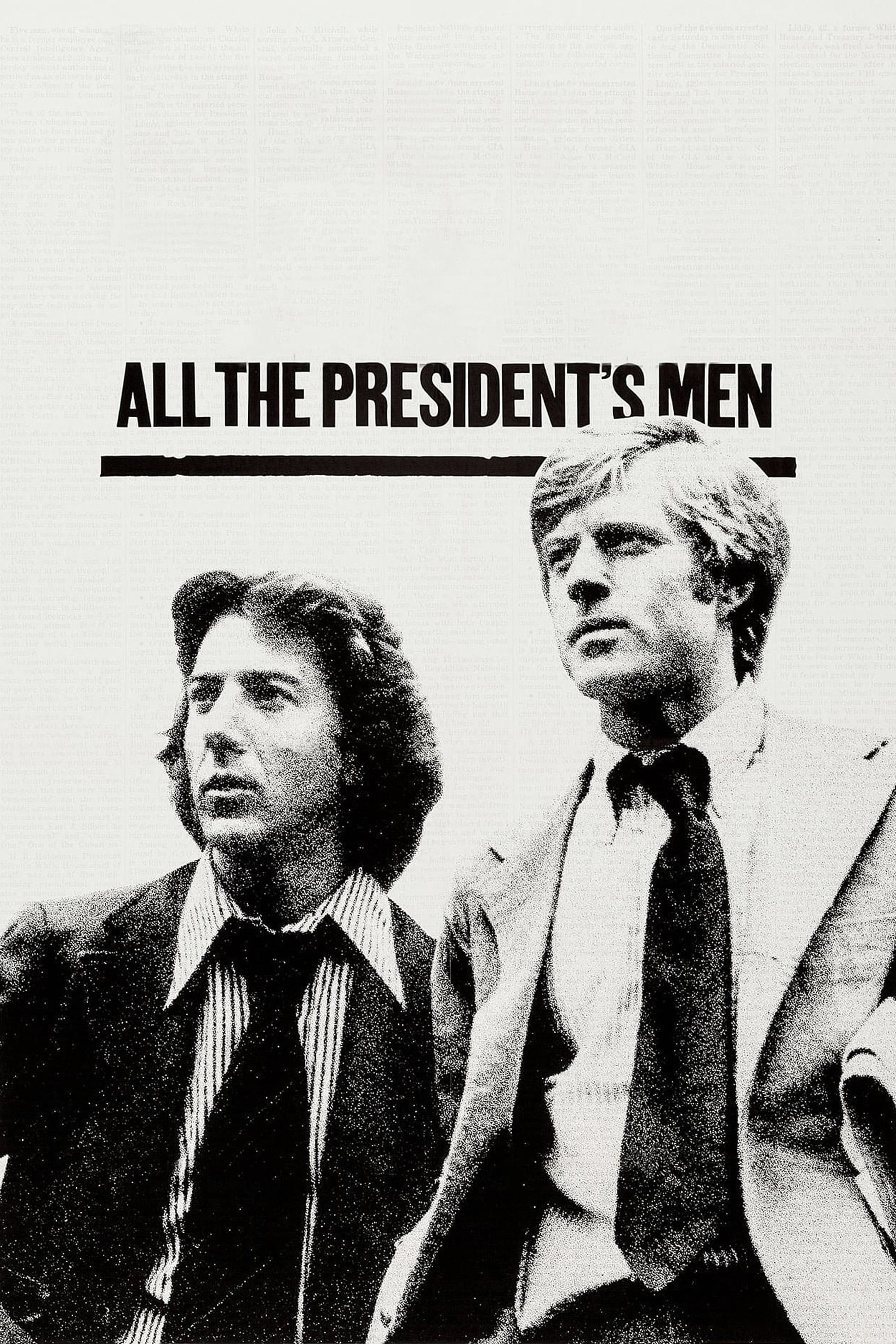
The film follows Washington Post reporters Bob Woodward and Carl Bernstein as they trace a break in at the Democratic National Committee to a broader cover up. It was directed by Alan J. Pakula and stars Robert Redford, Dustin Hoffman, and Jason Robards, with a screenplay by William Goldman adapted from the reporters’ nonfiction book.
Production rebuilt the Post newsroom on a soundstage with working phones and period equipment to match daily reporting routines. Cinematography by Gordon Willis emphasized practical light, while composer David Shire kept the score restrained to foreground typewriters, phones, and quiet conversations that drive the investigation.
‘The Parallax View’ (1974)

A journalist played by Warren Beatty investigates a mysterious corporation that recruits candidates for covert assignments after a high profile political assassination. The story comes from the novel by Loren Singer and is part of Alan J. Pakula’s cycle of paranoia themed thrillers.
Filming used Seattle locations including the Space Needle to anchor the opening set piece. Gordon Willis devised stark compositions and deep shadows, and editor James Cresson shaped the psychological assessment montage using images that escalate in speed and contrast to show the organization’s methods.
‘Three Days of the Condor’ (1975)
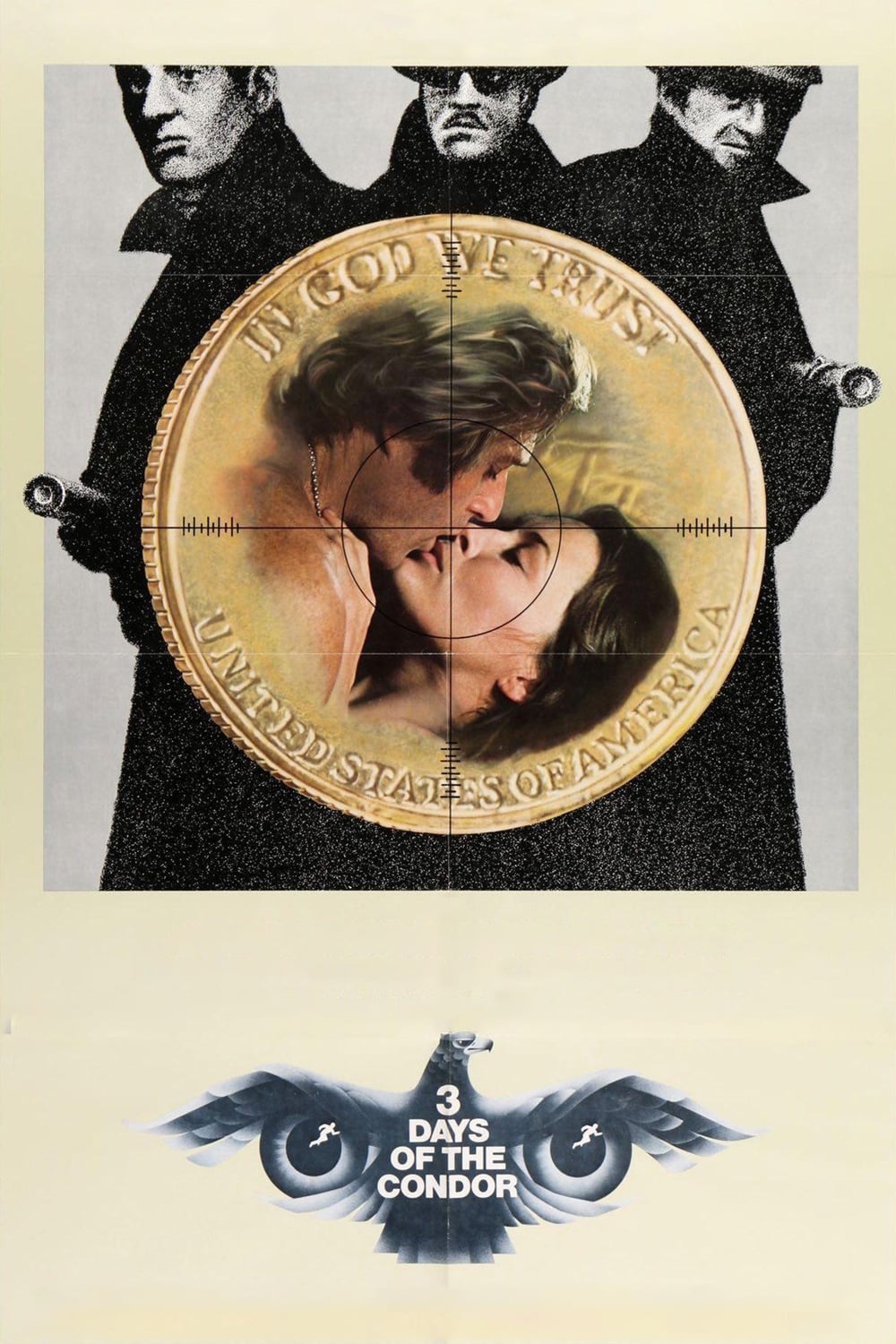
A reader at a small research office stumbles into a deadly plot inside the intelligence community and must survive long enough to learn who ordered a hit on his coworkers. Sydney Pollack directs Robert Redford and Faye Dunaway in a story adapted from James Grady’s novel Six Days of the Condor.
New York City exteriors place key scenes among real streets and storefronts, and Dave Grusin’s score mixes jazz textures with tense cues for surveillance sequences. Max von Sydow’s character provides a methodical counterpart to the protagonist, giving the film a procedural rhythm built around tradecraft and timing.
‘Chinatown’ (1974)
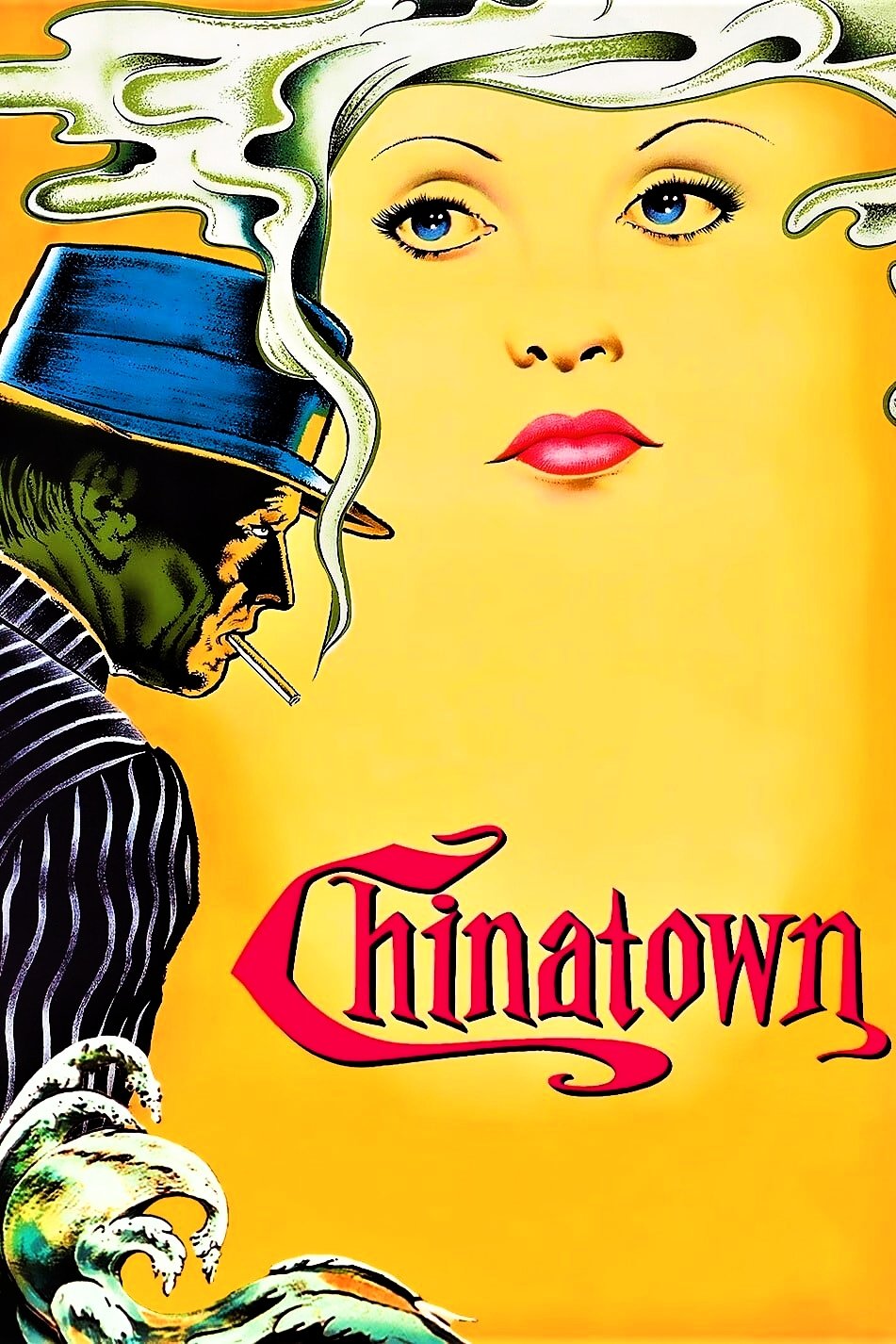
A private investigator takes a routine marital case that leads to municipal corruption and battles over water rights affecting Los Angeles. Robert Towne’s screenplay draws on historic disputes in the Owens Valley while Roman Polanski directs Jack Nicholson, Faye Dunaway, and John Huston.
Cinematography by John A. Alonzo uses warm light and period detail to evoke the city’s expansion and its infrastructure. Jerry Goldsmith’s score employs a muted trumpet and strings that underline the careful pacing as documents, deeds, and survey maps reveal how the scheme works.
‘JFK’ (1991)
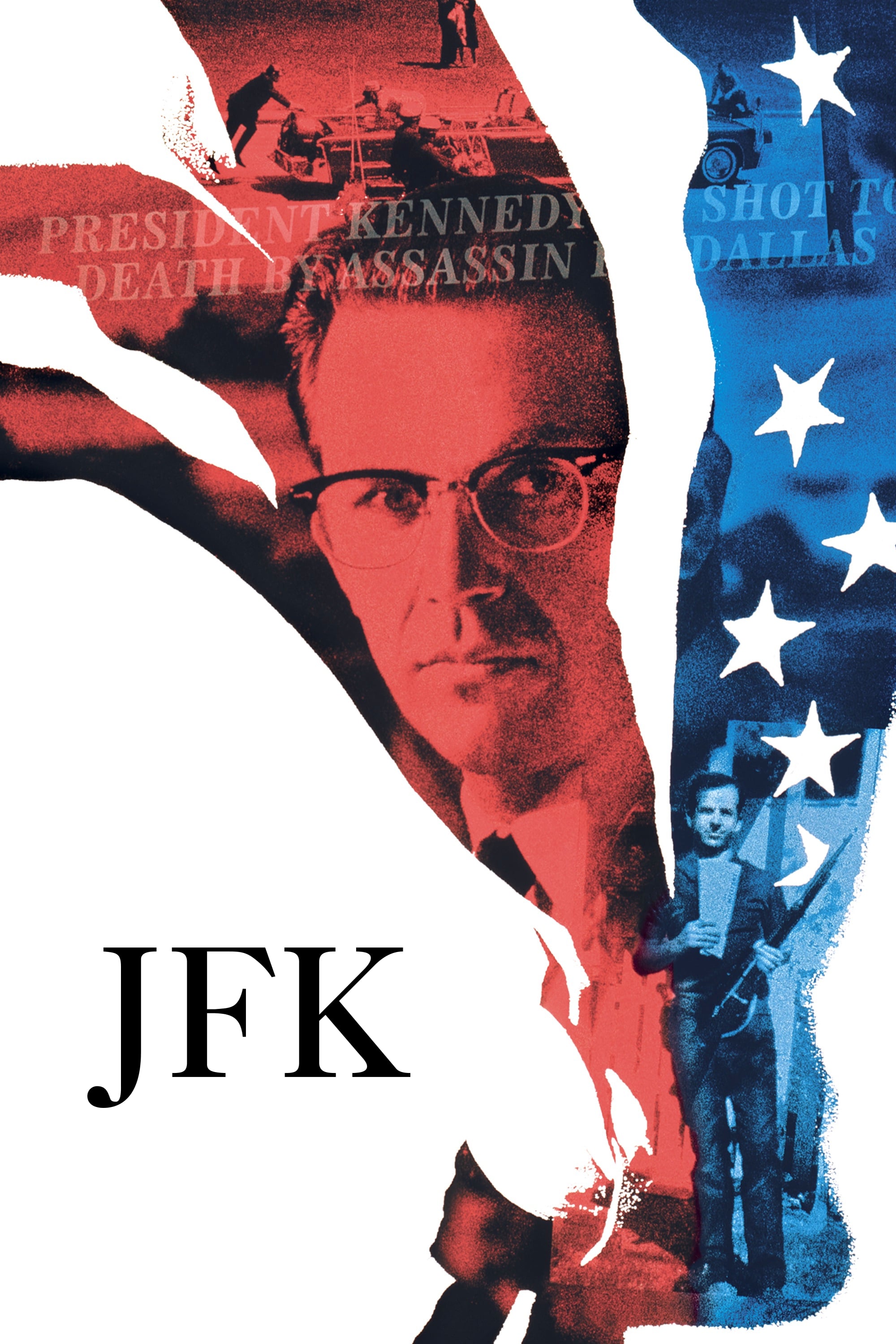
A New Orleans district attorney reexamines the assassination of President John F. Kennedy by assembling testimony, records, and film evidence across multiple agencies. Oliver Stone blends courtroom scenes with investigation montages and casts Kevin Costner, Gary Oldman, Tommy Lee Jones, and Sissy Spacek.
The production mixes black and white and color stocks and integrates staged material with archival footage to track sources and contradictions. Cinematographer Robert Richardson and editor Joe Hutshing create a mosaic approach, and the film adapts elements from books by Jim Garrison and Jim Marrs to map competing narratives.
‘Z’ (1969)
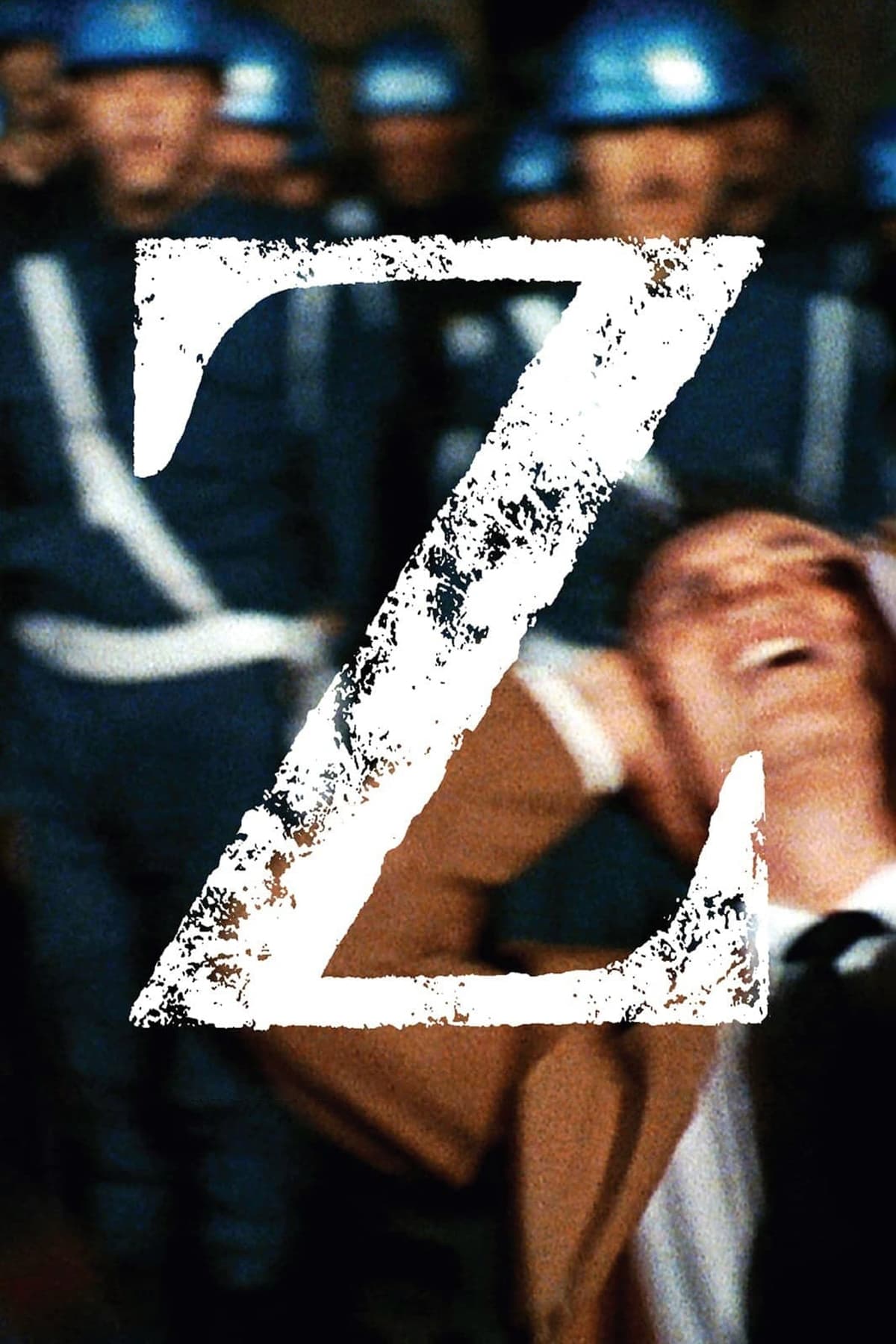
A political thriller from Costa Gavras depicts the aftermath of a politician’s murder and the inquiry that exposes the involvement of officials and security forces. Jean Louis Trintignant plays the examining magistrate who follows evidence through witness statements and classified files.
The film draws from Vassilis Vassilikos’s novel and uses brisk handheld camerawork and street level scenes to convey public unrest. It incorporates music associated with Mikis Theodorakis and presents transcripts, medical reports, and police procedures that show how an investigation can move forward under pressure.
‘Blow Out’ (1981)
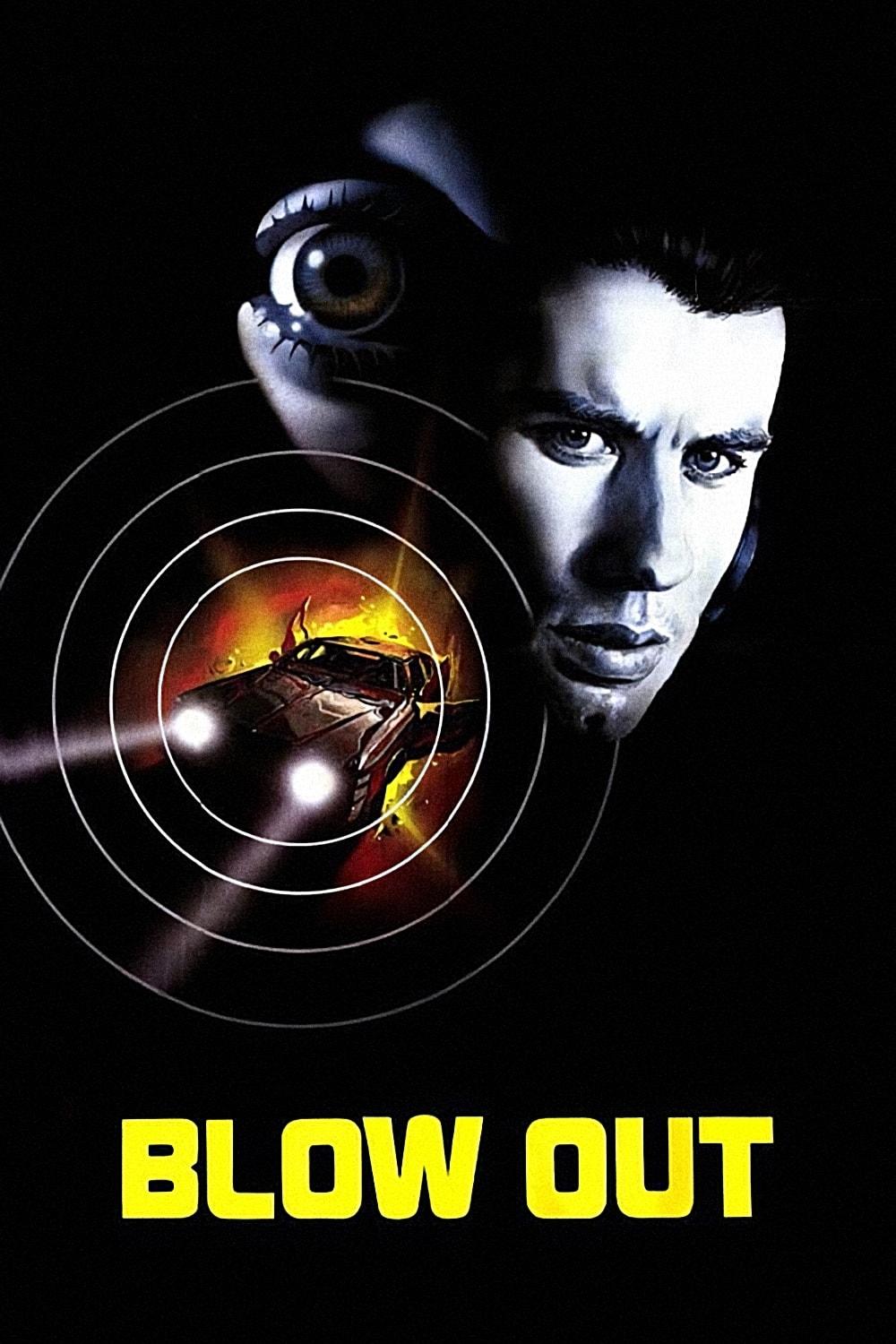
A sound technician records an apparent tire blowout that he suspects was a cover for a political assassination. Brian De Palma directs John Travolta, Nancy Allen, and John Lithgow in a story that centers on sound capture and the assembly of aural clues.
Vilmos Zsigmond’s cinematography pairs split diopter shots with long takes so the audience can watch microphones, tapes, and mixing boards at work. Pino Donaggio’s music supports sequences where reel to reel tape, contact mics, and field recordings are layered to reconstruct what happened on a dark roadway.
‘The Conversation’ (1974)
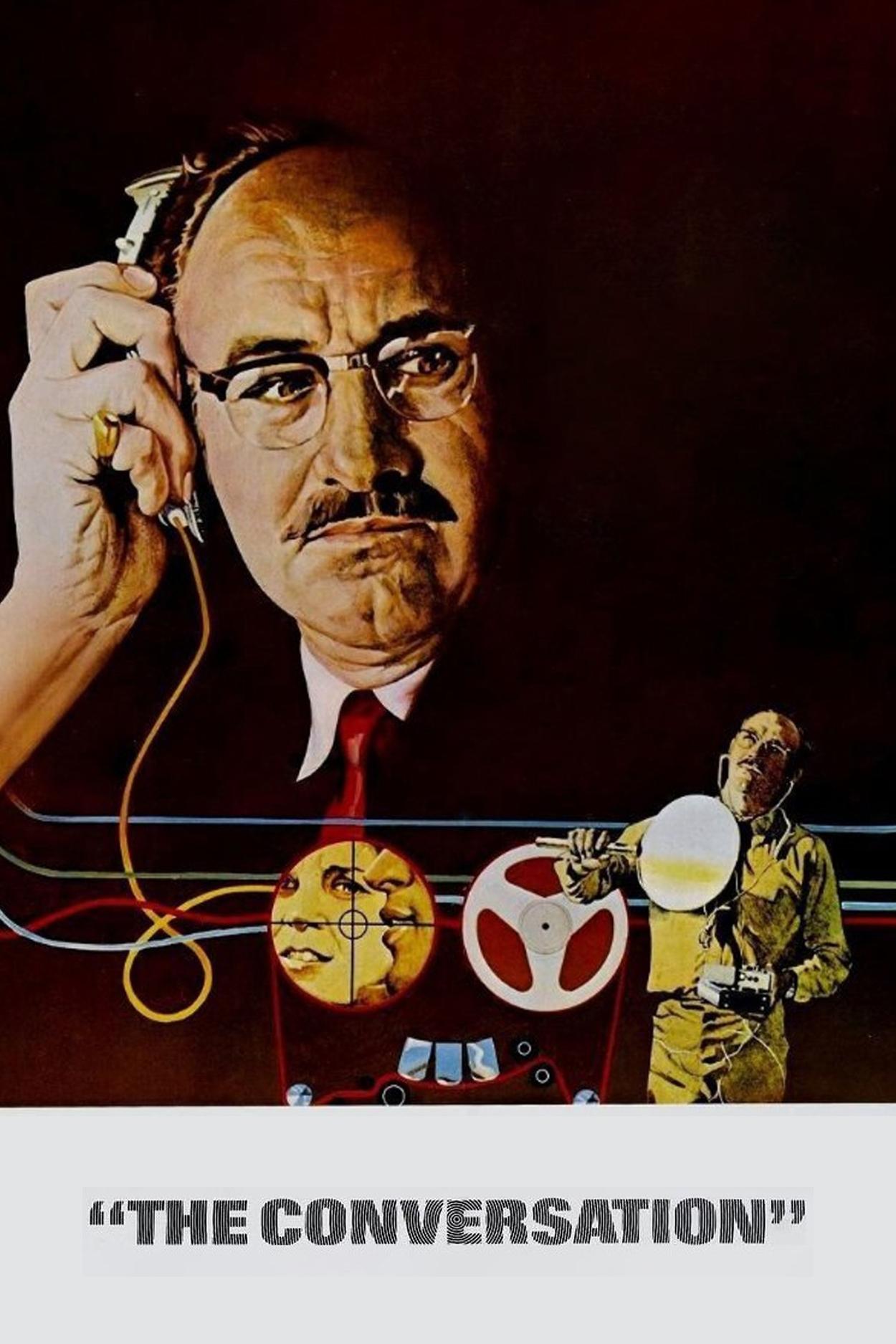
A surveillance expert named Harry Caul is hired to record a meeting and becomes concerned that his client may use the material to harm the subjects. Francis Ford Coppola directs Gene Hackman with support from John Cazale and Harrison Ford.
The production centers its mystery on wiretaps and directional microphones rather than chase scenes. Walter Murch’s editorial structure and sound design isolate phrases that change meaning after repeated listening, and David Shire’s minimalist piano theme matches the character’s routines and controlled workspace.
‘Enemy of the State’ (1998)
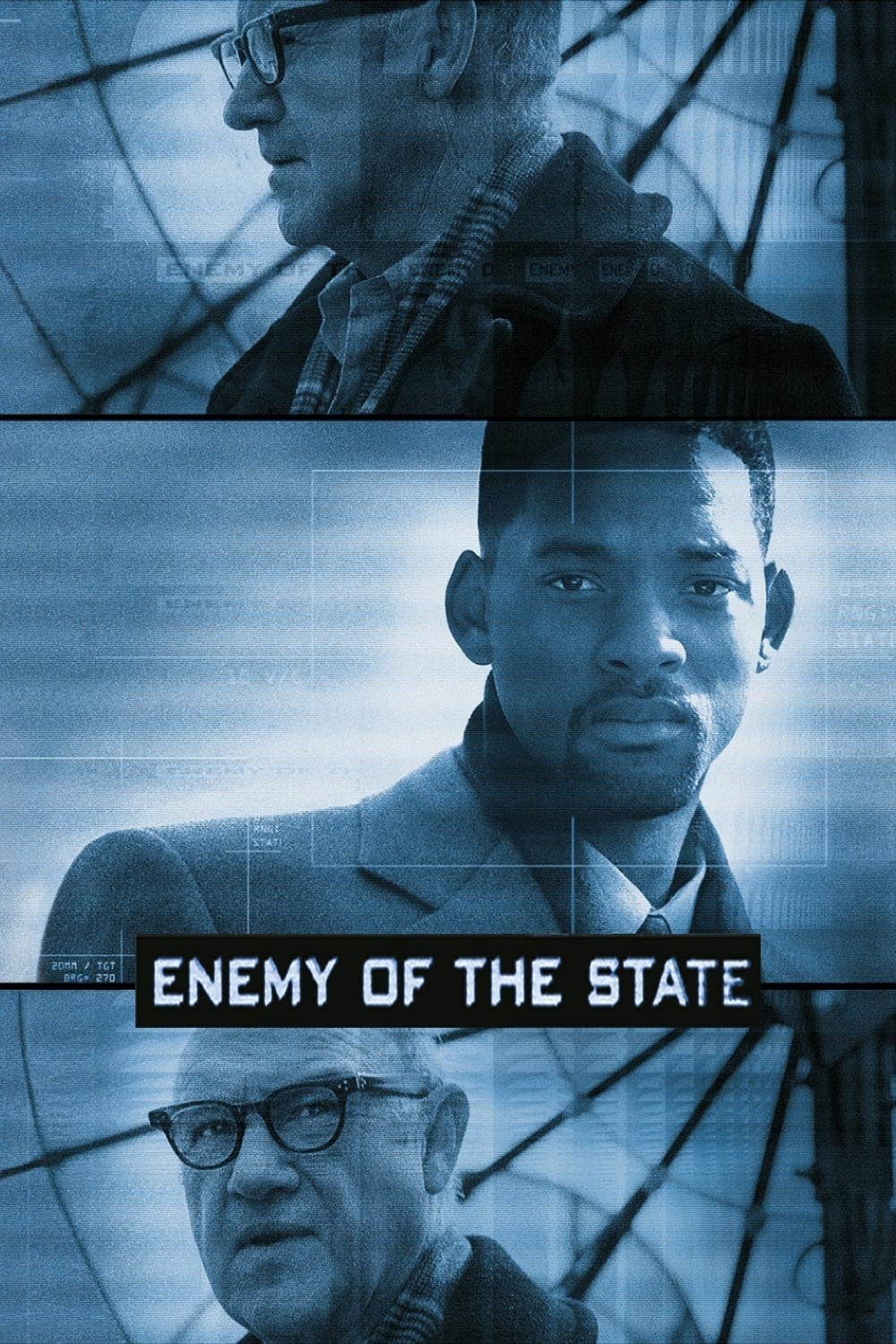
A labor lawyer receives evidence tied to a congressman’s death and finds himself targeted by a team using advanced surveillance tools. Tony Scott directs Will Smith, Gene Hackman, Jon Voight, and Regina King in a story that connects retail shopping records, satellite imagery, and phone intercepts.
The film employs real locations in Washington and Baltimore and stages foot pursuits with live traffic and aerial shots. Gene Hackman’s character and wardrobe reference ‘The Conversation’, and production design fills safe houses and tech rooms with scanners, frequency analyzers, and signal jammers to show how tracking can operate.
‘The Insider’ (1999)
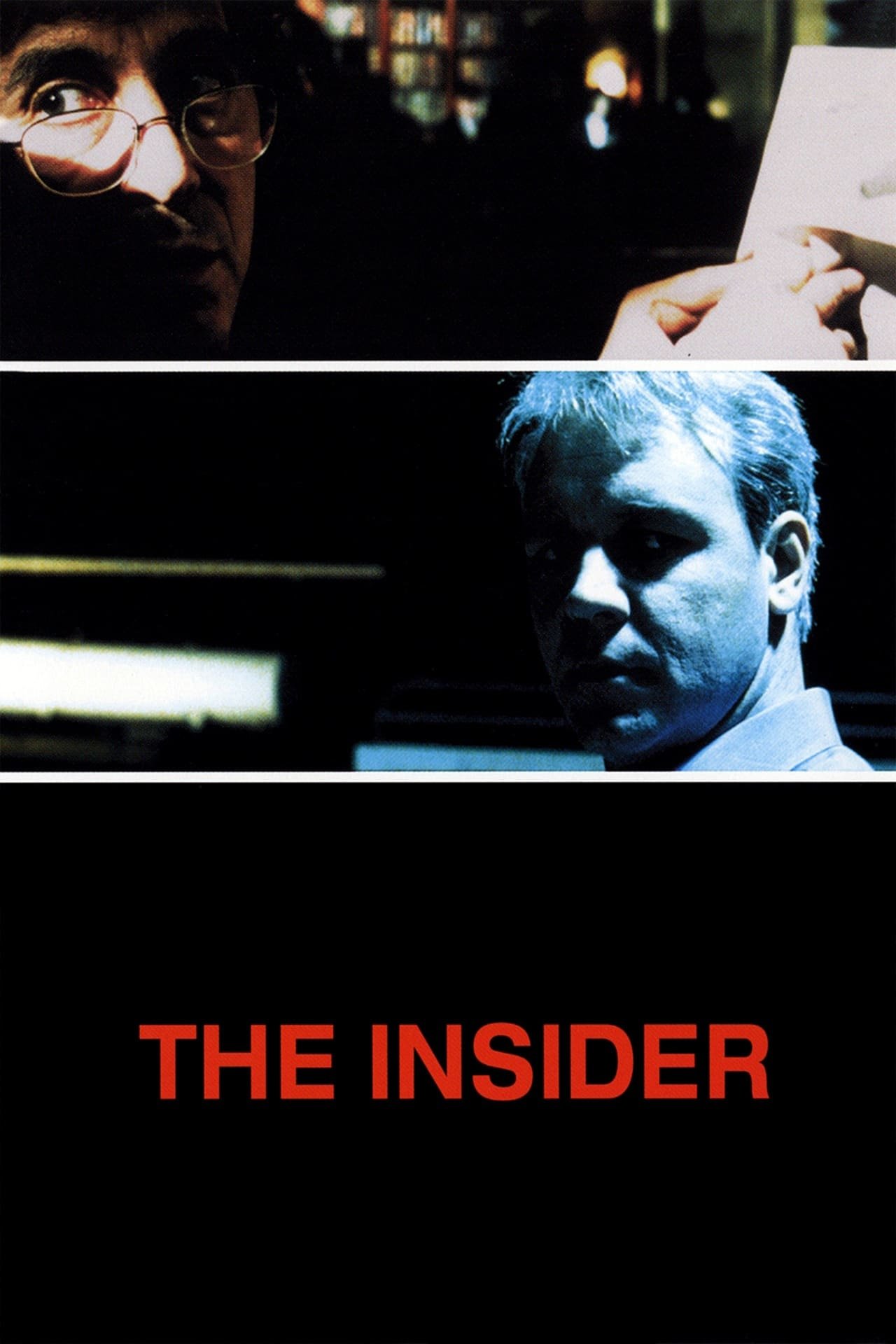
A research producer for the news magazine ‘60 Minutes’ works with a former tobacco executive who discloses internal knowledge of nicotine chemistry and corporate practices. Michael Mann directs Russell Crowe and Al Pacino in an adaptation of a magazine article by Marie Brenner.
The film details nondisclosure agreements, depositions, and editorial vetting inside a broadcast newsroom. Dante Spinotti’s cinematography and restrained lighting capture offices, hotel rooms, and labs, while interviews and source protection procedures show how a major investigation is shaped for national television.
‘Capricorn One’ (1978)
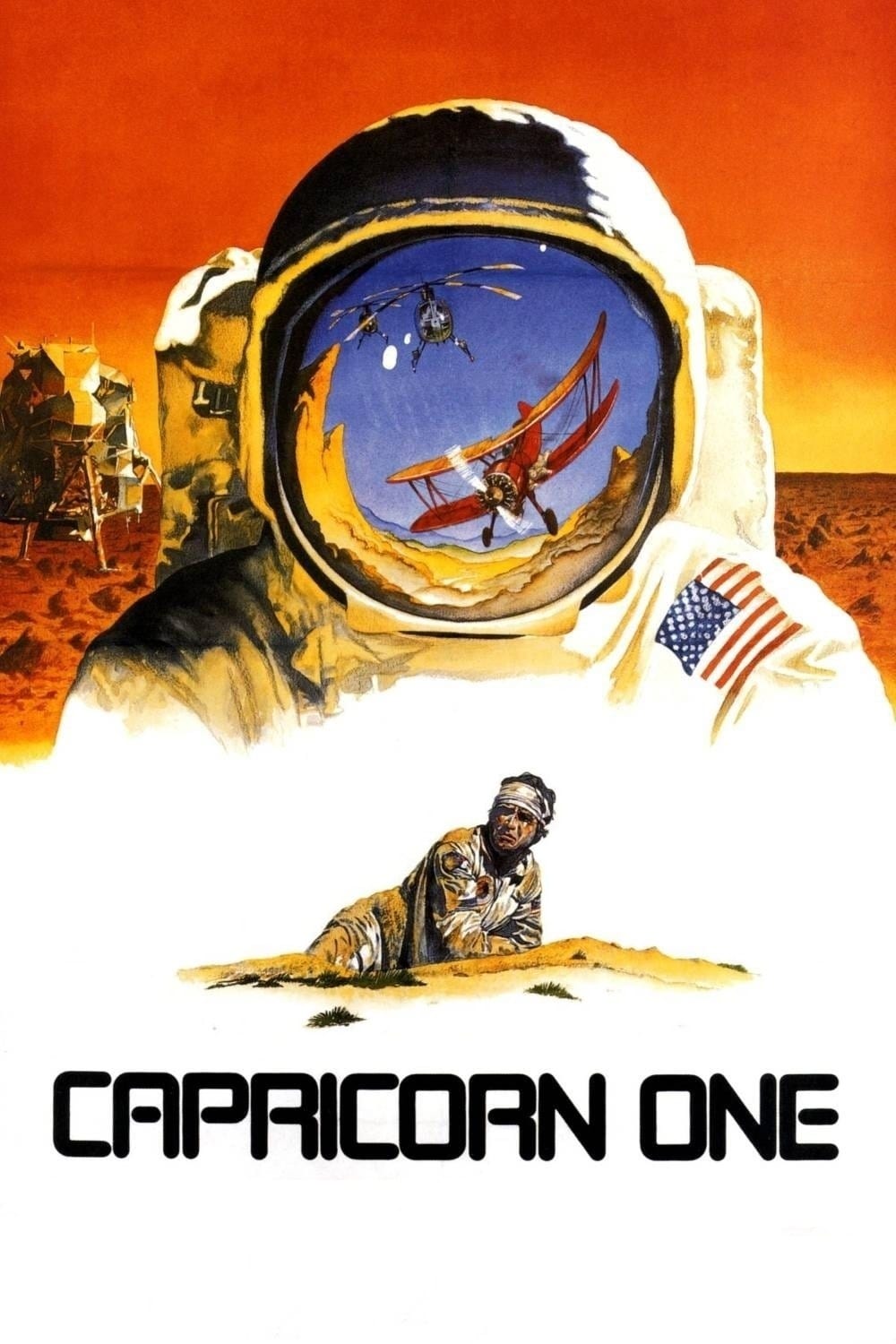
A crewed Mars mission is scrubbed at the last minute and the astronauts are forced to participate in a faked broadcast while the agency hides the truth. Peter Hyams directs James Brolin, Sam Waterston, O J Simpson, Elliott Gould, and Hal Holbrook.
The production uses desert locations to stage survival sequences as the astronauts attempt to escape. Jerry Goldsmith supplies a suspense score, and the film incorporates launch facilities, control room displays, and media briefings to lay out the logistics of an elaborate deception.
‘The Manchurian Candidate’ (1962)

A decorated soldier returns home unaware that he has been programmed for political assassination after capture and psychological conditioning. John Frankenheimer directs Frank Sinatra, Laurence Harvey, and Angela Lansbury in an adaptation of Richard Condon’s novel.
Shot in black and white, the film uses dream sequences and close quarters blocking to show how triggers and cues operate. It later became hard to see for a period due to rights and distribution circumstances, and its reputation rose again after reissue, bringing renewed attention to its depiction of manipulation and influence.
‘Syriana’ (2005)
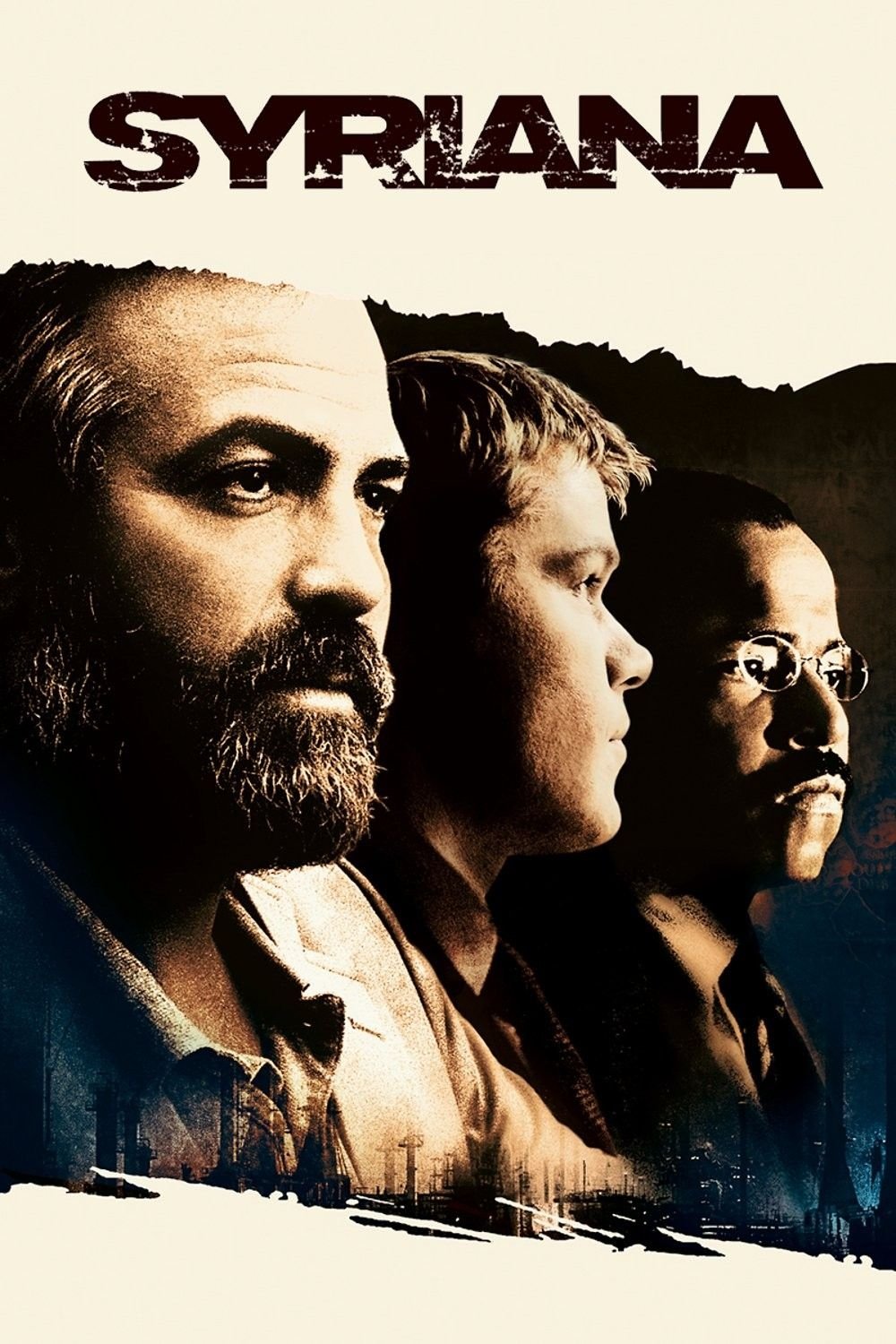
Interlocking stories follow an analyst, a lawyer, an energy trader, and a royal family as decisions around oil concessions ripple through governments and companies. Stephen Gaghan’s screenplay draws on the memoir See No Evil by former case officer Robert Baer.
Production filmed across multiple countries including Morocco and the United Arab Emirates to capture shipping terminals, desert fields, and corporate offices. George Clooney won an Academy Award for his performance, and the film presents boardroom mergers, Foreign Corrupt Practices Act concerns, and pipeline negotiations as parts of a single system.
‘Michael Clayton’ (2007)
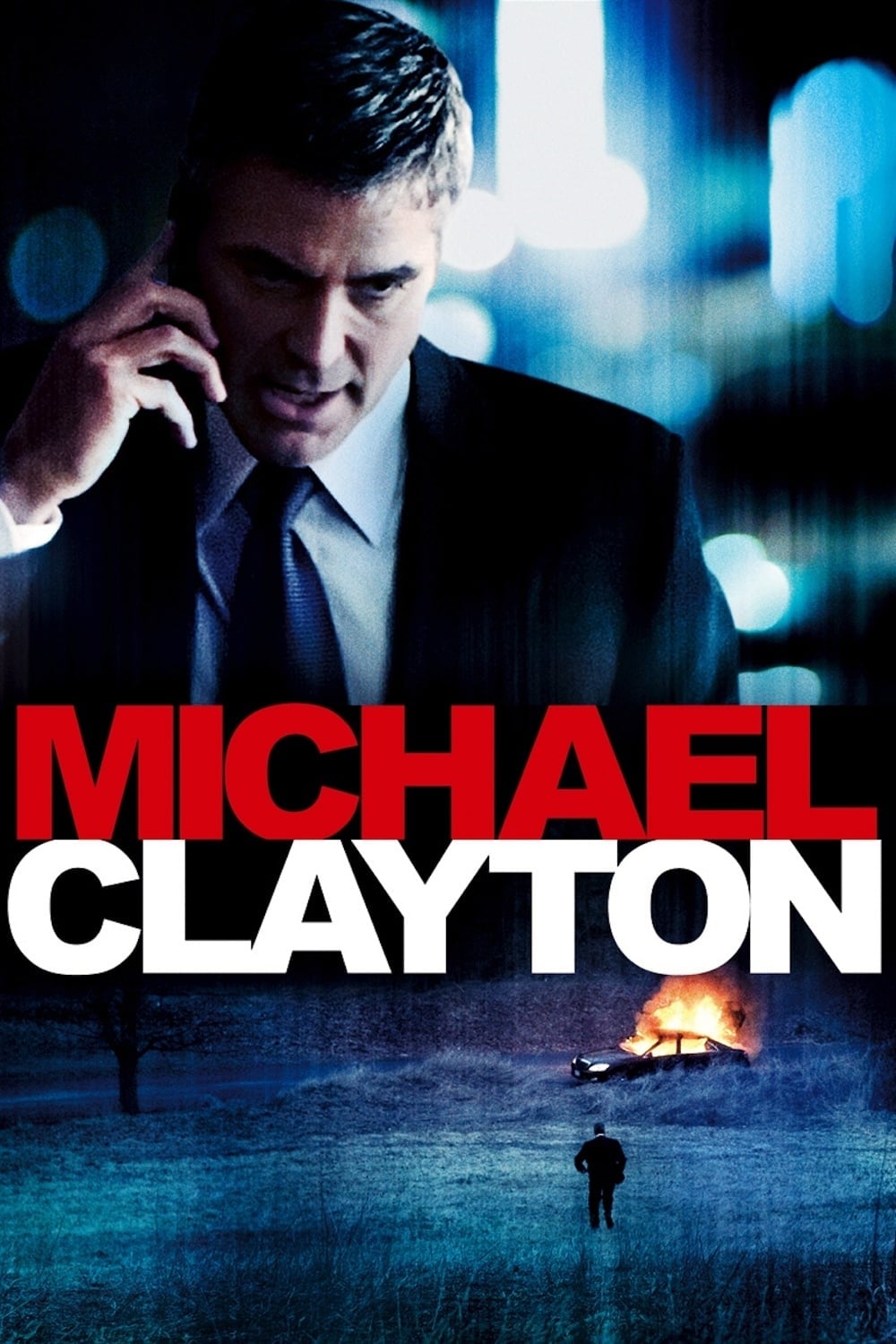
A law firm troubleshooter becomes involved in a class action case that centers on a chemical product with severe alleged side effects. Tony Gilroy directs George Clooney, Tilda Swinton, and Tom Wilkinson in a story about corporate liability and internal memos.
The film shows how discovery, confidentiality, and settlement talks shape strategy for both sides. Tilda Swinton won an Academy Award, and the production uses New York offices, rural roads, and conference rooms to stage meetings where evidence handling and document control determine the next move.
‘The Constant Gardener’ (2005)
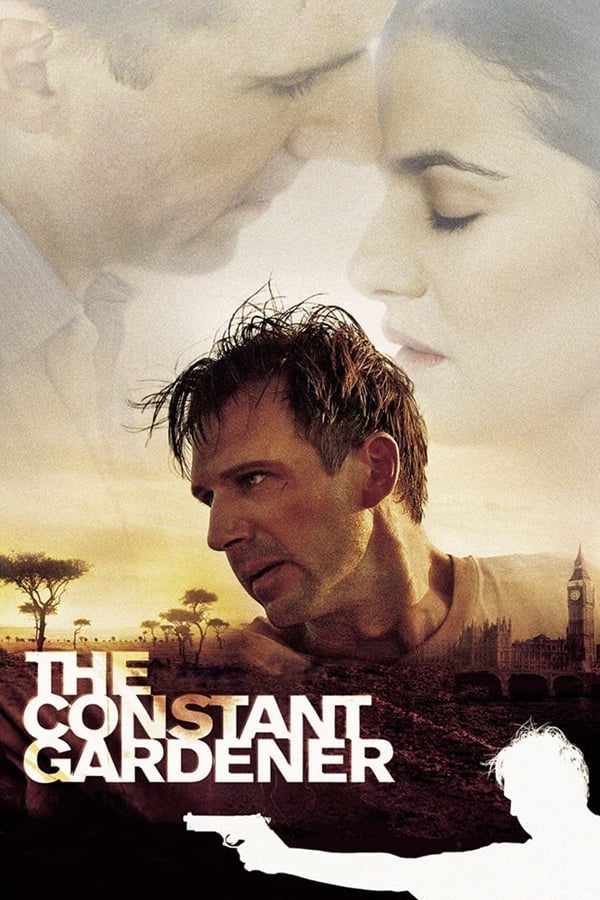
A British diplomat investigates the death of his activist spouse and uncovers a pharmaceutical testing program tied to a new drug. Fernando Meirelles directs Ralph Fiennes and Rachel Weisz in an adaptation of a novel by John le Carré.
The film shot extensively in Kenya, including Nairobi and the Kibera community, working with local residents during production. Rachel Weisz won an Academy Award, and the story examines clinical trials, regulatory filings, and supply chains as the protagonist follows letters, logs, and shipments to piece together the scheme.
‘Zodiac’ (2007)
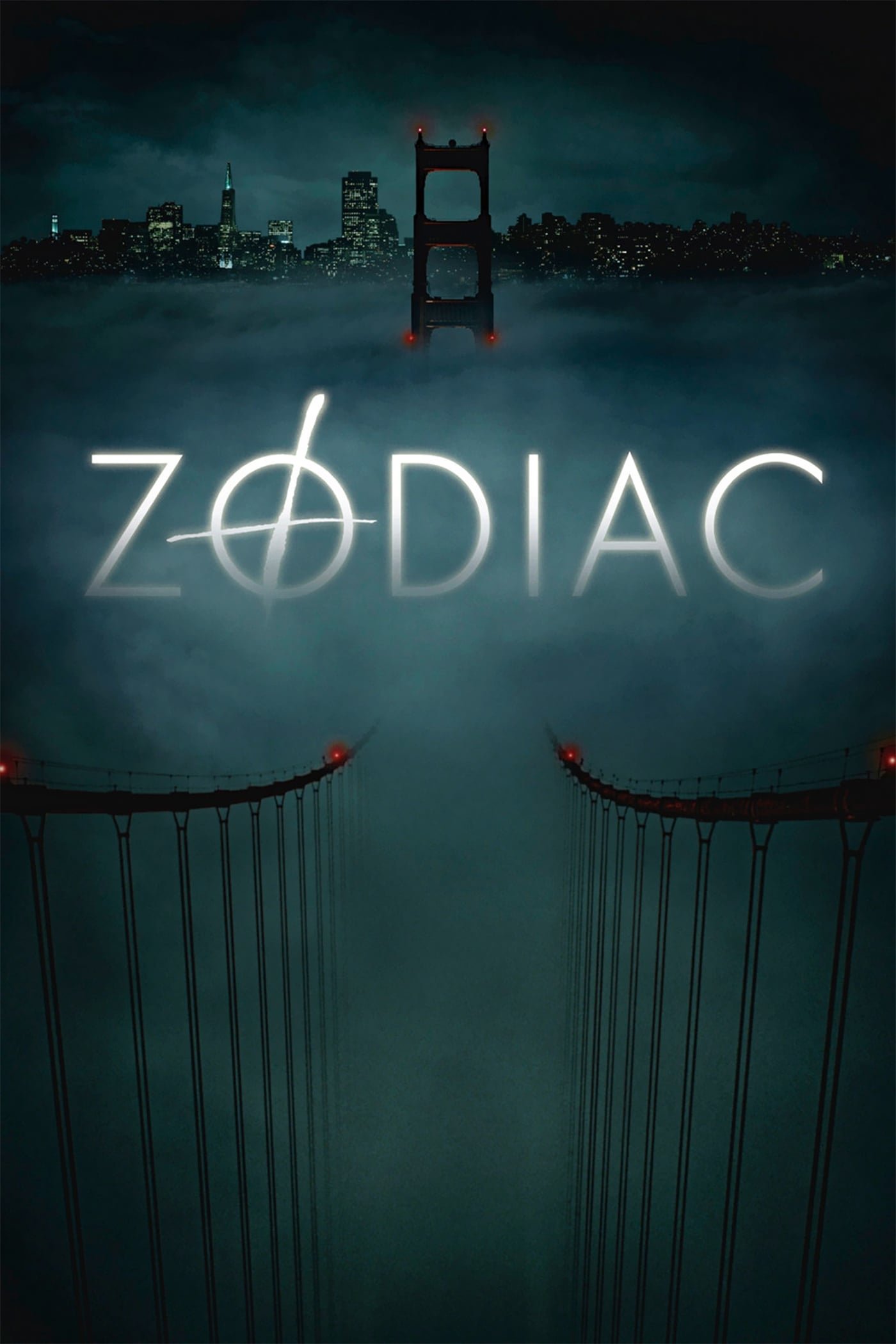
A newspaper cartoonist and two reporters pursue the identity of a serial killer who sends coded messages to the press and police. David Fincher directs Jake Gyllenhaal, Robert Downey Jr, and Mark Ruffalo in a detailed account based on books by Robert Graysmith.
The production recreates newsrooms, police departments, and print shops with period equipment such as letterpress type and teletype machines. Digital techniques were used to match skylines and streets to their earlier appearance, and the investigation tracks handwriting analysis, ballistics, and timelines built from letters and case files.
Share your favorite conspiracy pick in the comments and tell us which hidden plot kept you thinking the longest.