The Most High-Profile Celebrity Lawsuits Ever

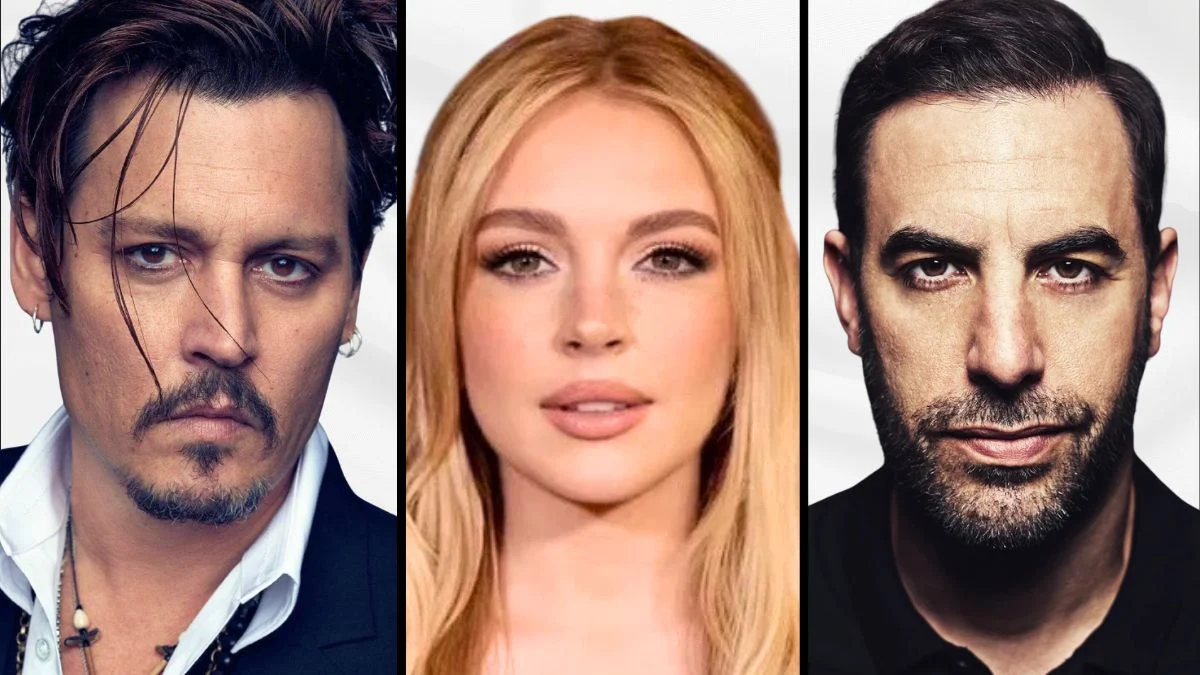

Celebrities end up in court for all kinds of reasons, from defamation and privacy claims to contract fights and right of publicity disputes. These cases can reshape newsroom practices, change how studios write deals, and set useful guideposts for creatives and brands that work in the spotlight.
Here are fifteen cases that drew intense attention and carried real consequences for the people involved and for the industries around them. Each entry lays out what triggered the dispute, where it unfolded, how it concluded, and what changed afterward so you can see why it still gets discussed today.
Johnny Depp
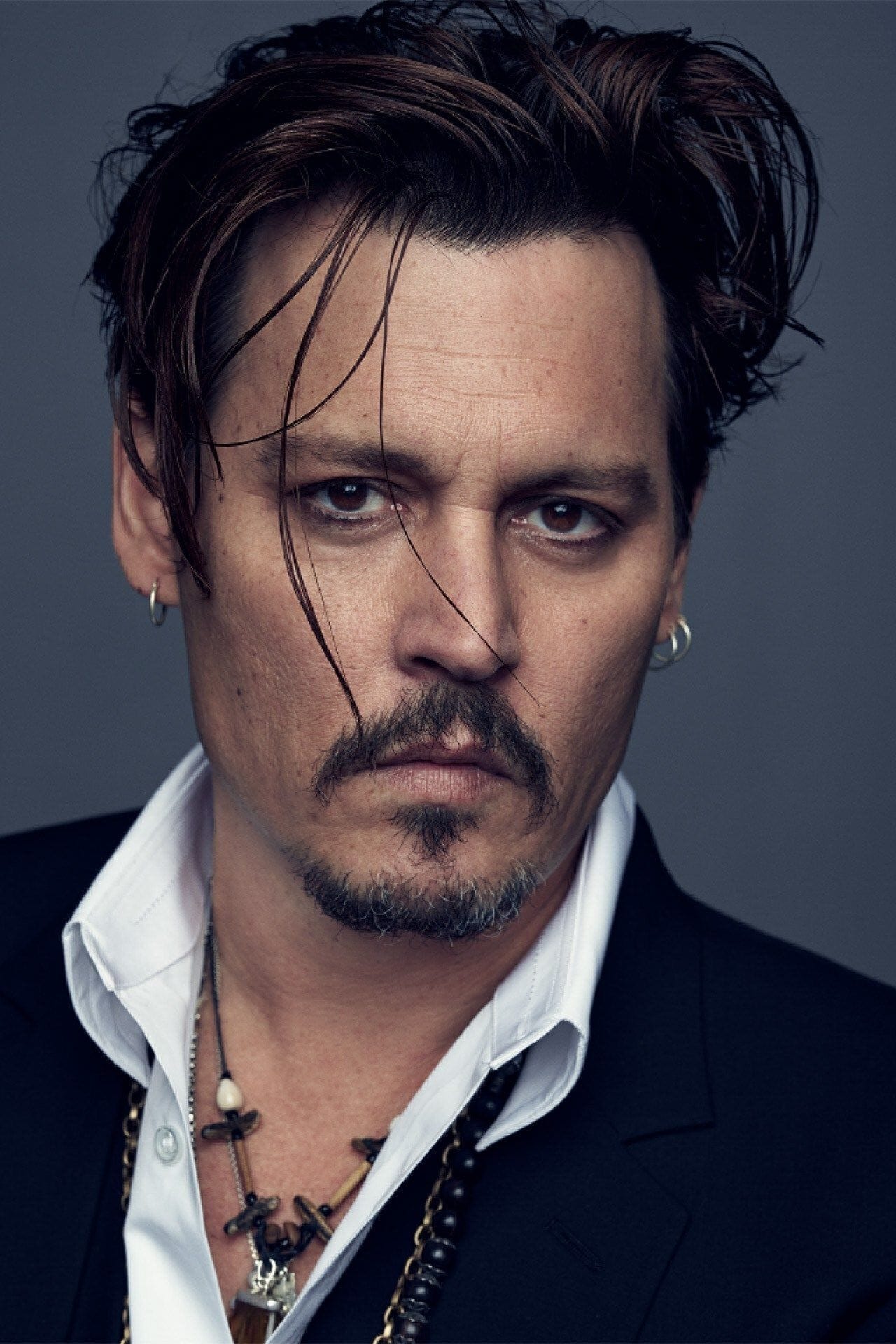
Depp sued Amber Heard in Virginia for defamation over a newspaper op ed. In 2022 a jury found that the op ed defamed him and awarded damages that were later adjusted under state limits. The court entered final judgment after resolving post trial motions.
After the verdict the parties reached a settlement that ended appeals and closed the case. Heard agreed to make a payment to Depp, and his team said the funds would go to charities. Studios and publicists reviewed morality and publicity clauses while public figures tightened vetting for statements released during personal disputes.
Gwyneth Paltrow
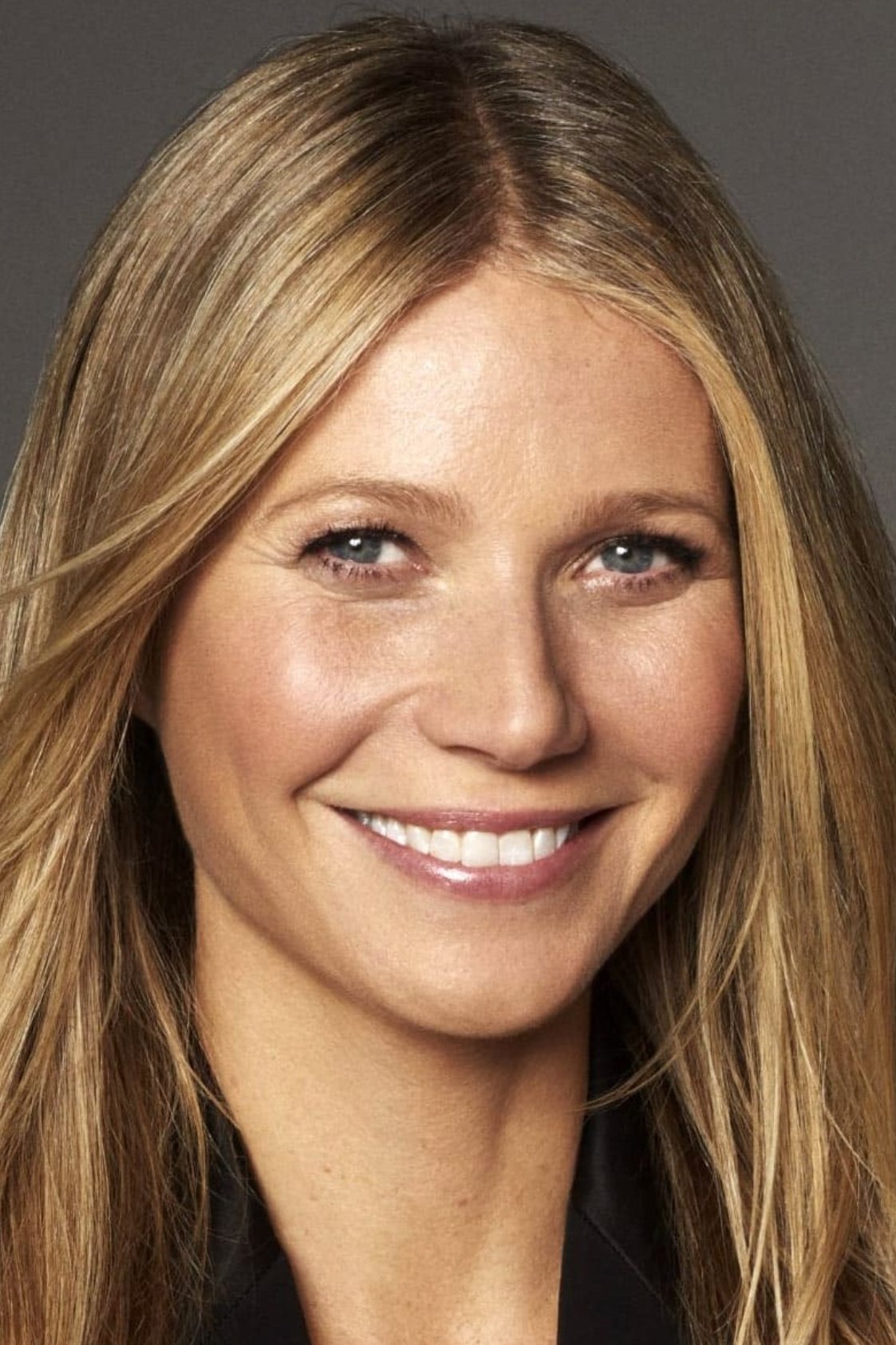
Paltrow faced a negligence suit from Terry Sanderson over a ski collision at Deer Valley in Utah. At trial in 2023 the jury found that Sanderson was at fault and returned a defense verdict for Paltrow. The court then addressed requests related to recoverable costs.
The outcome underscored Utah rules that place duties on uphill skiers and showed how expert reconstruction can shape liability in slope accidents. It also highlighted how a nominal damages counterclaim can frame a liability defense while limiting financial exposure for a prevailing party.
Scarlett Johansson

Johansson sued Disney in Los Angeles in 2021 alleging the day and date streaming release of the Marvel film ‘Black Widow’ breached her contract and reduced box office based compensation. The filing focused on whether the agreement guaranteed an exclusive theatrical window and how bonuses were calculated.
The parties settled a few weeks later and issued amicable statements. Talent contracts across the industry added detailed language about release models and stream share calculations. Studios also refined notice provisions for distribution changes that could affect contingent compensation.
Tom Cruise
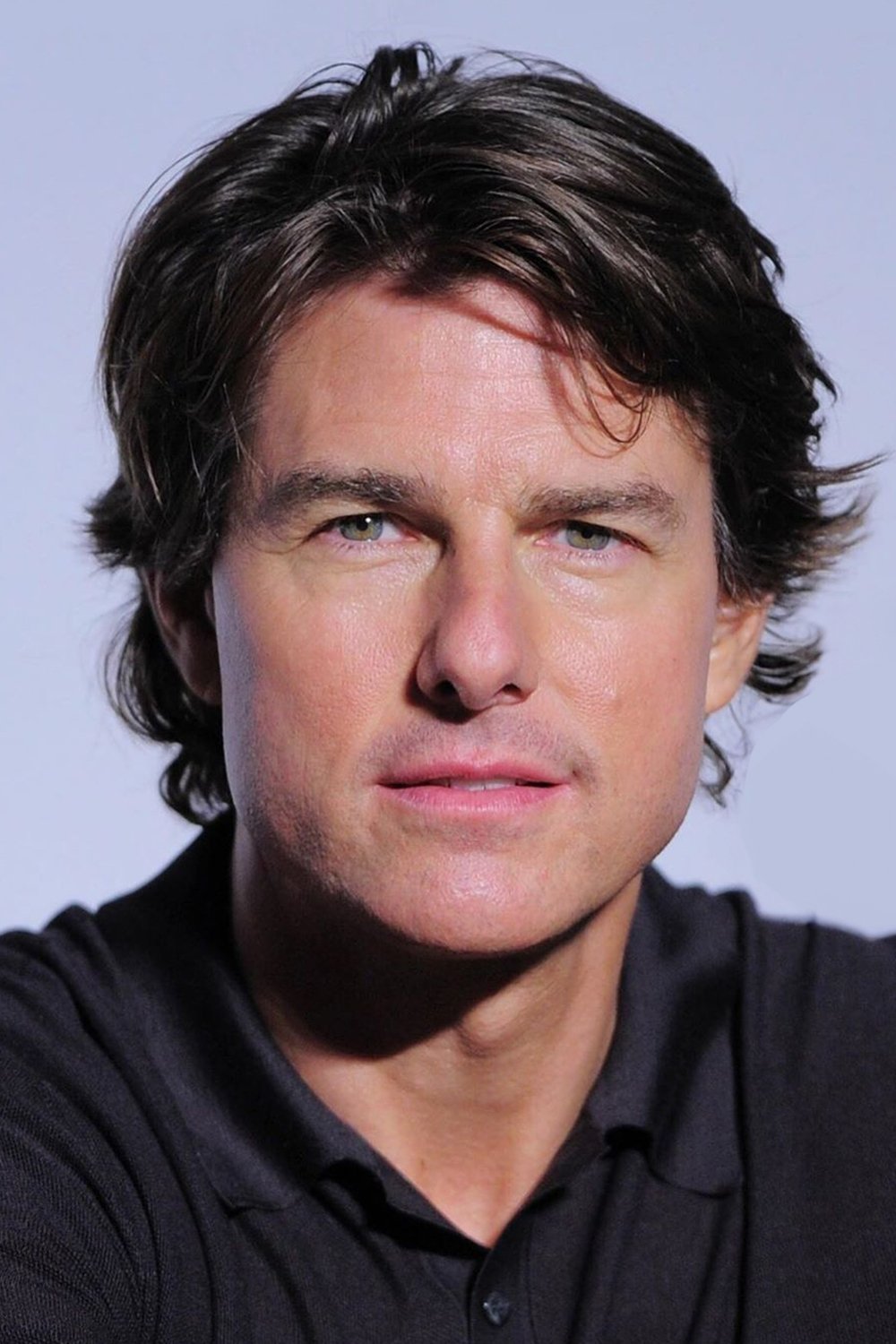
Cruise sued a magazine publisher in federal court over stories that questioned his relationship with his daughter. The case centered on whether the articles presented false statements of fact and whether the publisher acted with the level of fault required for public figures.
The dispute settled in 2013 and Cruise’s side said he was satisfied with the resolution. The case illustrated the evidentiary demands in celebrity defamation suits and showed how settlements can resolve claims without a liability finding while still prompting editorial adjustments at large outlets.
Lindsay Lohan
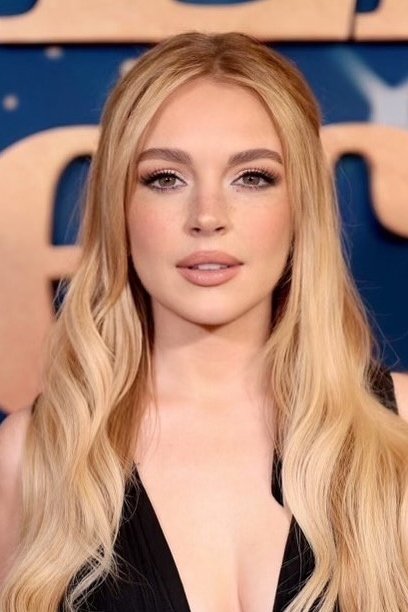
Lohan sued Take Two Interactive in New York claiming ‘Grand Theft Auto V’ misused her likeness through a character and marketing art. The key questions were whether the imagery identified her and whether a right of publicity claim could proceed based on a composite or generic depiction.
New York’s highest court dismissed the case in 2018 after finding that the game’s character and images were not a direct portrayal of Lohan. The decision signaled that stylized or composite characters usually fall outside right of publicity claims in the state and guided how games and ads approach lookalike inspiration.
Sylvester Stallone
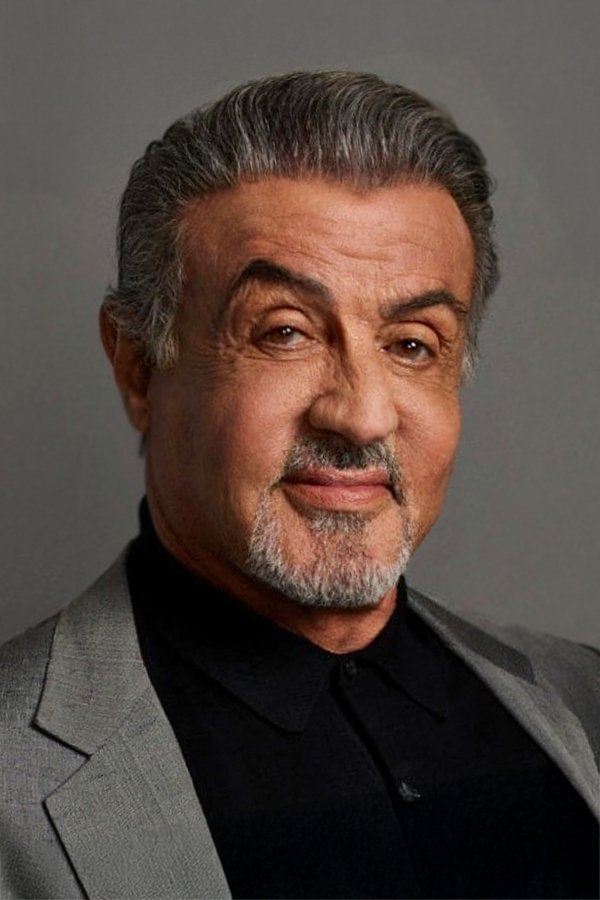
Stallone sued Warner Bros. in Los Angeles over profits for ‘Demolition Man’ and alleged underpayment tied to contingent compensation provisions. The complaint focused on audit rights, definition of gross receipts, and obligations to account for home entertainment and television revenue.
The parties resolved the dispute on confidential terms. Talent representatives pointed to the case as a reminder to negotiate clearer waterfall language and regular audit access. Studios responded by standardizing reporting schedules and by spelling out how catalog exploitation gets credited to participants.
Alec Baldwin
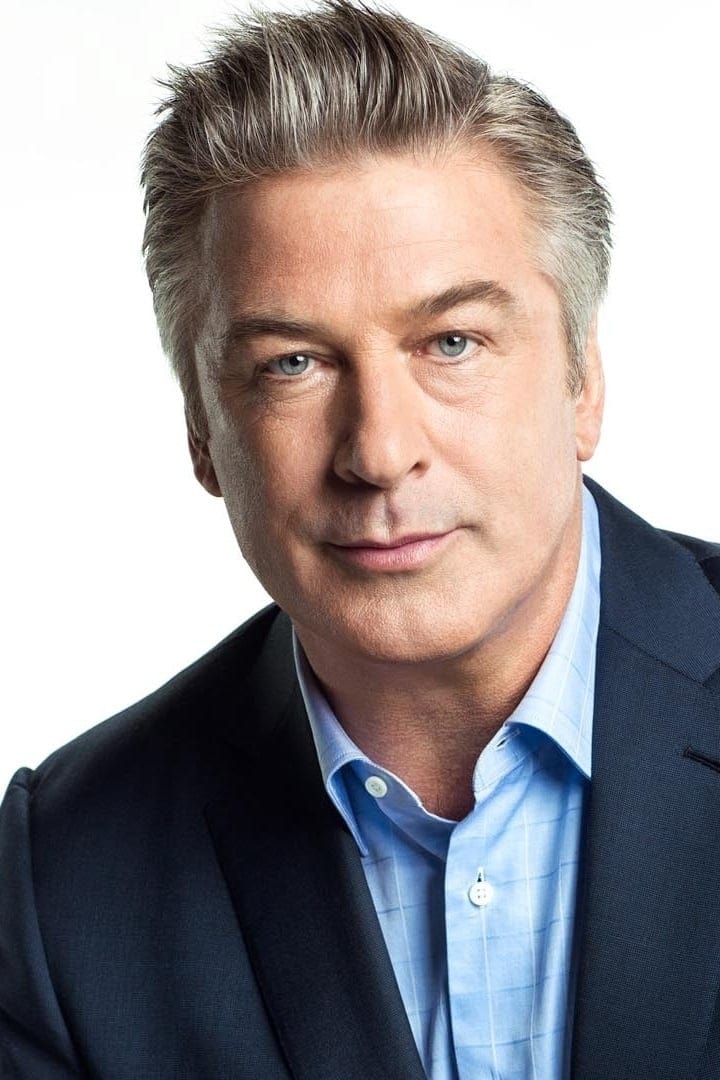
Baldwin faced multiple civil suits after the on set shooting on the film ‘Rust’ in New Mexico. The cinematographer’s family reached a settlement with Baldwin and producers that included the appointment of her spouse as an executive producer and a plan to complete the project.
Other civil claims were filed by crew members and vendors and some were later dismissed or resolved. The litigation prompted production companies to revise protocols for weapons handling, third party armorer oversight, and mandatory safety training. Insurers also reevaluated exclusions and deductibles for hazardous activities.
Sacha Baron Cohen
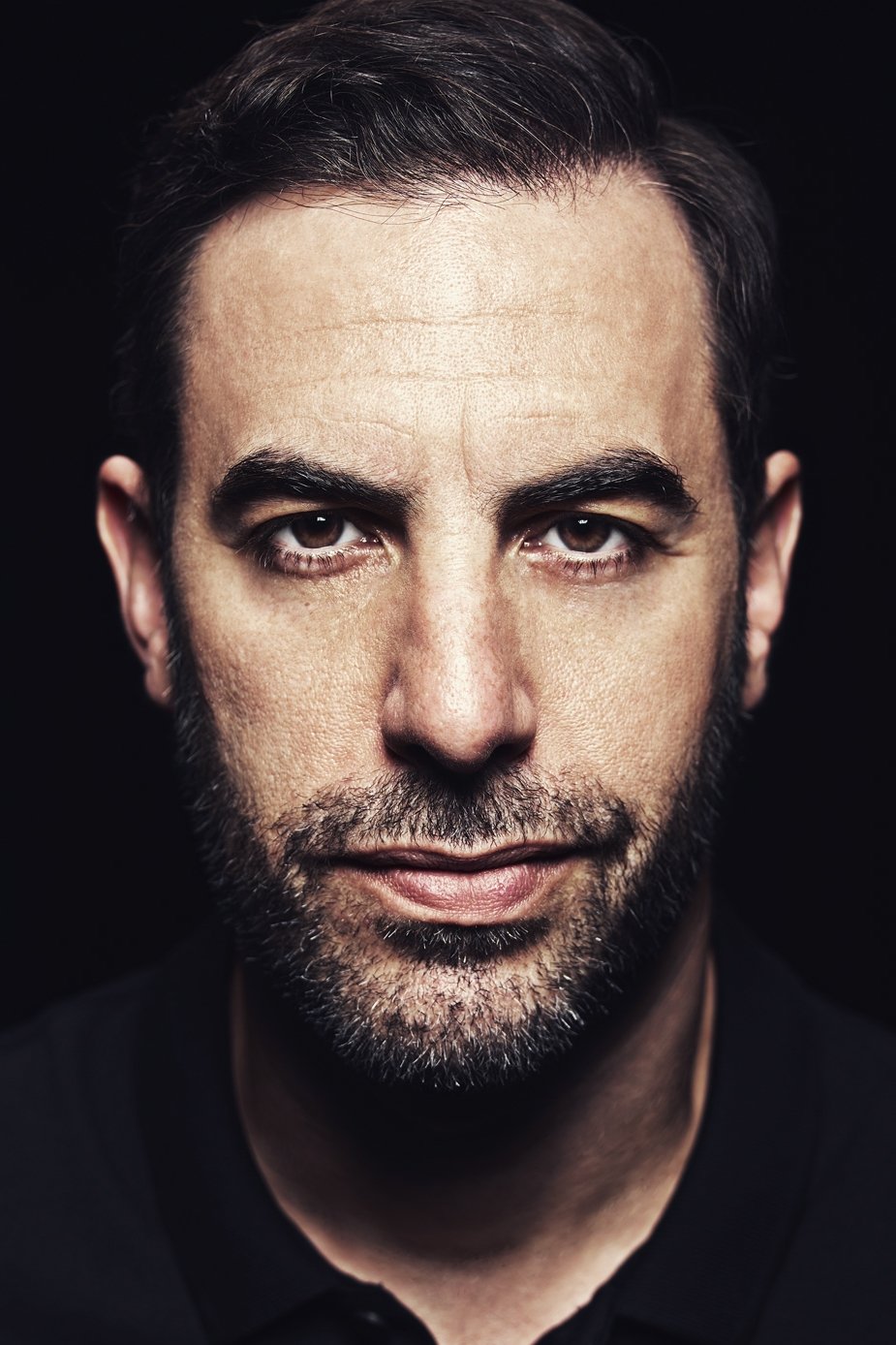
Cohen was sued for defamation by Roy Moore over a segment in the series ‘Who Is America’. A federal judge dismissed the case and an appellate court affirmed the dismissal. The courts held that the segment was protected as satire and that Moore had signed a broad consent agreement before taping.
The rulings mapped the scope of consent and the protections available to satirical works that target public figures. Production counsel for hidden camera shows strengthened participant releases, while networks clarified disclosures and context for comedy segments that rely on exaggerated devices.
Clint Eastwood
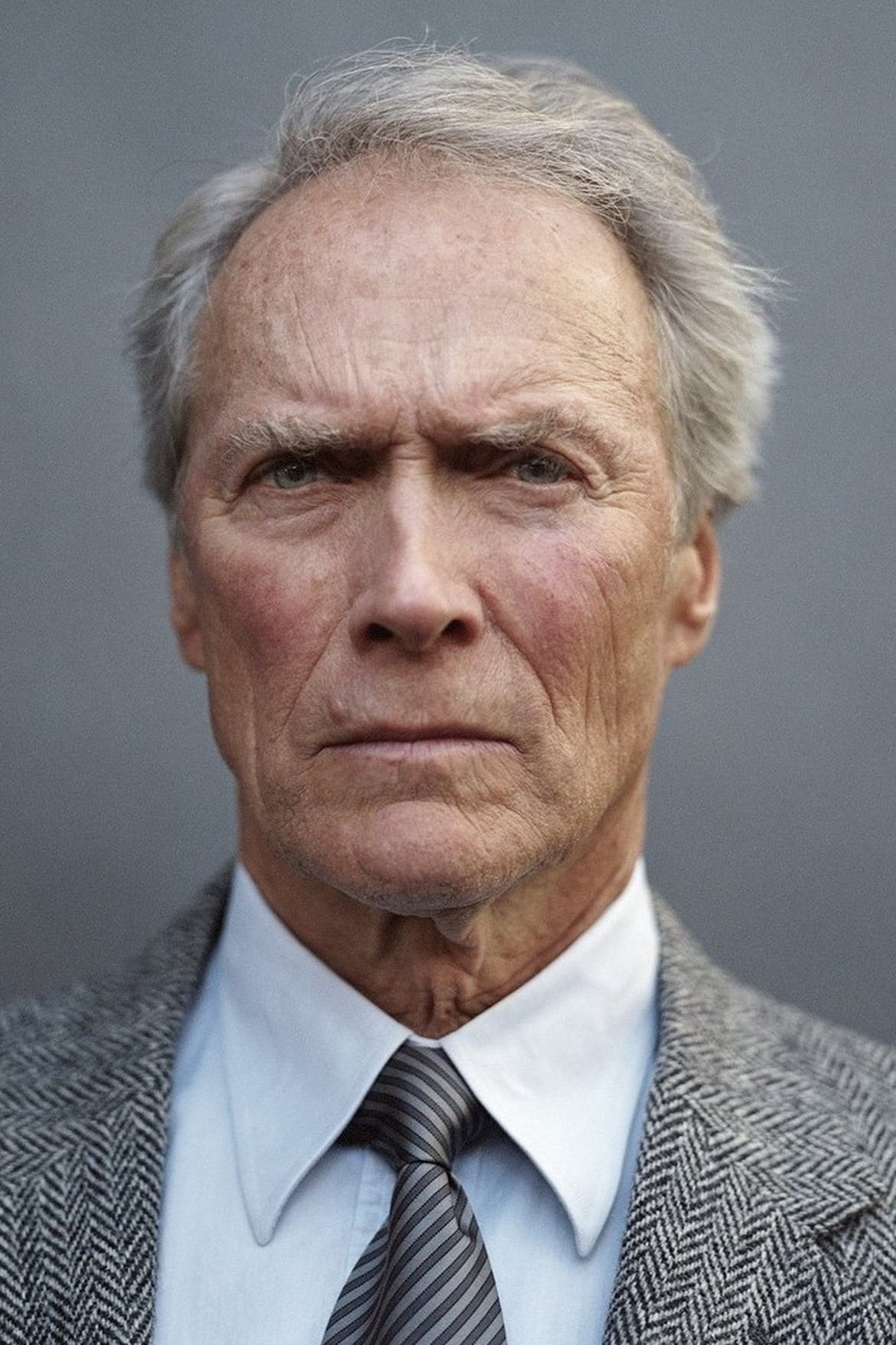
Eastwood sued companies that used his name and image to promote CBD products without permission. A federal court awarded him a multimillion dollar judgment against one entity after finding false endorsement and the unauthorized use of fabricated interviews and headlines.
The outcome reinforced that publishers and marketers cannot trade on a celebrity’s identity to sell goods without consent. It also encouraged platforms to police scam ads that mimic news articles. Lawyers now point to the case when seeking quick relief against lookalike endorsements in performance marketing.
Rebel Wilson
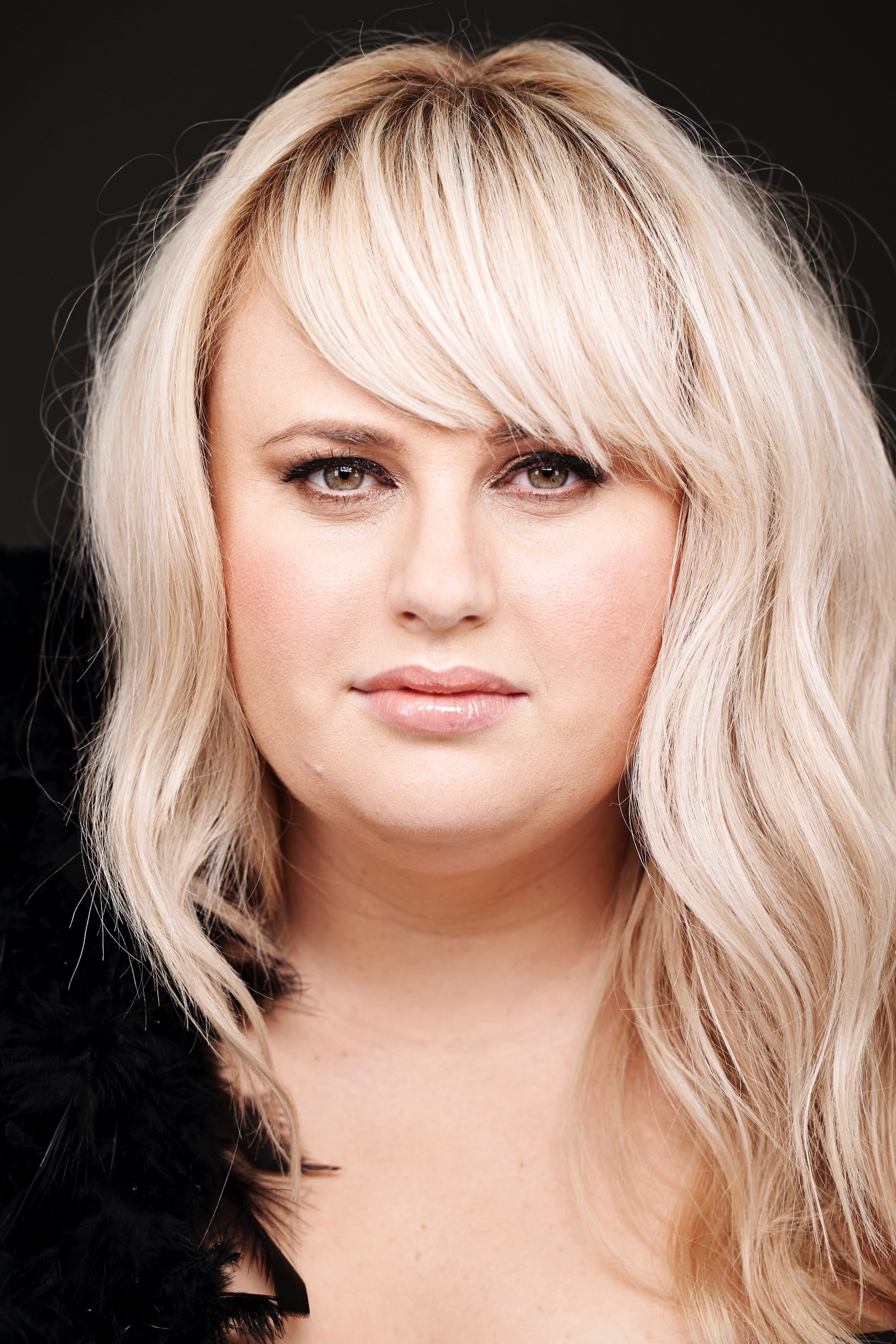
Wilson sued Bauer Media in Australia after articles alleged she had lied about her age and background. She won at trial with a record damages award that was later reduced on appeal, and she ultimately received a significantly smaller sum along with costs orders determined by the courts.
The litigation showed how defamation law in Australia weighs credibility, harm, and the defense of truth. It also illustrated how appellate courts can revise large awards while leaving liability intact. Newsrooms updated fact checking steps for celebrity profiles and corrections procedures for biographical claims.
Geoffrey Rush
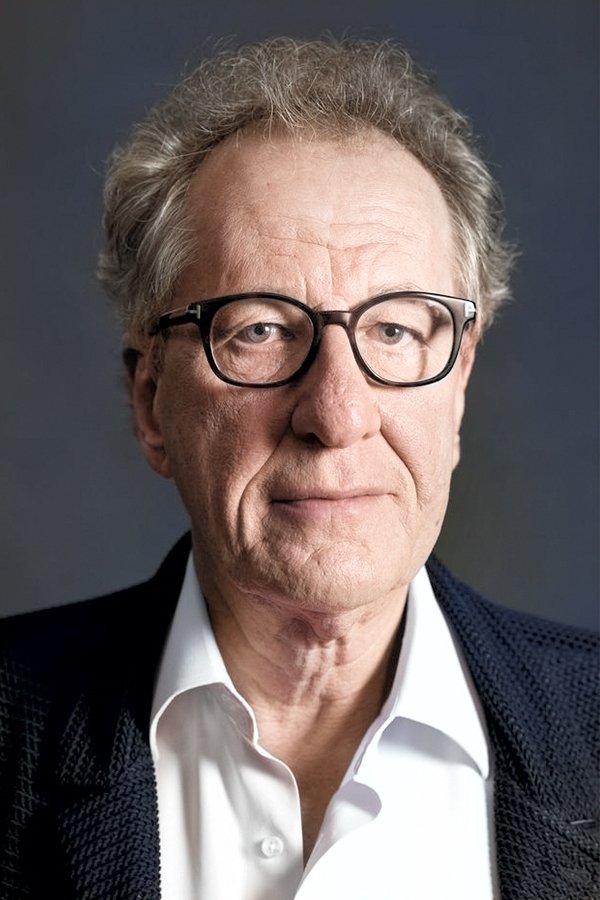
Rush sued Nationwide News in Australia over articles that implied misconduct during a stage production. He won at trial and received substantial damages for harm to reputation and for economic loss tied to cancelled roles. An appellate court upheld liability with adjustments to parts of the award.
The decisions explained how imputations are read in context and how courts assess serious harm to reputation in that jurisdiction. The case guided theater companies and publishers on handling backstage allegations and on balancing reporting with reliance on verifiable sources.
Hugh Grant

Grant brought claims in the High Court in London alleging unlawful information gathering by a tabloid publisher. The case proceeded alongside other phone hacking and related claims and later resolved through a settlement. Public statements from the litigation described newsroom practices that fell outside lawful standards.
The matter fit within a wider set of legacy claims that resulted in damages payments and compliance reforms. It outlined the evidentiary trail used to link articles to unlawful methods, including billing records and source payments. Publishers continued to close older liabilities while updating governance and audit logs.
Robert De Niro
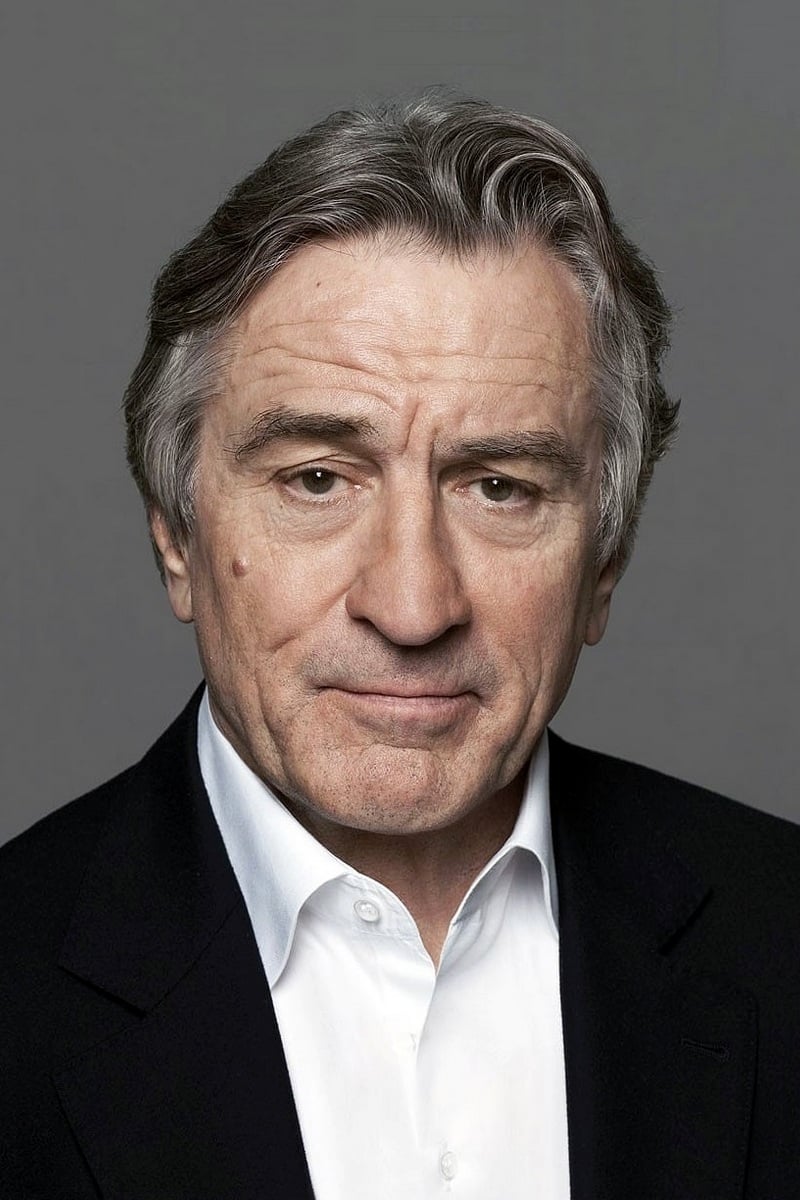
De Niro’s former assistant sued him and his production company in New York over workplace claims. After trial a jury found De Niro was not personally liable while holding the company responsible for retaliation and awarding seven figure damages to the plaintiff.
The verdict highlighted how juries separate individual liability from corporate responsibility in employment disputes. It also emphasized the value of clear HR policies, document retention, and training in small entertainment companies where informal practices can create risk.
Kevin Spacey
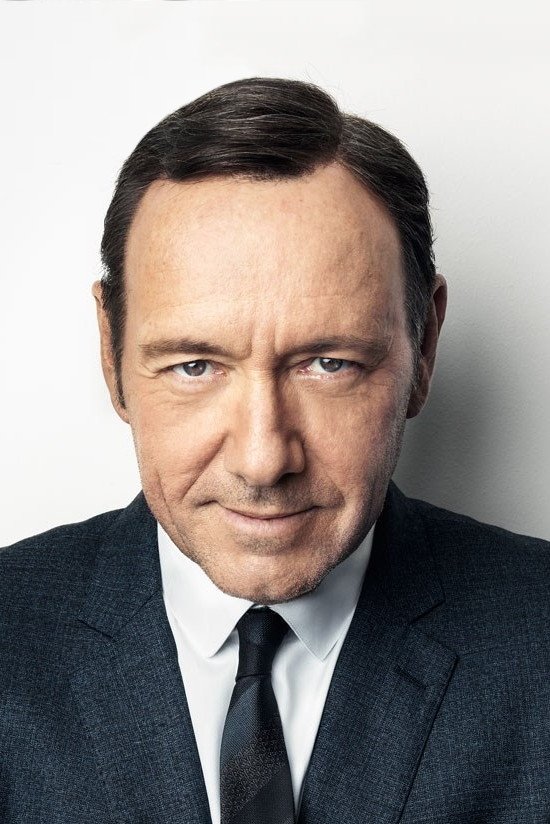
Spacey was sued in New York by Anthony Rapp for battery based on alleged conduct from decades earlier. In 2022 a jury returned a defense verdict after hearing testimony and expert evidence. The court entered judgment for Spacey at the close of trial.
The case demonstrated how statutes of limitations, evidentiary rules, and jury credibility assessments drive outcomes in historical claims. It also showed the difference between civil standards and criminal burdens of proof. Studios and unions reviewed reporting pathways and chaperone policies for productions.
Katherine Heigl
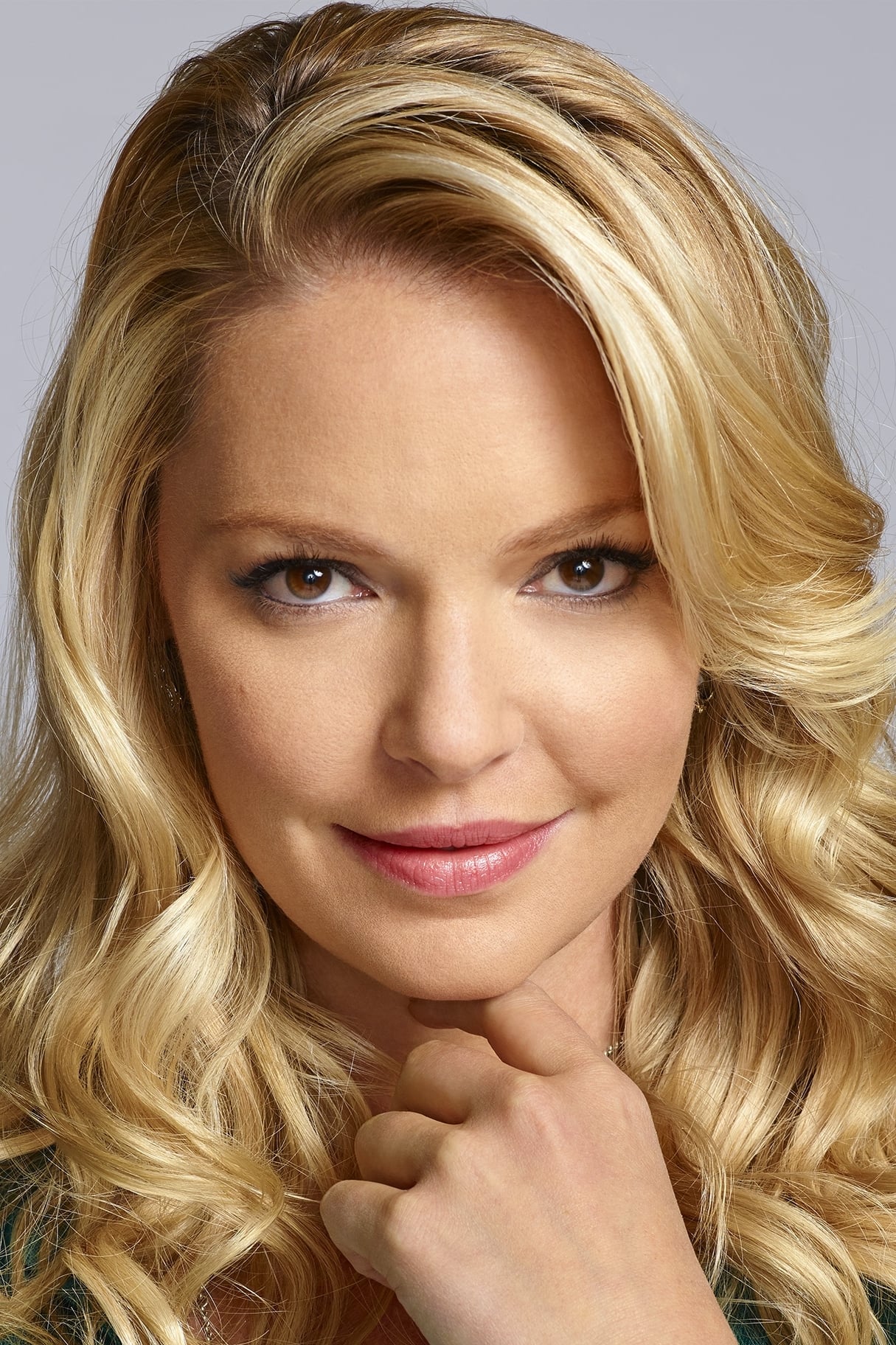
Heigl sued Duane Reade in federal court in New York after the retailer used a paparazzi image of her in social media marketing without permission. The complaint asserted violation of her right of publicity and sought damages and injunctive relief to stop the campaign.
The parties settled with a charitable component and the brand removed the posts. The dispute reminded marketers that reposting celebrity images for commercial use can trigger liability. Agencies adjusted review checklists for social campaigns by adding approvals for recognizable individuals shown in advertising contexts.
Share your thoughts on which cases had the biggest impact and tell us in the comments which other celebrity lawsuits you think belong on this list.