The Most Shocking Celebrity Biographies Ever Published



Some celebrity biographies are page turners because they go far beyond polished press stories. These books open archives and private memories to explain how fame really unfolded, who helped shape it, and where the personal cost showed up along the way. Many include new documents or first person material that changed what readers thought they knew.
Several of these titles became cultural events as much as books. They sparked TV specials and film adaptations, prompted official responses, and sent earlier news clippings back into circulation. You will find publication facts, collaborators, key revelations, and what happened next, so you can understand why each one left such a mark.
Joan Crawford – Mommie Dearest

Christina Crawford wrote about life with her adoptive mother and described household rules, punishments, and power dynamics with specific dates and places. The manuscript went to press after Joan Crawford’s death and included names of witnesses and domestic staff, which gave readers a way to verify scenes and timelines.
The book remained in print through many editions and produced a wide media response. A film adaptation titled ‘Mommie Dearest’ arrived in 1981 and introduced the material to international audiences, which kept debate about the actor’s off screen conduct active for years.
Princess Diana – Diana Her True Story

Andrew Morton built the biography on secretly recorded tapes provided through an intermediary and presented Princess Diana’s words in context. The text documented health challenges and the breakdown of the marriage with time stamped accounts that matched well known public events.
A revised edition released in 1997 added longer transcript sections after her death and confirmed the method used to assemble the narrative. The book shifted media coverage of the monarchy and changed how later royal reporting referenced sources and verification.
Prince Harry – Spare

Prince Harry worked with J R Moehringer and delivered a first person account that traced family life, military service, and security protocols with dates and locations. The book described private conversations and travel arrangements and connected them to public appearances that readers already knew.
The release set sales records for nonfiction in several markets and appeared in multiple languages. Follow up interviews and official statements extended the timeline of coverage, which kept the book at the center of discussion across broadcast and print for months.
Andre Agassi – Open
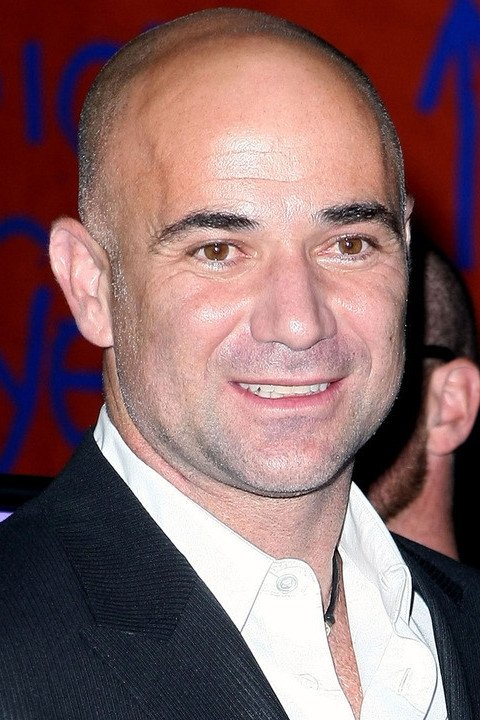
Andre Agassi detailed his tennis education, early academy years, and the match schedule that shaped his ranking. He described a period of crystal meth use in the late 1990s and included a written explanation related to a failed test that the tour accepted at the time.
The book credited J R Moehringer as collaborator and tied tournament results and dates to specific chapters, which let readers trace performance swings against off court events. Sports organizations and former players responded in interviews and articles, which placed the admissions within the history of the era.
Mötley Crüe – The Dirt

Band members and journalist Neil Strauss alternated voices to cover childhoods, early gigs, recording sessions, and incidents on the road. The structure moved in chronological order and included third party accounts that supported timelines and locations across cities and venues.
The book saw multiple reissues as anniversaries passed and continued to reach new readers. A 2019 film adaptation titled ‘The Dirt’ renewed interest in the band’s catalog and brought streaming spikes that matched the release window.
Anthony Kiedis – Scar Tissue
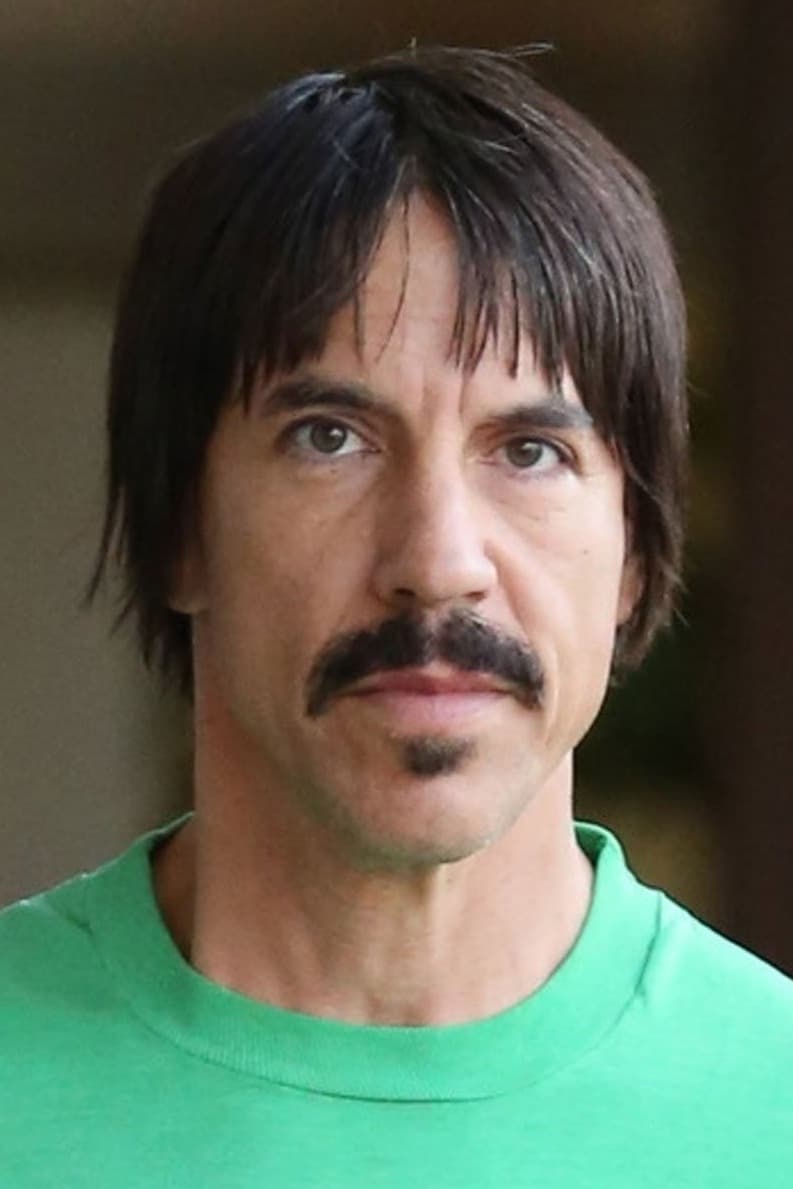
Anthony Kiedis recounted the formation of Red Hot Chili Peppers and linked early friendships, studio sessions, and tours with dated entries. The narrative recorded addiction and recovery efforts and showed how those periods aligned with band activity and release schedules.
The book entered bestseller lists and was translated into many languages. Audiobook and paperback editions extended access, and the discography details in the text help fans pinpoint when songs and lineups changed across albums and tours.
Keith Richards – Life
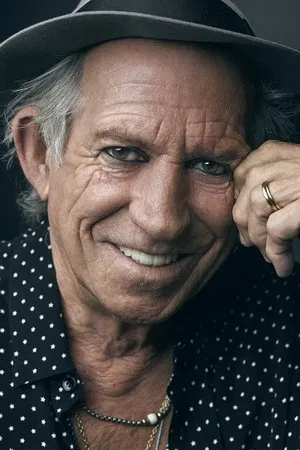
Keith Richards outlined the meeting with Mick Jagger, the start of the Rolling Stones, and the studio setups that shaped key records. He listed arrests, court appearances, and recording locations, which created a working timeline that researchers could match to releases and press clippings.
The audiobook featured multiple narrators including Richards and Johnny Depp, which gave listeners a performance that paralleled the printed voice. The title launched in many territories at once and maintained strong sales through hardcover, paperback, and audio formats.
Tina Turner – I, Tina

Tina Turner traced her early life, the professional partnership with Ike Turner, and the contracts and touring schedules that defined their work. She recorded the night she left the marriage and documented performances and finances with specific dates that mapped the path to independence.
The book became the source for the 1993 film ‘What’s Love Got to Do with It’. Later editions added material that reflected solo success, awards, and the long touring run that followed, which gave readers an updated conclusion.
Nikki Sixx – The Heroin Diaries

Nikki Sixx presented daily entries from 1986 that documented addiction and songwriting during writing and touring cycles. Each entry appeared with timestamps and later notes that identified who appears in each scene and how tracks moved from demo to album.
The release arrived with a companion album by Sixx A M and later an expanded anniversary edition. The combination of book, photographs, and music created a complete record of that year that fans and historians continue to use.
Miles Davis – Miles The Autobiography

Miles Davis mapped childhood years, the move to New York, and collaborations with Charlie Parker and Gil Evans with session dates and personnel lists. He also described periods of illness and treatment and explained how those stretches affected recording and touring plans.
The book became a standard reference in music courses and musician reading lists. Researchers rely on its chronology when tracking who played on which sessions and how band lineups evolved during landmark recordings.
Anthony Bourdain – Kitchen Confidential

Anthony Bourdain expanded a magazine essay and documented life inside restaurant kitchens from prep to service. He listed specific jobs, named restaurants, and explained purchasing, staffing, and menu math, which gave readers a working model of the business at that time.
The book led to television projects including ‘A Cook’s Tour’ and ‘No Reservations’. Updated editions kept the narrative current, while the early chapters continued to serve as a snapshot of American kitchen culture in that era.
Jordan Belfort – The Wolf of Wall Street

Jordan Belfort described the building of Stratton Oakmont and detailed selling practices with step by step explanations. He included courtroom outcomes, sentencing terms, and restitution processes, which allowed readers to follow the legal aftermath through official records.
A film adaptation titled ‘The Wolf of Wall Street’ was released in 2013 and drove renewed interest in the memoir. Belfort published a follow up titled ‘Catching the Wolf of Wall Street’, which continued the chronology through cooperation and release.
Elton John – Me

Elton John detailed his childhood in Pinner, the partnership with Bernie Taupin, and the run of hits and tours with dates and collaborators. He included sobriety milestones and family events and introduced the managers and advisers who helped shape work and philanthropy.
Written with Alexis Petridis, the book became a bestseller in the United Kingdom and the United States. The release coincided with the film ‘Rocketman’, which helped new listeners connect specific songs and performances to chapters in the memoir.
Jerry Stahl – Permanent Midnight
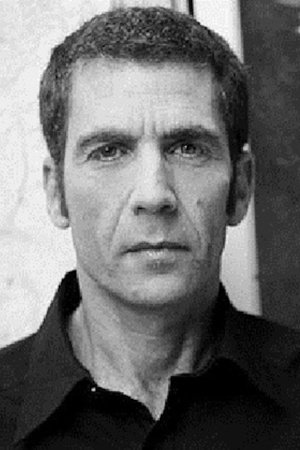
Jerry Stahl covered the move into television writing and the heroin addiction that unfolded alongside credits. He named series and production timelines and showed how relapses matched employment gaps in a way that readers could verify with broadcast schedules.
The memoir became a film in 1998 titled ‘Permanent Midnight’ with Ben Stiller portraying Stahl. Later printings kept the text available for readers interested in writers rooms and recovery stories tied to Los Angeles in that decade.
Led Zeppelin – Hammer of the Gods
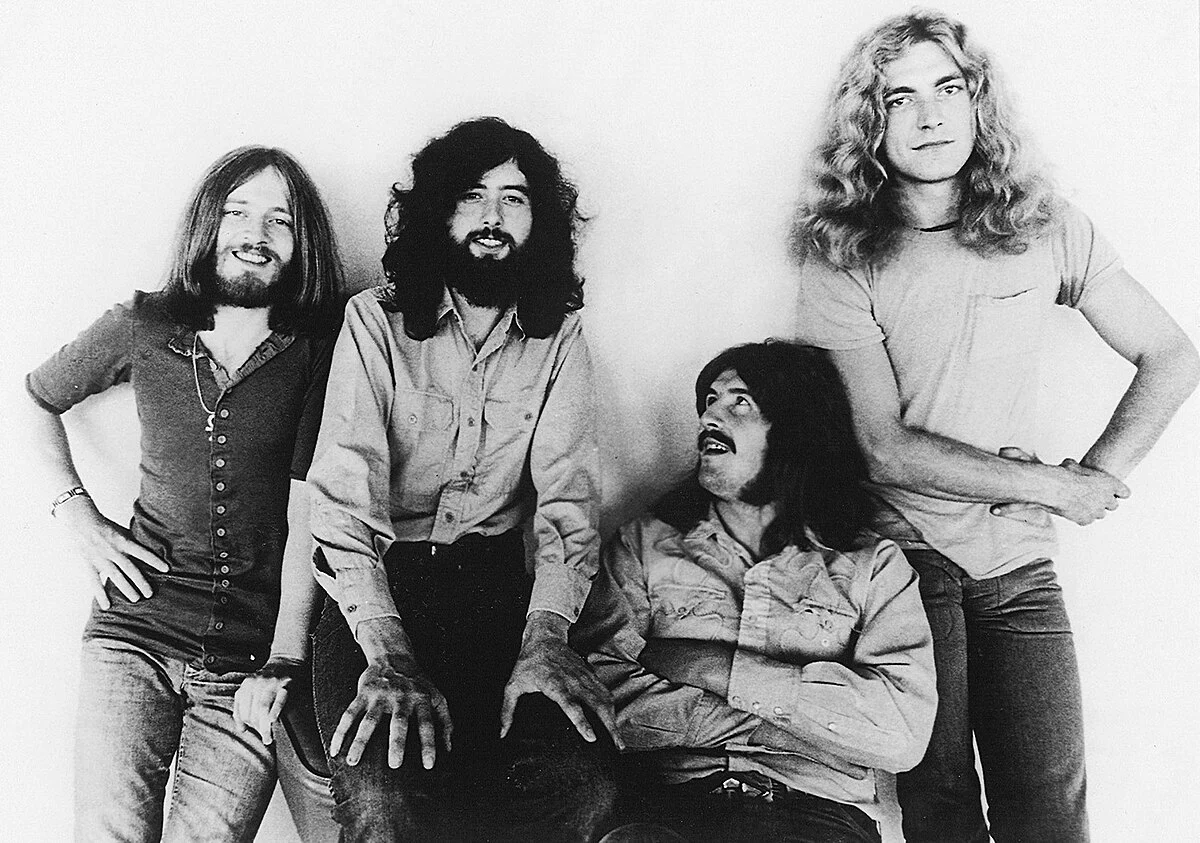
Stephen Davis compiled interviews, tour accounts, and industry sources to map the band’s origin and albums. The book outlined incidents associated with touring and recorded where and when they occurred, which created a road map that general readers could follow.
Band members disputed parts of the narrative over the years, yet the title stayed in print and appeared in updated versions. The book influenced later writing about the group and provided a baseline timeline that other researchers referenced and challenged.
Tell us which biography you think deserves a spot here and share the one revelation that surprised you most in the comments.