Celebs and Their Struggles With PTSD

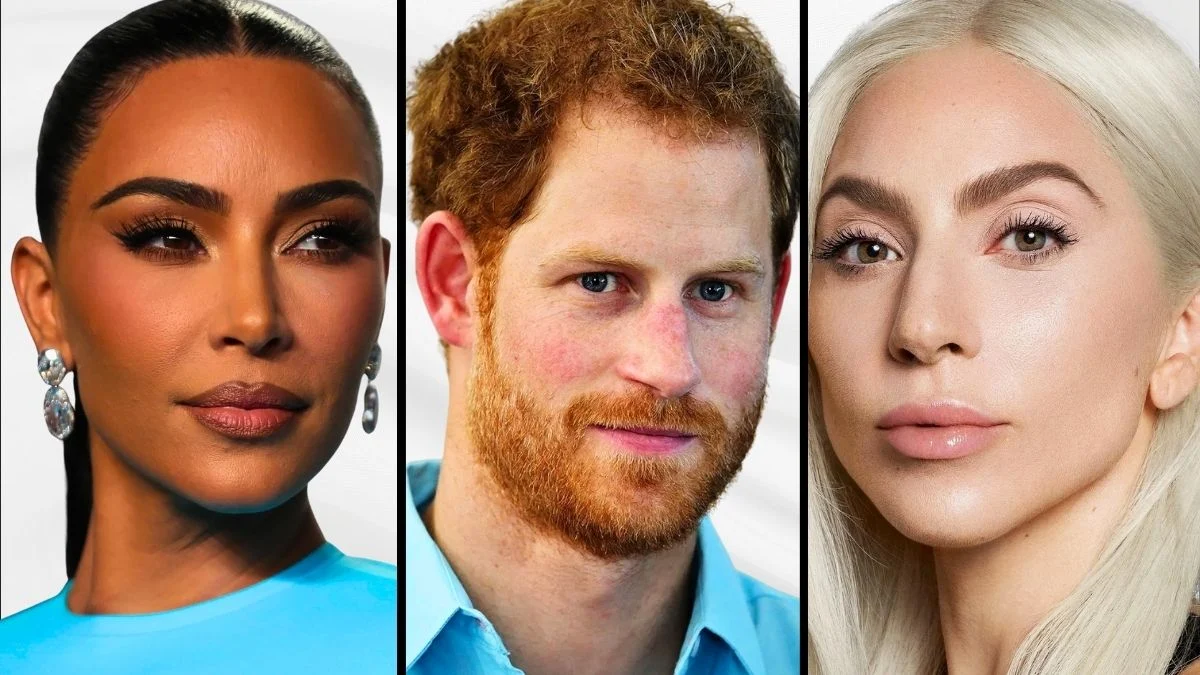

Post traumatic stress disorder affects people in every walk of life and that includes some of the most recognizable names in entertainment, sports, and public life. Symptoms can include intrusive memories, nightmares, avoidance, hypervigilance, and mood changes that disrupt work and relationships. Many people recover with a mix of therapy, medication when needed, social support, and practical changes that reduce triggers.
These public figures have spoken about PTSD in interviews, books, documentaries, and on stage. Their stories often include the event that set symptoms in motion, the steps they took to find care, and the tools that help them keep going. You will see a range of approaches here, from trauma focused therapy and peer support to advocacy that pushes for better resources for everyone.
Lady Gaga
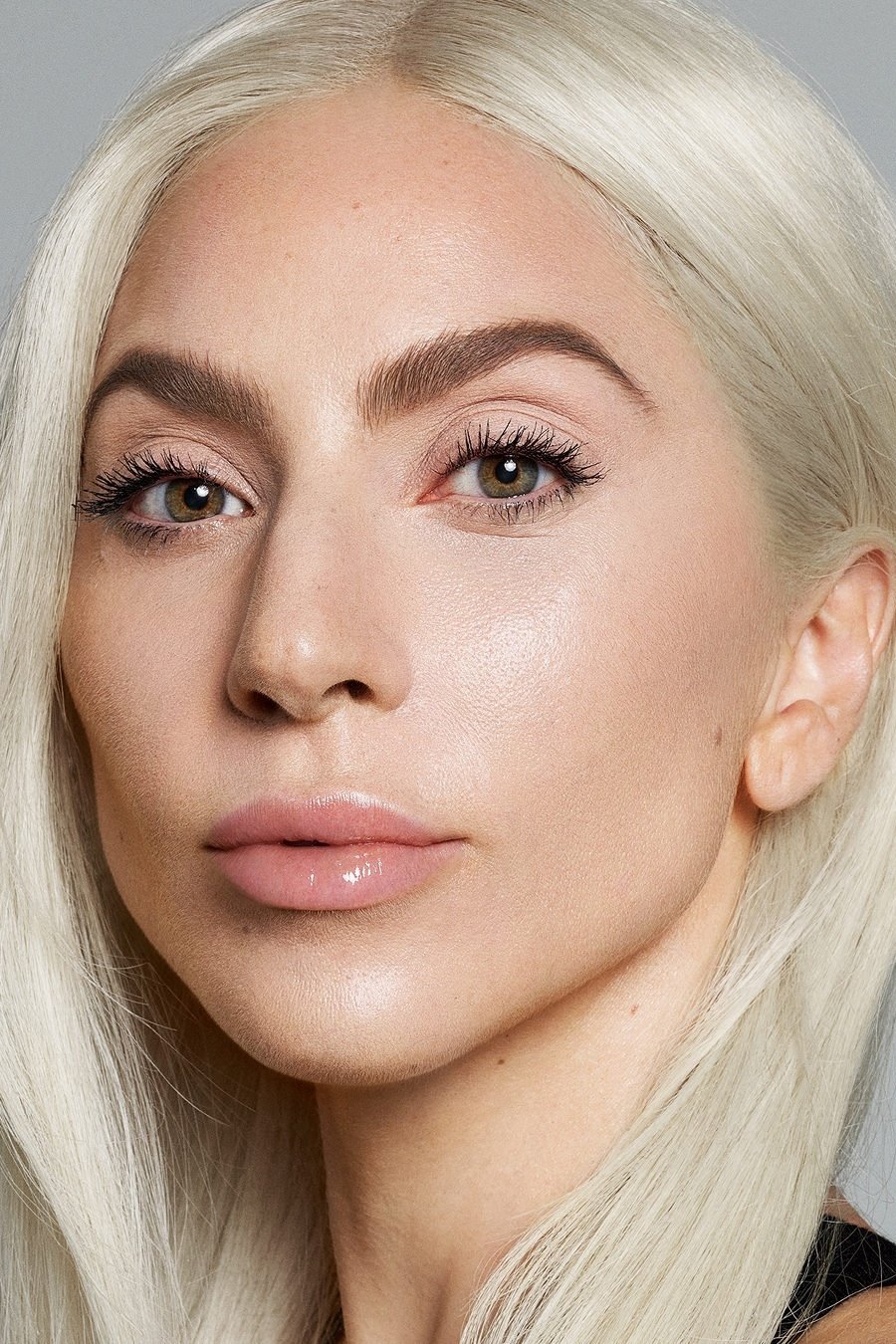
Lady Gaga has shared that she developed PTSD after a sexual assault in her late teens. She has described symptoms like panic and dissociation and has emphasized the importance of trauma informed care and steady routines that make daily life predictable. She points people to credible education about PTSD so they can understand what is happening in their brains and bodies.
Through her Born This Way Foundation she supports youth mental health programs that build resilience and connection. She has discussed using therapy and grounding techniques during difficult moments and encourages survivors to seek professional help and lean on trusted friends and family.
Ariana Grande

Ariana Grande has spoken about PTSD after the bombing at her Manchester concert in 2017. She has described recurring anxiety and reminders that bring back the event and has said that therapy became a regular part of her schedule. She adjusted her touring plans and work commitments at times to prioritize recovery and safety.
She returned to Manchester for a benefit concert that raised funds for victims and their families. Over time she has highlighted the value of counseling, rest, and security planning for large shows so that performers, crews, and fans feel as safe as possible.
Kim Kardashian

Kim Kardashian has said she experienced PTSD after being robbed at gunpoint in Paris in 2016. She described becoming highly vigilant and changing daily habits to reduce risk, including how she shares travel and possessions publicly. She also increased professional security and reviewed safety protocols for her team.
She has talked about working with therapists to process memories and to separate real time danger from reminders. She continues to discuss coping strategies like limiting triggers and building routines that make it easier to sleep and return to normal activities.
Sandra Bullock
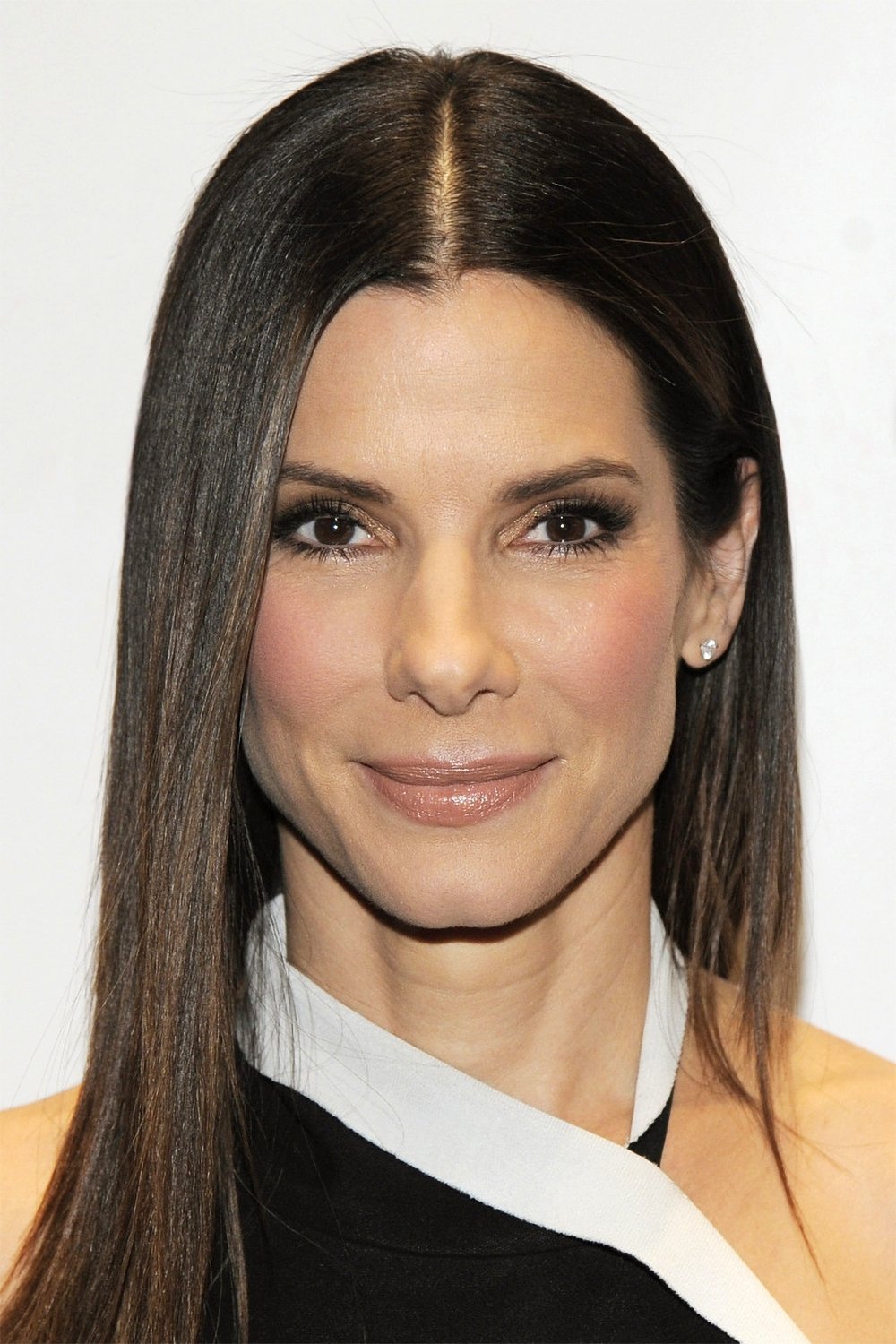
Sandra Bullock has discussed PTSD after a home invasion in 2014. She described symptoms like nightmares and heightened startle responses and said that therapy helped her regain a sense of safety at home. She has mentioned eye movement desensitization and reprocessing as one of the tools used in treatment.
She strengthened home security and set boundaries around privacy to reduce exposure to reminders. By sharing her experience she has helped people understand that PTSD can follow crimes as well as combat and that professional help can make a significant difference.
Prince Harry
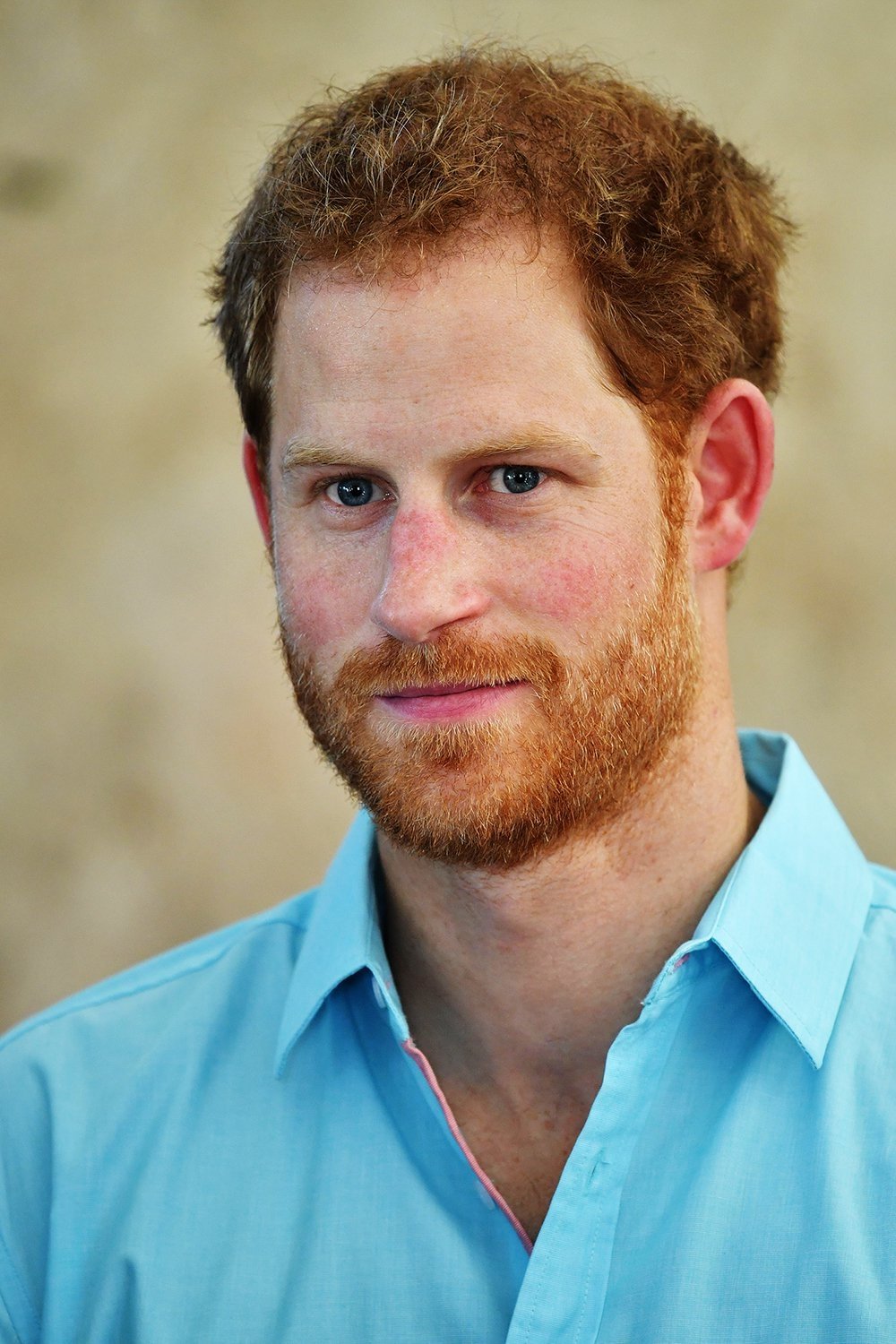
Prince Harry has described experiencing PTSD related to both military service and the loss of his mother. He has shown therapy sessions that use eye movement desensitization and reprocessing and has explained how certain situations can trigger intense reactions. He has emphasized that seeking help is a sign of strength for service members and civilians.
He cofounded initiatives that expand access to mental health resources for veterans and first responders, and he has used the docuseries ‘The Me You Can’t See’ to explain how trauma treatment works. He also supports the Invictus Games which provide community and purpose for wounded and recovering service members.
Aly Raisman

Aly Raisman has spoken openly about PTSD after surviving sexual abuse within elite gymnastics. She has described flashbacks and avoidance and has encouraged athletes to recognize symptoms early and ask for help. She emphasizes that recovery timelines vary and that people should not feel pressured to rush the process.
She advocates for safer sport policies and trauma informed coaching. She participates in education campaigns that teach athletes and parents about reporting pathways and survivor centered support, and she continues to highlight the role of therapy and supportive communities in long term healing.
Monica Lewinsky
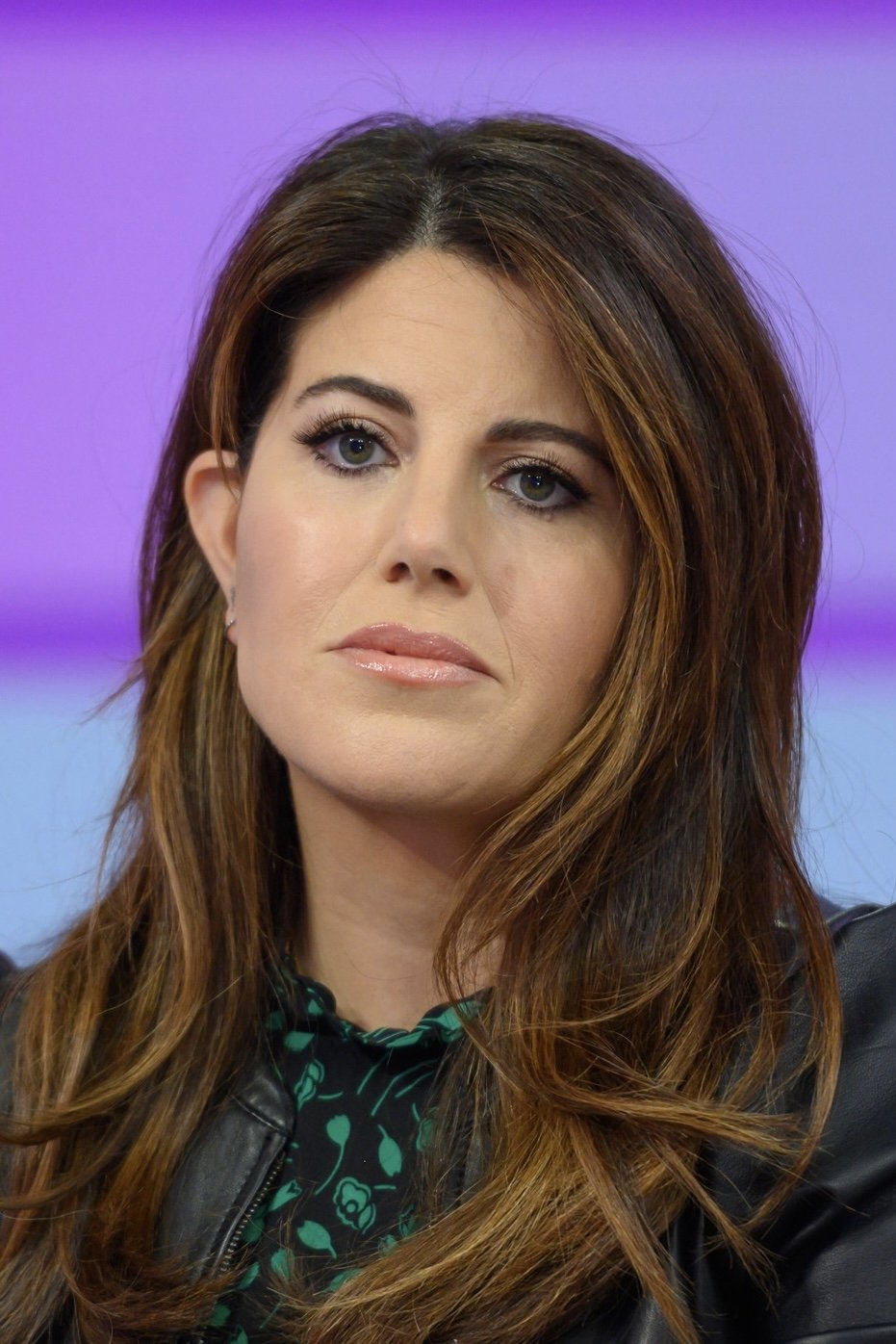
Monica Lewinsky has said she developed PTSD after intense public shaming and harassment in the late 1990s. She has described panic and hypervigilance and how those symptoms affected work and social life. She credits therapy, time, and strong personal boundaries with helping her rebuild.
She campaigns against online bullying and harassment and promotes bystander tools that reduce pile ons. Through essays and talks she explains how large scale humiliation harms mental health and why compassion and better platform design matter for prevention.
Jason Kander
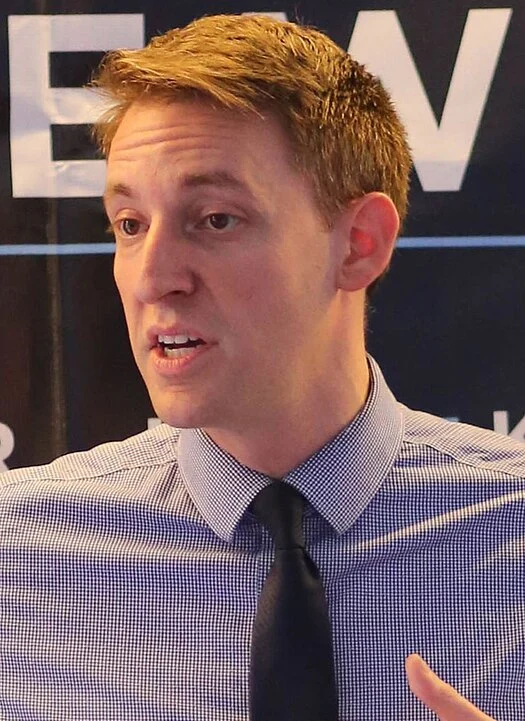
Jason Kander, a military veteran and former elected official, has been diagnosed with PTSD related to his service in Afghanistan. He paused a high profile campaign to enter treatment and later explained how avoidance and intrusive memories impacted his decision making. He has outlined how therapy, community, and daily structure brought stability.
He helps lead programs that connect veterans with housing, counseling, and employment support. He wrote about trauma recovery and public service in a memoir that details symptoms, treatment, and the steps he takes to maintain health while continuing to serve his community.
Whoopi Goldberg
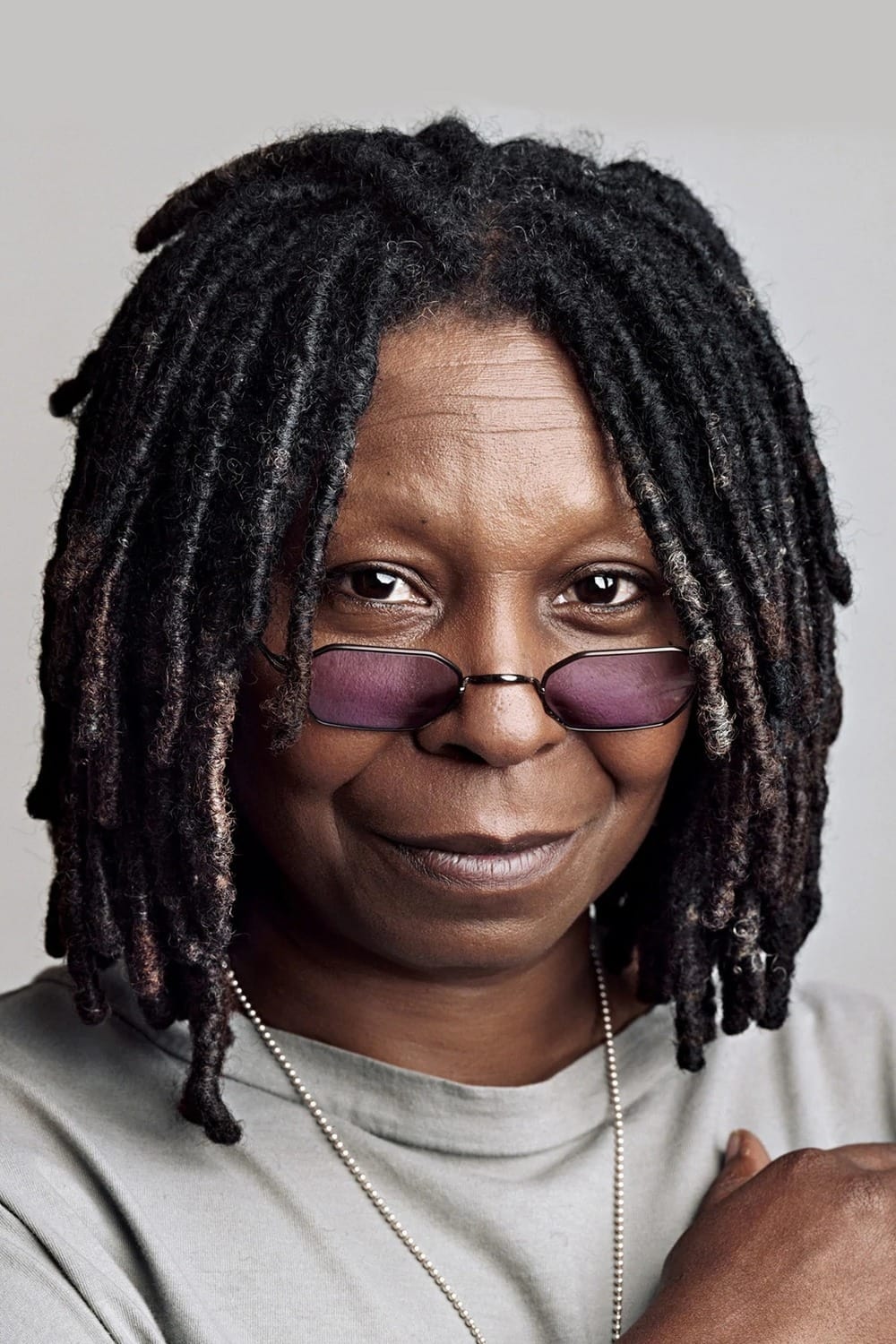
Whoopi Goldberg has discussed PTSD and a long standing fear of flying after witnessing a midair collision as a child. She went years without flying and used trains and buses for travel to manage symptoms. She has described using therapy and gradual exposure techniques to get back on planes when work required it.
She has shared practical tips like planning seats, traveling with trusted companions, and practicing breathing exercises before and during flights. Her experience shows how specific phobias can connect to traumatic memories and how structured support can help people return to activities they value.
Lily Allen
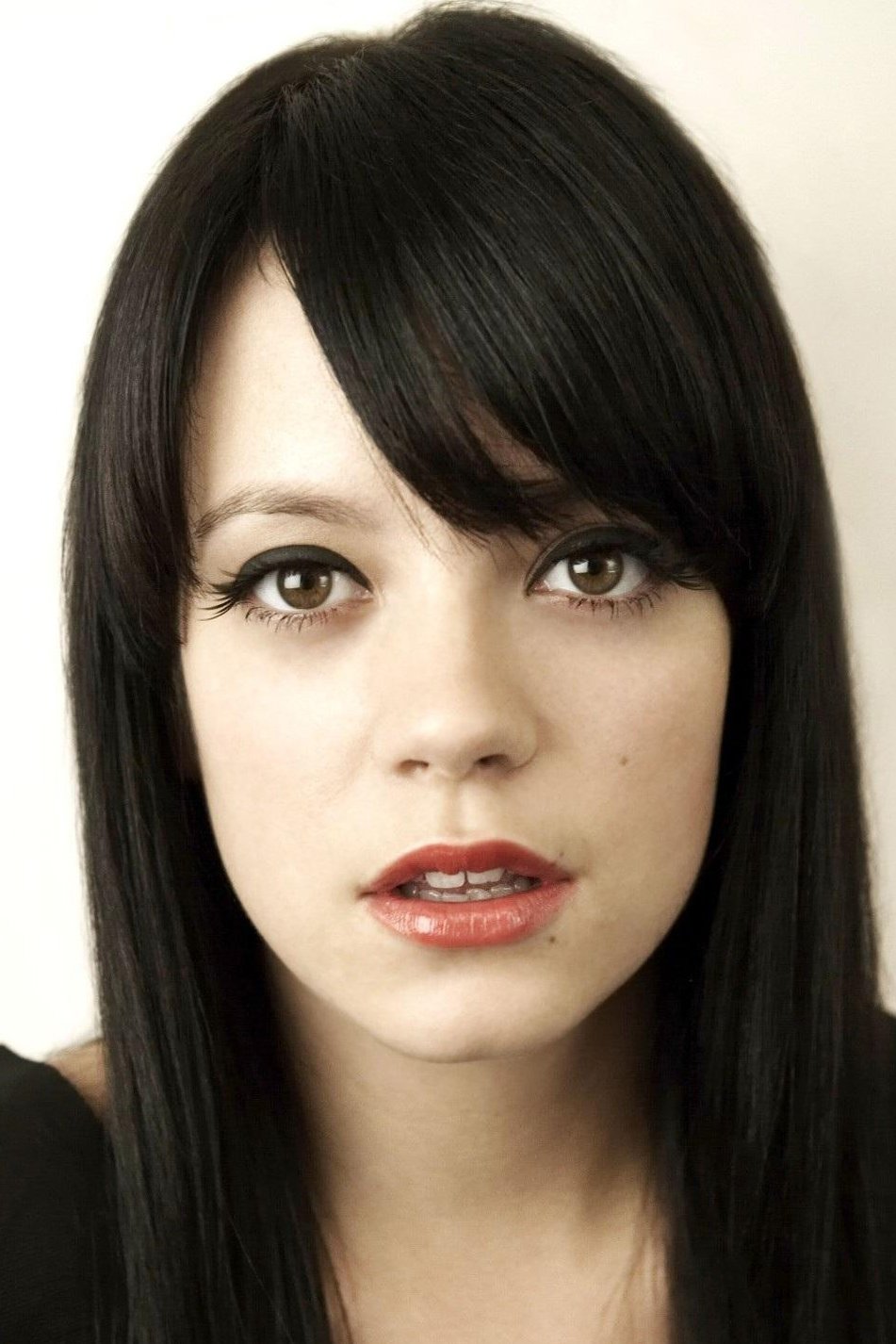
Lily Allen has said she experienced PTSD after the stillbirth of her son. She described how grief and trauma affected sleep, concentration, and relationships and how reminders connected to hospitals and pregnancy could bring back intense emotions. She stepped back from work to focus on recovery and family.
She has used her platform to talk about maternal health and bereavement care. By sharing her story she has drawn attention to the need for specialized support for parents who experience loss and to workplace policies that give families time to heal.
Halsey
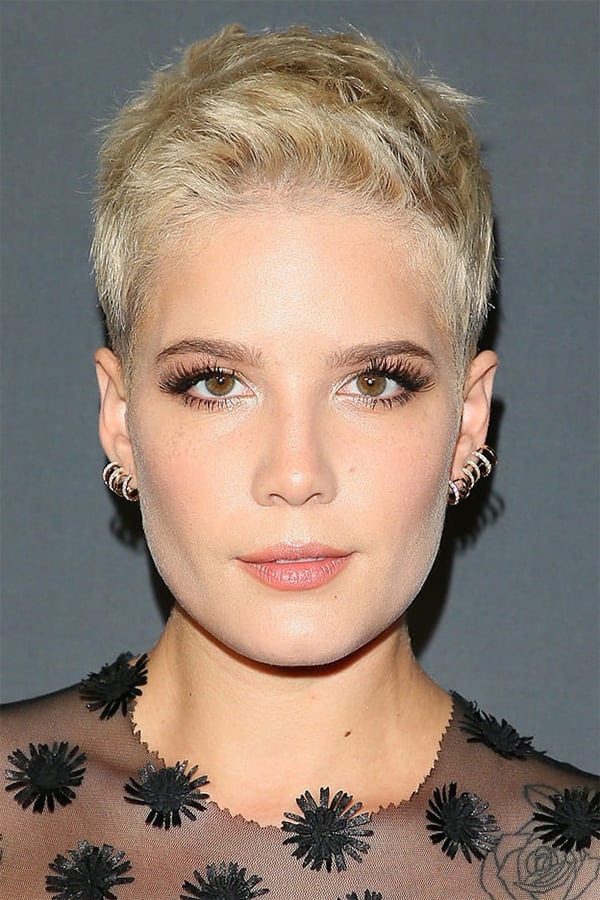
Halsey has spoken about PTSD following sexual assault and complex medical challenges. She has discussed symptoms like nightmares and panic and has underlined the importance of finding clinicians who understand both trauma and chronic health issues. She balances touring with rest periods and maintains a plan for mental health support on the road.
She has supported organizations that provide crisis services and education for young people. Through music, essays, and public appearances she highlights coping skills such as therapy, peer support groups, and creative outlets that help process difficult memories safely.
Kesha
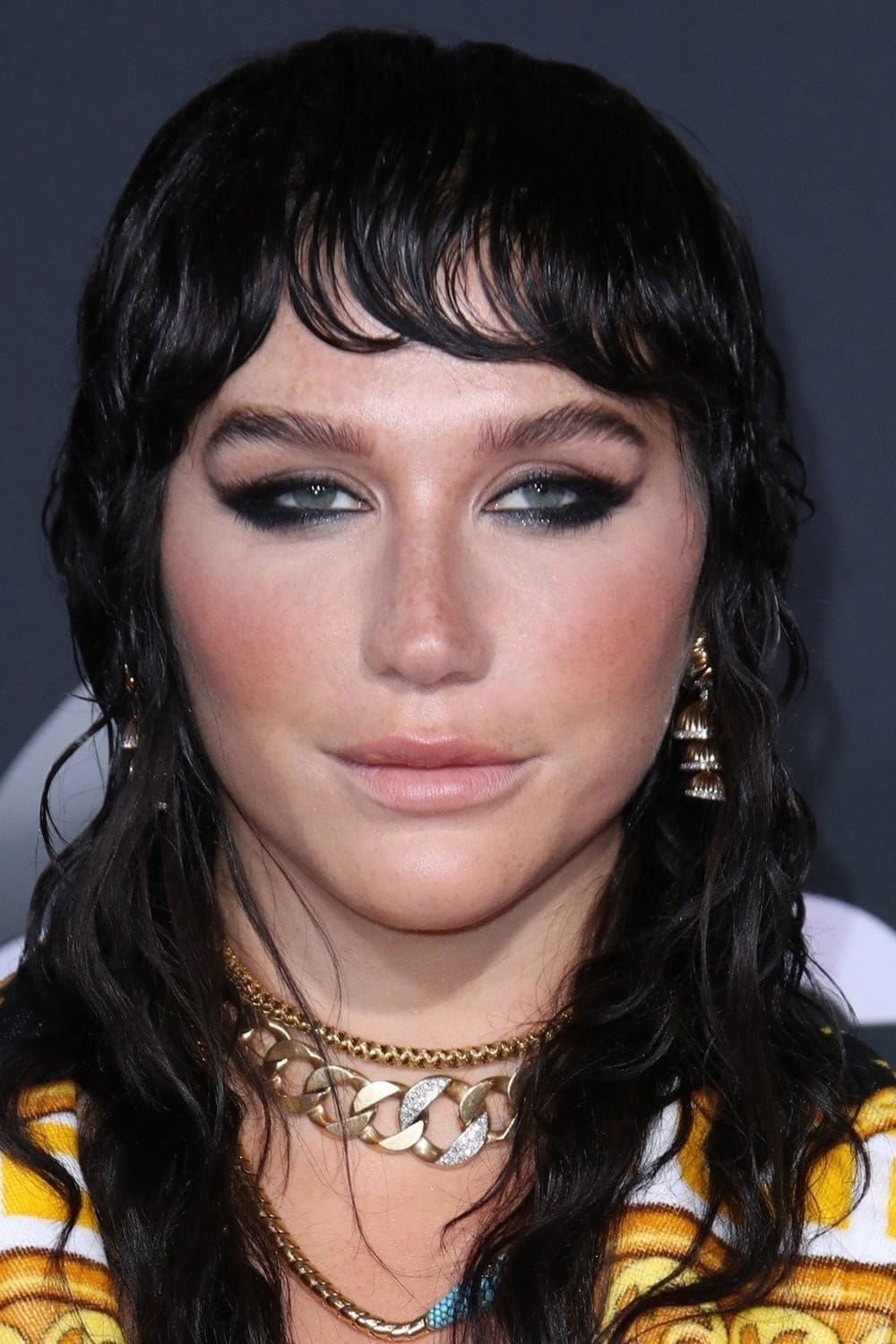
Kesha has said she struggles with PTSD connected to trauma and a prolonged legal battle. She has described therapy as a cornerstone of recovery and has used songwriting as a way to process emotions. She has spoken about how grounding techniques and mindfulness help during flashbacks and high stress situations.
Her advocacy includes encouraging fans to seek help and to understand that healing is not linear. She has performed songs that address survival and resilience and has used benefit events to raise funds for mental health services.
Shia LaBeouf
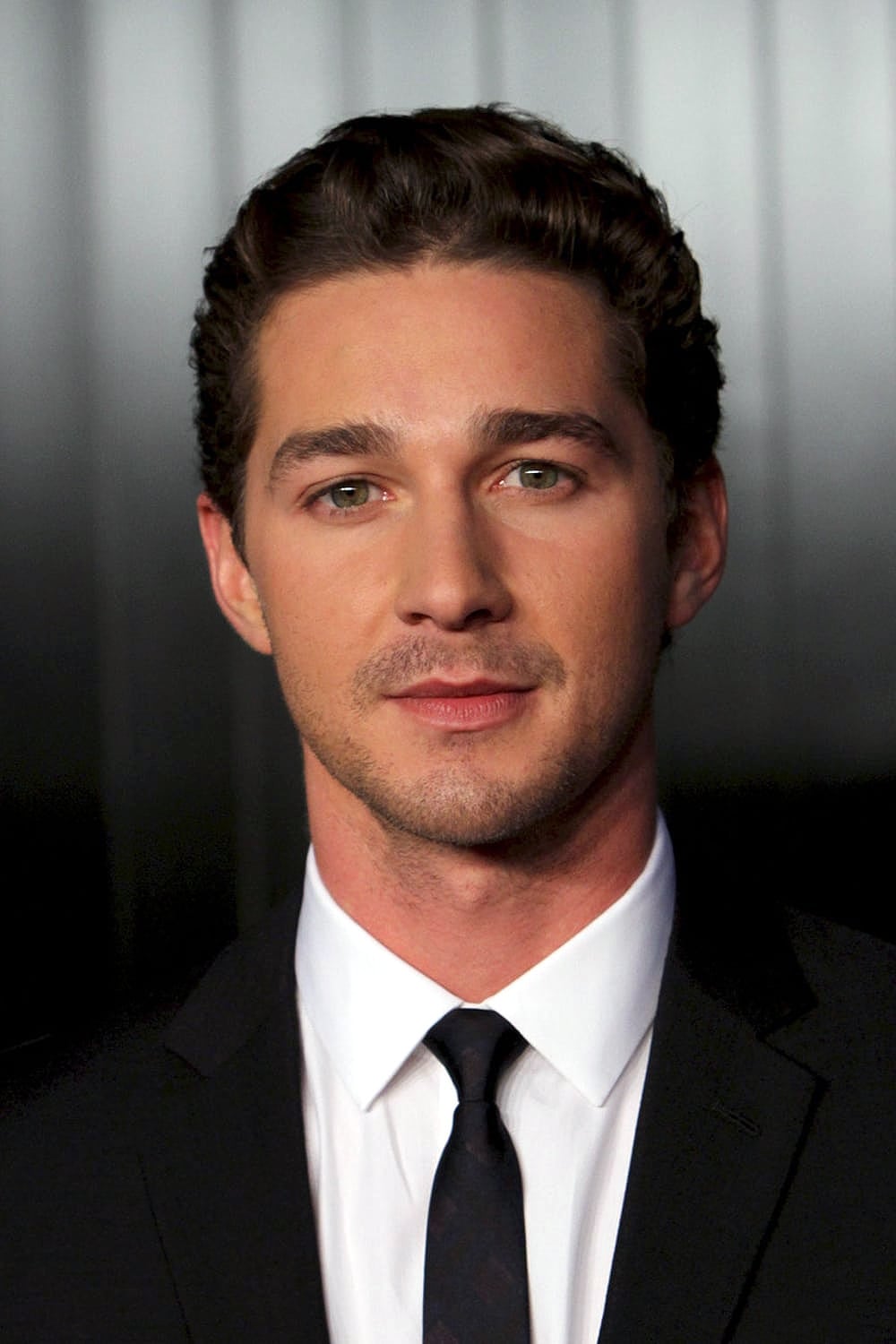
Shia LaBeouf has said he was diagnosed with PTSD related to childhood trauma. He has talked about intensive therapy and recovery programs that address both trauma and substance use. He has described how treatment plans combine individual counseling, group work, and skills practice to manage triggers.
He drew on his experiences while creating ‘Honey Boy’ which explores family dynamics and recovery. He has outlined daily habits that support stability, including regular therapy attendance, accountability partners, and structured work schedules.
Megan Thee Stallion
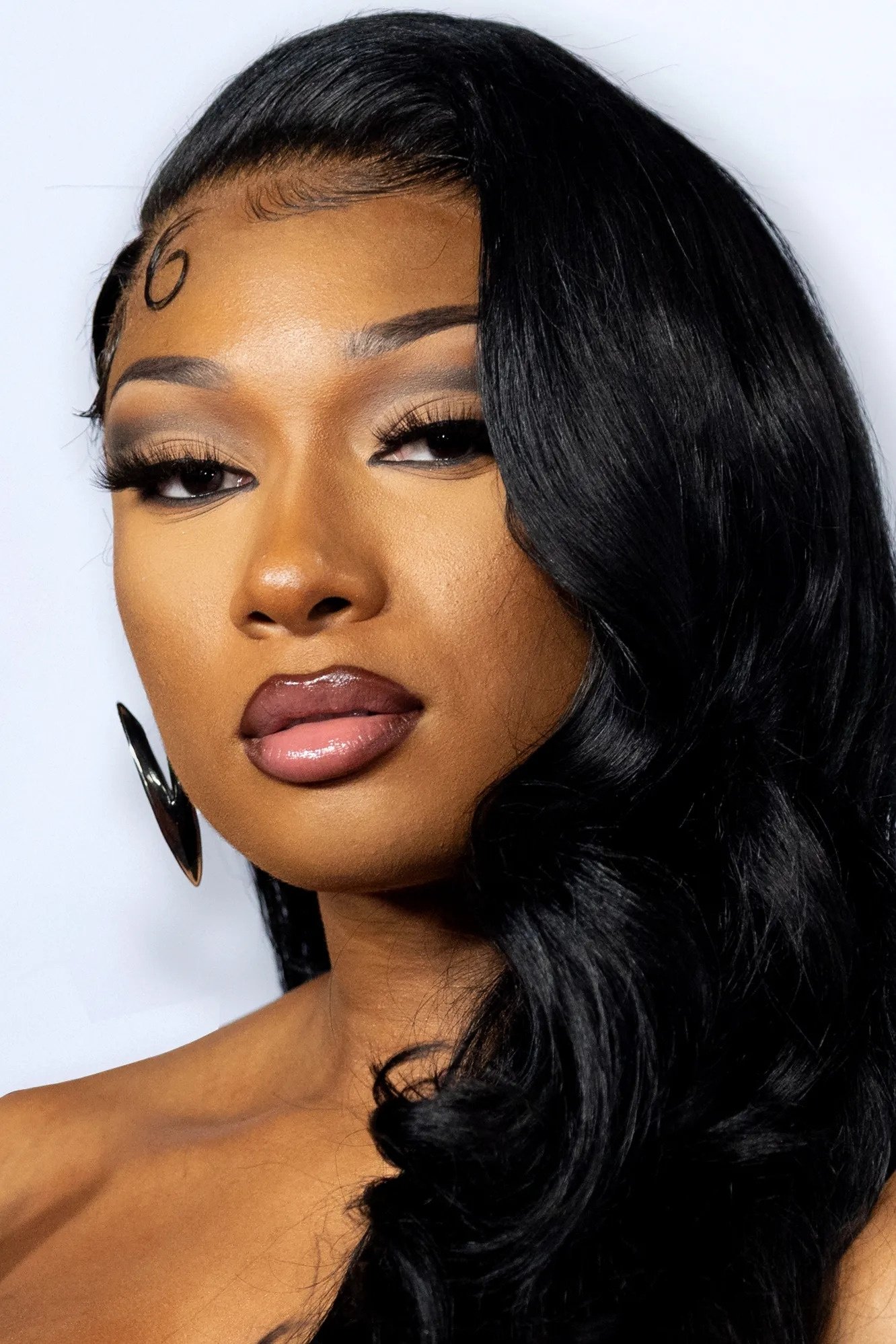
Megan Thee Stallion has described PTSD symptoms after being shot in 2020. She has shared that therapy became a regular commitment and that she adjusted her workload while healing. She has explained how trauma can affect concentration and sleep and how professional support helps with both.
She launched a mental health resource hub that connects people to verified support lines and affordable counseling. Her album releases and interviews have emphasized self care, community, and the message that seeking help is a healthy choice.
Demi Lovato

Demi Lovato has said she lives with PTSD related to sexual assault and other traumatic experiences in adolescence. She has described flashbacks and anxiety and how trauma informed therapy plays a role in her recovery plan. She keeps crisis plans in place with her clinical team and maintains routines that support sleep and nutrition.
She has used documentaries like ‘Dancing with the Devil’ to explain what intensive treatment looks like and how setbacks are addressed. She supports organizations that expand access to care and regularly shares educational information about warning signs and when to reach out.
Share your thoughts and personal takeaways in the comments so others can learn from your perspective and experience.