Celebs Who Fired Their Managers and Took Control



Sometimes the smartest career move is taking the wheel. Plenty of stars have decided that a management shakeup was the best path forward, whether that meant letting go of a longtime manager or ending a family business arrangement. What followed in many cases was a new chapter built on sharper strategy, fresh partners, and ownership of the work they put out.
This list rounds up well known examples across music and film where the celebrity cut ties with a manager and then steered their own choices in a more direct way. You will see how each person handled the transition and what structures they set up afterward to keep their career moving on their own terms.
Beyoncé

Beyoncé ended her professional relationship with her father Mathew Knowles after he had managed her through Destiny’s Child and the early solo years. The decision formalized a clean break between family and business and set the stage for a different kind of leadership around her releases and tours.
She expanded Parkwood Entertainment into a full service home for music, film, and live production. Through Parkwood she has controlled rollouts, assembled specialized teams, and developed projects that match her vision across recordings, films, and global touring.
Selena Gomez

Selena Gomez replaced her parents as managers as she moved from teen roles into adult projects. The change put her day to day decisions under a professional management and agency team suited to her workload in music, acting, and producing.
She built a broader operation that includes a beauty company and a slate of producing credits. She has overseen product development, brand direction, and television projects like ‘13 Reasons Why’ while balancing studio albums and arena scheduling.
Lady Gaga

Lady Gaga parted ways with her longtime manager Troy Carter during a pivotal moment in her career. That exit cleared space for a reconfigured team aligned to the next phase of her sound, image, and film ambitions.
She moved forward with Bobby Campbell and kept creative functions close through Haus of Gaga. She guided album cycles, a major Vegas residency, a cosmetics line, and film work including ‘A Star Is Born’ with a structure that kept approvals and planning in her hands.
Mariah Carey
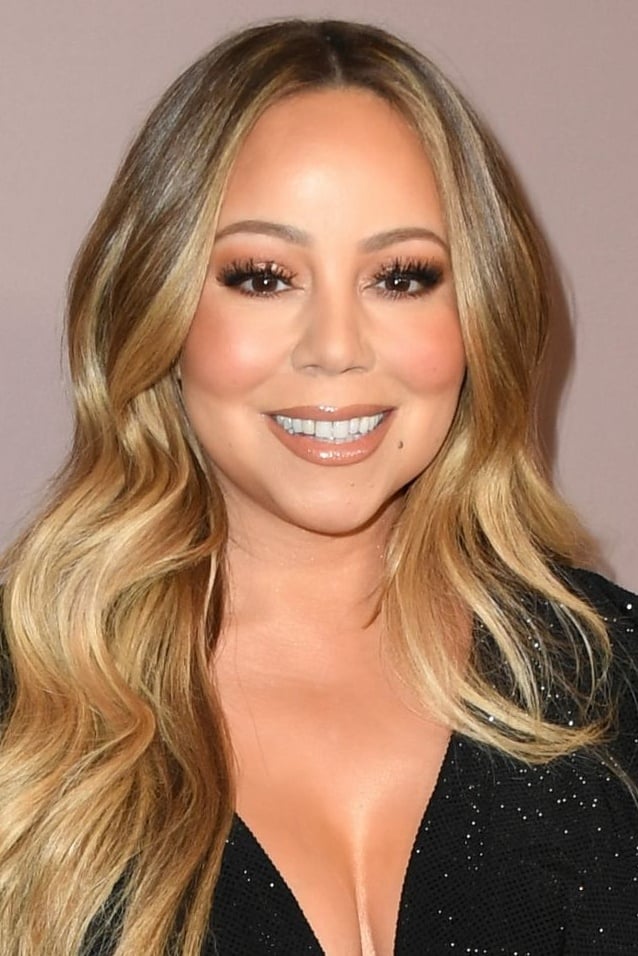
Mariah Carey dismissed manager Stella Bulochnikov after a period of rapid changes in her business setup. The split allowed her to restructure how touring, releases, and television projects were handled.
She reorganized her management and legal team and focused on high value live runs, catalog strategy, and screen projects. She also centralized brand ventures under her own direction, aligning merchandise, partnerships, and seasonal releases around a plan she approves.
Jennifer Lopez

Jennifer Lopez ended her relationship with manager Benny Medina in the early 2000s before later working together again in a different context. The initial break marked a shift to a more diversified approach to film roles, music, and branding.
She grew Nuyorican Productions into a key hub for films and television. She has balanced recording and touring with producing, fragrance and fashion businesses, and live events while keeping final calls inside a tight executive circle she assembled.
Britney Spears
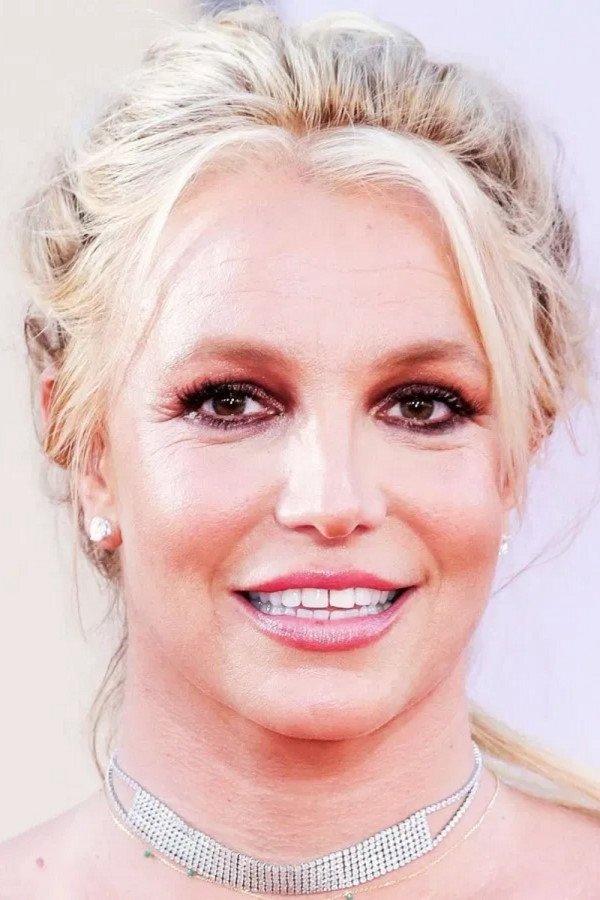
Britney Spears cut ties with Sam Lutfi and removed him from any role around her career and personal life. That break severed an unofficial management presence and opened the door to formalized representation and protections.
In later years she made further changes and ultimately restructured her professional team around her own choices. She now decides on collaborations, releases, and appearances while using specialist advisors she selects for legal, financial, and management needs.
Shakira

Shakira ended her business partnership with Antonio de la Rúa after many years of collaboration. The split untangled personal and professional ties and led to a reset of her management framework.
She aligned with a major management company and streamlined global operations for albums and tours. She also grew television and brand partnerships and coordinated releases in multiple languages with a centralized plan she signs off on.
Usher
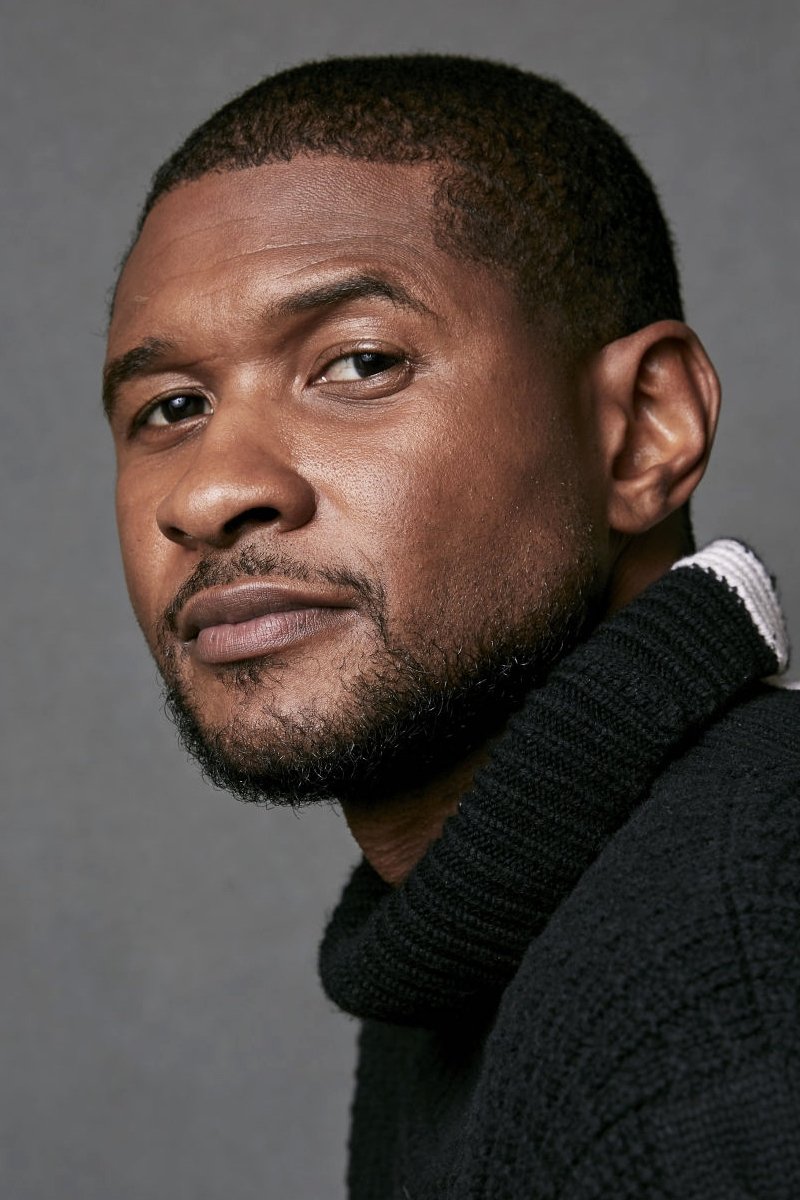
Usher stopped working with his mother Jonetta Patton as manager during a transition in his career. The move separated family from management and positioned him to pursue new ventures and partnerships.
He built companies around artist development and brand work and co founded a management and label venture early in the rise of new talent. He has managed residencies, touring, and television projects with a professional team reporting directly to him.
Jessica Simpson

Jessica Simpson fired her father Joe Simpson as manager as she shifted focus beyond music. The decision ended a family management arrangement and allowed for different leadership on contracts and endorsements.
She concentrated on growing the Jessica Simpson Collection and negotiated control of her brand’s direction. She later led efforts to bring the brand back under her ownership group and continues to oversee licensing, retail strategy, and media projects through her own executives.
Kelly Rowland

Kelly Rowland left Mathew Knowles as her manager after the Destiny’s Child era. That step cleared the way for an independent plan for albums, international releases, and television work.
She worked with new management to coordinate label partnerships, touring, and on camera roles. She also developed a girl group project through a television series and manages her calendar with a team she put in place.
Solange
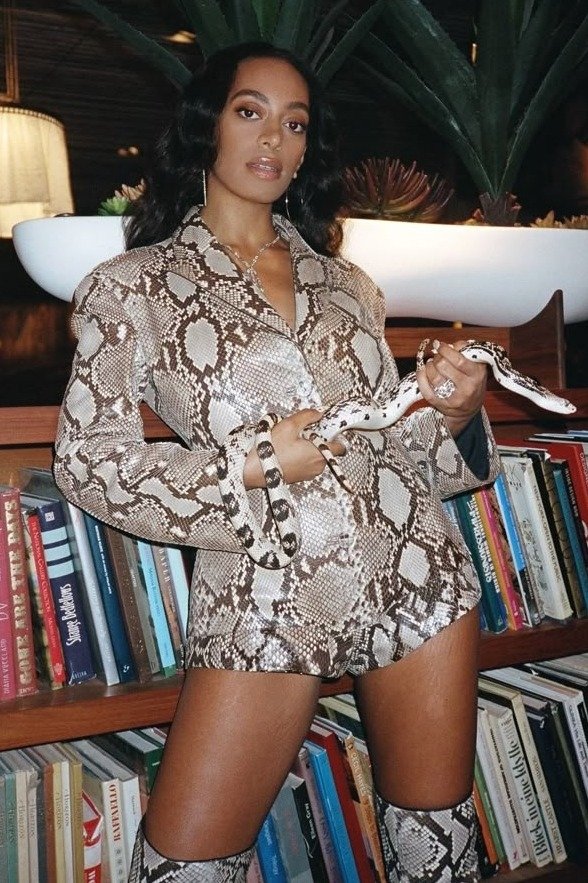
Solange ended management with her father Mathew Knowles to pursue a more independent approach. The change reflected a specific vision for her recordings and the way they would be presented.
She founded Saint Records and built the Saint Heron platform to champion artists and projects she curates. She directs visual art, performances, and releases with a small team she hires, giving her control over timelines and creative choices.
Zayn Malik

Zayn Malik parted ways with Sarah Stennett and First Access Management as he retooled his solo rollout. The move let him assemble a new set of partners better suited to his goals.
He put together a fresh management and label strategy that supports long lead times between releases and a heavy emphasis on visual direction. He selects collaborators and handles rollouts to fit the sound and pace he wants.
Harry Styles

Harry Styles left Modest Management after One Direction paused group activity. He shifted to a new manager and an independent structure for his solo career.
He launched Erskine Records, built a film acting path with carefully chosen roles, and created the Pleasing brand. His team handles touring, merchandising, and screen work while he approves creative and business direction.
Michael Jackson

Michael Jackson dismissed Frank DiLeo as his manager at the end of a major touring cycle. The change rearranged the team guiding his contracts and creative planning.
He operated through MJJ Productions and negotiated one of the biggest recording deals of the era. He expanded short film style videos, global licensing, and touring logistics under a structure that answered to him.
Madonna
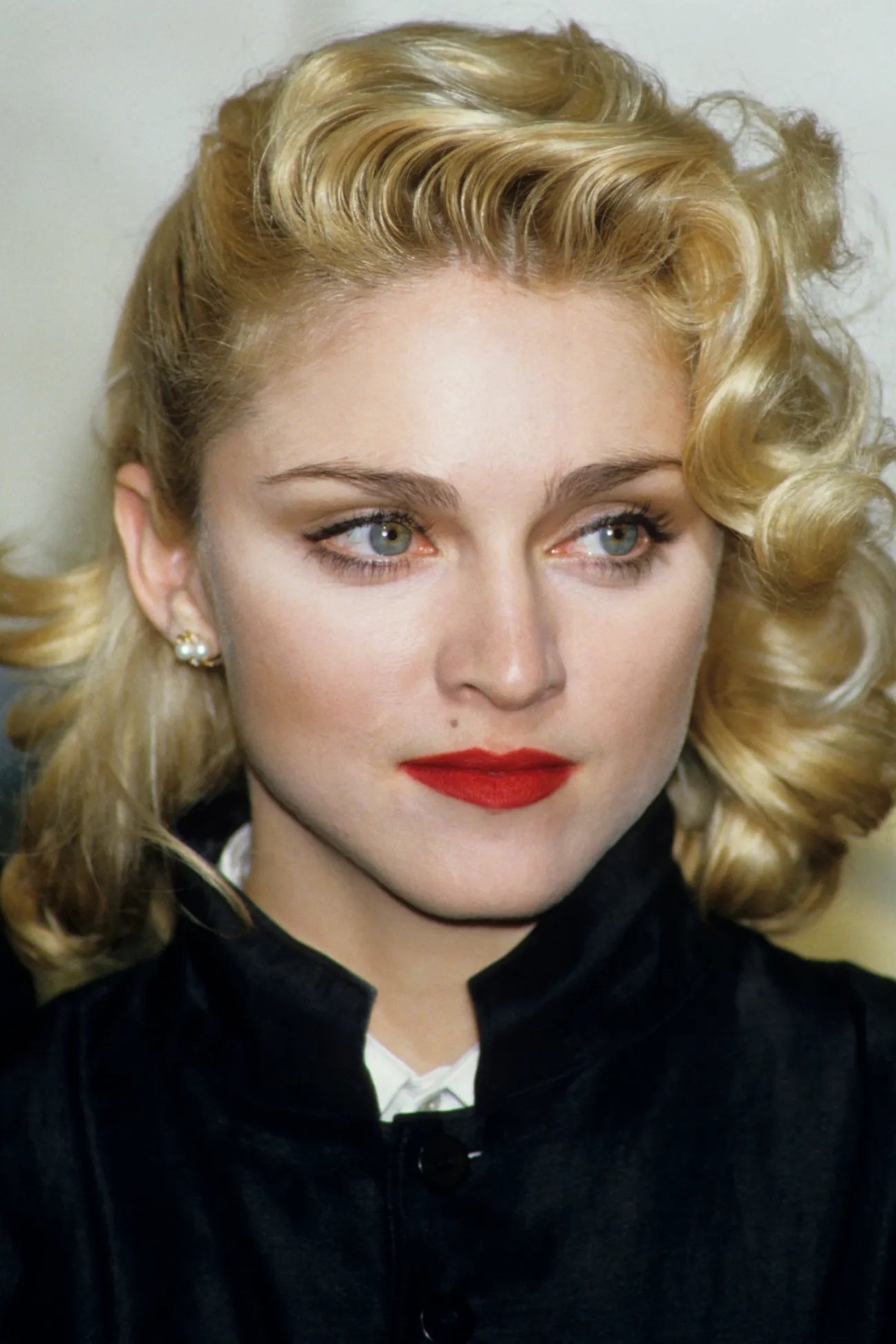
Madonna fired manager Caresse Henry during a period of heavy activity in music and film. The transition led to new management and a refined business setup.
She continued to oversee Maverick related ventures, complex touring productions, and brand partnerships. She has kept management lean and project based with final decisions routed through her office.
Prince

Prince ended his relationship with longtime manager Steve Fargnoli as he pursued more control over his work. The break matched a larger push to set terms for releases and masters.
He ran operations through Paisley Park and later NPG, experimented with direct to fan distribution, and managed touring in innovative ways. He negotiated deals project by project and set timelines according to his own schedule.
Elton John
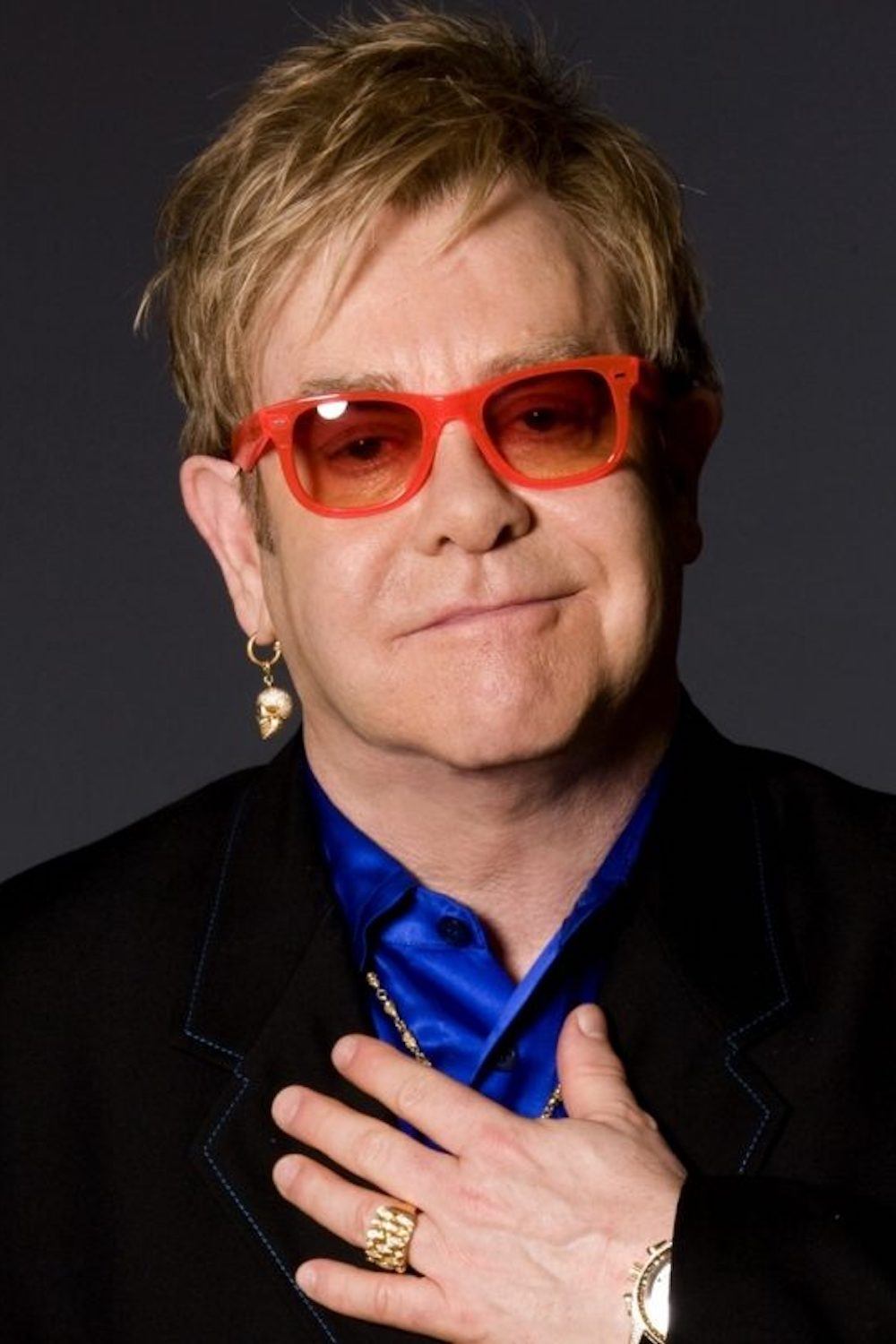
Elton John severed ties with manager John Reid after a long association. The separation followed business disputes and closed a long chapter in his career.
He built Rocket Entertainment to manage his own work and a roster of other artists. He coordinated farewell touring, catalog curation, and stage and screen projects while keeping strategic control in house.
Drew Barrymore

Drew Barrymore ended the managerial role her mother had played once she took legal control of her career. The change allowed her to reset professional relationships and choose projects independently.
She co founded Flower Films and produced a run of successful features while starring in them. She later launched lifestyle and beauty brands and now fronts ‘The Drew Barrymore Show’ with production decisions made by her team.
Macaulay Culkin

Macaulay Culkin removed his parents from control over his finances and professional decisions during a very public family dispute. That effectively ended the parent manager arrangement that had guided his early career.
He stepped back from the industry before returning on his own terms in select projects. He also launched the Bunny Ears platform and keeps business matters with professionals he hires rather than family.
Lindsay Lohan

Lindsay Lohan dismissed her mother Dina Lohan as manager after years of family led representation. The move separated personal relationships from business and cleared the way for new handlers.
She later signed with professional management and focused on screen roles and brand work that fit a long term plan. She has structured deals for film and streaming titles and aligned endorsements through a team she directs.
Share which stories surprised you and who else belongs on this list in the comments.