Framing the Unseen: Tal Atzmon’s Quest to Capture Hidden Stories on Film


When protest signs fill the streets and tension fills the air, most people instinctively look away. Tal Atzmon, however, lifts his camera. He moves into the action, searching for overlooked details that reveal truths official accounts often miss. His lens finds faces lost in the crowd and gestures at the edge of the action. Each frame captures history as it happens and preserves stories that might otherwise disappear.
Tal Atzmon’s professional life has taken him into situations and subjects many choose to avoid. His assignments include frontline coverage and long-form features that require fast decisions and reliable visuals. With a portfolio that includes award-winning films and challenging international news projects, Tal demonstrates how a director of photography can support complex subjects through precise visuals.
The First Frames: Finding a Voice Behind the Camera
Tal Atzmon’s career began in 2006, learning the ropes in broadcast news and current affairs. The camera had to stay rolling, and the pictures had to hold up on air. The intense environment helped him develop the judgment and skill to compose shots on the fly, ensuring every frame was sharp and meaningful.
Those early years were hands-on. He learned to light interviews in tight spaces, hold stable frames while tracking action, and choose angles that carry context without extra explanation. By 2017, he was designing three-camera setups on deadline for broadcast segments and tailoring lighting to each location.
From there, he moved into recurring series work that demanded consistency at speed. These assignments reinforced the field skills he built at the start of his career.
Breakout Projects That Defined a Vision
Certain projects reveal what matters most to a cinematographer. For Tal, his breakout projects highlight both the stories he seeks and the responsibility he shoulders in the field.
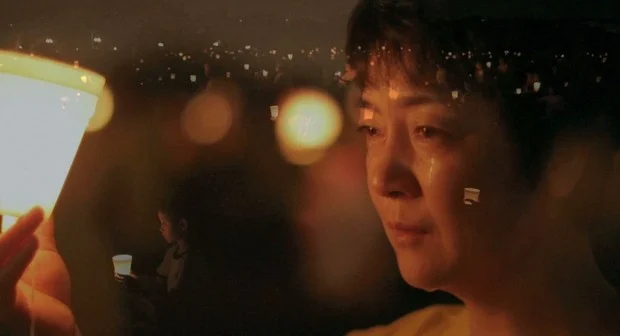
One example is Free China: The Courage to Believe (2011), a multiple-award-winning, Oscar-contending documentary following two individuals imprisoned in China for their beliefs. Tal served as both Director of Photography and Editor, working alongside producer Kean Wong and director Michael Perlman. He planned interviews and reenactments while keeping the film’s narrative easy to follow. His technical approach served to ensure viewers could understand and connect with the testimony on screen, even when the stories themselves are hard to absorb.
Tal’s work as a foreign correspondent cameraperson during the 2019 Hong Kong protests stands as another major accomplishment. He captured evidence of human-rights violations and media suppression, operating with minimal equipment for safety and flexibility in rapidly changing conditions. The assignment produced material that reflects street-level conditions and required careful judgment in changing situations.
He describes this kind of work as documenting history as it unfolds. The goal is to record events with clarity and to return with footage that can be verified and shaped into a coherent report.
Filming on the Edge: When Logistics Define the Story
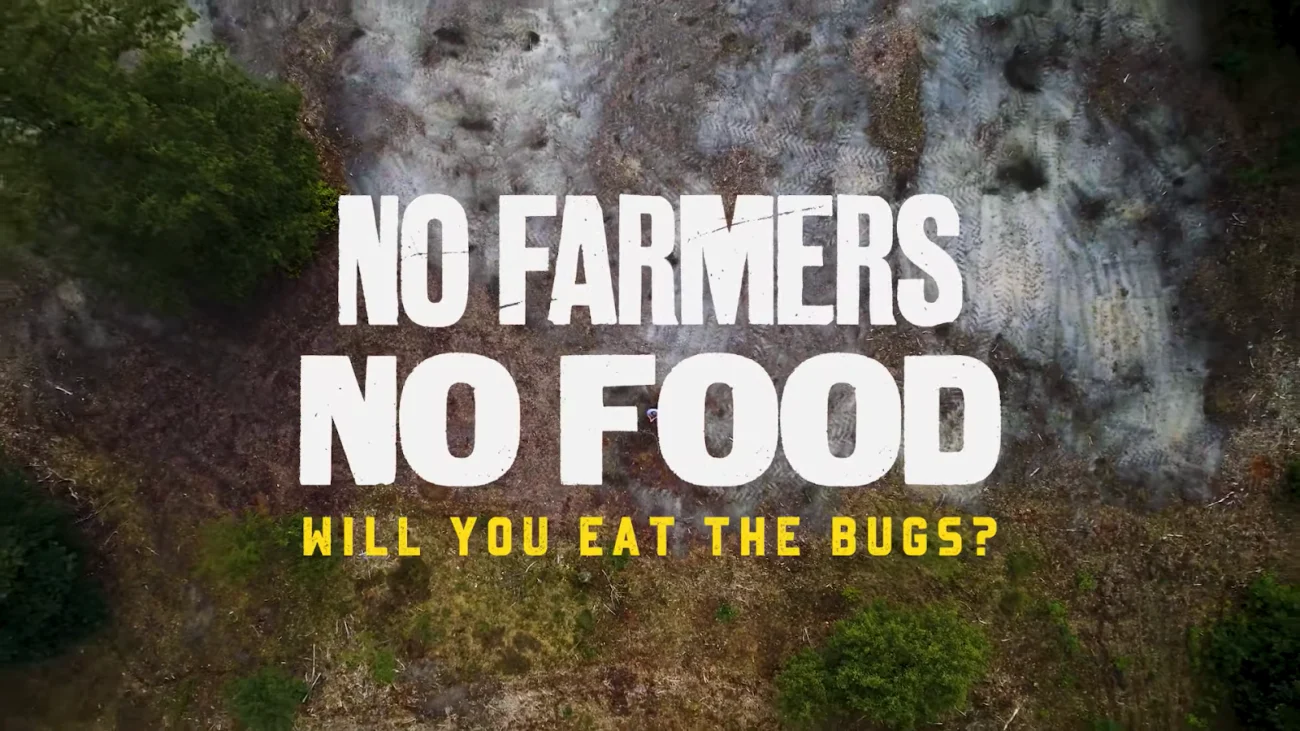
Screenshot: No Farmers No Food: Will You Eat the Bugs? | Official Teaser | YouTube
Documentaries rarely unfold in comfortable studios. They’re often filmed in remote areas, under tight schedules, and with little room for mistakes. Tal Atzmon has built a reputation for delivering strong visuals in difficult locations, tight schedules, and unpredictable settings.
For Border Deception: How the US and UN Are Quietly Running the Border Crisis (2022), an investigative documentary about sensitive border regions, Tal filmed in remote places with limited infrastructure and strict security protocols. He used a small, discreet setup, working closely with producers to keep scenes visually consistent. These conditions demanded resourcefulness; he learned to get reliable footage with limited equipment and time, and to stay focused when situations changed without warning.
No Farmers No Food: Will You Eat the Bugs? (2023) took Tal Atzmon across multiple countries, from large cities to rural farms and small towns. Each stop brought its own complications: cramped spaces, short deadlines, and shifting light. Tal adapted by using practical lighting and keeping his camera work steady, producing a consistent visual style that helped audiences follow complex ideas about global agriculture and new food systems.
Those projects sharpened his planning and problem-solving. Working under pressure improved his ability to keep shots steady, stay composed, and deliver broadcast-ready material when the window is small.
Visual Principles: Lighting, Framing, and Movement
Tal’s style favors honest light, clear framing, and movement that serves the subject. He designs lighting to match the tone of the interview. He chooses lenses and angles that reveal context without distraction. In unpredictable environments, he keeps stabilization tools, from gimbals to drones, at the ready and uses them only when they help the story. The intention is always to let viewers see what’s happening and form their understanding.
His series and special-project work show the same discipline. On long-running interview programs, he plans lighting, fixes camera positions, and maintains visual quality from episode to episode. This attention to detail ensures that conversations feel consistent and the final product is reliable for audiences and producers.
Currently a Director of Photography at NTDTV Israel, Tal oversees special reports and documentaries, working directly with partners and affiliates. He manages everything from field shoots to studio construction, always keeping content aligned with editorial goals and narrative priorities.
A Lens Fixed on the Future
The work carries on because many stories still need telling. Tal Atzmon aims to keep documenting events and stories that are easy to overlook. He looks for projects that highlight urgent issues and create meaningful outcomes for the people involved.
He built his craft in the field and sharpened it through assignments that required access, judgment, and persistence. His credits show consistent camera work, disciplined lighting, and a clear sense of context. For audiences, this means images that make sense quickly and support the story. For producers, it means footage that can be trusted under the most challenging conditions.
Tal’s commitment remains straightforward. He concentrates on moments that matter, recording them in ways that will still carry weight when others look back. He’ll keep documenting stories that need to be seen, making sure each one is presented honestly and thoughtfully.