Best Fictional Lawyers Who Actually Follow Procedure

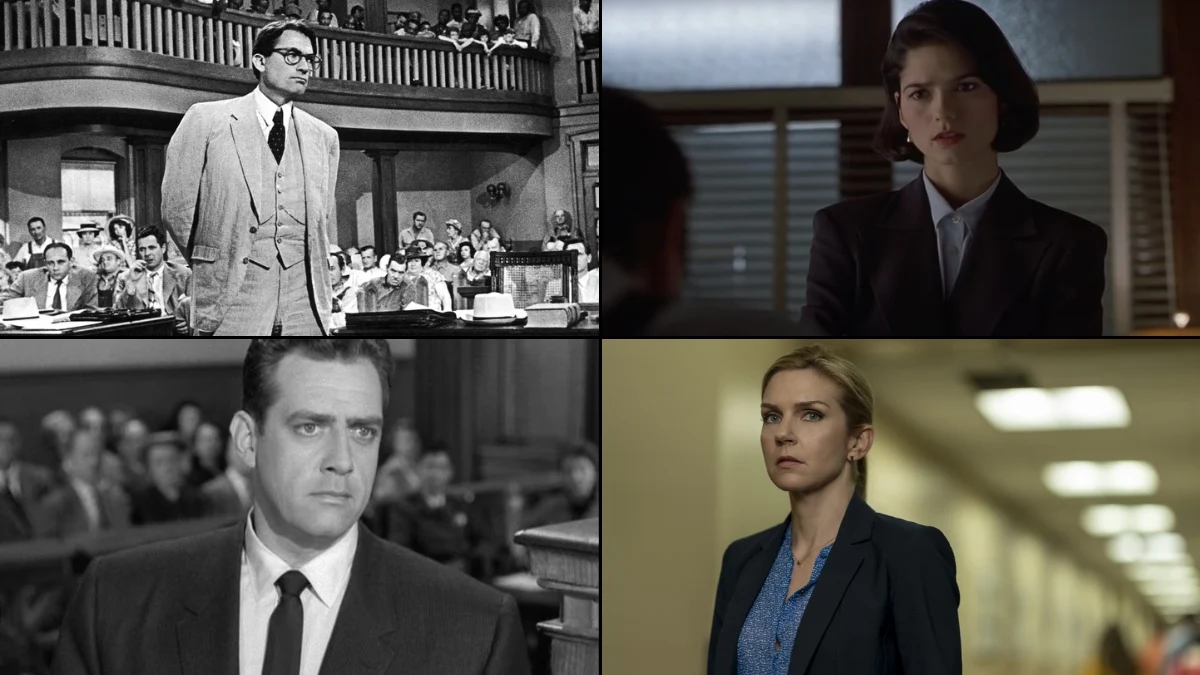

Not every on-screen attorney plays fast and loose with the rules. Plenty of fictional lawyers build their cases the way real practitioners do—by filing the right motions, meeting disclosure obligations, tracking deadlines, and respecting the limits of evidence and ethics rules. This list spotlights characters who are shown preparing properly, questioning within bounds, and following the paper-trail that keeps convictions and acquittals from getting tossed on appeal.
You’ll see defense counsel, prosecutors, and barristers from different systems—state, federal, military, and the English Bar. Across genres, they request warrants instead of gambling on a gray-area search, conduct orderly depositions, preserve objections for the record, and keep client confidences. In other words, they do the unglamorous procedural work that actually decides cases.
Ben Stone
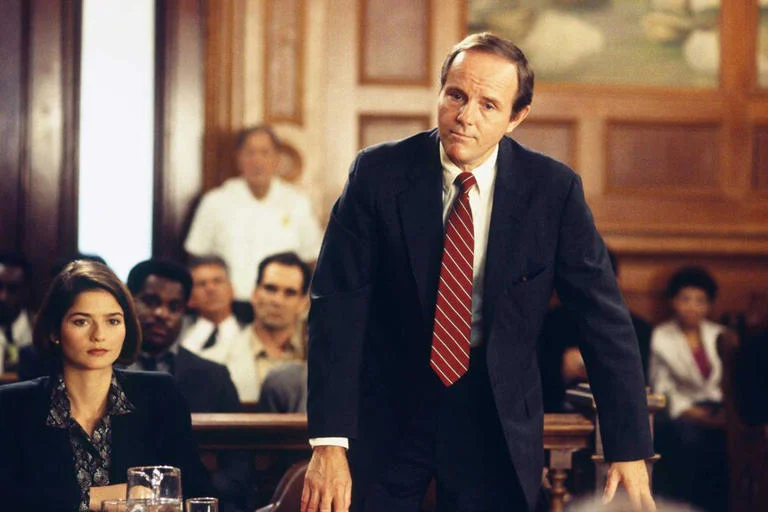
As Executive Assistant District Attorney in ‘Law & Order’, Ben Stone is depicted insisting on lawful searches, signed warrants, and clean chain-of-custody logs before he files charges. He is shown coordinating with detectives to ensure statements satisfy Miranda and voluntariness standards, then presenting cases to a grand jury with documented exhibits, sworn transcripts, and certified lab results.
In pretrial practice, Stone routinely files motions in limine, complies with disclosure obligations to the defense, and crafts plea offers that are memorialized on the record. At trial, he lays foundation for physical evidence through custodial witnesses, follows proper authentication for business records, and keeps a clear appellate record with timely, specific objections.
Claire Kincaid
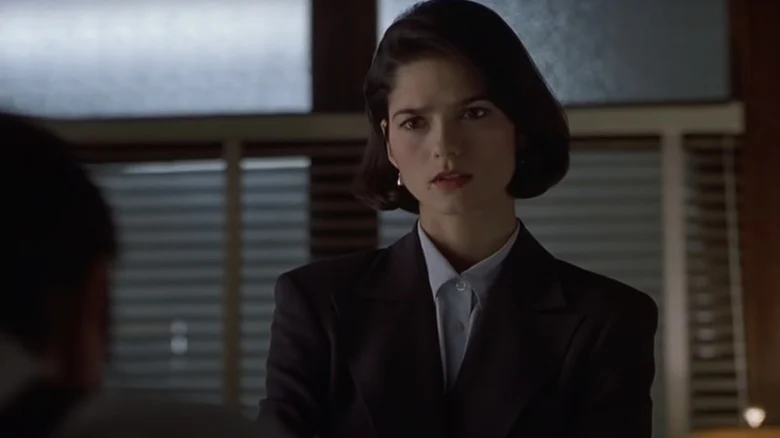
In ‘Law & Order’, Claire Kincaid’s case files consistently include witness-prep notes, subpoena returns, and verified expert qualifications. She is portrayed confirming lineup procedures with detectives and rejecting suggestive identifications that could be suppressed, thereby protecting the prosecution from later due-process challenges.
Kincaid’s courtroom conduct reflects careful adherence to the rules of evidence—she avoids questions that would elicit privileged communications, marks exhibits before using them, and impeaches with prior inconsistent statements only after establishing the predicate. She also documents Brady-related disclosures, ensuring the defense receives exculpatory material in time to use it.
Perry Mason
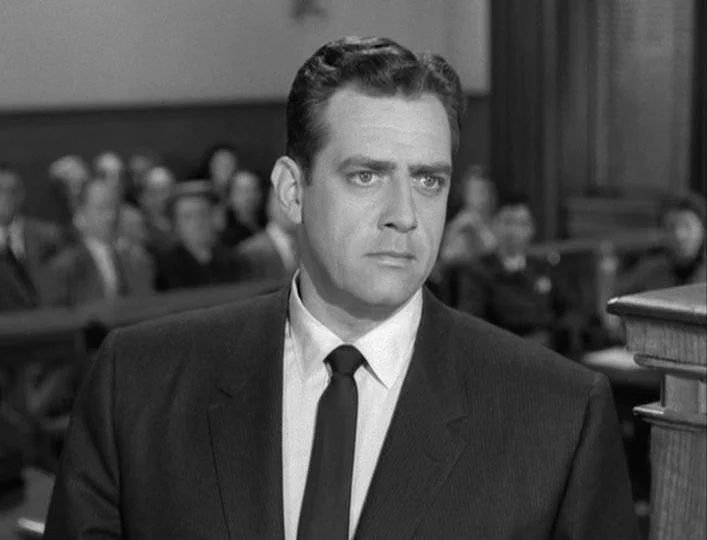
In ‘Perry Mason’, the defense attorney assembles admissible proof through subpoenas duces tecum, certified records, and investigator reports that are wrapped into declarations for use at hearings. He brings custodian witnesses to authenticate documents, makes timely objections to preserve issues, and moves for continuances when new evidence surfaces so the court’s schedule and discovery obligations stay intact.
Mason’s trial practice shows ordered steps: he lays foundation for exhibits by establishing chain-of-custody, authenticates demonstratives through sponsoring witnesses, and confines cross-examination to credibility and scope as permitted by the court. Post-trial, he files appropriate motions within stated deadlines and ensures the clerk’s minutes, exhibits, and jury instructions are complete for any appeal.
Alicia Florrick
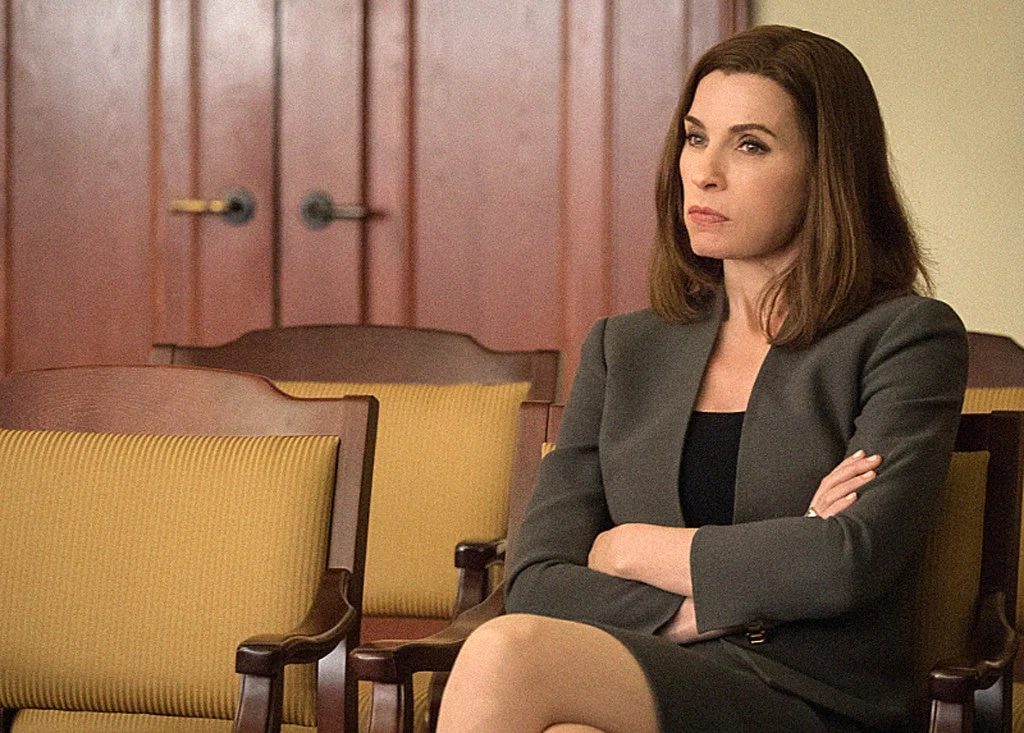
In ‘The Good Wife’, Alicia Florrick is shown running full civil-litigation playbooks: issuing litigation holds, organizing e-discovery with custodians and search terms, and meeting rule-based disclosure and conferencing duties. Depositions are conducted with precise, on-the-record objections—form, foundation, mischaracterization—so the transcript remains clean for later motions.
Her motion practice includes TROs and preliminary-injunction filings supported by affidavits, verified exhibits, and properly tabbed appendices. Florrick screens for conflicts before taking new matters, documents waivers when permissible, and maintains client-communication logs—practical steps that align with professional-responsibility rules and protect case integrity.
Diane Lockhart

Across ‘The Good Wife’ and ‘The Good Fight’, Diane Lockhart is portrayed preserving issues for appeal, ensuring objections are timely and specific, and compiling a meticulous trial record. She supervises associates on cite-checking and appendix preparation, with tables of authorities and record citations that satisfy appellate rules.
Her team’s filings meet strict formatting and service requirements, and she coordinates with co-counsel on joint appendices, briefing schedules, and oral-argument time splits. Lockhart also implements firm-wide compliance policies—engagement letters, conflicts software, and ethical walls—so procedures are embedded from intake to final judgment.
Kim Wexler
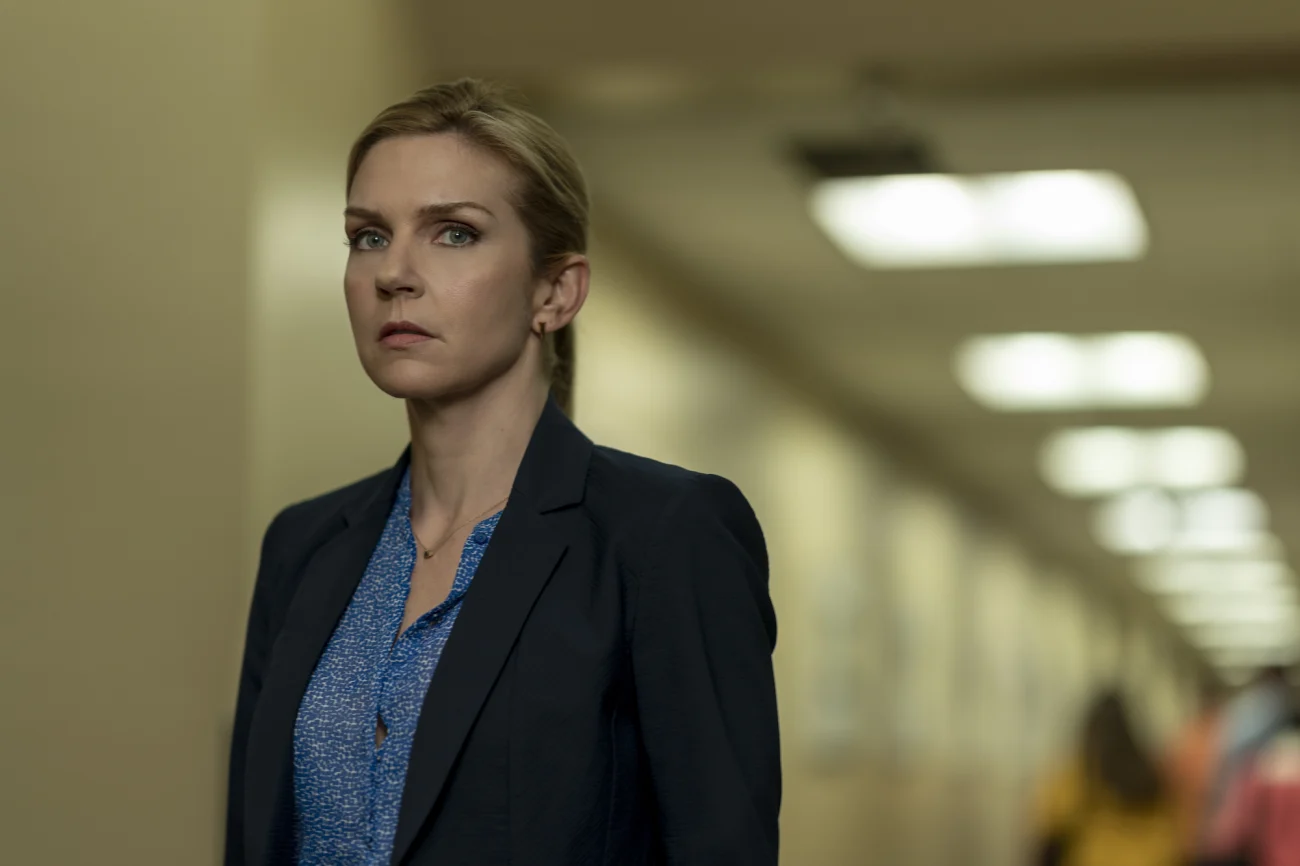
In ‘Better Call Saul’, Kim Wexler’s files show detailed client-intake notes, signed engagement letters, and conflict-check clearances before any substantive work begins. She prepares for hearings by drafting proposed orders, confirming notice to opposing counsel, and checking local-rule quirks on page limits and hearing calendars.
Her pro-bono and public-defense matters depict structured plea-negotiation worksheets, with sentencing guidelines, collateral-consequences checklists, and documented client consent. In court, she lays foundations carefully, handles exhibits by the numbers, and journals follow-up tasks immediately after proceedings to keep the docket on schedule.
Martha Costello QC
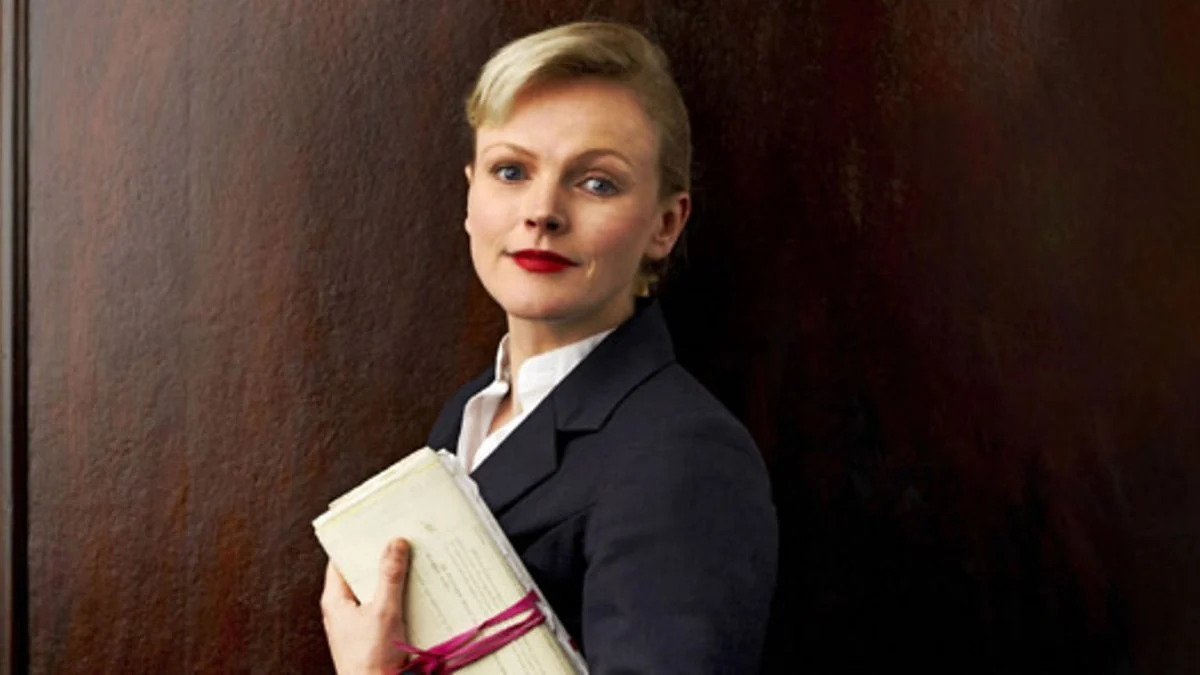
‘Silk’ shows Martha Costello QC operating within the English criminal-procedure framework: she receives briefs from instructing solicitors, drafts written skeleton arguments, and uses case-management hearings to set timetables under the Criminal Procedure Rules. Her disclosure practice reflects the Criminal Procedure and Investigations Act—she reviews schedules, addresses public-interest-immunity issues through the court, and serves a Defence Case Statement when required so directions can be set and monitored.
In trial, Costello observes formalities—proper robing, respectful address, and structured submissions at the judge’s invitation. She manages continuing-duty disclosure with the prosecution, seeks specific-disclosure orders where necessary, and keeps notes that separate counsel-only strategy from client-provided material, ensuring the brief is organized for any subsequent appeal.
Horace Rumpole
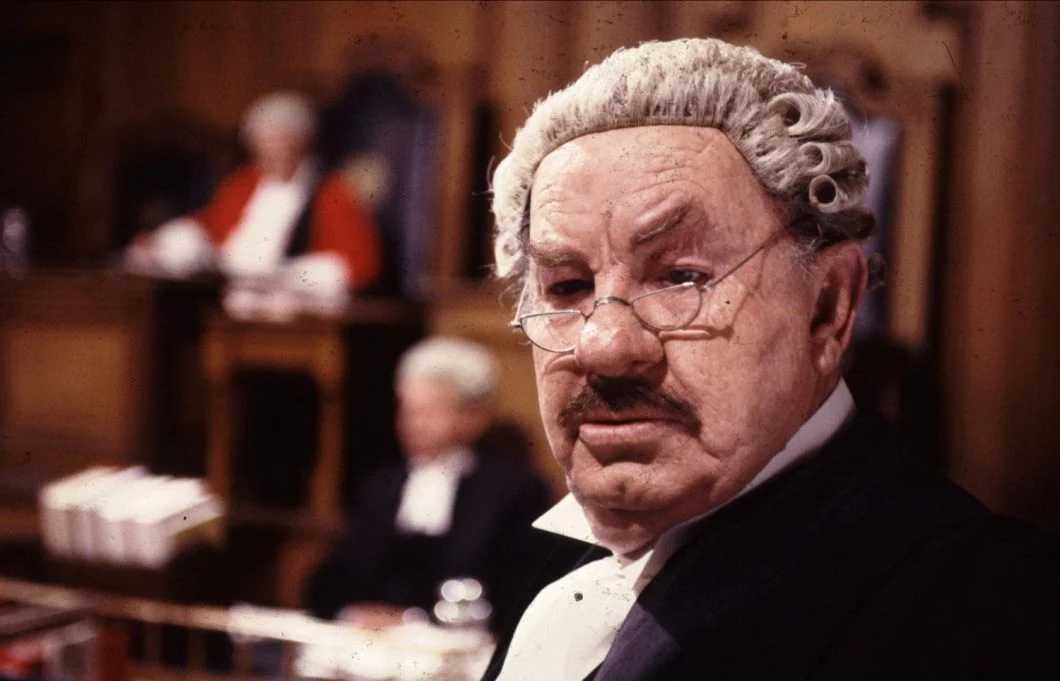
‘Rumpole of the Bailey’ depicts Horace Rumpole as a barrister scrupulous about rules in the Central Criminal Court. He challenges identification evidence using established procedures, insists on full disclosure of police notes, and questions under the constraints of privilege and hearsay rules.
Rumpole coordinates with solicitors for client conferences, ensures proper service of subpoenas, and files applications for witness orders through the court’s listed processes. His courtroom style includes timely objections, careful cross-examination that avoids badgering, and adherence to judicial directions, all while maintaining the duty to the court above client preferences.
Ben Matlock
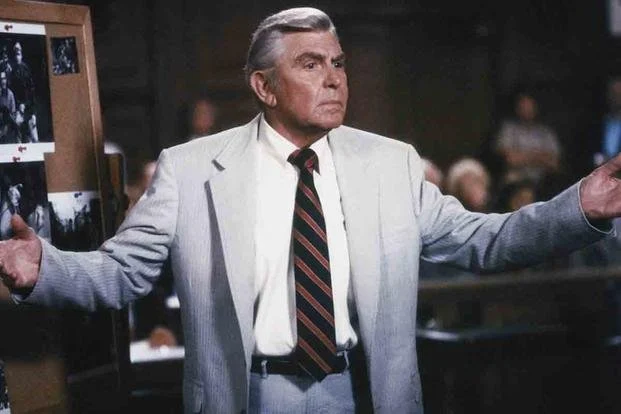
In ‘Matlock’, Ben Matlock conducts pretrial investigations that translate into admissible evidence: he uses subpoenas duces tecum, obtains certified records, and brings custodians to lay foundation. Voir dire is handled methodically to surface bias without arguing the case, preserving challenges for cause and peremptory usage within limits.
During trial, Matlock authenticates demonstratives, moves to strike nonresponsive answers, and requests curative instructions when necessary. Post-verdict, he files appropriate motions—judgment notwithstanding the verdict or new trial—within stated deadlines, showing attention to the procedural steps that can change outcomes after the jury is discharged.
Lt. Cmdr. Harmon Rabb Jr.
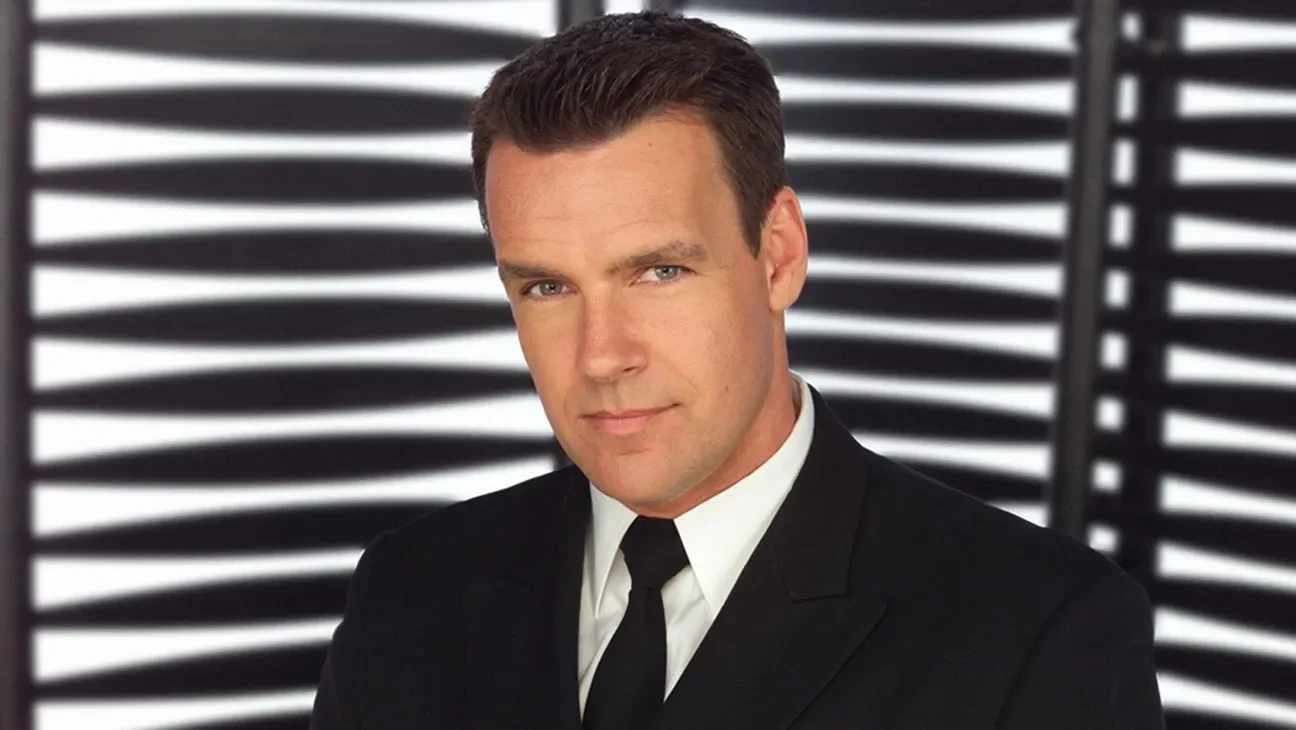
‘JAG’ portrays Harmon Rabb working under the Uniform Code of Military Justice, following the Article 32 preliminary-hearing process and coordinating with command authorities on convening orders. He handles classified materials consistent with protective measures, requests closed sessions when required, and observes the Military Rules of Evidence for handling sensitive information.
Rabb’s case files include charge sheets, witness lists, and properly endorsed exhibits suited to courts-martial practice. He documents discovery under the Rules for Courts-Martial, avoids unlawful command influence by recording chain-of-command communications, and places plea agreements before the military judge with required stipulations and findings.
Alexandra Cabot
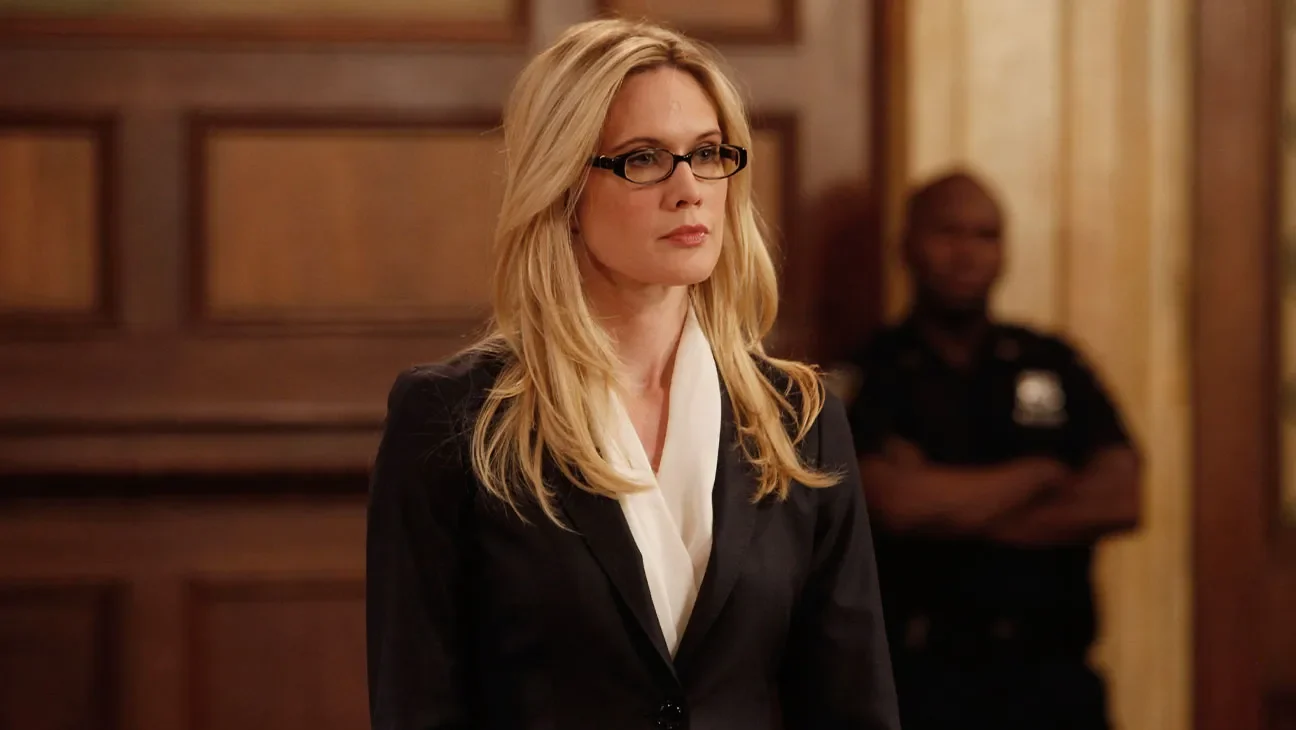
In ‘Law & Order: Special Victims Unit’, ADA Alexandra Cabot addresses sensitive-victim cases within the structure of rape-shield statutes and protective orders. She works with detectives to secure warrants tailored to digital evidence, logs extraction reports, and ensures forensic nurses and lab technicians are properly scheduled and qualified.
Cabot’s grand-jury presentations are organized with sworn testimony, transcribed records, and marked exhibits, followed by timely discovery to defense counsel once indictments issue. She seeks material-witness orders only with documented necessity, uses victim-impact statements appropriately at sentencing, and makes the record clear to support any future appellate review.
Atticus Finch
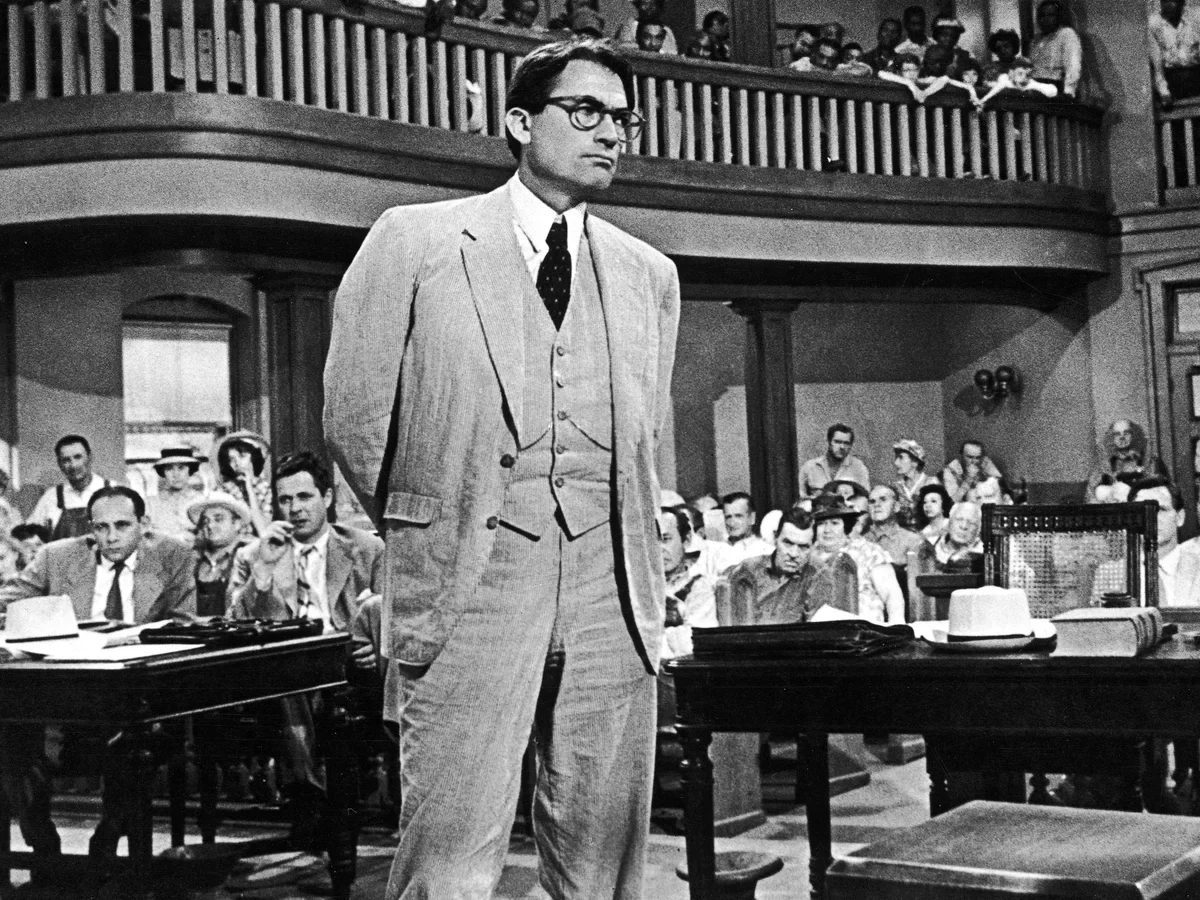
In ‘To Kill a Mockingbird’, Atticus Finch’s trial work reflects ordered procedure: he calls witnesses through the clerk, conducts direct-examination with nonleading questions, and uses cross-examination to test credibility without violating decorum. He delivers opening and closing statements within the court’s guidelines and respects the judge’s evidentiary rulings.
Outside the courtroom, Finch accepts court appointment, communicates with his client through proper channels, and refrains from extrajudicial statements that could prejudice the panel. His filings and motions are limited to what is necessary, and he observes local-court customs that govern scheduling, witness sequestration, and courtroom conduct.
Mickey Haller
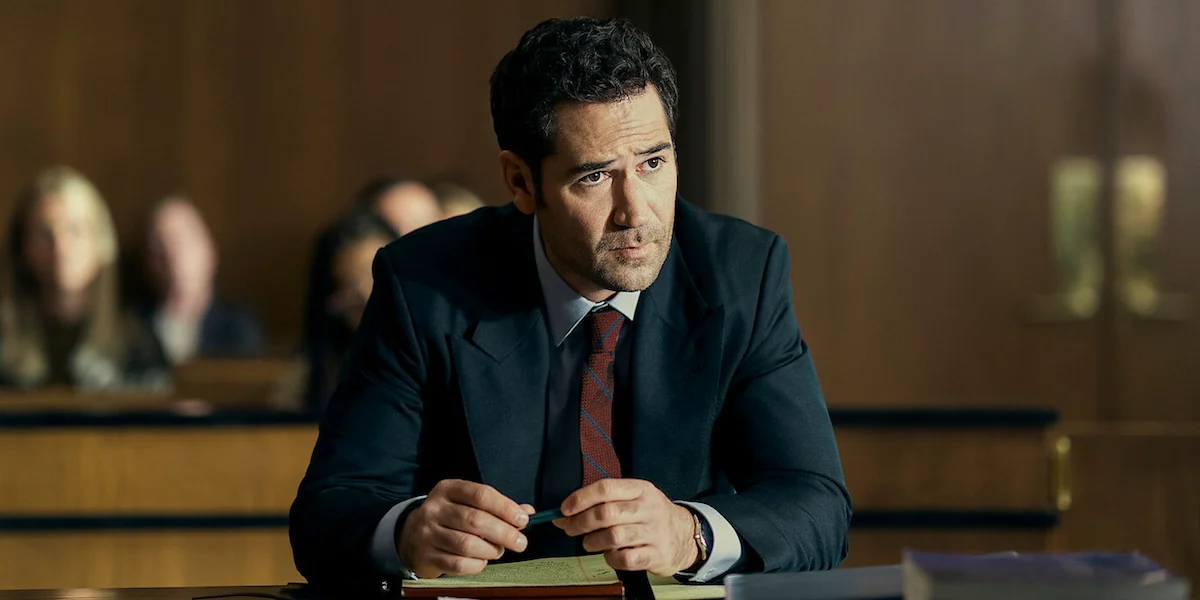
‘The Lincoln Lawyer’ shows Mickey Haller navigating arraignments, bail hearings, and suppression motions with attention to deadlines and burden allocations. He documents Fourth-Amendment issues—traffic-stop basis, scope, and consent—then briefs them with citations and sworn declarations to support exclusion.
Haller’s practice management is procedural, too: he screens for conflicts, uses investigators under direction letters to preserve work-product, and memorializes client decisions in writing. During plea talks, he confirms understanding of rights waived, allocution requirements, and collateral consequences, and he ensures the judge canvasses the client on the record.
Phoenix Wright
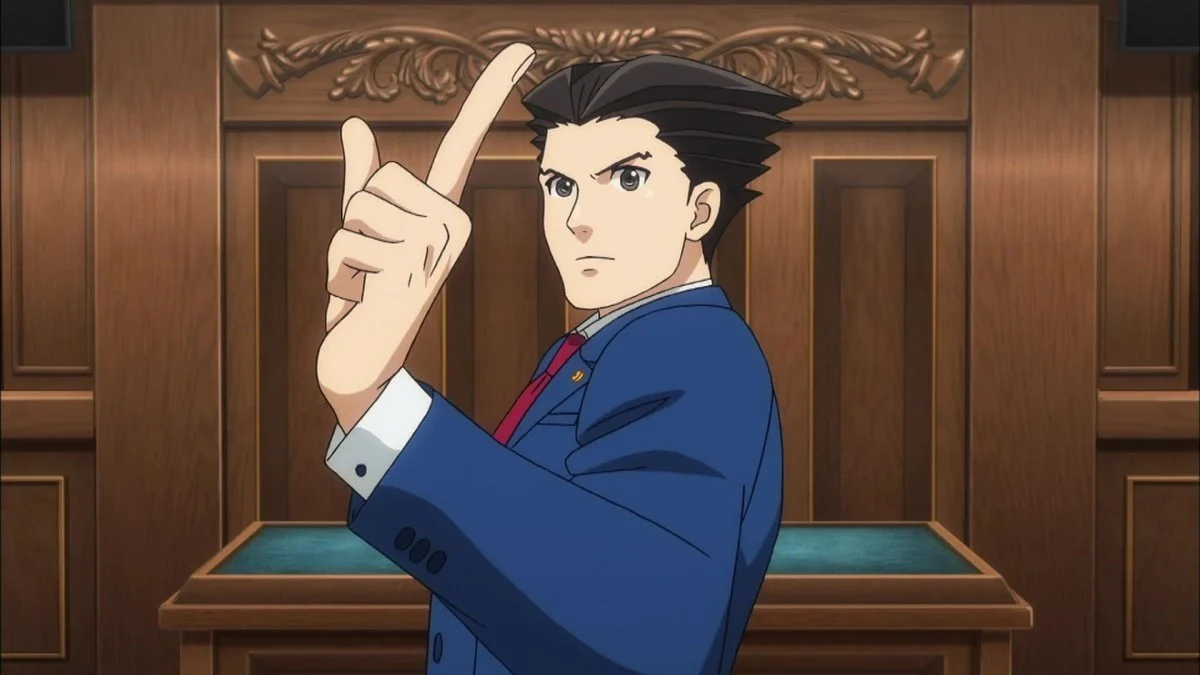
In ‘Ace Attorney’, Phoenix Wright operates within a stylized but rule-bound courtroom: the Court Record structures admitted evidence, cross-examinations proceed testimony-by-testimony, and objections are sustained or overruled by the bench. He uses contradictions between exhibits and statements to move for strikes or to recall witnesses.
The series depicts formal procedures such as filing evidence lists with the court, requesting continuances to locate new witnesses, and seeking leave to submit late-discovered items upon a showing of good cause. Even in a heightened setting, the process emphasizes foundations, authenticity, and judicial control over the order of proof.
James Steel

‘Law & Order: UK’ presents James Steel working within Crown Prosecution Service frameworks: he reviews charging standards, applies the Full Code Test, and ensures disclosure schedules are complete before trial. Case management involves Bad Character and hearsay applications submitted in writing and argued at pre-trial reviews.
Steel coordinates with officers on PACE-compliant interviews, verifies continuity of exhibits, and serves witness summonses through proper channels. In court, he adheres to formalities of address, structures examinations to comply with evidentiary limits, and keeps a precise note of rulings to safeguard the record for any appeal.
Share your favorite procedure-following fictional attorney in the comments—who did we miss, and why do they belong on the list?