The 10 Most Underrated Kevin Spacey Movies, Ranked (from least to most underrated)

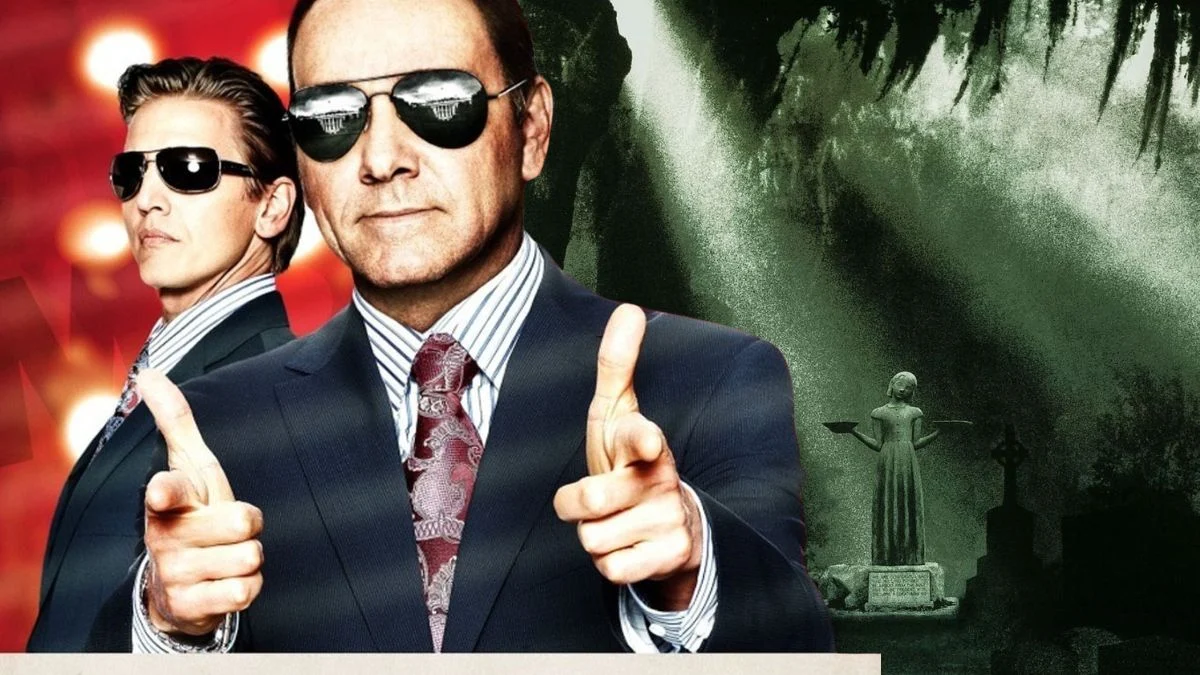

Kevin Spacey’s filmography stretches across crime thrillers, character dramas, and quirky indies, with a long list of collaborators that includes Clint Eastwood, F. Gary Gray, Iain Softley, and Mimi Leder. His work spans studio projects and small-scale adaptations, often built around tight ensembles and dialogue-driven storytelling. The titles below focus on feature films where he plays a central or catalytic role and which sit outside the handful of widely cited hits like ‘The Usual Suspects’, ‘Se7en’, ‘L.A. Confidential’, and ‘American Beauty’.
This roundup moves through comedies, biographical dramas, courtroom adjacent thrillers, and single room adaptations. You will find source novels and stage plays, festival premieres and wide releases, and casts that pair Spacey with performers like Jeff Bridges, Samuel L. Jackson, Helen Hunt, Denis Leary, Danny DeVito, John Cusack, and Laurence Fishburne. The result is a tour of projects that showcase varied creative teams, distinct settings, and production choices that helped shape each film’s identity.
‘Casino Jack’ (2010)
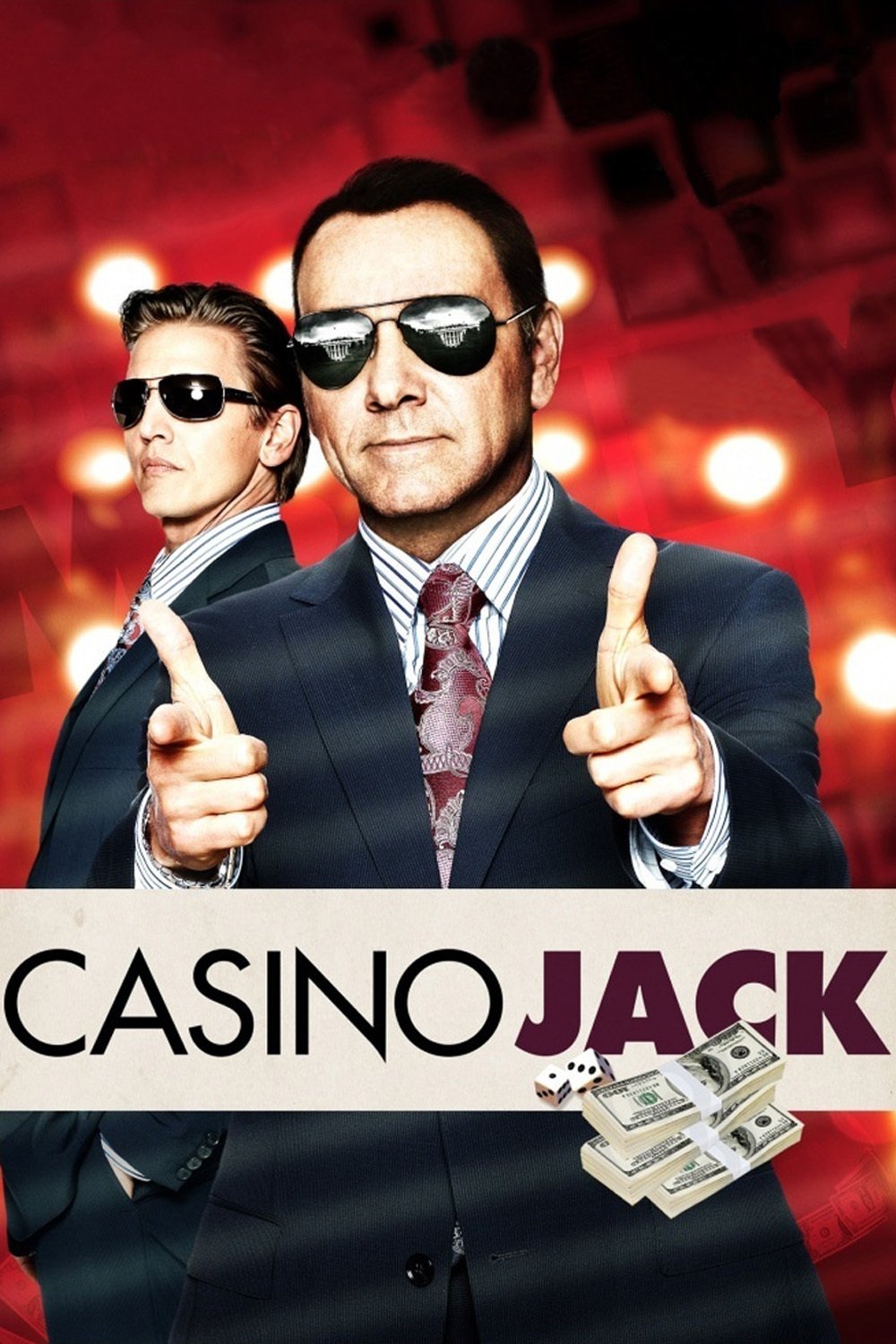
This biographical drama follows the rise and fall of Washington lobbyist Jack Abramoff and charts the investigations that exposed influence peddling schemes tied to casino interests. George Hickenlooper directed the film and the cast includes Barry Pepper, Kelly Preston, and Jon Lovitz. The story tracks political fundraising, public relations campaigns, and business deals that intersect with congressional offices and K Street firms.
Production took place in Canada and the United States with scenes that recreate offices, restaurants, and hearing rooms associated with the period events. The film arrived in theaters following a festival run and presents real names and timelines tied to federal probes and court proceedings, using a mix of news footage recreations and dramatized meetings to cover the case.
‘Shrink’ (2009)

Set in Los Angeles, this drama centers on a Hollywood psychiatrist who treats actors, agents, and writers while struggling with personal loss. Jonas Pate directed and the ensemble includes Keke Palmer, Dallas Roberts, Saffron Burrows, and Mark Webber, with appearances from well known performers in industry adjacent roles. Sessions, parties, and backlot spaces serve as the backbone for a citywide mosaic.
The production uses overlapping patient storylines to connect studios, clinics, and neighborhood hangouts. It screened at film festivals before a limited release, and its soundtrack and location choices highlight contemporary Los Angeles creative culture, from indie venues to hillside homes and production offices.
‘Midnight in the Garden of Good and Evil’ (1997)
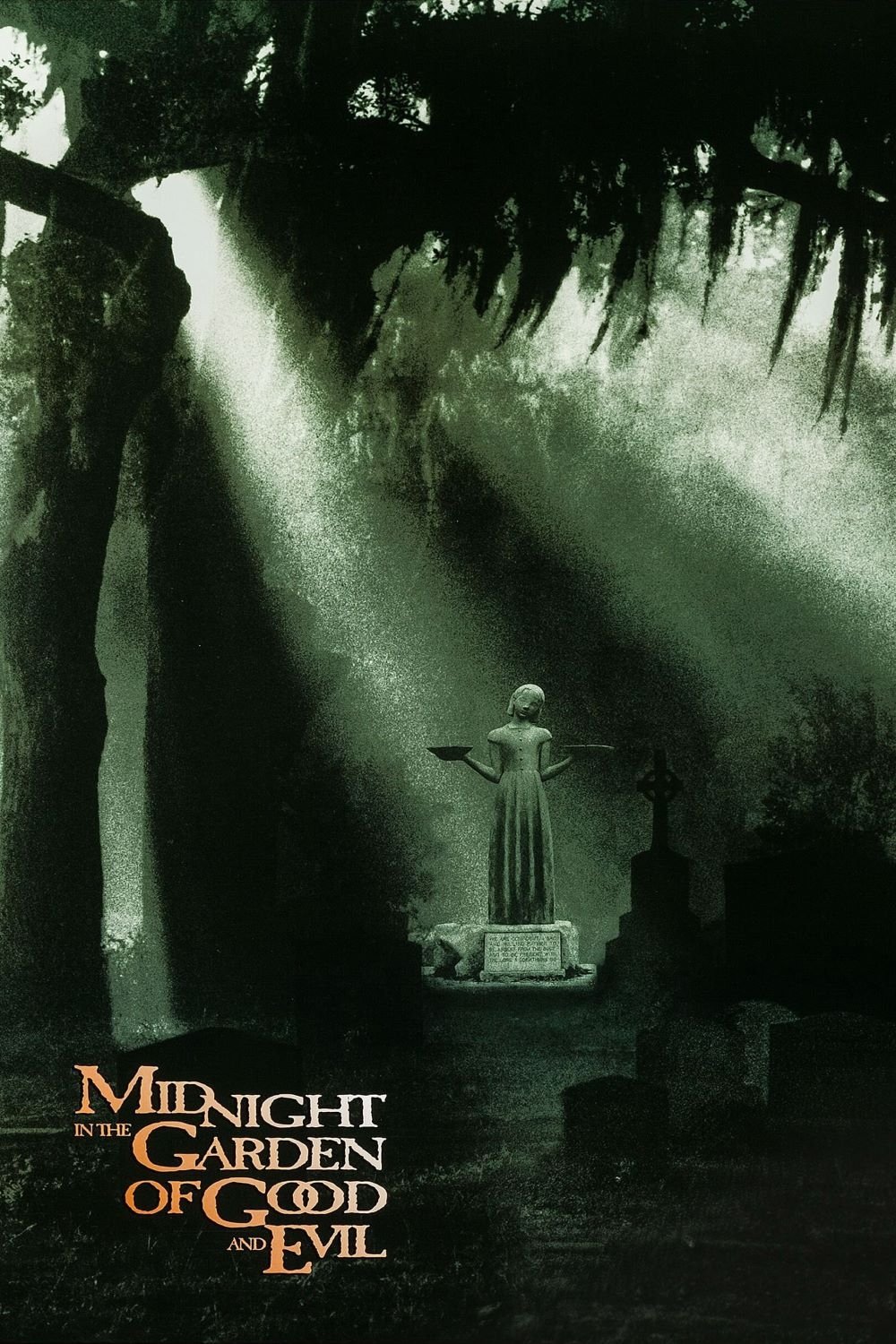
This adaptation of John Berendt’s nonfiction bestseller is set in Savannah and follows the trial of antiques dealer Jim Williams. Clint Eastwood directed and John Cusack plays the visiting writer who observes the case, while Spacey portrays Williams. The film features Savannah landmarks and includes local personalities such as The Lady Chablis, who appears as herself.
Location shooting uses squares, cemeteries, and historic homes to present the city’s architecture and customs. Courtroom scenes and society events trace the legal proceedings and social calendars that surrounded the real case, blending journalism inspired passages with dramatized exchanges pulled from the book’s interviews and reported episodes.
‘The Big Kahuna’ (1999)
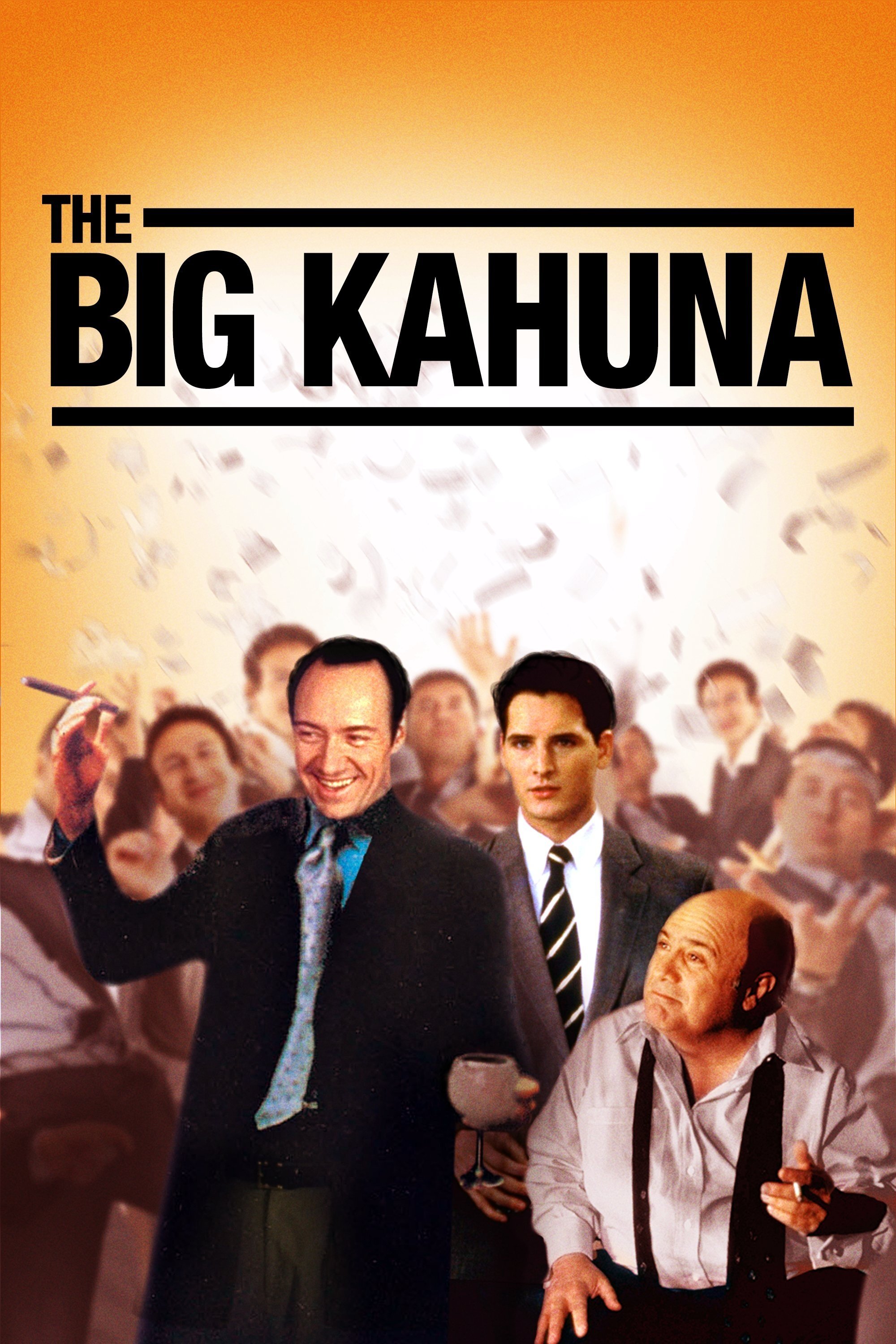
Adapted from Roger Rueff’s play ‘Hospitality Suite’, this chamber piece takes place almost entirely in a single hotel room during an industrial lubricants convention. John Swanbeck directed and the cast is limited to three primary characters played by Kevin Spacey, Danny DeVito, and Peter Facinelli. The story observes sales strategy, professional ethics, and interpersonal testing as the trio prepares for and debriefs key meetings.
The film preserves stage rhythms by concentrating on long conversations and confined blocking. Minimal locations, modest production design, and dialogue heavy scenes emphasize the transition from theater to screen while allowing the script’s corporate scenarios and generational viewpoints to drive each beat.
’21’ (2008)
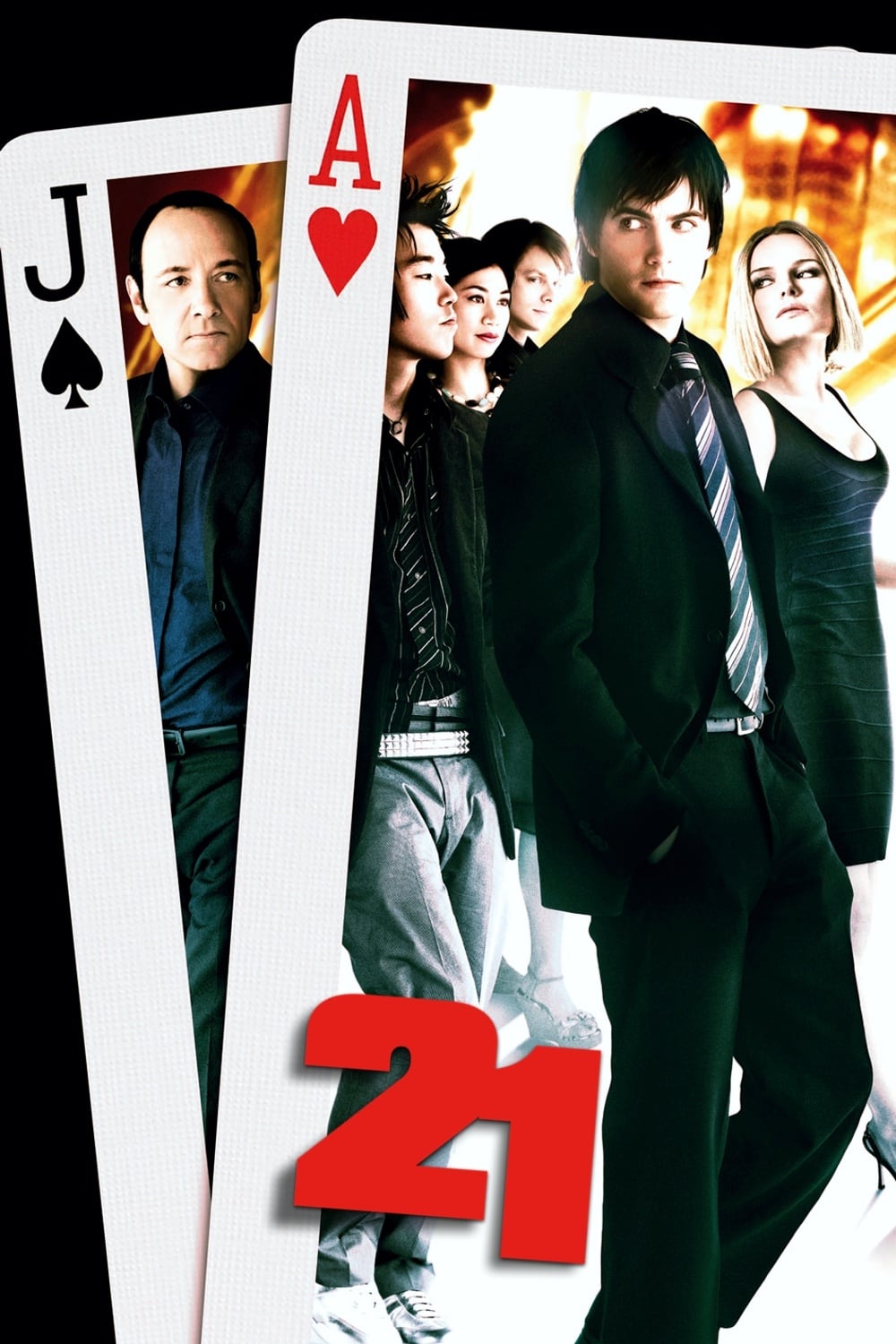
Inspired by Ben Mezrich’s book ‘Bringing Down the House’, this heist drama follows an MIT group that uses card counting techniques in Las Vegas. Robert Luketic directed and the ensemble includes Jim Sturgess, Kate Bosworth, Laurence Fishburne, and Kevin Spacey as a professor who organizes the team’s training and trips. Classroom sequences and casino floors frame lessons and practice runs that lead to higher stakes missions.
Production splits time between Boston area academic settings and Nevada resorts, staging table work with handheld coverage and casino surveillance angles. Wardrobe, montage sequences, and chip tracking shots highlight tactics, while security cat and mouse scenes mirror well documented counting countermeasures used by major properties.
‘The Ref’ (1994)
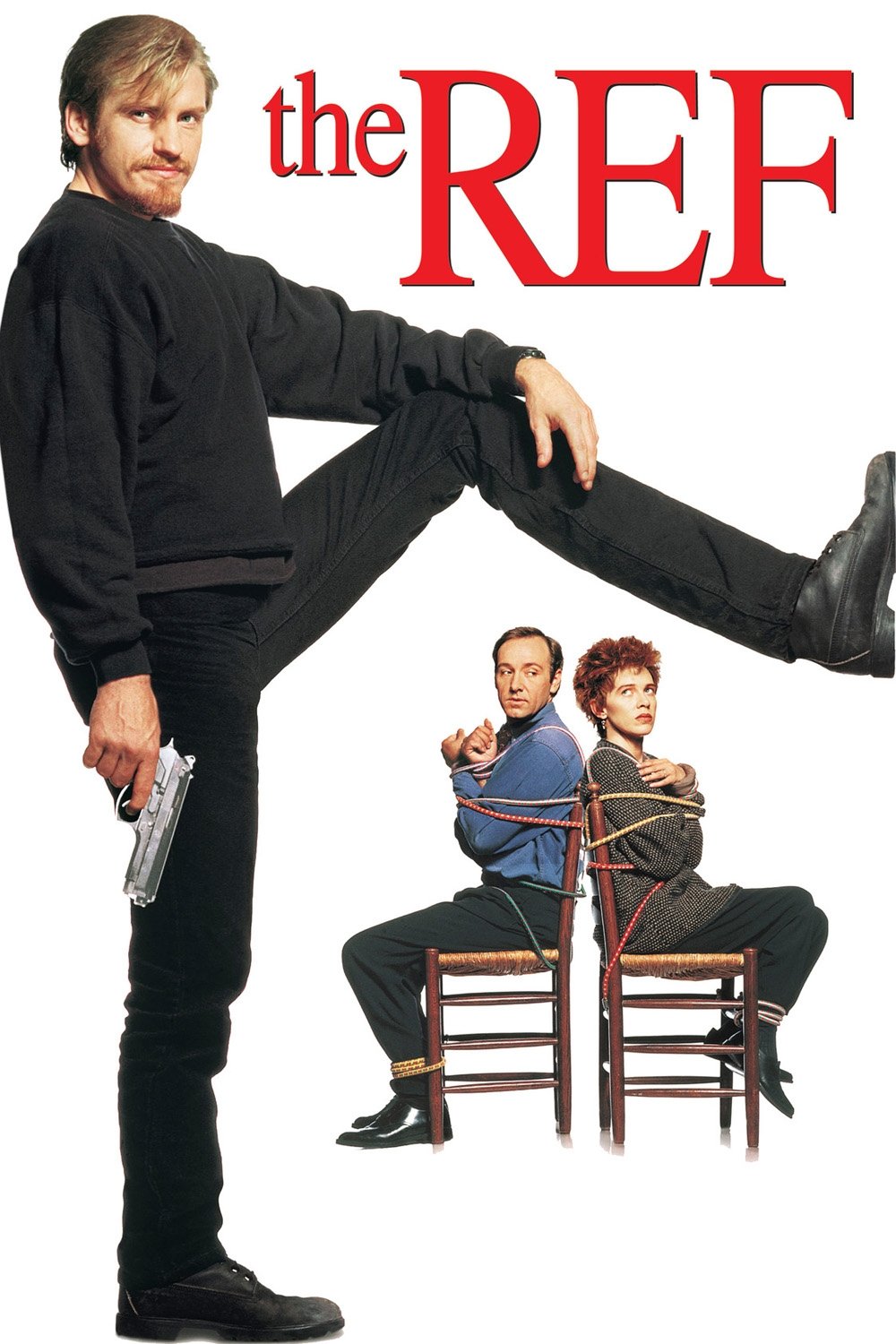
This darkly comic holiday story follows a burglar who takes a feuding couple and their family hostage on Christmas Eve. Ted Demme directed and the cast features Denis Leary, Judy Davis, and Kevin Spacey. The action unfolds in a suburban home and nearby streets as police patrols, school pageants, and family drop ins complicate the standoff.
Production emphasizes one primary interior with practical decorations and seasonal lighting, allowing arguments, negotiations, and mistaken identities to play in real time. The script uses small town routines and neighborhood gossip to build out the setting, with holiday meals, gift exchanges, and local authority figures anchoring each scene.
‘Swimming with Sharks’ (1994)
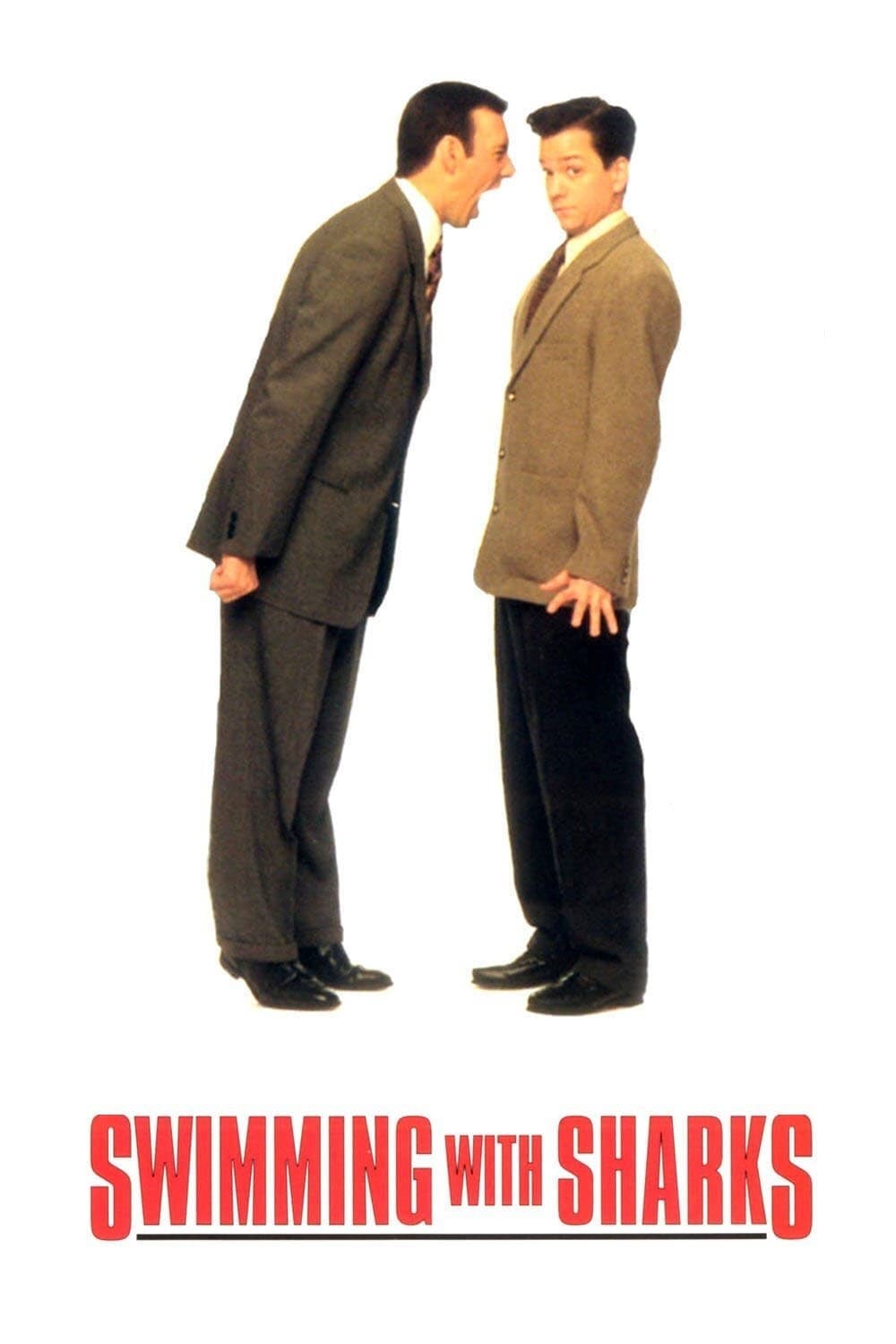
Set inside a Hollywood production company, this industry satire follows a new assistant whose demanding boss controls access to scripts, directors, and studio meetings. George Huang wrote and directed, with Frank Whaley and Kevin Spacey in the central roles. Office memos, mailroom runs, and late night calls outline workflow pressures and gatekeeping at talent driven companies.
Shot on a lean budget, the film uses office corridors, copy rooms, and conference tables to depict the hierarchy of a development pipeline. Props like script drafts, call sheets, and coverage notes provide the texture of the job, while phone logs and scheduling boards measure calendar crunches across overlapping projects.
‘Pay It Forward’ (2000)
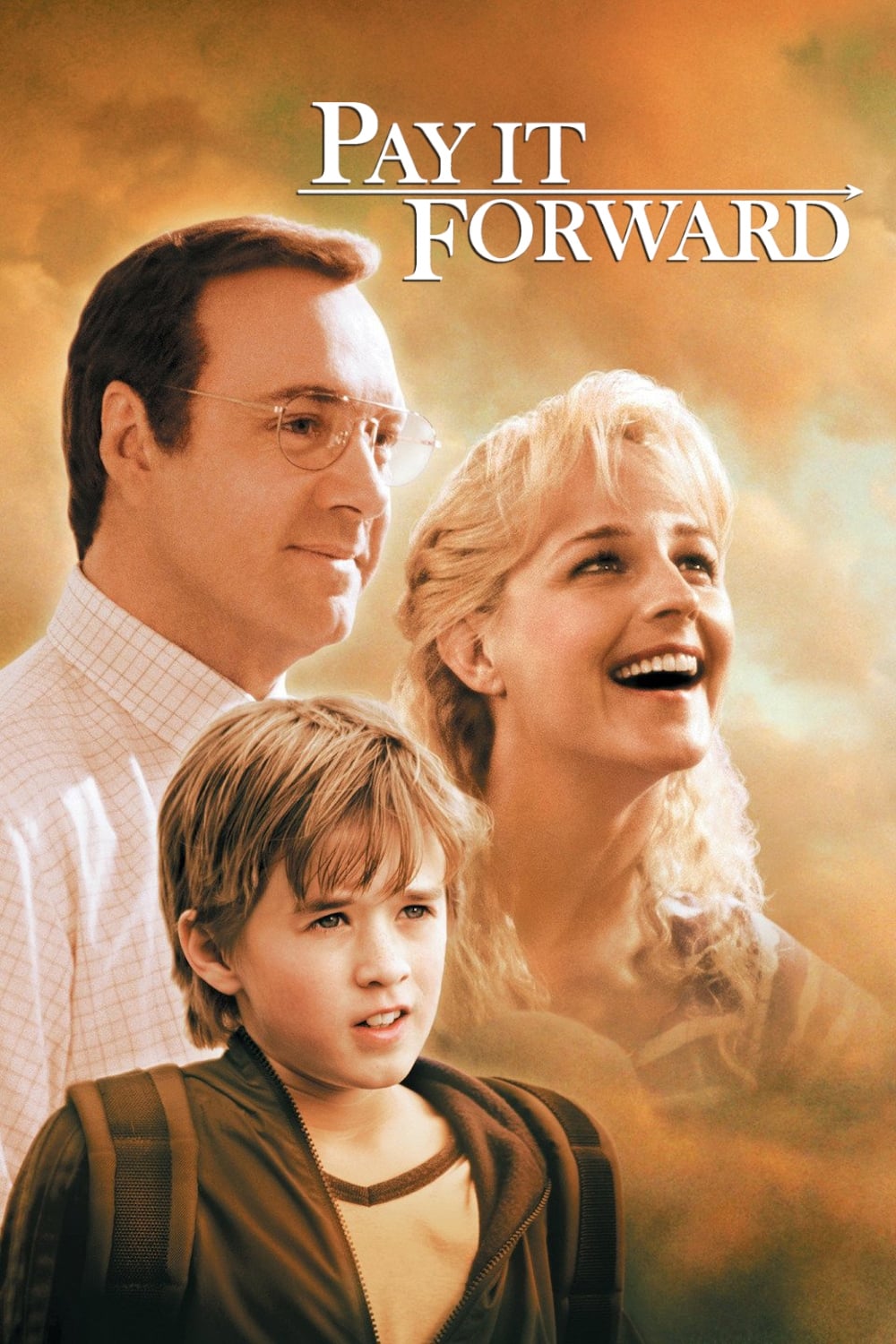
This drama is based on Catherine Ryan Hyde’s novel and follows a middle school assignment that asks students to create a practical idea to change the world. Mimi Leder directed and the cast includes Haley Joel Osment, Helen Hunt, and Kevin Spacey. The plot moves between classrooms, homes, and news segments as a simple plan spreads from person to person.
The production filmed in the Las Vegas area and nearby neighborhoods to establish a working class backdrop for the assignment’s ripple effects. Props and set dressing such as bulletin boards, television reports, and school events track the chain of favors, while makeup design and costuming mark personal histories carried by the adult characters.
‘The Negotiator’ (1998)
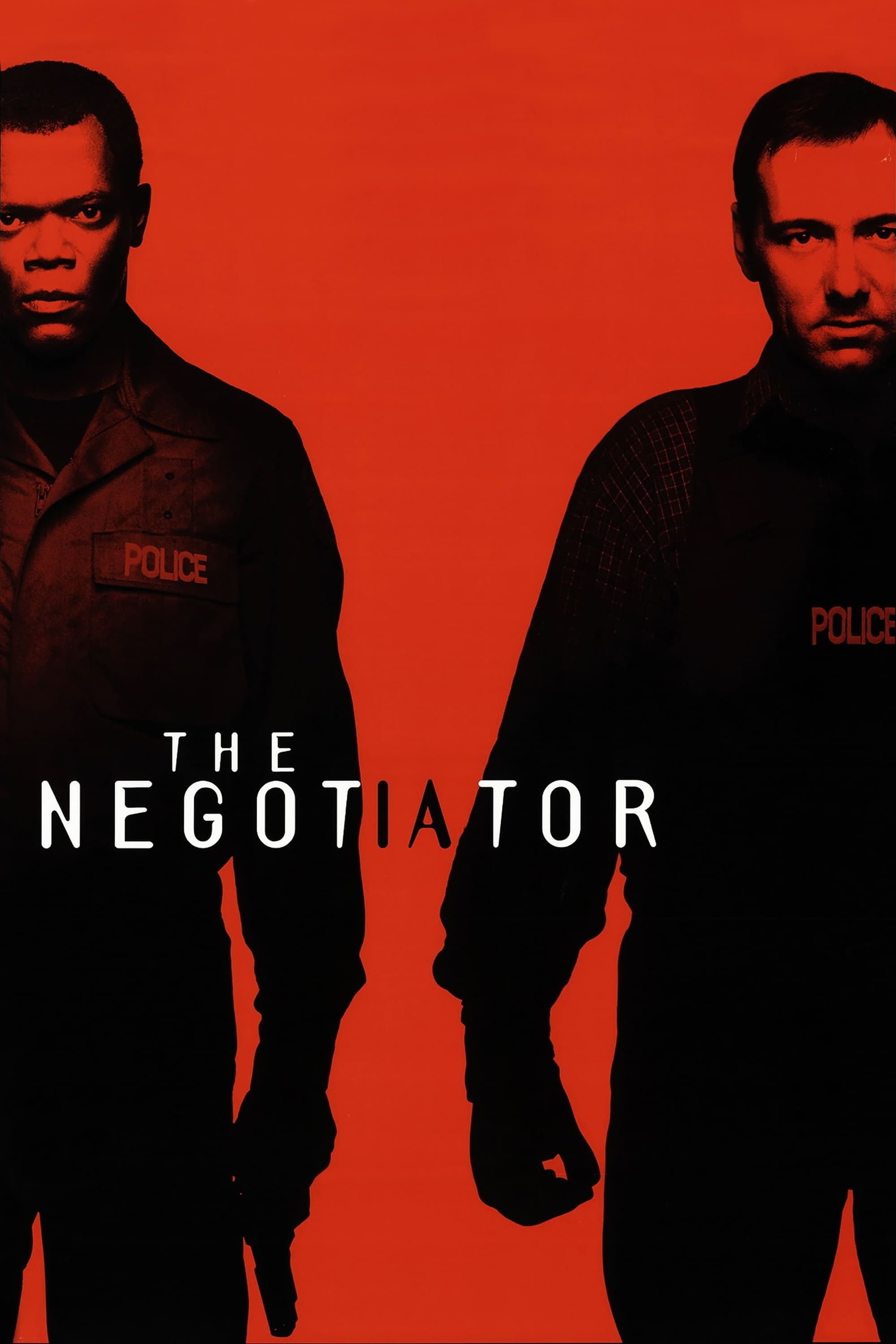
This police thriller is set in Chicago and follows a top hostage negotiator who is framed for corruption and responds by taking hostages inside a government office. F. Gary Gray directed and Samuel L. Jackson co stars as the counterpart negotiator brought in to handle the standoff. The cast also includes David Morse, J. T. Walsh, and Paul Giamatti.
Location work uses downtown buildings, streets, and high rise interiors to stage tactical set pieces and protracted bargaining. Phone traces, surveillance positions, and union dynamics receive attention through procedural details, while the script maps overlapping jurisdictions and internal affairs processes that drive the investigation.
‘K-PAX’ (2001)
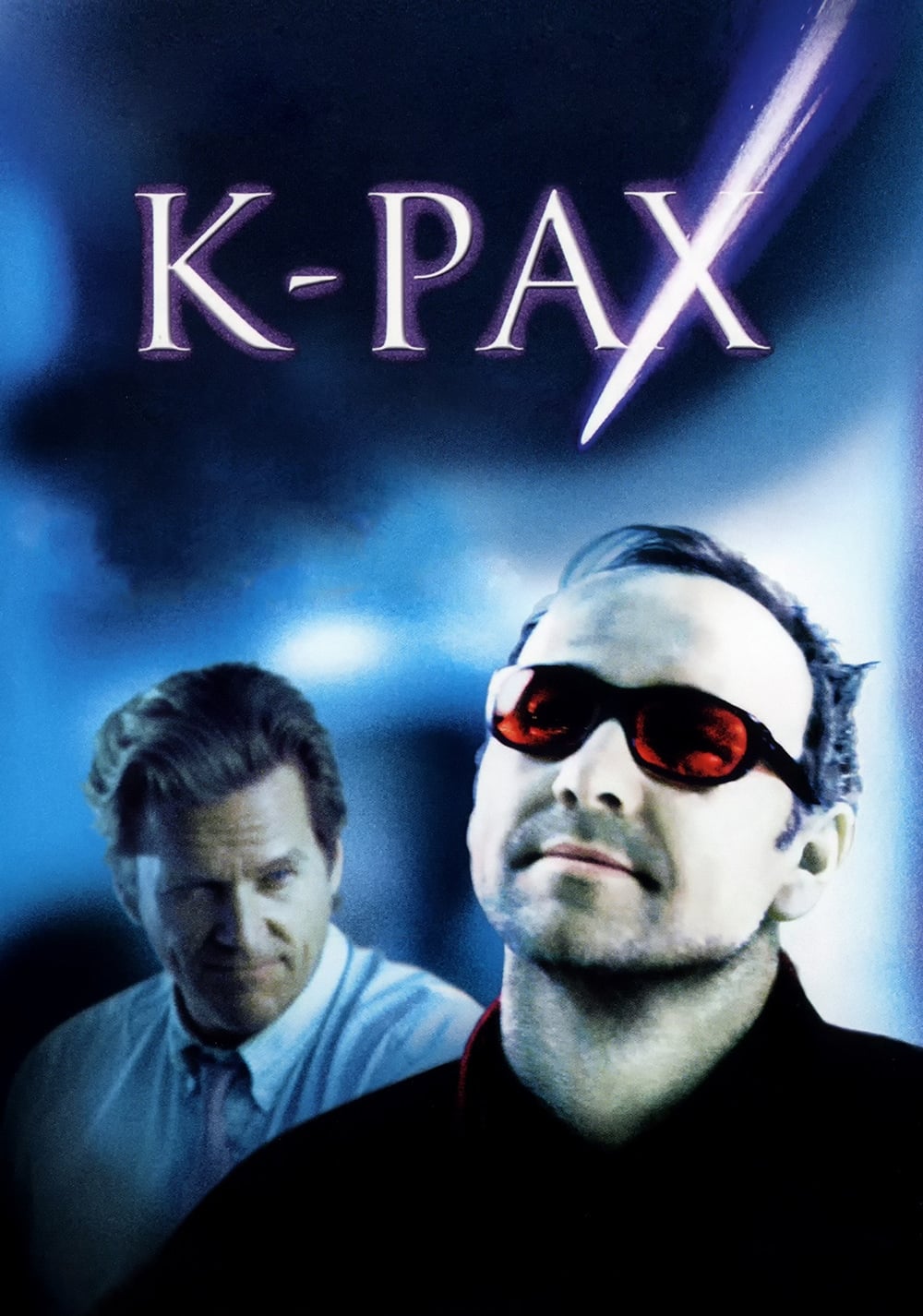
This science fiction tinged drama adapts Gene Brewer’s novel about a psychiatric patient who claims to be from the planet K PAX. Iain Softley directed and Jeff Bridges plays the doctor who evaluates the new arrival. Hospital sessions, observational tests, and group meetings structure the inquiry into the patient’s identity and claims.
Filming took place in New York with city locations and institutional spaces standing in for clinics and research facilities. Visual effects remain restrained, leaning on lighting and framing to maintain ambiguity. The narrative references astronomical data and behavioral diagnostics and uses medical records, witness accounts, and travel timelines to test the story at the center of the case.
Share your own picks for overlooked Kevin Spacey films in the comments.