15 Best Characters With No Name—But Big Impact


Some characters never receive a conventional name on screen, yet they shape their stories through clear roles, actions, and presence. Filmmakers and showrunners often identify them by functions, nicknames, or credits sheet labels, which still anchor them within the narrative.
These figures appear across genres and eras, from silent comedy to contemporary science fiction. Each entry below lists where the character appears, who portrays them if applicable, and how the work itself identifies them without using a personal name.
The Driver in ‘Drive’
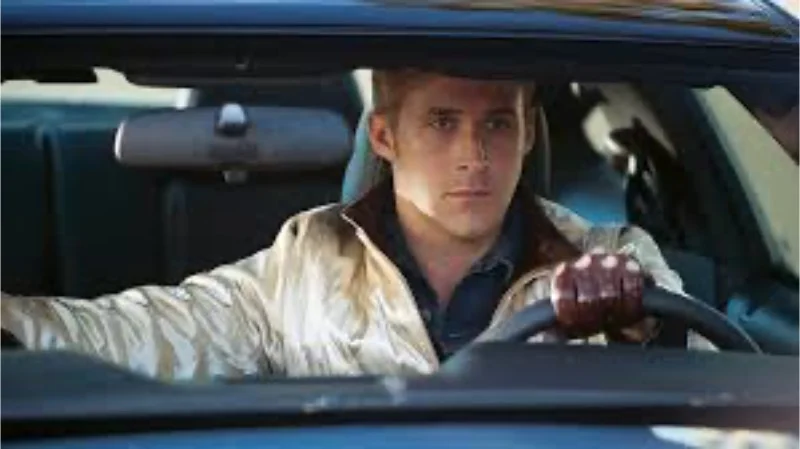
Ryan Gosling’s character is credited simply as Driver and works as a Hollywood stunt performer who also serves as a getaway wheelman. The film identifies him through his job, wardrobe, and routines rather than a personal name. His jacket with the scorpion image and his strict rules for timed getaways mark him on screen without verbal introductions.
The story frames Driver through his professional skills and off-hours mechanic work, which connect him to the criminal jobs that follow. Dialogue from other characters refers to him using role terms, and the credits confirm the lack of a personal name by listing him only as Driver.
The Protagonist in ‘Tenet’
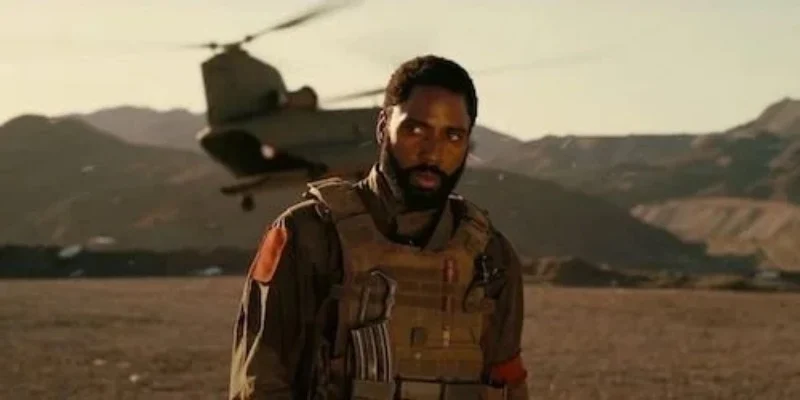
John David Washington’s character is referred to only as the Protagonist. The name appears in dialogue and captures the self-identification he adopts after recruitment into a covert counterforce dealing with inversion technology. Official credits and screenplay materials use this designation rather than a conventional name.
His background as an intelligence operative is established through training scenes and mission briefings, while his connections to other agents and scientists drive the plot’s structure. The movie signals that the absence of a personal name is intentional and ties directly to the operation he leads.
The Tramp in ‘City Lights’ and other Chaplin films
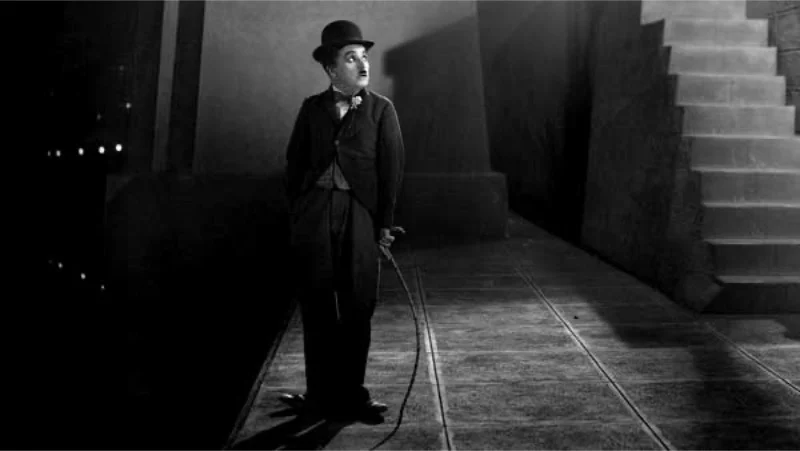
Charlie Chaplin’s screen persona is known as the Tramp, a recurring character who appears in multiple features and shorts. The costume elements of bowler hat, cane, and mustache identify him, and production materials credit him as the Tramp rather than with a personal name.
The Tramp’s stories place him in changing locations and jobs while maintaining the same persona. Intertitles, posters, and studio publicity consistently use the role label, which allows the character to move between films without continuity of biography.
The Man With No Name in the Leone westerns
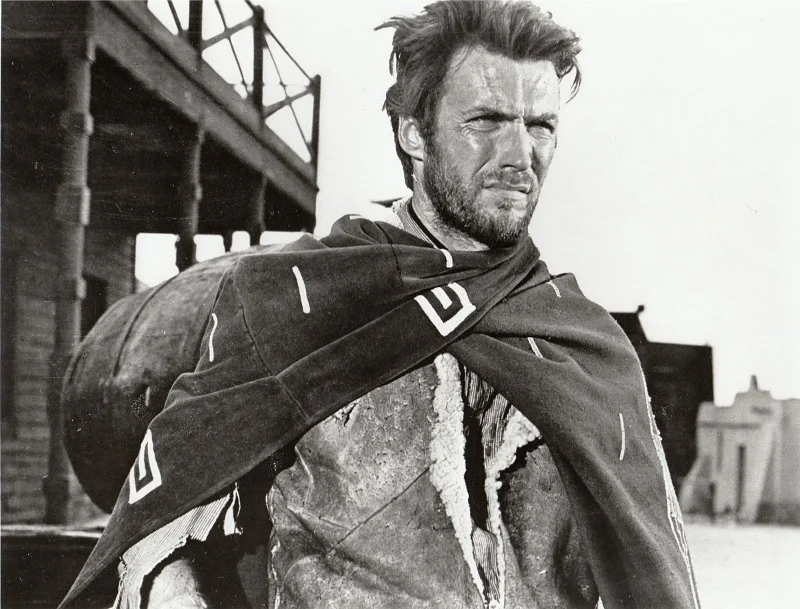
Clint Eastwood’s gunslinger appears across three Sergio Leone films and is marketed as the Man With No Name. Within the stories he receives situation-specific nicknames like Blondie and other labels, but no stable personal name is provided.
Promotional materials and home media releases adopt the umbrella description Man With No Name to link the appearances. Costuming choices such as the poncho and hat keep the character consistent across films while the scripts avoid giving him a single canonical name.
The Narrator in ‘Fight Club’
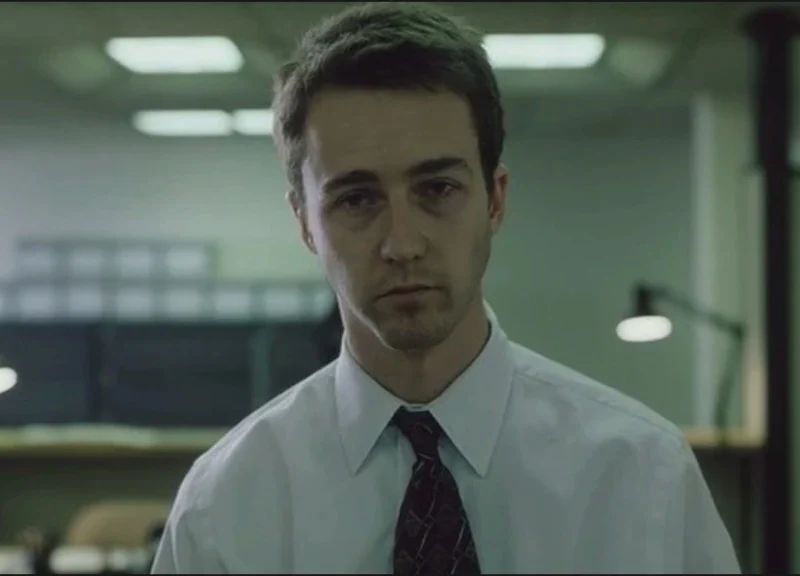
Edward Norton’s character is credited as the Narrator. Throughout the film he speaks in voiceover and uses first person references, and he reads magazine essay excerpts with phrases that include I am Jack’s, which do not function as his own name.
Screen credits and official materials maintain the Narrator designation. Characters around him use pronouns or role references rather than a personal name, and the script preserves the anonymity in dialogue and scene directions.
The Gunslinger in ‘Westworld’
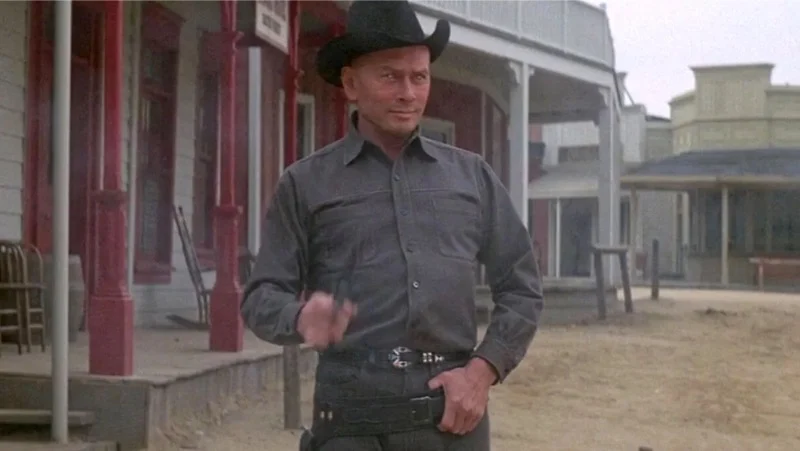
Yul Brynner plays an android identified as the Gunslinger. The character is part of a themed amusement resort populated by humanoid robots, and his role is to engage guests in staged showdowns that escalate as system failures spread.
The production credits list him by this role title. Costume and mannerisms intentionally echo earlier western figures, and the screenplay treats him as a programmed antagonist whose lack of a personal name reflects his designed function inside the park.
The Monster in ‘Frankenstein’
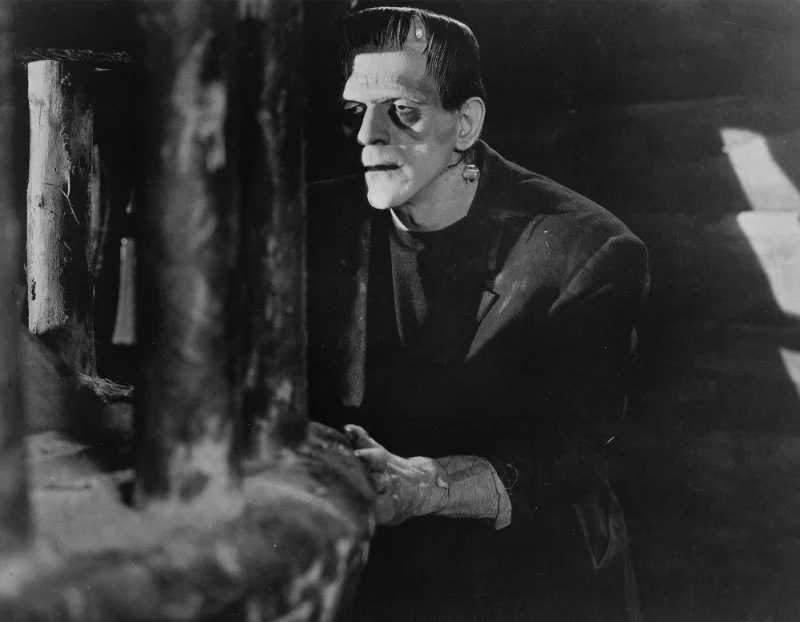
Boris Karloff portrays the creature credited as the Monster. The film adapts the laboratory creation from Mary Shelley’s novel and presents him without a given name, while other characters refer to the scientist by surname and to the creation by descriptive terms.
The original credit sequence famously withholds Karloff’s name in an earlier billing card and later reveals it, while still labeling the role as the Monster. The script and dialogue use doctor and creature distinctions to avoid assigning a personal name to the creation.
The Man in ‘The Road’
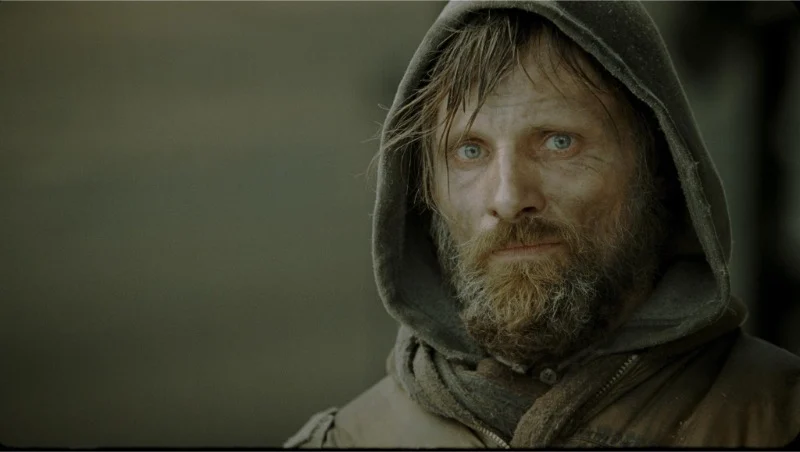
Viggo Mortensen’s character is identified as the Man, traveling with the Boy through a devastated landscape. The roles appear in the credits and reflect the naming in the source novel, which uses generic designations for its central pair.
Dialogue keeps the focus on their relationship rather than on names, and props and setting details carry the character information. The production notes and cast lists maintain the Man and Boy labels to align the adaptation with the book’s approach.
The Female in ‘Under the Skin’
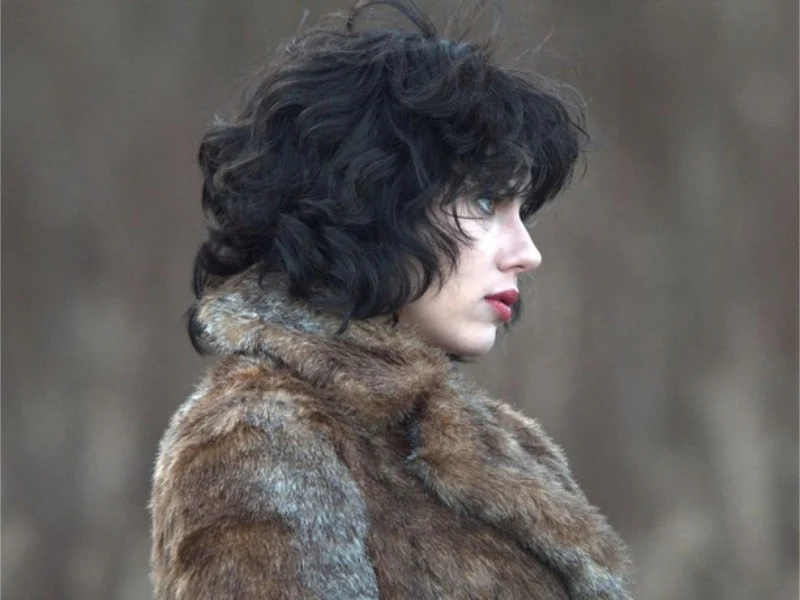
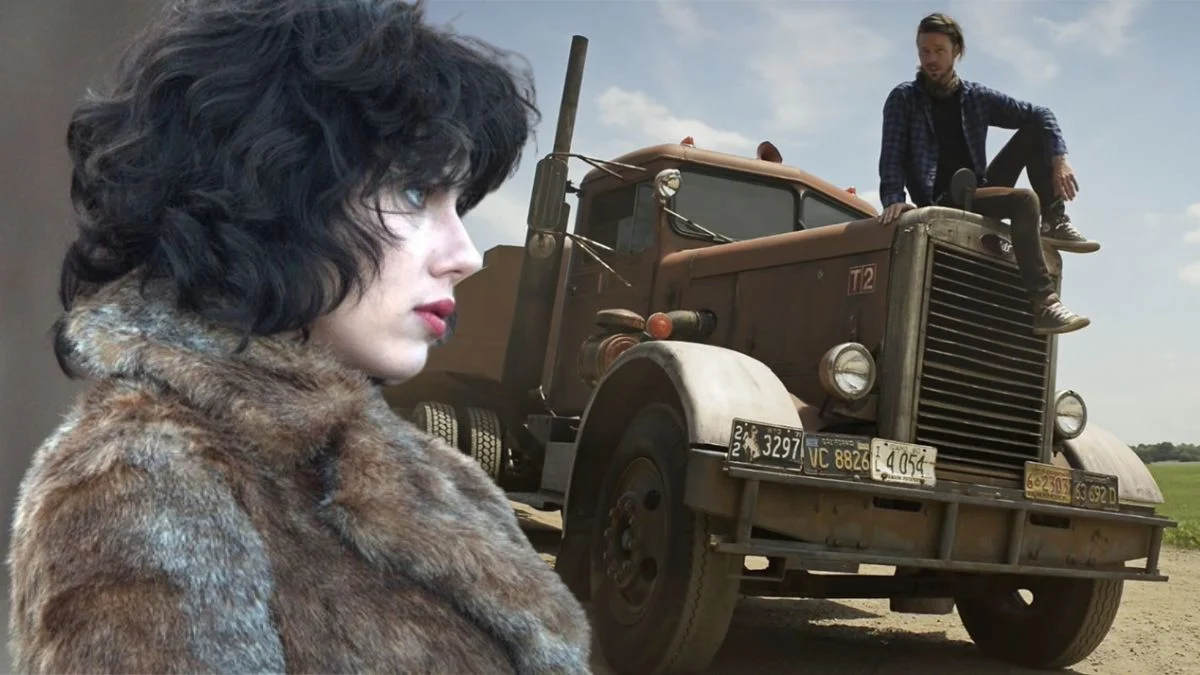
Scarlett Johansson’s character is credited as the Female. The film tracks her movements across Scottish locations as she drives a van, approaches men, and leads them to a space that conceals her true nature.
She operates under complete anonymity, and supporting characters respond to her without learning a name. Production materials and the end credits retain the Female designation, matching the minimal exposition given on screen.
Harmonica in ‘Once Upon a Time in the West’
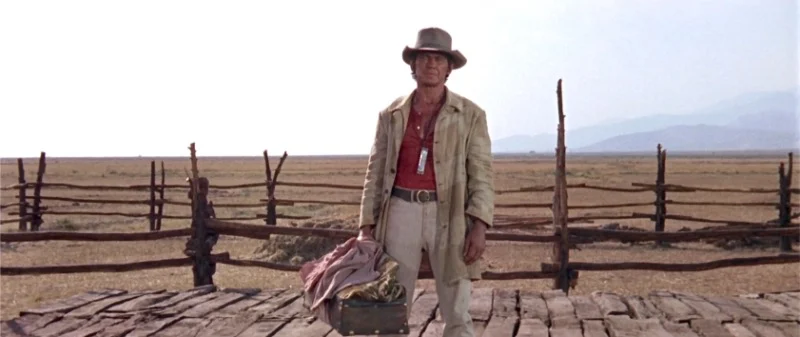
Charles Bronson’s character is called Harmonica by other characters due to the instrument he carries and plays. The movie never provides a personal name, and the credits list him as Harmonica.
The narrative uses recurring musical cues and flashbacks to identify him and to connect him to another character’s past actions. Documentation from the production and the credit roll treat Harmonica as the sole identifier for the role.
The Feral Kid in ‘Mad Max 2: The Road Warrior’
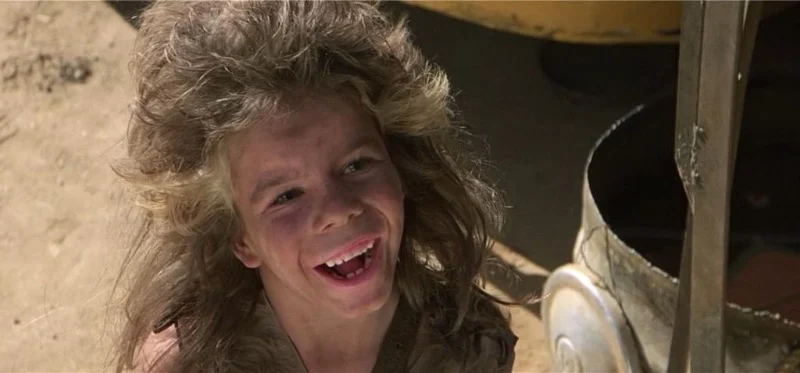
Emil Minty plays a child credited as the Feral Kid. The character lives with a refinery outpost group and communicates largely through gestures and sounds, carrying a distinctive boomerang.
The film’s ending features a narration that links back to the Feral Kid’s perspective, while never assigning a personal name. Production credits and official summaries preserve the Feral Kid label as his only identifier.
The Pale Man in ‘Pan’s Labyrinth’
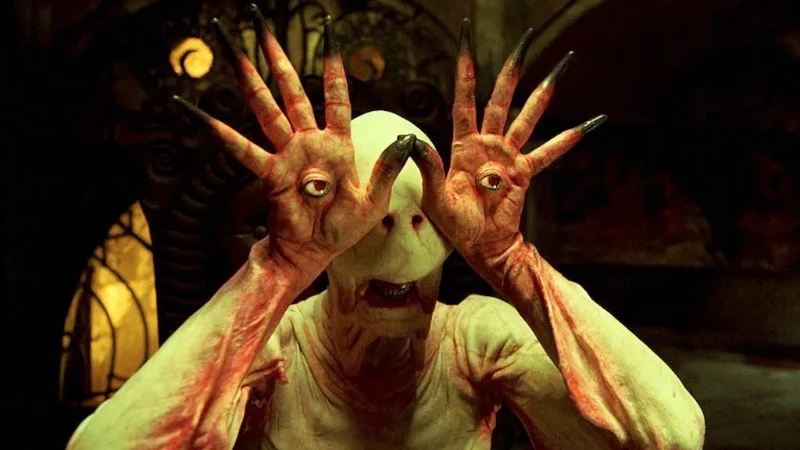
Doug Jones portrays a creature credited as the Pale Man. The character appears during a banquet sequence that the protagonist must navigate under strict rules given by a guide figure.
Makeup, costuming, and physical performance establish the Pale Man without any spoken name. The role is documented in production notes and credits as the Pale Man, and the same actor also portrays the Faun in the film.
The Hitchhiker in ‘The Texas Chain Saw Massacre’
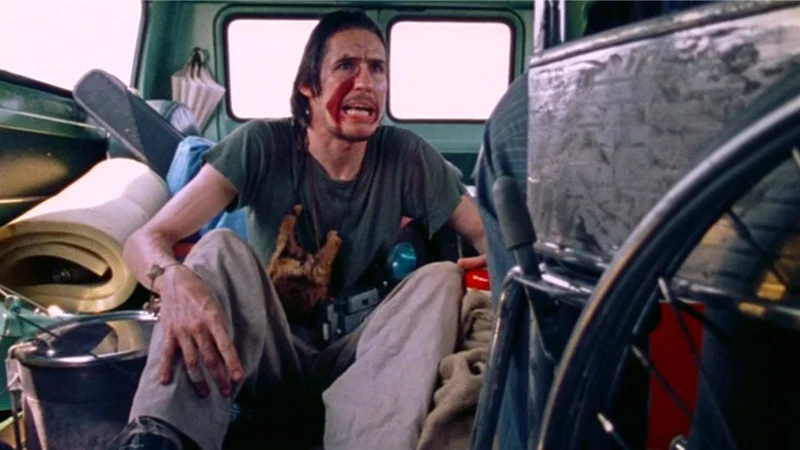
Edwin Neal’s character is credited as the Hitchhiker. He first appears when a group of friends offers him a ride, and his behavior sets off a series of events that lead the group to a rural house.
The original film uses only this role label for him, while later franchise entries provide additional background that does not appear in the first movie. Cast lists for the initial release maintain the Hitchhiker designation.
The Man in Black in ‘Lost’
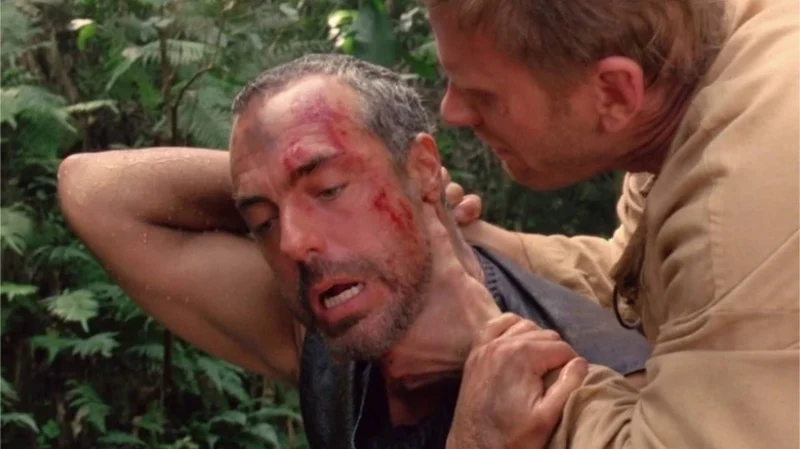
This character is credited as the Man in Black and is connected to the entity known as the Smoke Monster. The show presents him in human form in flashbacks and in other forms on the island.
Writers and official episode guides retain the Man in Black label rather than a personal name. Dialogue from other characters uses descriptive terms, and casting information identifies the performer associated with the human appearance.
The Truck Driver in ‘Duel’
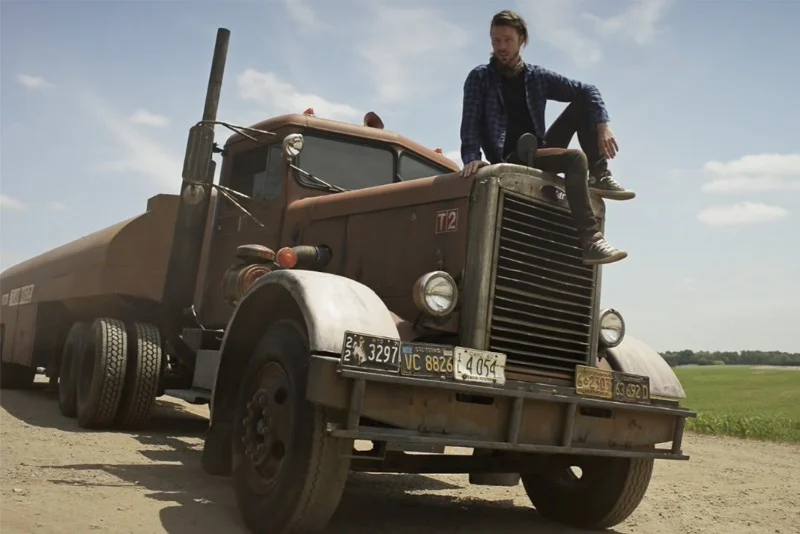
The unseen antagonist who operates the tanker truck is credited as the Driver. The film keeps his face obscured and focuses on the truck itself as it pursues a traveling salesman across highways and back roads.
Vehicle selection and sound design provide the character’s presence without dialogue or a name. Production notes identify the truck as a specific model and list stunt performers and drivers while the credits avoid giving the character any personal identifier beyond Driver.
Share the characters you would add to this list in the comments.