The Best and Worst Fake Accents in Movies

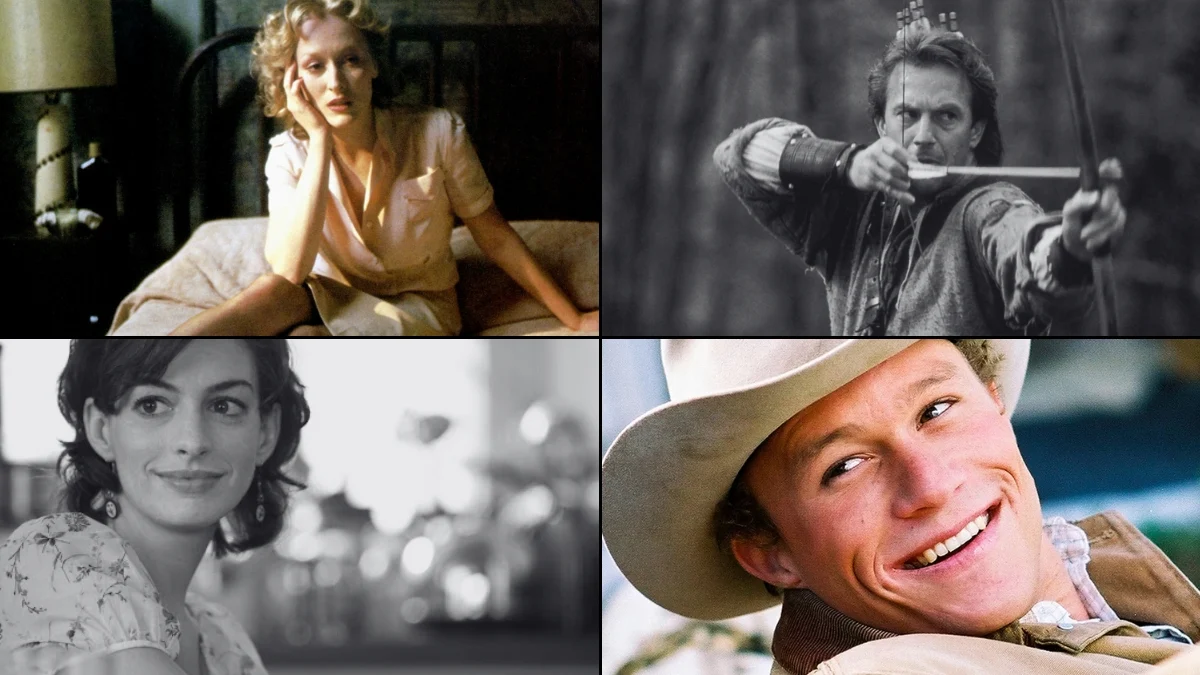

Pulling off a convincing on-screen accent takes technical prep, linguistic precision, and a lot of repetition. Actors typically work with dialect coaches, drill International Phonetic Alphabet (IPA) notes, and study speech recordings to match vowel shifts, rhythm, and mouth posture. Productions also calibrate accents to character backstories—region, class, schooling, and era—so what you hear lines up with where a character is from and how they lived.
When accents miss, it’s usually a mix of time constraints, competing directorial notes, and the simple fact that film shoots demand stamina while lines, blocking, and breath support change from take to take. When they land, you can often point to extensive research, sustained coaching, and a clear linguistic target agreed among the actor, director, and voice team. Here are sixteen famous examples—eight labeled “Best,” eight labeled “Worst”—each placed for what the production set out to do and what’s documented about how they did it.
Meryl Streep in ‘Sophie’s Choice’ – Best
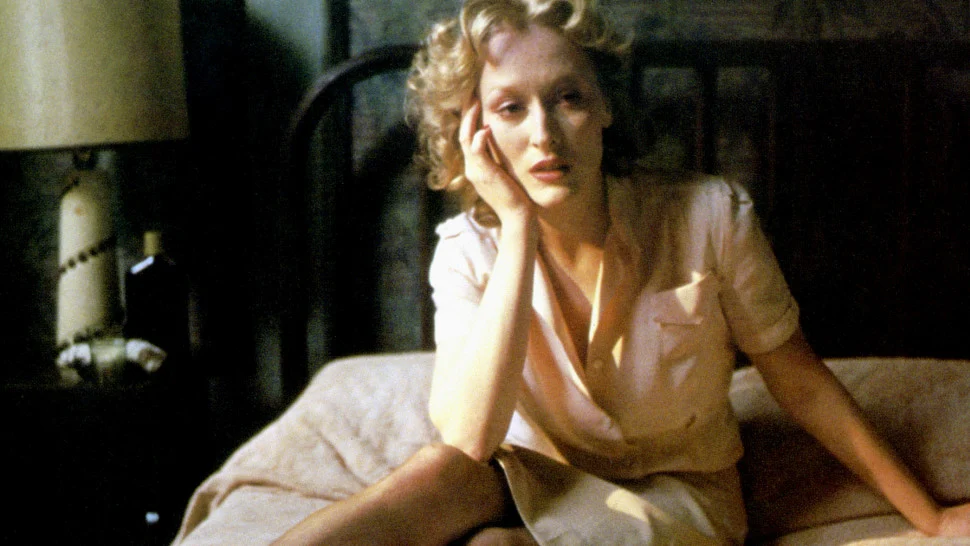
Streep plays Sophie Zawistowski, a Polish survivor living in Brooklyn, and built her English around Polish phonology with traces of German influenced by the character’s wartime history. Her preparation included working closely with dialect specialists and studying Polish speech patterns and idioms so that stress, intonation, and consonant clusters matched a first-language Polish speaker navigating English.
The production adapted William Styron’s novel, and Streep’s linguistic choices are tied directly to Sophie’s biography as written, including her education level, multilingual background, and relocation to the United States. The performance earned her the Academy Award for Best Actress, with the accent work structured to track Sophie’s code-switching between languages within scenes.
Dick Van Dyke in ‘Mary Poppins’ – Worst
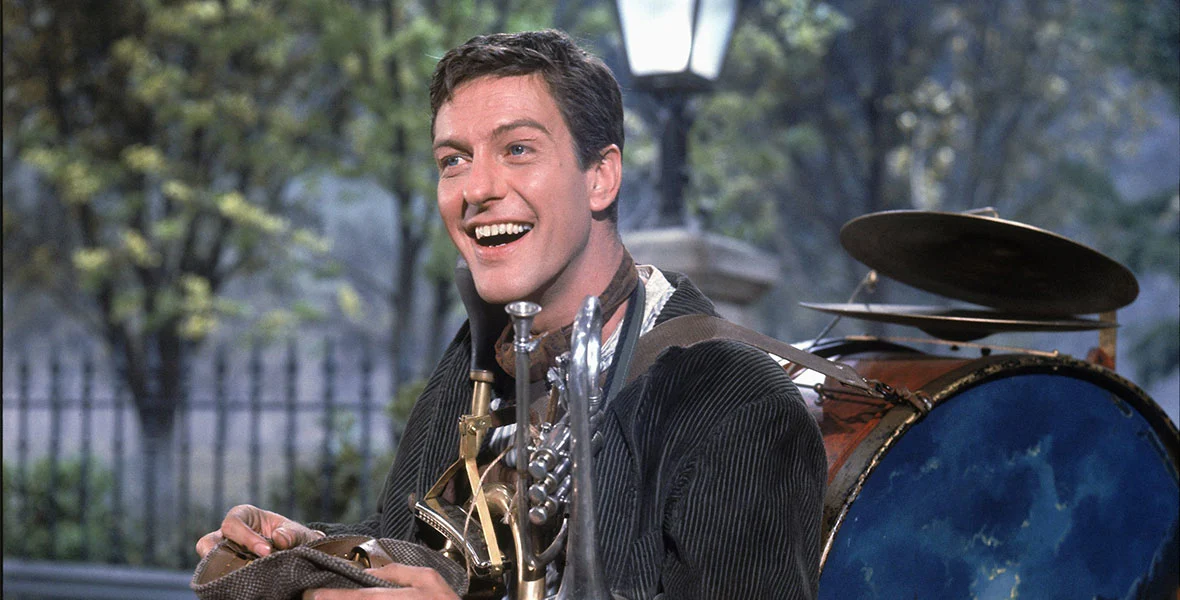
Van Dyke plays Bert, a London chimney sweep written with a Cockney dialect, and used coaching that he has since said came from an Irish teacher rather than a native Londoner. The result drew notice for non-Cockney vowel sounds and r-usage not aligned with East End speech, a mismatch that has been acknowledged by the actor in later interviews and public appearances.
The film was produced at the Disney studio in Burbank with extensive stage sets of Edwardian London, and Van Dyke also performed the elderly Mr. Dawes Sr. under heavy makeup. His Cockney attempt became a widely referenced example in discussions of screen dialects, and he has repeatedly addressed it when reflecting on the movie’s legacy.
Daniel Day-Lewis in ‘Lincoln’ – Best
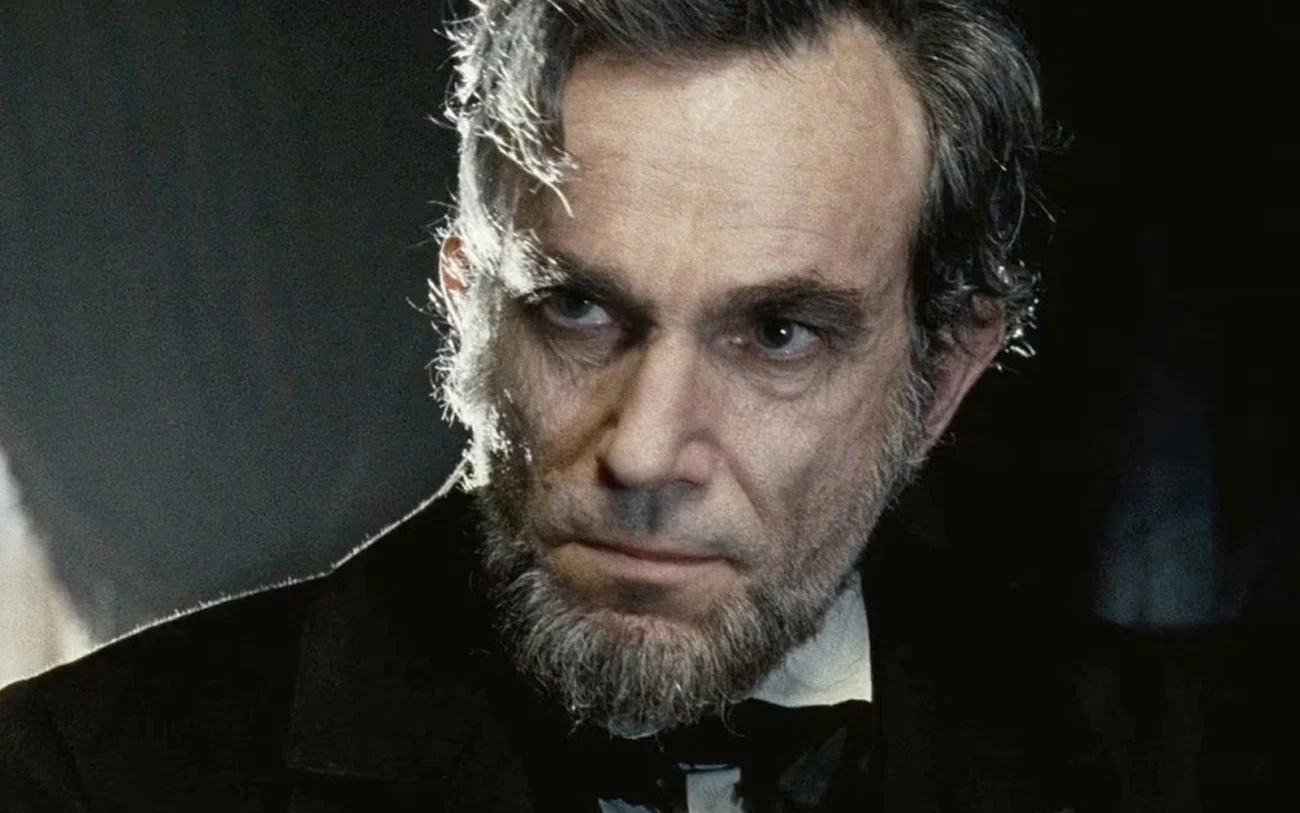
Day-Lewis shaped Abraham Lincoln’s voice from written accounts that describe a higher, reedier timbre than the deep baritone often imagined, then mapped that timbre onto period Midwestern speech. He collaborated with vocal and dialect coaches, studied surviving contemporaneous descriptions, and practiced breath patterns to fit Lincoln’s long, clause-rich sentences.
The production drew on Doris Kearns Goodwin’s research and consulted historians to align language and cadence with the time and place. Day-Lewis’s performance received the Academy Award for Best Actor, with the vocal profile intentionally designed to differentiate public oratory, legal argument, and private conversation across the film.
Kevin Costner in ‘Robin Hood: Prince of Thieves’ – Worst
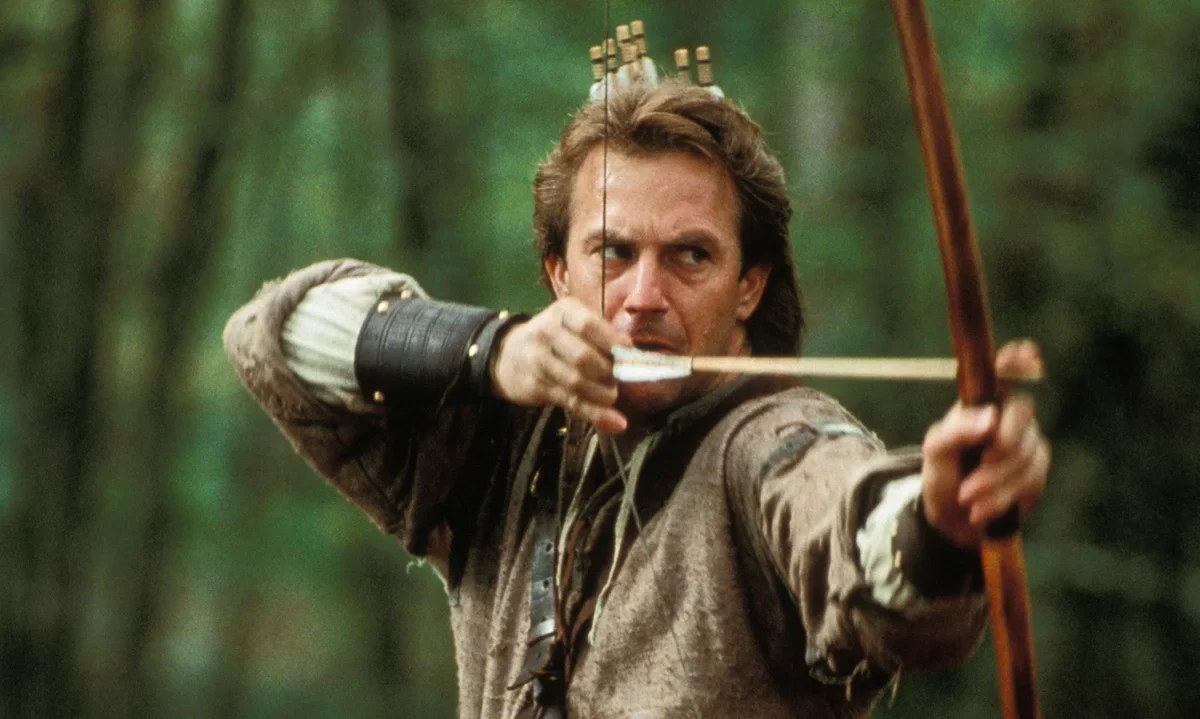
Costner’s Robin Hood appears in a medieval English setting, but his delivery frequently aligns with General American features rather than a defined English regional system. Contemporary coverage and audience commentary at release noted the limited use of sustained English vowel shifts and dropped consonants that the character’s setting would imply.
The film paired Costner with actors using a range of speech models—Alan Rickman’s more received-pronunciation-adjacent Sheriff, Mary Elizabeth Mastrantonio’s courtly diction, and Morgan Freeman’s North African traveler—creating a noticeable contrast in dialect approaches within the same scenes. The mismatch has remained a common talking point in retrospectives on the production.
Renée Zellweger in ‘Bridget Jones’s Diary’ – Best
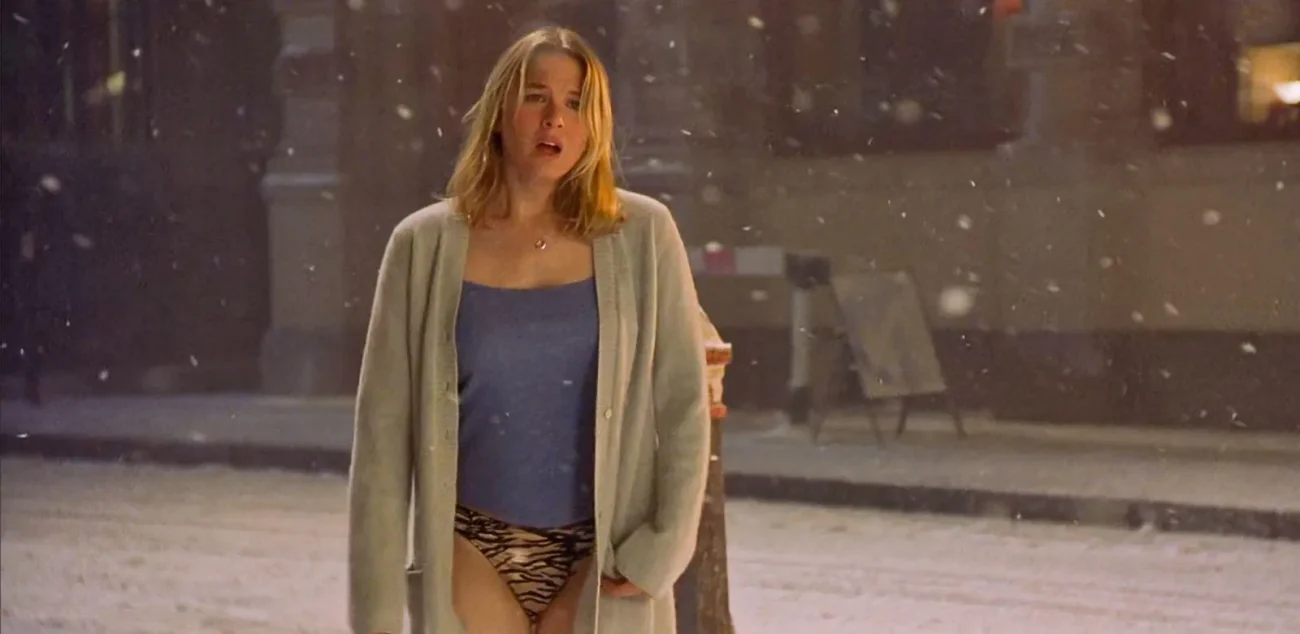
Zellweger, a Texan, prepped for Bridget by working with dialect coaches to build a modern London accent suited to a middle-class publishing professional. Training emphasized vowel quality, non-rhoticity, and intonation patterns typical of educated southern British English, and she spent time living in London to calibrate rhythm and lexical choices.
Based on Helen Fielding’s novel, the film situates Bridget among colleagues and friends whose speech marks class and workplace culture. Zellweger received an Academy Award nomination for Best Actress, and her accent remained consistent across sequels that tracked Bridget’s promotions, relationships, and changing social circles.
Keanu Reeves in ‘Bram Stoker’s Dracula’ – Worst
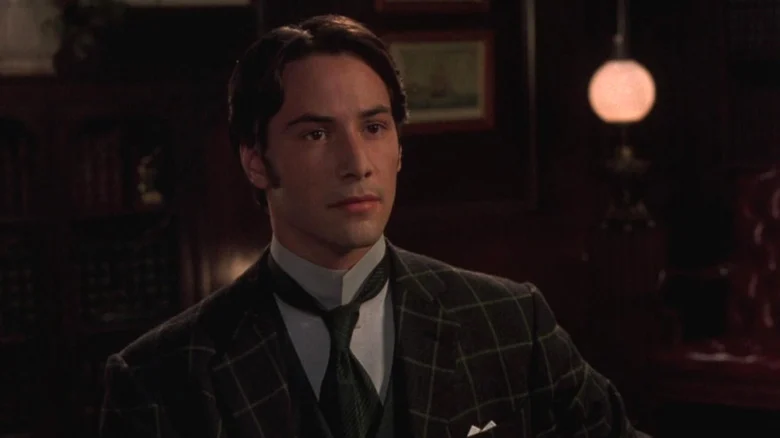
Reeves plays Jonathan Harker, an English solicitor, using a Southern English model that drew attention for inconsistent vowel placement and prosody across scenes. The shoot demanded large blocks of stylized dialogue and extensive ADR, and the accent’s on-screen execution became a frequent point of discussion in reviews and later interviews about the production.
Directed by Francis Ford Coppola, the film surrounded Reeves with British actors using varied dialects—Winona Ryder using an American base with period shading, Gary Oldman employing Eastern European-inflected English—highlighting differences in accent strategies. The role remains a staple example in film-school conversations about time management and dialect preparation under elaborate production schedules.
Cate Blanchett in ‘The Aviator’ – Best
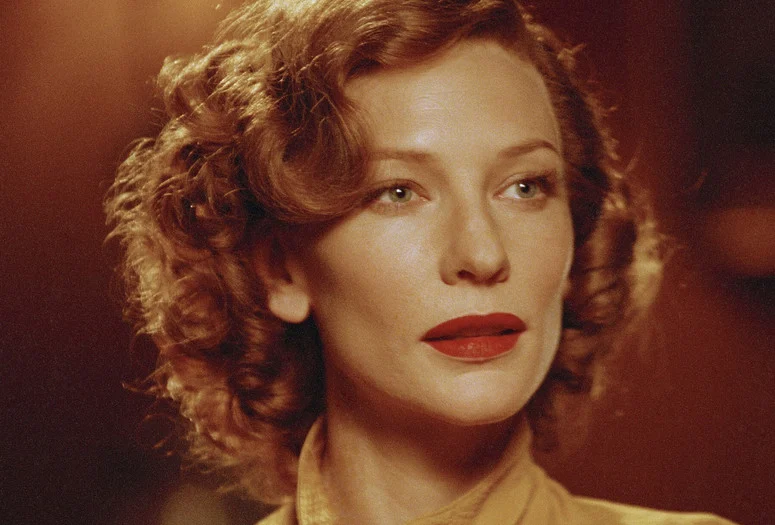
Blanchett portrays Katharine Hepburn and reconstructed the star’s cultivated Transatlantic accent from film soundtracks, radio interviews, and private recordings. Work with a dialect coach focused on clipped consonants, elevated pitch placement, and the vowel coloring associated with Northeastern boarding-school speech of the period.
Her performance earned the Academy Award for Best Supporting Actress, with voice and movement departments collaborating to mirror Hepburn’s public versus private registers. Scenes set at home and on movie sets allowed Blanchett to modulate between casual conversation and the more stylized public voice Hepburn used with press and studio executives.
Don Cheadle in ‘Ocean’s Eleven’ – Worst
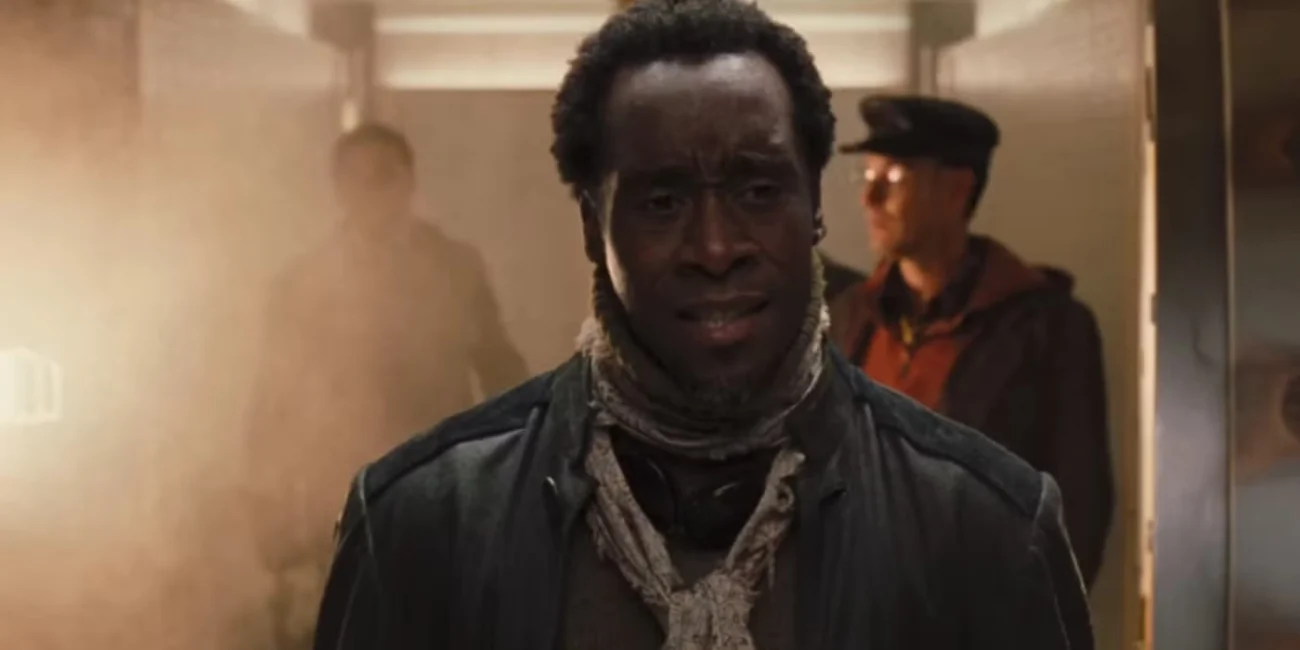
Cheadle’s Basher Tarr is written as a London explosives expert with a Cockney dialect, but the film records a mix of features not typical of a single London variety. British audiences and press noted vowel choices and idiom use that diverged from East End norms, and the discussion followed the character through subsequent appearances.
Cheadle was uncredited in the first installment due to a billing dispute and returned for ‘Ocean’s Twelve’ and ‘Ocean’s Thirteen’ with the same dialect approach. The heist series’ international ensemble, filmed across multiple locations, offers a clear case study in how franchise continuity can lock in an accent choice beyond an initial outing.
Idris Elba in ‘Mandela: Long Walk to Freedom’ – Best
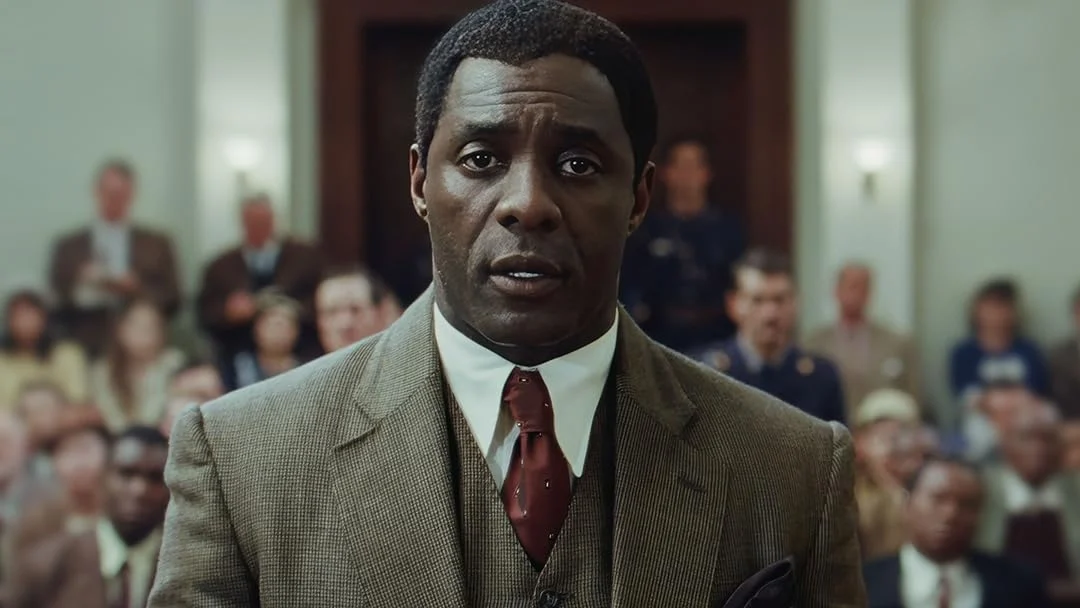
Elba built Nelson Mandela’s English on South African phonology with Xhosa influence, integrating lexical tone and cadence shaped by Mandela’s legal training and oratory. Preparation included time in South Africa, consultation with local coaches, and practice of Xhosa phrases to anchor mouth posture and rhythm before switching back into English within scenes.
The biographical adaptation tracks Mandela from rural upbringing to presidency, requiring the accent to evolve with setting and status. Elba received a Golden Globe nomination for Best Actor, and the production’s voice work aligned with hair and makeup departments to chart age, health, and public versus private speaking styles.
Tom Cruise in ‘Far and Away’ – Worst
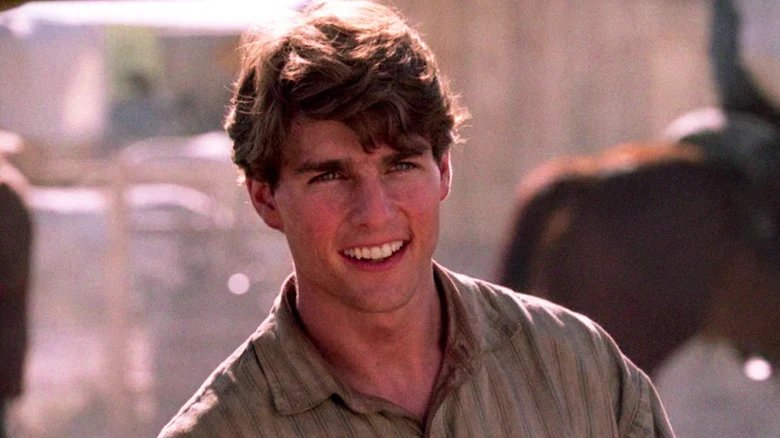
Cruise plays Joseph Donnelly, an Irish tenant farmer who emigrates to the United States, and attempts an Irish accent across rural and urban settings. Media coverage at release flagged fluctuating vowel targets and prosody under high-energy action and romance sequences, a reminder of how breath control and physical blocking can disrupt consistency.
The film pairs Cruise with Nicole Kidman, moving from Ireland to Boston and onward during the Oklahoma land rush, which places the accent in shifting social contexts. The production’s scope required dialogue coaching across large crowd scenes and horse work, conditions that complicate vocal stability for any dialect.
Heath Ledger in ‘Brokeback Mountain’ – Best
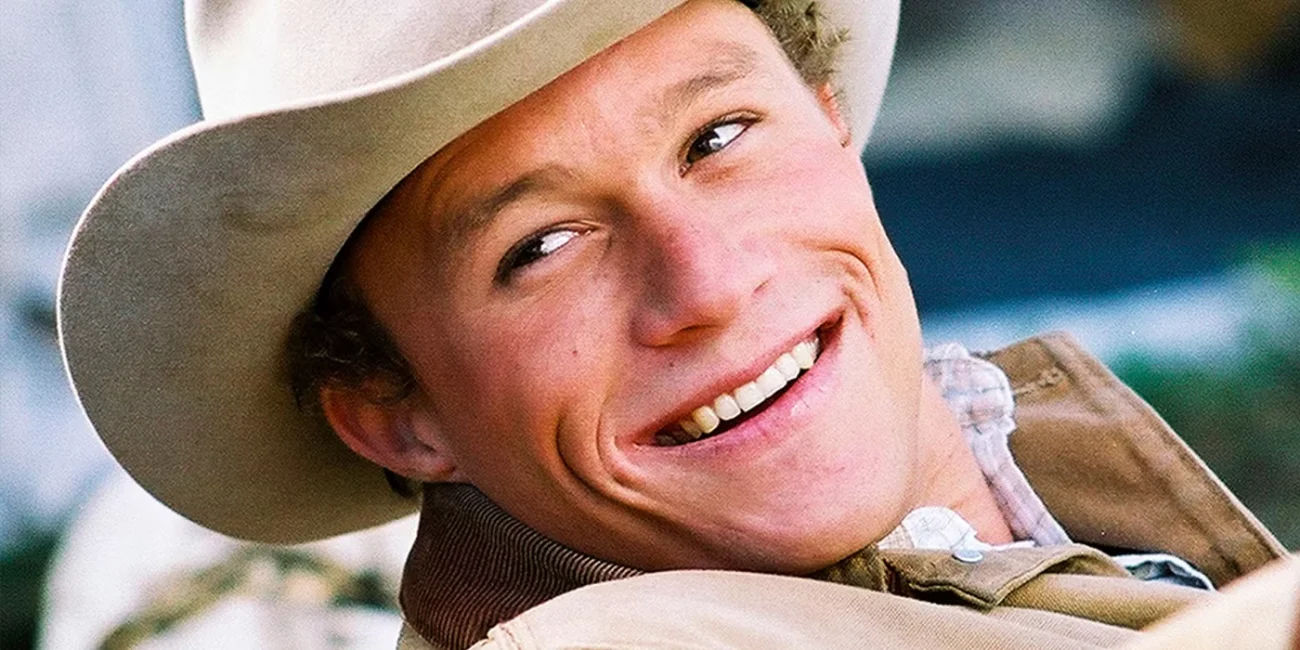
Ledger, an Australian, developed a restrained Wyoming ranch-hand voice marked by reduced mouth movement, low pitch placement, and sparse diction. He researched regional speech by listening to ranchers and rodeo professionals and coordinated with the film’s sound team to keep his articulation intelligible during outdoor, wind-affected setups.
His work earned an Academy Award nomination for Best Actor, and the production shot extensively in Alberta to stand in for Wyoming’s landscapes. Ledger’s accent and physicality were integrated in rehearsals so that posture, jaw set, and vocal tone stayed aligned during riding, roping, and long-take conversation scenes.
Anne Hathaway in ‘One Day’ – Worst
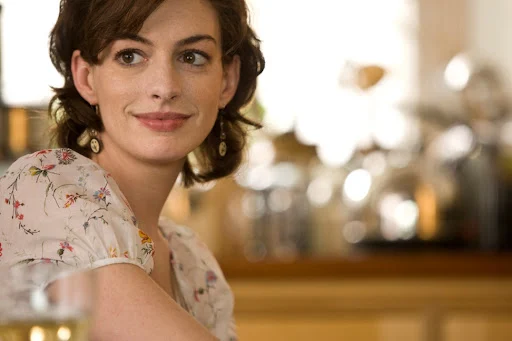
Hathaway’s character, Emma Morley, is written as being from Leeds, which points toward West Yorkshire features at the start of the story. She trained with dialect coaches and recorded practice materials to establish northern English vowel qualities before the character relocates and advances in a London-centered career.
The adaptation of David Nicholls’s novel follows Emma and Dexter across decades and countries, creating multiple context shifts for speech. The film’s timeline compresses moves, jobs, and relationships, which places technical pressure on accent continuity as scenes jump between Yorkshire, London, and continental settings.
Natalie Portman in ‘Jackie’ – Best
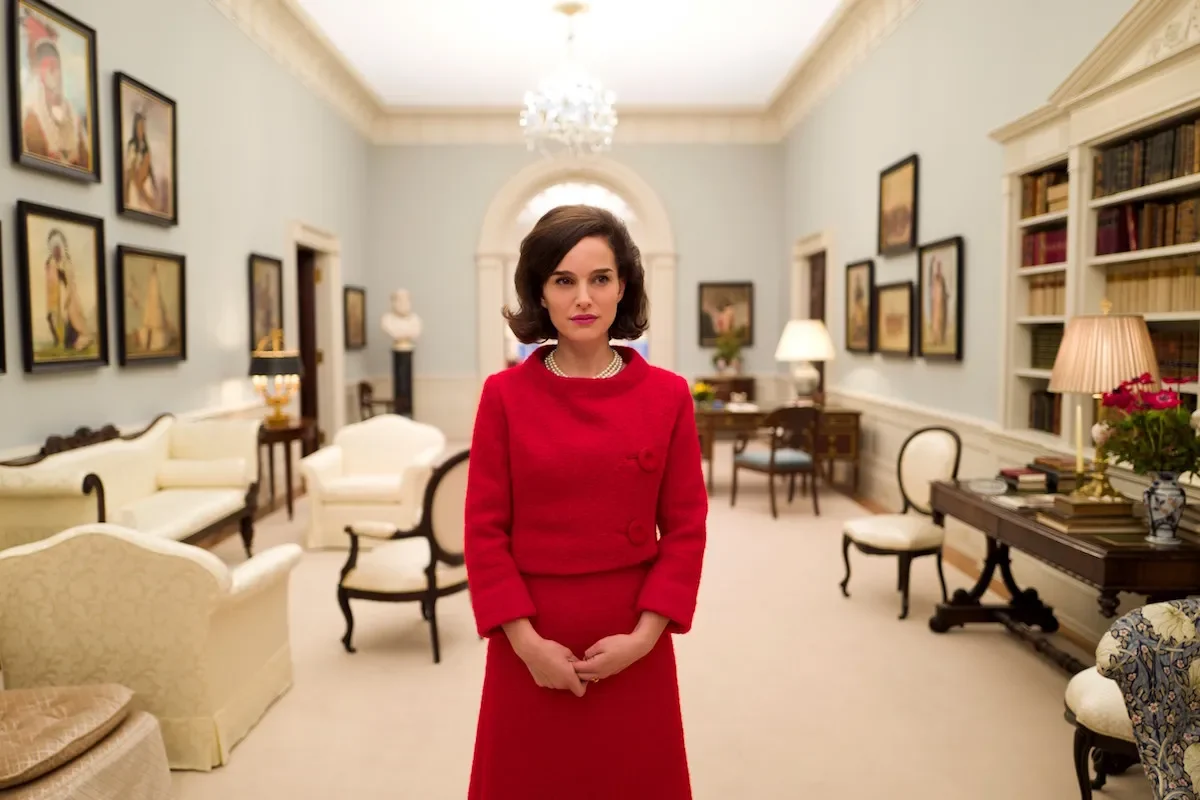
Portman reconstructed Jacqueline Kennedy’s distinctive Mid-Atlantic voice by studying televised interviews, notably the White House tour, and recorded press conferences. Coaching targeted breathy phonation, soft consonants, and deliberate pacing, with attention to how Kennedy adjusted her voice in public grief, ceremony, and private conversation.
The film frames its narrative around a journalist interview while intercutting state functions and domestic moments, giving Portman discrete vocal registers to switch among. She received an Academy Award nomination for Best Actress, and the production’s sound design places her voice against period-accurate microphones to reproduce contemporaneous audio texture.
John Malkovich in ‘Rounders’ – Worst
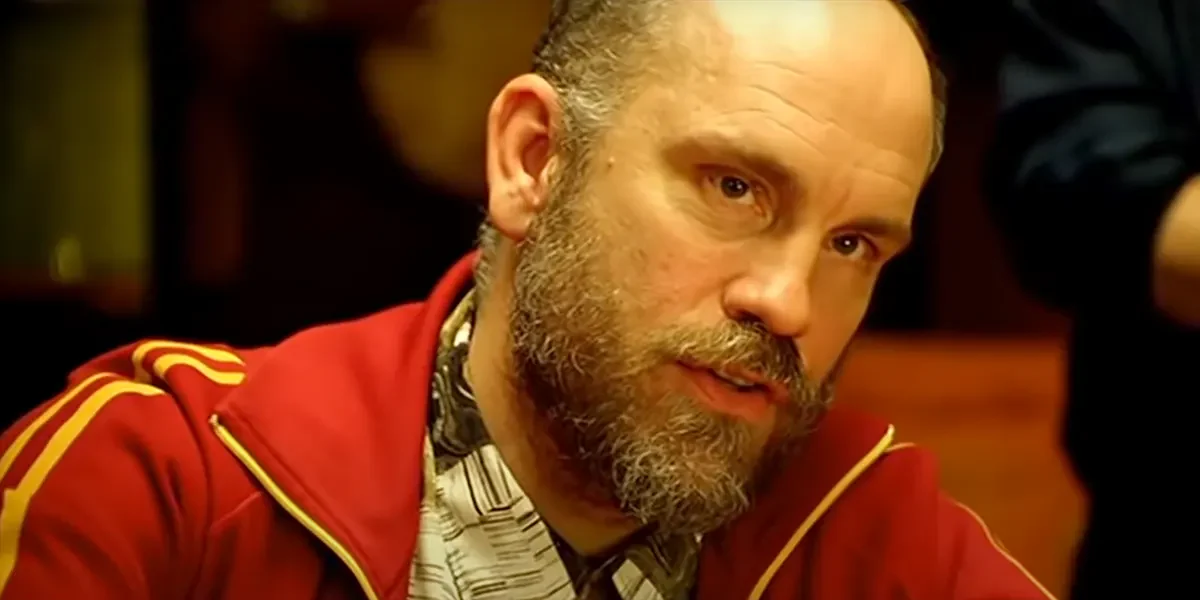
Malkovich’s Teddy KGB is a Russian-born high-stakes card player whose speech uses a heavily stylized set of Russian-influenced English features. Viewers and critics frequently cite consonant stress and syllable timing that heighten the character’s theatricality rather than track with a specific region or sociolect of Russian-accented English.
The film’s poker scenes were staged with technical advisers to ensure card play and table etiquette were accurate, and Malkovich’s vocal choices sit alongside those details as a contrasting, broader flourish. His head-to-head sequences with Matt Damon and John Turturro provide clear A/B comparisons of different dialect strategies within the same subculture.
Austin Butler in ‘Elvis’ – Best
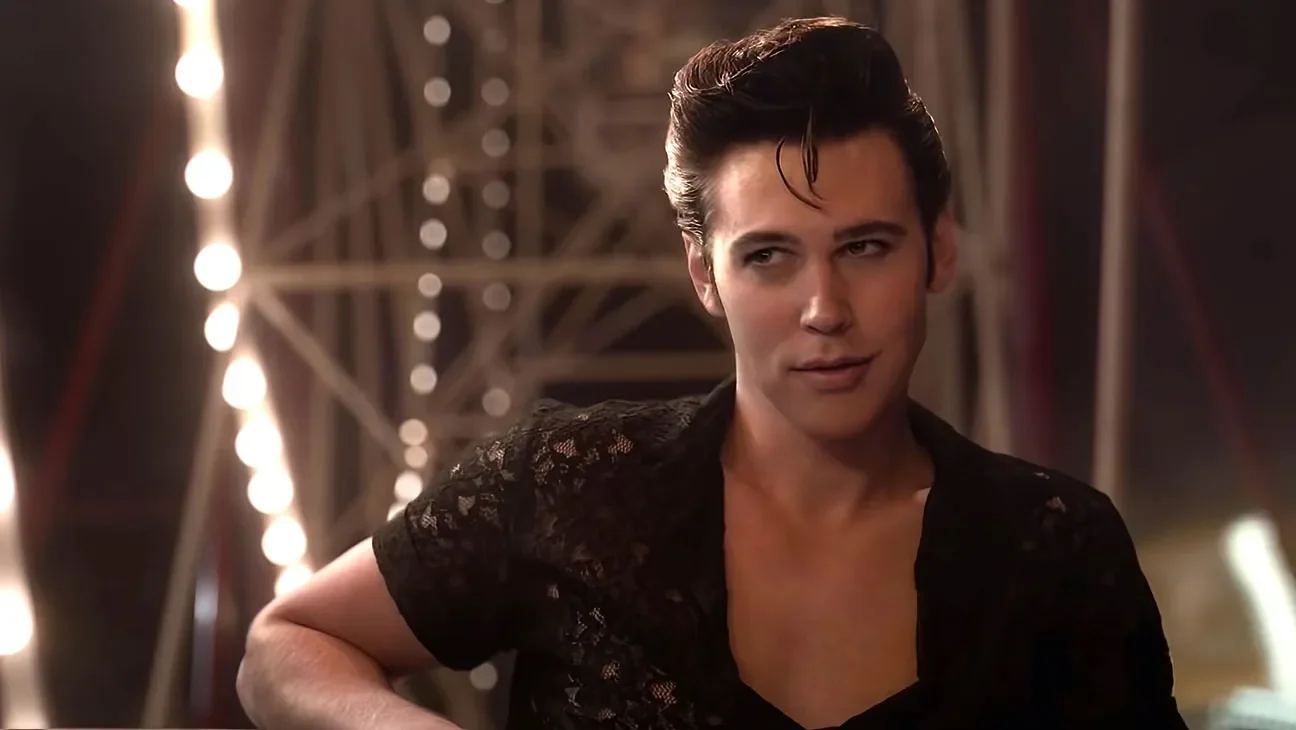
Butler trained for the role by immersing in archival recordings, live performance footage, and interviews across different phases of Elvis Presley’s life. He worked with dialect and vocal coaches to separate early-career diction from later-career speech, aligning vowel shifts and rhythmic lilt with changes in health, venue size, and on-stage movement.
The production recorded Butler performing all vocals for Presley’s early period, then blended his voice with master recordings in later sequences under music supervision. He won the Golden Globe for Best Actor and received an Academy Award nomination, with accent and singing integrated into choreography and camera blocking designed for Baz Luhrmann’s set pieces.
Cameron Diaz in ‘Gangs of New York’ – Worst
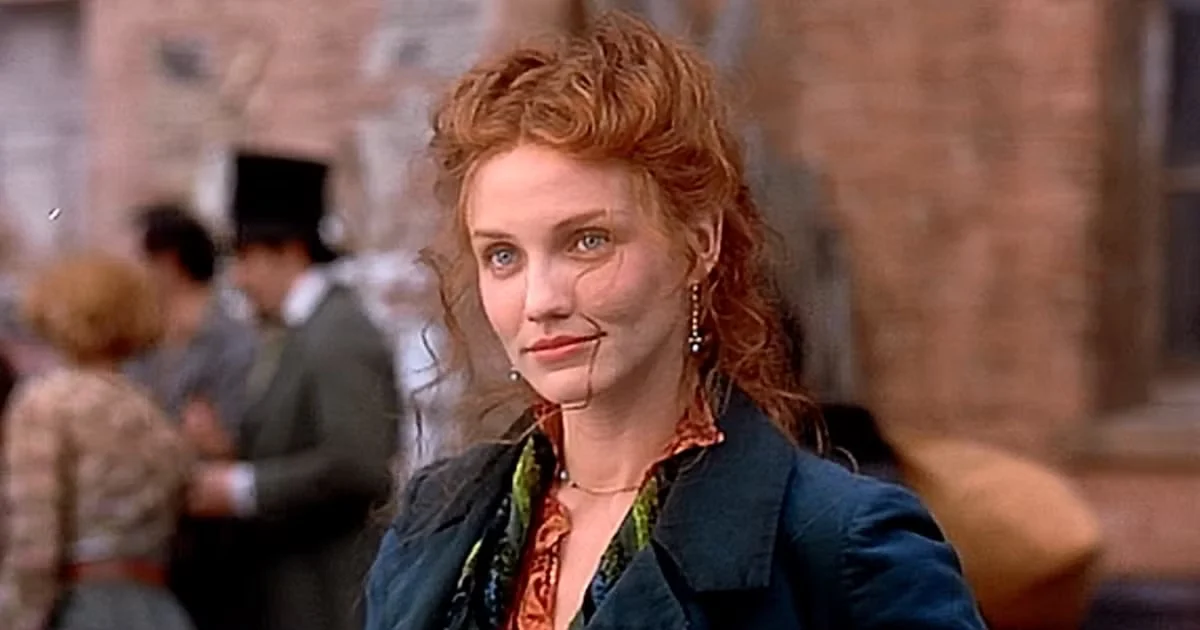
Diaz plays Jenny Everdeane, an Irish-heritage pickpocket operating in Five Points, and uses a light Irish inflection across scenes with period New York dialects. The film employed a senior dialect coach to build historically informed accents, and Diaz’s approach sits among several competing speech models used by the ensemble.
Set amid nativist-immigrant conflict, the production stages public rallies, street fights, and intimate scenes where speech varies by social group and setting. Diaz’s dialogue often shares space with Daniel Day-Lewis’s and Leonardo DiCaprio’s contrasting dialect choices, offering textbook examples of how mixed accent frameworks read on screen.
Share your own picks for great and not-so-great movie accents in the comments—what examples would you add to the list?