25 Performances Fans Call “Career-Defining Misses”


Sometimes a single role follows an actor longer than the film itself. The projects below arrived with big expectations or heavy hype, then left behind a very different kind of legacy. In each case the performance sits at the center of production choices, marketing strategies, or studio plans that did not land as intended, which helps explain why audiences still talk about them today.
This is a look at the circumstances, decisions, and outcomes that shaped these turns. You will find budget swings, franchise pressure, rushed rewrites, studio notes, and unusual casting gambles. You will also see how many of these actors recalibrated afterward with smarter choices, new collaborators, or a full pivot to different creative lanes.
Halle Berry as Patience Phillips in ‘Catwoman’
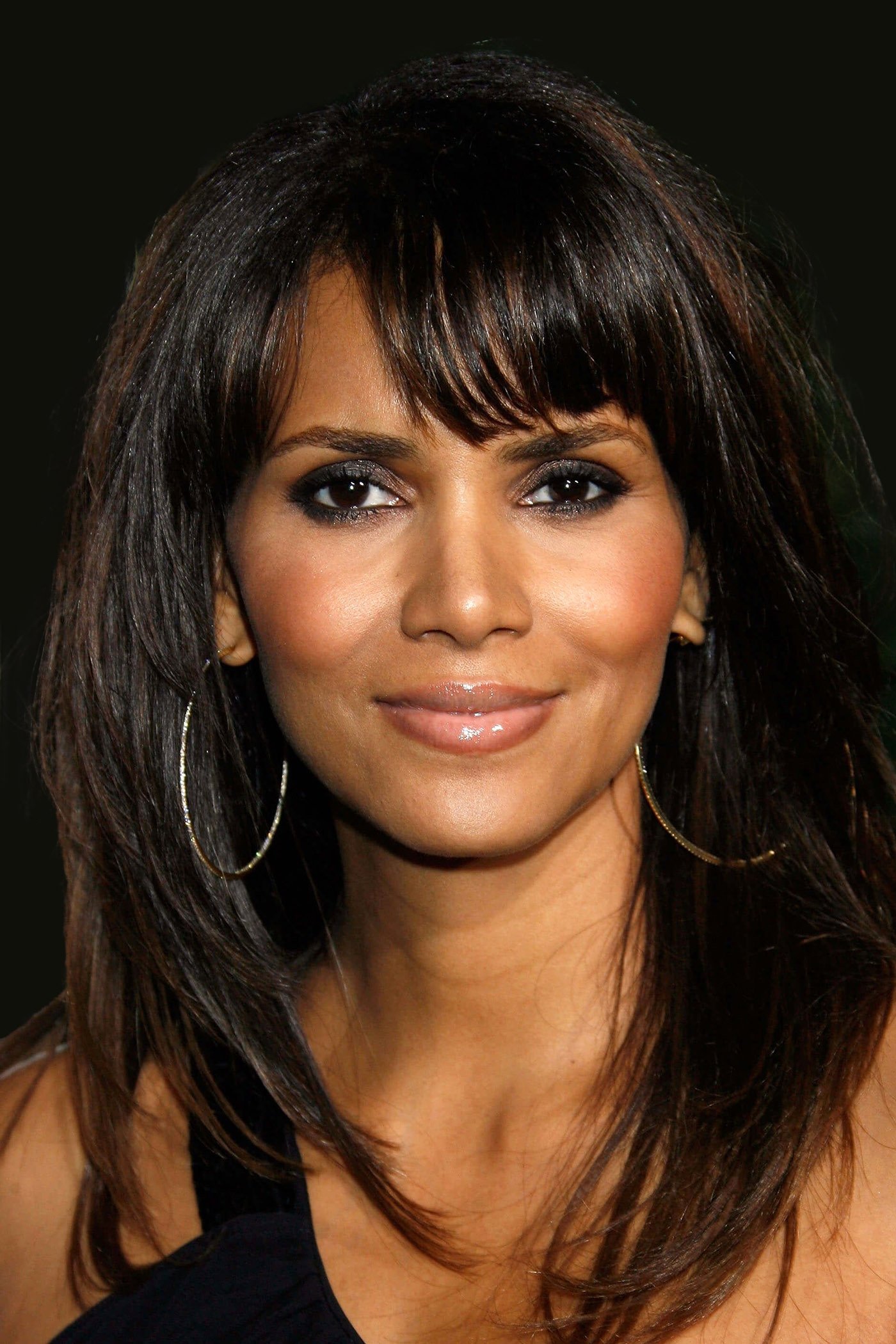
Warner Bros built ‘Catwoman’ around a new lead character with no direct ties to a specific Batman storyline, which created a tough branding challenge. The production leaned on heavy visual effects and a stylized aesthetic that did not match audience expectations for a grounded comic adaptation.
Berry’s contract positioned her as the central draw, so the film’s reception landed squarely on her shoulders in marketing recaps and press coverage. She later moved back toward prestige material and character work, while the studio redirected its strategy toward tighter connections with core DC properties.
John Travolta as Terl in ‘Battlefield Earth’
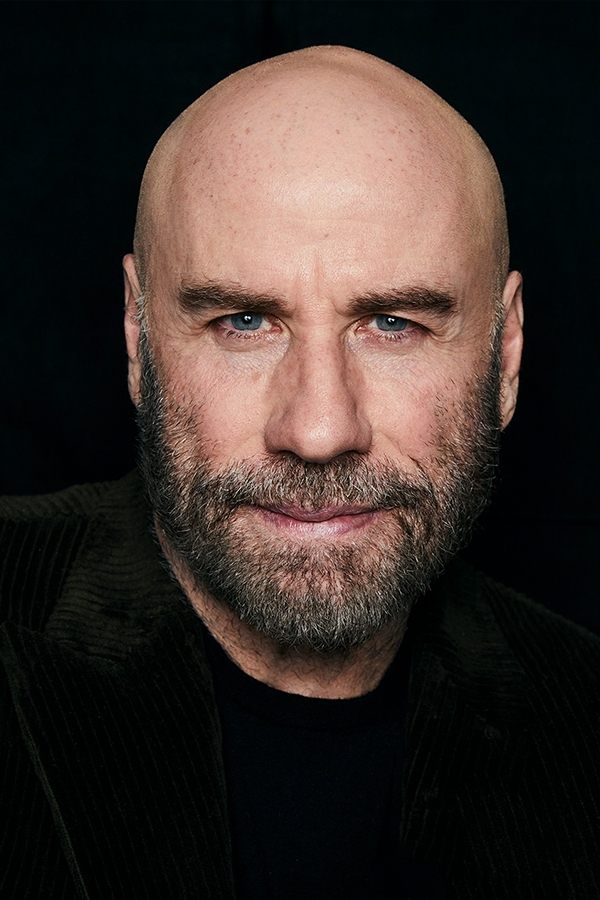
‘Battlefield Earth’ adapted the first half of a long novel with plans for continuation that never materialized. The production used tilted camera angles, green screen setups, and elaborate prosthetics that demanded a precise tonal balance the final cut did not achieve.
Travolta’s villain sat at the heart of the film’s design and merchandising plans, which amplified scrutiny from fans and critics. After the release he shifted toward smaller parts and ensemble roles, then rebuilt momentum with television work and selective features.
George Clooney as Bruce Wayne in ‘Batman & Robin’
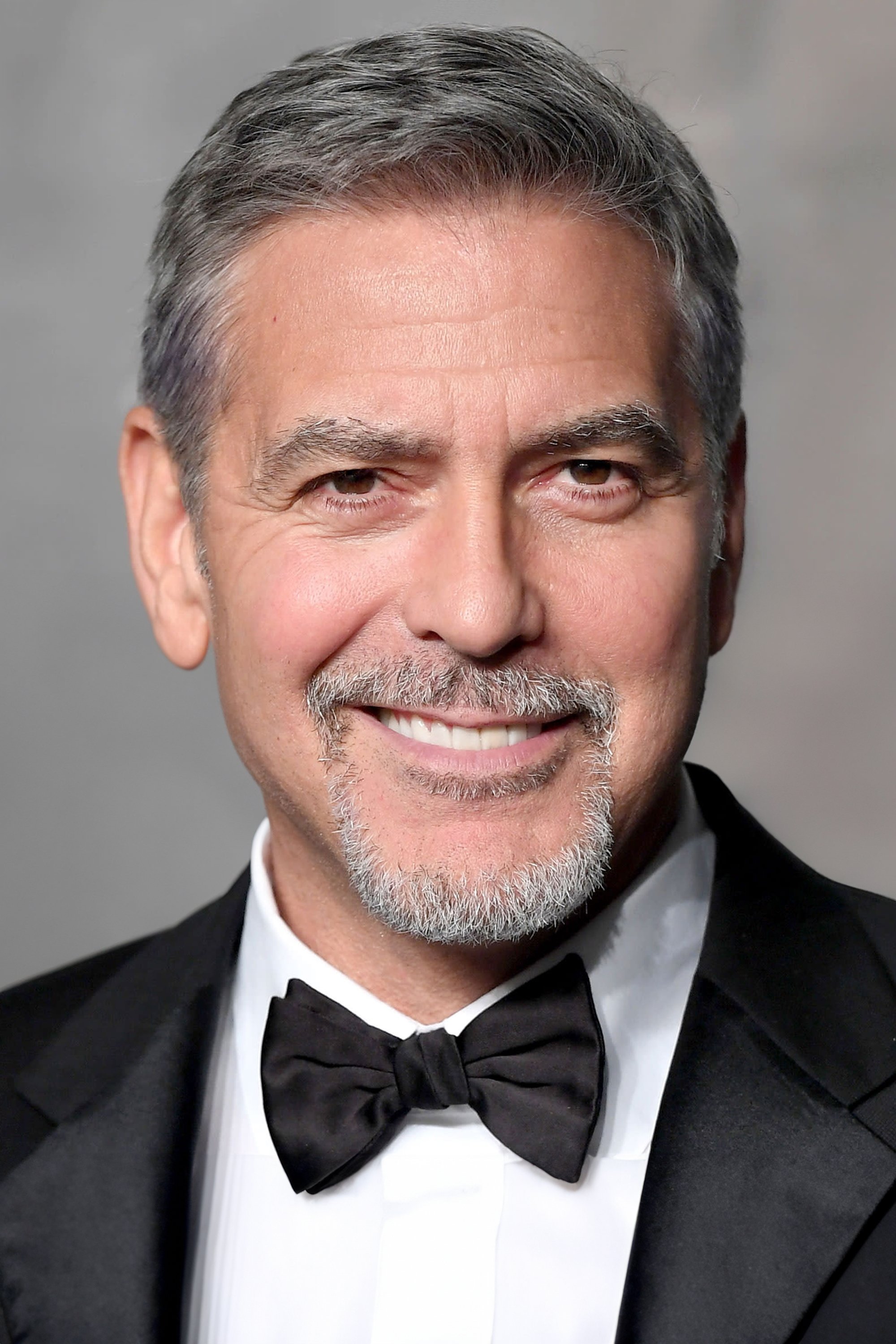
‘Batman & Robin’ arrived with a toy driven mandate and a lighter tone that contrasted with the darker template of earlier entries. The project prioritized quick production timelines, which shaped everything from suit design to action staging.
Clooney inherited a franchise already in flux and carried a version of Bruce Wayne built for broad family appeal. The film’s reception led the studio to pause the series and reboot years later with a new creative team, while Clooney recalibrated with director led dramas and behind the camera work.
Ryan Reynolds as Hal Jordan in ‘Green Lantern’
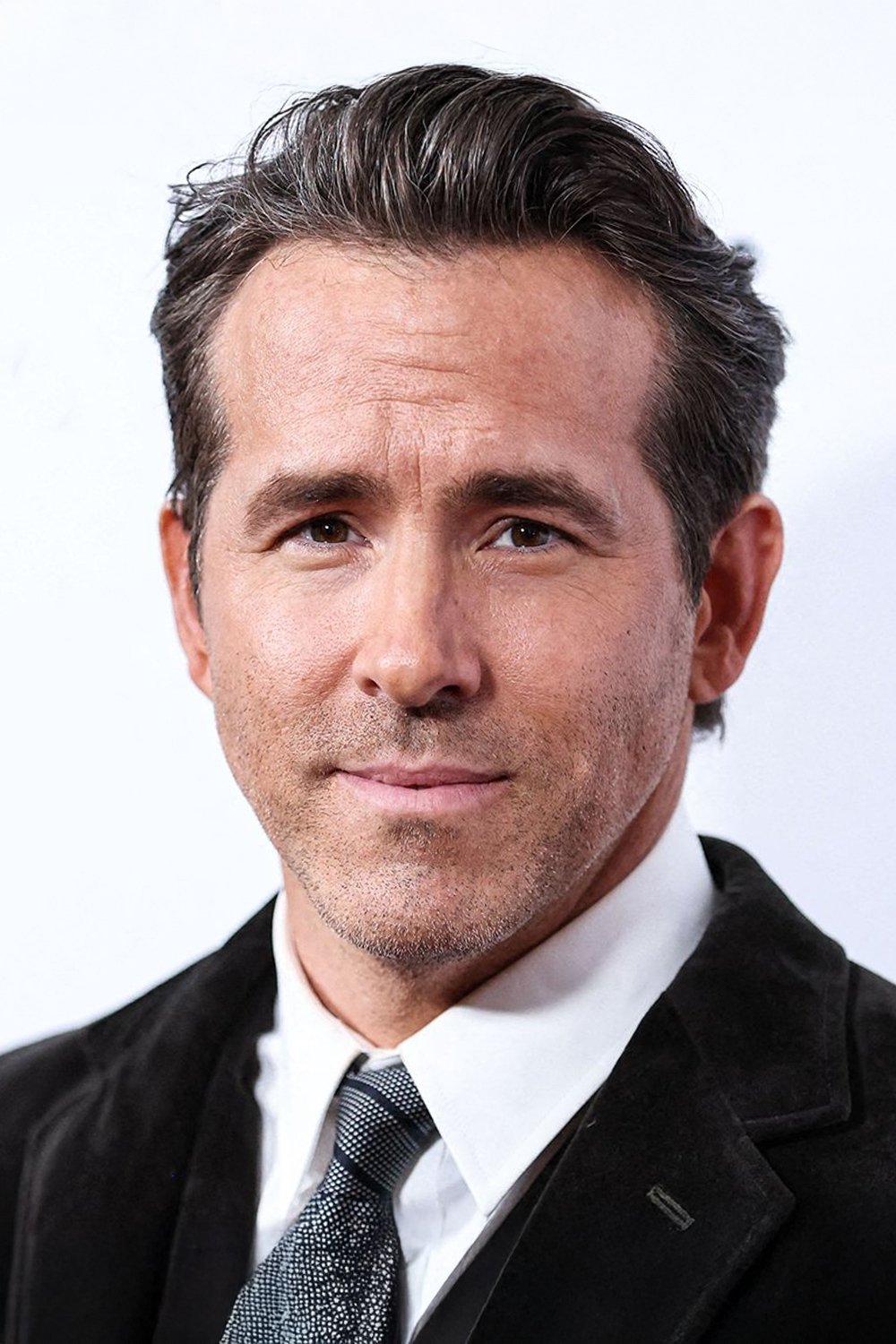
‘Green Lantern’ set out to launch an effects heavy space opera with a fully digital suit and expansive world building. The production invested in early universe mapping that anticipated sequels, which raised the stakes on opening weekend performance.
Reynolds’ lead turn was tied to a long term plan that stalled after weak audience response. He later reclaimed superhero momentum by championing ‘Deadpool’, using a leaner budget, tighter tone control, and direct audience engagement to rewrite the narrative.
Jesse Eisenberg as Lex Luthor in ‘Batman v Superman: Dawn of Justice’
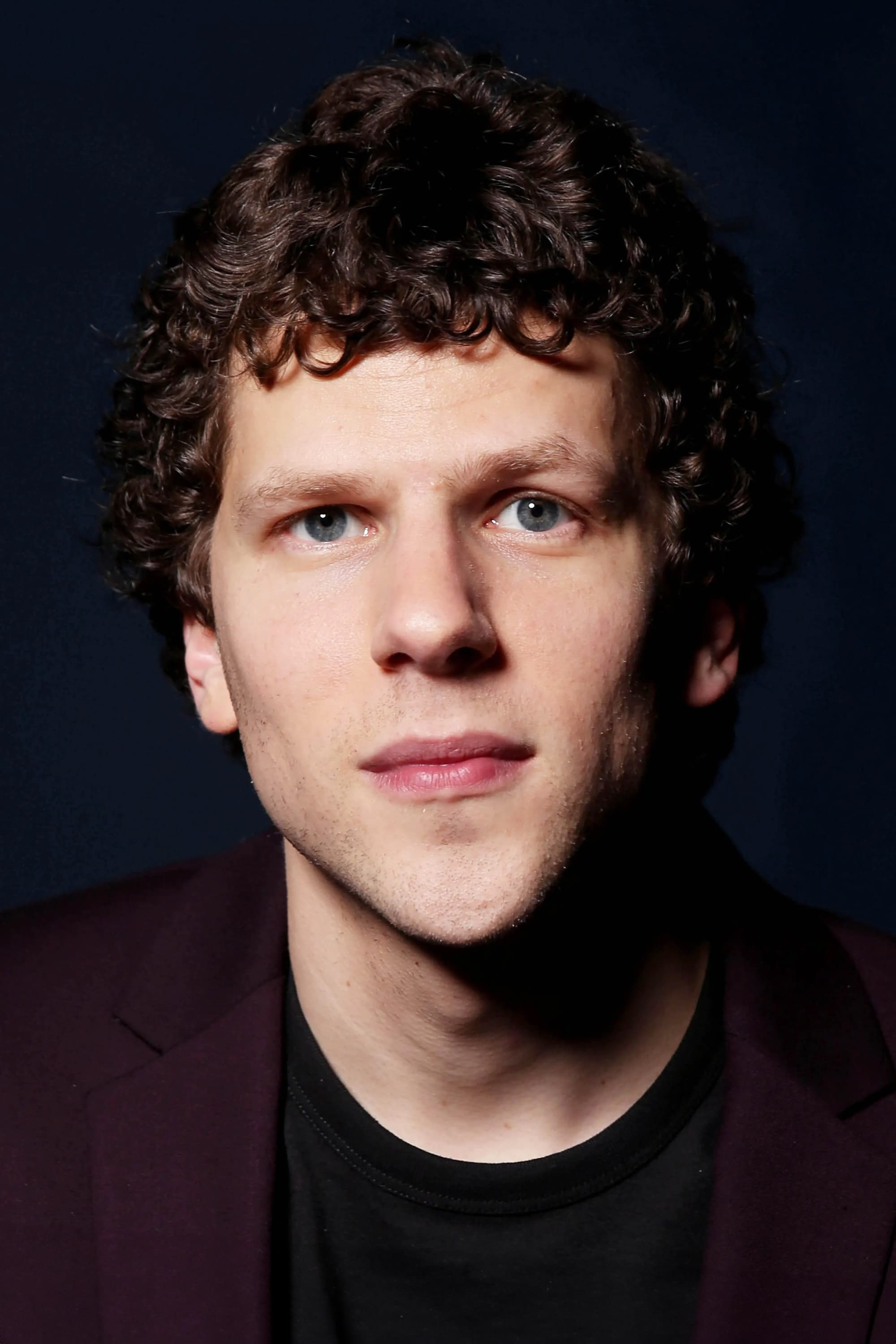
Casting framed Lex Luthor as a modern tech magnate which required a distinct interpretation of the character. The performance sat within a crossover structure that introduced multiple heroes while setting up future installments.
Studio edits compressed motivations and altered plot emphasis, which affected how the character’s strategies read on screen. The franchise soon shifted directions, and later appearances of Lex used different creative approaches as the universe evolved.
Jared Leto as Dr. Michael Morbius in ‘Morbius’
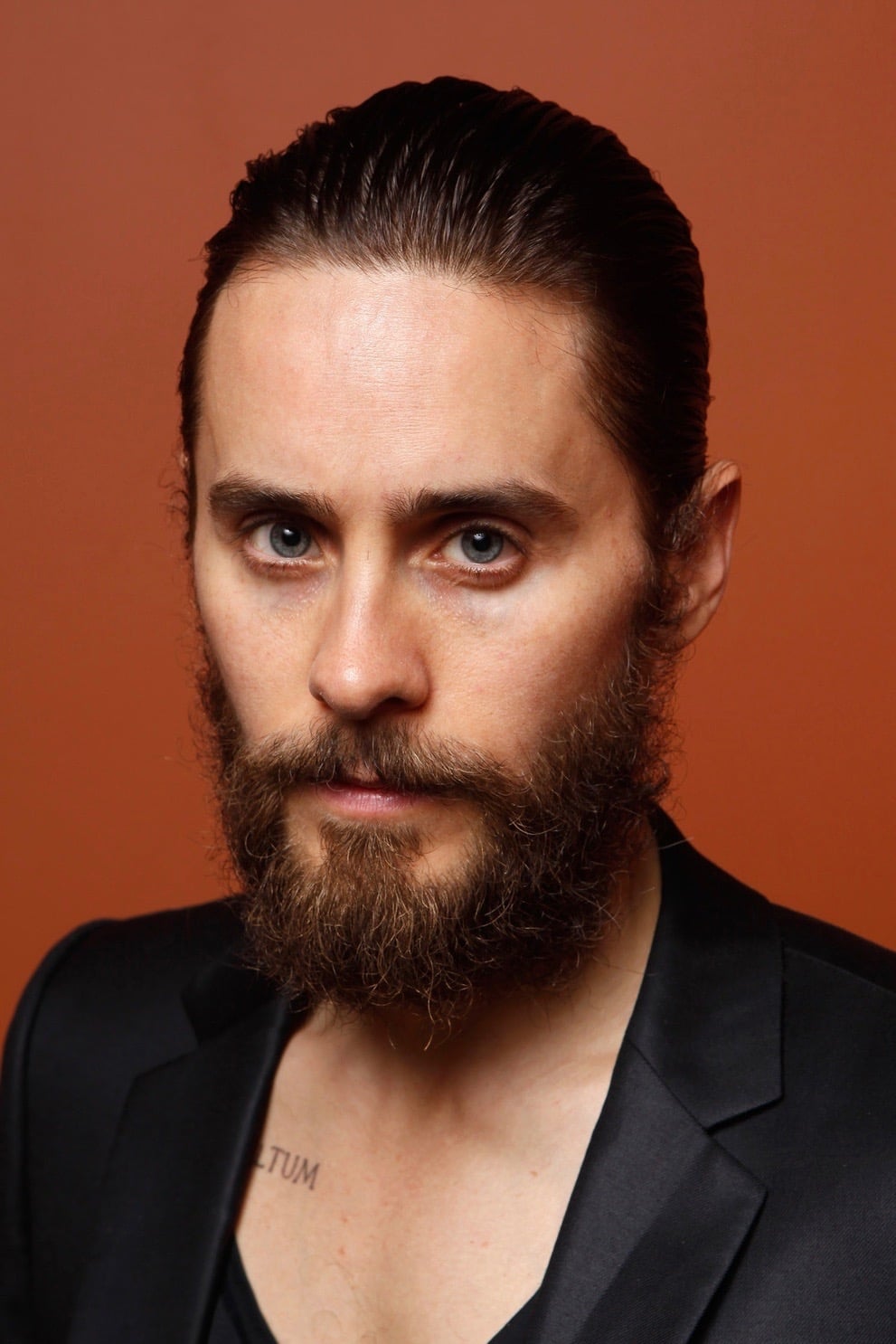
‘Morbius’ went through multiple date changes that disrupted momentum and complicated audience targeting. The film’s genre blend of superhero tropes and gothic horror required a careful balance that the final cut struggled to maintain.
Leto’s method approach became part of the publicity, yet the character lacked a clear hero or antihero lane in marketing. The movie found a second life online as a meme object, but the studio’s immediate franchise plans around the character did not accelerate.
Sofia Coppola as Mary Corleone in ‘The Godfather Part III’
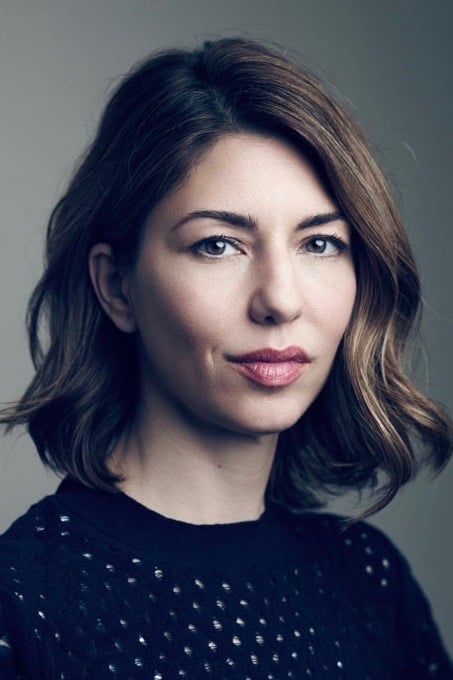
Sofia Coppola stepped into the role after another actor exited close to shooting, which left limited time for preparation. The story placed Mary at a crucial emotional hinge, so any disconnect was magnified within the final act.
The film completed a landmark trilogy under high scrutiny, and reactions to the performance overshadowed other choices in the production. Coppola redirected her career toward directing and screenwriting, where she established a distinct signature voice and earned major festival recognition.
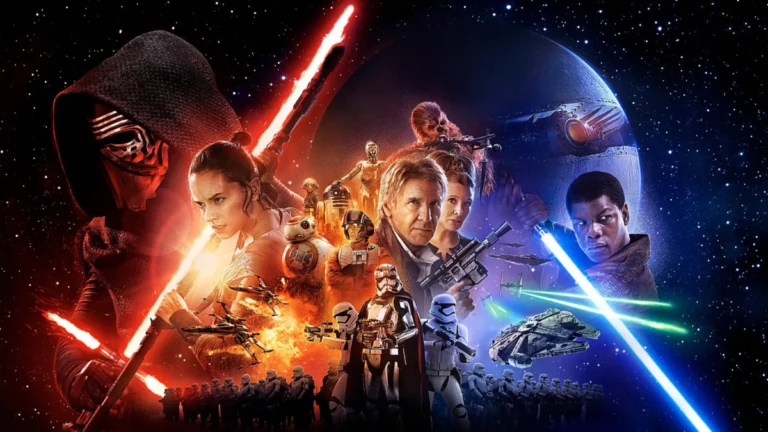
Hayden Christensen as Anakin Skywalker in ‘Star Wars: Episode II – Attack of the Clones’
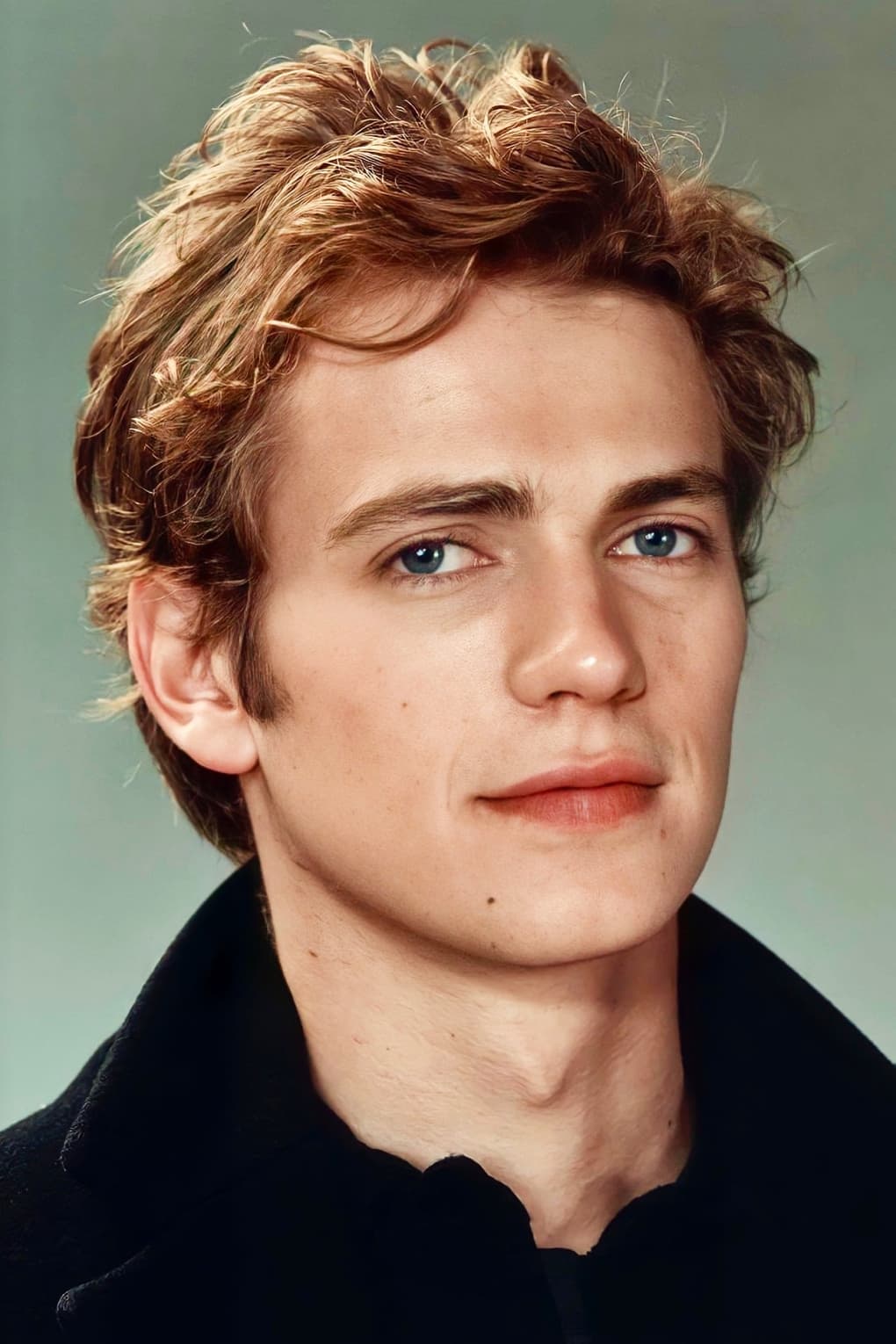
Anakin’s arc required shifts from romance to warfare to inner conflict, all within a compressed narrative window. Dialogue and staging leaned into formal cadences that did not always align with mainstream expectations for naturalistic delivery.
Christensen shouldered a massive legacy character while navigating extensive green screen work and complex choreography. He later returned to the role in new projects and benefited from renewed interest as franchise storytelling expanded across series formats.
Jamie Dornan as Christian Grey in ‘Fifty Shades of Grey’
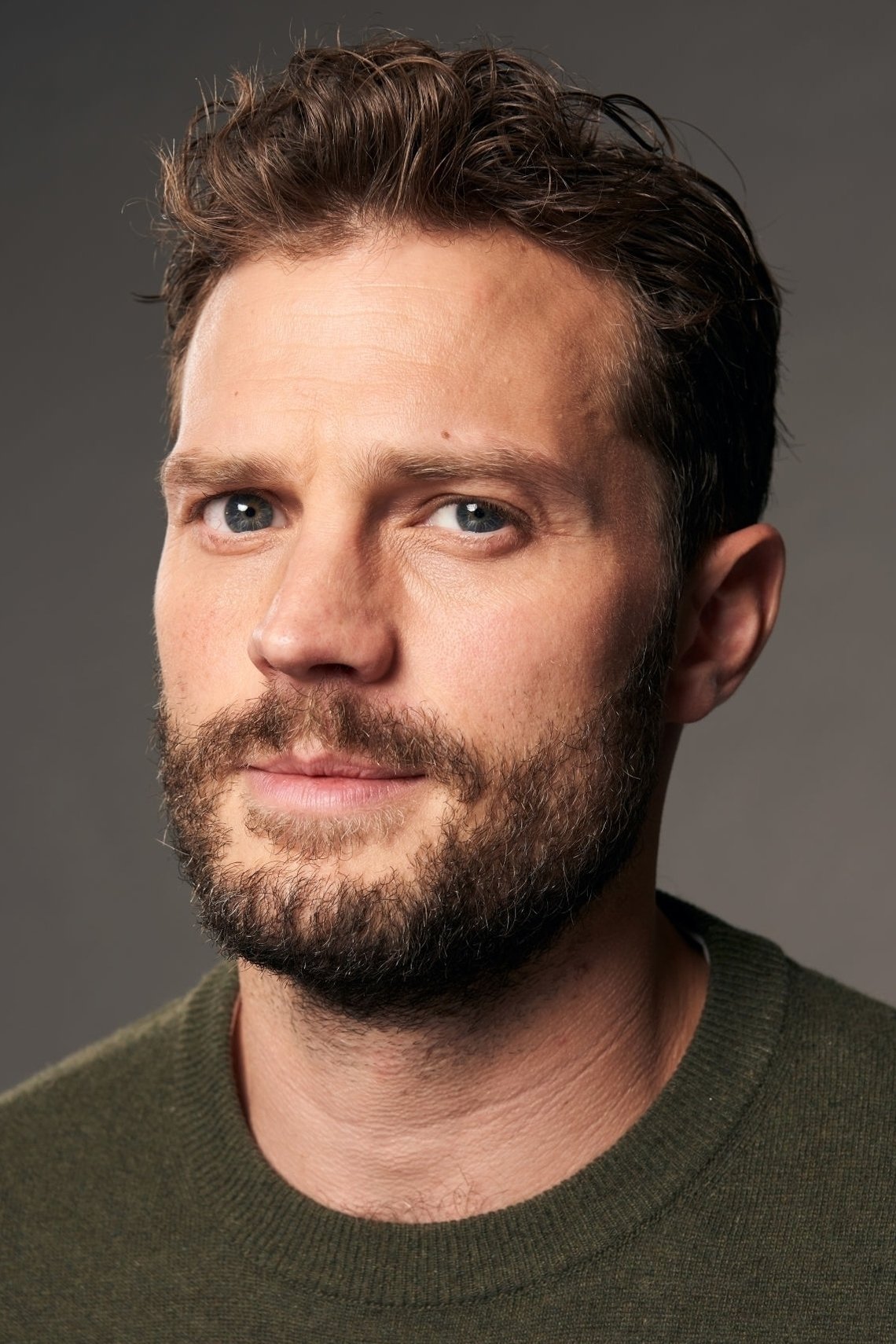
The production recast its male lead during pre production, which condensed rehearsal and chemistry building time. Marketing focused on the central relationship, placing unusual pressure on the leads to carry a global rollout.
Dornan fulfilled a contract that included sequels, then moved into varied roles that highlighted his range. Subsequent projects in film and television repositioned him with directors who favored character forward scripts over high concept spectacle.
Colin Farrell as Alexander in ‘Alexander’
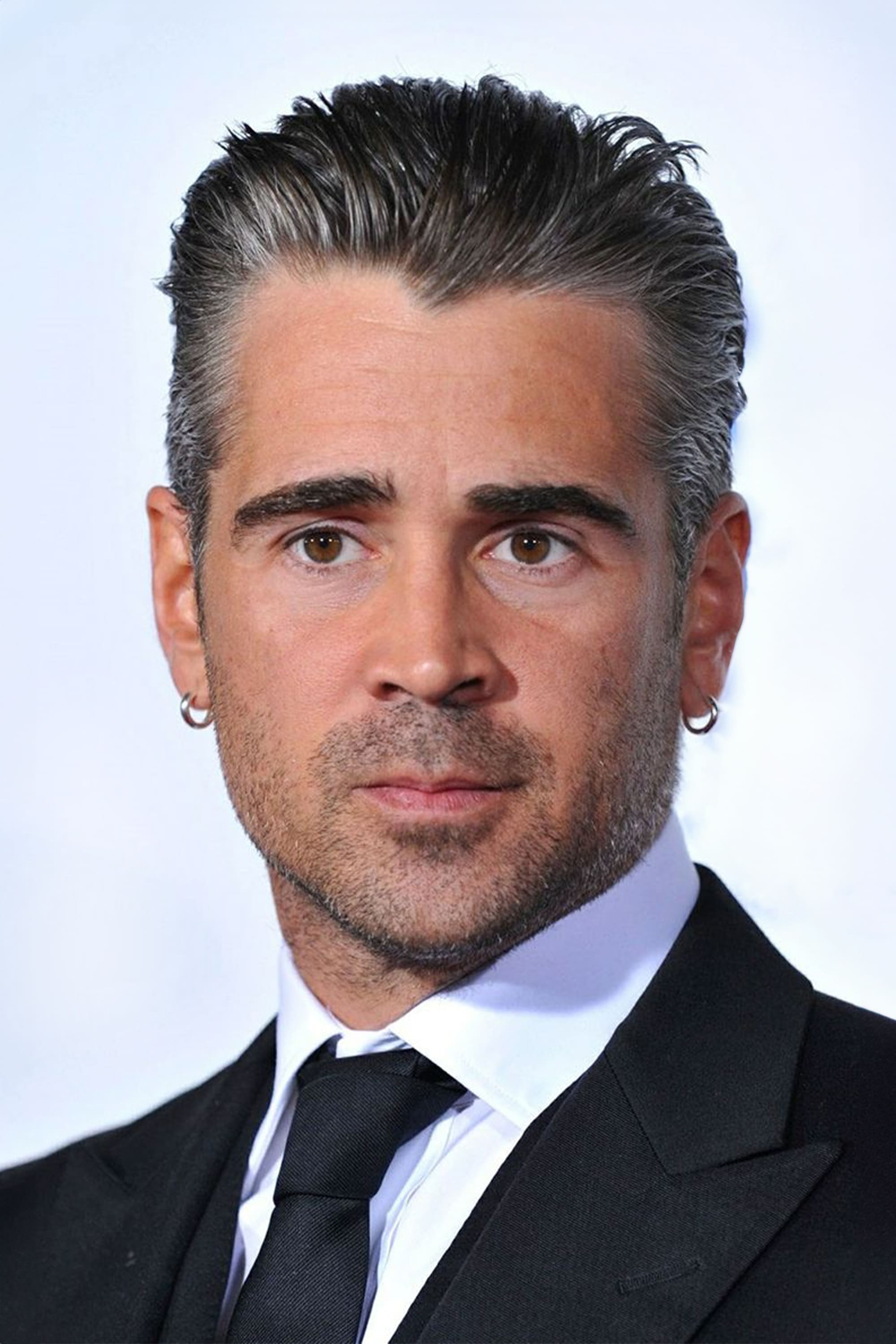
Oliver Stone’s historical epic required Farrell to anchor a long running narrative that spanned multiple cultures and battle sequences. The initial release underwent later re edits, which resulted in several alternate cuts with different structures.
Farrell’s performance carried long stretches of exposition and strategic decision scenes, which are difficult to calibrate without a settled final cut. He rebounded with character pieces and auteur collaborations that used his timing and restraint to stronger effect.
Taylor Kitsch as John Carter in ‘John Carter’
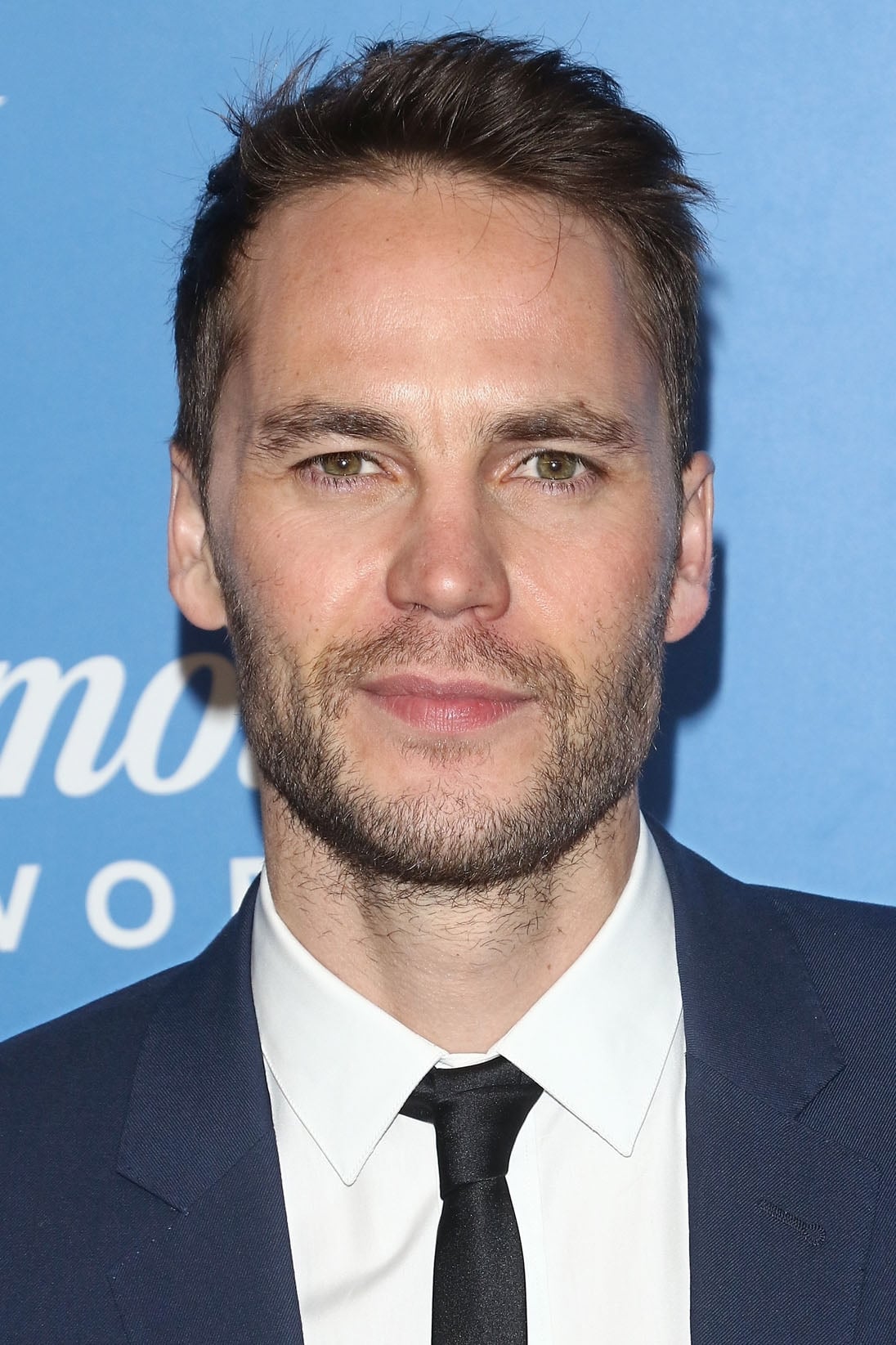
The film’s marketing struggled to communicate the scale and story to general audiences, including a title change that removed a clear sci fi signal. Visual effects were ambitious and required extended post production, which complicated date positioning.
Kitsch led a potential franchise while still establishing his big screen identity. After the film underperformed he pursued roles in ensemble projects and television limited series, which helped reset perceptions and led to steadier opportunities.
Johnny Depp as Tonto in ‘The Lone Ranger’
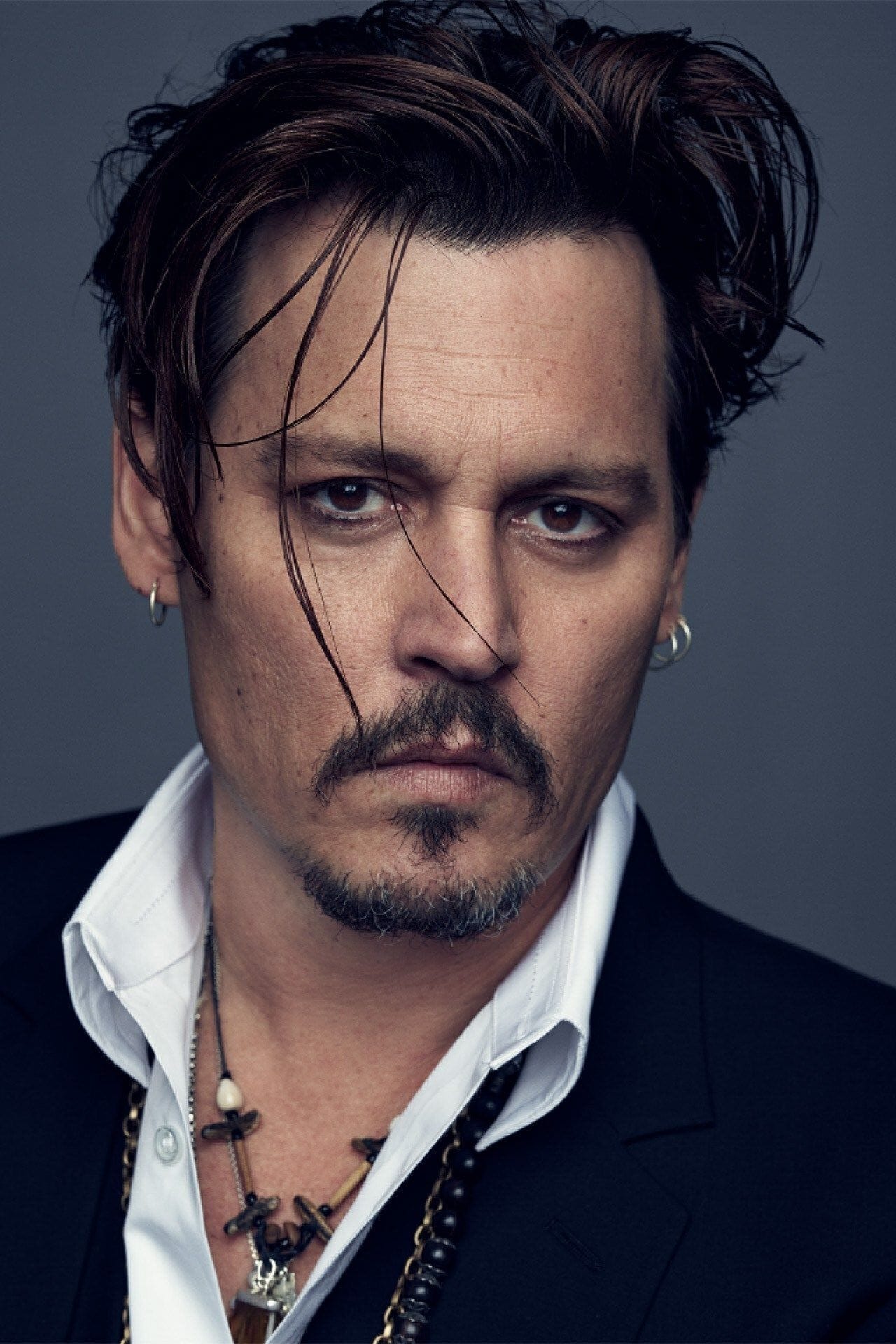
Casting choices drew criticism that overshadowed production updates throughout the shoot. The film’s running time and costly set pieces increased financial risk, which became a major talking point after release.
Depp’s star power was central to the budget model, yet the creative approach around Tonto became the focus of debate. The outcome cooled momentum for additional entries and prompted the studio to reassess plans for classic adventure revivals.
Naomi Watts as Princess Diana in ‘Diana’
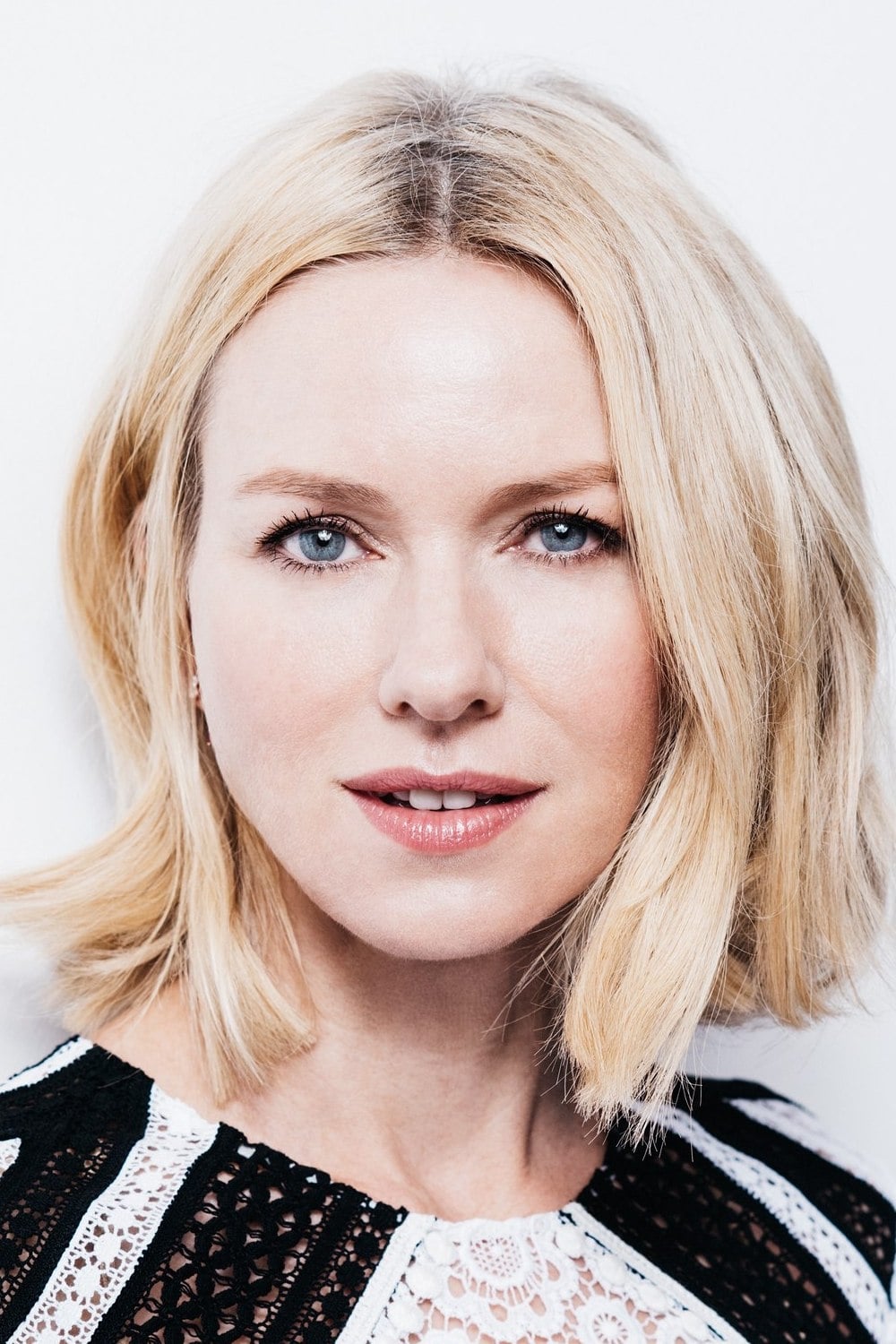
The biopic focused on a specific period rather than a full cradle to legacy overview, which limited the narrative scope. Real world interest was high, but access to certain locations and figures was restricted, shaping how events could be depicted.
Watts worked with a script that emphasized private relationships and media scrutiny. The film’s reception led distributors to shorten some theatrical windows, and Watts quickly moved to projects with stronger material and festival traction.
Nicole Kidman as Grace Kelly in ‘Grace of Monaco’

The film opened a major festival amid reports of disagreements between the director and the studio over tone and edits. Questions around historical liberties became a dominant theme in reviews and interviews.
Kidman’s portrayal anchored a production that later aired in different versions for cinema and television. The split releases complicated reception and brand positioning, after which she focused on auteur driven films and prestige series with better critical response.
Eddie Murphy as Pluto Nash in ‘The Adventures of Pluto Nash’
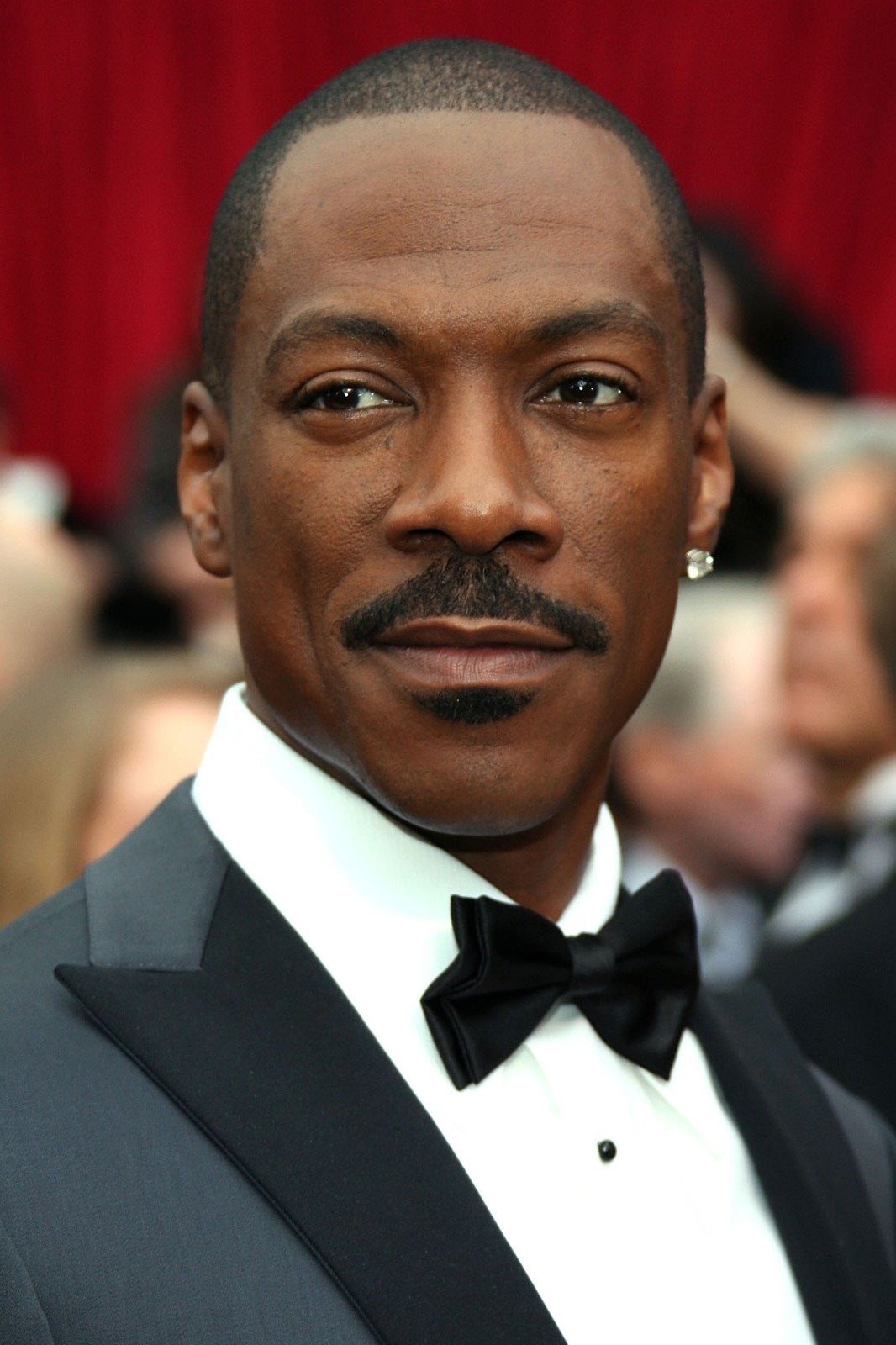
The project endured delays and reshoots that signaled trouble before release. A high production budget contrasted with modest theater counts and limited audience awareness.
Murphy’s name carried the marketing, yet the film’s genre mix and effects work did not connect with family audiences. The commercial result influenced his choice of safer comedies and later a return to character centered pieces that reminded viewers of his strengths.
Ben Affleck as Larry Gigli in ‘Gigli’
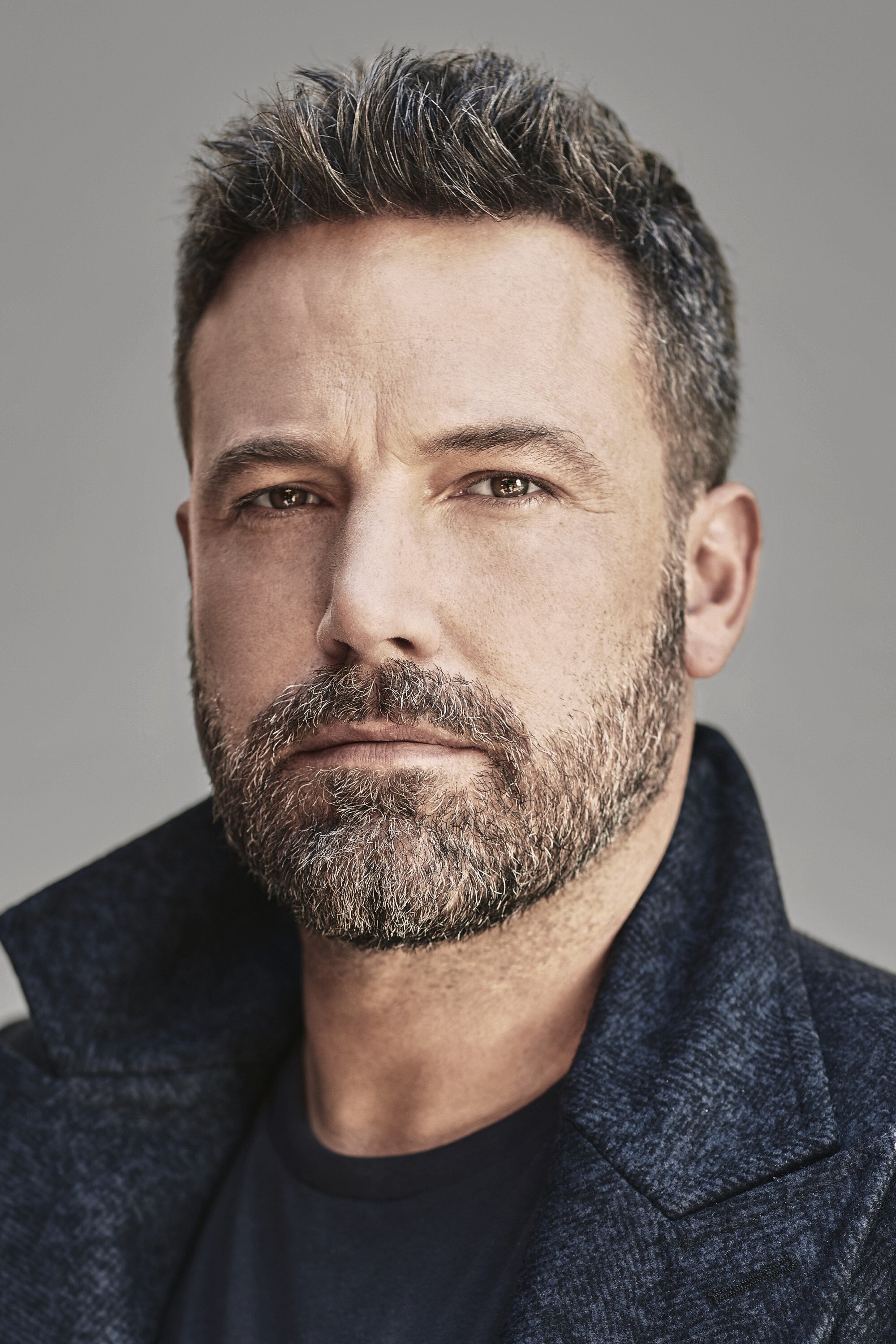
During production the film shifted tone in search of a broader audience, which affected scene rhythms and character focus. Public attention on the stars’ off screen relationship drew focus away from the movie’s story.
Affleck’s lead turn became shorthand for a difficult period that included a run of box office disappointments. He rebuilt with supporting roles, a directing pivot that earned major awards, and a steady return to grounded thrillers.
Jennifer Lopez as Ricki in ‘Gigli’
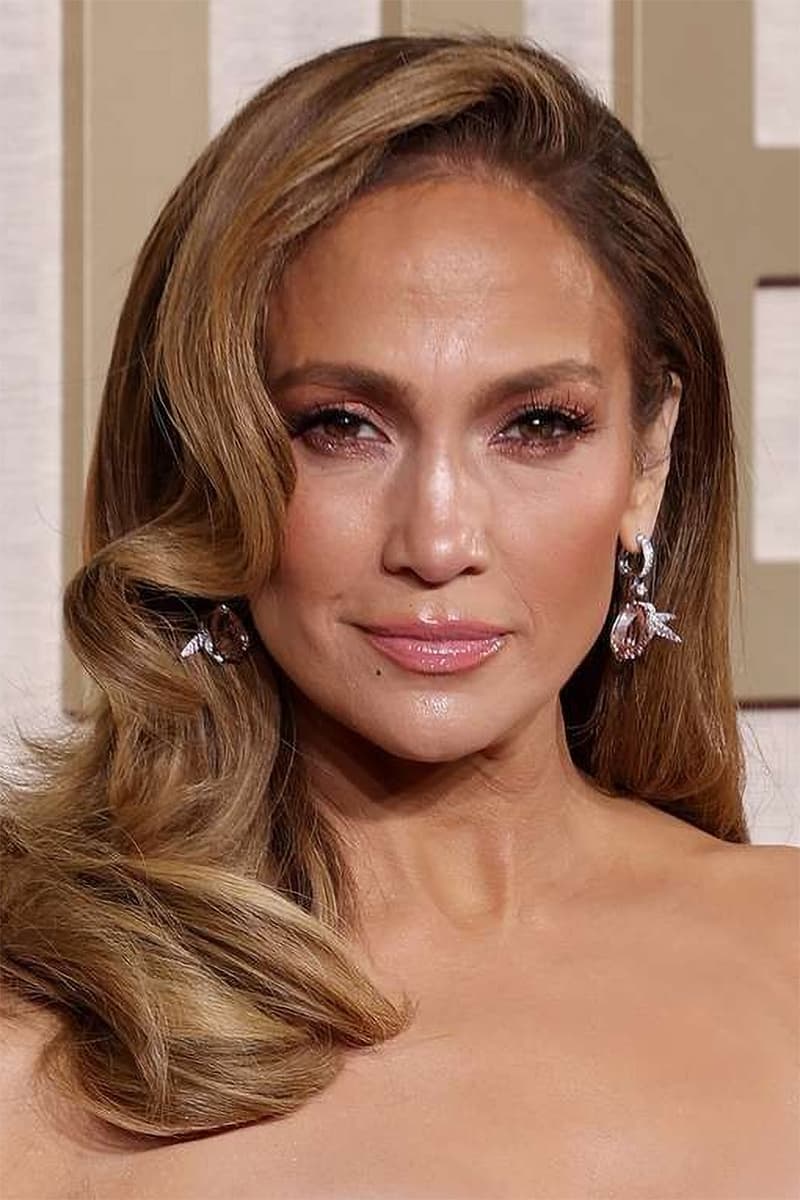
Lopez played opposite Affleck in a script that underwent changes until deep into the schedule. Marketing leaned into celebrity coverage rather than clear genre positioning, which created mismatched audience expectations.
The reception prompted a quick shift back to music projects and carefully chosen roles in television and film. Lopez later found better traction with character driven thrillers and ensemble pieces that fit her performance strengths.
Nicolas Cage as Edward Malus in ‘The Wicker Man’
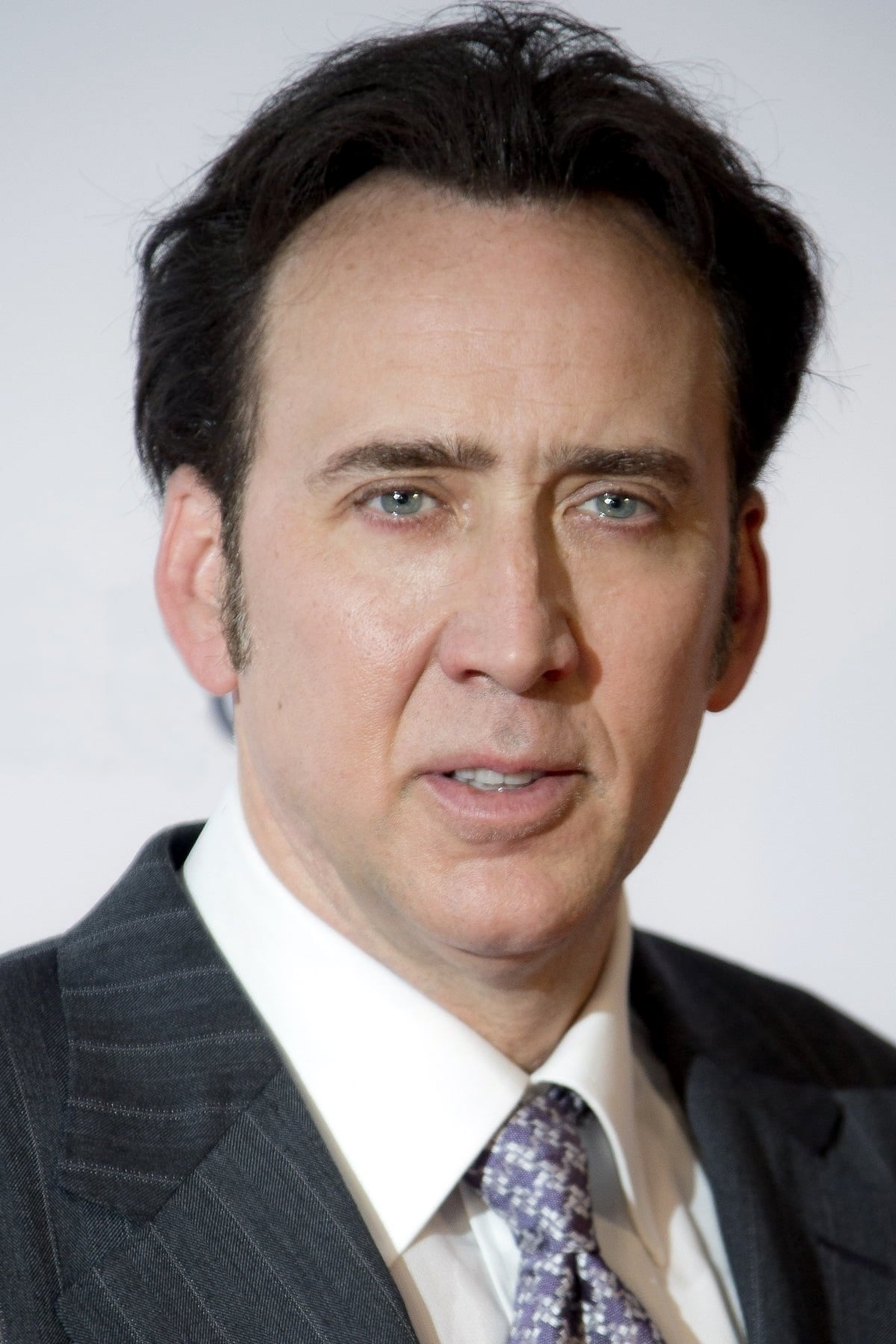
This remake reimagined the original’s tone and symbolism, which proved challenging to execute without losing the eerie balance. Several scenes intended as heightened became unintentional comic fodder online, which reframed audience memory of the film.
Cage continued a prolific run that mixed studio titles with indie experiments. He later drew renewed acclaim by partnering with directors who tailored material to his specific intensity and timing.
Mark Wahlberg as Elliot Moore in ‘The Happening’
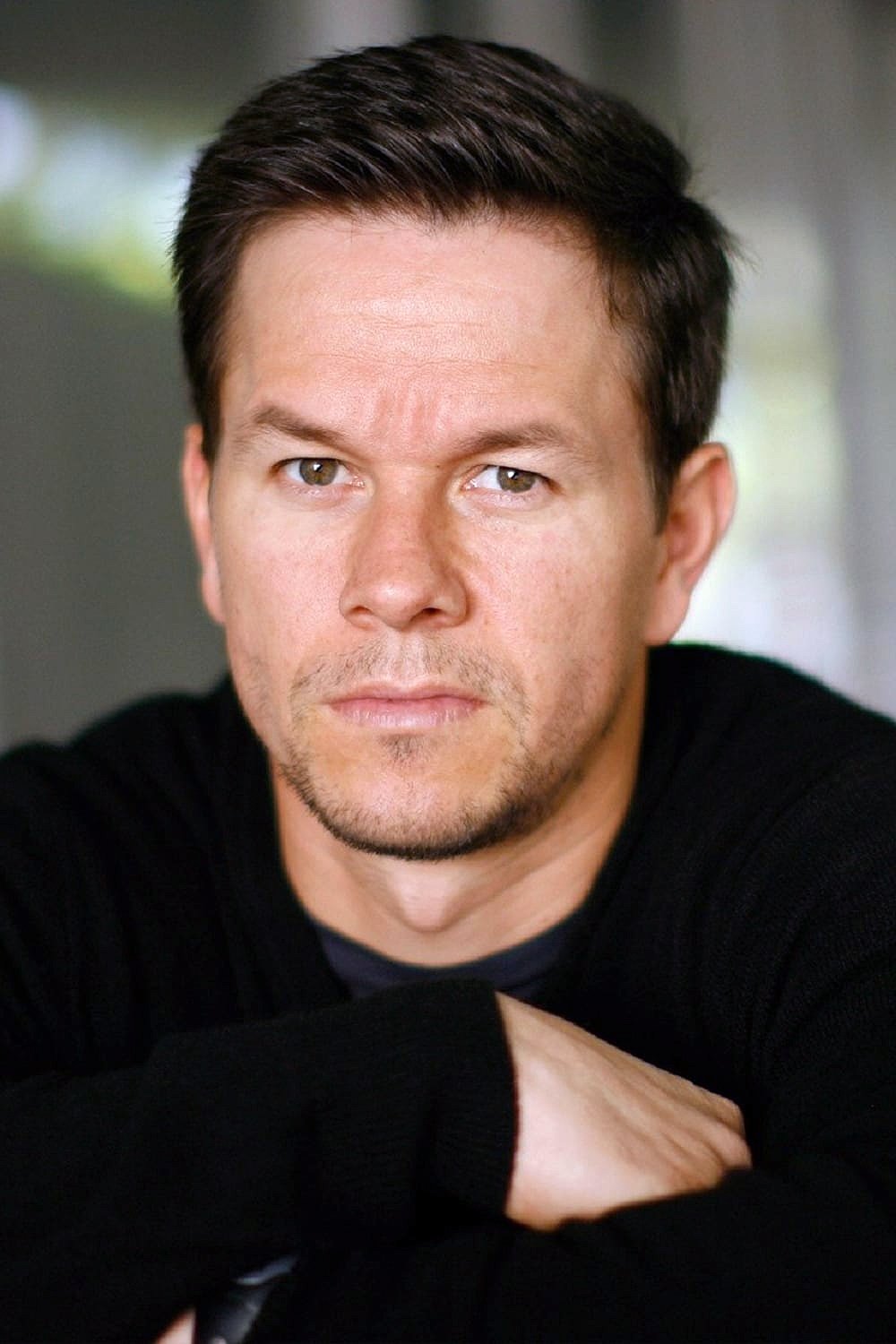
The film’s concept required characters to react to an unseen threat, a difficult acting assignment that lives or dies on framing and edit rhythms. Dialogue choices leaned into stylized sincerity, which can play oddly when scenes are cut for pace.
Wahlberg addressed the reception in later interviews and steered back toward action thrillers and biographical roles. The project remains a case study in how tone management affects performances inside high concept stories.
Russell Crowe as Inspector Javert in ‘Les Misérables’
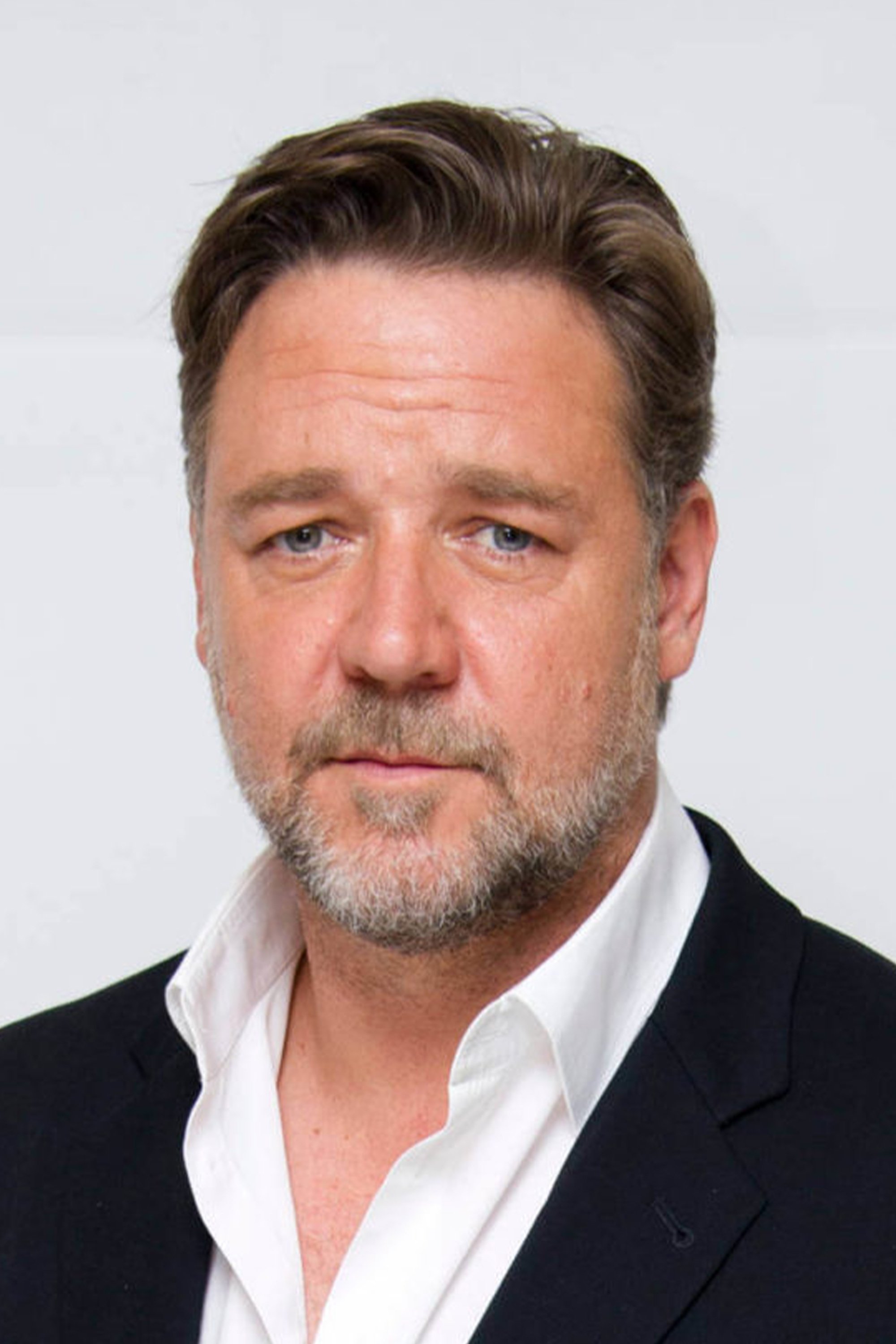
Director Tom Hooper recorded vocals live on set, which demanded that actors deliver sung performances during takes rather than in a studio. That approach created an immersive feel but also highlighted vocal limitations in close up.
Crowe’s interpretation had to serve both the music and the camera, a tough balance under the production method. He returned to dramatic roles that emphasized physical presence and character psychology rather than sustained singing.
Emma Stone as Allison Ng in ‘Aloha’
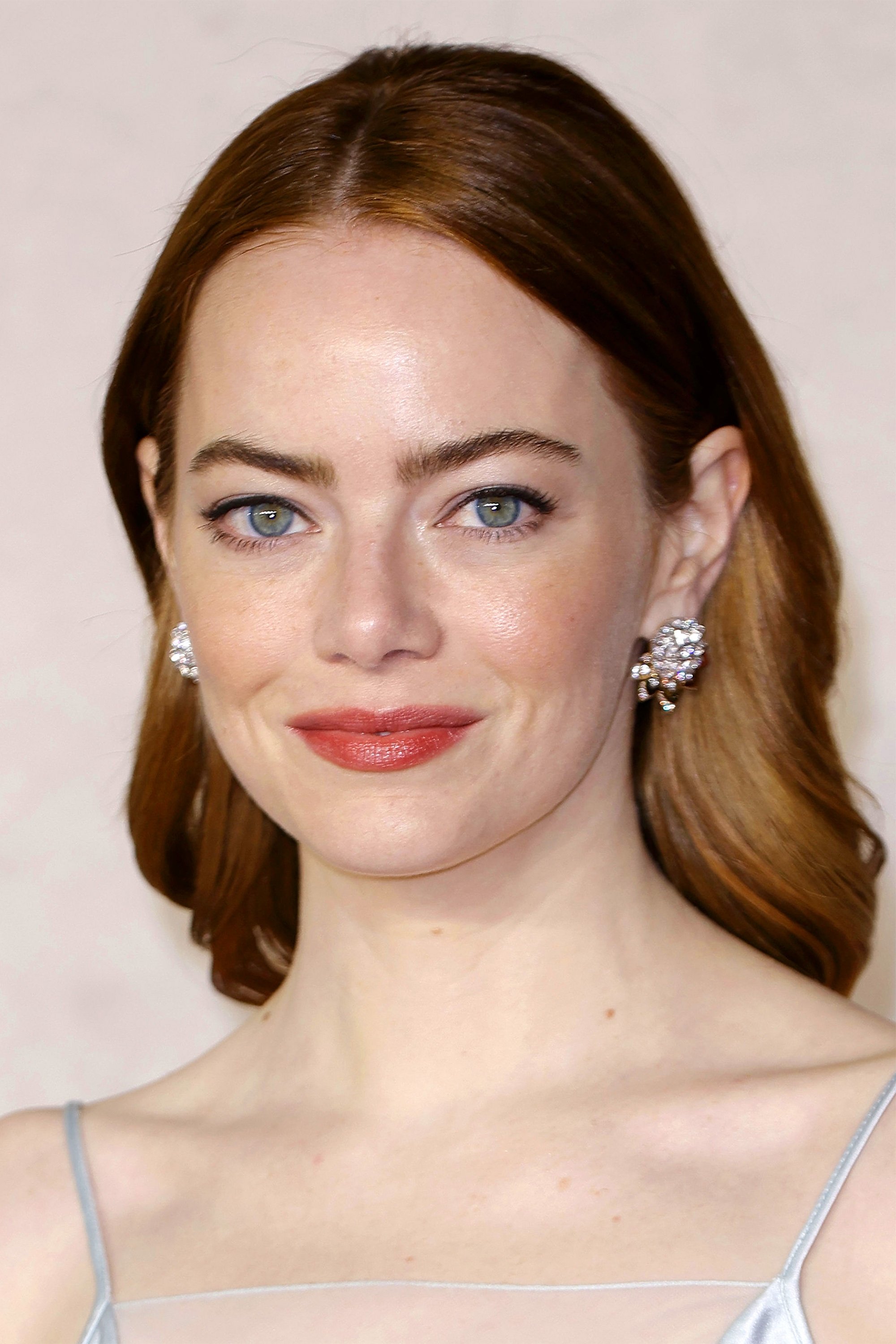
Casting placed Stone in a character with a mixed heritage background that did not align with her own, which drew immediate criticism. The discussion dominated press coverage and overshadowed location photography and supporting performances.
Stone issued a public acknowledgment of the issue afterward. She then focused on roles that centered on performance craft, leading to major awards recognition and a reset of public conversation around her work.
Scarlett Johansson as Major in ‘Ghost in the Shell’
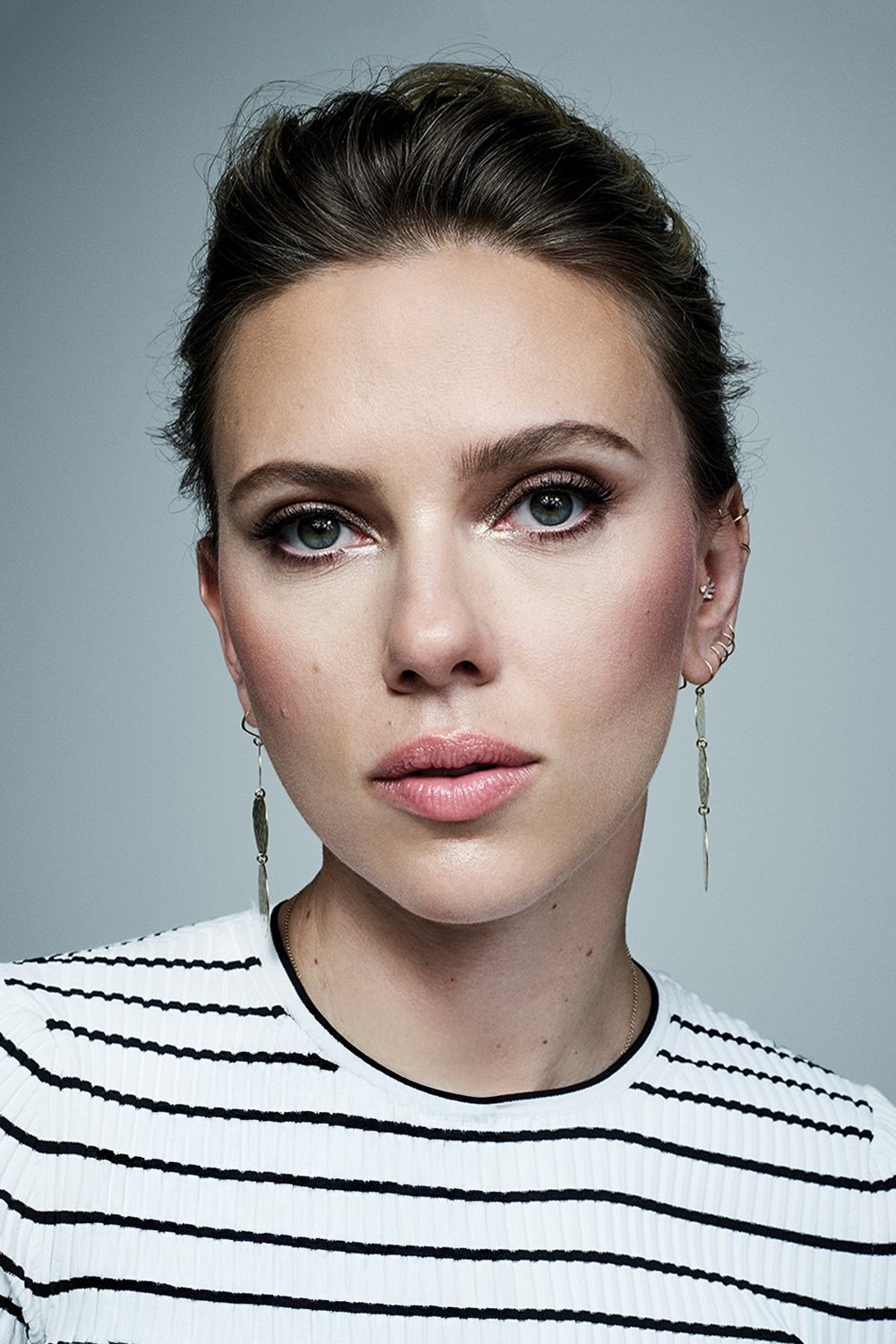
The adaptation relocated key elements and cast Johansson in a role tied to a Japanese property, which sparked a debate about representation. Marketing tried to emphasize cyberpunk visuals, but the conversation around casting remained primary.
Box office returns did not justify the film’s scale, and plans for follow ups did not move forward. Johansson continued to balance indie dramas with large franchises, where character ownership and continuity offered a clearer path.
Cara Delevingne as Enchantress in ‘Suicide Squad’
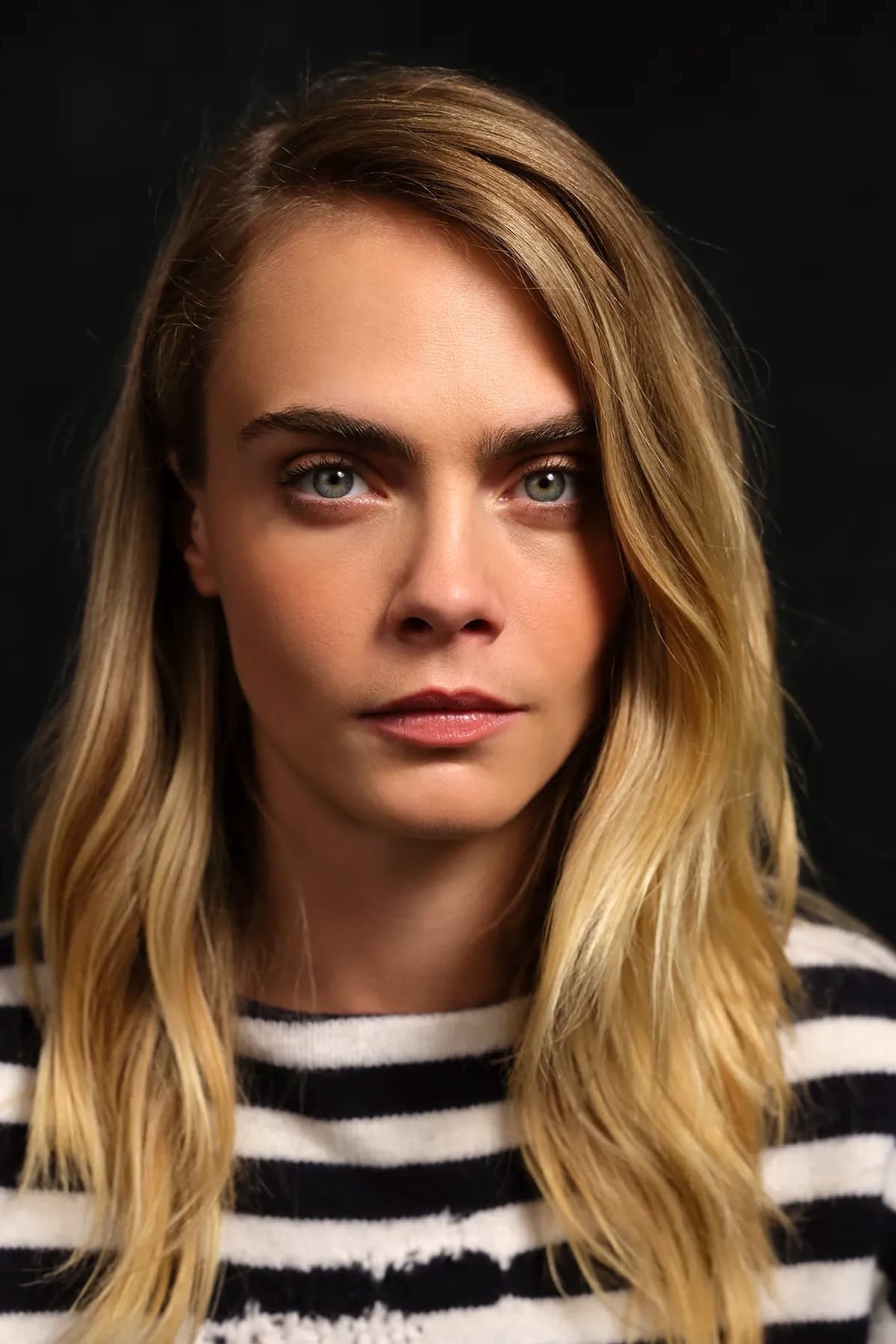
Reshoots and tonal adjustments shifted the film toward a more music driven presentation, which changed the emphasis on the central villain. The character required significant effects work and a final act built around a large scale sky portal sequence.
Delevingne’s performance operated within these late stage changes, making consistency difficult across scenes. She moved to projects that better matched her screen persona, including ensemble thrillers and series work.
Topher Grace as Eddie Brock in ‘Spider-Man 3’
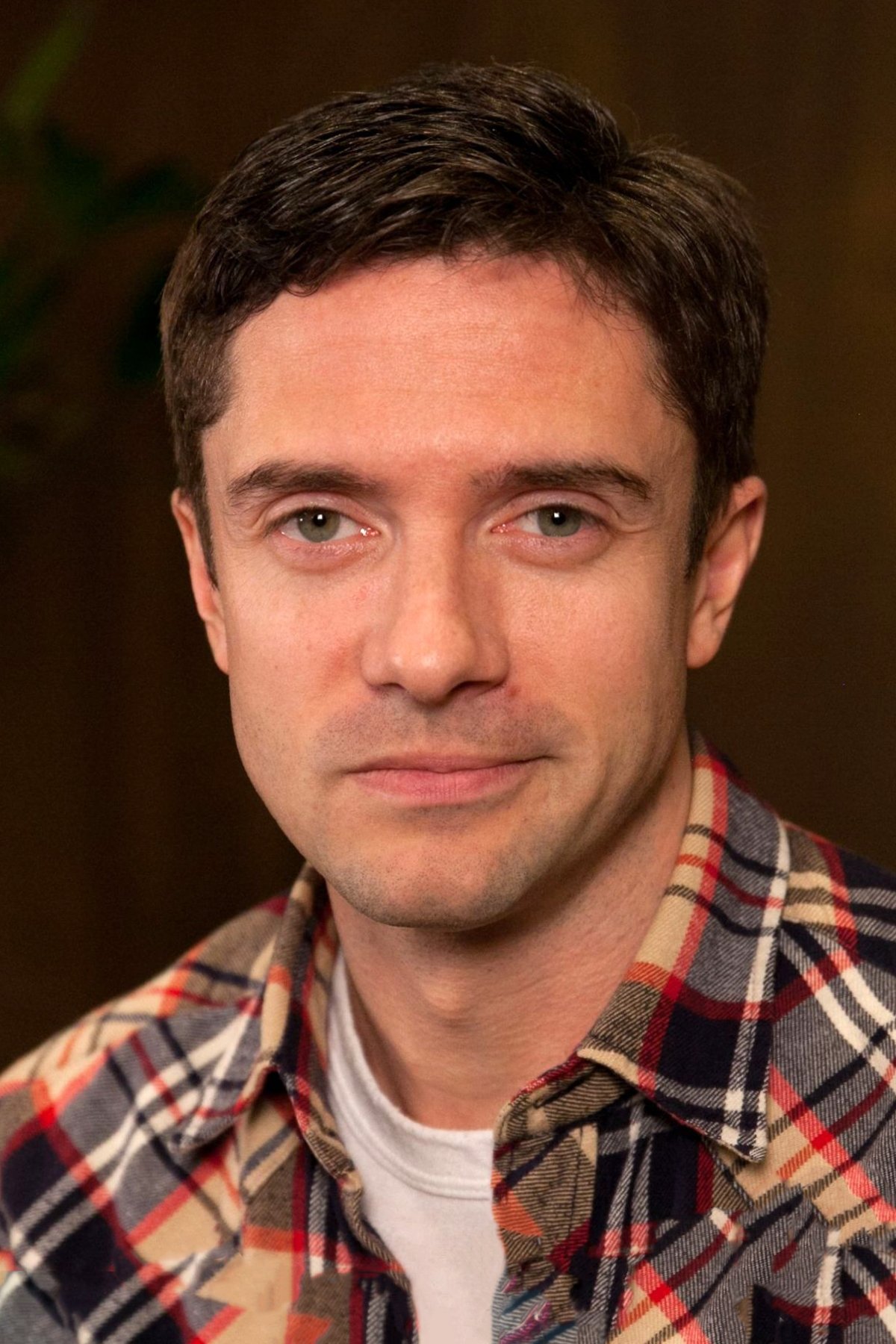
Creative differences led to the addition of Venom alongside multiple villains, which crowded the narrative. The character’s origin and transformation were compressed to fit within an already busy plot.
Grace stepped into a role that fans viewed through a very specific lens from the comics. The production outcome encouraged the studio to restart the franchise, while Grace pursued television and independent films with stronger material for him.
Shia LaBeouf as Mutt Williams in ‘Indiana Jones and the Kingdom of the Crystal Skull’
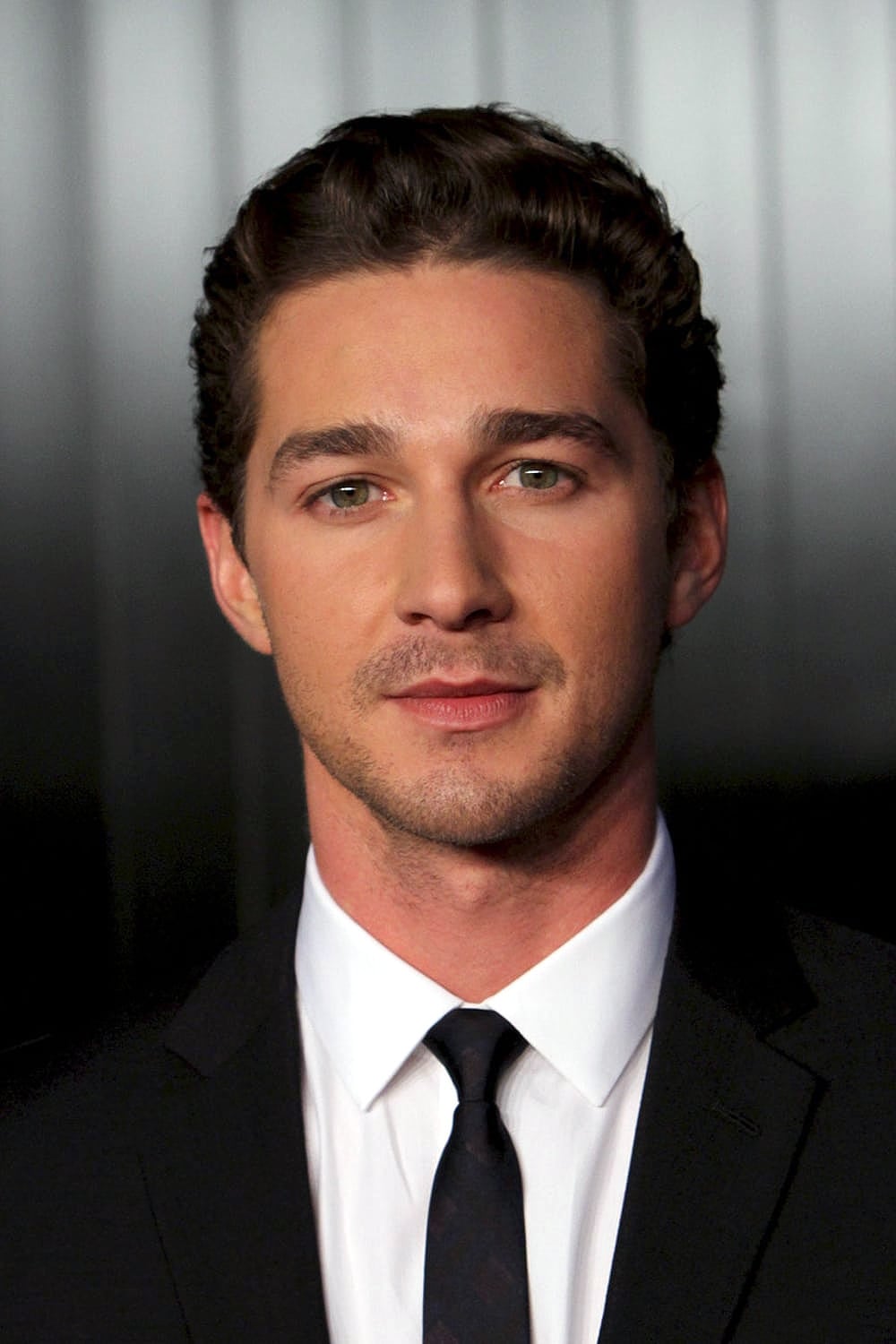
The film introduced Mutt as a potential heir figure while balancing legacy character beats and new mythology. Action scenes used extensive effects that differed from the earlier practical style, which influenced how audiences received the character.
LaBeouf later focused on smaller projects with writer directors and semi autobiographical work. The franchise returned years later with a renewed emphasis on the original lead, and the handoff idea did not continue.
Share the performances you would add to this list in the comments.