Australian Stars Who Hide Their Accent Off-Camera



Many Australian performers spend so much time working in North America that a subtle switch happens when the cameras stop rolling. In roles they master a General American sound, then during press and day to day life they often keep that same voice so audiences and collaborators hear one consistent accent.
This list spotlights Australian stars who regularly work in the United States and United Kingdom and who often lean on a neutral or American sound when chatting off camera. Each entry notes the projects that demanded accent work and the paths that led them to adopt a voice that blends in away from set.
Nicole Kidman

Born in Honolulu and raised in Sydney, Nicole Kidman moved to Hollywood in the early nineties and built a career that frequently required an American voice. Projects like ‘The Hours’, ‘Big Little Lies’, and ‘Being the Ricardos’ kept her in dialect training for long stretches, and years of U.S. publicity tours made a neutral off camera sound practical.
She has long split time between the United States and Australia while also spending periods in Nashville. That mix of homes and steady American roles means interviews often feature a softened or Americanized delivery that aligns with the characters audiences know best.
Margot Robbie

Margot Robbie left Queensland for American work after early success on Australian television. Breakout roles in ‘The Wolf of Wall Street’, ‘I, Tonya’, and ‘Barbie’ relied on precise American dialects and extensive press runs that kept her speaking to U.S. outlets for months at a time.
Between film sets and producing duties, she has maintained a media presence in Los Angeles and London. During junkets and late night appearances she often keeps the same American sound used on set, which maintains continuity for viewers who first discovered her through U.S. roles.
Hugh Jackman
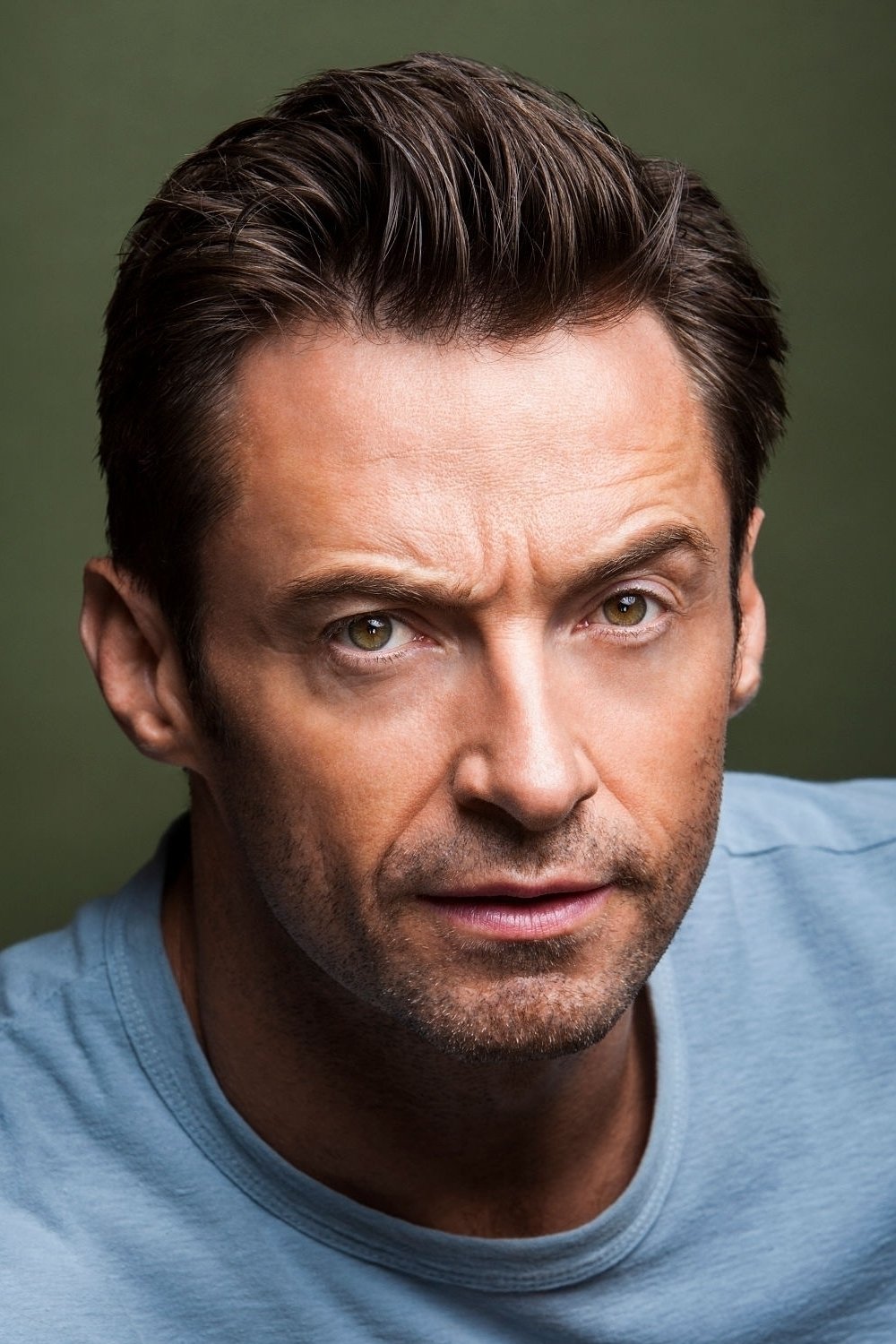
Hugh Jackman trained in Sydney and London before moving into American franchises that demanded a consistent U.S. accent. His long tenure as Wolverine in ‘X-Men’ films and work in ‘The Prestige’ and ‘The Greatest Showman’ kept him immersed in American dialogue for years.
Promotional tours and Broadway commitments in New York exposed him to American speech patterns daily. During interviews around those projects he often maintained the on screen sound off camera to match audience expectations and to stay in vocal shape between performances.
Cate Blanchett
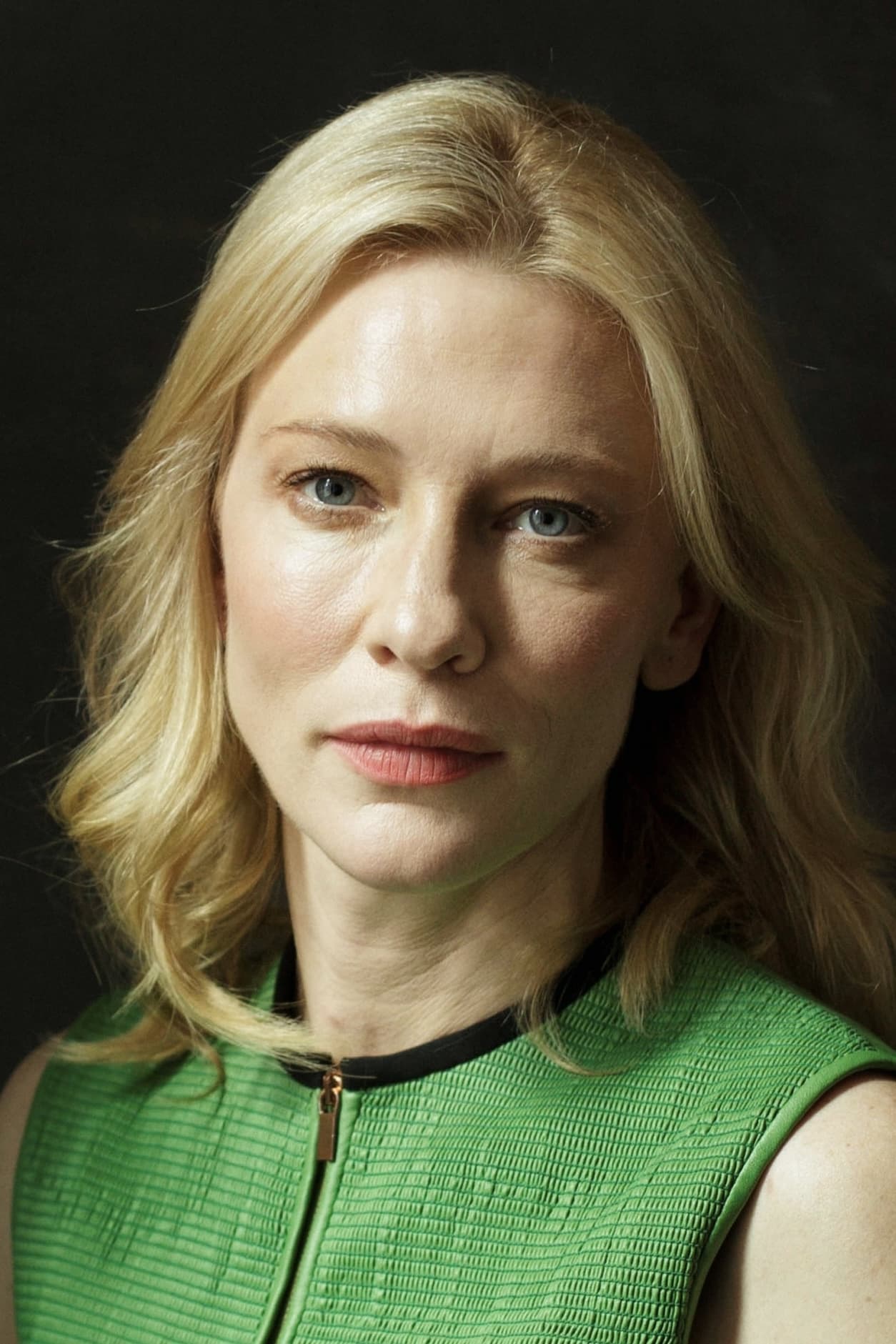
Cate Blanchett began with Australian theater and film then took on American lead roles that required agile accent work. Performances in ‘Blue Jasmine’, ‘Carol’, and ‘TÁR’ placed her voice in a U.S. register for extended productions and award season campaigns.
Because she alternates between continents for stage and film, she often modulates toward a neutral sound during international press. That approach helps streamline interviews where audiences may know her primarily through American characters.
Naomi Watts
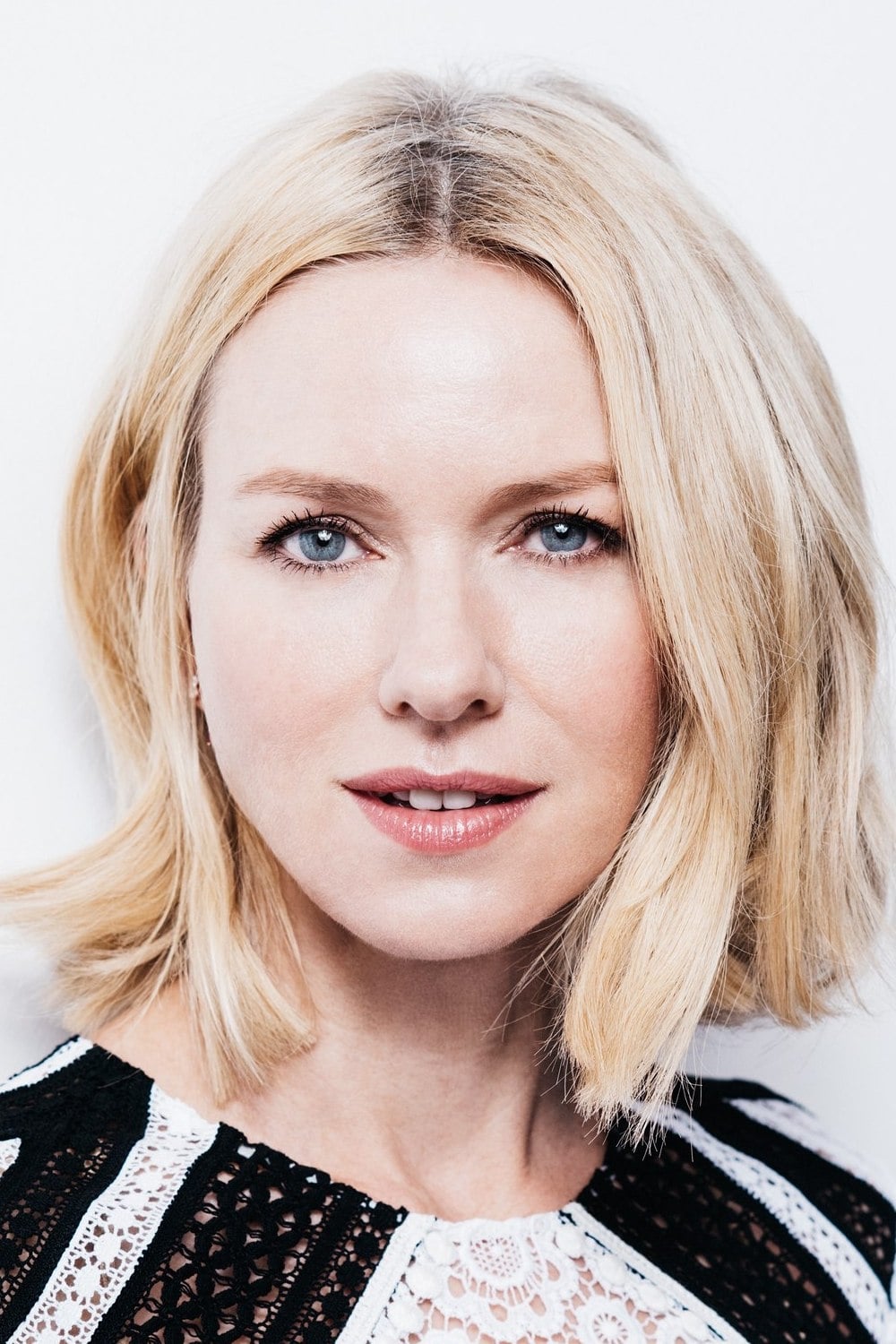
Naomi Watts moved from Sydney to Los Angeles and quickly became associated with American characters in films such as ‘Mulholland Drive’, ‘The Ring’, and ‘King Kong’. The shift brought sustained dialect coaching and long shoots in North America.
Her off camera voice often mirrors the work voice during publicity cycles, which simplifies transitions across interviews and panels. Years of U.S. based projects keep that neutral sound in regular use even when she is between roles.
Liam Hemsworth
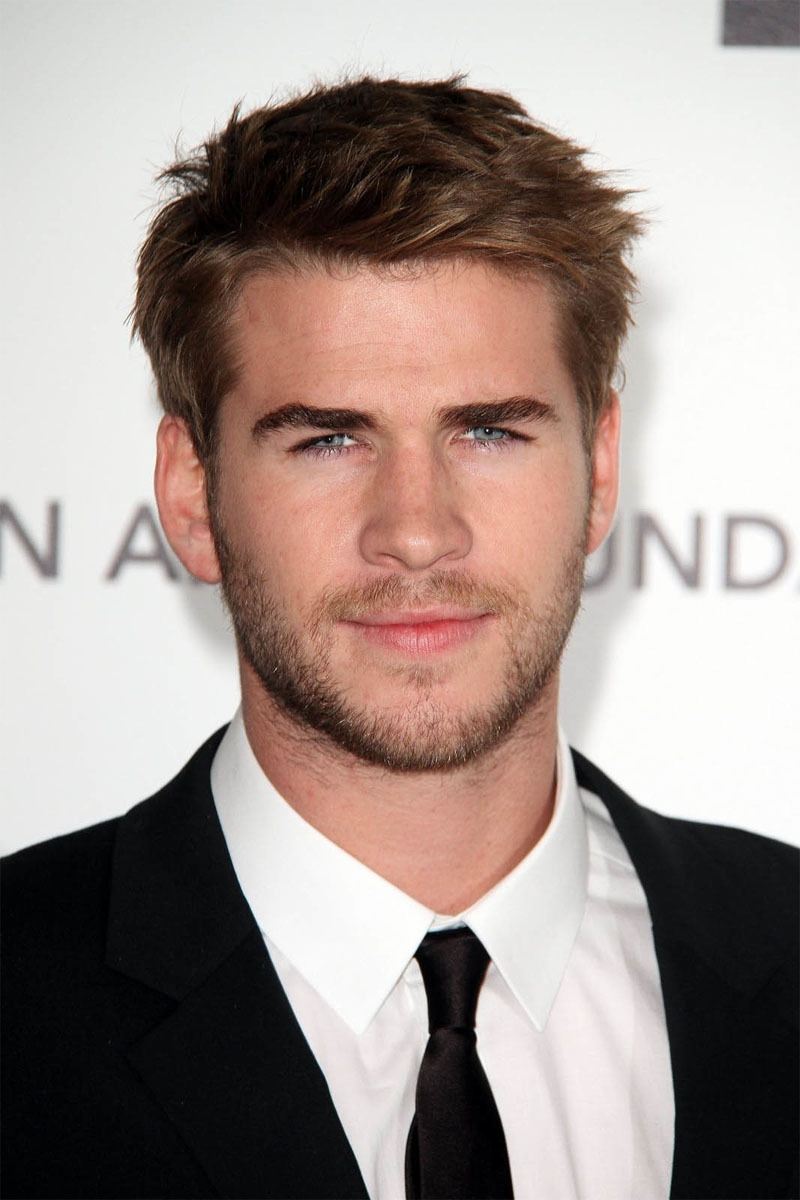
Liam Hemsworth left Melbourne for American film series work and became widely known through ‘The Hunger Games’. Many subsequent projects kept him in American roles, reinforcing the habit of speaking with a U.S. sound across set life and media.
With professional bases in Los Angeles and Atlanta during various productions, he regularly interacted with U.S. crews and outlets. That environment encouraged an off camera accent that matched his screen persona for consistency during promotion.
Rose Byrne
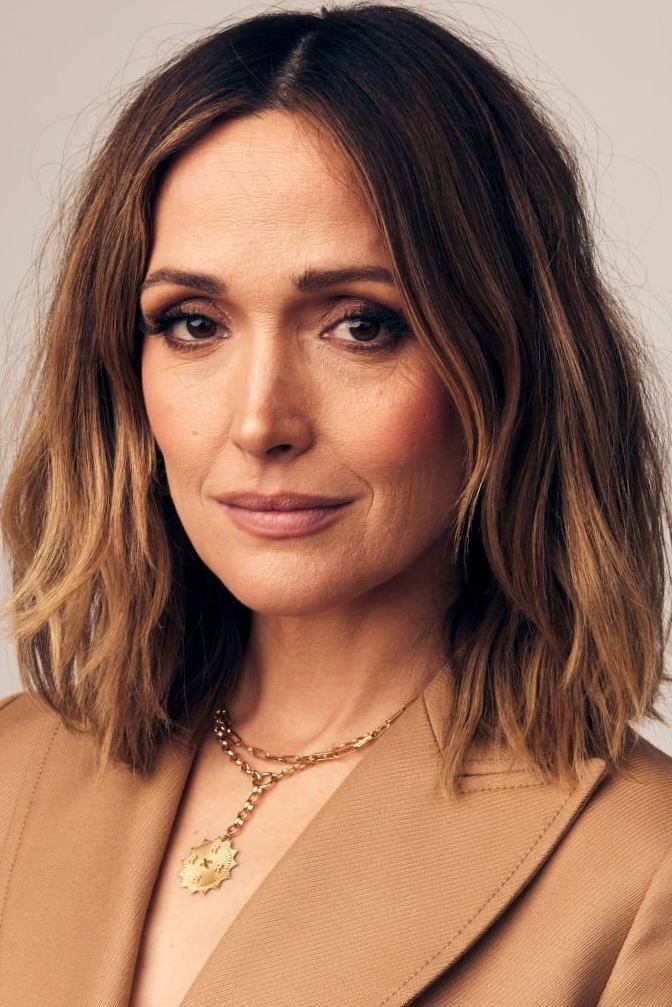
Rose Byrne established herself in Australia then moved into U.S. television and film with ‘Damages’, ‘Bridesmaids’, and ‘Physical’. Those projects relied on American cadence and rhythm across multiple seasons and tours.
Because she has spent long stretches filming and promoting in New York and Los Angeles, her conversational voice often leans American during press. The continuity reduces switching fatigue between interviews and roles that share similar dialect work.
Yvonne Strahovski

Yvonne Strahovski broke through in the United States with ‘Chuck’ and later with ‘The Handmaid’s Tale’, both of which anchored her in American and North American accents for years. The long form nature of television meant daily reinforcement of that sound.
During media appearances tied to those series she frequently kept the same voice off camera for clarity with U.S. audiences. That habit also helps maintain character readiness across tight production schedules and back to back seasons.
Simon Baker
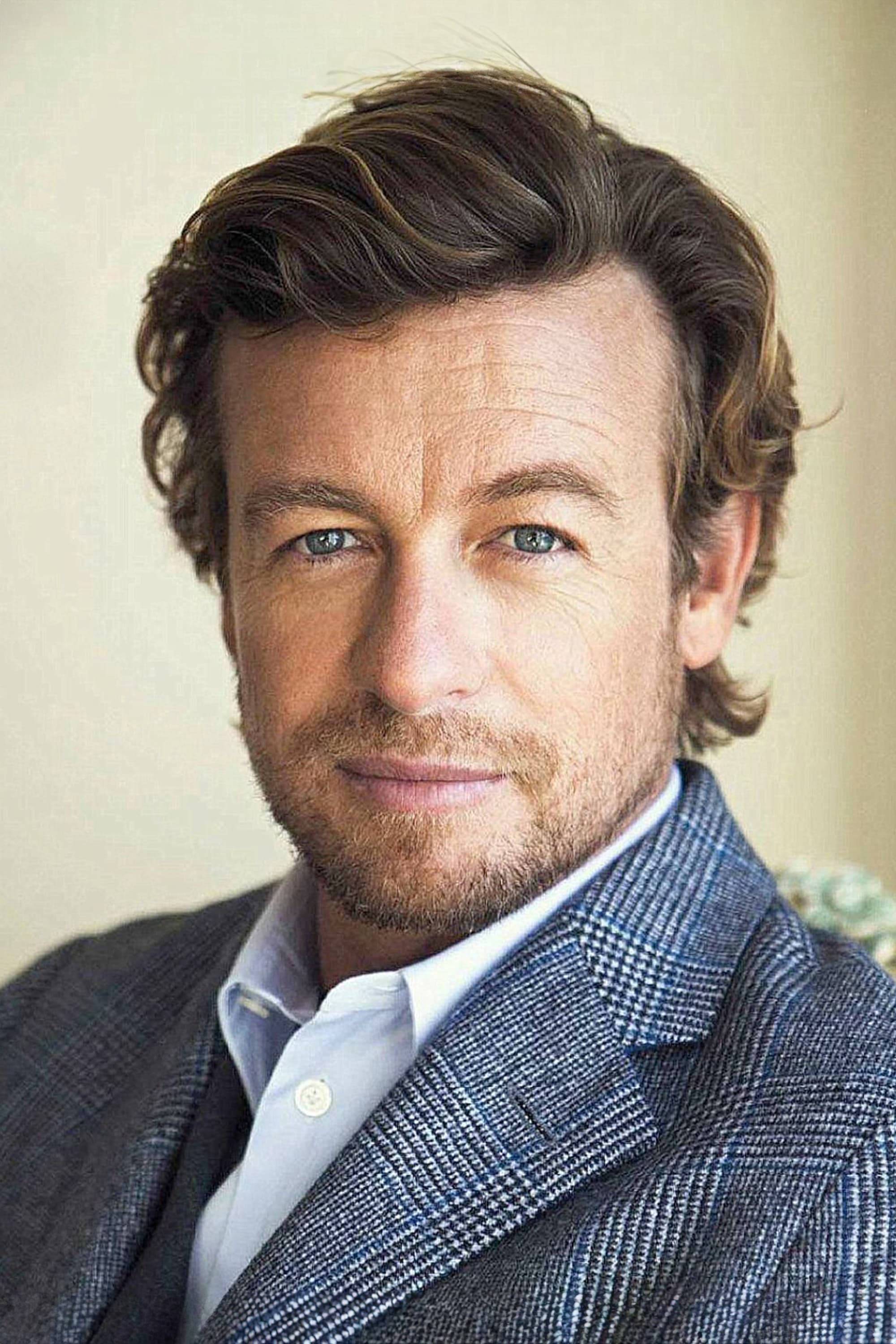
Simon Baker built a U.S. television following with ‘The Guardian’ and ‘The Mentalist’, shows that required an American tone across hundreds of episodes. That workload embedded the accent into his working routine.
While doing press throughout North America he often retained that neutral sound in conversations and interviews. It provided a steady link between his character work and public appearances during the peak years of those series.
Poppy Montgomery
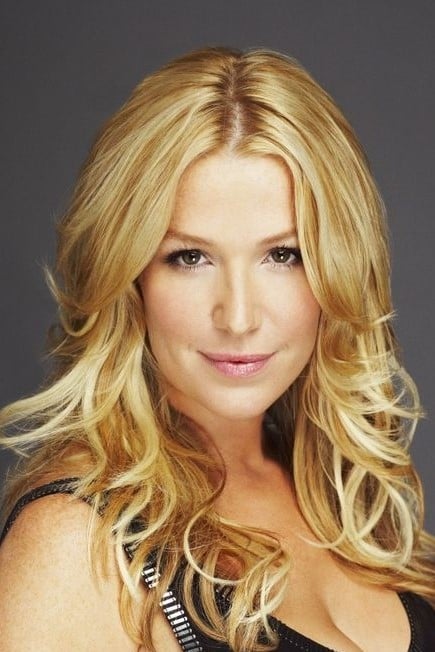
Poppy Montgomery moved from Sydney to Los Angeles and spent much of her career in American network dramas. Leads in ‘Without a Trace’ and ‘Unforgettable’ required a consistent U.S. accent across long runs and nationwide promotion.
Because her projects kept her in the American television system for years, she often spoke with the same accent off camera. That practice streamlined media days and table reads while keeping vocal habits aligned with the roles.
Sam Worthington
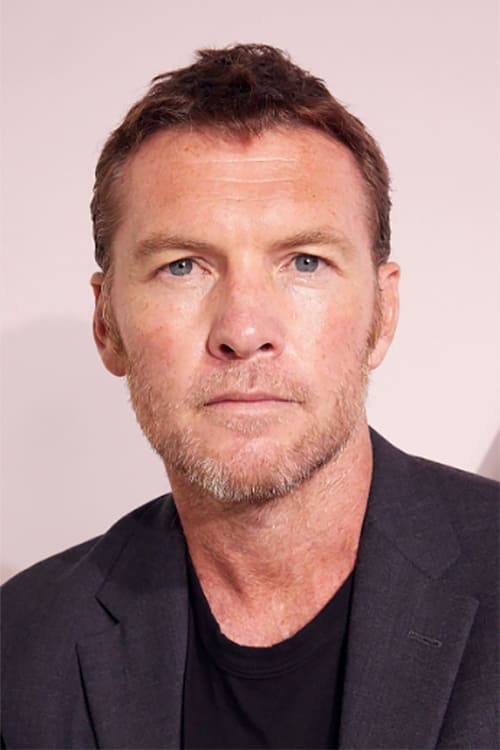
Sam Worthington shifted from Australian films to American blockbusters and franchise work. His roles in ‘Avatar’ and ‘Terminator Salvation’ were filmed and publicized largely in the United States, reinforcing an American delivery.
Press tours for those releases and later installments kept him in front of U.S. outlets for extended periods. During that time he often maintained the on screen accent off camera to match the global image built through those films.
Teresa Palmer

Teresa Palmer relocated from Adelaide to Los Angeles and quickly took on American leads in ‘Warm Bodies’, ‘Lights Out’, and ‘Hacksaw Ridge’. Regular dialect work supported a steady American voice on and off set.
Her career has involved frequent U.S. based shoots and press days that benefit from accent consistency. In interviews she often keeps the American sound that audiences associate with her films, which reduces switching as she moves between projects.
Jai Courtney
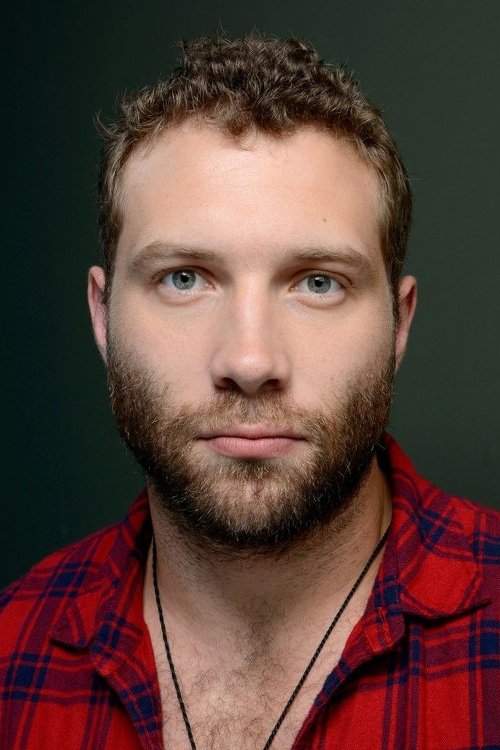
Jai Courtney moved from Australian television into American action franchises that required a firm U.S. tone. Appearances in ‘Divergent’, ‘A Good Day to Die Hard’, and ‘Suicide Squad’ established him with American speaking roles.
While promoting those films he often stuck with the same accent during junkets and late night appearances. The choice helped maintain character continuity across closely spaced release windows and overlapping production schedules.
Dacre Montgomery
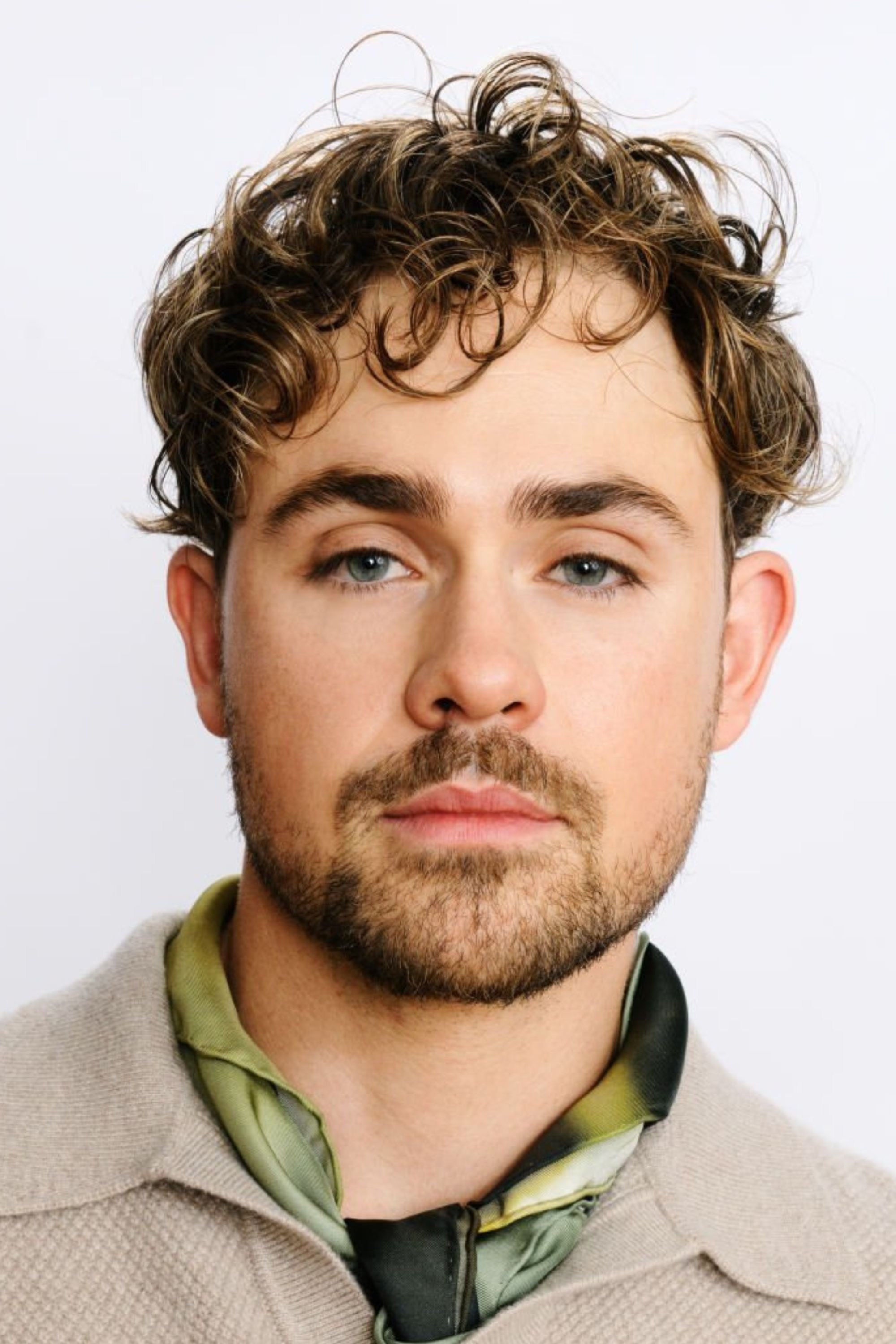
Dacre Montgomery became widely known through ‘Stranger Things’, which rooted him in an American accent during long episodic shoots. His role demanded consistent dialect control across seasons and press events.
Because the show’s promotion centered on U.S. media, he spent extensive time doing interviews stateside. Off camera conversations during those periods often reflected the same American sound to keep interactions seamless.
Phoebe Tonkin
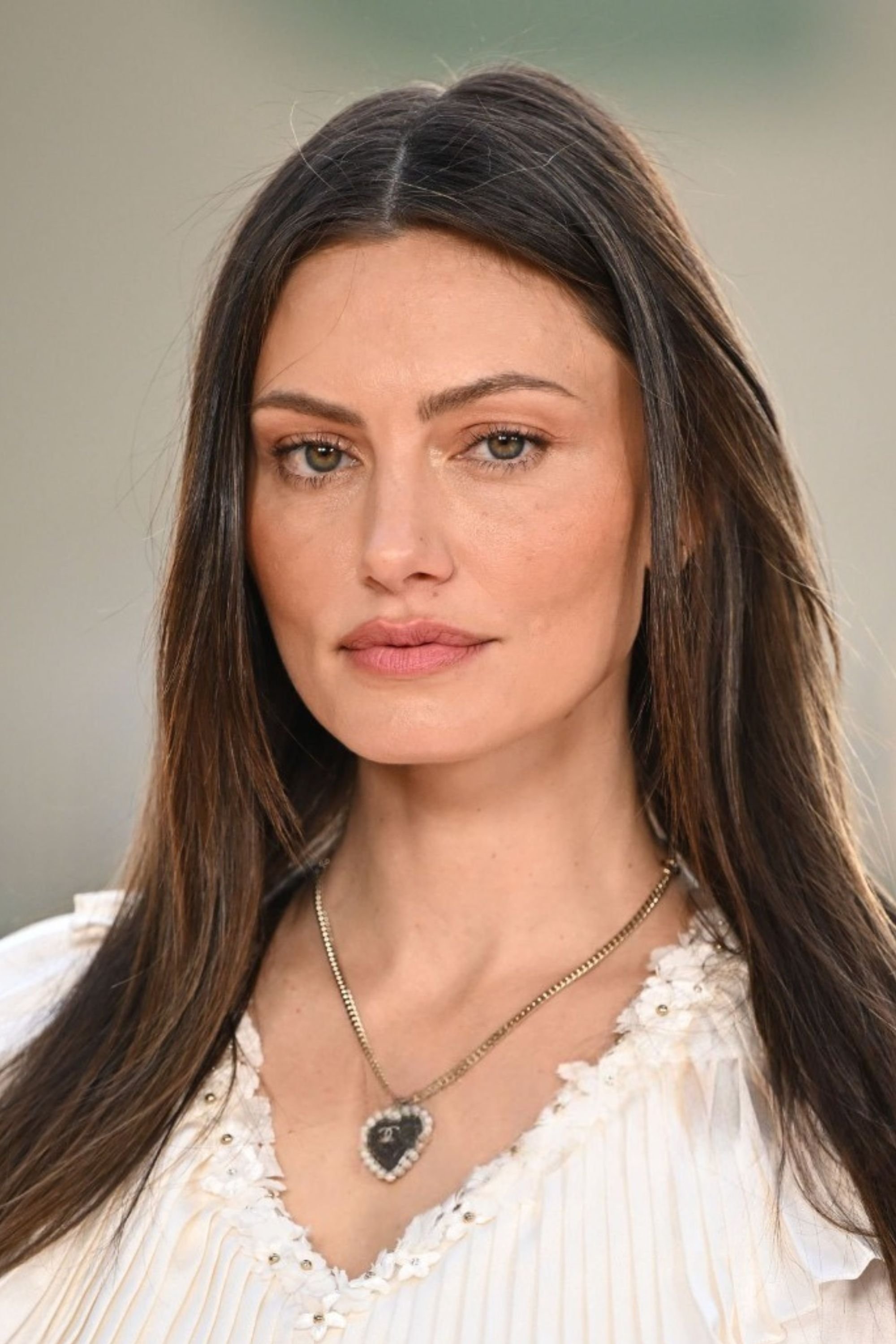
Phoebe Tonkin transitioned from Australian series to American supernatural shows with ‘The Vampire Diaries’ and ‘The Originals’. Those productions called for sustained American speech across years of filming.
She frequently participated in U.S. conventions and press where fans expected that familiar voice. Retaining the American accent off camera in those settings kept her presentation aligned with her on screen characters.
Eliza Taylor
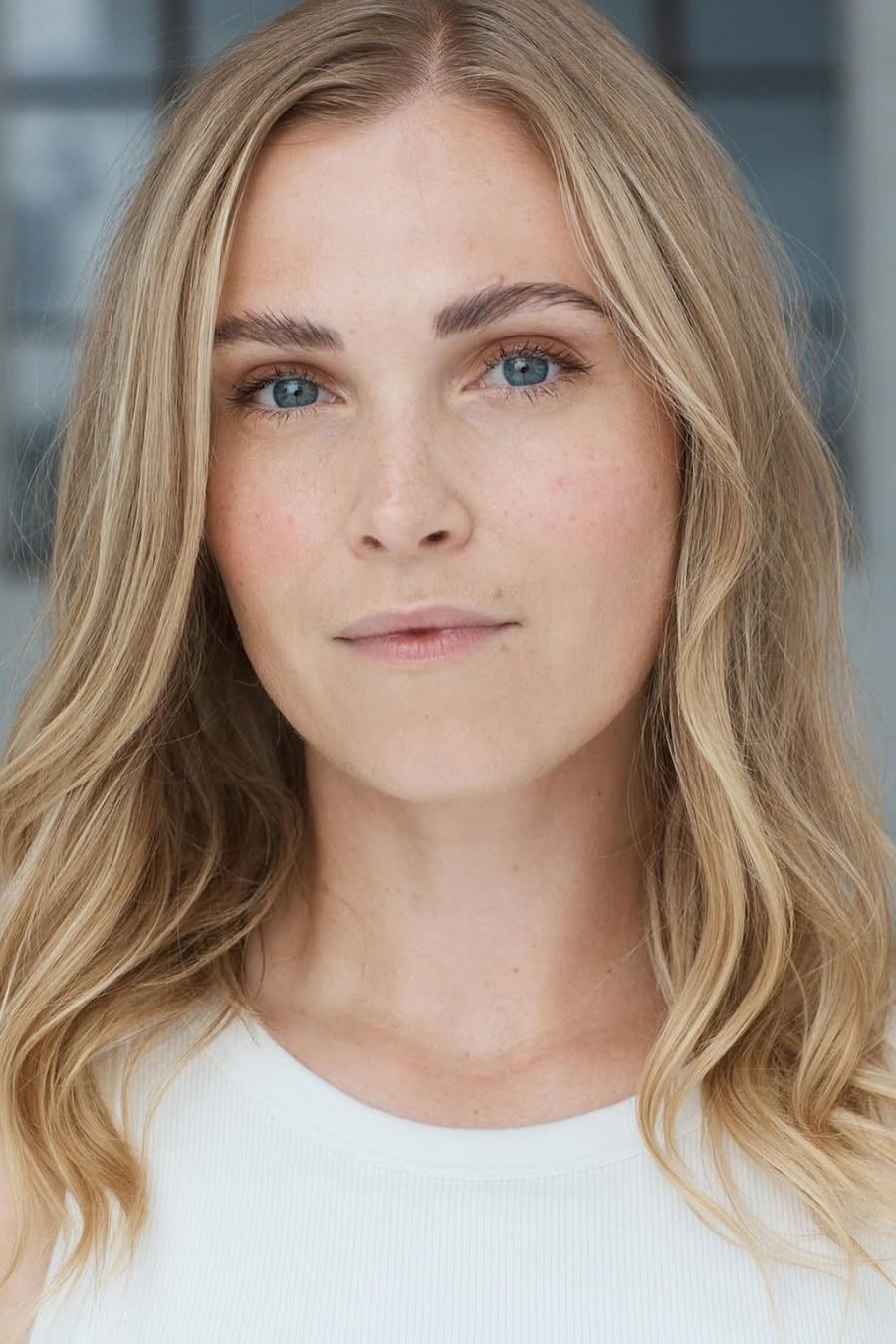
Eliza Taylor moved from Australian soaps to a U.S. lead in ‘The 100’, which required a clear American accent through multiple seasons. Daily scene work and episode turnover kept that dialect active.
During interviews and fan events related to the series she often continued with the same sound. The habit minimized switching and supported long promotional days tied to a popular U.S. network show.
Emilie de Ravin
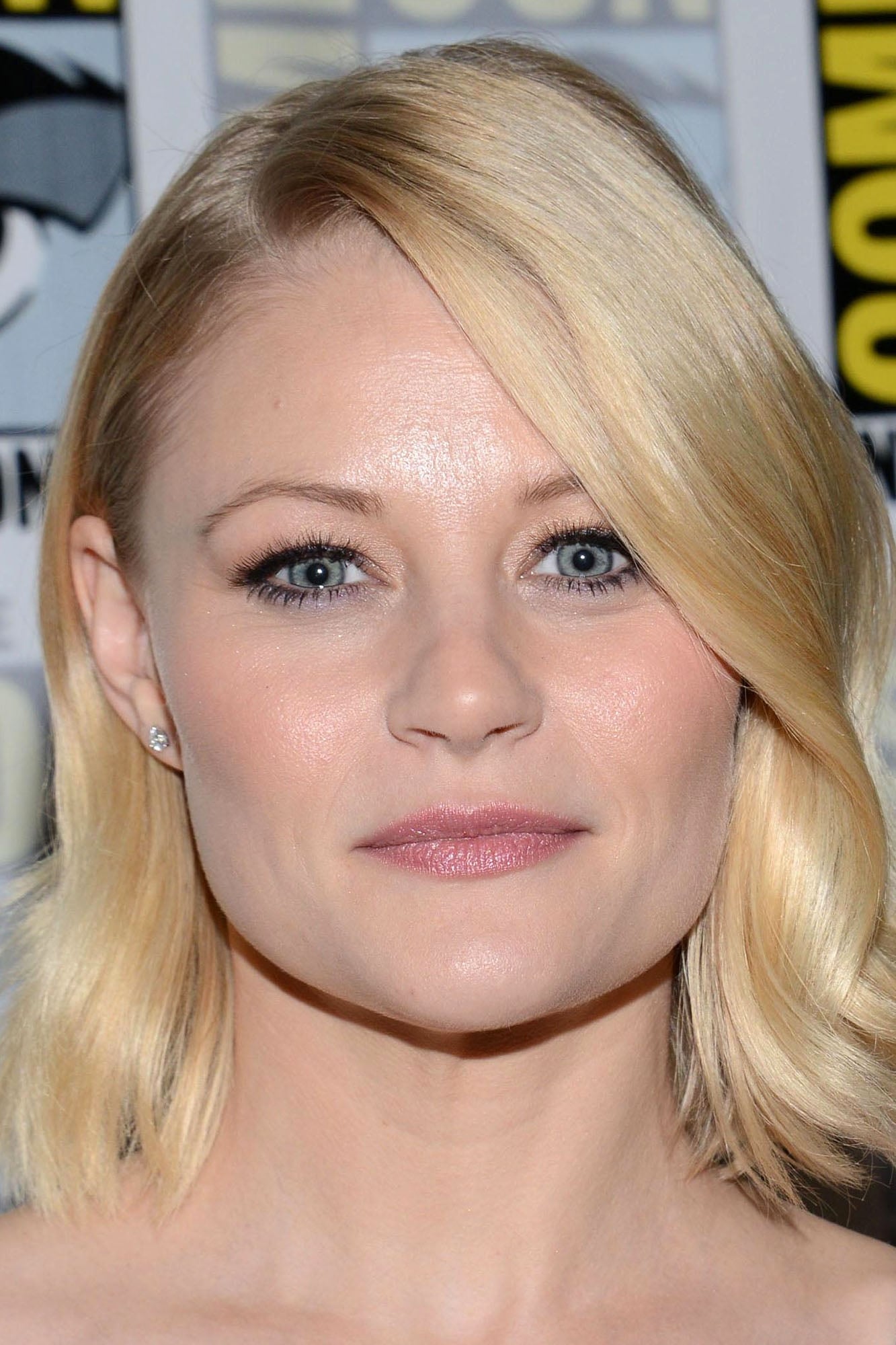
Emilie de Ravin found American audiences with ‘Roswell’ and cemented that presence with ‘Lost’ and ‘Once Upon a Time’. Those roles regularly used an American delivery and kept her working in North America for extended stretches.
Press commitments for network television made a neutral off camera voice useful during back to back interviews. Maintaining the American sound between set and media helped preserve vocal continuity through long production cycles.
Toni Collette
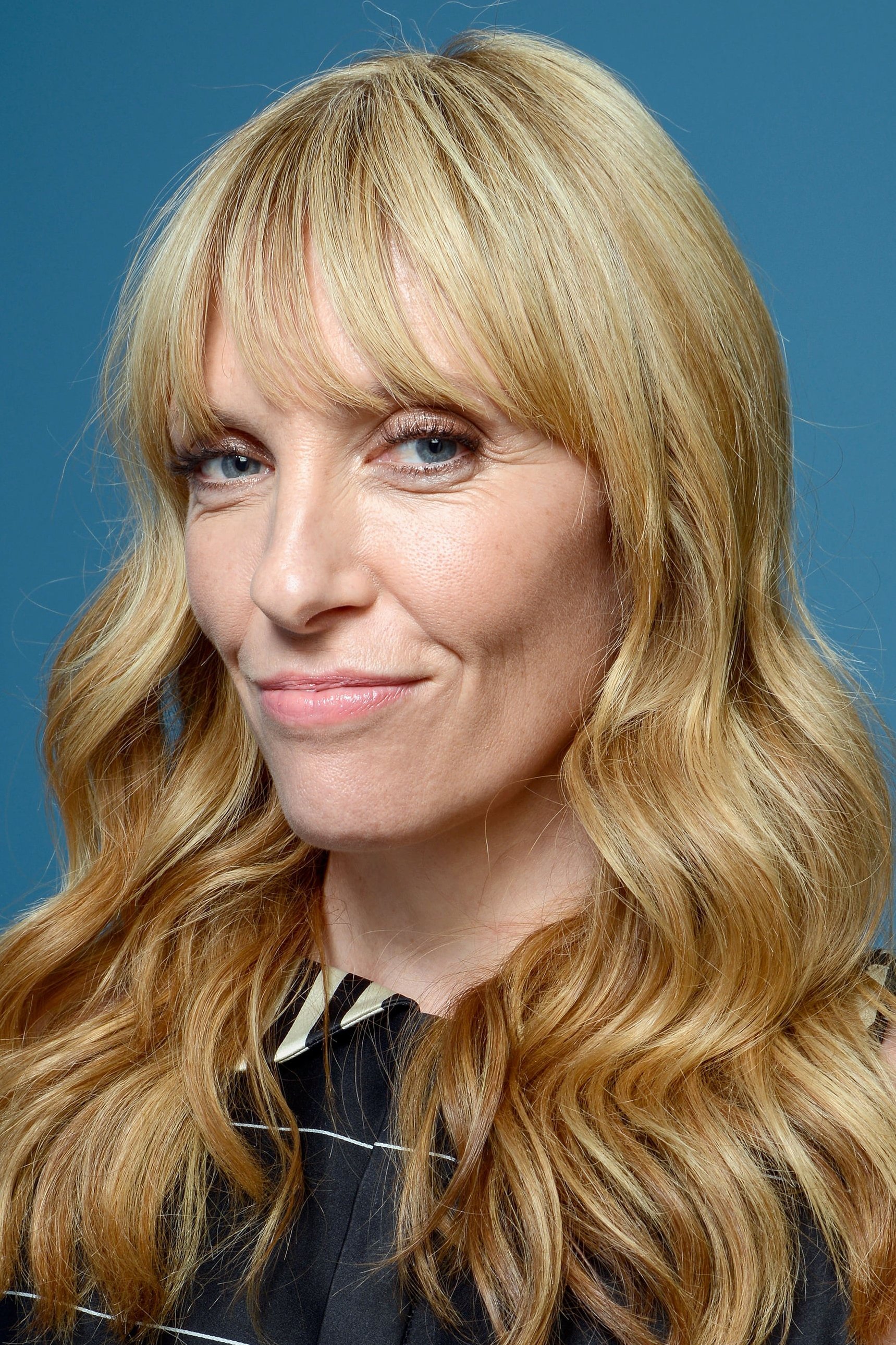
Toni Collette has alternated across continents while playing American characters in projects like ‘United States of Tara’, ‘Little Miss Sunshine’, and ‘Hereditary’. Long shoots and awards campaigns kept her immersed in U.S. speech patterns.
When doing international press she often settles into a neutral or American tone that matches the roles being discussed. That approach reduces accent switching as she navigates interviews in quick succession.
Sarah Snook
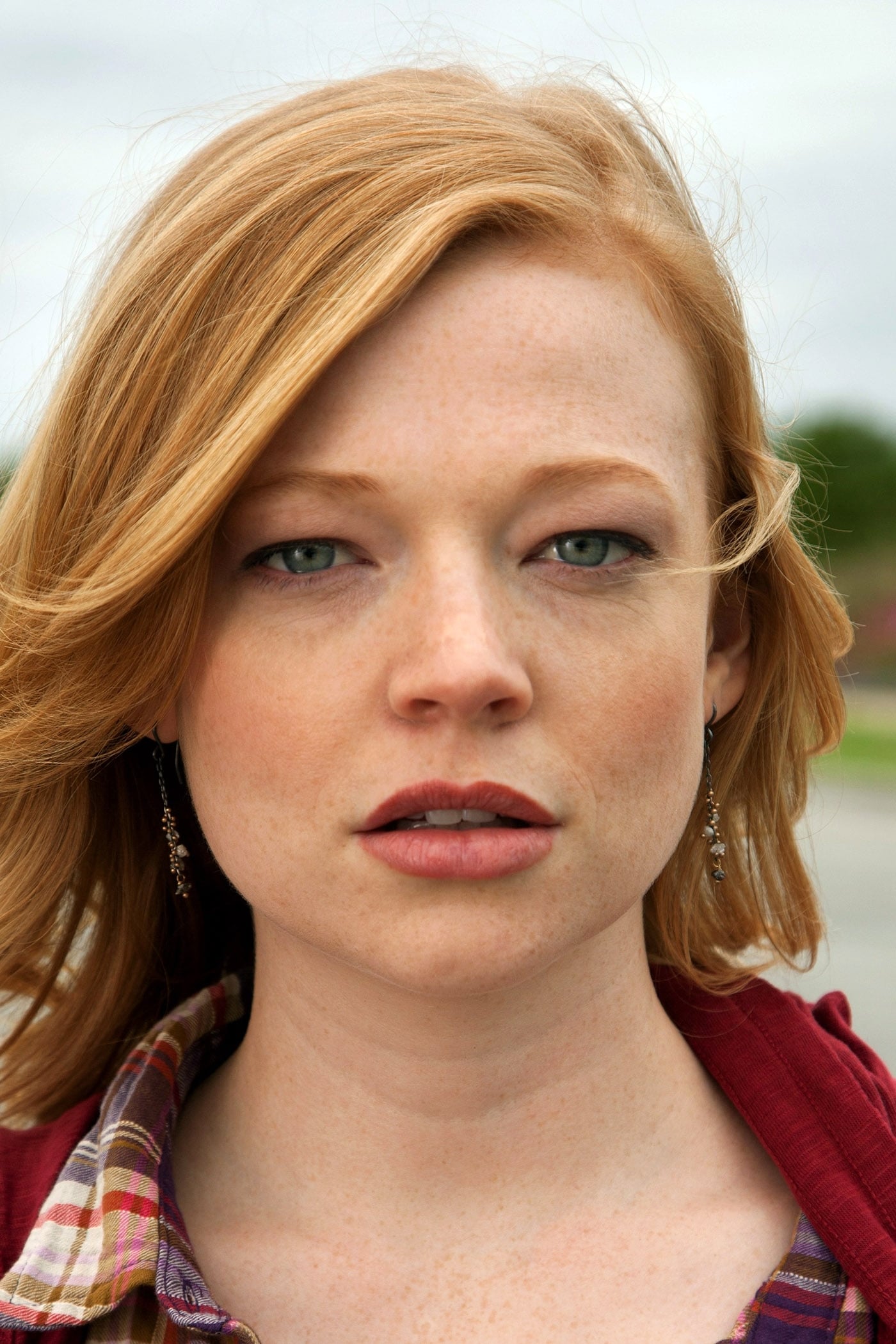
Sarah Snook worked extensively in Australia before ‘Succession’ placed her in an American register for several seasons. The role involved meticulous dialect attention during principal photography and throughout year round promotion.
Her media schedule for the series leaned heavily toward U.S. outlets. Off camera conversations around those events often reflected the American sound established for the character, which simplified interviews and panel discussions.
Jacob Elordi
2021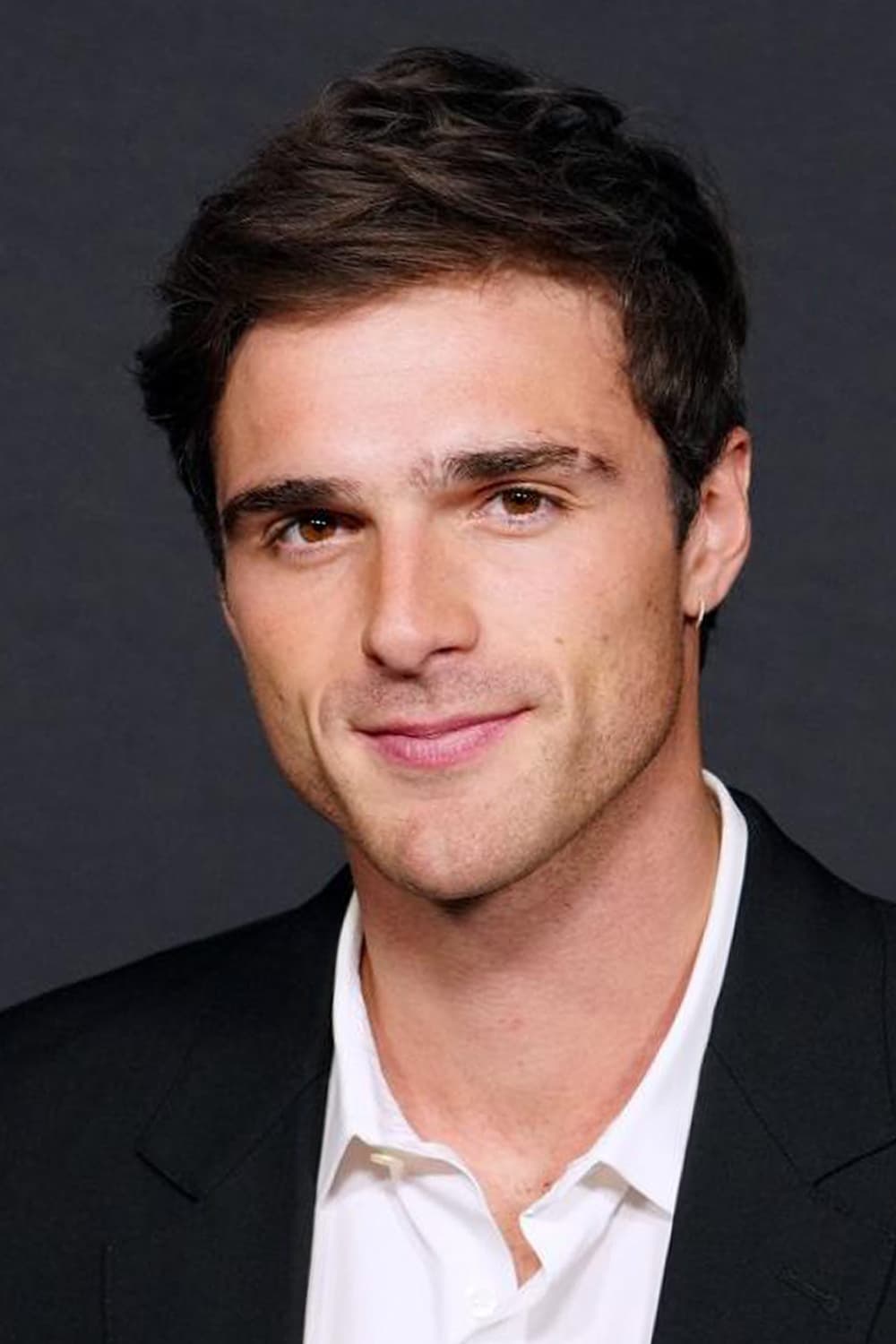
Jacob Elordi gained U.S. recognition through ‘The Kissing Booth’ and then ‘Euphoria’, both of which required an American accent. Consecutive projects in North America reinforced that speech pattern across filming and promotional appearances.
Press tours and talk shows in the United States kept him in close contact with American audiences. During those periods he often maintained the same voice off camera to keep interactions consistent with his on screen work.
Share which Australian star surprised you most and tell us where you first noticed the switch in the comments.