Movie Characters Who Are Practically Unkillable



Some movie characters take a beating and keep coming back. They regenerate from wounds, shrug off explosions, or return from the dead with a creepy smile. These figures are built to survive long enough to haunt the next sequel, and the films give plenty of in-world reasons for how they endure everything thrown their way.
This list gathers characters whose stories make survival part of their identity. You will see supernatural beings, comic book powerhouses, and slasher icons who always find a way to rise again. Each entry focuses on what the movies show about their resilience and the few methods that have ever slowed them down.
Wolverine

Wolverine carries an adamantium skeleton and a mutant healing factor that closes gunshot wounds and slashes in seconds. Films such as ‘X2’ and ‘The Wolverine’ show him walking through gunfire and coming back from near total system failure after poisoning or massive trauma. His claws also cut through most materials, which helps him end fights before they get dangerous.
He is not invincible, and the films explain how his metal-laced body can be targeted. ‘Logan’ details the effect of toxins and degradation on his healing, and magnetic manipulation has pinned or restrained him in other stories. Even then, standard weapons almost never finish him.
Deadpool

Deadpool’s accelerated healing repairs organs and reattaches limbs with absurd speed. ‘Deadpool’ and ‘Deadpool 2’ present injuries that would kill ordinary people, including impalement and full body shots, followed by recovery that plays out on screen. He also resists toxins and diseases thanks to the same altered physiology.
The films outline limits and control points for his survival. A power-dampening collar shuts down regeneration, and suffocation or decapitation without reattachment creates real jeopardy. When the collar comes off, he returns to baseline and heals again.
The Hulk
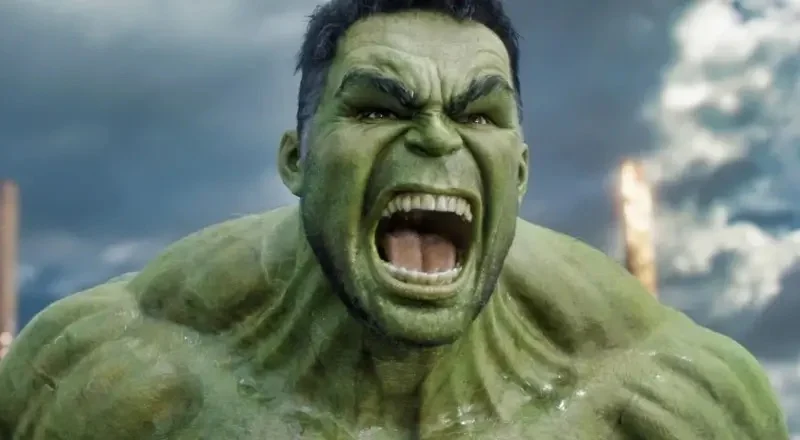
When Bruce Banner transforms, the Hulk’s body expands, muscles fortify, and cellular regeneration skyrockets. In ‘The Avengers’ he drops from extreme heights and rises without lasting harm, and he absorbs blunt force that craters metal and stone. The heightened metabolism and adrenaline response only make him tougher as fights escalate.
Movies also point to practical constraints. Calming techniques or sedation can force a reversion to Banner, which lowers defenses. Exotic energy weapons and mind control have disrupted him, but once rage returns, the durability resets to full strength.
Superman
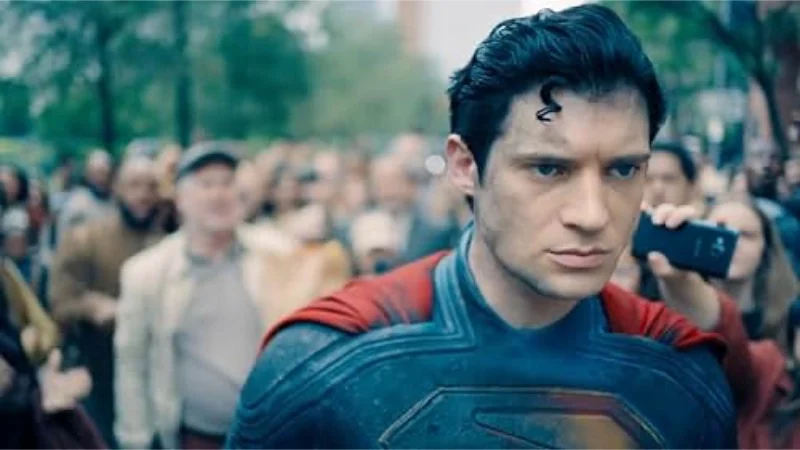
Superman draws power from Earth’s yellow sun, which fuels his invulnerability, flight, and strength. ‘Man of Steel’ showcases resistance to artillery, fire, and impacts that level buildings, and he continues fighting in extreme environments without oxygen. His biology stores solar energy, which keeps him going even when he is not in direct sunlight.
The films also map out vulnerabilities. Kryptonite radiation weakens and can pierce him, and the atmosphere of his home world reduces his powers. Redirection of sunlight or prolonged exposure to kryptonite are among the only tactics that have ever put him down for long.
Thor
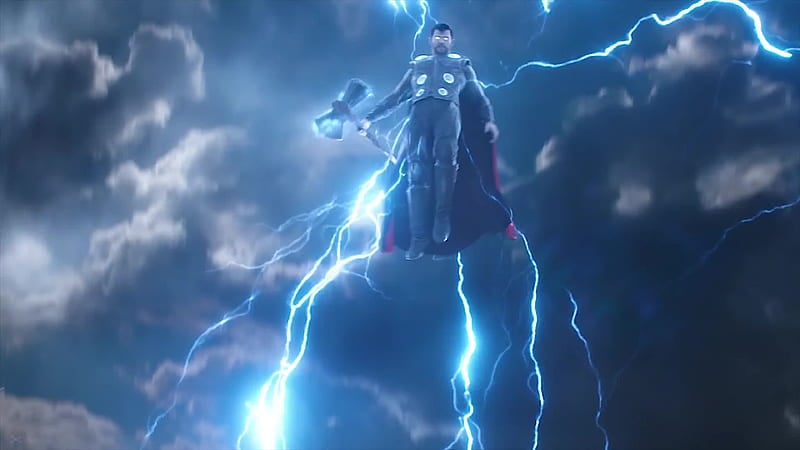
Thor’s status as an Asgardian gives him long life, rapid recovery, and resilience to energy blasts and blades. In ‘Thor Ragnarok’ he endures falls from vast heights and lightning strikes that charge rather than harm him. He wields enchanted weapons that channel power and help deflect or absorb attacks.
The movies show that magic and cosmic artifacts can still hurt him. Confinement fields, curses, and opponents who drain energy have created setbacks. Even so, once he calls lightning and regains his weapon, his stamina and durability climb again.
Godzilla
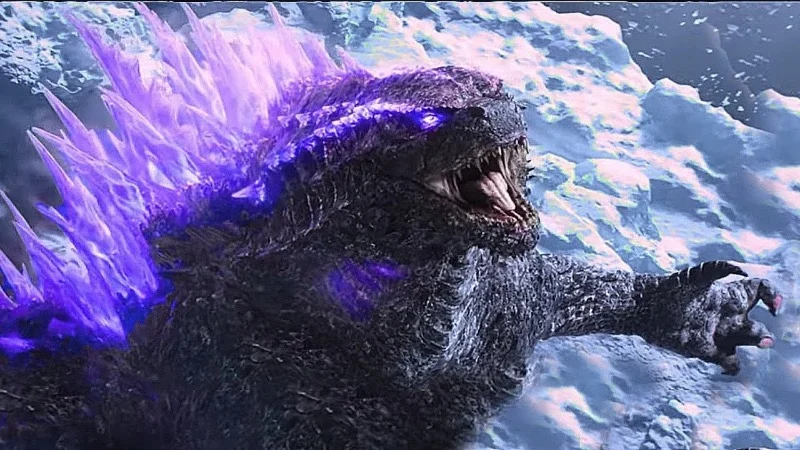
Godzilla’s gigantic frame and regenerative biology let him tank missiles, depth charges, and city-level blasts. Films like ‘Godzilla’ and ‘Godzilla Minus One’ depict rapid tissue recovery and a radiation-based metabolism that doubles as a weapon. Amphibious respiration and thick dermal armor add layers of protection against conventional fire.
Specialized tactics pose a threat but rarely finish the job. Oxygen destroyer devices, coordinated monster assaults, or controlled energy overloads can stagger him. After exposure to radiation sources, he recharges and returns to fighting condition.
The Liquid Metal Terminator
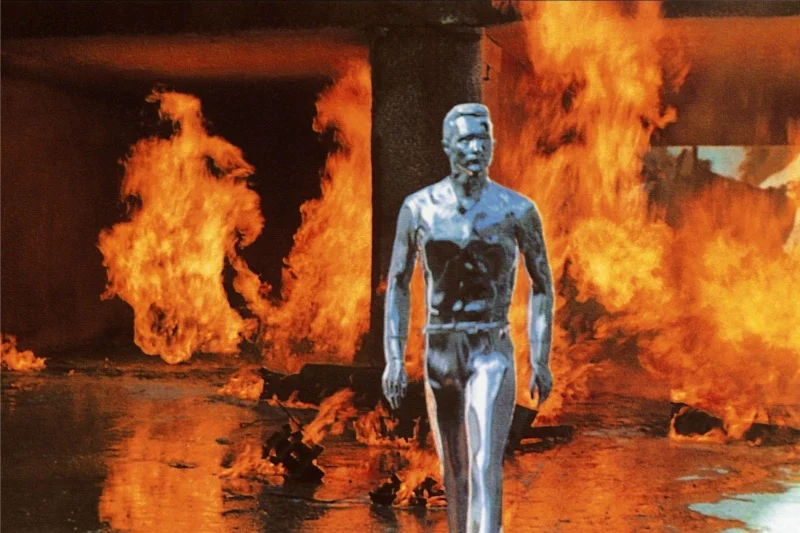
The liquid metal assassin in ‘Terminator 2 Judgment Day’ reforms after being shattered or melted and reshapes its body to mimic blades and surfaces. It flows through tight spaces, repairs bullet holes instantly, and reconstitutes after fragmentation. The mimicry also allows infiltration without raising alarms.
Its weakness is extreme heat or chemistry that disrupts the alloy. The film shows industrial temperatures causing structural failure and permanent destabilization. Absent that kind of environment, standard weapons only slow it for a moment before it re-forms.
Jason Voorhees

Jason returns repeatedly through a mix of resurrection and supernatural endurance. Across ‘Friday the 13th’ entries he sustains head trauma, impalement, and submersion, then rises again with no lasting impairment. Later films frame him as undead, which explains stamina beyond human limits.
Containment and ritual are among the few ways the movies curb him. Dismemberment, binding, or mystical intervention have stopped his rampages for a time. Physical attacks alone rarely keep him down, and water traps only delay the next return.
Michael Myers
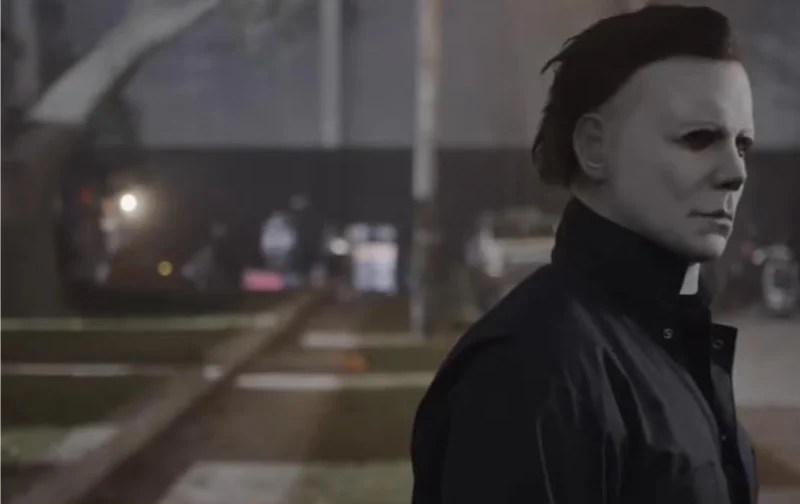
Michael Myers survives gunshots, stabbings, and falls that would end most characters. ‘Halloween’ films present him walking through wounds with steady breathing and relentless pursuit. His endurance functions without visible reliance on food, rest, or medical care within the story timeline.
Temporary defeats come through coordinated attacks and heavy restraint. Fire, multiple shooters, or crushing force have halted him at the end of entries. The next film often reveals an escape route or overlooked survival detail that explains how he endured.
Freddy Krueger
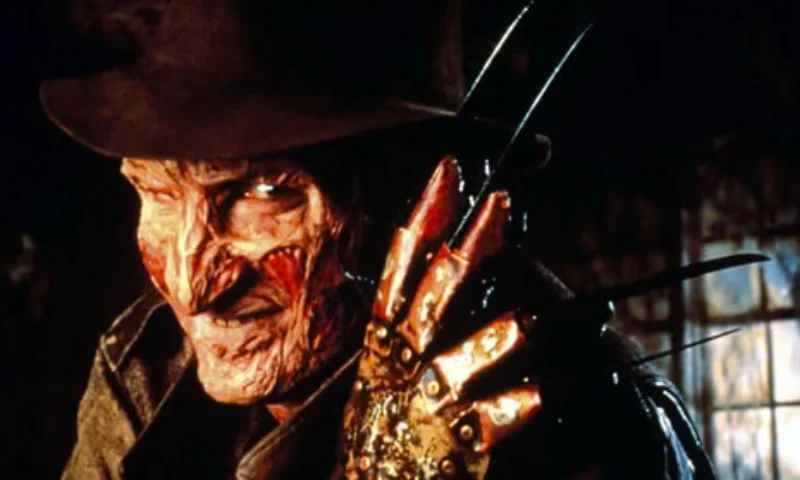
Freddy operates in dreams where physical laws do not apply. In ‘A Nightmare on Elm Street’ he returns whenever fear restores his influence, and injuries in the dream can transfer to the real world. His survival hinges on memory and belief, which let him access victims across town lines.
The films also show methods to weaken or trap him. Pulling him into waking life reduces his power and exposes him to fire and blunt force. Community efforts to deny his legend starve him of attention, yet a single renewed memory can restore his reach.
Pennywise
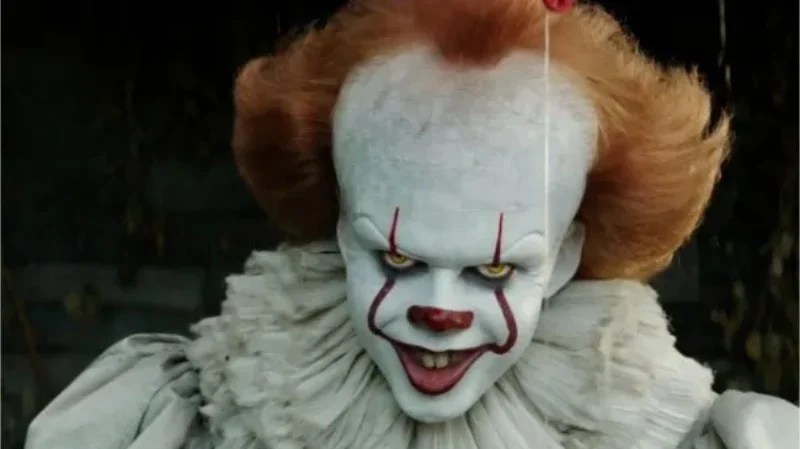
Pennywise is a shape-shifting entity that feeds on fear before it feeds on flesh. ‘It’ and ‘It Chapter Two’ show it healing after severe injury and changing form to bypass defenses. It hides in sewers and old structures where it can manipulate space to confuse prey.
The Losers Club demonstrates that courage and unity reduce its power. Ritual attempts and direct confrontation during its vulnerable feeding cycle force it into retreat. When the cycle restarts, it re-emerges unless the group destroys its core form.
The Thing
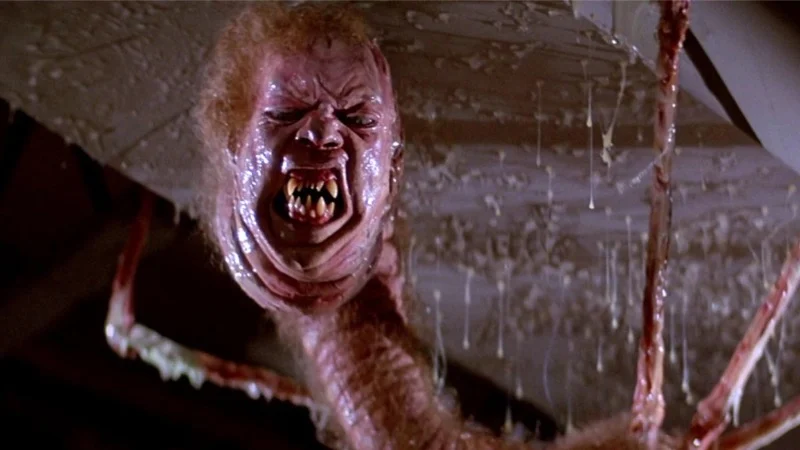
The alien in ‘The Thing’ replicates living organisms at the cellular level. It survives by splitting, hiding, and assimilating hosts, which lets it endure firepower by distributing itself. Blood tests in the film reveal that even a sample behaves like a separate creature that seeks survival.
High heat and isolation protocols are the main counters. Flamethrowers and explosives can destroy exposed biomass, and strict quarantine prevents spread. If any cell escapes, the threat continues because it can rebuild from a tiny fragment.
Dracula
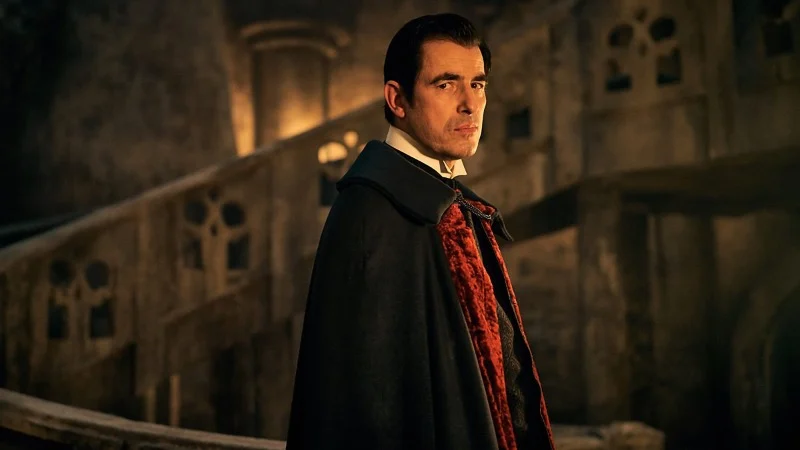
Dracula’s vampiric physiology grants rapid healing, superhuman strength, and longevity. Films such as ‘Bram Stokers Dracula’ and ‘Dracula Untold’ present recovery from stabbing and gunfire along with feats of transformation into mist or bats. Lack of heartbeat and altered blood needs make standard trauma less effective.
Traditional lore-based methods work best on him. Sunlight, stakes through the heart, decapitation, and consecrated symbols weaken or destroy him when applied correctly. Without those conditions, he heals and returns to full strength by feeding.
Imhotep
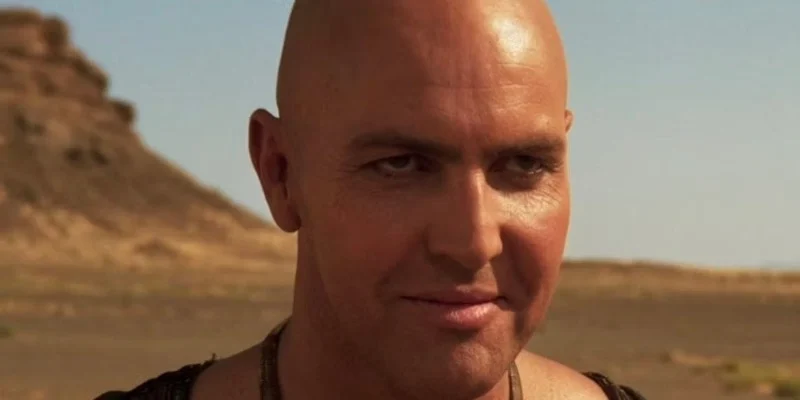
Imhotep revives through ancient rituals that restore his body from a cursed state. ‘The Mummy’ and ‘The Mummy Returns’ show him regenerating organs and summoning sandstorms that shield him from attacks. He also drains life to accelerate healing and to regain full human form.
The films give clear rules for stopping him. Removing his resources, reading the correct incantations, and using sacred artifacts strip his powers. When those tools are absent, bullets and blades barely slow his progress.
Ghost Rider
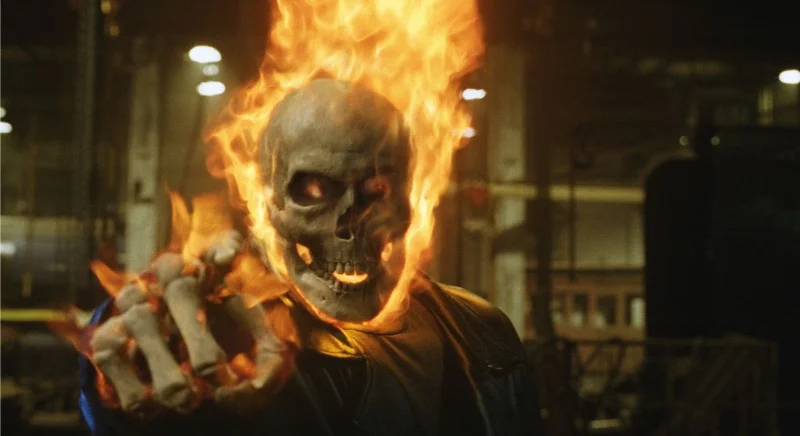
Ghost Rider is a spirit of vengeance bonded to a human host. In ‘Ghost Rider’ he transforms into a flaming skeletal form that resists bullets, blades, and explosions, and he rides a bike that crosses water and vertical surfaces without damage. His chain and Penance Stare work on supernatural foes as well as humans.
The character’s vulnerability ties to the host and to sacred or infernal rules. Daylight in human form and separation from the curse reduce durability, and higher demonic entities can restrain him. Once the transformation triggers, normal weapons do not leave lasting harm.
Share the unkillable movie characters you would add in the comments.