20 Black Performances Critics Loved but Audiences Called Overhyped


Sometimes a performance sweeps critics’ lists and awards ballots while viewers at home have a very different reaction. Hype builds, expectations soar, and a role that critics celebrate can spark a wave of online debate from regular moviegoers who felt the buzz promised something else. That gap can come from tone, pacing, or the way a story tackles tough themes, and it often shows up most clearly in comment sections and group chats where people watch without festival glow or industry context.
This list looks at standout Black performances that drew strong critical praise while parts of the audience pushed back. You will find major awards recognition in the mix, passionate critical essays, and big spotlight moments. You will also find films and shows that inspired spirited threads about whether the praise matched the viewing experience, which is a reminder that reception is never one size fits all.
Daniel Kaluuya in ‘Get Out’ (2017)
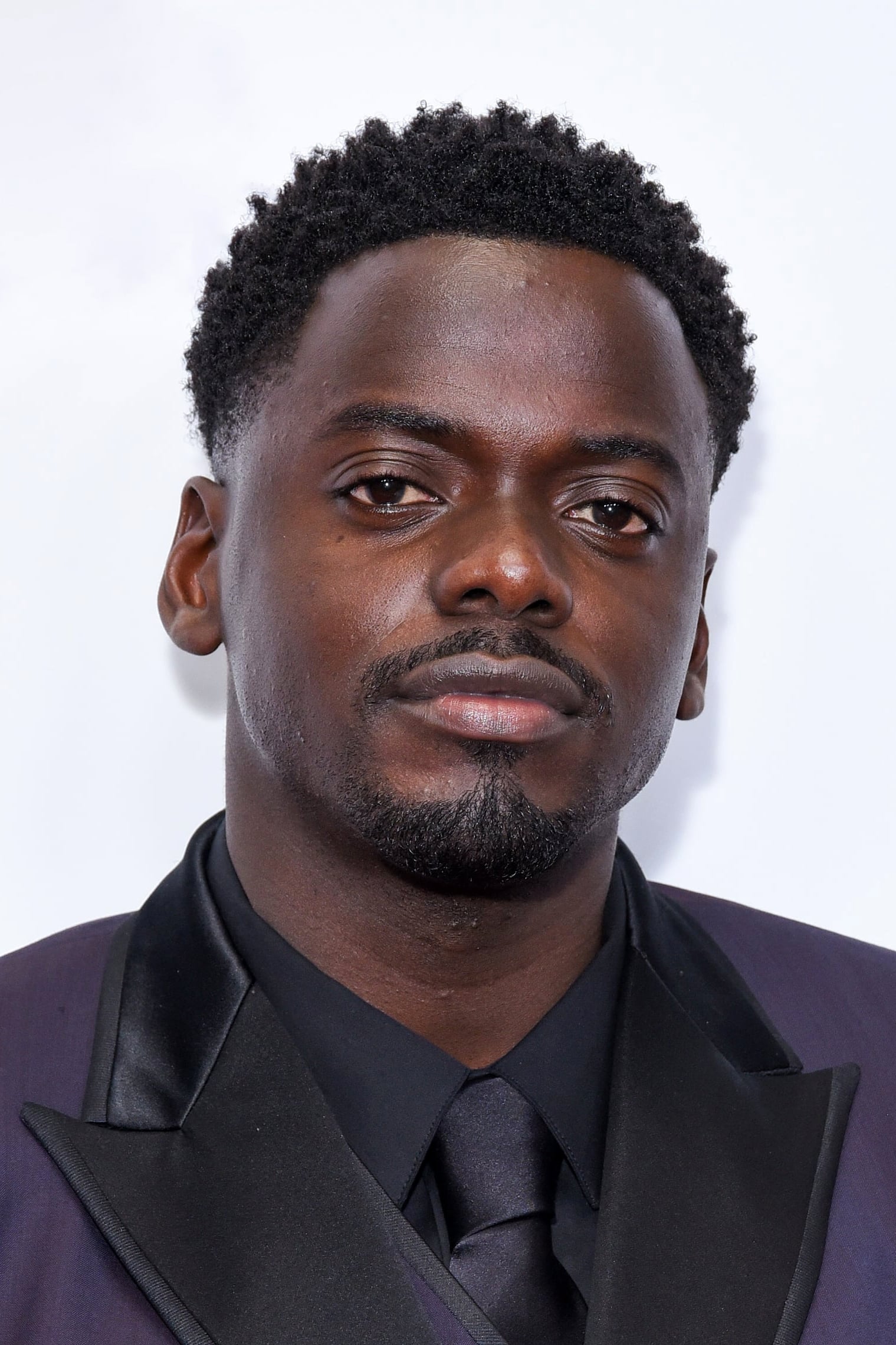
Daniel Kaluuya’s turn as Chris Washington brought him an Academy Award nomination for Best Actor and recognition from several critics groups. Reviewers singled out his quiet detail work in scenes that pivot between romance, social unease, and psychological horror, and the performance became a landmark example of a genre film leading serious awards conversations.
The audience response was enthusiastic but also split in pockets where the conversation focused on whether the acclaim was fueled by the film’s cultural moment. Viewers debated the balance of horror and satire and whether the final act met the buildup, which led some to tag the role as overhyped even as the film kept building a long life on rewatch.
Lupita Nyong’o in ‘Us’ (2019)
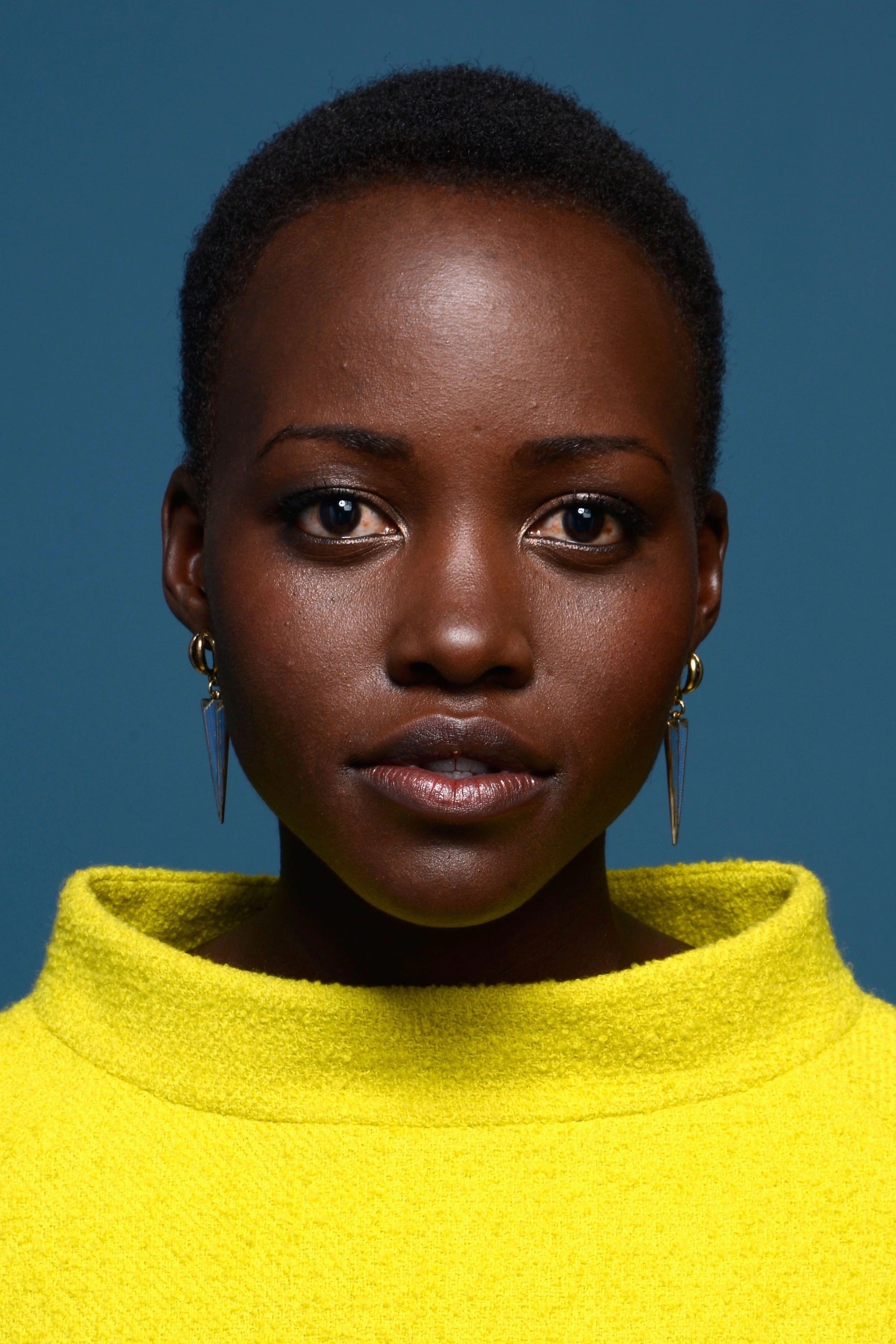
Lupita Nyong’o earned broad critical acclaim for a dual performance that demanded precise physical choices and distinct vocal work. Many outlets highlighted how her portrayal anchored a complex home invasion story while also carrying the film’s larger allegory.
A portion of the audience found the narrative puzzles more frustrating than satisfying, which spilled into debates about whether the performance’s praise was boosted by the film’s mystery box. Viewers who struggled with the ending or the rules of the world sometimes folded those concerns into the acting discussion and called the hype bigger than the payoff.
Halle Berry in ‘Monster’s Ball’ (2001)
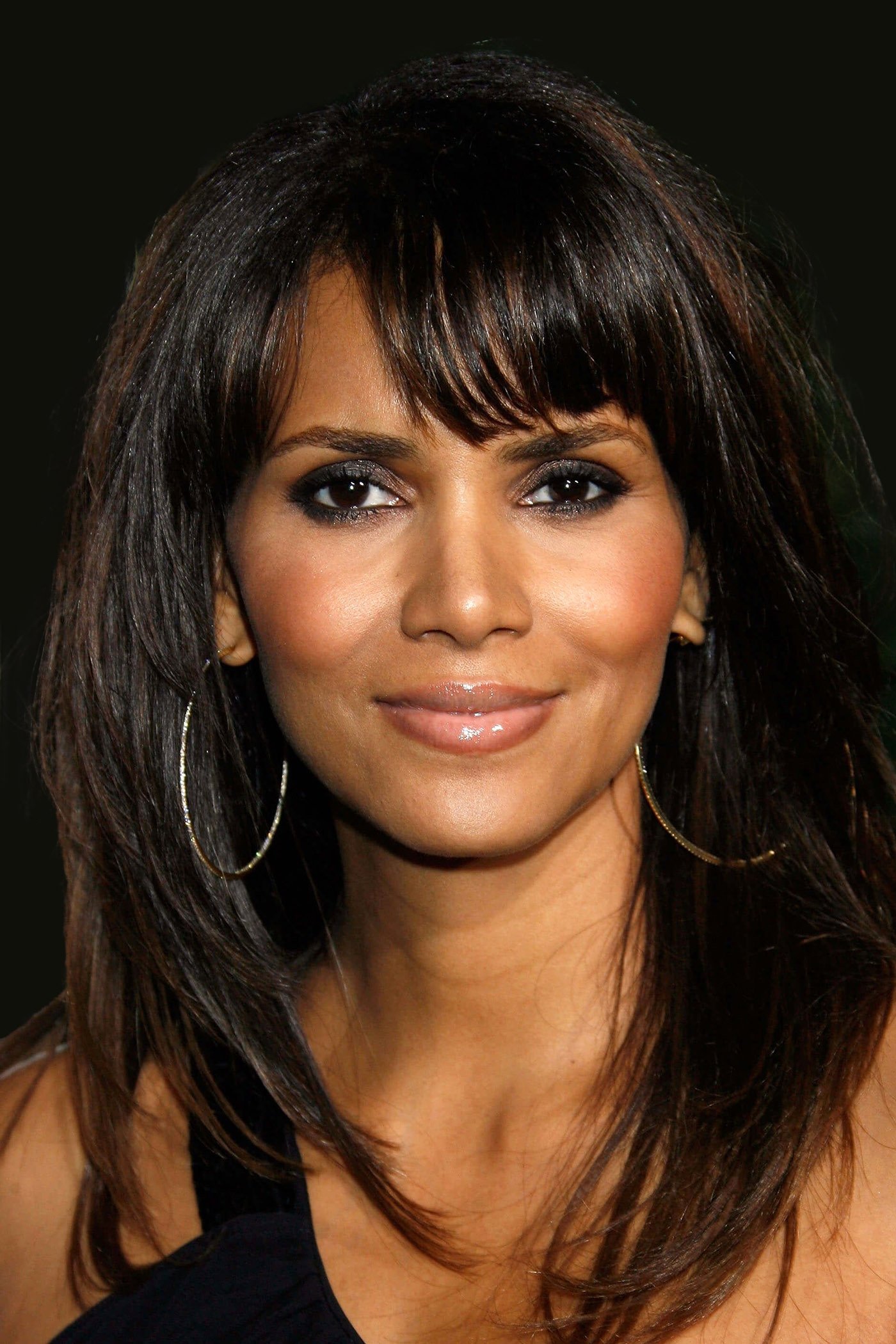
Halle Berry won the Academy Award for Best Actress and collected multiple critics honors for a performance that navigates grief, poverty, and intimacy with raw immediacy. Her work became a milestone in awards history and a frequent point of study in acting classes and retrospectives.
Some viewers argued that the surrounding story and its most graphic scenes dominated the conversation and inflated the sense of the role’s importance. The pushback often centered on how the film frames trauma, which led a segment of the audience to question whether the praise reflected the acting or the controversy that came with the film.
Will Smith in ‘King Richard’ (2021)
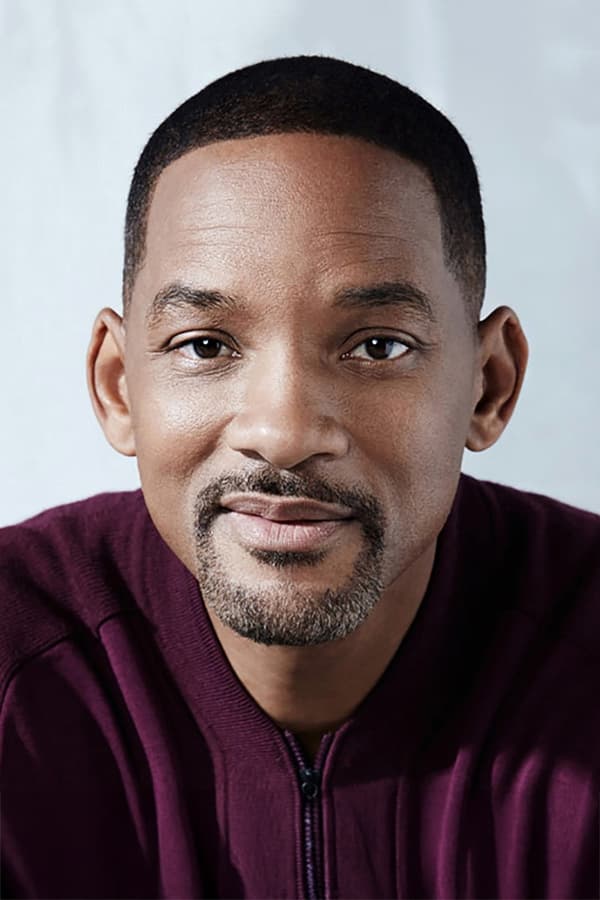
Will Smith received the Academy Award for Best Actor for portraying Richard Williams, with critics praising his vocal cadence, posture, and the way he mapped a well known public figure into a lived in family portrait. The performance also drew attention for its balance of charisma and stubbornness in scenes with coaches and parents.
Audience debate surfaced around the framing of success and who gets narrative focus in a sports biopic about tennis icons. Some viewers felt the awards momentum overshadowed the ensemble and the on court sequences, which led to claims that the buzz around the lead turn outpaced the movie that surrounded it.
Angela Bassett in ‘Black Panther: Wakanda Forever’ (2022)
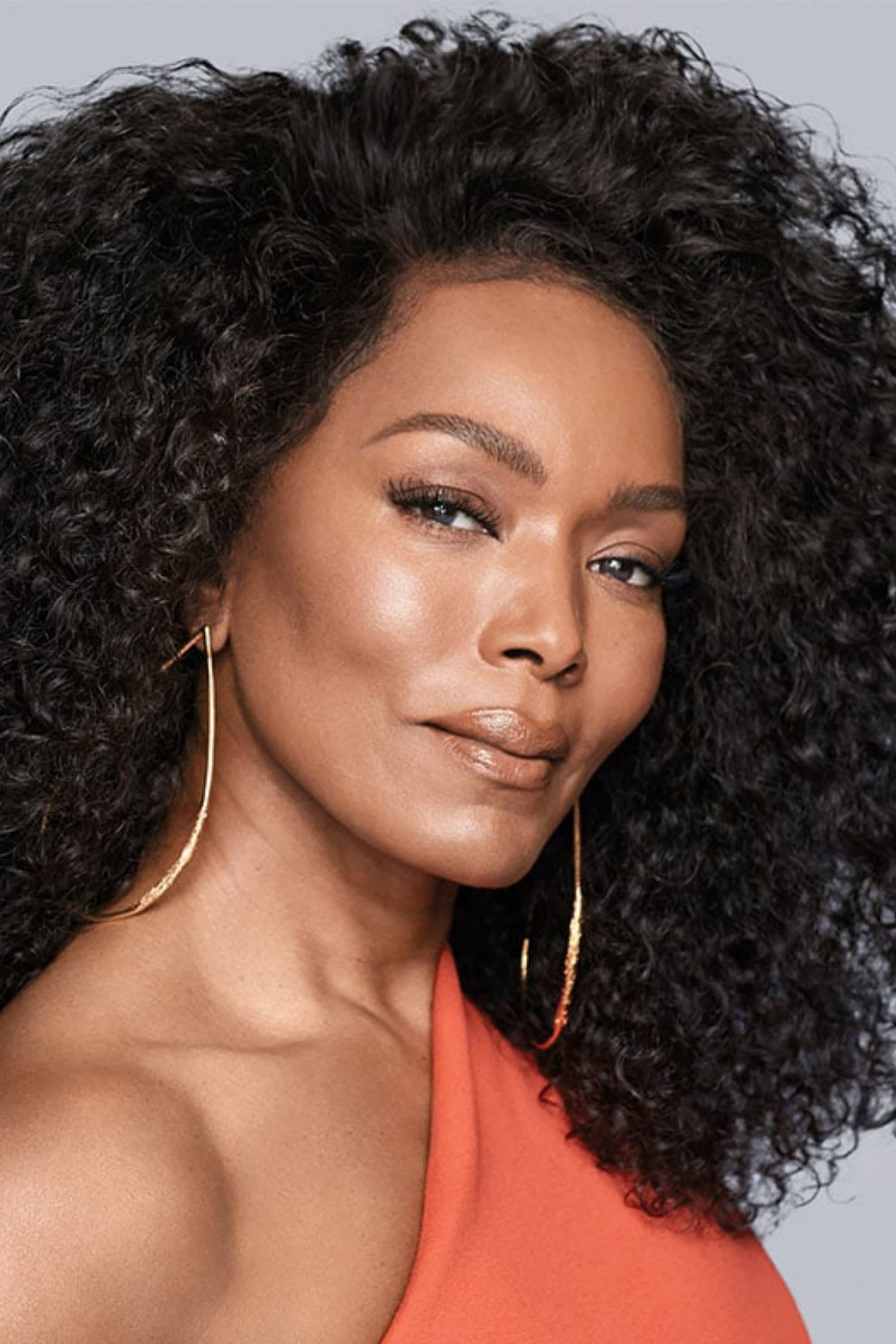
Angela Bassett’s portrayal of Queen Ramonda earned major awards recognition and a wave of critical tributes for commanding presence and grief stricken authority. Reviewers highlighted council scenes and a key confrontation as masterclass moments that elevated a large scale franchise sequel.
A portion of the audience felt the narrative emphasis on the throne room left other arcs underfed, which fed a perception that the spotlight on the performance was larger than its screen time. That dynamic encouraged overhyped labels from viewers who wanted a different emotional center, even as others embraced the role as a late career high.
Mo’Nique in ‘Precious’ (2009)
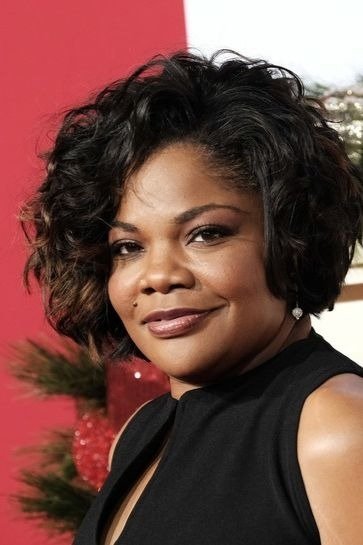
Mo’Nique won the Academy Award for Best Supporting Actress for a performance that critics called fearless and unsparing. The final monologue drew particular attention for its rhythm and the way it reframed several earlier scenes with new context.
Some viewers found the film’s relentless depiction of abuse overwhelming, and those reactions sometimes spilled onto the acting conversation. The overhyped tag often came from discomfort with the story’s harshest turns, which led to claims that the intensity of the material rather than the craft drove the acclaim.
Octavia Spencer in ‘The Help’ (2011)
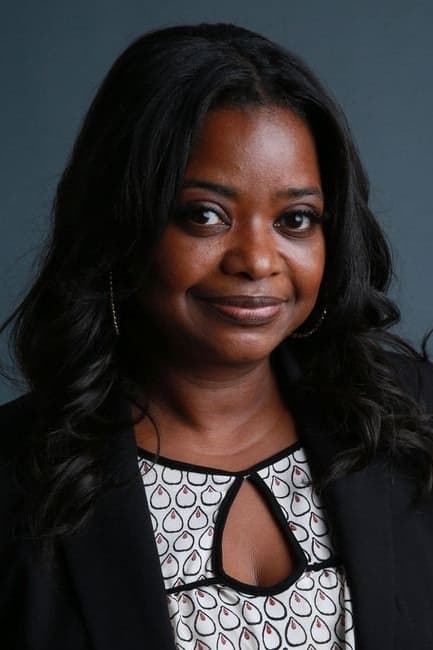
Octavia Spencer won the Academy Award for Best Supporting Actress and collected multiple guild and critics honors. Her line delivery and sense of timing were praised for bringing warmth and bite to a period piece that tackles domestic labor and social barriers.
Audience debate centered on how the film approaches race and agency, which shaped reactions to the performance as well. Viewers who felt the story simplified history sometimes argued that the recognition for the role rode the film’s broad appeal, which fed a perception of overhype in some circles.
Viola Davis in ‘The Help’ (2011)
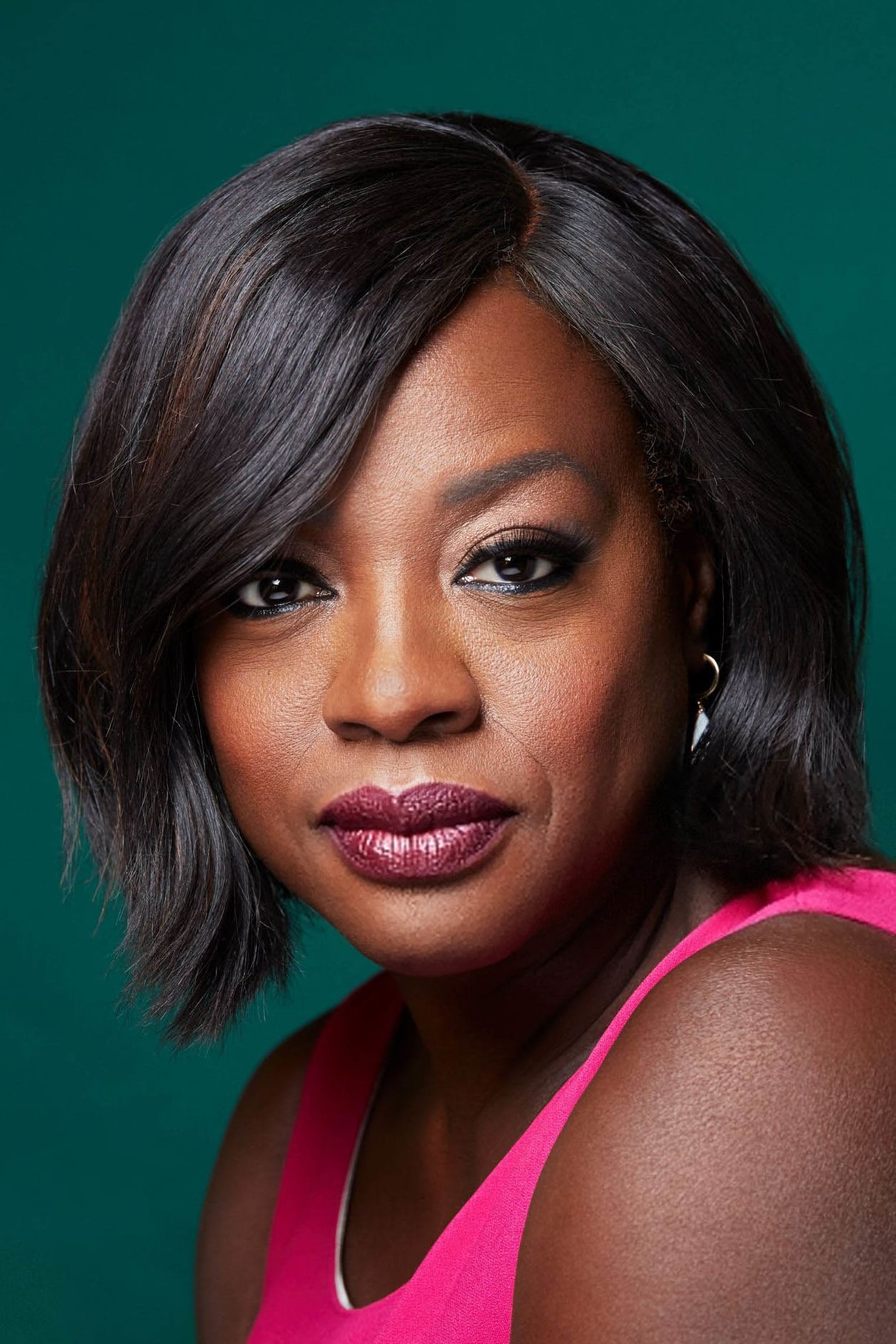
Viola Davis drew widespread acclaim and major nominations for a performance marked by quiet restraint and emotional precision. Critics pointed to kitchen table scenes and soft spoken confrontations as examples of how stillness can carry heavy narrative weight.
A slice of the audience questioned the film’s perspective and argued that the structure limited the character’s voice, which shaded how they read the praise. That discussion led to claims that the awards attention did not match the depth some viewers hoped to see on screen.
Forest Whitaker in ‘The Last King of Scotland’ (2006)
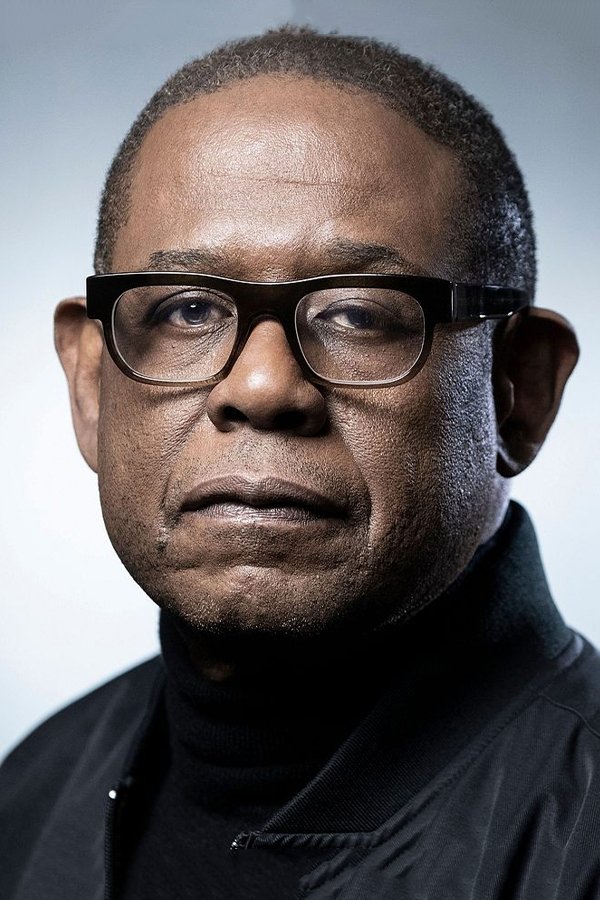
Forest Whitaker won the Academy Award for Best Actor for his portrayal of Idi Amin, with critics lauding a performance that balances charm and menace in a way that feels unpredictable from scene to scene. The role became a frequent reference point in discussions of biographical acting.
Some viewers felt the film’s framing device and outsider point of view complicated their engagement, and that spillover affected how they weighed the acclaim. The dissonance between performance and narrative structure led a number of audience members to call the praise larger than the overall experience.
Denzel Washington in ‘Fences’ (2016)

Denzel Washington earned major nominations and critics recognition for a performance adapted from the stage with a focus on language, rhythm, and lived in history. Reviewers highlighted long scenes in the yard that showcase breath control and the musicality of dialogue.
A portion of the audience experienced the adaptation as talk heavy and static, which shaped reactions to the acting showcase. Those viewers argued that the theatrical roots boosted awards attention while leaving them cold, and they used that gap to label the leading turn as overhyped.
Chadwick Boseman in ‘Ma Rainey’s Black Bottom’ (2020)
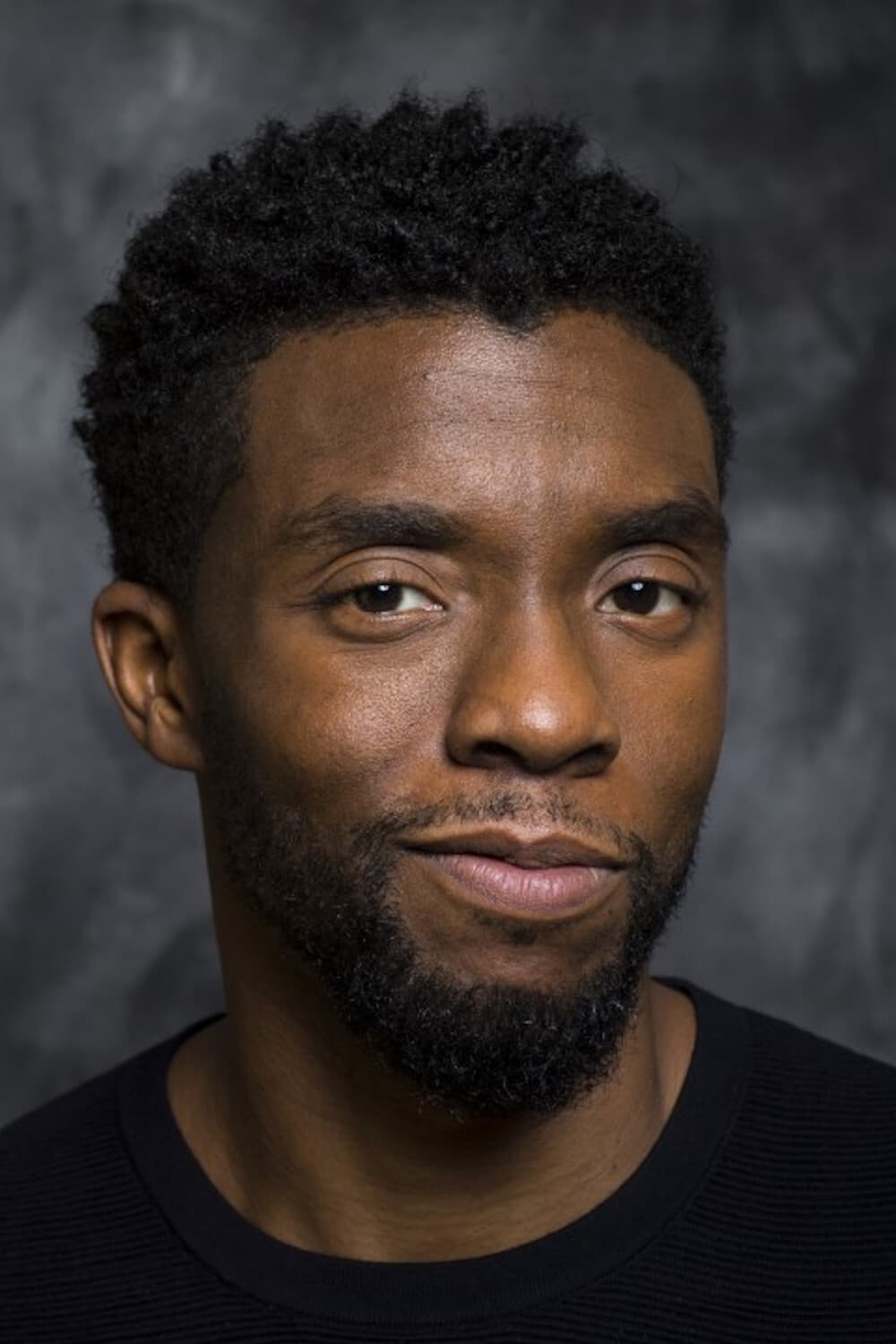
Chadwick Boseman received significant awards recognition for a performance that blends bravado with aching vulnerability. Critics singled out rehearsal room monologues and the way the character’s ambition collides with the realities of the studio.
Some viewers felt the chamber piece setting limited the role’s range on screen and believed the conversation around the performance was shaped by context outside the film. That view fed a subset of overhyped claims even as many celebrated the work as a capstone.
Cynthia Erivo in ‘Harriet’ (2019)
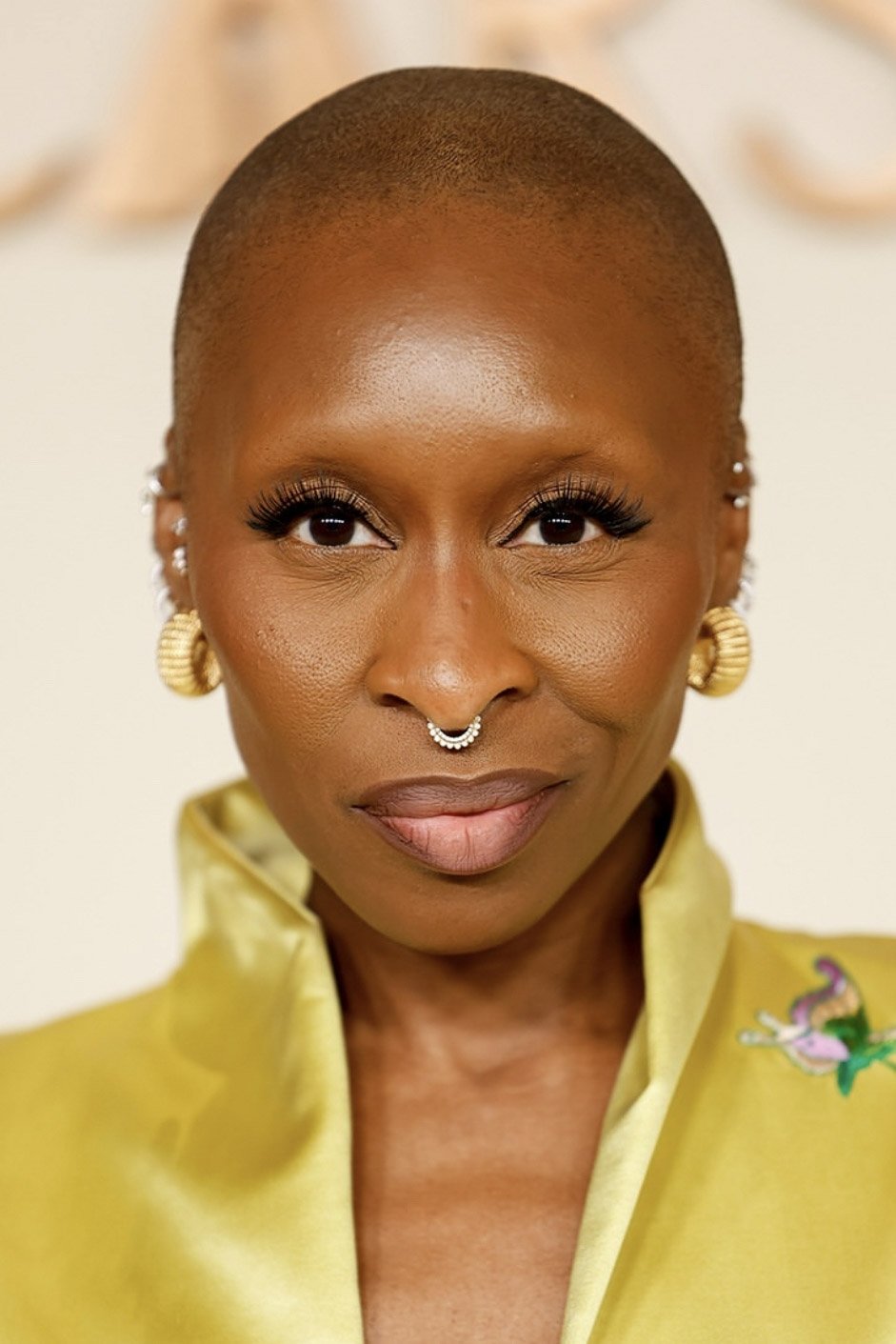
Cynthia Erivo earned multiple nominations for portraying Harriet Tubman, with critics praising the physical commitment and the clarity of purpose in scenes of escape and return. Songs recorded for the film also drew recognition that kept the role in the awards spotlight.
Audience pushback often centered on creative choices in dramatization and on casting discourse that circulated online. Those concerns shaped a narrative among some viewers that the performance’s acclaim outstripped their own experience of the film.
Andra Day in ‘The United States vs. Billie Holiday’ (2021)
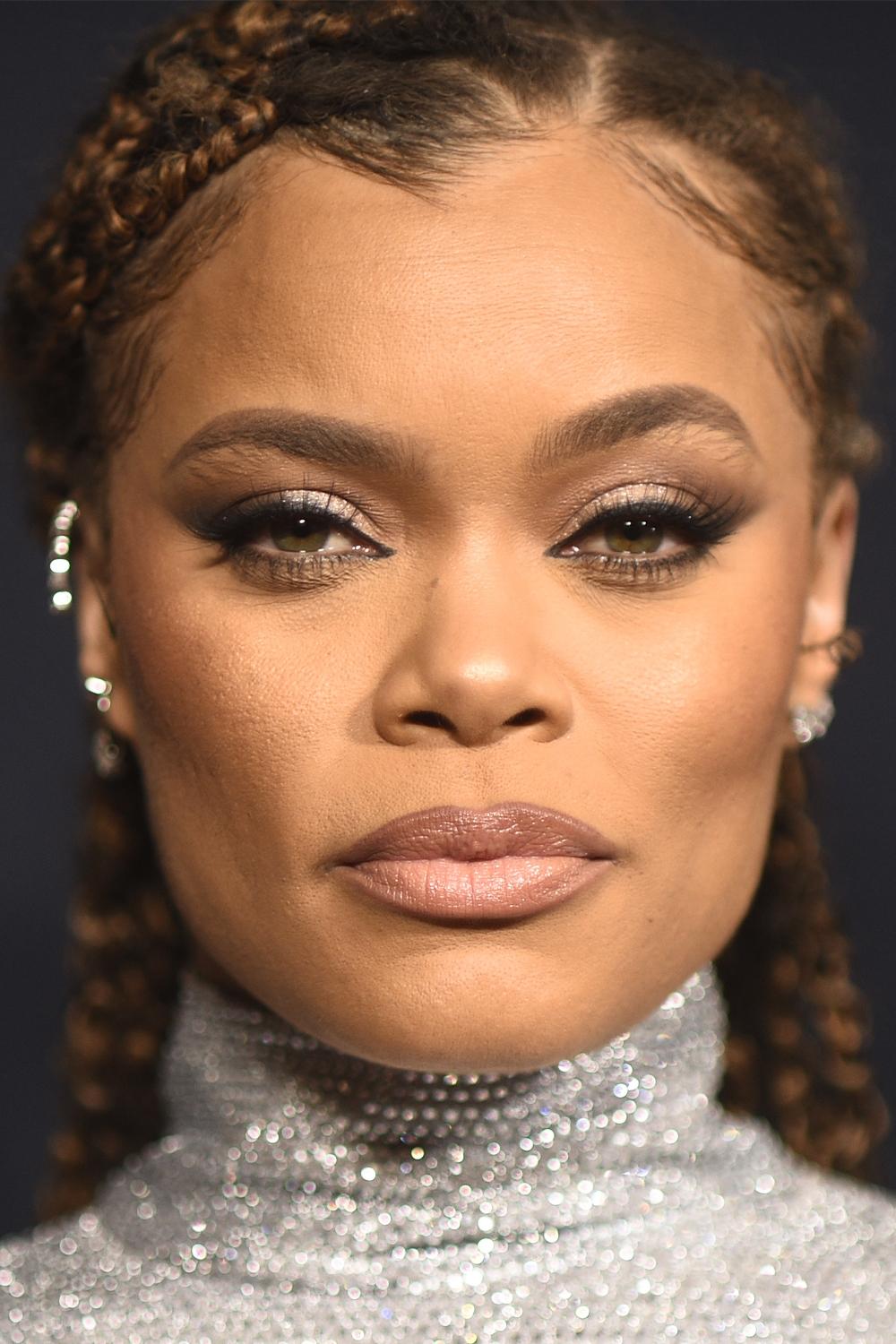
Andra Day won a major lead actress award and garnered wide critical attention for channeling Billie Holiday’s voice and stage presence. Reviewers focused on musical set pieces and scenes that capture the cost of constant surveillance and addiction.
Some viewers found the storytelling disjointed and attributed their frustration to the way the narrative moves between performance and investigation. That reaction turned into claims that the awards buzz centered on impression rather than character, which they described as overhyped.
Idris Elba in ‘Beasts of No Nation’ (2015)
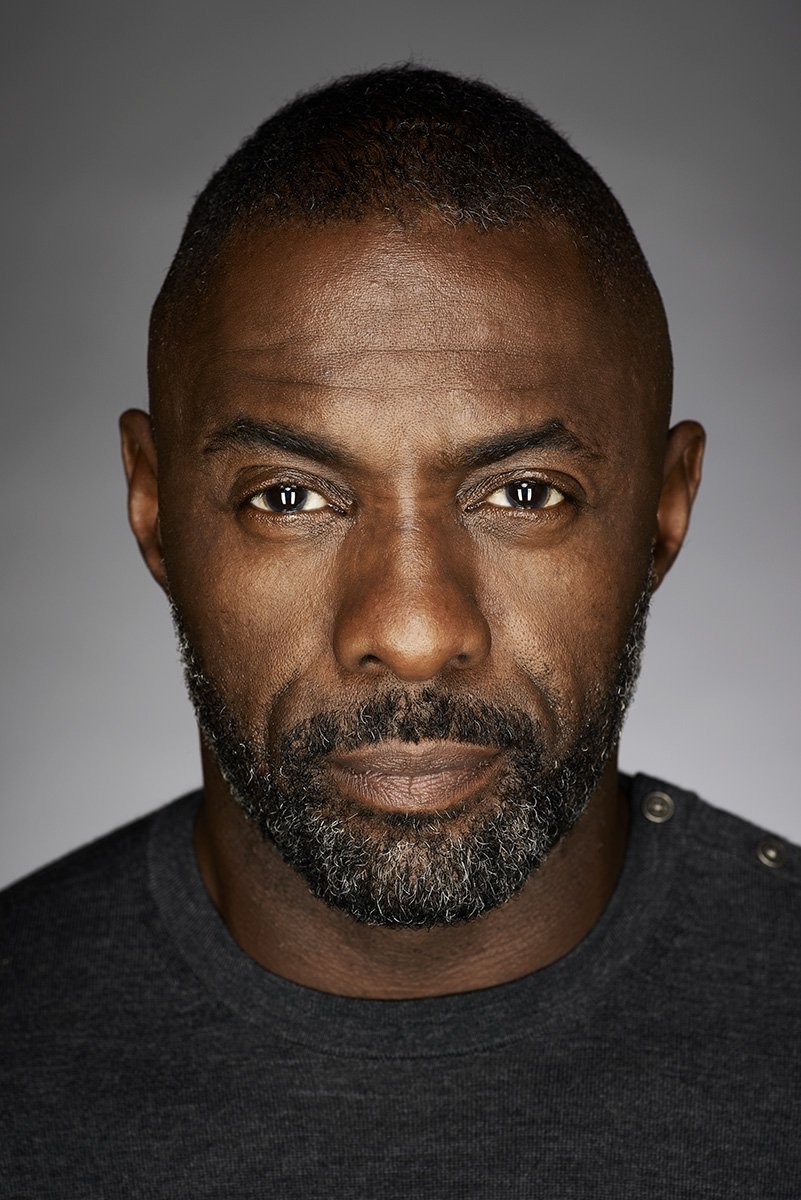
Idris Elba received strong critical notices and several nominations for a role that demanded both charisma and terror. The performance became part of a larger conversation about streaming releases breaking into awards races.
Audience reaction was complicated by the film’s brutality and release path, which limited big screen exposure and communal viewing. Some viewers argued that the distance between acclaim and reach made the praise feel larger than the impact they saw among friends, which fed the overhyped label.
Eddie Murphy in ‘Dreamgirls’ (2006)
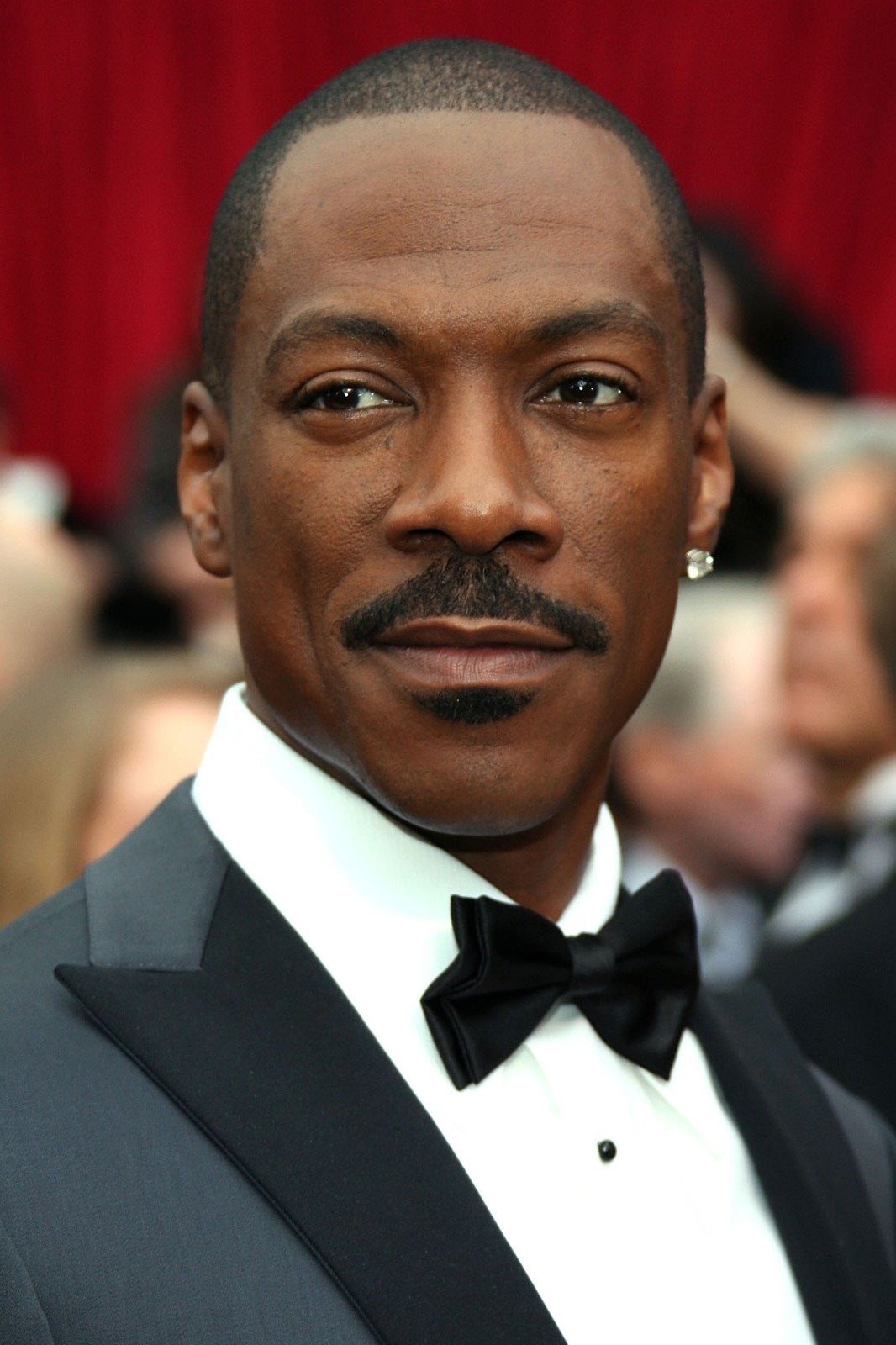
Eddie Murphy earned awards and major nominations for a supporting turn that showcased vocal performance and dramatic range. Critics praised the shift from showmanship to vulnerability in key scenes that chart a singer’s rise and struggle.
A slice of the audience argued that limited screen time and a crowded ensemble made the role feel smaller than the buzz suggested. That gap between attention and perception fueled talk that the accolades oversold the performance.
Jennifer Hudson in ‘Dreamgirls’ (2006)
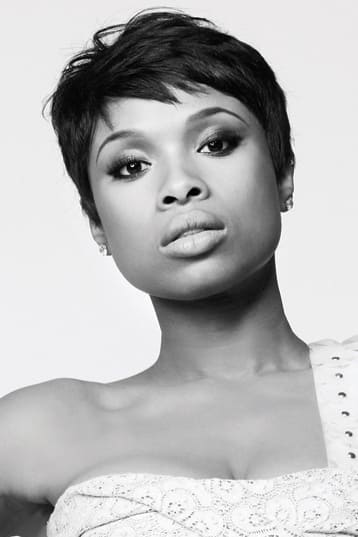
Jennifer Hudson won multiple awards including the Academy Award for Best Supporting Actress, with critics celebrating powerhouse vocals and a signature ballad that became a cultural moment. The role marked a breakout that reshaped her career.
Some viewers felt the awards conversation framed the film around a single number and did not track with the overall story. That led to claims that the praise for the performance was bigger than the character’s arc on screen, which they labeled as overhyped.
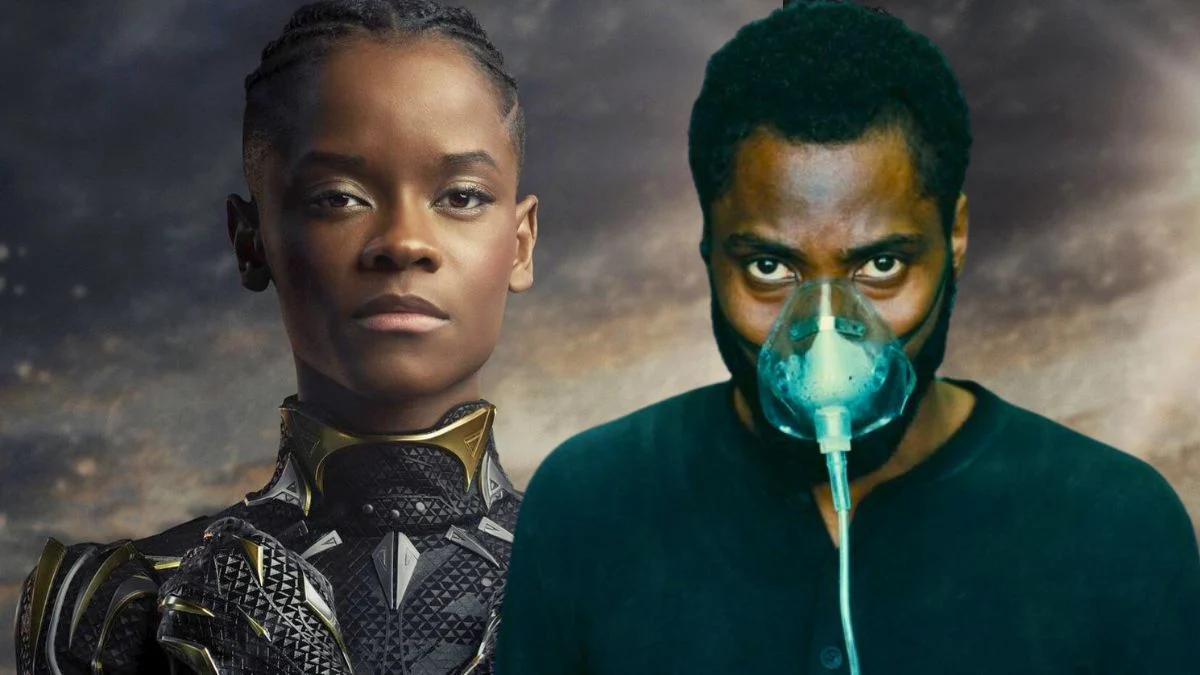
John David Washington in ‘Tenet’ (2020)
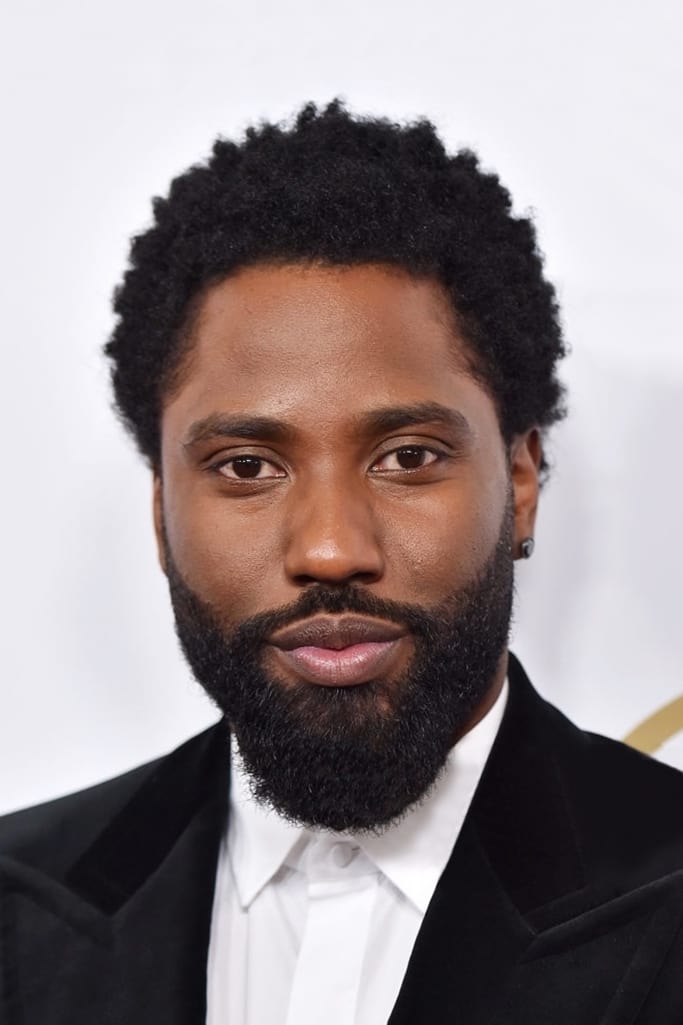
John David Washington drew praise for carrying a complex action lead with precise physical work and a cool command. Critics highlighted fight choreography that plays with perspective and the demands of technical staging.
Audience discussion often focused on sound mix, exposition, and puzzle box plotting, which influenced how they judged the acting. In those conversations some viewers argued that the kudos for the lead turn rode the concept, and they used the word overhyped to describe the gap they felt.
Regina King in ‘If Beale Street Could Talk’ (2018)
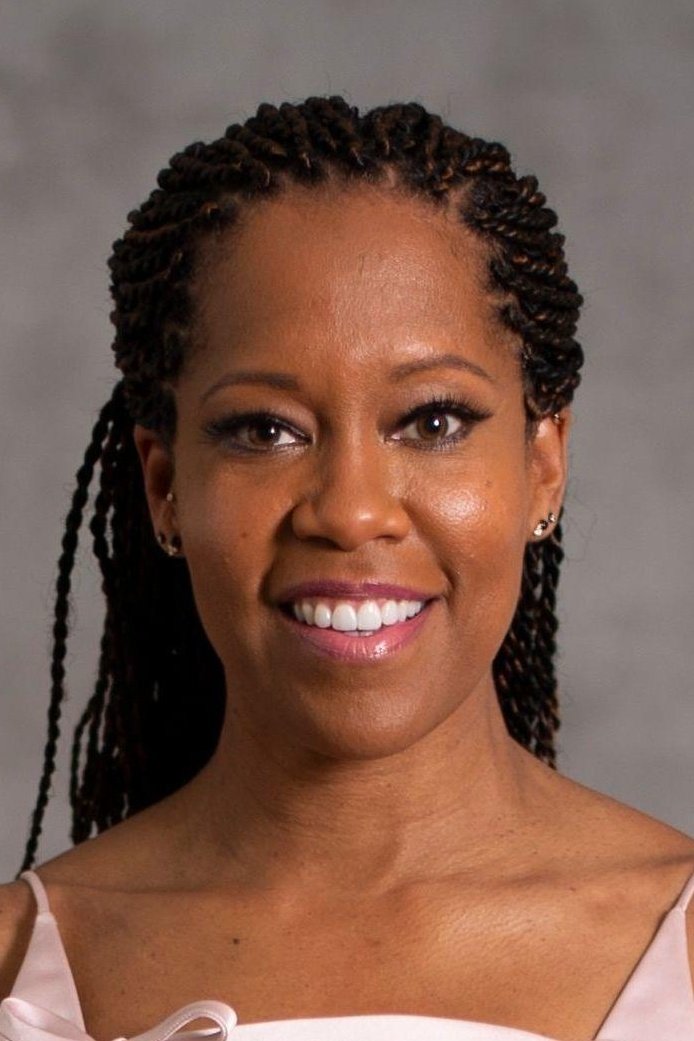
Regina King’s performance earned the Academy Award for Best Supporting Actress along with widespread critical acclaim. Reviewers pointed to quiet scenes of caregiving and a pivotal trip that frames the character’s resolve with tenderness.
Some viewers found the film’s pace meditative in a way that muted their emotional response, which shaped how they read the praise for the role. The result was a pocket of audience chatter that called the performance overhyped compared with their expectations.
Letitia Wright in ‘Black Panther: Wakanda Forever’ (2022)
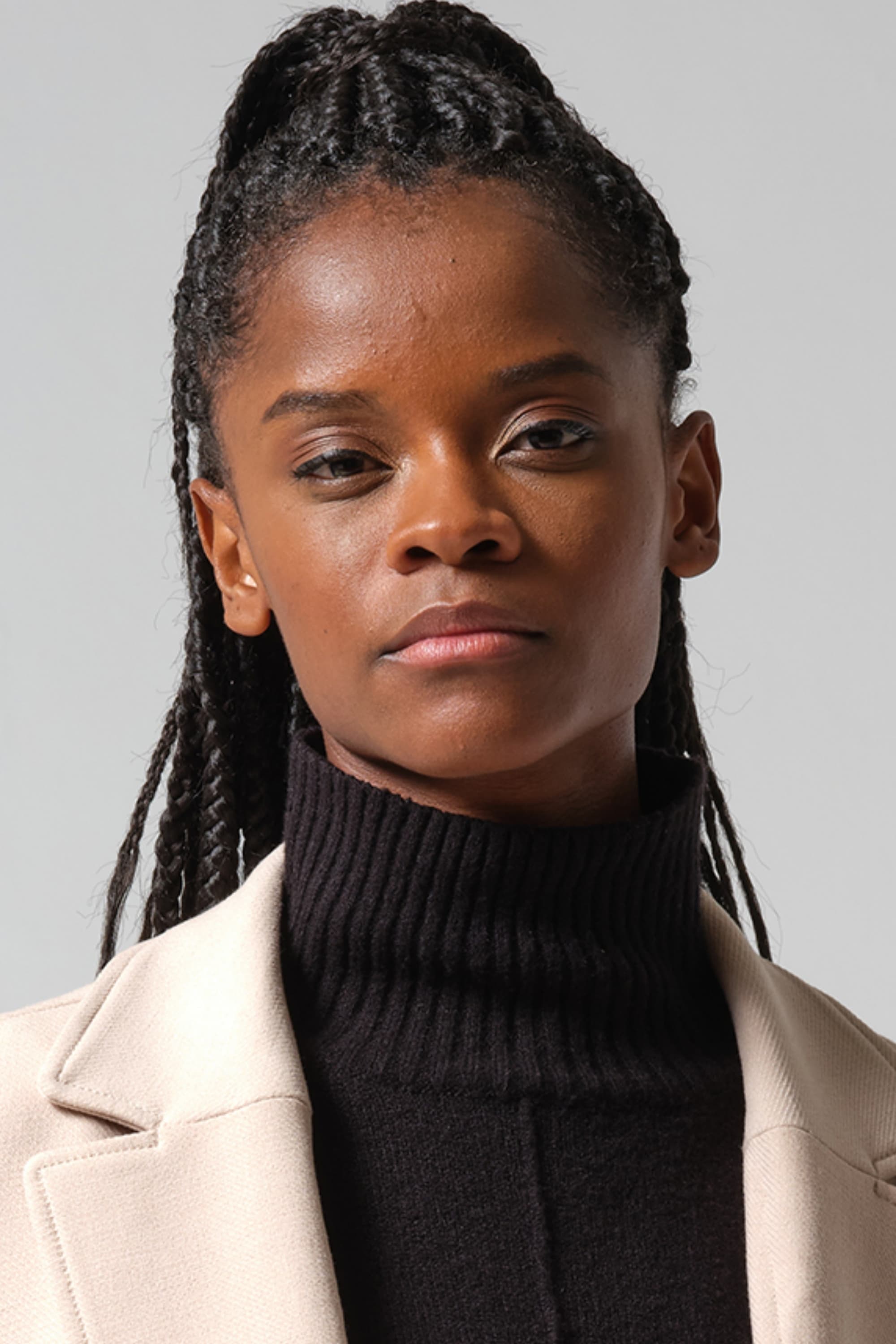
Letitia Wright stepped into a lead arc that critics noted for grief, technology, and leadership under pressure. The performance drew attention for balancing humor with solemnity in a story about succession and responsibility.
Audience reactions varied on the choice of narrative center and on how the film handled its shifts in tone. Those who preferred a different direction sometimes framed their view as the role receiving more acclaim than it delivered for them, which fed overhyped comments online.
Lakeith Stanfield in ‘Judas and the Black Messiah’ (2021)
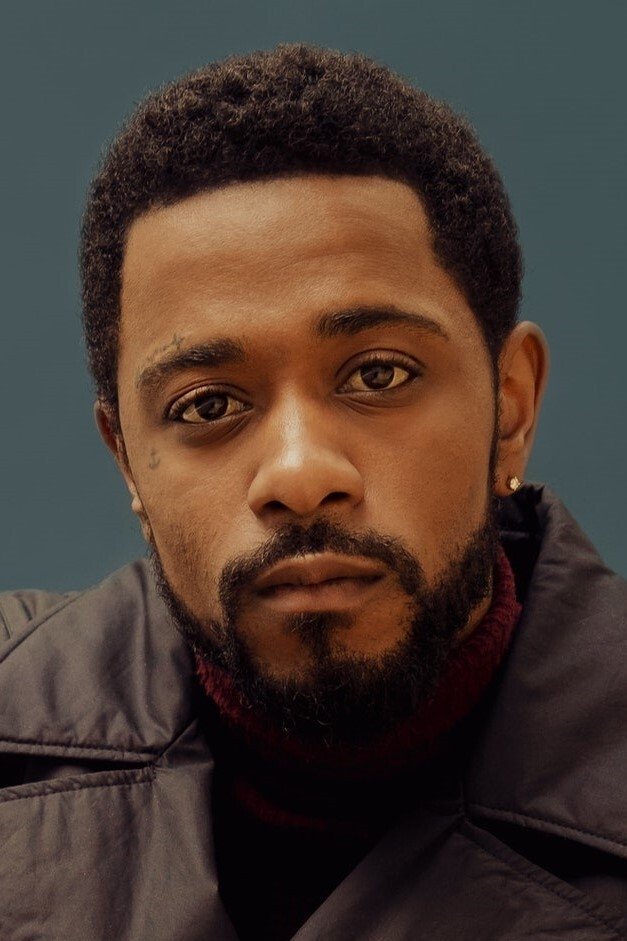
Lakeith Stanfield earned major nominations for portraying an informant caught between survival and conscience. Critics praised interrogation scenes and meetings that hinge on micro expressions and split second choices.
Some viewers struggled with the character’s vantage point and wanted more time with movement leaders, which affected how they valued the performance. That tension led to a subset of audience claims that the acclaim felt larger than the engagement they had with the arc on screen.
Share which performances you think were truly worth the hype in the comments.